
Chapter 01 — Today in music
On a day like today July 31
1969
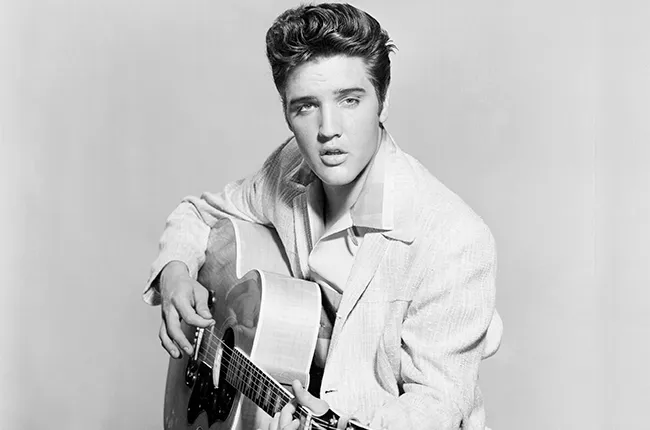
Elvis returns to the stage: the Las Vegas residency that changed the business begins
On July 31, 1969, Elvis Presley debuted at the International Hotel in Las Vegas — his first paid concert in eight years, after the lost decade in Hollywood. Wrapped in renewed mystique and backed by a ferocious band, he triumphed and launched a residency that would redefine the city's business model. Every current Las Vegas show descends from those nights.
Elvis Presley
Listen
Via YouTube
1958
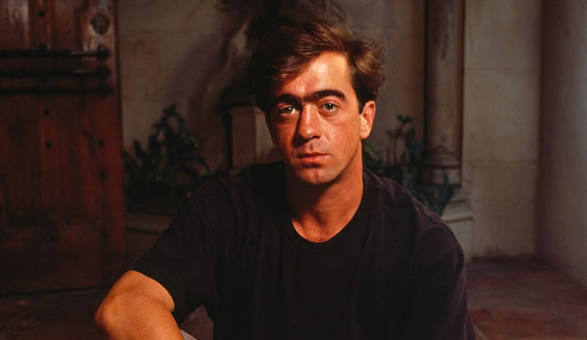
Bill Berry is born, the discreet pulse that made R.E.M. great
On July 31, 1958, Bill Berry was born in Minnesota — R.E.M.'s drummer and secret songwriter: the seeds of 'Everybody Hurts' and 'Man on the Moon' are his. After suffering an aneurysm on stage in 1995, he retired in 1997 to become a farmer, with the band's blessing. Few musicians have ever left stardom with such elegance and so little desire to return.
Bill Berry
R.E.M.
Listen
Via YouTube
1968
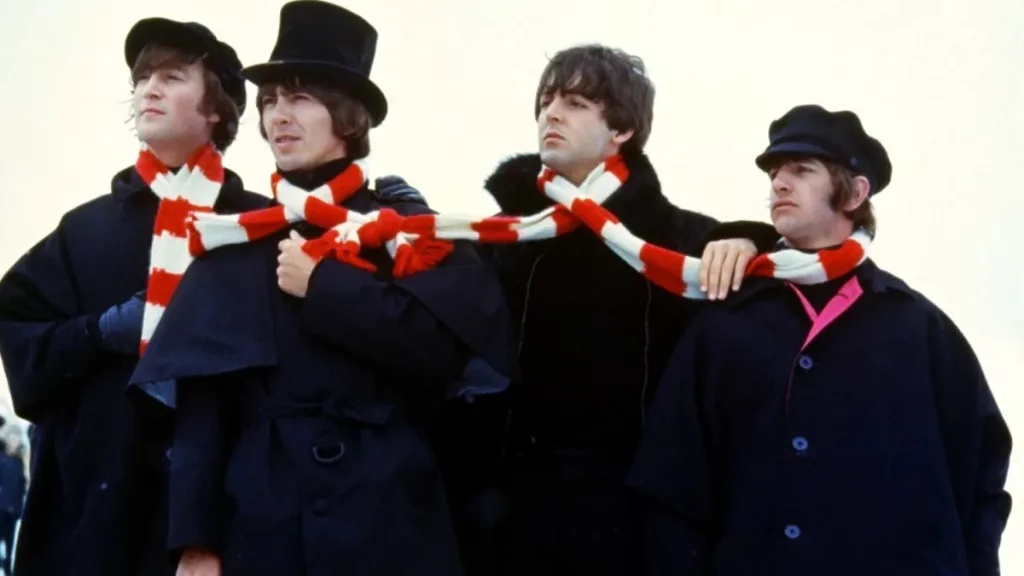
'Hey Jude' finds its studio: the Beatles debut eight-track recording
On July 31, 1968, the Beatles moved into Trident Studios in London's Soho to record 'Hey Jude' in earnest. They left Abbey Road for a very concrete reason: Trident had a working eight-track machine, technology EMI didn't yet offer. In a marathon session from 2 pm to 4 am they cut four takes of the rhythm track, McCartney at the piano, and the first one was the keeper. Out of it came the best-selling single in the band's history, with its seven-minute choral coda.
The Beatles
Listen
Via YouTube
1971
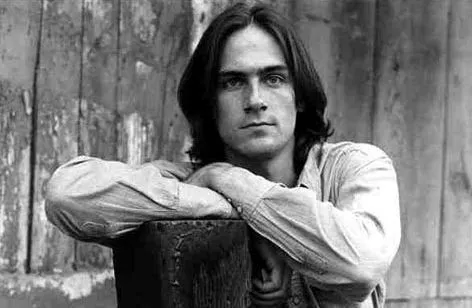
James Taylor's only number one was written by someone else
On July 31, 1971, 'You've Got a Friend' reached number one in the United States. James Taylor sang it and it would be the only chart-topper of his career, but Carole King had written it, and had released it months earlier on 'Tapestry'. The two were friends and played each other their songs before anyone else heard them. That year — the whispered confession against the stadium — two quiet voices took over the whole conversation.
James Taylor
Carole King
Listen
Via YouTube
1980
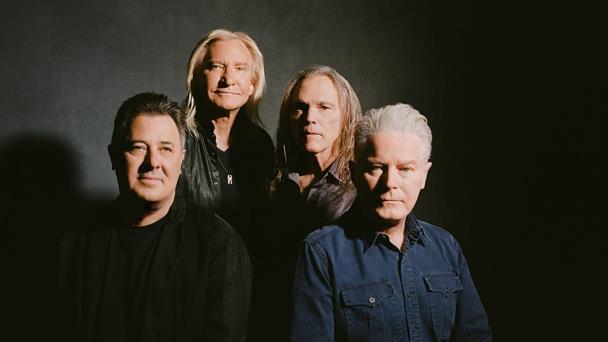
The Eagles break up onstage while the crowd hears beautiful songs
On July 31, 1980, in Long Beach, the Eagles played a benefit concert for a California senator. Onstage, Glenn Frey and Don Felder spent the night describing to each other under their breath what they planned to do once they got off: 'I'm gonna kick your ass', 'three more songs'. The audience heard none of it, only immaculate harmonies. When it ended, Felder smashed an acoustic guitar backstage and the band did not stand on a stage together again until 1994.
Eagles
Glenn Frey
Don Felder
Listen
Via YouTube
1947
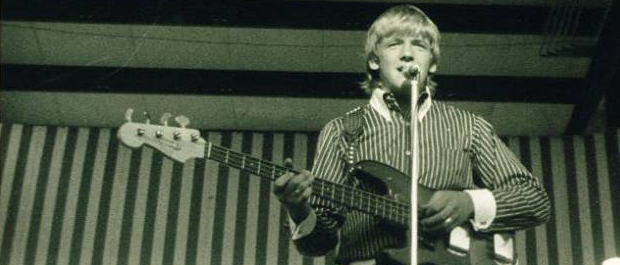
Karl Green is born, the quiet bass of the British Invasion
On July 31, 1947, Karl Green, founding bassist and backing vocalist of Herman's Hermits, was born in Salford, England. Out of Manchester, the band became one of the spearheads of the British Invasion, even rivaling the Beatles in US sales in 1965 on the strength of hits like 'I'm Into Something Good' and 'Mrs. Brown, You've Got a Lovely Daughter'. Green skillfully anchored the gentle side of the British beat, that tidy pop that won over teenage America. His story is a reminder that the invasion wasn't waged by giants alone.
Karl Green
Herman's Hermits
Listen
Via YouTube
1957
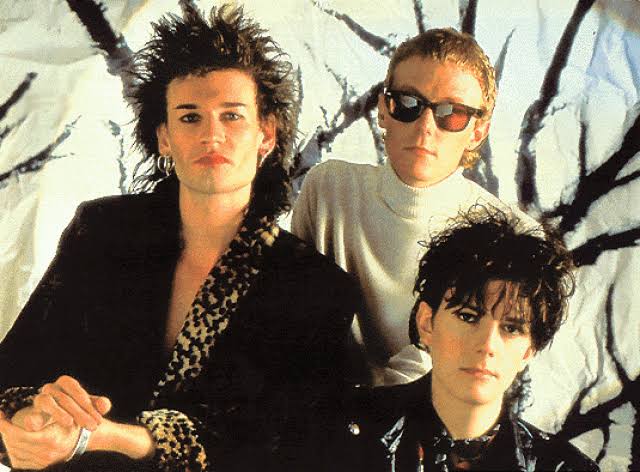
Daniel Ash is born, the guitarist who dressed rock in black
On July 31, 1957, Daniel Ash, guitarist of Bauhaus, was born in Northampton, England. Within weeks of forming the band in 1978, they recorded 'Bela Lugosi's Dead', nine spectral minutes that became the cornerstone of gothic rock. His angular guitar, more texture than solo, defined that aesthetic of shadows he later carried into Tones on Tail and Love and Rockets. Half a century of dark music, from post-punk to dark wave, descends in a straight line from his sound.
Daniel Ash
Bauhaus
Listen
Via YouTube
1957
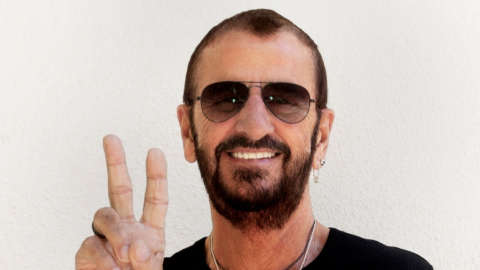
The first Beatle to set foot in the Cavern was still called Richard Starkey
On July 31, 1957, a seventeen-year-old apprentice fitter played drums at Liverpool's Cavern with the Eddie Clayton Skiffle Group: tea-chest bass, washboard, two guitars. His name was Richard Starkey and it would be five years before he was Ringo Starr. Lennon would reach the same stage a week later with the Quarry Men. The last man to join the Beatles was, in fact, the first to arrive at the place where everything was going to happen.
Ringo Starr
The Beatles
1964
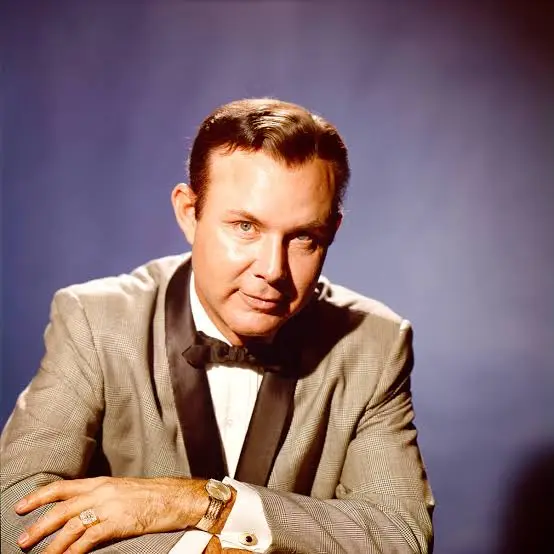
Jim Reeves goes down with his plane on the way to Nashville
On July 31, 1964, the small plane Jim Reeves was piloting crashed in a storm near Nashville. He was 40. His velvet voice had been the spearhead of the Nashville sound — that operation to smooth country with strings and choirs so it would slip onto city radio — and it worked so well that 'Distant Drums' would top the UK chart two years after his death. In barely two years country lost Patsy Cline and then him: both in plane crashes, both on their way home.
Jim Reeves
Listen
Via YouTube
1967
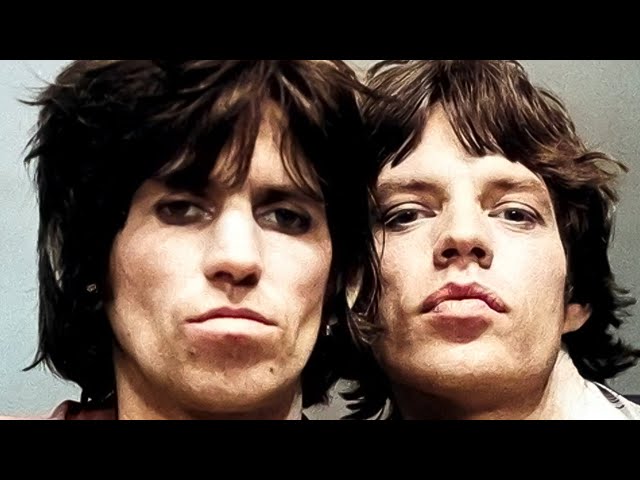
The appeal that put the Stones back on the street
On July 31, 1967, London's appeal court quashed Keith Richards' conviction entirely and left Mick Jagger with a conditional discharge. They had come through the Redlands raid, tabloid headlines and prison sentences that struck half the country as wildly out of proportion to what was actually there: a little cannabis and a great appetite for making an example. Power had tried to use the Stones as a warning, and achieved the opposite: it turned them into a symbol.
The Rolling Stones
Mick Jagger
Keith Richards
Listen
Via YouTube
One ephemeris a day, one editorial a week. Zero spam, pure archive.