
Chapter 01 — Today in music
On a day like today August 12
1949
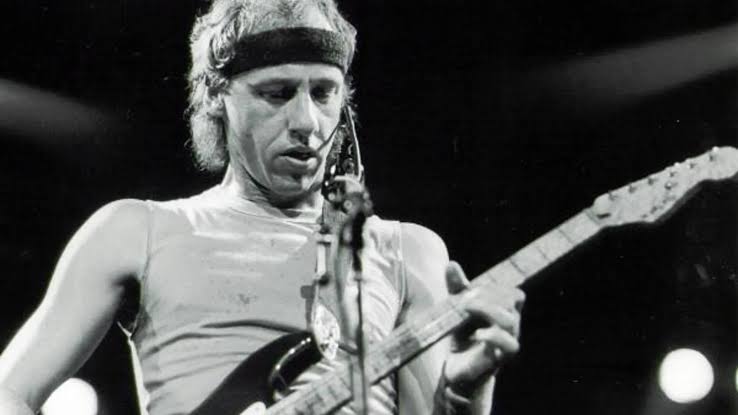
Mark Knopfler is born, the fingers that whispered in the age of screaming
On August 12, 1949, Mark Knopfler was born in Glasgow — Dire Straits' leader. A former journalist and teacher, he played without a pick, with a clean phrasing that went against every late-seventies fashion, and still 'Sultans of Swing' and 'Money for Nothing' conquered the planet. His tone is among rock's most recognizable: working-class elegance in every note.
Mark Knopfler
Dire Straits
Listen
Via YouTube
1972
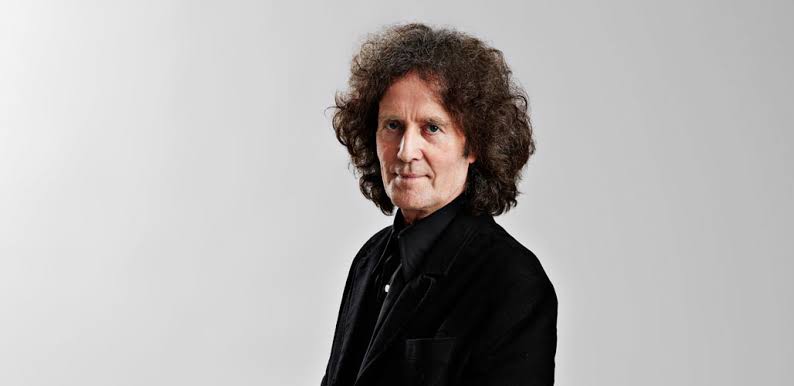
The ballad that twenty years later forced hip-hop to pay for its samples
On August 12, 1972, Gilbert O'Sullivan's 'Alone Again (Naturally)' was number one in the United States — a piano song about suicide and orphanhood disguised as a pleasant melody. In 1991 Biz Markie sampled it without permission and the publisher sued: the Grand Upright ruling of December 17 that year forced every sample to be legally cleared. The free collage of the eighties ended overnight and rap had to learn to play.
Gilbert O'Sullivan
Biz Markie
Listen
Via YouTube
1978
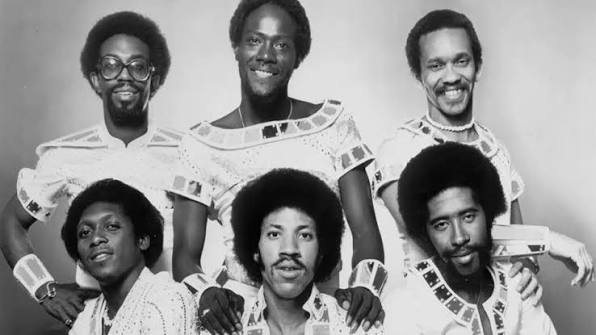
'Three Times a Lady' gives the Commodores their first number one
On August 12, 1978, 'Three Times a Lady' reached number one in the United States. Until then the Commodores had been a hard funk machine, the band of 'Brick House' and 'Machine Gun', but Lionel Richie wrote a slow waltz inspired by his parents' wedding anniversary and changed their fate. The band won the world and lost its edge. Richie learned that night that the ballad sells more, and he never got off it.
Commodores
Lionel Richie
Listen
Via YouTube
1991
The 'Black Album': Metallica conquer the whole world
On August 12, 1991, Metallica released their fifth record, the self-titled album known as 'The Black Album'. Guided by producer Bob Rock, the band traded speed for weight and precision, and songs like 'Enter Sandman' and 'Nothing Else Matters' carried metal to every corner of the planet. With over thirty million copies sold, it remains the record that tore down the border between metal and the mainstream.
Metallica
1994
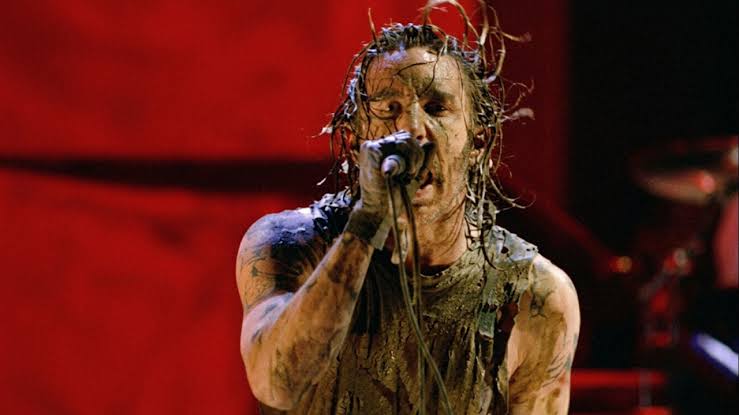
Woodstock '94: nostalgia meets Generation X's mud
On August 12, 1994, Woodstock '94 began — the official 25th-anniversary edition of the original festival, with 350,000 people and a deluge that turned it into a mud party. The mud fight during Green Day's set and Nine Inch Nails' filth-caked show became symbols of a generation that inherited the hippie myth and rolled it, literally, in the dirt.
Green Day
Nine Inch Nails
Listen
Via YouTube
1920
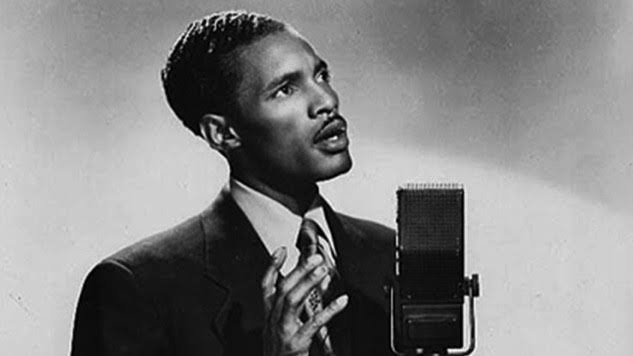
Percy Mayfield is born: the blues poet who wrote for Ray Charles
On August 12, 1920, Percy Mayfield was born in Louisiana. In 1950 'Please Send Me Someone to Love' made him a star, but two years later a car crash destroyed his face and took him off stage for good. He took refuge in writing and handed Ray Charles 'Hit the Road Jack'. His story is that of a man who had his face taken away and was left with the only thing that actually mattered.
Percy Mayfield
Ray Charles
Listen
Via YouTube
1967
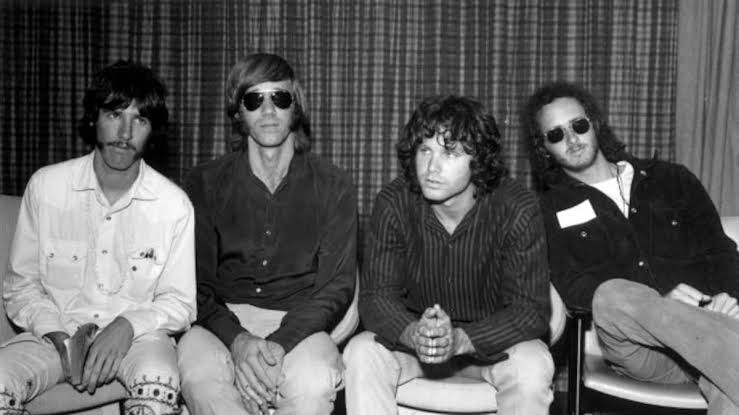
'Light My Fire' at the top: seven minutes of organ cut down for radio
On August 12, 1967, The Doors' 'Light My Fire' was number one in the United States. Robby Krieger, not Jim Morrison, wrote nearly all of it, and its fame rests on Ray Manzarek's opening organ figure, those circular notes closer to Bach than to rock. The album version runs seven minutes; for radio they cut the solos down to under three. The Summer of Love sounded like a church keyboard and barroom poetry.
The Doors
Robby Krieger
Ray Manzarek
Listen
Via YouTube
1970
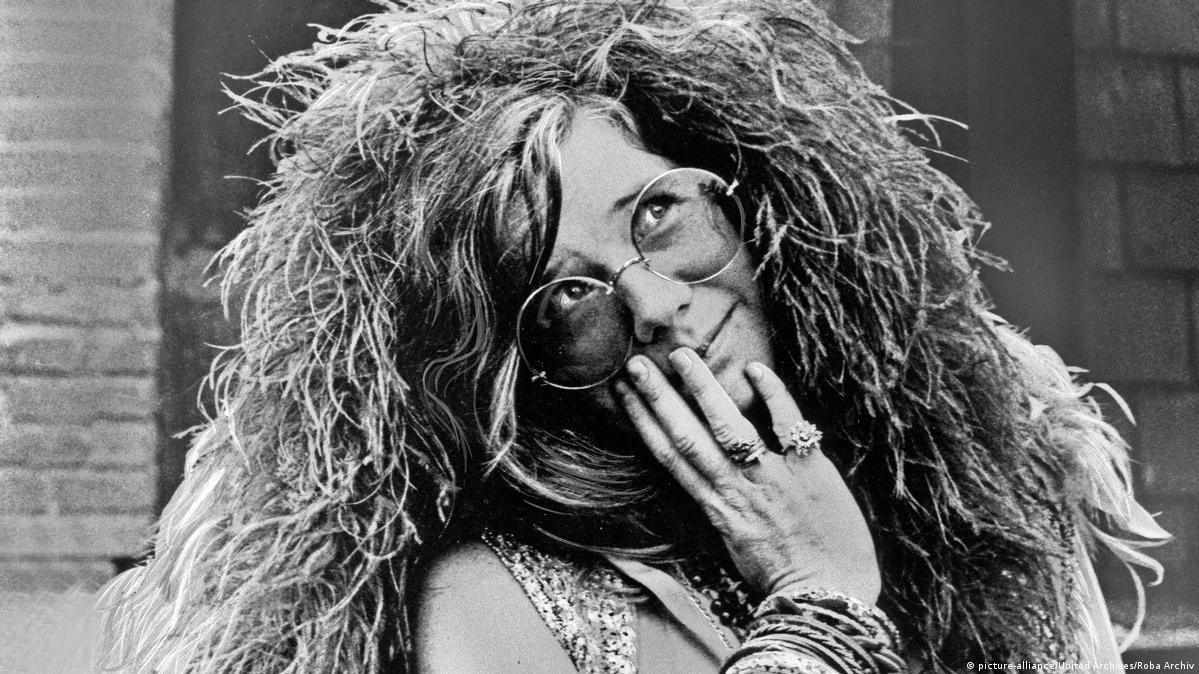
Janis Joplin sings for the last time before 40,000 souls at Harvard
On August 12, 1970, Janis Joplin gave her final concert at Boston's Harvard Stadium, before 40,000 people who paid two dollars to see her with her brand-new Full Tilt Boogie Band. The theft of the sound equipment that afternoon delayed the show, but Janis still dazzled with a nearly a cappella 'Mercedes Benz' and a wrenching version of 'Summertime'. Nobody imagined that 53 days later she would be found dead in Los Angeles, at 27.
Janis Joplin
Full Tilt Boogie Band
Listen
Via YouTube
1989
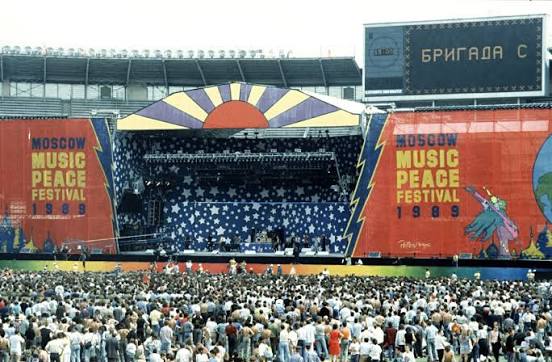
Hard rock tears down the iron curtain in Moscow
On August 12, 1989, the Moscow Music Peace Festival kicked off at Moscow's Lenin Stadium, with Bon Jovi, Ozzy Osbourne, Scorpions, Mötley Crüe, Cinderella and Skid Row before tens of thousands of young Soviets. For the first time, an audience in the USSR was allowed to stand up and dance at a rock concert. That summit of glasnost and guitars inspired Scorpions' 'Wind of Change', the anthem that would soundtrack the fall of the wall.
Bon Jovi
Ozzy Osbourne
Scorpions
Listen
Via YouTube
1995
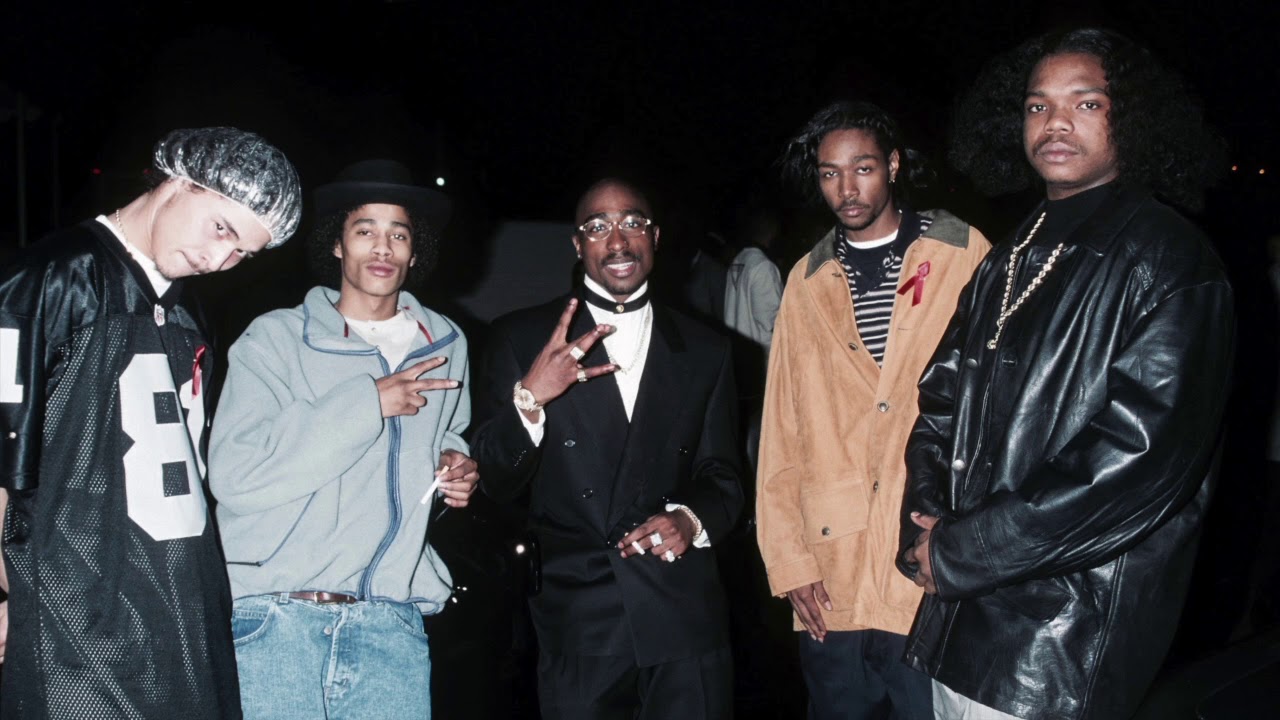
'E. 1999 Eternal' tops the chart and rap learns to sing at speed
On August 12, 1995, Bone Thugs-n-Harmony's 'E. 1999 Eternal' topped the R&B and hip-hop albums chart. The five from Cleveland rapped in harmony at a speed that seemed impossible, closer to gospel than to East Coast rap. The record is one long act of mourning: Eazy-E, the man who had signed them to Ruthless, had died of AIDS five months earlier. Their style eventually seeped into nearly all the melodic rap that followed.
Bone Thugs-n-Harmony
Eazy-E
Listen
Via YouTube
One ephemeris a day, one editorial a week. Zero spam, pure archive.