
Chapter 01 — Today in music
On a day like today August 24
1948
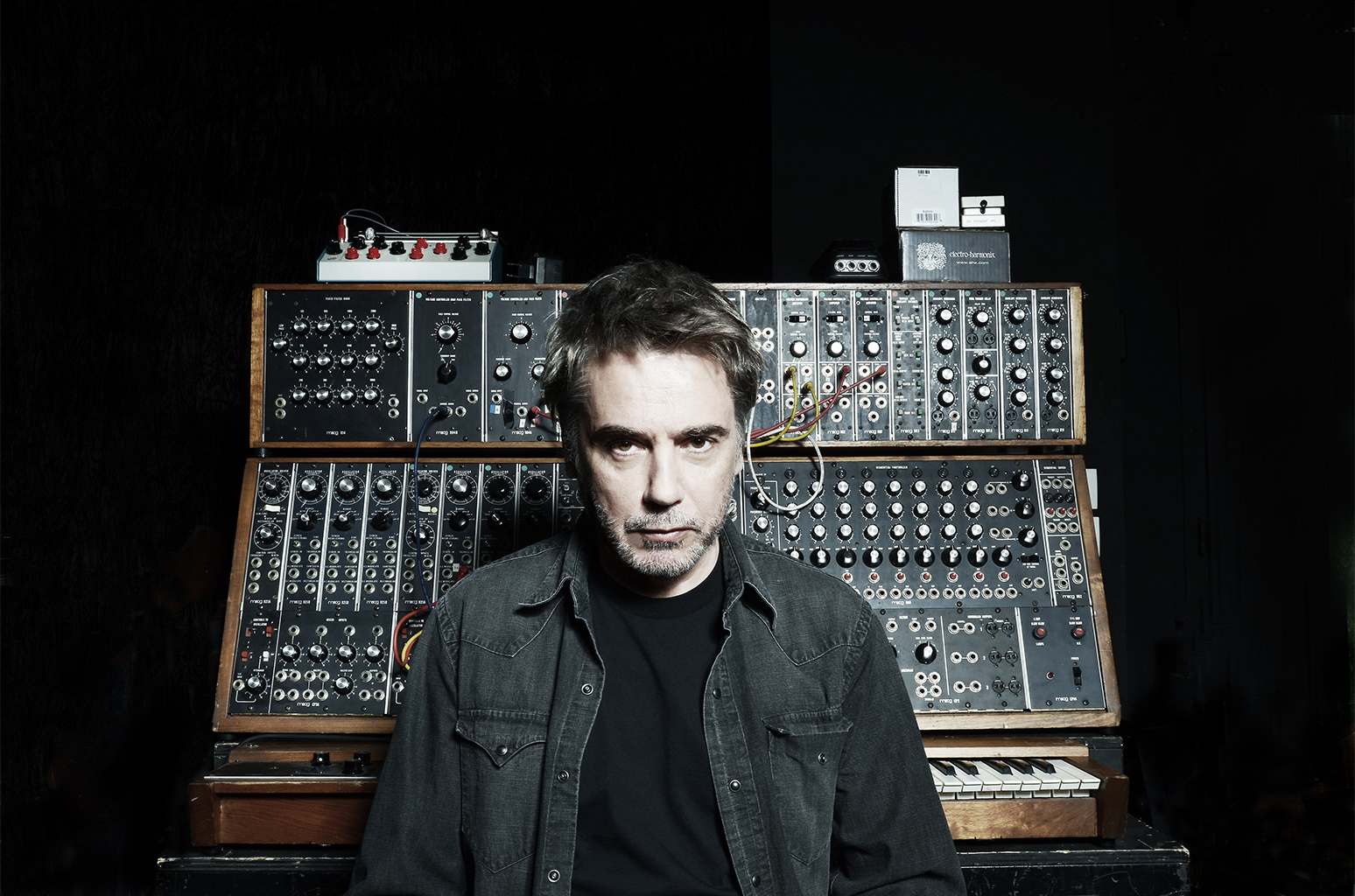
Jean-Michel Jarre is born, the man who turned synthesizers into fireworks
On August 24, 1948, Jean-Michel Jarre was born in Lyon — the pioneer who, with 'Oxygène' in 1976, took electronic music from the laboratories into millions of living rooms. His free concerts broke world attendance records, with millions gathered before skyscrapers turned into screens. Before EDM and massive electronic festivals, Jarre had already drawn the map.
Jean-Michel Jarre
Listen
Via YouTube
1930
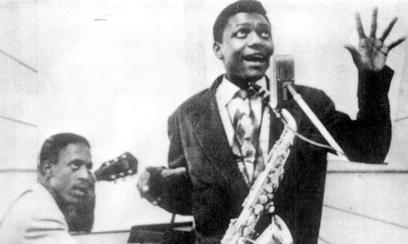
Jackie Brenston is born, who sang what many call the first rock record
On August 24, 1930, Jackie Brenston was born in Clarksdale, Mississippi. In 1951 he cut 'Rocket 88' at Sun Studios in Memphis, with Ike Turner's band and a distorted guitar because the amplifier had fallen off the car on the way to the session. Many historians name it the first rock and roll record. Brenston never had another hit and died an alcoholic at forty-eight.
Jackie Brenston
Ike Turner
Listen
Via YouTube
1945
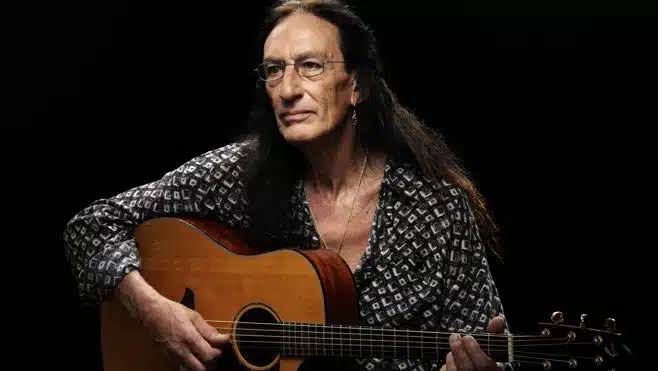
Ken Hensley is born, the roaring Hammond organ of Uriah Heep
On August 24, 1945, Ken Hensley was born in London — keyboardist, guitarist and main songwriter of Uriah Heep in its golden era. 'Lady in Black' and 'Easy Livin'' are his, as is the distorted Hammond organ that defined seventies hard rock's most epic side. A band mauled by critics and adored by audiences: history ended up siding with the people.
Ken Hensley
Uriah Heep
Listen
Via YouTube
1991
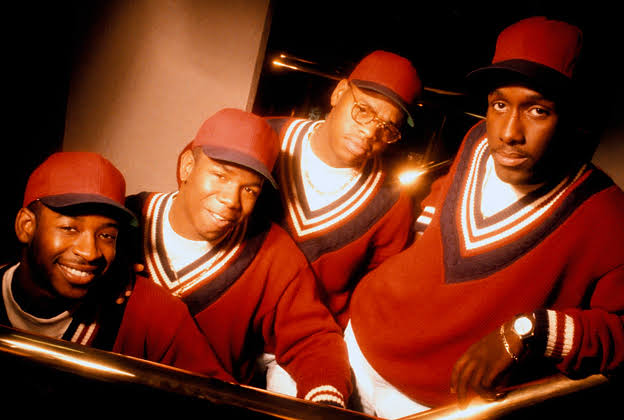
'Cooleyhighharmony' tops the chart and doo-wop returns in teenage form
On August 24, 1991, Boyz II Men's 'Cooleyhighharmony' topped the R&B albums chart. They were four boys from a Philadelphia arts school singing in four-part harmony without instruments, a format that had seemed buried since the fifties. Michael Bivins discovered and produced them. They sold nine million copies and proved vocal harmony hadn't gone out of fashion: it had only been waiting for somebody to do it well.
Boyz II Men
Listen
Via YouTube
2021
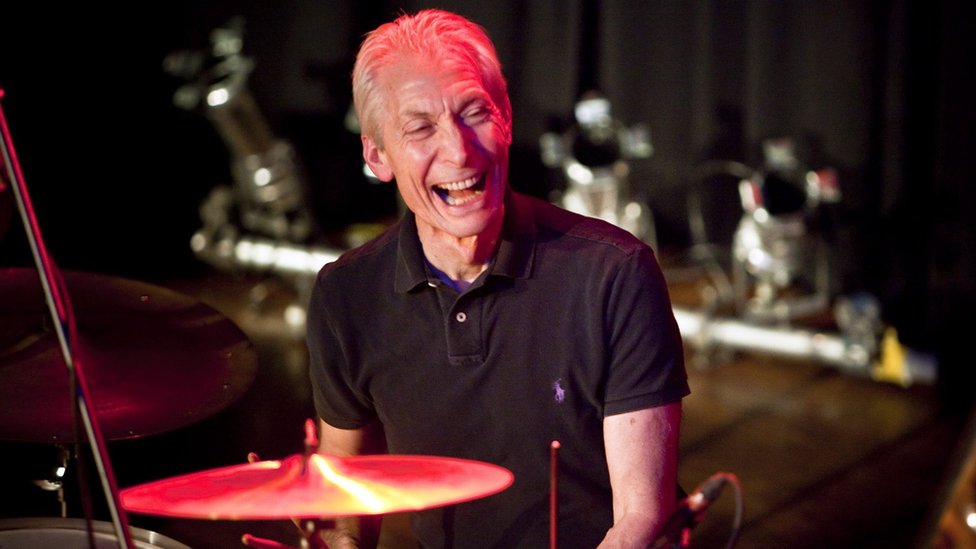
Charlie Watts passes, the unflappable heartbeat of the Rolling Stones
On 24 August 2021, Charlie Watts, the Rolling Stones' drummer for nearly six decades, died in a London hospital at 80, surrounded by his family. Jazz-schooled, he played on all 26 of the band's studio albums with a dry swing and a tailored elegance that contrasted with the chaos around him. Weeks earlier he had announced he would sit out the tour due to a health problem. With his passing, rock lost its most discreet metronome: the man who held together the genre's longest-running band without ever raising his voice.
Charlie Watts
The Rolling Stones
Listen
Via YouTube
1905
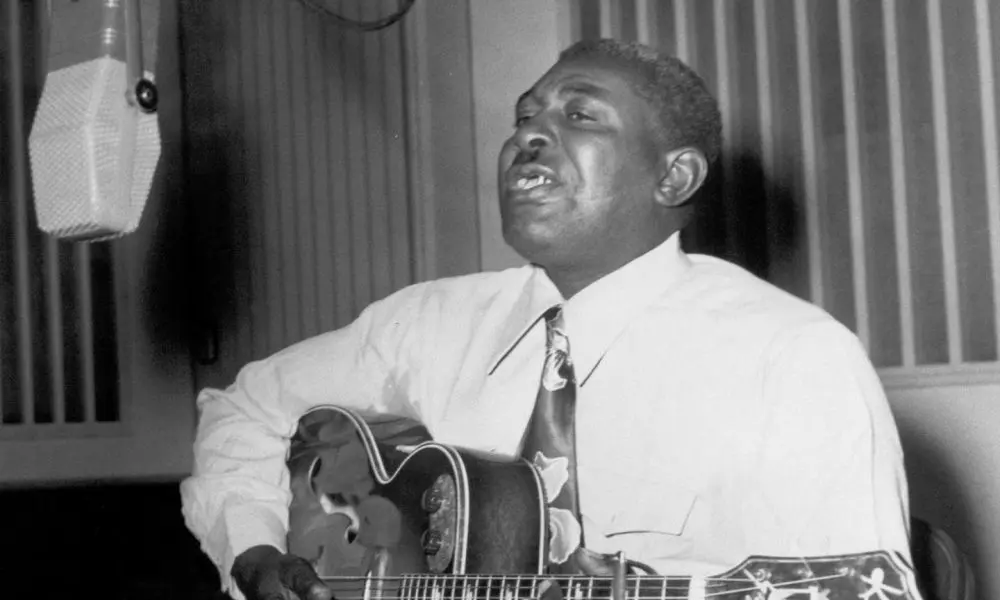
Arthur Crudup is born, who wrote Elvis's first single and died poor
On August 24, 1905, Arthur 'Big Boy' Crudup was born in Mississippi. In 1946 he recorded 'That's All Right', and eight years later a Memphis truck driver named Elvis Presley chose it for his first single on Sun Records. The song opened the door to rock and roll. Crudup spent decades fighting for royalties he never fully collected and went back to work as a farm labourer. He died in 1974, without ever seeing a fair cent.
Arthur Crudup
Elvis Presley
Listen
Via YouTube
1943
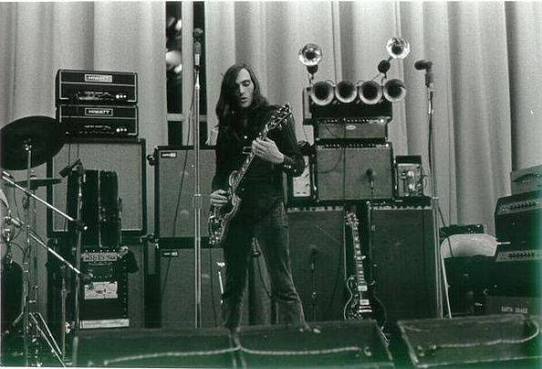
John Cipollina is born, the serpentine guitar of psychedelic San Francisco
On 24 August 1943, John Cipollina was born in Berkeley alongside his twin sister Manuela — future founder and lead guitarist of Quicksilver Messenger Service. His quivering vibrato and custom amplifier wall defined the San Francisco psychedelic sound as much as the Grateful Dead or Jefferson Airplane. Rolling Stone ranked him among the 100 greatest guitarists of all time in 2003, and his rig is displayed at the Rock and Roll Hall of Fame. He died in 1989, but his liquid solos remain the soundtrack of Bay Area acid rock.
John Cipollina
Quicksilver Messenger Service
Listen
Via YouTube
1975
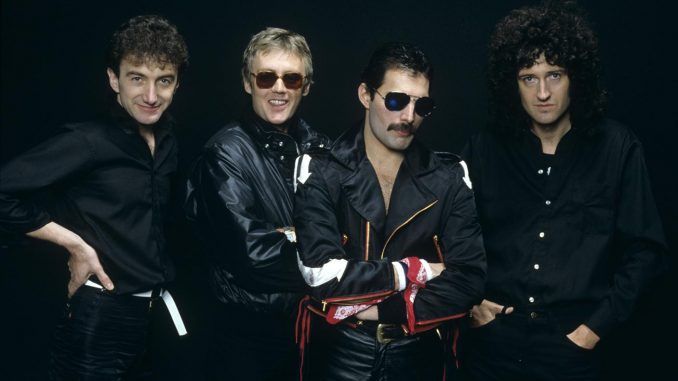
Queen enters Rockfield to record a fantasy called 'Bohemian Rhapsody'
On 24 August 1975, after three weeks of rehearsals in Herefordshire, Queen began recording 'Bohemian Rhapsody' at Rockfield Studio 1 in Wales. Freddie Mercury's plan looked like madness: a nearly six-minute suite of ballad, opera and hard rock, with no chorus. It took about three weeks across five studios and some 180 overdubs, with Mercury, May and Taylor singing ten to twelve hours a day. The result defied every rule of radio and became one of the most famous songs ever recorded.
Queen
Freddie Mercury
Listen
Via YouTube
1985
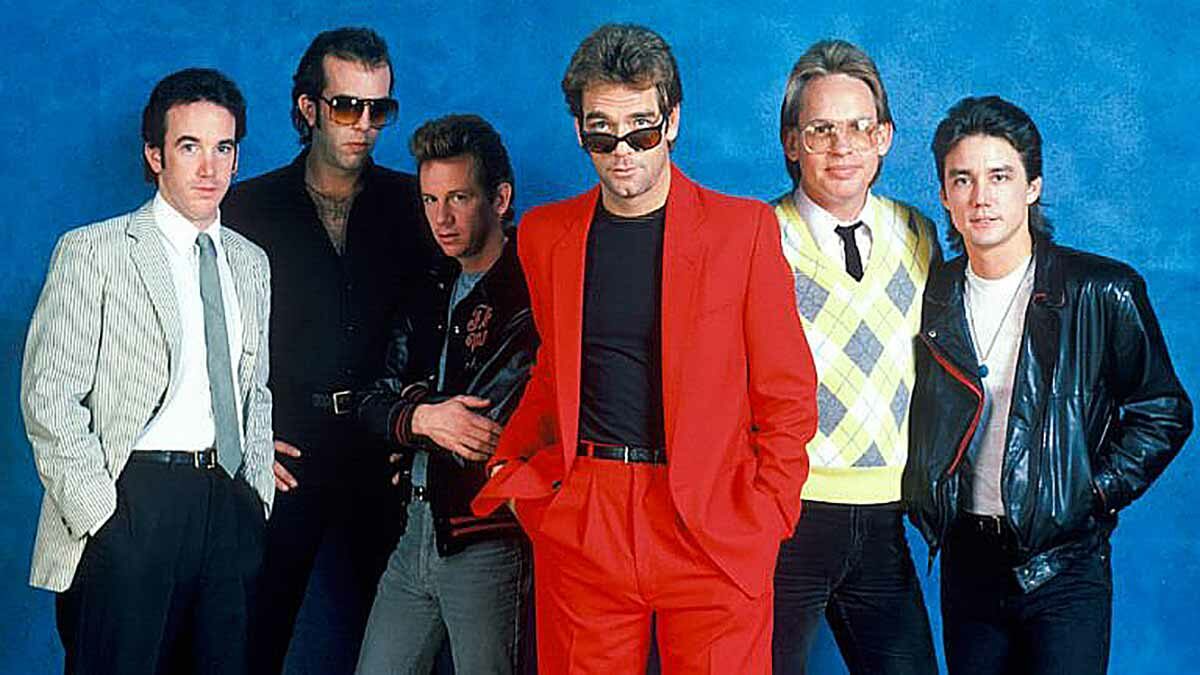
'The Power of Love' reaches the top from a film about time travel
On August 24, 1985, Huey Lewis and the News' 'The Power of Love' was number one in the United States, the first of their career. The song came from 'Back to the Future' and its success illustrates something new about that decade: film and music had merged into a single business, and one well-placed scene was worth more than any radio campaign. That year, half the number ones came from a soundtrack.
Huey Lewis and the News
Listen
Via YouTube
One ephemeris a day, one editorial a week. Zero spam, pure archive.