
Chapter 01 — Today in music
On a day like today September 17
1923
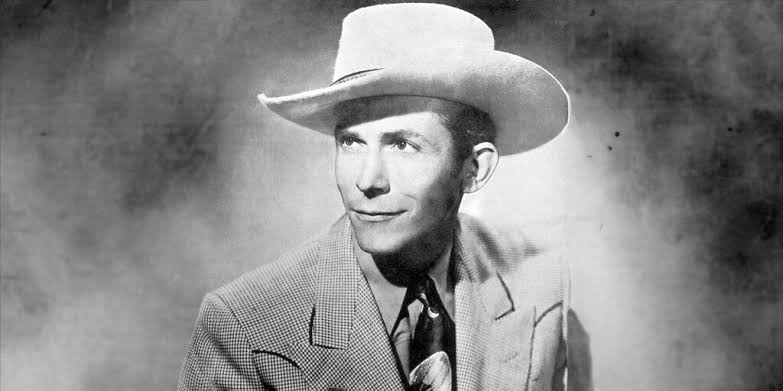
Hank Williams is born, American music's first doomed poet
Hank Williams is born in Mount Olive, Alabama: the songwriter who turned rural pain into perfect three-minute songs. “I'm So Lonesome I Could Cry” and “Your Cheatin' Heart” founded the country canon and anticipated the self-destructive rocker: he died at 29, in the back seat of a Cadillac, on the way to a show.
Hank Williams
Listen
Via YouTube
1966
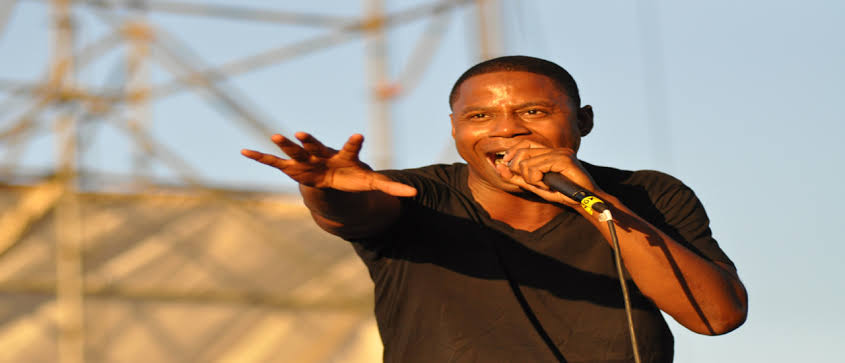
Doug E. Fresh is born: the man who turned his mouth into a drum machine
On September 17, 1966, Douglas Davis was born in Barbados. He called himself the Human Beat Box because he imitated a full drum kit with his mouth, cymbals and effects included, with no equipment at all. In 1985 he recorded 'La Di Da Di' with Slick Rick, a song made of nothing but one voice rapping and another making the beat: no instruments. It became one of the most sampled tracks in hip-hop history.
Doug E. Fresh
Listen
Via YouTube
1967
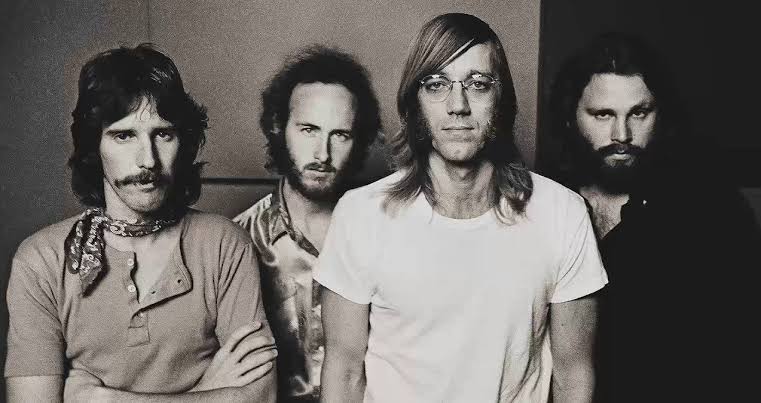
Morrison promises to change one word on Ed Sullivan and sings the original line
On 17 September 1967 the Doors performed Light My Fire on The Ed Sullivan Show. The producers asked them to replace the line about getting higher, in case it read as a drug reference; at rehearsal they agreed, and on air Morrison sang it exactly as written. Sullivan did not shake his hand afterwards and the band never returned to that studio.
The Doors
Jim Morrison
Ed Sullivan
Listen
Via YouTube
1967
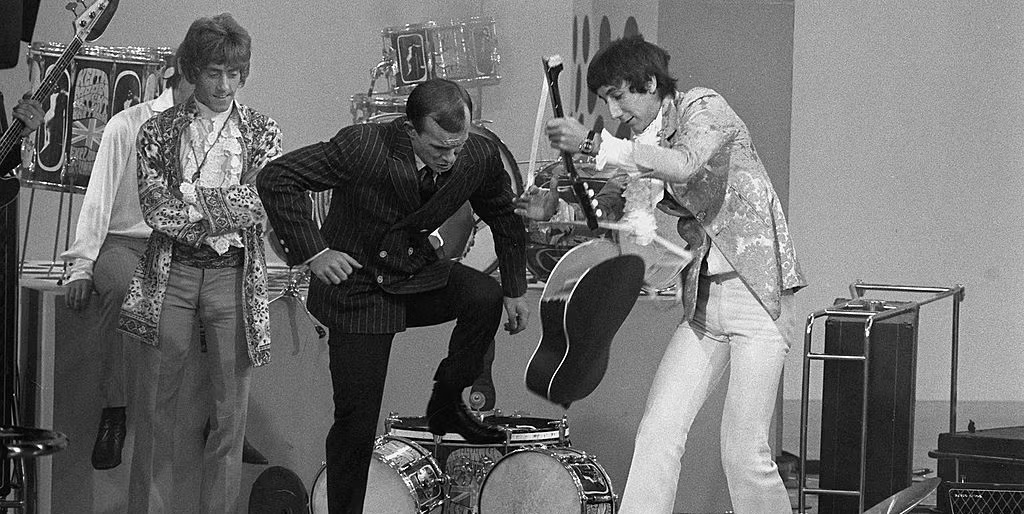
Keith Moon loads the bass drum with explosives and American television meets the Who
On 17 September 1967, the same night the Doors were on Ed Sullivan, the Who closed My Generation on The Smothers Brothers Comedy Hour with the charge Moon had hidden inside his bass drum, far more than had been agreed. The blast singed Townshend, left shrapnel in the drummer's arm and blinded the cameras for a moment.
The Who
Keith Moon
Pete Townshend
Listen
Via YouTube
1969
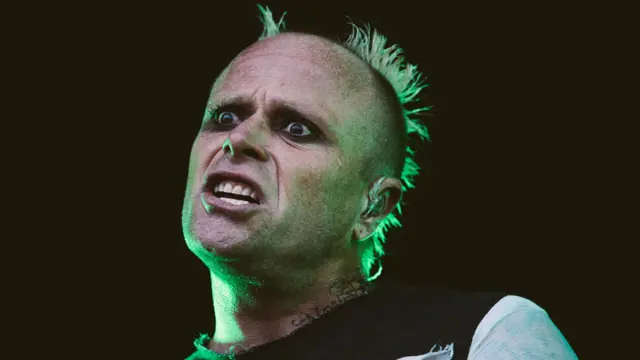
Keith Flint is born: the dancer who became rave's face
On September 17, 1969, Keith Flint was born in Essex. He joined The Prodigy as a dancer, singing and playing nothing, until in 1996 he stepped to the front on 'Firestarter' with his hair dyed into two horns and an energy that frightened British television. He turned electronic music, until then a faceless form, into something as visual as a punk band. He took his own life in 2019.
Keith Flint
The Prodigy
Listen
Via YouTube
1974
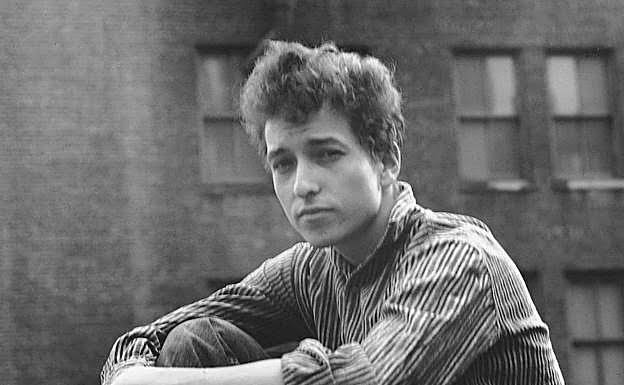
Dylan cuts the take of Shelter from the Storm that made the album
On 17 September 1974, at A&R Studios in New York, he recorded five takes of the song accompanied only by Tony Brown's bass. One of them is the one that ended up on Blood on the Tracks. Months later he would re-record five of the album's songs in Minneapolis, but this one survived: voice, guitar, harmonica and nothing between him and what he was saying.
Bob Dylan
Tony Brown
Listen
Via YouTube
1991
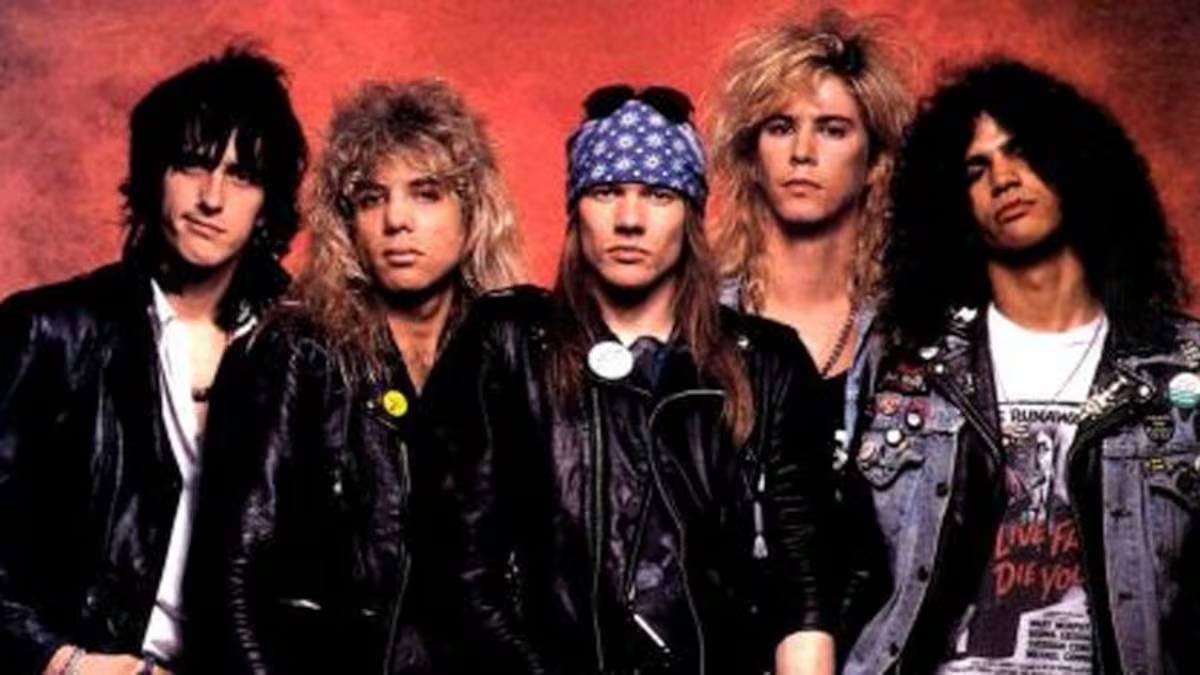
Guns N' Roses release two albums at once and take the top two places
Use Your Illusion I and II came out together on 17 September 1991 on Geffen. The second entered straight at number one with 770,000 copies in a week; the first settled for number two with 685,000. Nobody had ever held both top rungs with their own records. Eight days later Nevermind appeared and another clock started running.
Guns N' Roses
Axl Rose
Listen
Via YouTube
1996
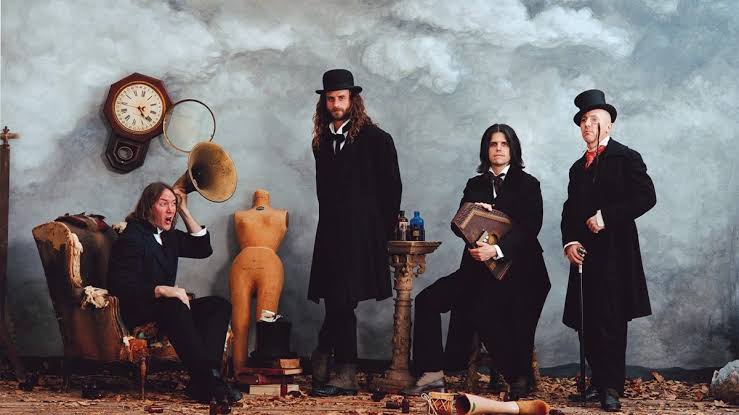
Tool release Ænima and turn a metal album into a puzzle
It came out on 17 September 1996 on Zoo and Volcano, the first album with Justin Chancellor on bass. It entered at number two in America with a hundred and forty-eight thousand copies and went triple platinum. Impossible time signatures, a dedication to the comedian Bill Hicks and a fantasy about California sinking into the sea: nobody else was selling that on mid-nineties radio.
Tool
Maynard James Keenan
Justin Chancellor
Listen
Via YouTube
1961
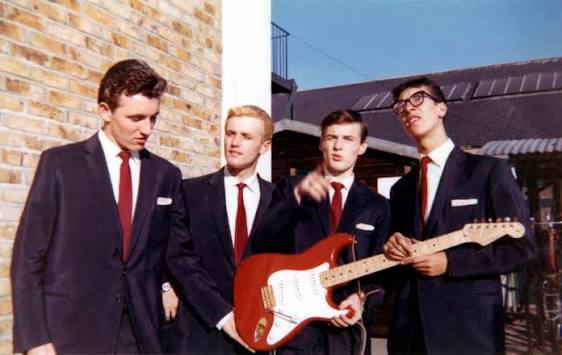
The Shadows top the British chart and prove you can lead without singing
On the albums chart dated 17 September 1961, the group's first record climbed from number four to number one and would go on to spend five weeks at the top. They were Cliff Richard's backing band, but that instrumental set, built on Hank Marvin's Stratocaster and tape echo, gave them a name of their own and a template thousands of bands copied.
The Shadows
Hank Marvin
Cliff Richard
Listen
Via YouTube
1965
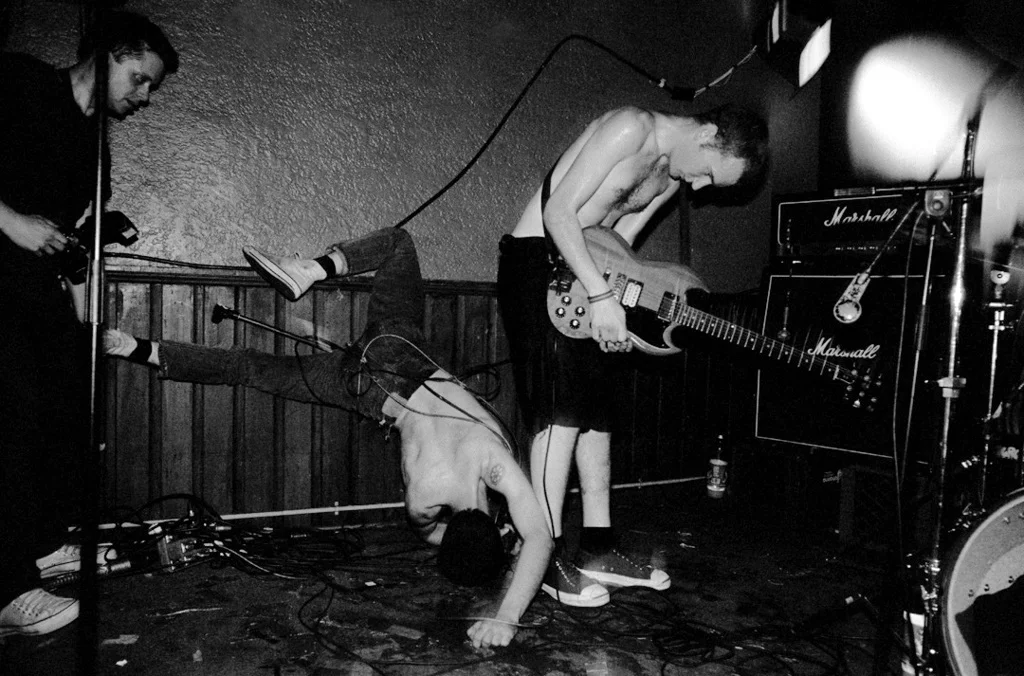
Guy Picciotto is born, the man who put hardcore in the first person
Washington D.C., 17 September 1965. With Rites of Spring he changed what hardcore talked about: instead of shouting at the world it shouted at itself, and out of that came a label — emo — he loathed for the rest of his life. Then came Fugazi, a band that capped its ticket prices and refused to sell T-shirts.
Guy Picciotto
Fugazi
Rites of Spring
Listen
Via YouTube
1968
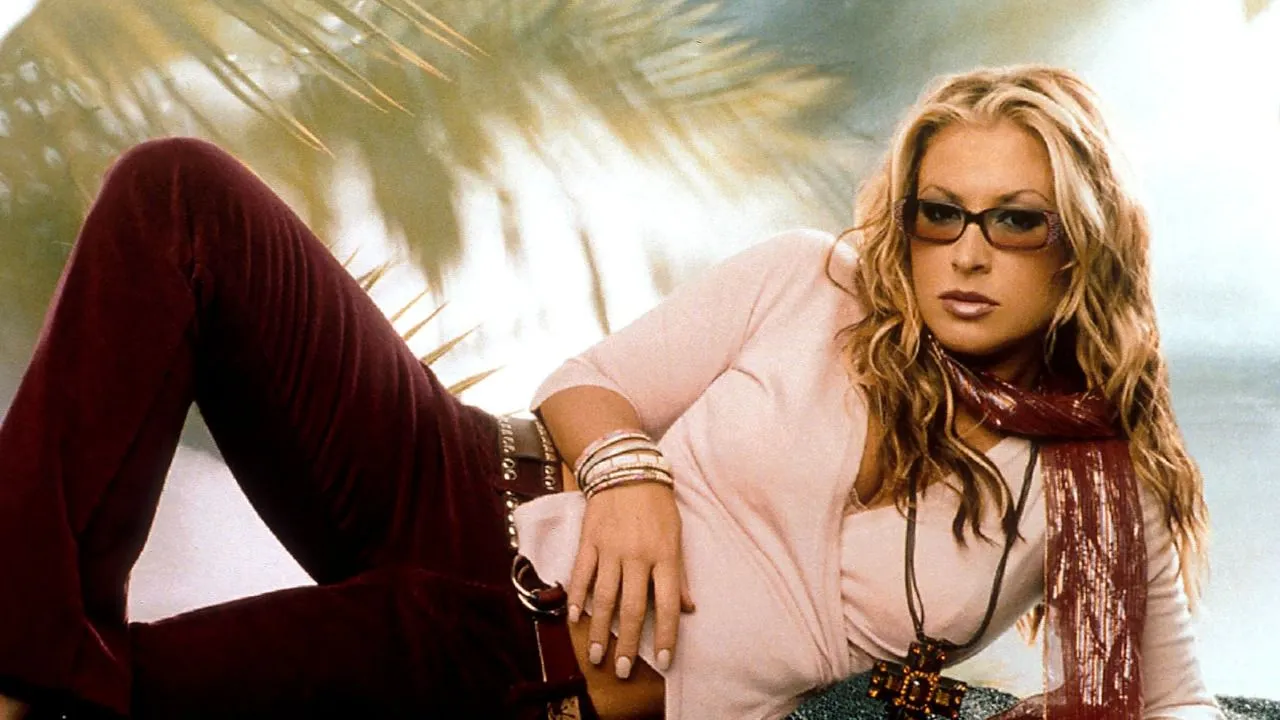
Anastacia is born: the American who succeeded everywhere except at home
On September 17, 1968, Anastacia Newkirk was born in Chicago. She sold over thirty million records in Europe, Australia and Latin America with an enormous white-soul voice, and in the United States she never took off. It is a recurring phenomenon: artists their own market ignores and the rest of the world adopts. The American audience is not always the judge the industry assumes.
Anastacia
Listen
Via YouTube
1973
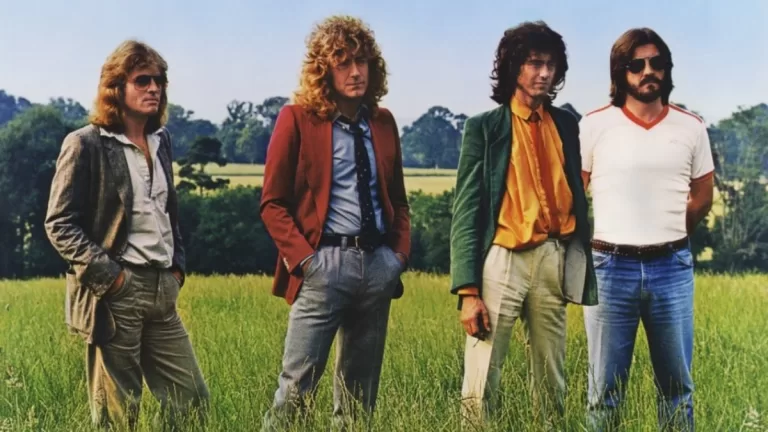
Led Zeppelin release a reggae single in America that nobody could pronounce
D'yer Mak'er came out as a single on 17 September 1973 on Atlantic and reached number twenty on the Billboard chart. The title is an English joke: said quickly it sounds like Jamaica, but American DJs read it letter by letter. John Paul Jones never defended it; to him it began as a studio gag and went out without anyone thinking it through.
Led Zeppelin
John Paul Jones
Robert Plant
Listen
Via YouTube
1988
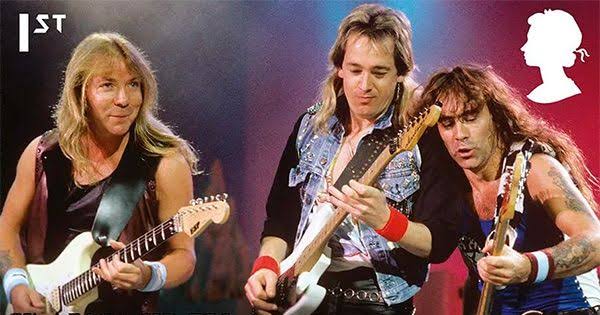
Monsters of Rock lands in a Pamplona bullring with Metallica and Iron Maiden
On 17 September 1988 the festival pulled into the Plaza de Toros in Pamplona with Anthrax, Helloween, Metallica and Iron Maiden on the same bill. Metallica were presenting ...And Justice for All, released a month earlier; Helloween used the city to shoot footage for the I Want Out video. For Spanish metal it was the day it stopped watching the posters from a distance.
Iron Maiden
Metallica
Helloween
Anthrax
Listen
Via YouTube
1991
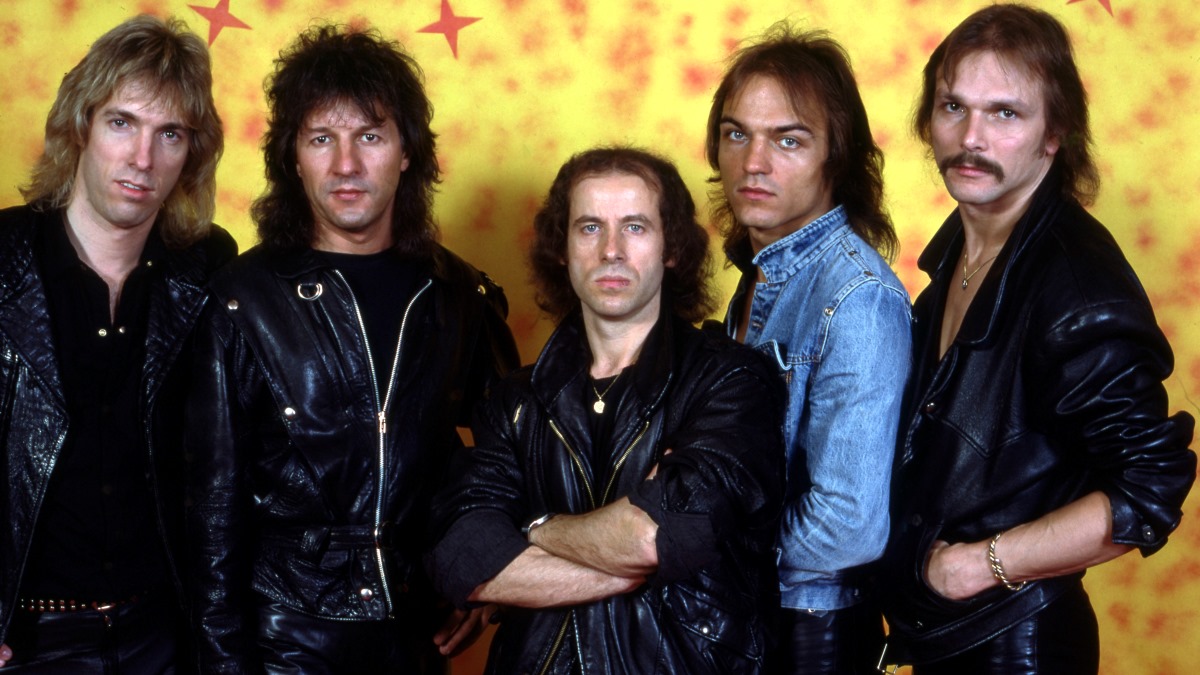
Scorpions stretch Crazy World one more year with another of their ballads
Send Me an Angel was released as a single on 17 September 1991 on Vertigo and Mercury, the fourth and last pulled from the album. It reached number eight on the American rock chart and forty-four on the Hot 100. It followed Wind of Change, which had turned the end of the Cold War into a whistle, and there is no competing with that.
Scorpions
Klaus Meine
Listen
Via YouTube
1991
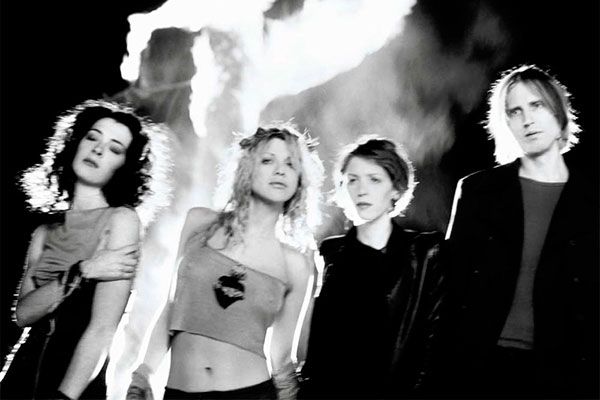
Hole debut with an album produced by Kim Gordon that never charted at home
Pretty on the Inside came out on 17 September 1991 on Caroline, cut in a week in Hollywood with Kim Gordon and Don Fleming at the desk. It did not chart in the United States; in Britain it outsold everything Nirvana had released up to that week. Here Courtney Love was still screaming without a tune and asking nobody's permission.
Hole
Courtney Love
Kim Gordon
Don Fleming
Listen
Via YouTube
1991
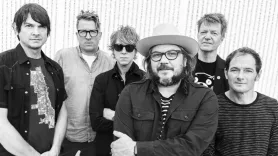
Uncle Tupelo release their second album and make punk talk to country
Still Feel Gone came out on 17 September 1991 on Rockville, recorded that summer in Massachusetts with Paul Kolderie and Sean Slade. Jay Farrar and Jeff Tweedy were still in the same band and already pulling in opposite directions. Out of that collision between punk speed and rural American song an entire scene took shape.
Uncle Tupelo
Jay Farrar
Jeff Tweedy
Listen
Via YouTube
1996
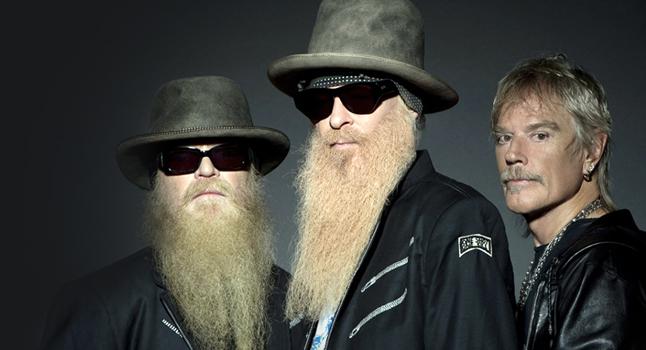
ZZ Top unplug the synthesisers and sound like three men in a room again
Rhythmeen came out on 17 September 1996 on RCA: raw guitars and no trace of the drum machines that had given them the eighties. It was their last record with Bill Ham, the manager and producer who had been there from the start and who had built their entire image. Going back to the blues cost them the charts and gave them back the craft.
ZZ Top
Billy Gibbons
Bill Ham
Listen
Via YouTube
1996
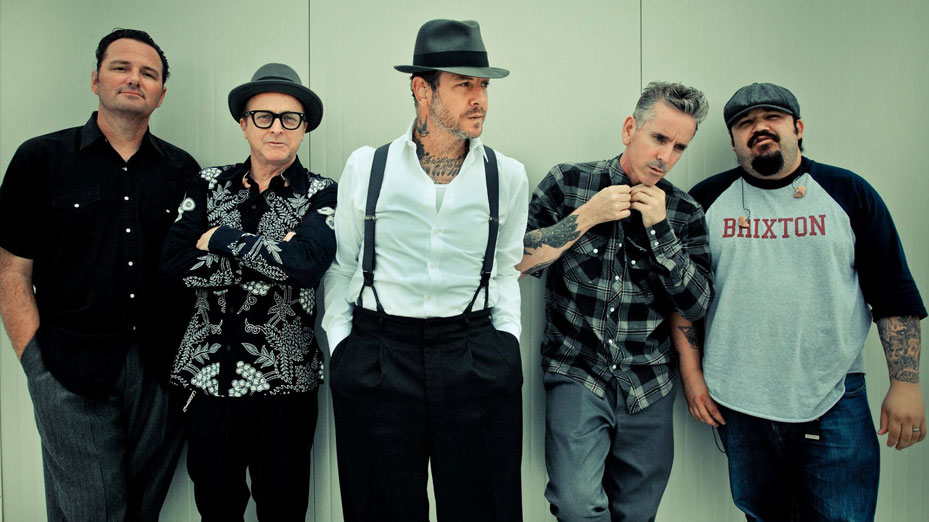
Social Distortion take five years to return and change drummers on the way
White Light, White Heat, White Trash came out on 17 September 1996 on Epic, produced by Michael Beinhorn after almost a year shut away in Woodstock. Number twenty-seven in America, with I Was Wrong on the radio. Deen Castronovo played the drums on the sessions but did not stay; the job went to Chuck Biscuits, with Black Flag, Danzig and D.O.A. behind him.
Social Distortion
Mike Ness
Chuck Biscuits
Listen
Via YouTube
1997
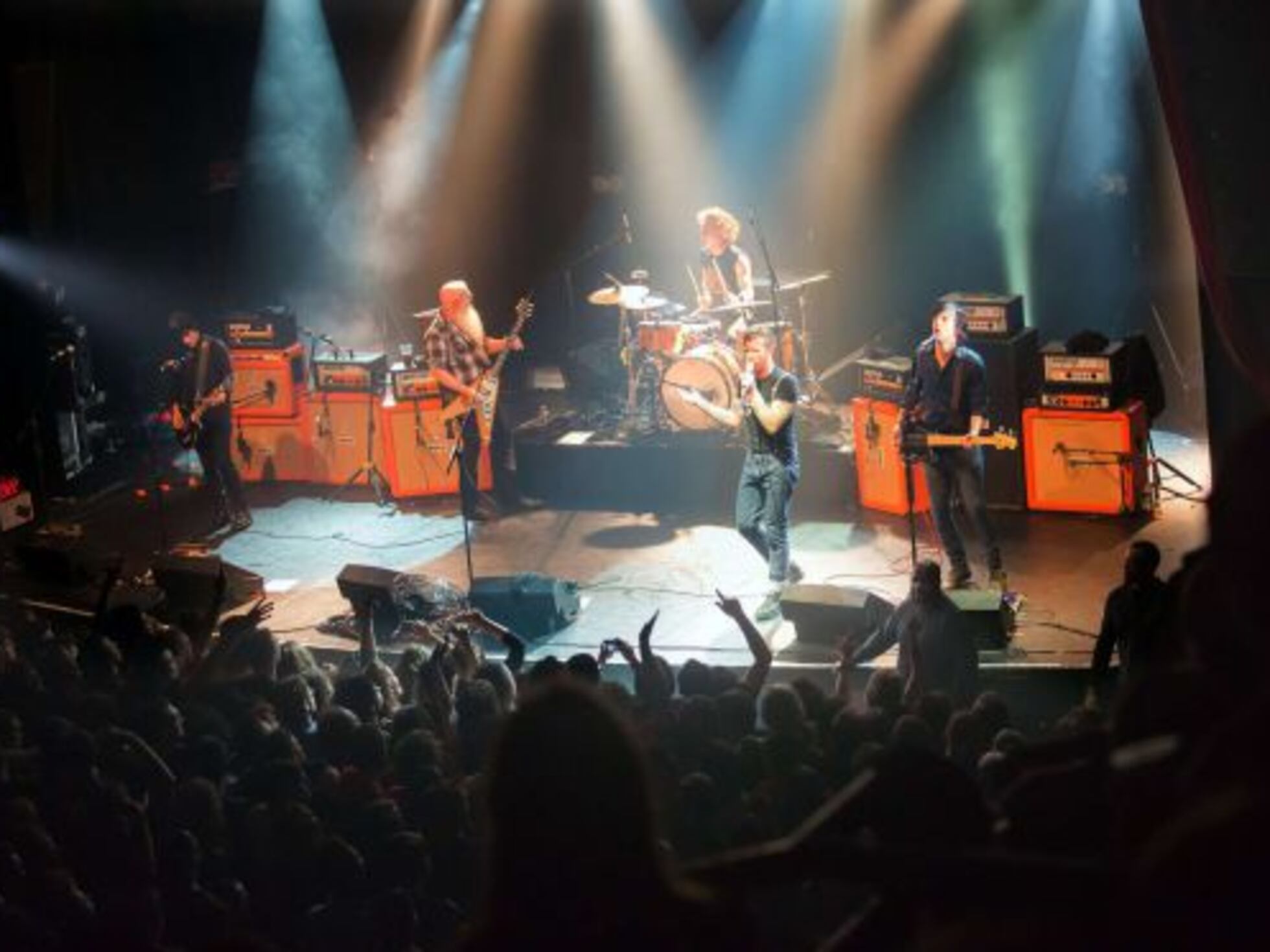
The former KLF come back for twenty-three minutes, in wheelchairs and wearing horns
On 17 September 1997, at London's Barbican, Bill Drummond and Jimmy Cauty reappeared as 2K to play a single song and dissolve again. They lasted exactly twenty-three minutes: two motorised pensioners, a brass band playing acid house, a male choir and Liverpool dockers chanting slogans. Tony Wilson introduced it and the audience went home with T-shirts from a band that no longer existed.
The KLF
Bill Drummond
Jimmy Cauty
Tony Wilson
Listen
Via YouTube
2001
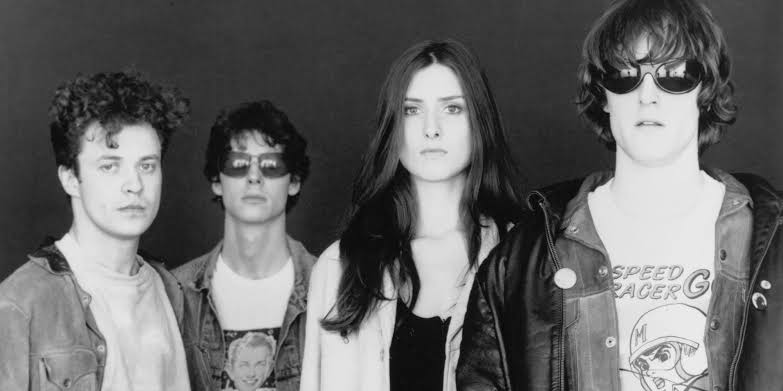
Jason Pierce takes four years and a hundred and fifteen musicians to finish an album
Let It Come Down came out on 17 September 2001 on Arista, recorded between Abbey Road and AIR with a hundred and fifteen players, orchestra and the London Community Gospel Choir included. Pierce wanted Phil Spector's wall of sound applied to songs about pills and helplessness. It is an enormous record built to cover a very small, very deep hole.
Spiritualized
Jason Pierce
Listen
Via YouTube
2002
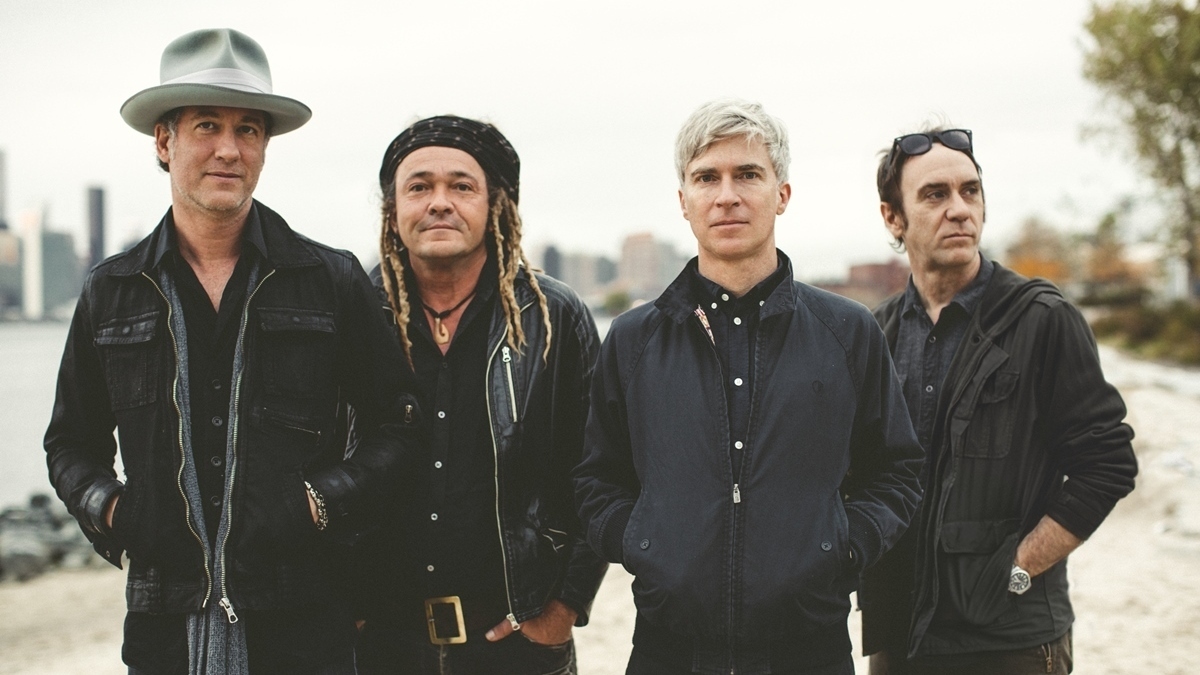
Nada Surf come back to life in Europe months before they do at home
Let Go came out on 17 September 2002 on Barsuk, in Europe first; in the United States it did not reach shops until February the following year. They had been dropped after the success of Popular, that high-school joke of a song, and written off as a one-hit band. This record turned them into something else entirely.
Nada Surf
Matthew Caws
Listen
Via YouTube
2012
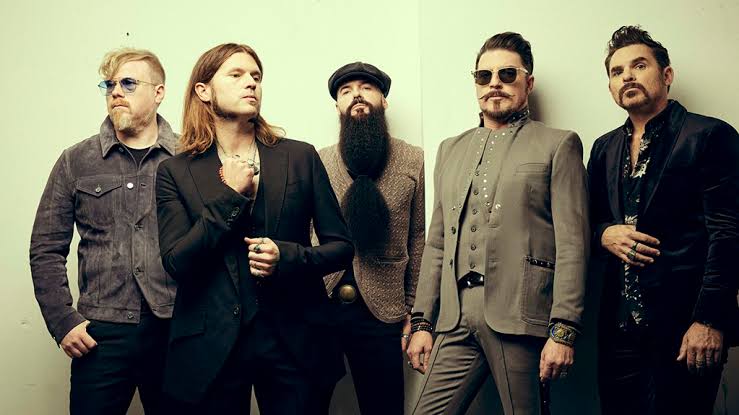
Rival Sons release their third album in Britain, which is where they are actually wanted
Head Down came out on 17 September 2012 in the UK — three days after the rest of Europe — on Earache, with Dave Cobb back at the desk. A Californian band making rock that sounds like 1971, understood in Europe long before it was at home. Sometimes the wrong market is the one you were born in.
Rival Sons
Dave Cobb
Listen
Via YouTube
2013
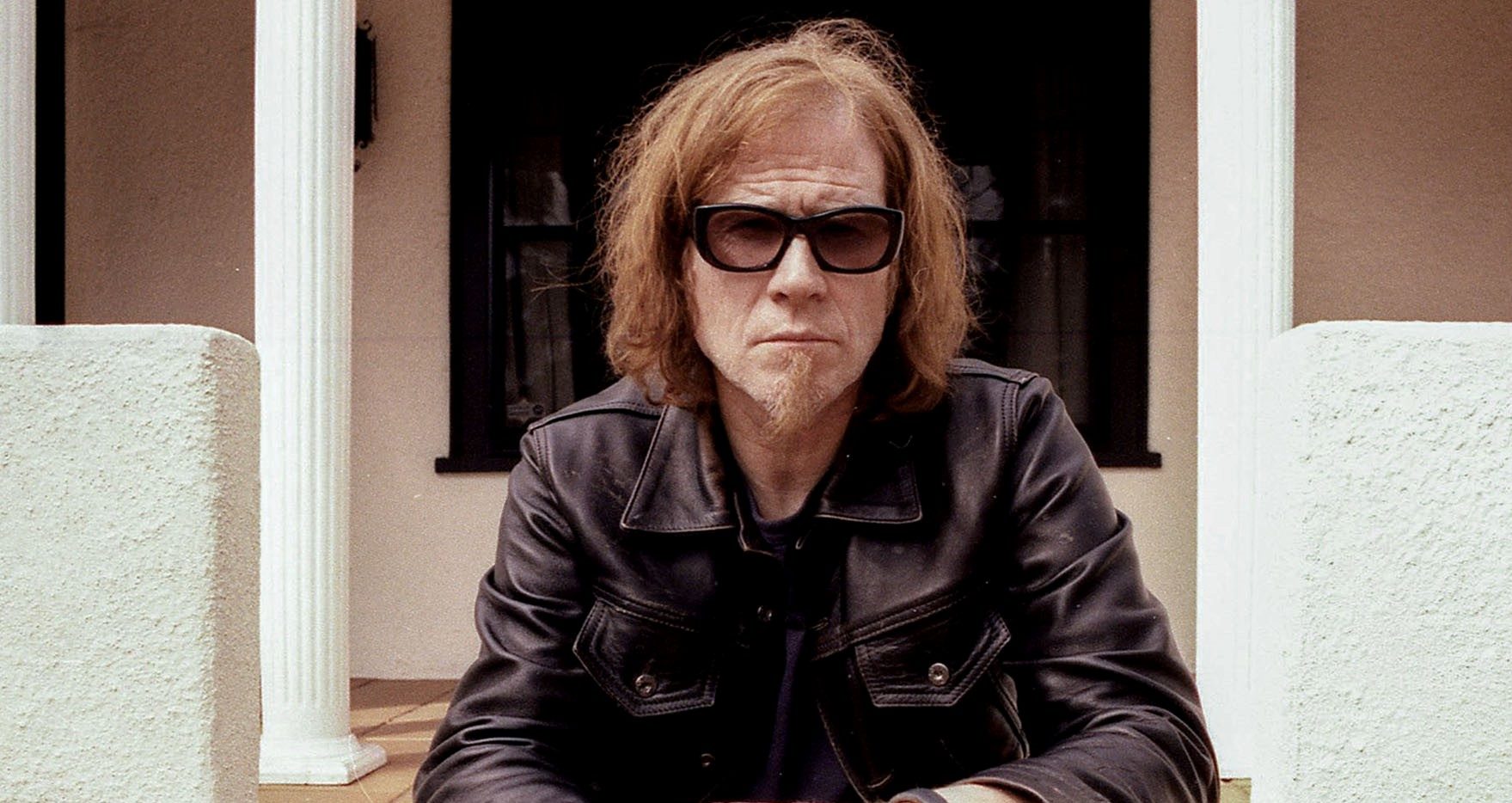
Mark Lanegan sings his parents' records and they come out as confessions
Imitations came out on 17 September 2013 on Vagrant and Heavenly: an album of covers drawn from the family collection and from contemporaries of his. That gravel voice applied to living-room songs produces a strange effect, like hearing someone read another person's letters aloud. Lanegan built an entire career on that: taking other people's material until it hurt.
Mark Lanegan
Listen
Via YouTube
One ephemeris a day, one editorial a week. Zero spam, pure archive.