
Chapter 01 — Today in music
On a day like today September 24
1991
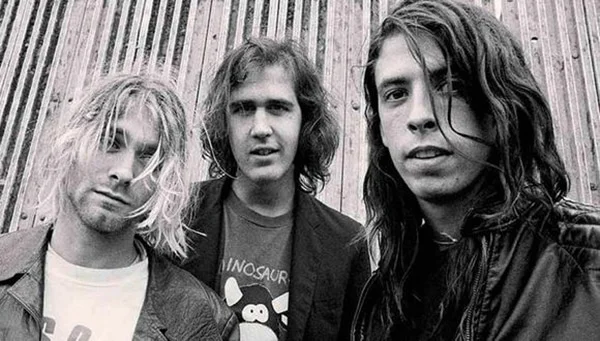
“Nevermind” is released: three guys from Seattle retire the eighties
Nirvana releases “Nevermind”, the album nobody saw coming: Geffen hoped to sell 250,000 copies and ended up shipping millions. “Smells Like Teen Spirit” knocked Michael Jackson off the charts and made teenage anguish mainstream. On a single date, hair metal became old and alternative culture took control of the decade.
Nirvana
Listen
Via YouTube
1969
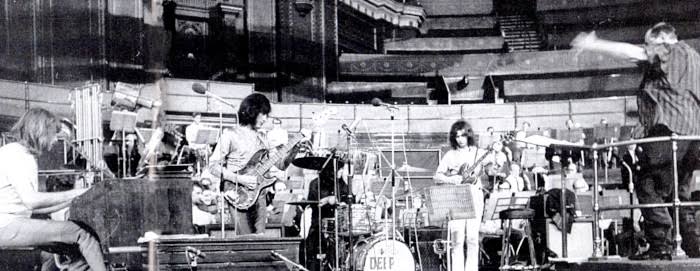
Deep Purple bring an orchestra into the Royal Albert Hall and Blackmore calls it a gimmick
On 24 September 1969 Jon Lord premiered his Concerto for Group and Orchestra at the Royal Albert Hall, with the Royal Philharmonic conducted by Malcolm Arnold. It was the first time a major rock band recorded a live album with a full orchestra, and it opened a door plenty of others walked through. Ritchie Blackmore thought it a gimmick from the start.
Deep Purple
Jon Lord
Ritchie Blackmore
Malcolm Arnold
Listen
Via YouTube
1990
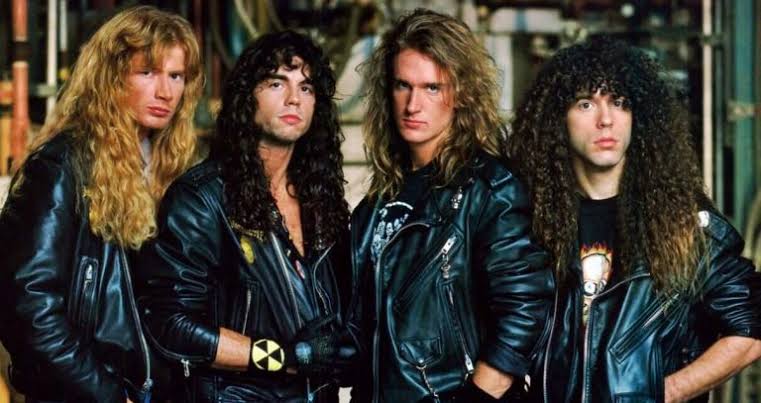
Rust in Peace: Megadeth find the right line-up on the way out of rehab
Megadeth's fourth album came out on 24 September 1990, the first with Marty Friedman and Nick Menza, the line-up almost everyone treats as definitive. Dave Mustaine had just come through rehabilitation and walked into the studio with Holy Wars and Hangar 18 already written. It is their most precise record: thrash played with the exactness of a chamber quartet.
Megadeth
Dave Mustaine
Marty Friedman
Nick Menza
Listen
Via YouTube
1991
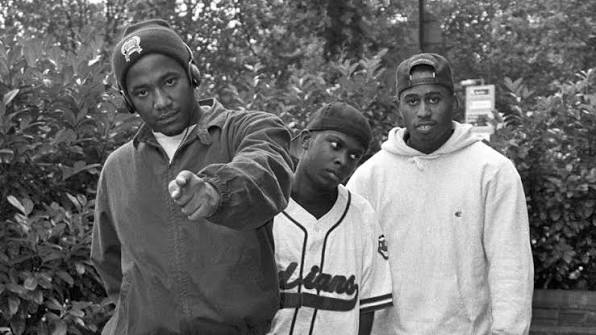
'The Low End Theory' comes out the same day as 'Nevermind' and nobody notices
On September 24, 1991, A Tribe Called Quest's 'The Low End Theory' was released, the same day as 'Nevermind'. It debuted at number 45 and the press ignored it. For 'Verses from the Abstract' they hired double bassist Ron Carter, who agreed on one condition: no profanity, because they were addressing serious things. The album founded the relationship between jazz and hip-hop that still holds.
A Tribe Called Quest
Ron Carter
Listen
Via YouTube
1991
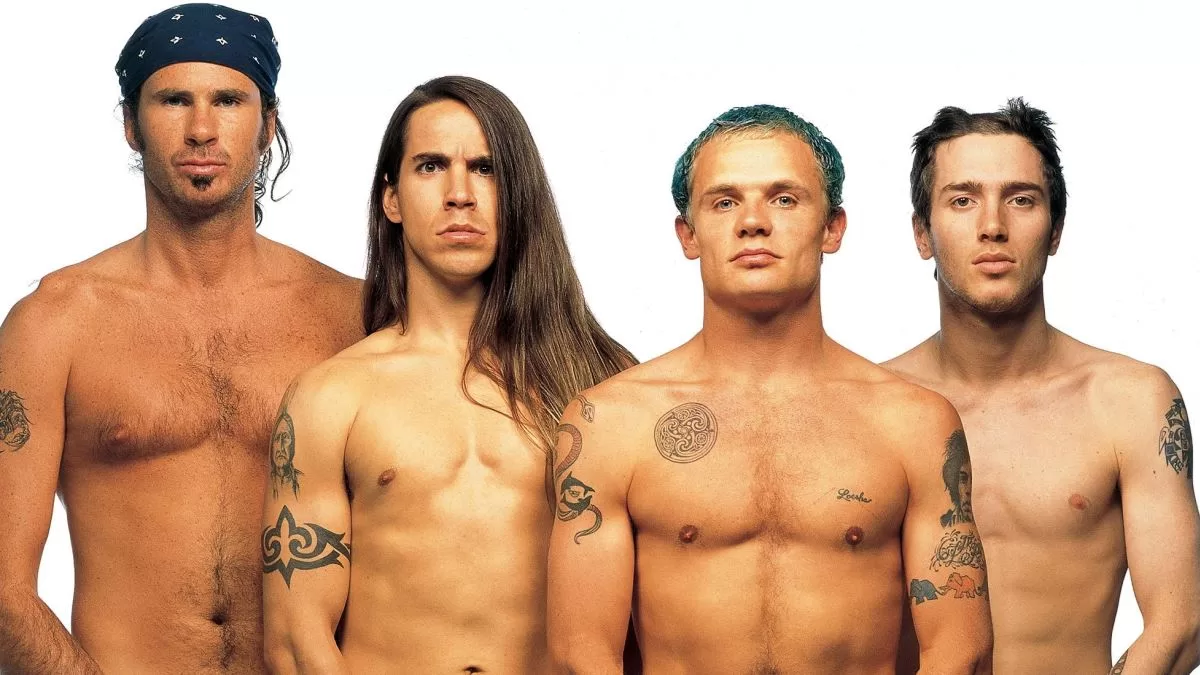
The same day as “Nevermind”, “Blood Sugar Sex Magik” arrives
The Red Hot Chili Peppers release “Blood Sugar Sex Magik”, recorded with Rick Rubin in a supposedly haunted Los Angeles mansion. With “Under the Bridge” and “Give It Away”, funk rock reached maturity on the very day Nirvana published “Nevermind”. Few dates concentrate so much of rock's future in 24 hours.
Red Hot Chili Peppers
Listen
Via YouTube
1996
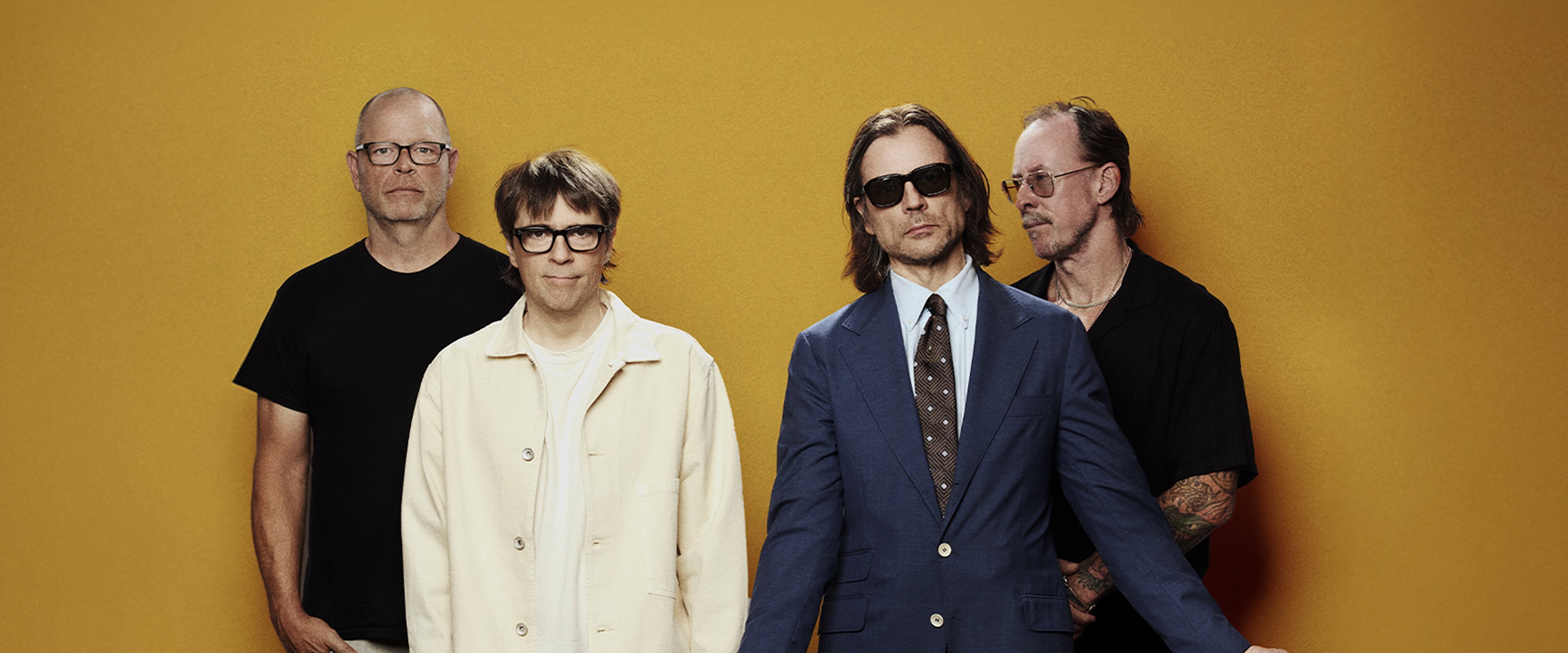
Pinkerton flops in 1996 and takes twenty years to go platinum
Weezer's second album came out on 24 September 1996 and sold forty-seven thousand copies in its first week. Rolling Stone readers voted it the third worst record of the year, and Rivers Cuomo spent years disowning it for having exposed too much. Half of emo is built on it now; the platinum certification did not arrive until 2016.
Weezer
Rivers Cuomo
Listen
Via YouTube
2002
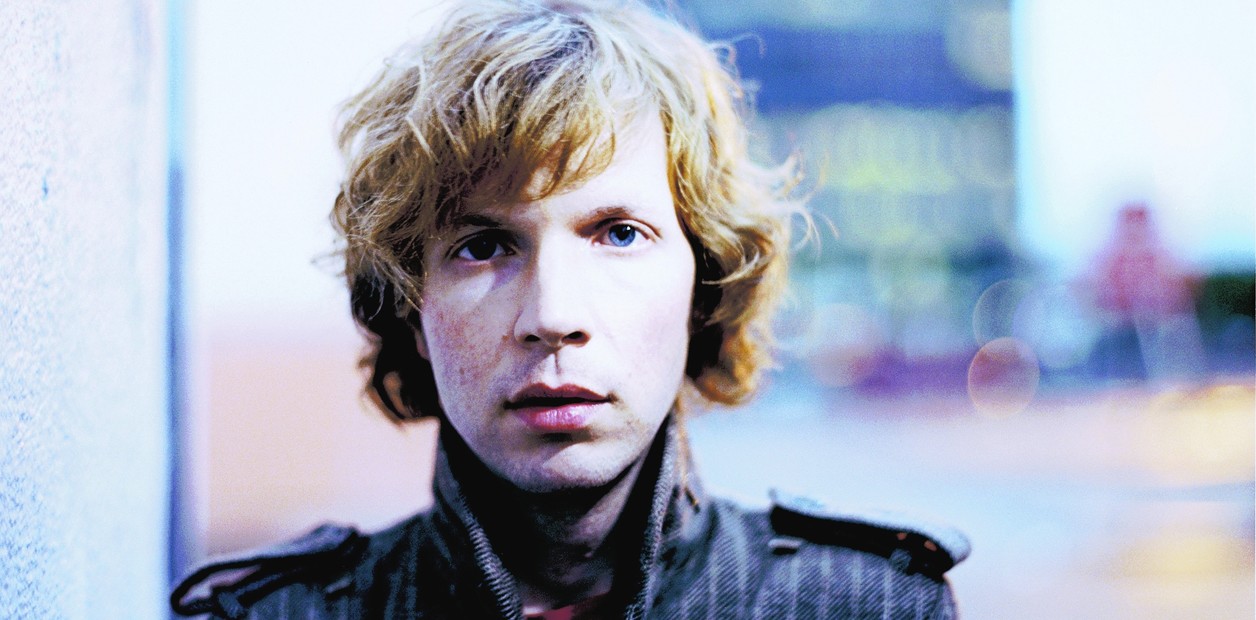
Sea Change: Beck stops joking for an entire album
It came out on 24 September 2002, produced by Nigel Godrich and recorded in Los Angeles after a nine-year relationship fell apart. No samplers, no winking: strings, acoustic guitar and a voice that for once was not hiding behind a character. Number eight in America and, for half the press, the best thing he has done.
Beck
Nigel Godrich
Listen
Via YouTube
1942
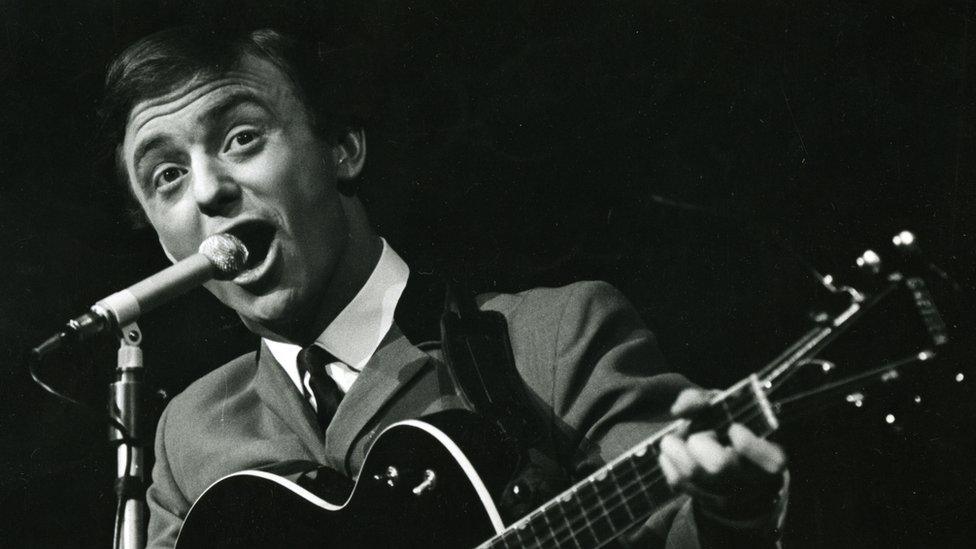
Gerry Marsden is born: the man who gave football its most sung anthem
On September 24, 1942, Gerry Marsden was born in Liverpool. His band shared a manager with the Beatles and was the first to reach number one in Britain with its first three singles. The third was 'You'll Never Walk Alone', a Broadway show tune Liverpool's supporters adopted immediately and that whole stadiums now sing across half the world, almost always without knowing where it came from.
Gerry Marsden
Gerry and the Pacemakers
Listen
Via YouTube
1966
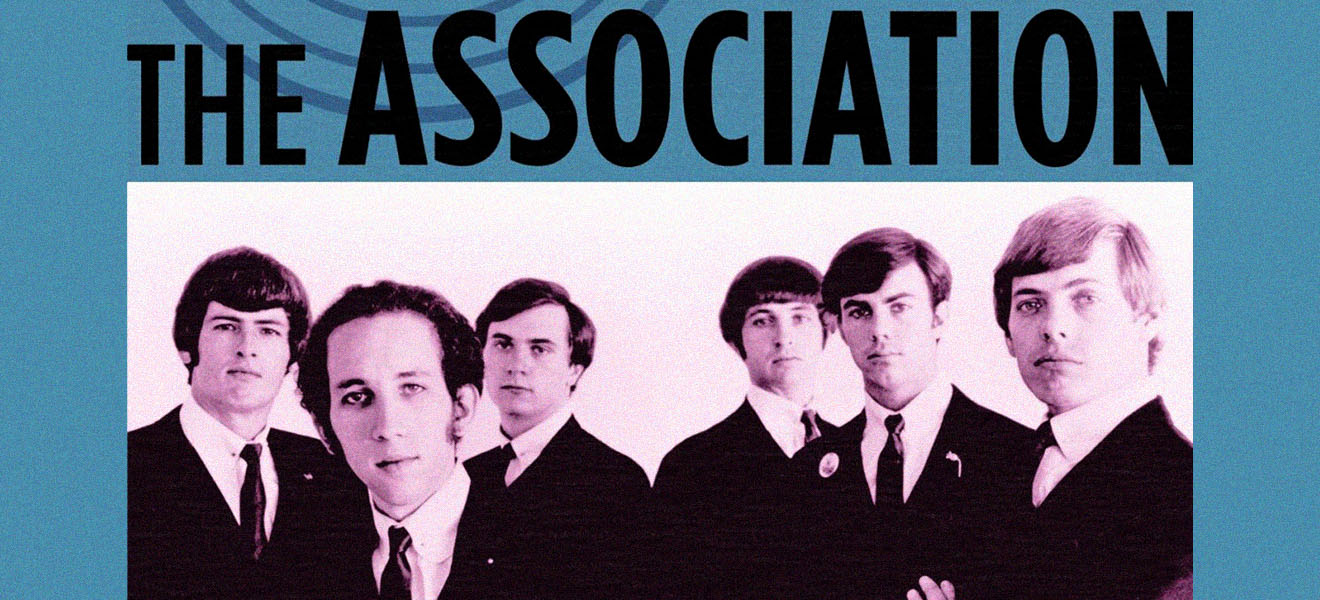
'Cherish' at the top: vocal harmony pop just before psychedelia
On September 24, 1966, The Association's 'Cherish' was number one in the United States. It was a six-part harmony ballad in a year when everything was starting to distort and turn lysergic. The band was among the first to play the Monterey festival a year later, opening for far noisier artists. Californian vocal pop died out fast, but it left a recording of what innocence sounded like.
The Association
Listen
Via YouTube
1970
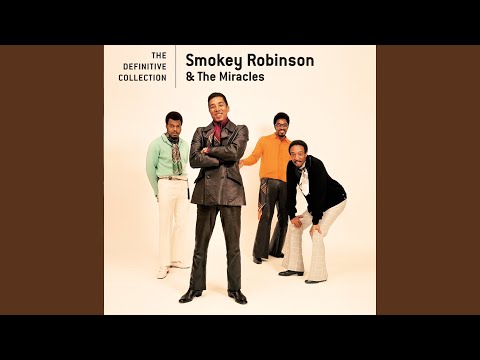
The Tears of a Clown reaches America three years after it was recorded
On 24 September 1970 Tamla finally issued at home a song that had been buried on a 1967 Miracles album. Motown's British arm had dug it out and taken it to number one that September; Detroit took note, remixed it and did the same thing again. Stevie Wonder had written the music and had no idea what words to put on it.
Smokey Robinson
The Miracles
Stevie Wonder
Listen
Via YouTube
1975
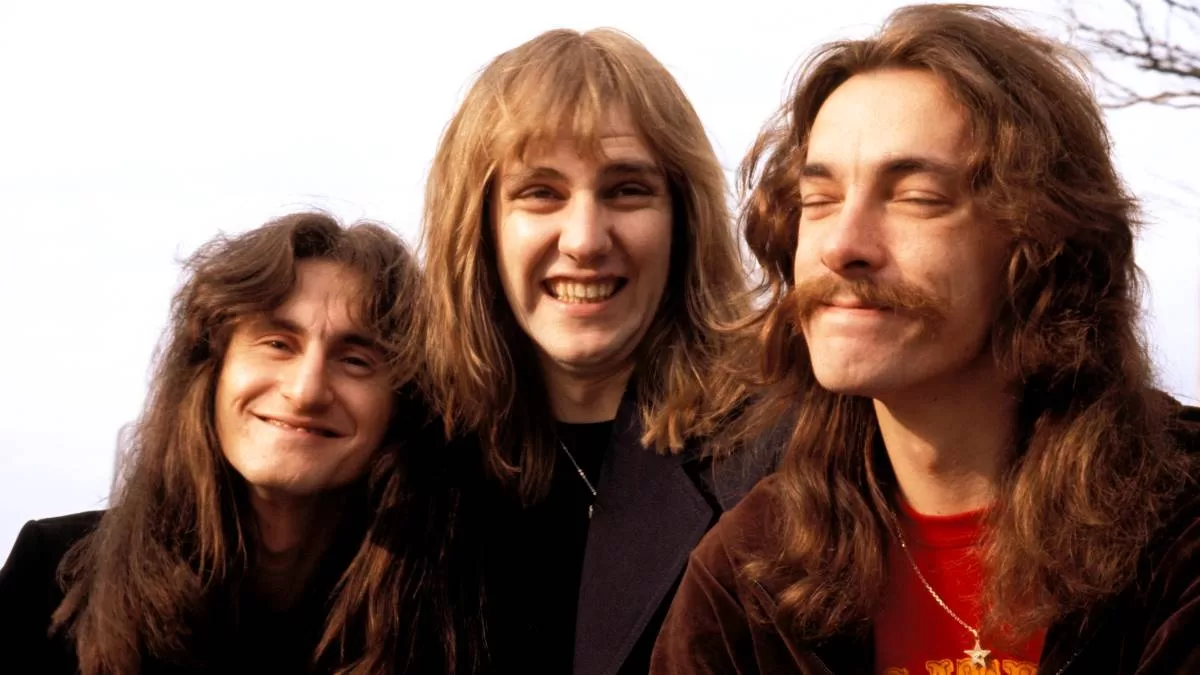
Caress of Steel sinks Rush and they name the fall themselves
Rush's third album came out on 24 September 1975 and went straight down: number one hundred and forty-eight in America, half-empty rooms and an indifferent press. The band christened the tour Down the Tubes. Inside was a whole side given over to a single piece; the next year they doubled down with 2112 and that time it worked.
Rush
Neil Peart
Geddy Lee
Listen
Via YouTube
1984
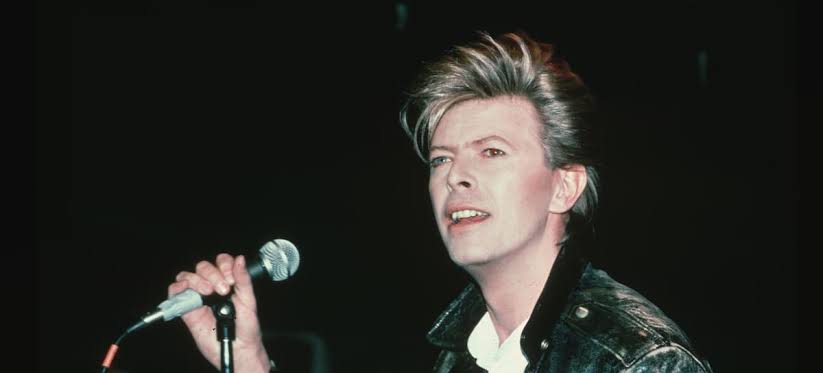
Bowie releases Tonight and years later admits there was no idea behind it
It came out on 24 September 1984 and went to number one in Britain. Of nine songs, only two were written by him alone; five were covers, three of them from Iggy Pop, who was around the studio most of the time. Bowie later summed it up without mercy: a collection of songs with no concept that, played as an album, does not work.
David Bowie
Iggy Pop
Listen
Via YouTube
1984
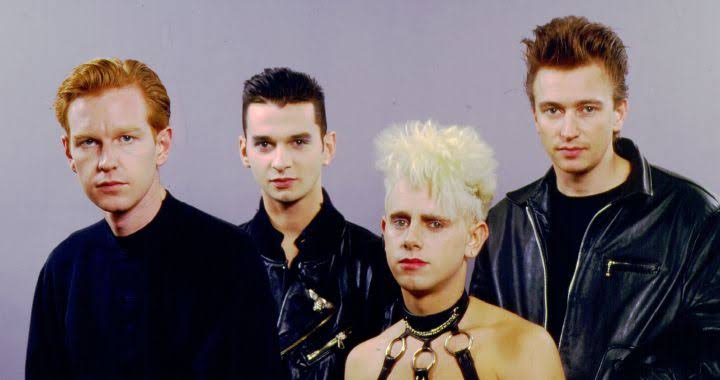
Depeche Mode record by hitting scrap metal and America opens up
Some Great Reward came out on 24 September 1984 with People Are People and Master and Servant on it. To escape the factory presets the sampler came with, the band went around hitting skips and concrete and folded those noises into the songs until you could not tell the recorded from the programmed. It was the record that got them out of the synth-pop club.
Depeche Mode
Alan Wilder
Martin Gore
Listen
Via YouTube
1984
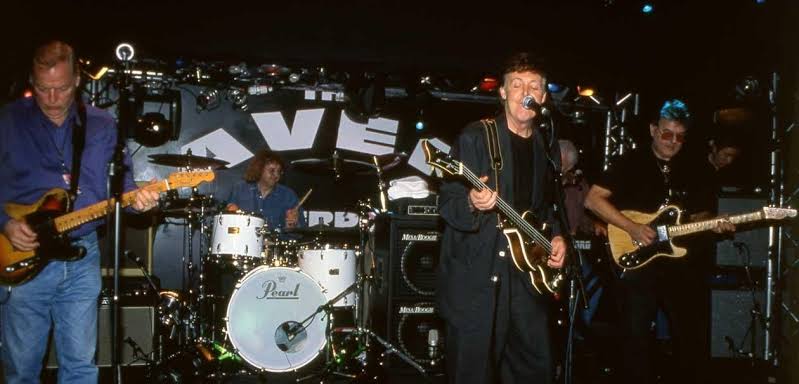
McCartney rescues a failed film with a ballad and a borrowed solo
No More Lonely Nights was released on 24 September 1984 ahead of Give My Regards to Broad Street, the film McCartney wrote, starred in and paid for, and which almost nobody defended. The song outlived all of it for two reasons: George Martin produced it and David Gilmour played the guitar solo. Number two in Britain.
Paul McCartney
David Gilmour
George Martin
Listen
Via YouTube
1988
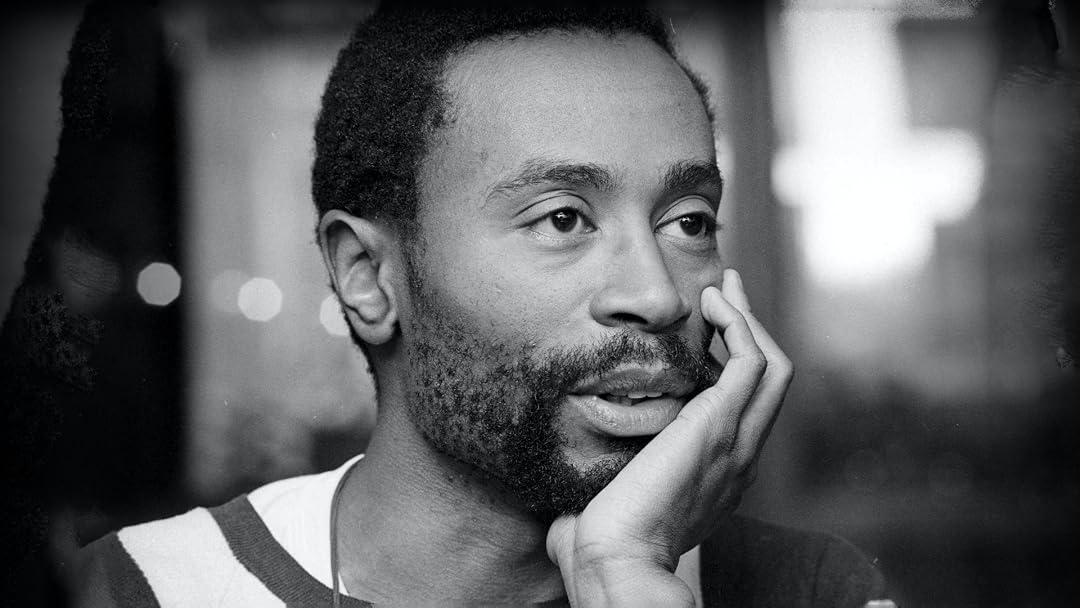
'Don't Worry, Be Happy' hits number one with no instruments at all
On September 24, 1988, Bobby McFerrin's 'Don't Worry, Be Happy' was number one in the United States: the first a cappella song to manage it. Everything you hear — the bass, the percussion, the harmonies — is McFerrin's voice and body multiplied by overdubbing. It won three Grammys. His father had been the first Black singer contracted by New York's Metropolitan Opera.
Bobby McFerrin
Listen
Via YouTube
1994
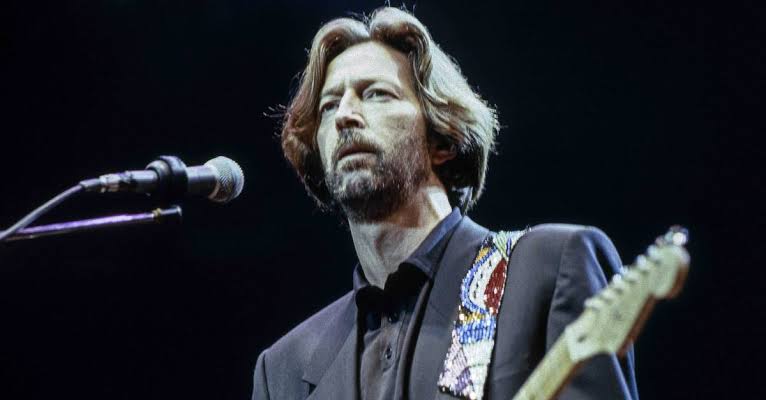
Britain's number one album is one on which Clapton wrote nothing at all
On the albums chart dated 24 September 1994, From the Cradle was the biggest seller in the UK: blues by Muddy Waters, Willie Dixon, Elmore James and Freddie King, cut almost live, without a single composition of his own. After a decade of radio-friendly records, Clapton went back to the repertoire he had started on as a teenager.
Eric Clapton
Listen
Via YouTube
2002
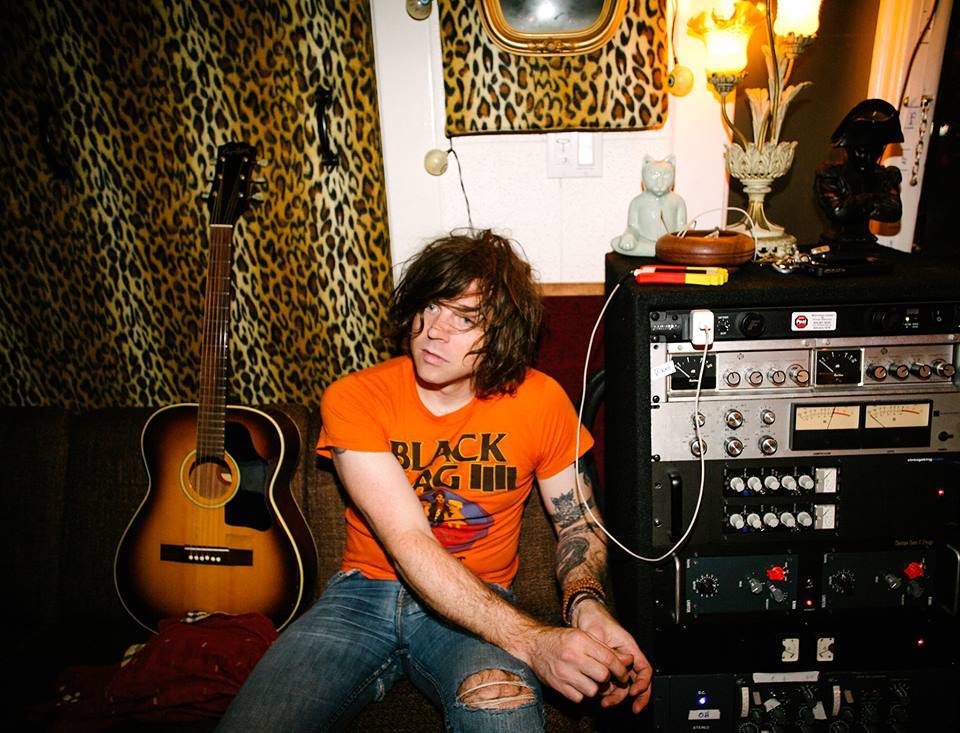
Demolition: an album assembled from the wreckage of four nobody would release
It came out on 24 September 2002 on Lost Highway, put together from loose songs off several albums Ryan Adams had finished and the label preferred not to issue. It reached number twenty-eight in America. Years later he said it hurt to watch those records get broken up to build this one, and that he did not care for the result at all.
Ryan Adams
Listen
Via YouTube
2007
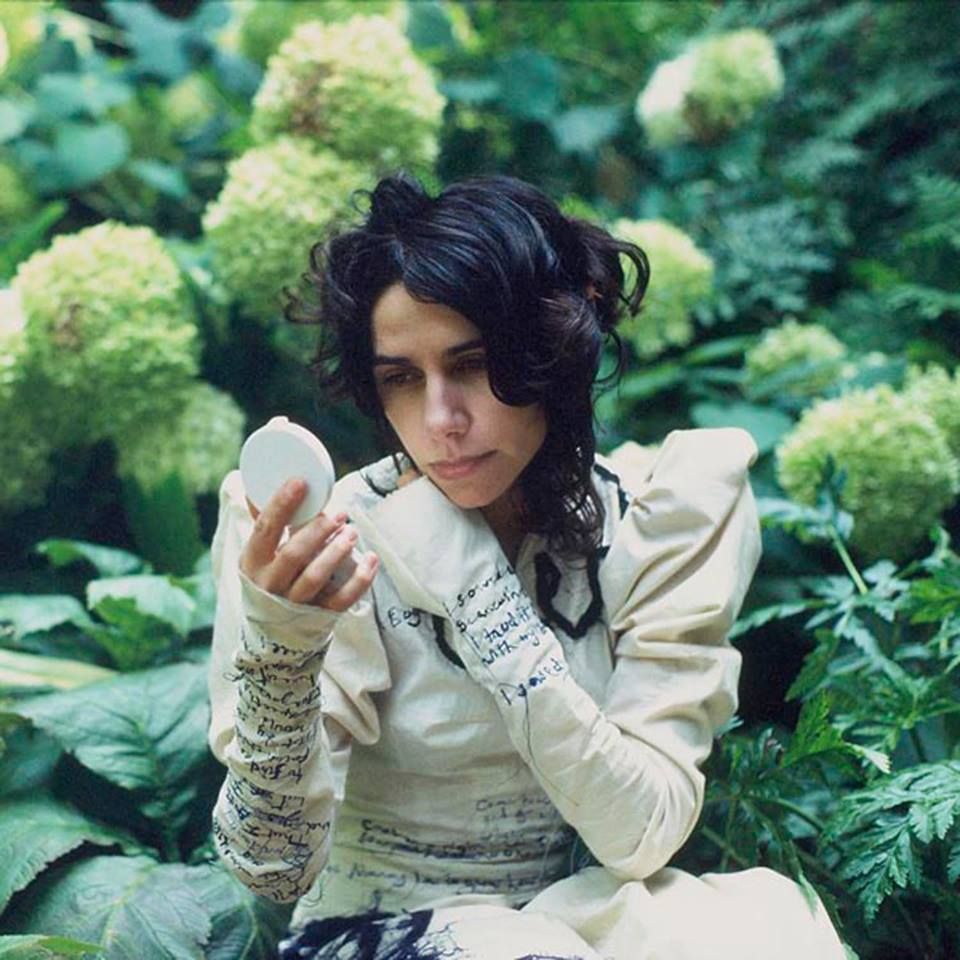
PJ Harvey learns the piano and makes the least comfortable record of her career
White Chalk came out on 24 September 2007. Harvey put down the guitar, sat at an instrument she could not play and sang far above her usual range, high and brittle, songs about ghosts and empty houses. The discomfort was the method: starting from nothing, she said, freed her imagination. Number eleven in Britain.
PJ Harvey
Listen
Via YouTube
One ephemeris a day, one editorial a week. Zero spam, pure archive.