
Chapter 01 — Today in music
On a day like today September 26
1969
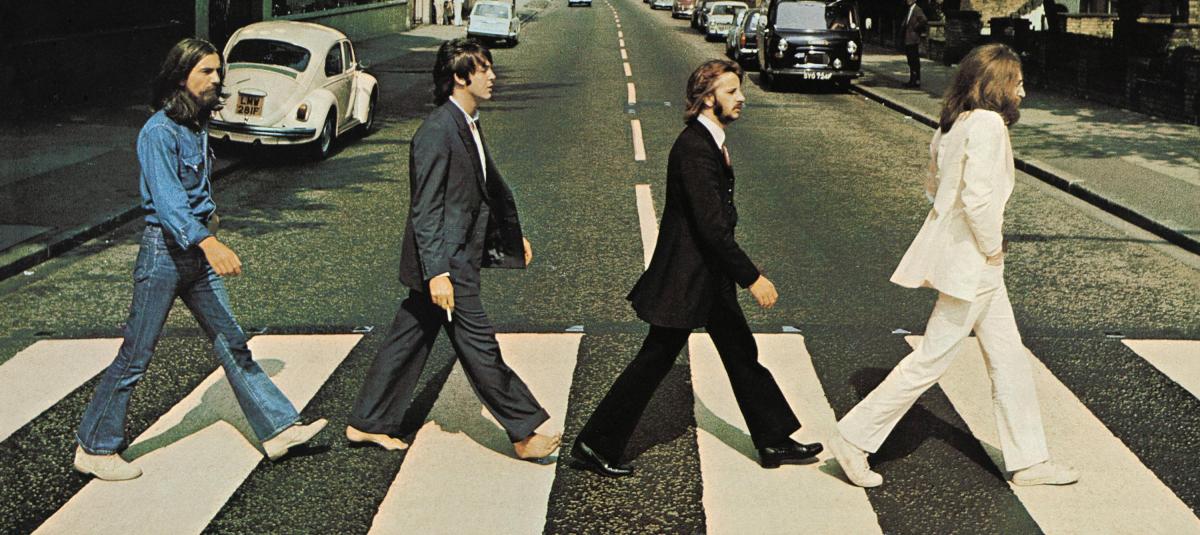
“Abbey Road” is released: the Beatles say goodbye crossing the street
The Beatles release “Abbey Road” in the UK, the last album they recorded together though not the last released. From the side-two medley to “Here Comes the Sun”, it is the band reconciling with its own genius before the end. Its cover, four men on a zebra crossing, became the most imitated image in pop history.
The Beatles
Listen
Via YouTube
1964
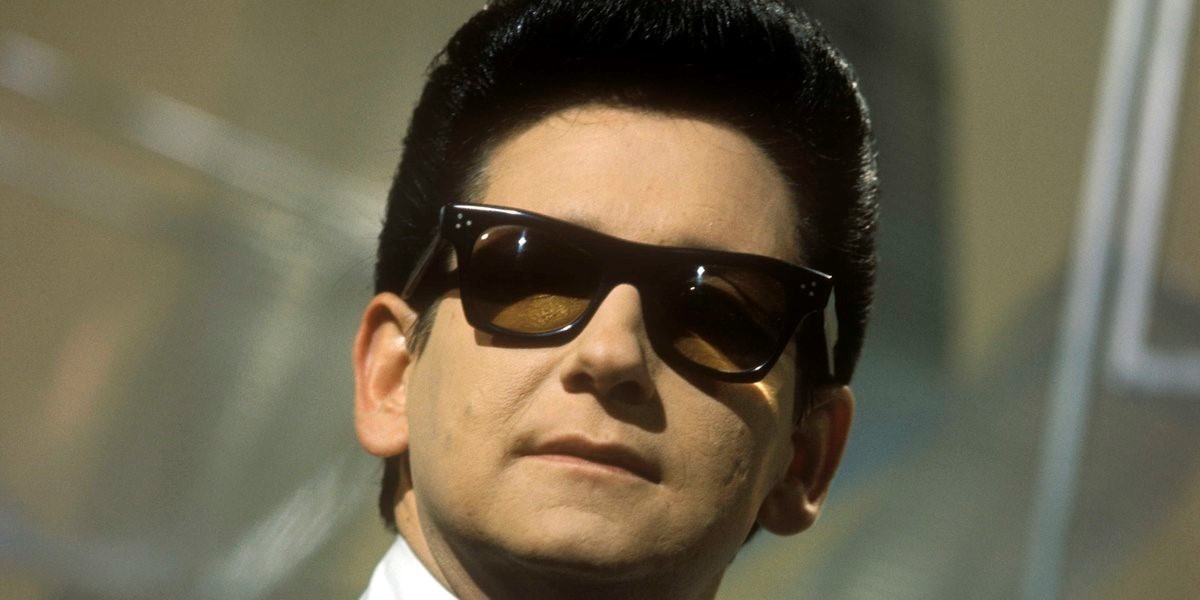
Oh, Pretty Woman reaches the top and Orbison never does it again
On the Billboard chart dated 26 September 1964, Oh, Pretty Woman hit number one and held for three weeks. They had cut it in Nashville on 1 August, with that riff that sticks on first contact and a growl of guitar where a chorus ought to be. It was Orbison's second and last American number one: after it came the Beatles, widowhood and silence.
Roy Orbison
Listen
Via YouTube
1967
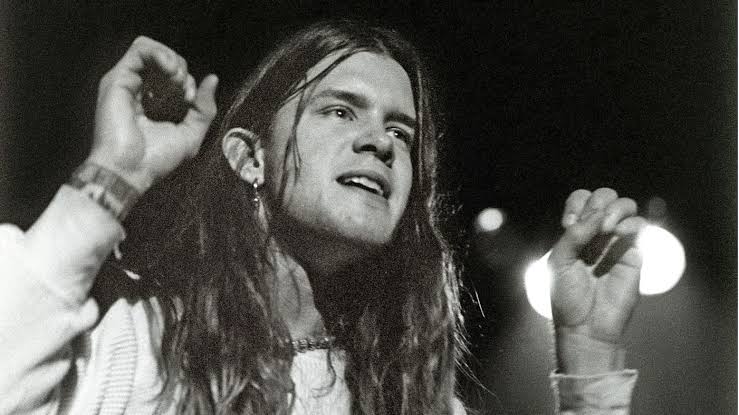
Shannon Hoon is born, the man the world remembers through a girl in a bee costume
Lafayette, Indiana, 26 September 1967. He moved to Los Angeles in 1990, met half a band at a party and within months Blind Melon had a half-million-dollar contract. The video for No Rain made them ubiquitous through an image that was not theirs. He died of an overdose in New Orleans at twenty-eight, with a second album just out and a baby daughter.
Shannon Hoon
Blind Melon
Listen
Via YouTube
1970
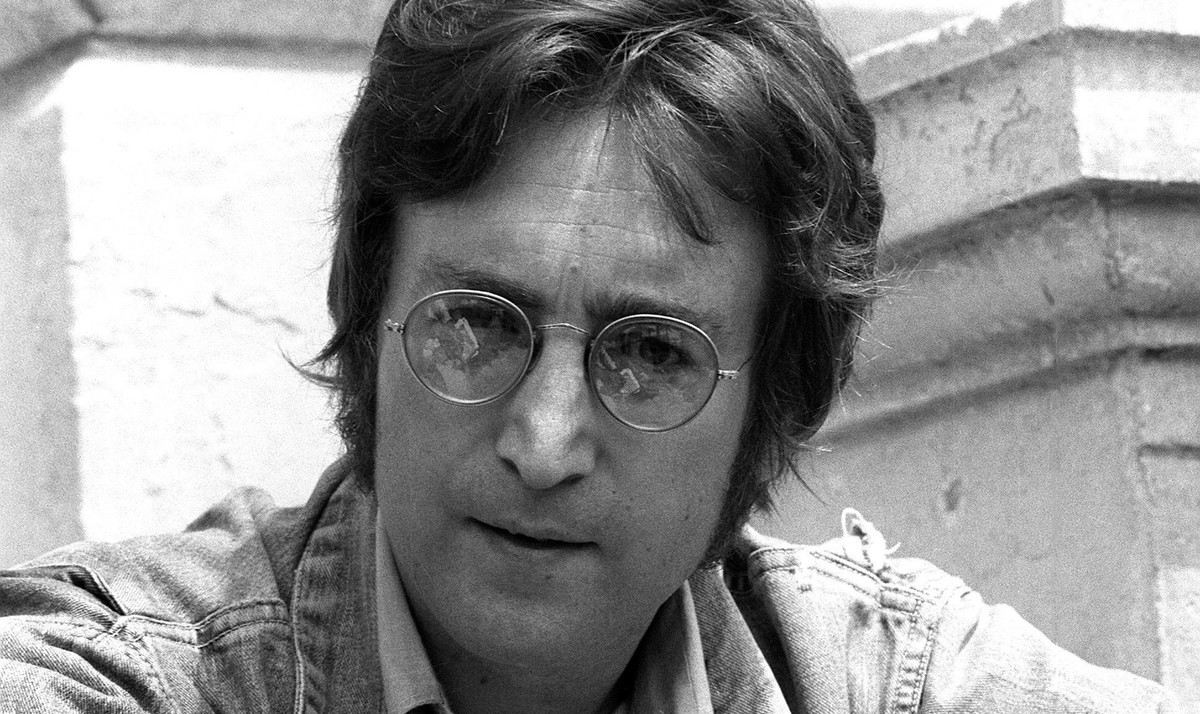
Lennon walks into Abbey Road to record what therapy had left him with
On 26 September 1970 the sessions for John Lennon/Plastic Ono Band began at EMI's studios, running until 23 October. He had come out of months of primal therapy and brought a minimal trio: himself on guitar, Ringo Starr on drums, Klaus Voormann on bass. No orchestras, no choirs, no irony. It is the barest record any Beatle made and the one least like the Beatles.
John Lennon
Ringo Starr
Klaus Voormann
Yoko Ono
Listen
Via YouTube
1981
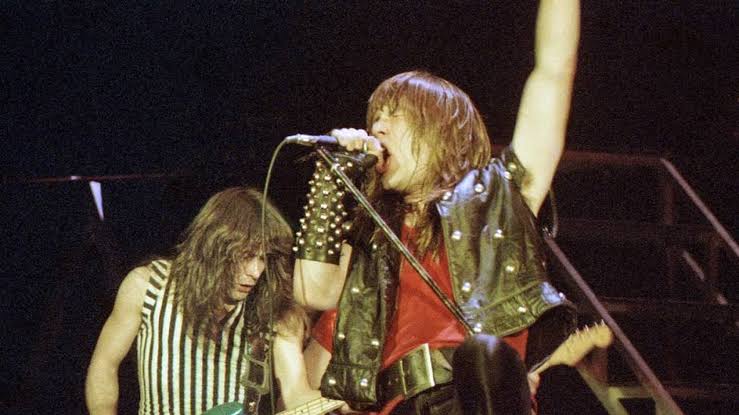
Iron Maiden sign the singer who changes the scale of the entire band
On 26 September 1981 Bruce Dickinson officially joined Iron Maiden. Paul Di'Anno had played his last night on the 10th in Copenhagen, unable to hold the workload, and Steve Harris went after the singer from Samson, who had operatic training and no intention of hiding it. He debuted exactly a month later in Bologna. With him came stadiums and eight irreplaceable albums.
Iron Maiden
Bruce Dickinson
Paul Di'Anno
Listen
Via YouTube
1984
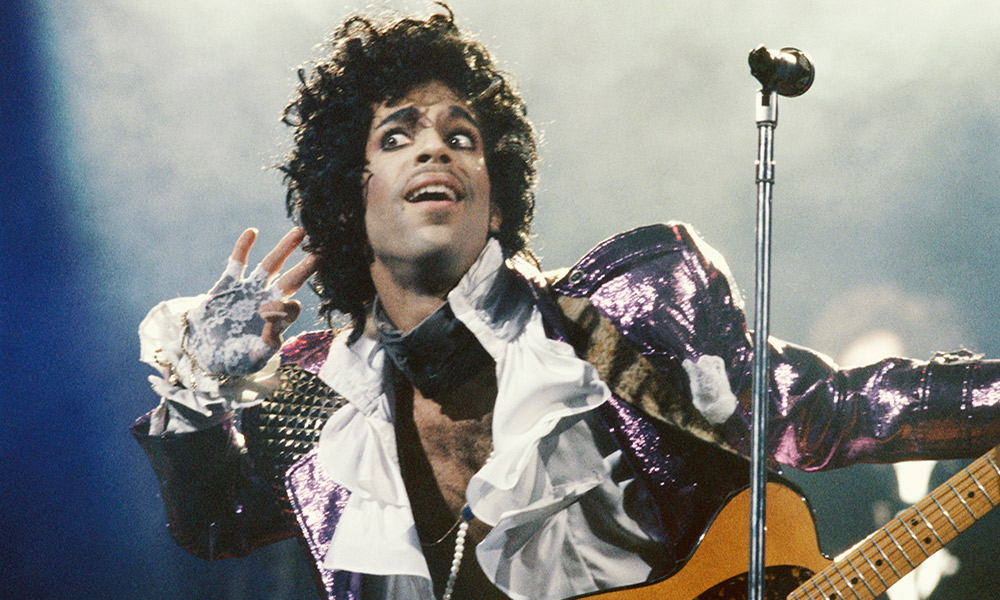
A song recorded live in a Minneapolis club is released as a single
Purple Rain came out on 26 September 1984, the third single from the album and the film. What you hear is not a studio take: the basic track comes from a benefit show on 3 August 1983 at First Avenue in Minneapolis, the first time Prince played it in public. Almost eight minutes of ballad with a guitar solo, in an era of three-minute hooks.
Prince
The Revolution
Listen
Via YouTube
1987
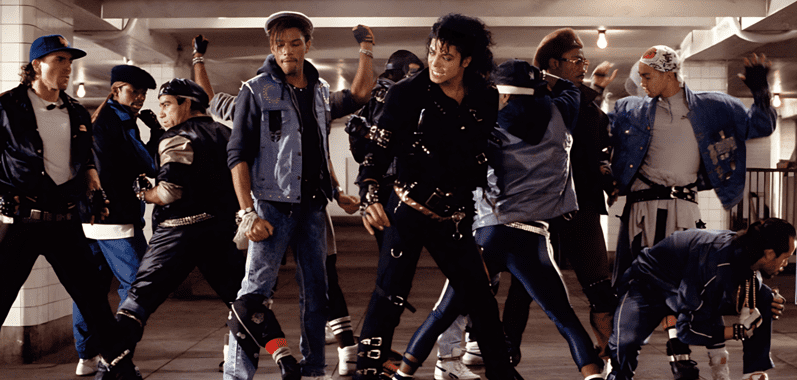
Bad reaches number one and starts six weeks of uncomfortable dominance
On the Billboard chart dated 26 September 1987, Bad took the top spot and stayed six weeks. It arrived condemned in advance: the previous album was Thriller, and anything short of that would count as failure. It ended up yielding five number-one singles from one record, which nobody had done, and the world went on treating it as a letdown.
Michael Jackson
Quincy Jones
Listen
Via YouTube
1988
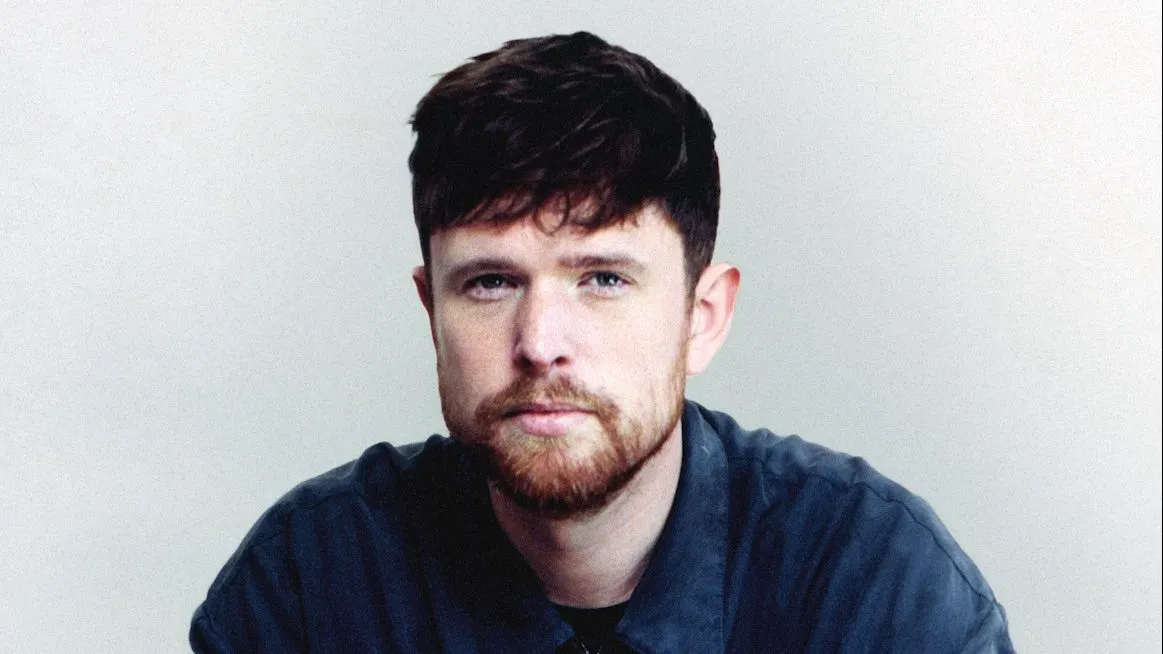
James Blake is born: the man who took the noise out of dubstep and left silence
On September 26, 1988, James Blake was born in London. He came out of the dubstep scene, a genre built on aggressive bass, and did exactly the opposite: slow songs, huge empty spaces, his processed voice and a piano. He went on to produce for Beyoncé, Kendrick Lamar and Travis Scott. His idea that silence is also an instrument rearranged the pop of the following decade.
James Blake
Listen
Via YouTube
1994
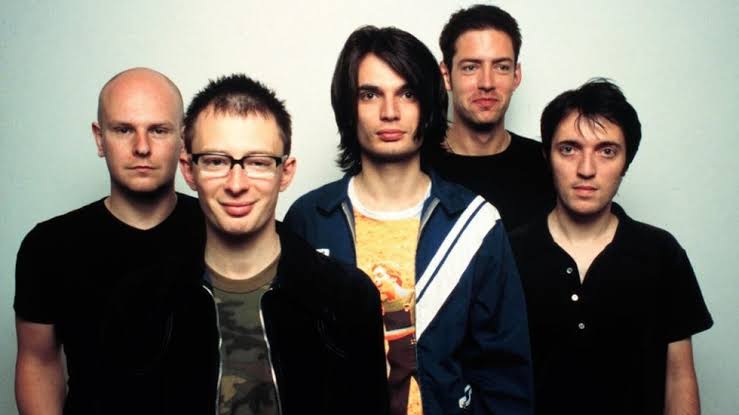
Radiohead put out an EP to complain about the only song anyone knew
My Iron Lung appeared on 26 September 1994 while they were working on The Bends. The song is openly about Creep: the hit that kept them alive and stopped them existing. They did not even like the studio version, so they used a take from a show at the London Astoria. That EP is the precise moment they stop being a one-single band.
Radiohead
Thom Yorke
John Leckie
Listen
Via YouTube
1998
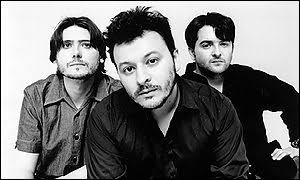
The Manics go number one with a song about volunteers in the Spanish Civil War
This Is My Truth Tell Me Yours entered the British chart at number one for the week ending 26 September 1998, carried by a single whose title comes from a 1936 Republican poster and whose lyrics are about Welshmen who went to fight in Spain. It became the band's best-selling album. A whole country humming the International Brigades without quite noticing.
Manic Street Preachers
James Dean Bradfield
Nicky Wire
Listen
Via YouTube
2003
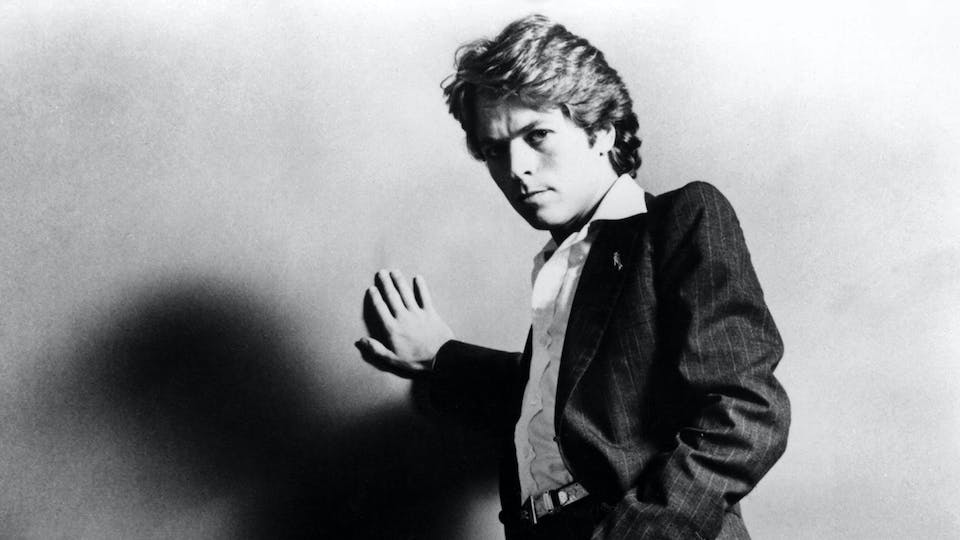
Robert Palmer dies and takes with him the suit that buried his discography
On 26 September 2003 he had a heart attack in a Paris hotel, aged fifty-four. Everyone remembered him for a video with identical models miming instruments, but before that he had recorded in New Orleans with the Meters, made albums of Caribbean funk and sung with Power Station. The suit won the argument in 1986 and never let go.
Robert Palmer
Listen
Via YouTube
2004
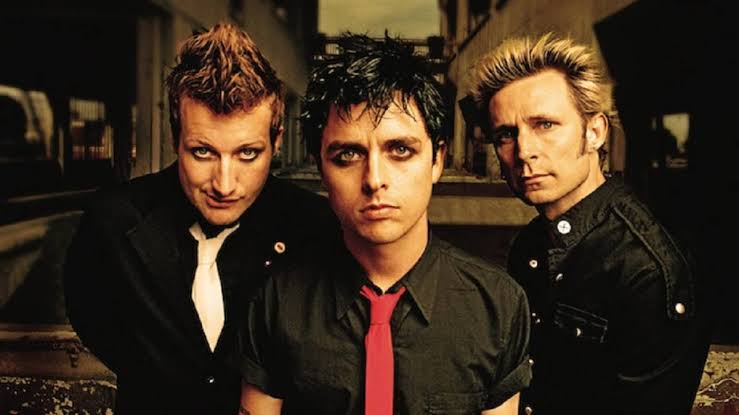
Green Day turn a punk opera against Bush into a British number one
American Idiot entered the UK albums chart straight at number one for the week of 26 September 2004. It was a concept record of nearly an hour, with two nine-minute suites and an explicit thesis against the Iraq war, made by a band everyone had written off. It sold sixteen million copies.
Green Day
Billie Joe Armstrong
Listen
Via YouTube
2014
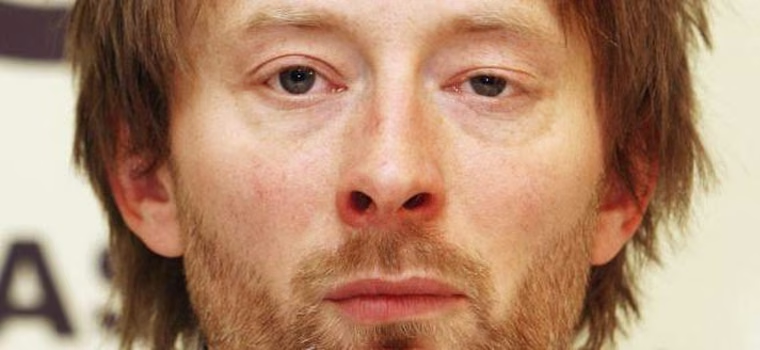
Thom Yorke sells his album over BitTorrent to cut out the middlemen
Tomorrow's Modern Boxes appeared on 26 September 2014 in a paid bundle distributed through BitTorrent, with no label and no platforms. Yorke and Nigel Godrich had spent months arguing that streaming paid new artists nothing and wanted to prove another route existed. It was downloaded over a million times in six days. Three years later it was on Spotify anyway.
Thom Yorke
Nigel Godrich
Radiohead
Listen
Via YouTube
1962
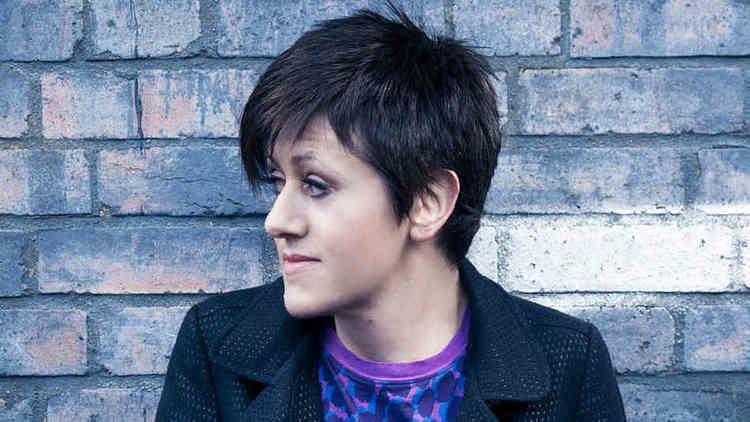
Tracey Thorn is born: the woman who sang the most remixed song of the nineties
On September 26, 1962, Tracey Thorn was born in London. With Everything but the Girl she made melancholy acoustic pop until, in 1995, Todd Terry remixed 'Missing' into a club record: the version spent a full year on the charts. The band accepted the accident and moved into electronic music. Thorn stopped touring because of stage fright and kept recording and writing books from home.
Tracey Thorn
Everything but the Girl
Listen
Via YouTube
1968
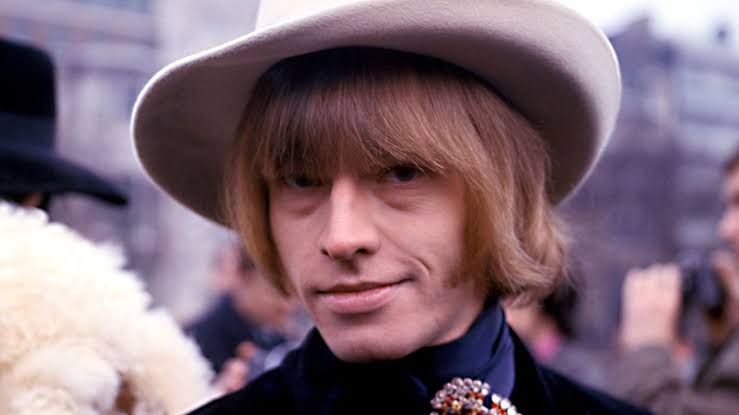
A jury finds Brian Jones guilty and the judge decides not to lock him up
On 26 September 1968, at the Inner London Sessions, a jury found him guilty of possessing cannabis at his London flat. It was his second conviction in under a year and he was on probation from the first, but the court settled for a fifty-pound fine plus costs. He had nine months left to live and was barely playing on his own band's records.
Brian Jones
The Rolling Stones
Listen
Via YouTube
1969
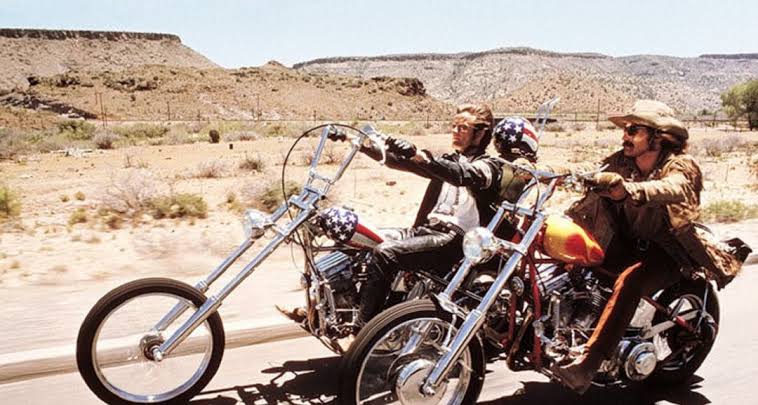
A biker film rescues a song the Byrds had buried two years earlier
On 26 September 1969 Wasn't Born to Follow was issued as a single in Britain and Germany, a Goffin and King song the Byrds had recorded in November 1967 and put on an album nobody remembered. Easy Rider set it over motorcycles crossing the desert and suddenly there was a market. Cinema was steering long before the industry noticed.
The Byrds
Carole King
Gerry Goffin
Listen
Via YouTube
1972
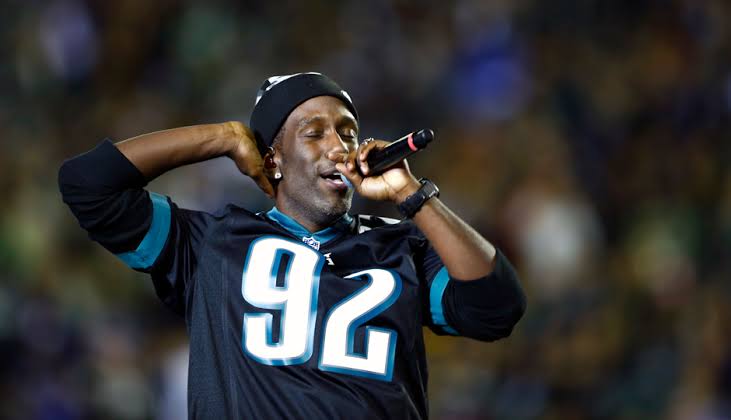
Shawn Stockman is born: the tenor who held up Boyz II Men’s harmonies
On September 26, 1972, Shawn Stockman was born in Philadelphia. He was the tenor voice of Boyz II Men, the group that in the nineties piled up more weeks at number one in the United States than almost any artist in history. The formula was old and proven: four voices without instruments, church harmonies, love songs. Nobody has made it work at that scale since.
Shawn Stockman
Boyz II Men
Listen
Via YouTube
1981
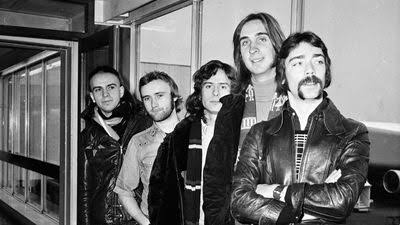
Genesis go straight in at number one with an album named after a work diagram
On the UK chart week ending 26 September 1981, Abacab entered at the top in one go. The title comes from how they labelled the sections of the long song while assembling it: A, B, A, C, A, B. It was the first album made entirely at their own studio, with fewer layers and more drums, and it marks the exact point where Genesis stopped being a progressive band.
Genesis
Phil Collins
Listen
Via YouTube
1988
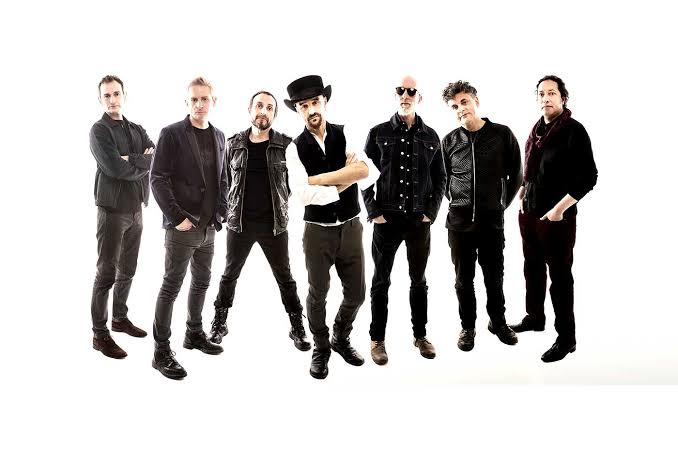
James release a second album that had spent eighteen months waiting its turn
Strip-mine came out on 26 September 1988, recorded at Rockfield in spring 1987 and postponed so often it had to be remixed from scratch. The label had lost faith after the debut flopped. It reached number ninety in Britain, two months later they left the company, and Sit Down was still three years away from filling rooms with people singing it.
James
Tim Booth
Listen
Via YouTube
1994
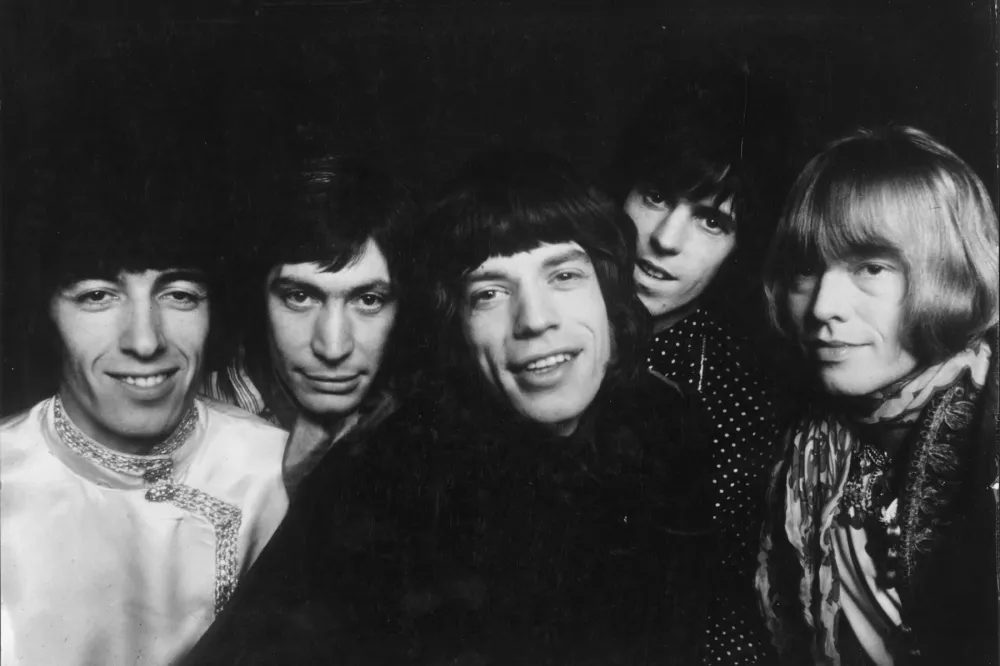
The Stones release a single that sums up their plan for the next thirty years
You Got Me Rocking was issued in Britain on 26 September 1994, the second cut from Voodoo Lounge. It reached number twenty-three and nobody remembers it from the album, but it opened shows for two decades and started a whole live record. Produced by Don Was, it is exactly what the band needed: a riff with no ambitions, able to hold sixty thousand people.
The Rolling Stones
Don Was
Listen
Via YouTube
2000
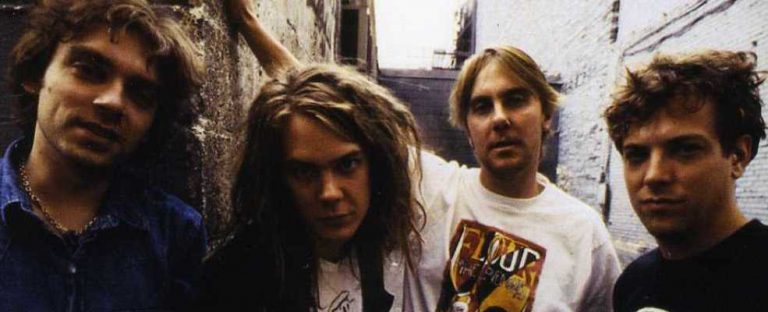
A compilation closes the account on Soul Asylum with two outtakes and two live cuts
Black Gold: The Best of Soul Asylum came out on 26 September 2000, when the Minneapolis band had been idle for two years and nobody knew if they would return. It includes two rejects from Candy from a Stranger and two previously unreleased live recordings, the sort of gesture with which a label sees a band off without saying so. They took six years to release anything else.
Soul Asylum
Dave Pirner
Listen
Via YouTube
2006
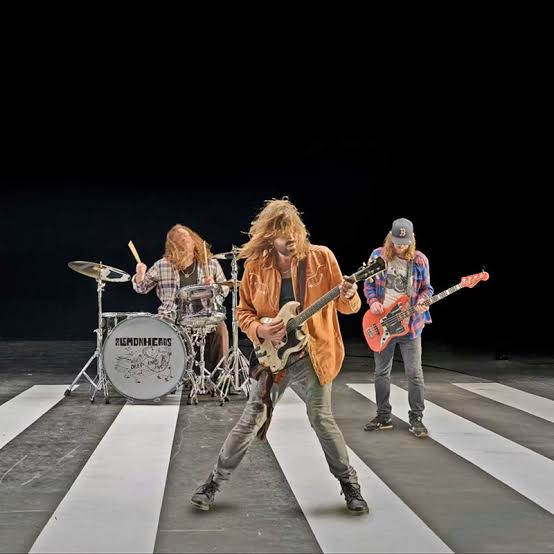
Evan Dando revives the Lemonheads name with the Descendents' rhythm section
The self-titled album came out on 26 September 2006, ten years after the previous one and after a personal stretch that nearly finished him. He surrounded himself with Bill Stevenson and Karl Alvarez of the Descendents, and called in J Mascis for guitars and Garth Hudson of The Band for keyboards. It sounded harder than ever and the songs were still his.
The Lemonheads
Evan Dando
J Mascis
Garth Hudson
Listen
Via YouTube
One ephemeris a day, one editorial a week. Zero spam, pure archive.