
Chapter 01 — Today in music
On a day like today October 1
1982
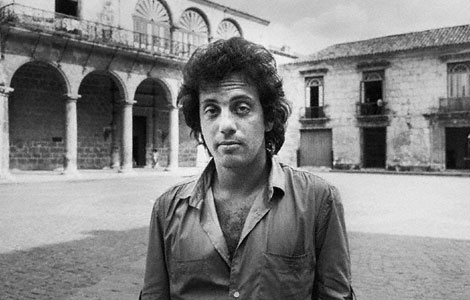
The first CD in history goes on sale: music turns digital
The first commercial compact discs go on sale in Japan, with Billy Joel's “52nd Street” among the inaugural titles, alongside Sony's first player. The format promised “perfect sound forever” and within a decade buried vinyl and cassette. It was the first step of the digitization that would end up transforming the entire industry.
Billy Joel
Sony
Philips
Listen
Via YouTube
1935
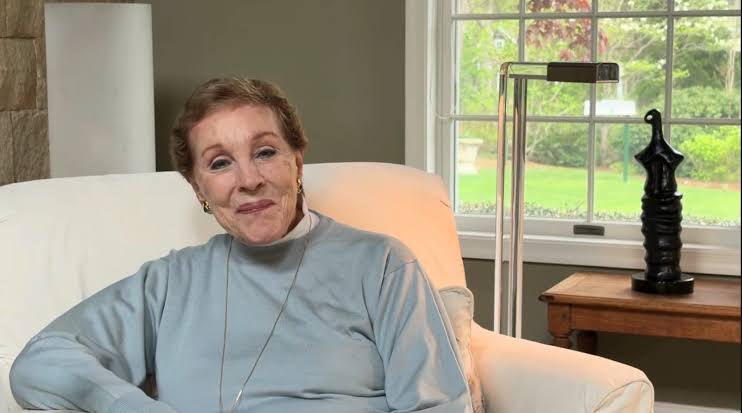
Julie Andrews is born, the voice that musically educated half the planet
Julie Andrews is born in Walton-on-Thames, England: owner of a four-octave soprano and of two absolute classics of the movie musical, “Mary Poppins” and “The Sound of Music”. Entire generations learned to sing with “Do-Re-Mi”. Her vocal elegance set a standard pop still measures itself against, whether it admits it or not.
Julie Andrews
Listen
Via YouTube
1945
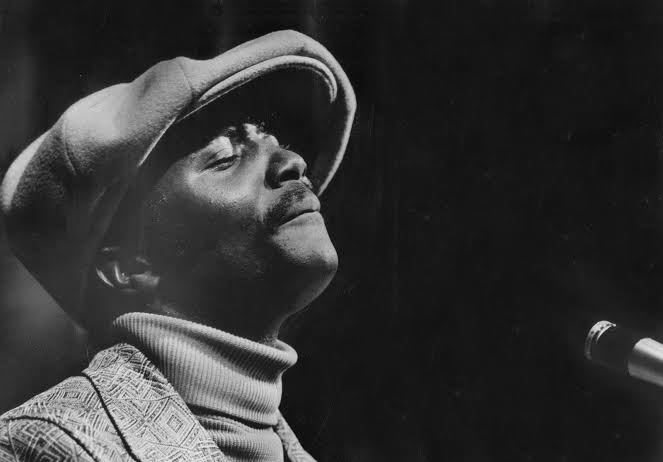
Donny Hathaway is born: the saddest and warmest voice in soul
On October 1, 1945, Donny Hathaway was born in Chicago and raised by his grandmother in St. Louis, singing gospel from the age of three. He studied classical music on a scholarship and applied that training to a soul full of complex arrangements and political lyrics. His duets with Roberta Flack are among the most beautiful ever recorded. He lived with a schizophrenia he never managed to stabilise, and in January 1979 he fell from the fifteenth floor of a New York hotel.
Donny Hathaway
Roberta Flack
Listen
Via YouTube
1959
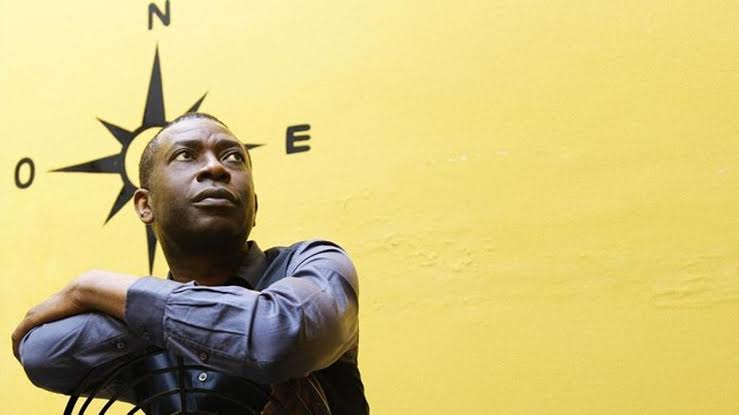
Youssou N'Dour is born: the Senegalese who became a minister without giving up singing
On October 1, 1959, Youssou N'Dour was born in Dakar into a family of griots, West Africa's hereditary storytellers. He modernised Senegalese mbalax by adding electric guitars and took his soaring voice worldwide: "7 Seconds", a duet with Neneh Cherry, sold millions in 1994. He won a Grammy in 2005 and seven years later ran for the presidency of Senegal; he did not win, but ended up a government minister.
Youssou N'Dour
Neneh Cherry
Listen
Via YouTube
1962
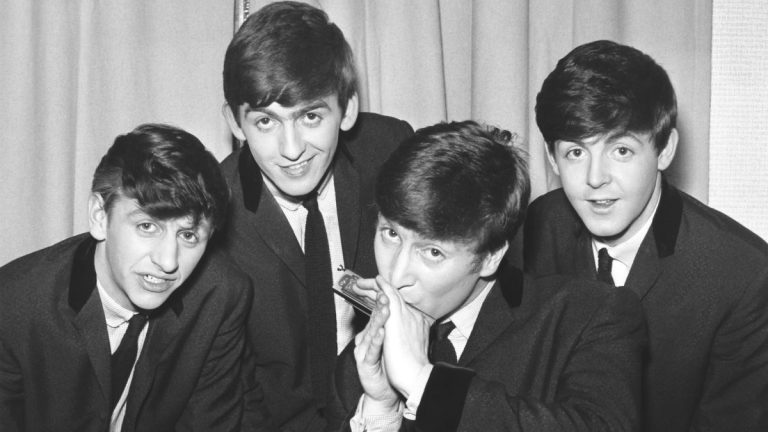
The Beatles sign the Brian Epstein contract that he finally signed too
Days before "Love Me Do" hit the shops, Epstein closed a new deal with the group worth up to 25% of income depending on what he generated, and tied Lennon and McCartney to a three-year NEMS publishing contract. In January's agreement the manager had left his own name off the paper, in case the boys wanted out. By now nobody wanted out.
The Beatles
Brian Epstein
Listen
Via YouTube
1962
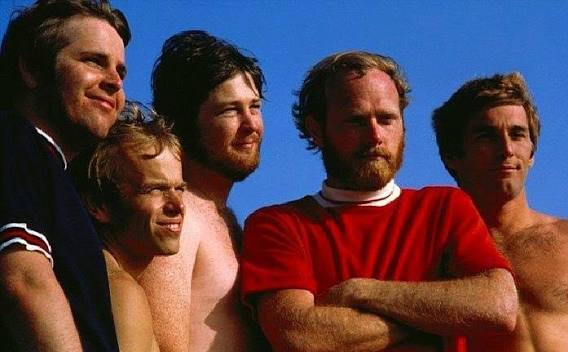
The Beach Boys release Surfin' Safari and turn a local craze into an industry
Capitol puts out the Beach Boys' first LP, assembled fast to cash in on the single that had already opened radio doors. It is an uneven record with obvious filler, but it fixes the formula: brotherly harmonies, clean guitar and a California almost nobody in the band actually practised. It reached number 32 and lasted 37 weeks. Brian Wilson was already showing his hand as an arranger.
The Beach Boys
Listen
Via YouTube
1965
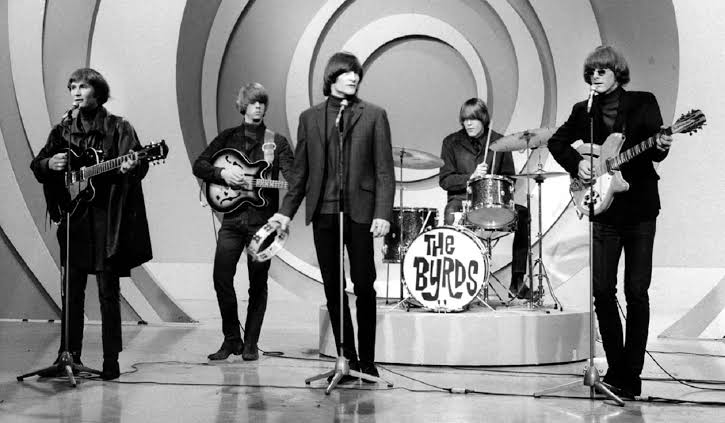
The Byrds release Turn! Turn! Turn!, Ecclesiastes on a twelve-string Rickenbacker
Pete Seeger had set eight verses of Ecclesiastes to music barely changing a word. The Byrds ran them through McGuinn's twelve-string Rickenbacker and three voices stitched together to the millimetre, and by December they were number one on the Hot 100. It is probably the oldest lyric ever to top a pop chart: the text is over two thousand years old.
The Byrds
Pete Seeger
Listen
Via YouTube
1966
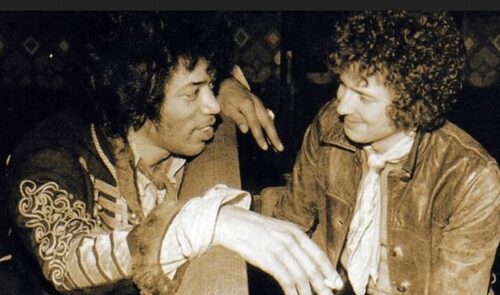
An unknown named Jimi Hendrix walks onto Cream's stage and rearranges London
Chas Chandler had been in London a week with his American signing and needed noise fast. He talked Cream into letting him play one number at the Regent Street Polytechnic: Hendrix picked Howlin' Wolf's "Killing Floor" and dispatched it at a speed Clapton had never seen. Clapton put it plainly afterwards: from that night, his life was never the same.
Jimi Hendrix
Cream
Eric Clapton
Listen
Via YouTube
1970
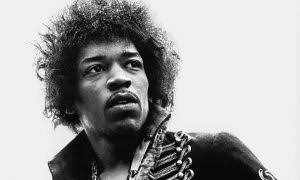
Jimi Hendrix is buried beside his mother, with Miles Davis among the mourners
Two weeks after dying in London, Hendrix came back to Seattle. The service at Dunlap Baptist Church drew two hundred people and twenty-four limousines: Mitch Mitchell, Noel Redding, Miles Davis, Johnny Winter. He was buried at Greenwood Cemetery in Renton, chosen because his mother's grave was there. He was twenty-seven, with three studio albums released in his lifetime.
Jimi Hendrix
Listen
Via YouTube
1984
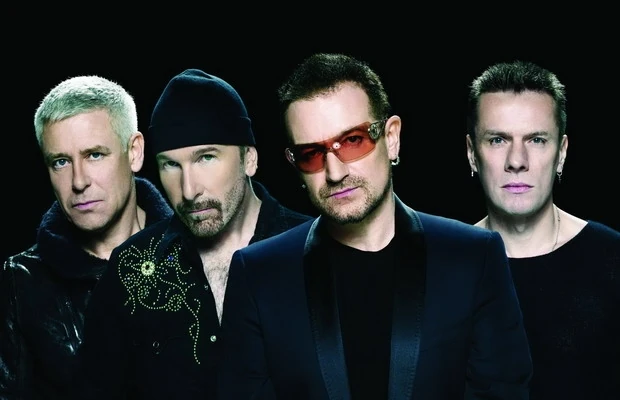
U2 release The Unforgettable Fire and swap anthems for fog
With Brian Eno and Daniel Lanois holed up in Slane Castle, U2 dismantled what War had built: fewer slogans, more texture, songs held up by air rather than by choruses. The band lost definition on purpose and by mid-record no longer sounded like itself. "Pride" bought them radio; everything else bought them another decade of career.
U2
Brian Eno
Daniel Lanois
Listen
Via YouTube
2007
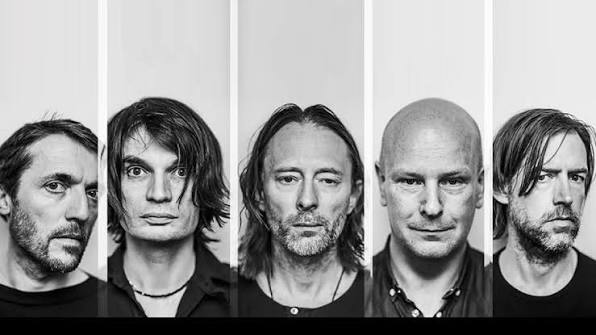
Radiohead announce In Rainbows and let everyone set their own price
Jonny Greenwood posted on the band's blog that the record was finished, that it was out in ten days, and that it was called In Rainbows. Underneath, a link to pre-order it for whatever you wanted to pay, including nothing. No label, no campaign, none of the industry's lead times. Ten days' notice was enough to keep the business arguing for years.
Radiohead
Jonny Greenwood
Listen
Via YouTube
1932
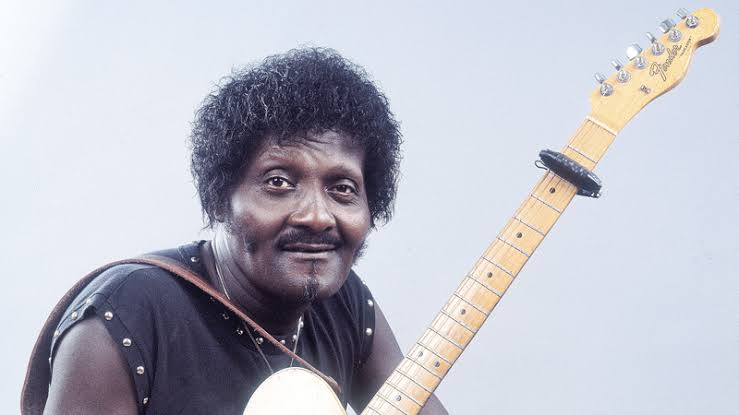
Albert Collins is born: the master of the Telecaster who played in an impossible tuning
On October 1, 1932, Albert Collins was born in Leona, Texas, a distant cousin of Lightnin' Hopkins. He invented a way of playing no other guitarist could copy: an open F minor tuning, a capo moved up the neck and bare fingers instead of a pick, all at a volume that made people jump. They called him the Iceman for his frozen album titles. He won a Grammy in 1987 and died of cancer in 1993.
Albert Collins
Listen
Via YouTube
1942
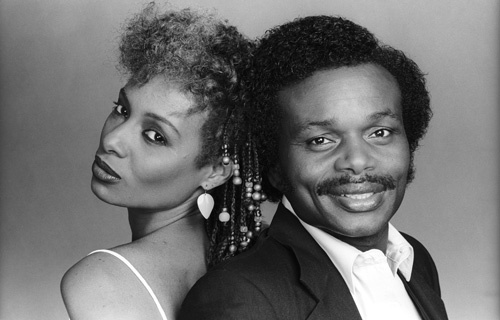
Herb Fame is born: the singer who left the stage to become a policeman and came back
On October 1, 1942, Herb Feemster was born in Washington, the fixed half of the duo Peaches & Herb, famous because the other half kept changing person over the years. In the early seventies he left music and joined the capital's police force. He came back with a new Peaches and in 1979 recorded "Reunited", a ballad that topped the charts for a month and that the title described better than anyone had planned.
Herb Fame
Peaches & Herb
Listen
Via YouTube
1943
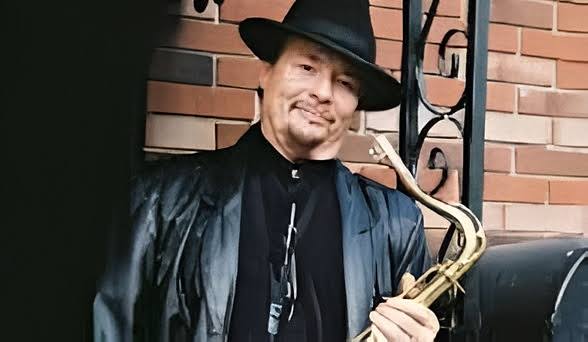
Jerry Martini is born: the sax in rock's first integrated band
On October 1, 1943, Jerry Martini was born in Colorado — a saxophonist and one of the reasons Sly and the Family Stone existed at all: it was he who talked Sly Stone into forming his own group. The band that came out of it was the first major American rock line-up with Black and white musicians, men and women, playing together on stage in 1967, when that was still a political statement.
Jerry Martini
Sly and the Family Stone
Listen
Via YouTube
1946
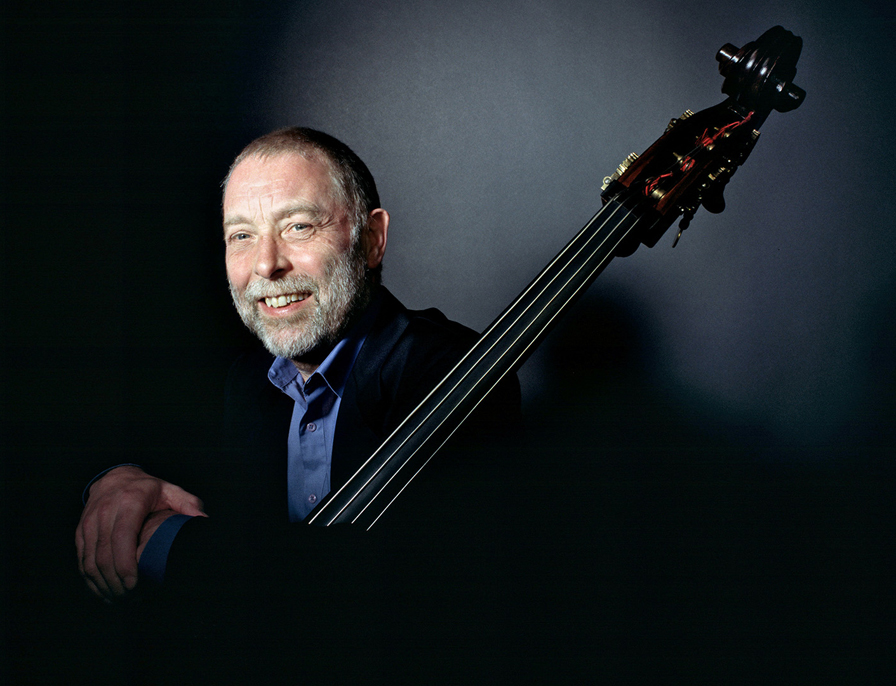
Dave Holland is born, hired by Miles Davis after a single night's listening
On October 1, 1946, Dave Holland was born in Wolverhampton, England — a bassist still studying in London when Miles Davis heard him play in a club and called him into the band days later. He was twenty-one. He played on "In a Silent Way" and "Bitches Brew", the records where jazz was plugged into electricity. He then built his own career as a leader and has spent half a century directing groups without repeating a formula.
Dave Holland
Miles Davis
Listen
Via YouTube
1947
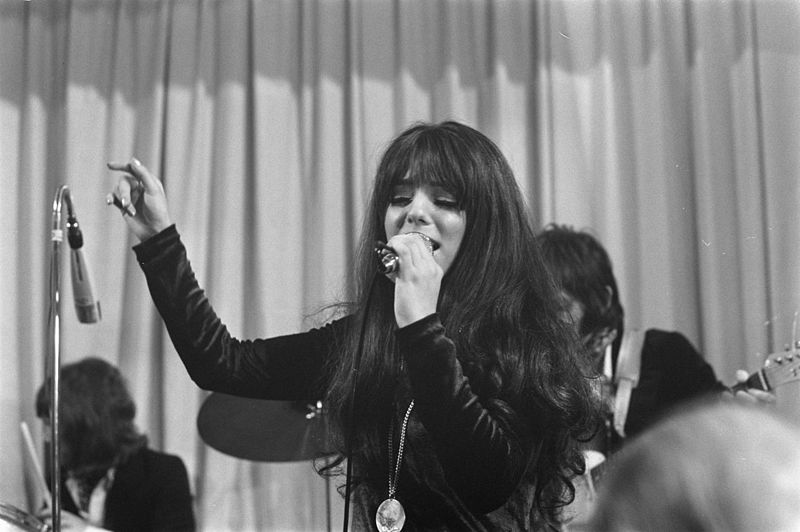
Mariska Veres is born: the Dutchwoman who sang "Venus"
On October 1, 1947, Mariska Veres was born in The Hague, daughter of a Hungarian Roma violinist. She joined Shocking Blue in 1968 and a year later recorded "Venus", which reached number one in the United States in 1970 — the first Dutch group to manage it. She stood on stage in a black wig, heavy eyeliner and total coolness. The song returned to number one in 1986 in Bananarama's version.
Mariska Veres
Shocking Blue
Listen
Via YouTube
1948
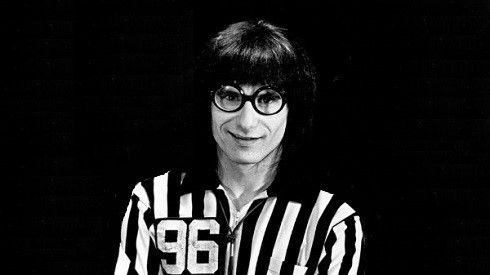
Cub Koda is born, the man who wrote the anthem of smoking in the school bathroom
Michael Uszniewicz was born in Detroit and renamed himself Cub Koda. With Brownsville Station he wrote "Smokin' in the Boys Room", a number three on the 1974 Hot 100 that Mötley Crüe later recycled for cash. The odd part came afterwards: Koda co-edited the All Music Guide to the Blues and wrote about records with more rigour than most critics of his generation.
Cub Koda
Brownsville Station
Listen
Via YouTube
1955
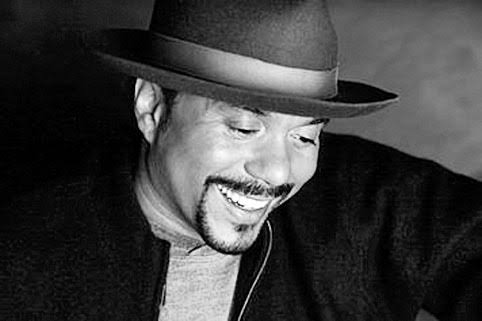
Howard Hewett is born: the voice of a group that started as a television gimmick
On October 1, 1955, Howard Hewett was born in Ohio. He joined Shalamar when the group was still a record executive's device for selling Motown compilations. With him out front, Shalamar became a real band and took "A Night to Remember" and "There It Is" to the top. His way of singing, with long falsettos and gospel ornaments, marked the generation of rhythm and blues singers that followed.
Howard Hewett
Shalamar
Listen
Via YouTube
1976
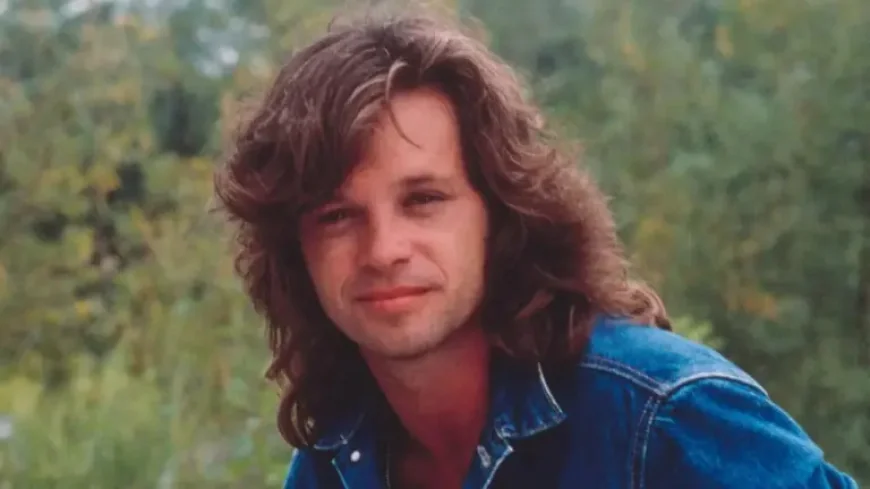
John Mellencamp's first album arrives under a stage name he never chose
MCA released Chestnut Street Incident credited to "Johnny Cougar". The surname came from his manager, Tony Defries — the man who handled Bowie — without asking: Mellencamp found out when he saw the printed sleeve. The record is weak, half of it covers, and it vanished without trace. The invented name took him almost a decade to shake off.
John Mellencamp
Listen
Via YouTube
1977
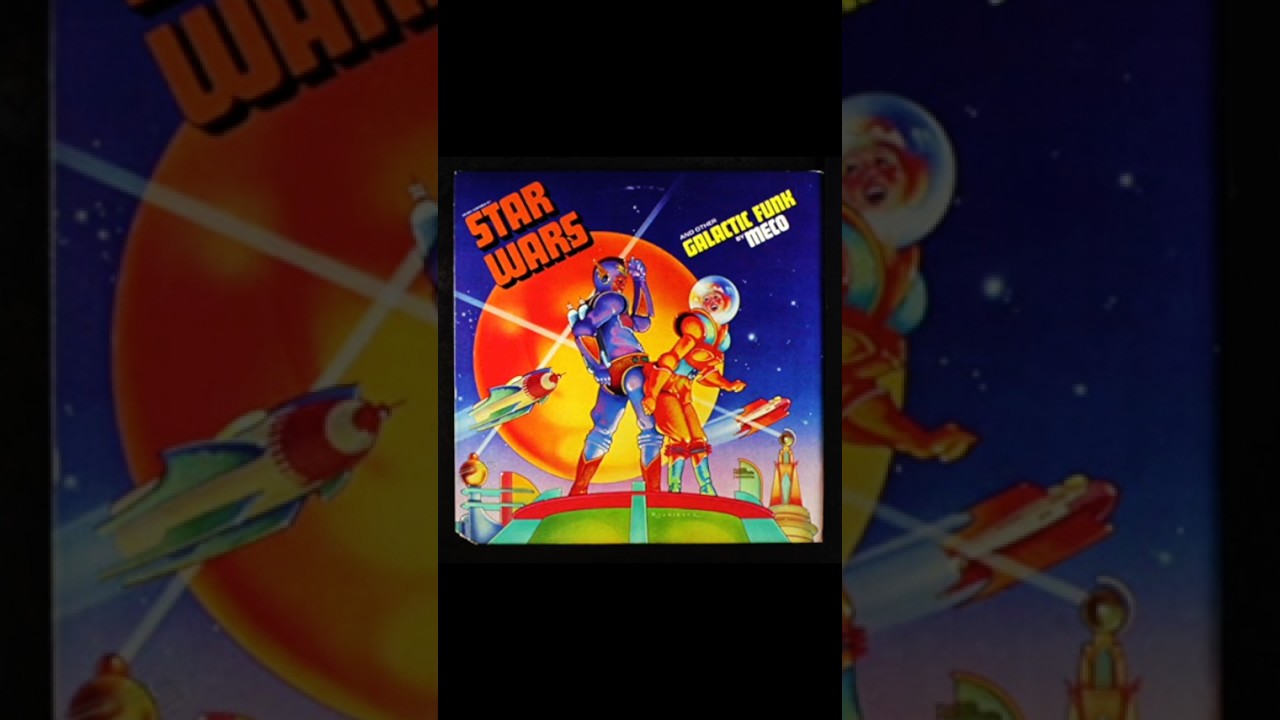
The Star Wars theme hits number one turned into dancefloor fuel
Meco Monardo watched the film several times, decided John Williams was missing a four-on-the-floor kick and cut "Star Wars Theme/Cantina Band". The US chart dated that day puts it on top of the Hot 100, where it held for two weeks on its way to two million copies. The symphonic soundtrack sold well; the version with congas sold better.
Meco
Listen
Via YouTube
1983
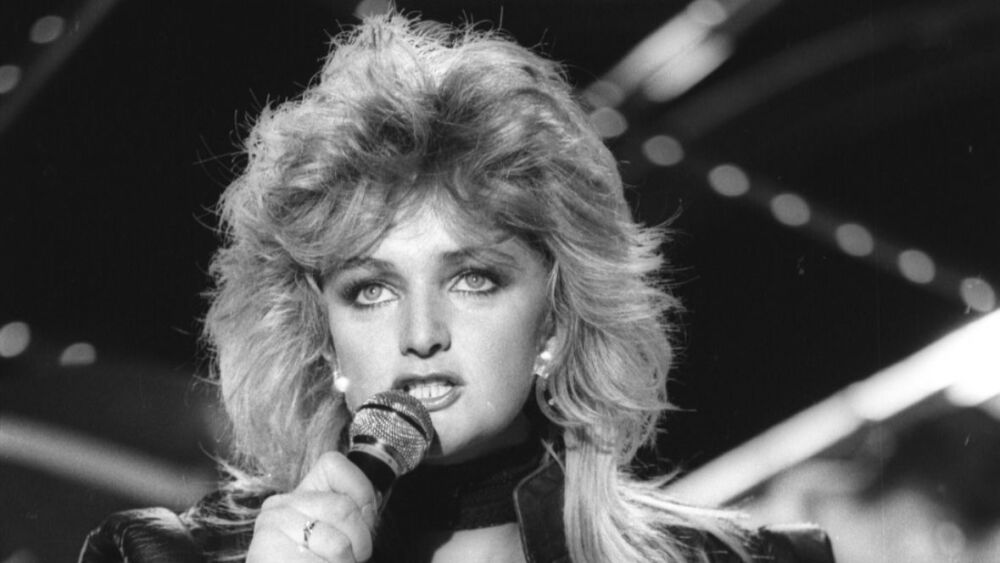
Bonnie Tyler rules the Hot 100 with a song written for a vampire musical
Jim Steinman conceived "Total Eclipse of the Heart" as a number for a vampire musical and ended up handing it to a Welshwoman whose voice had been left ragged by throat surgery. The US chart dated that day puts it at number one, where it stayed four weeks. Seven minutes of teenage opera nobody at radio thought would fit into a broadcast.
Bonnie Tyler
Jim Steinman
Listen
Via YouTube
1984
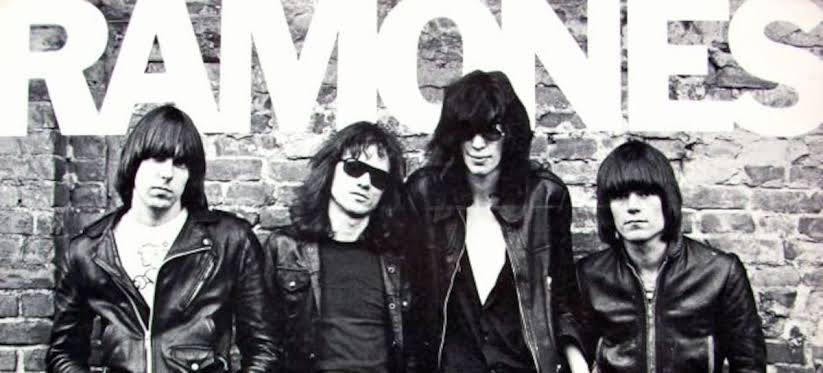
The Ramones sound fast and ugly again on Too Tough To Die
After years flirting with producer's pop, the Ramones called in Tommy — the original drummer, by then an engineer — and Ed Stasium to get back to ninety unadorned seconds. Richie made his debut behind the kit after Marky was fired. The album entered at 171, their worst placing to date, and it is the last great record they ever made.
Ramones
Listen
Via YouTube
1990
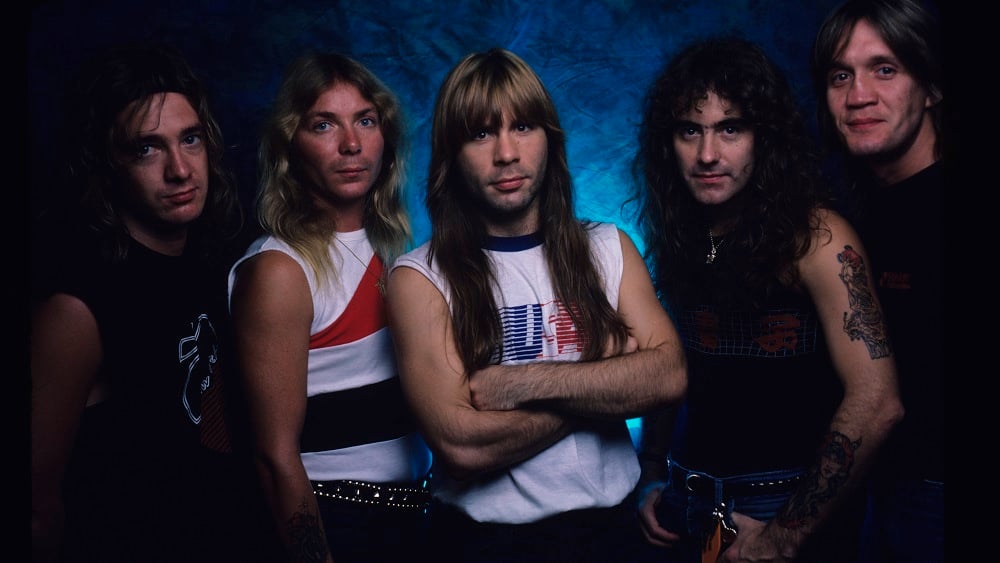
Iron Maiden shut themselves in an Essex barn for No Prayer For The Dying
Adrian Smith had walked and Janick Gers came in with the record already rolling. Maiden hauled the Stones' mobile studio to a barn in Essex chasing a street-level sound; Dickinson later dismissed the result with one unprintable word. Even so, this is where "Bring Your Daughter... To The Slaughter" came from — their only UK number one single.
Iron Maiden
Listen
Via YouTube
1994
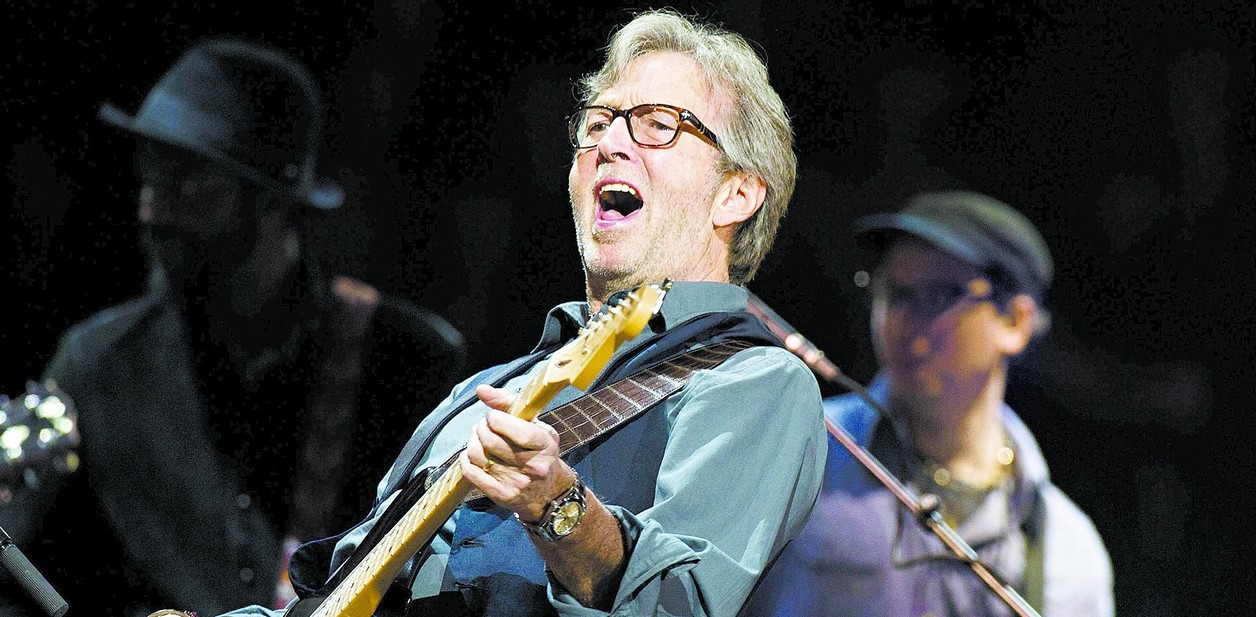
A bare-knuckle blues covers album puts Eric Clapton at the top of the chart
Cut almost live with barely an overdub, From The Cradle is sixteen songs by Muddy Waters, Elmore James and company played by a man who had owed the genre thirty years. The US album chart dated that day puts him at number one with 209,000 copies in the first week. Small-room blues selling at stadium-record speed.
Eric Clapton
Listen
Via YouTube
1996
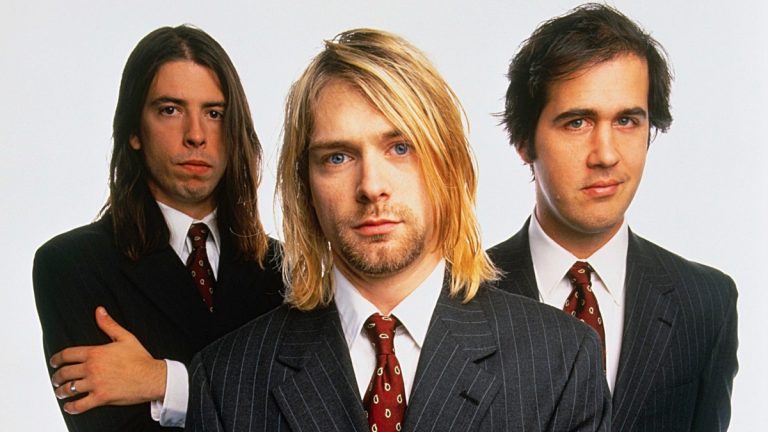
Nirvana release the electric live album that answers the Unplugged
Krist Novoselic went through five years of tapes and assembled From The Muddy Banks Of The Wishkah to put the other band on record: the loud one, the one that broke things at the end. It debuted at number one in the US with nearly 159,000 copies, their third straight chart-topper. Cobain had been dead two years and the catalogue was starting its long second life.
Nirvana
Krist Novoselic
Listen
Via YouTube
1996
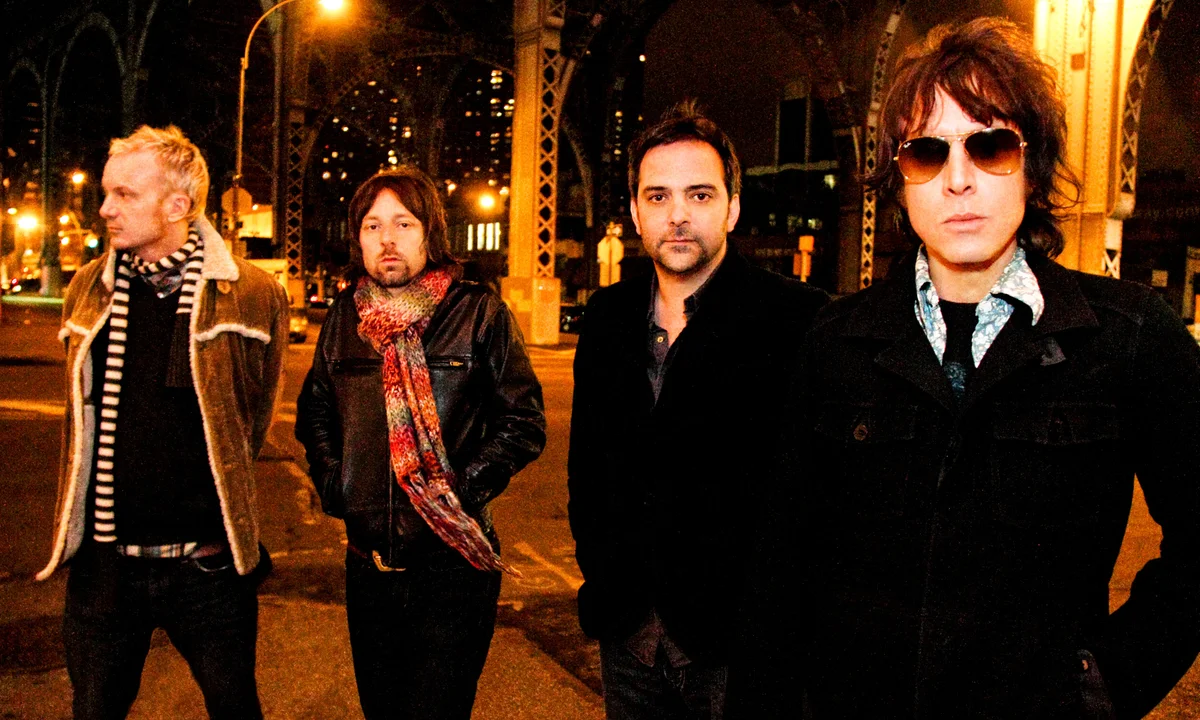
Fountains of Wayne debut with three-minute songs about other people's lives
Adam Schlesinger and Chris Collingwood put out a first album that did not fit 1996: power-pop melodies, clean choruses and lyrics from a narrator who watches other people without pitying or mocking them. "Radiation Vibe" was the single and still turns up on greatest-songs lists. A huge hit was seven years away; the craft was already here.
Fountains of Wayne
Listen
Via YouTube
2007
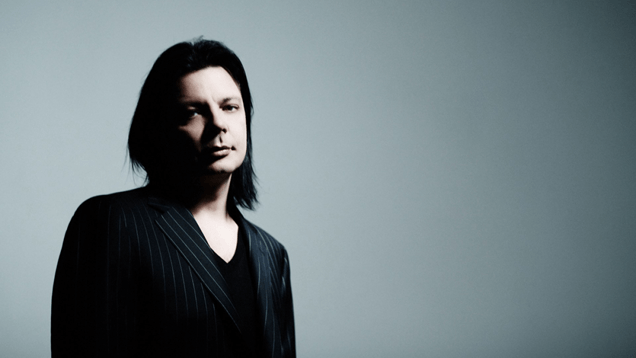
Steve Hewitt leaves Placebo after eleven years behind the drums
The statement cited personal and musical differences, the usual formula for saying nothing at all. Hewitt had joined in 1996 and played on the four albums that took the band from London noise to big rooms; he left as soon as the Meds tour ended. Molko and Olsdal carried on, but that particular trio never existed again.
Placebo
Steve Hewitt
Listen
Via YouTube
2008
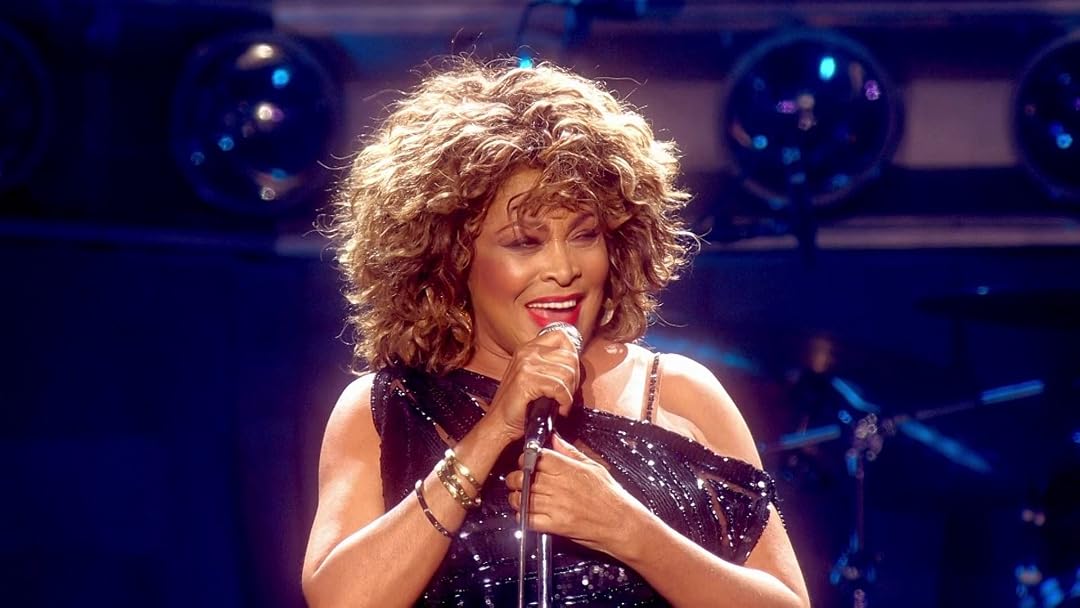
Tina Turner comes out of retirement at sixty-eight for the tour of her life
Eight years off the road and one line from Sophia Loren — break over, people want to see you — were enough to bring her back. The 50th Anniversary Tour opened in Kansas City and ended with $132 million grossed, 1.2 million tickets and ninety shows. It was the last tour of her career, and she closed it filling stadiums across Europe.
Tina Turner
Listen
Via YouTube
One ephemeris a day, one editorial a week. Zero spam, pure archive.