
Chapter 01 — Today in music
On a day like today October 5
1947
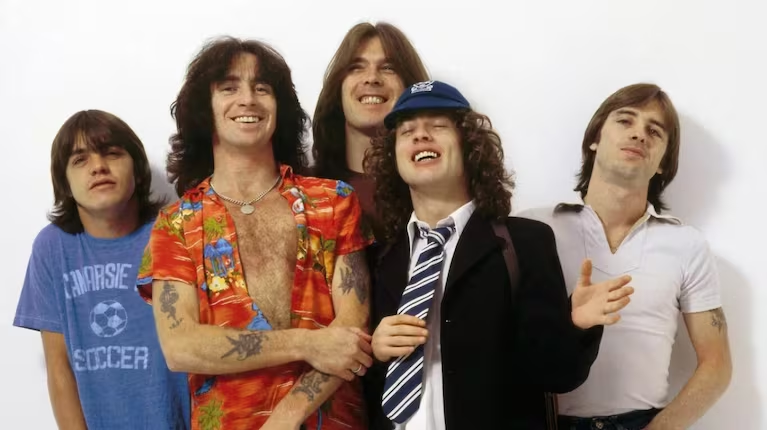
Brian Johnson is born, the man who saved AC/DC from its own tragedy
Brian Johnson is born in Dunston, England: the flat-capped singer who took on an impossible mission, replacing the late Bon Scott in AC/DC. Five months after Scott's death, his sandpaper voice crowned “Back in Black”, one of the best-selling albums in history. Rarely has grief been transformed into a masterpiece so quickly.
Brian Johnson
AC/DC
Listen
Via YouTube
1971
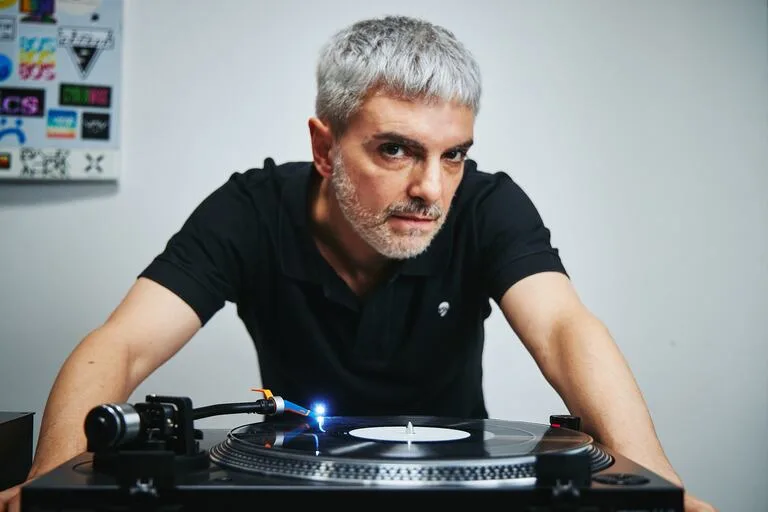
Ale Sergi is born, who ran sound for three presidents before founding Miranda!
The son of a piano teacher, he earned his living as a sound engineer: he set up gear for a Beatles tribute band, for events companies and for political rallies, including those of Alfonsín, Menem and De la Rúa. In 2001 he founded Miranda! with Juliana Gattas and wrote the songs: electropop sung in falsetto, with painted nails, at a time when Buenos Aires belonged to neighbourhood rock.
Ale Sergi
Miranda!
Listen
Via YouTube
1940
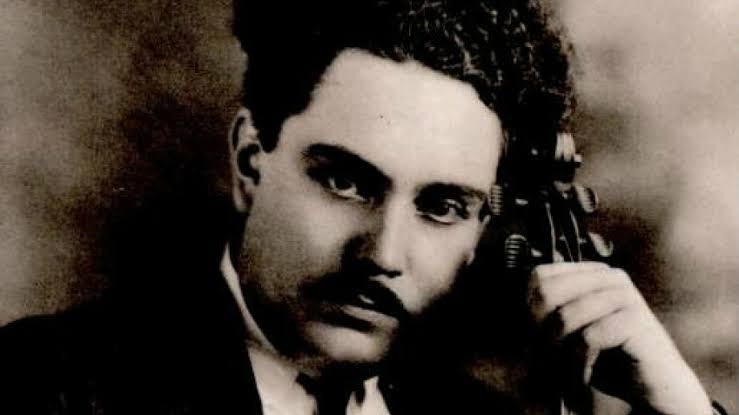
Silvestre Revueltas dies: the Mexican composer who drank his own work away
On October 5, 1940, Silvestre Revueltas died in Mexico City at 40, of pneumonia aggravated by alcoholism. He had written "Sensemayá" and "La noche de los mayas", works that put Mexican popular rhythm inside the symphony orchestra without apologising for it. He travelled to Spain to support the Republic during the civil war. He died on the very day one of his ballets premiered.
Silvestre Revueltas
Listen
Via YouTube
1951
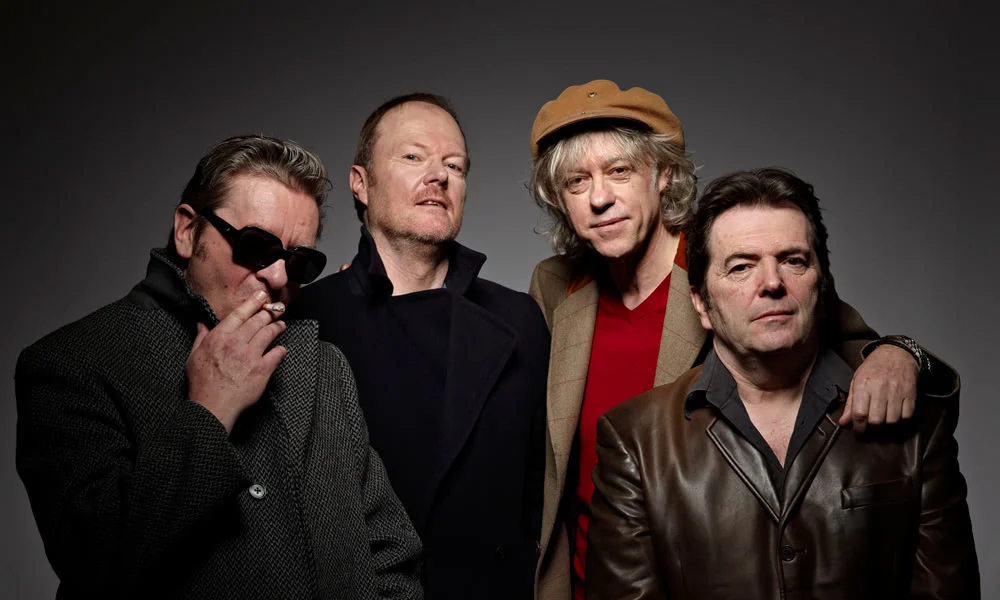
Bob Geldof is born: the Irish punk who ended up staging the biggest concert in the world
On October 5, 1951, Bob Geldof was born in Dublin. He had been a music journalist before forming the Boomtown Rats and taking "I Don't Like Mondays" to number one in Britain. In 1984, after seeing a report on the famine in Ethiopia, he organised the Band Aid single and the following year Live Aid, two simultaneous concerts watched by close to two billion people.
Bob Geldof
The Boomtown Rats
Listen
Via YouTube
1962
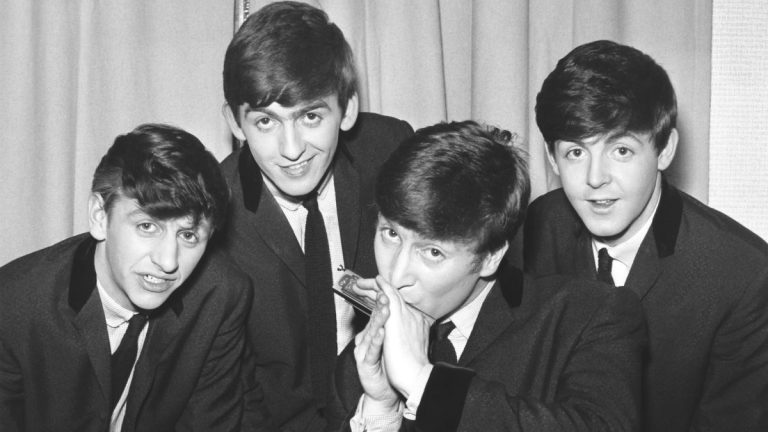
“Love Me Do” is released: the day Beatlemania officially began
Parlophone releases “Love Me Do”, the Beatles' first single, in the United Kingdom. It only reached number 17, but it was enough to start the machinery: in little over a year the band would dominate Britain and then the planet. All subsequent popular music has, in some way, its birth certificate on this day.
The Beatles
Listen
Via YouTube
1970
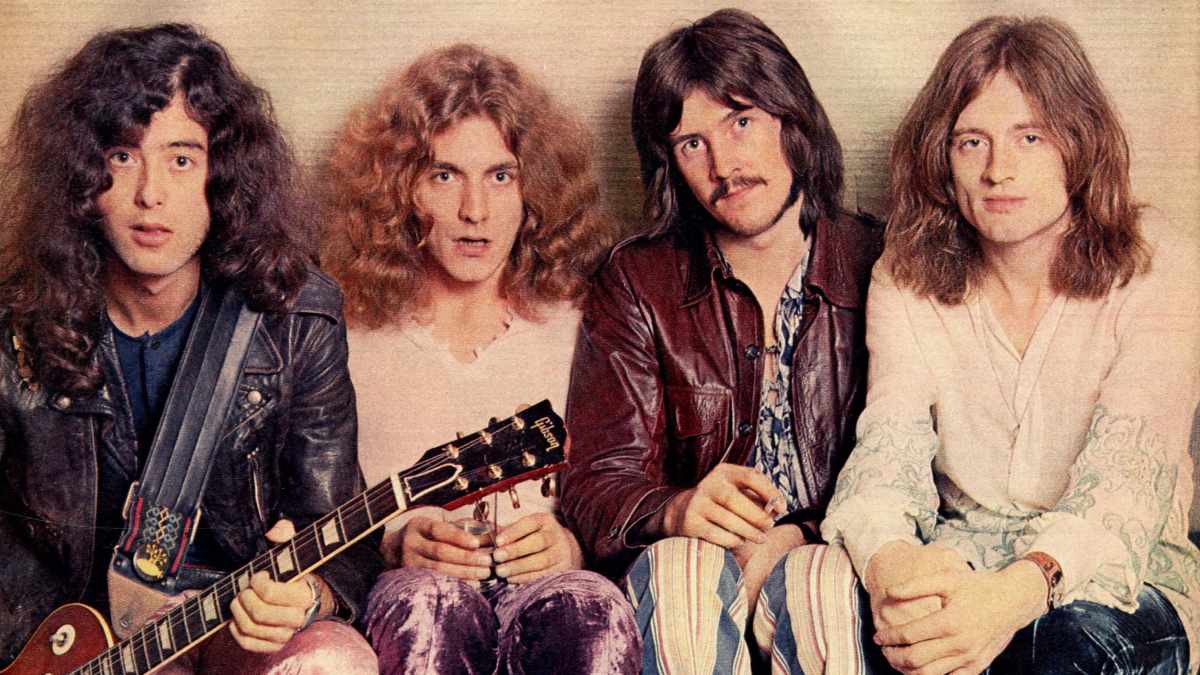
Led Zeppelin III: the loudest band on earth shows up with mandolins
Atlantic releases it in the United States and the critics are baffled. The same men who invented the gale of "Whole Lotta Love" arrived with wooden guitars learned at Bron-Yr-Aur, a Welsh cottage with no power and no running water. Page took the reviews so badly he gave no interviews for eighteen months. That folk turn now reads as the moment Zeppelin decided it could play anything it liked.
Led Zeppelin
Listen
Via YouTube
1973
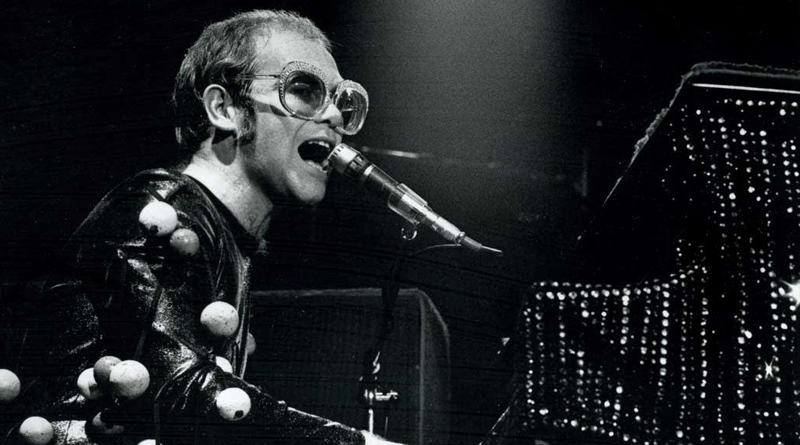
Goodbye Yellow Brick Road, the double album Elton John never planned
It was meant for Jamaica and the plan collapsed: an unusable piano, poor sound, Kingston in uproar between the Frazier-Foreman fight and street protests. They finished at the Château d'Hérouville with twenty-two songs and no decent way to cut them down to one record. Nobody had planned a double album; the surplus decided for them, and out came "Candle in the Wind", "Bennie and the Jets" and twenty million copies.
Elton John
Listen
Via YouTube
1974
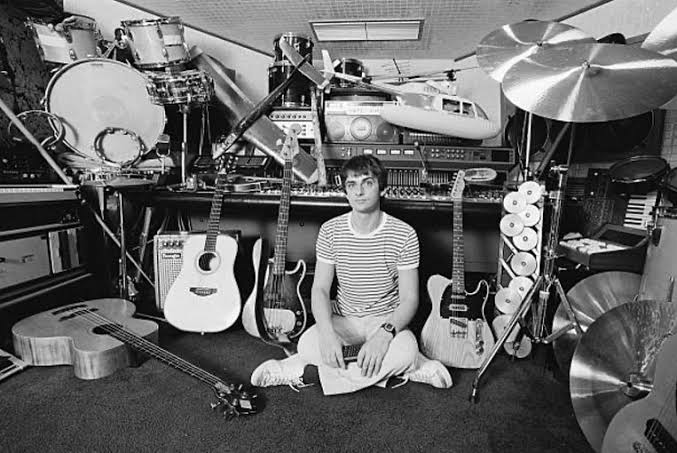
Tubular Bells hits number one sixteen months late, pushed by The Exorcist
The UK chart for the week ending 5 October 1974 finally crowns Mike Oldfield's debut, out since May 1973. It had sold slowly until its opening theme, in an unforgettable 15/8, turned up in The Exorcist. It was also Virgin's very first release: without this record, played almost entirely by a twenty-year-old, Branson's empire probably never happens.
Mike Oldfield
Listen
Via YouTube
1992
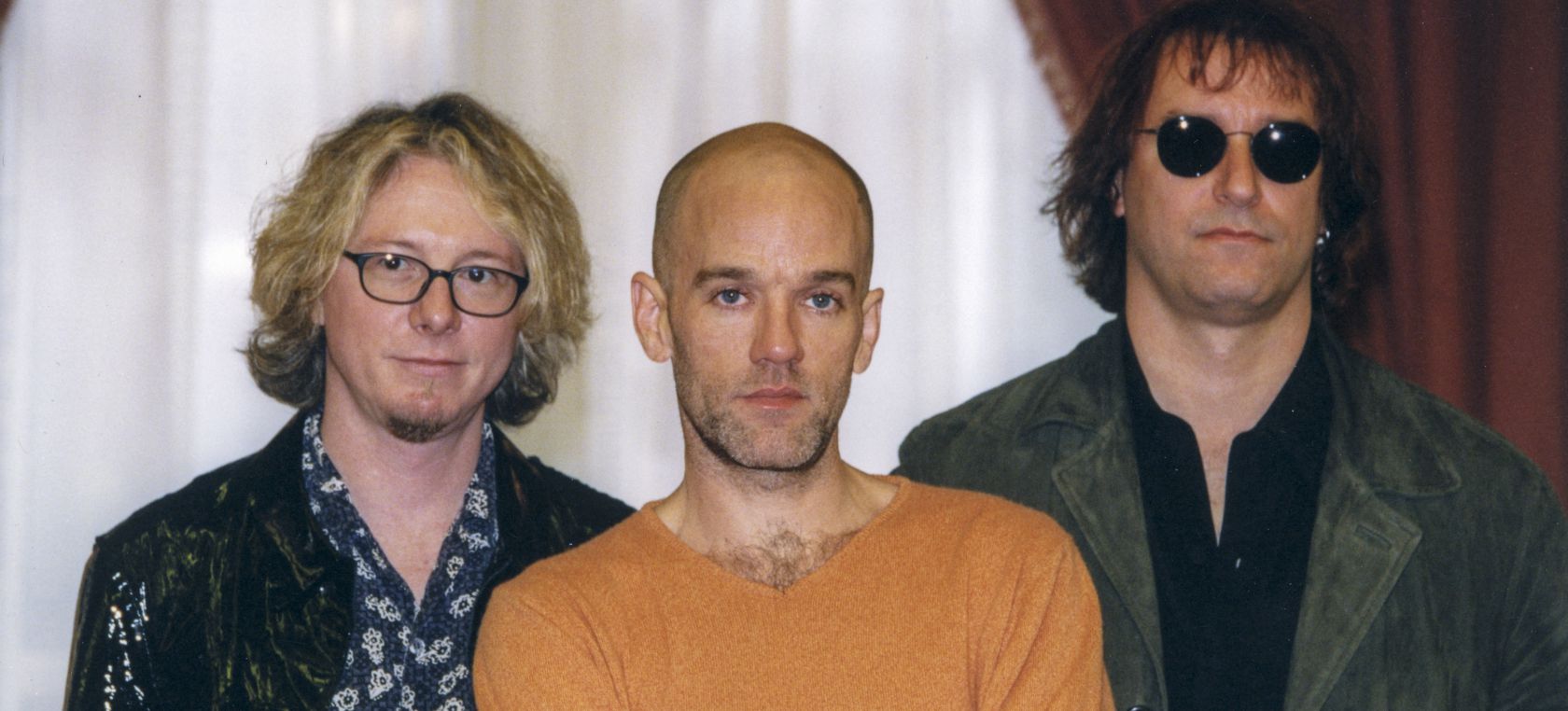
Automatic for the People: R.E.M. turn thirty and make a record about loss
It arrives in the UK with the United States a day behind, and confirms that the biggest band in alternative rock had no intention of behaving like one: no tour, and in its place string arrangements by John Paul Jones for "Everybody Hurts" and "Nightswimming". A record of mourning written by people who had just hit thirty and could feel their world disappearing.
R.E.M.
Listen
Via YouTube
1907
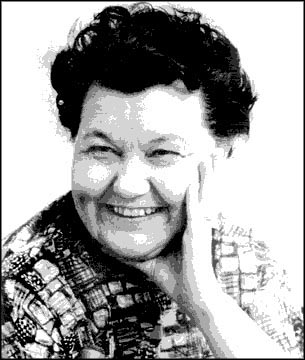
Mrs. Miller is born: the housewife who sold a quarter of a million records singing badly
On October 5, 1907, Elva Miller was born in Missouri. At fifty-eight she paid out of her own pocket for recordings of religious hymns to give away at her church. A Capitol executive heard them and saw the business: he had her sing the hits of the day with her uncontrolled vibrato and impossible pitch. The album sold two hundred and fifty thousand copies in three weeks, and she never quite knew whether people were laughing with her or at her.
Mrs. Miller
Listen
Via YouTube
1933
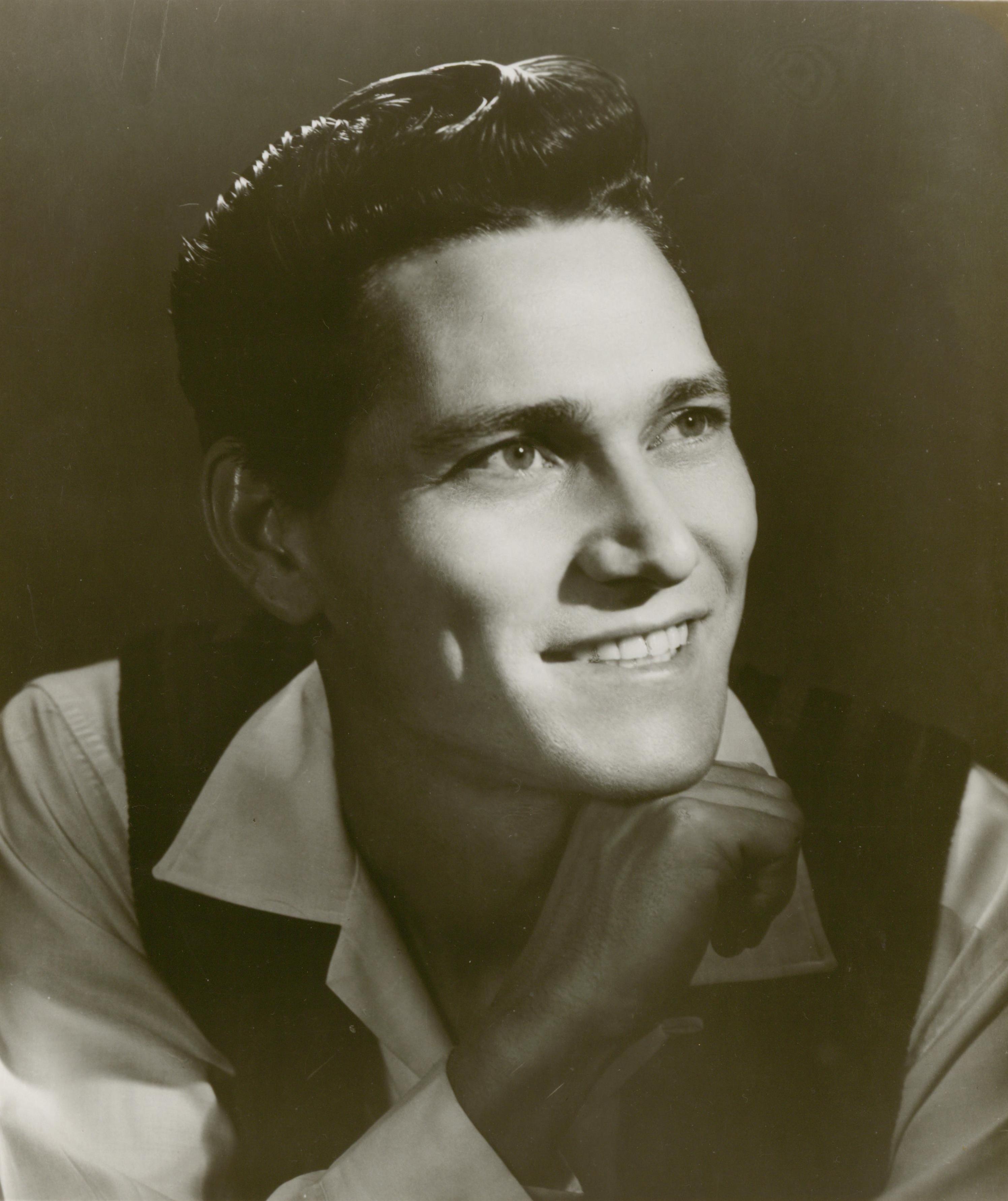
Billy Lee Riley is born, who wrecked the Sun Records studio when they picked Jerry Lee Lewis
On October 5, 1933, Billy Lee Riley was born in Arkansas. At Sun Records he cut "Flying Saucers Rock and Roll" and "Red Hot", two of the wildest rockabilly records ever made. When Sam Phillips decided to throw all the label's promotion behind Jerry Lee Lewis, Riley got drunk and destroyed part of the studio. He never became a star, but Bob Dylan publicly paid tribute to him on receiving his lifetime achievement Grammy.
Billy Lee Riley
Sun Records
Listen
Via YouTube
1943
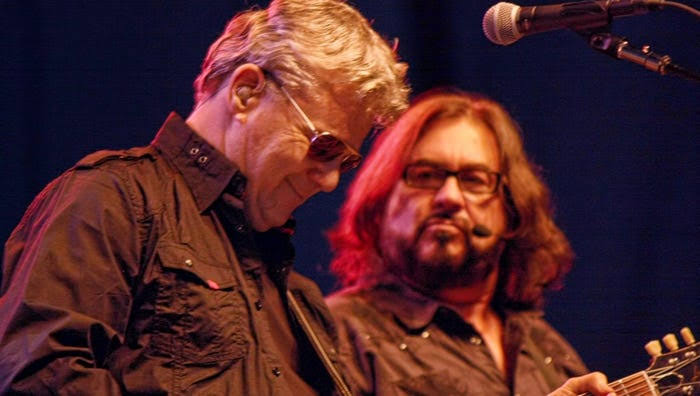
Steve Miller is born, taught to play by Les Paul at the age of five
On October 5, 1943, Steve Miller was born in Milwaukee, son of a doctor who liked recording sessions at home. Les Paul, who gave him his first guitar lessons when he was five, and Charles Mingus both passed through that living room. He started playing blues in Chicago and in the seventies built a formula of bright radio rock — "The Joker", "Fly Like an Eagle" — that sold tens of millions of records.
Steve Miller
Les Paul
Listen
Via YouTube
1948
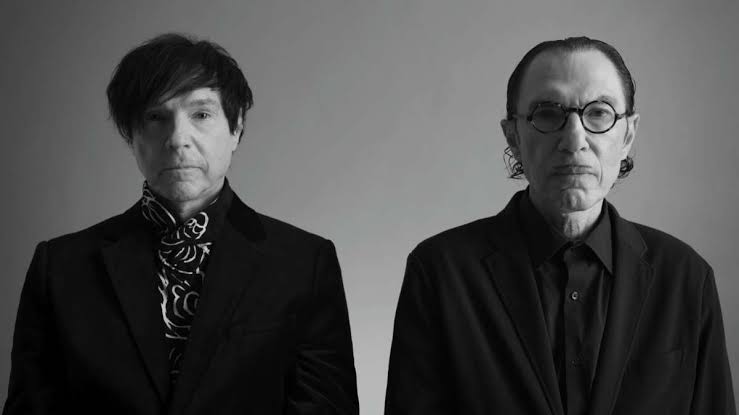
Russell Mael is born: the singing half of the most influential duo almost nobody bought
On October 5, 1948, Russell Mael was born in Santa Monica. With his brother Ron he formed Sparks in 1971. The group's image was a joke sustained for fifty years: Russell singing in falsetto with a leading man's energy while Ron, motionless with a small moustache, stared at him from behind the keyboard. They changed style on almost every album and seeded half the history of electronic pop without ever selling in proportion to their influence.
Russell Mael
Sparks
Listen
Via YouTube
1952
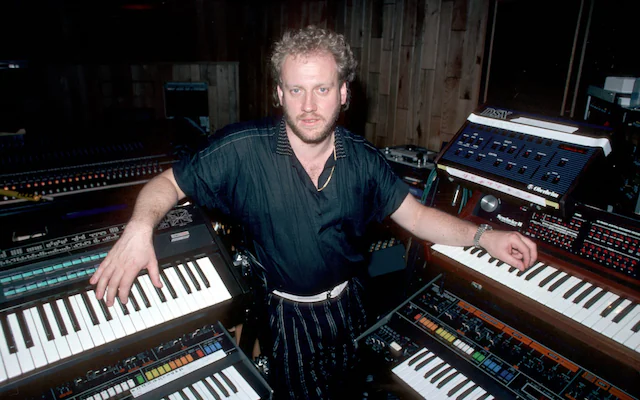
Harold Faltermeyer is born, author of the most recognisable synthesizer of the eighties
On October 5, 1952, Harold Faltermeyer was born in Munich. He started out working for Giorgio Moroder in the city's disco hit factory. In 1984 he composed "Axel F", the instrumental theme from "Beverly Hills Cop", with a synthesizer and a nine-note line that became the decade's official sound. The following year he did the same with the "Top Gun" soundtrack.
Harold Faltermeyer
Giorgio Moroder
Listen
Via YouTube
1957
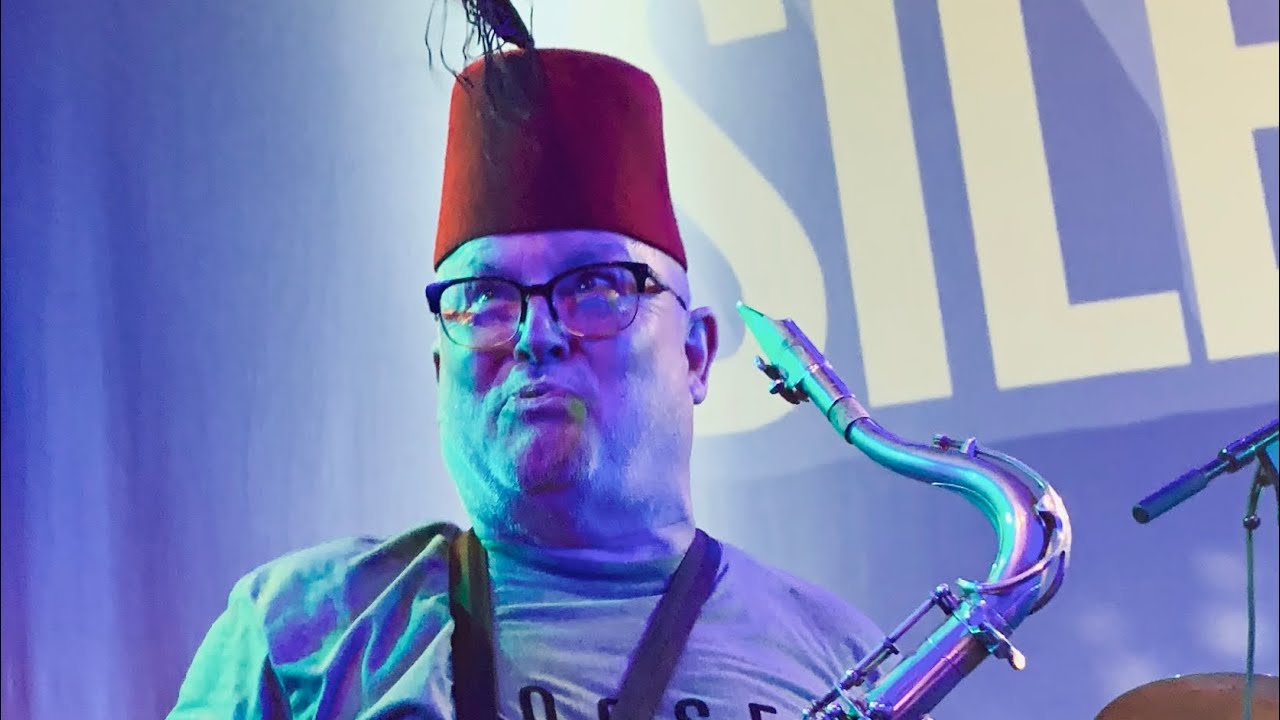
Lee Thompson is born: the sax that made all England dance to ska
On October 5, 1957, Lee Thompson was born in London — saxophonist and one of the voices of Madness, the band that in the early eighties took Jamaican ska into British pop and strung together fifteen consecutive hits. He wrote "Embarrassment", a song about his sister's pregnancy by a Black man and his own family's reaction. He became known for leaping from absurd heights mid-solo.
Lee Thompson
Madness
Listen
Via YouTube
1979
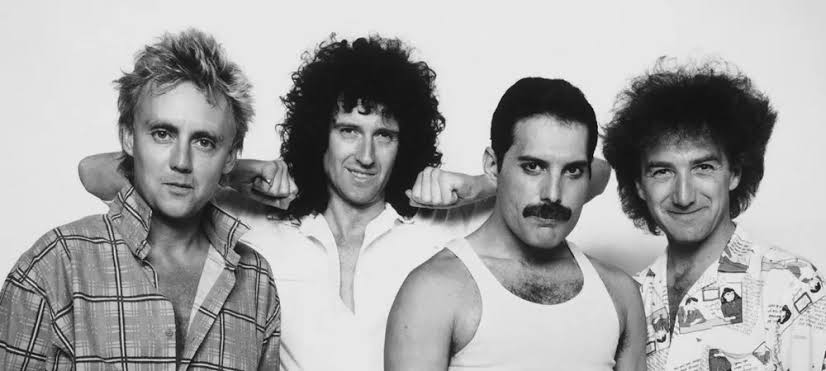
Queen release the rockabilly Freddie Mercury wrote in ten minutes in the bath
"Crazy Little Thing Called Love" came out of Munich's Hotel Bayerischer Hof, written on a guitar Mercury admitted he could not play at all. Ten minutes was enough. It is Queen doing Elvis, with Brian May aping James Burton's picking and none of their usual choral layers. The joke worked so well that in February 1980 it gave them their first American number one.
Queen
Listen
Via YouTube
1987
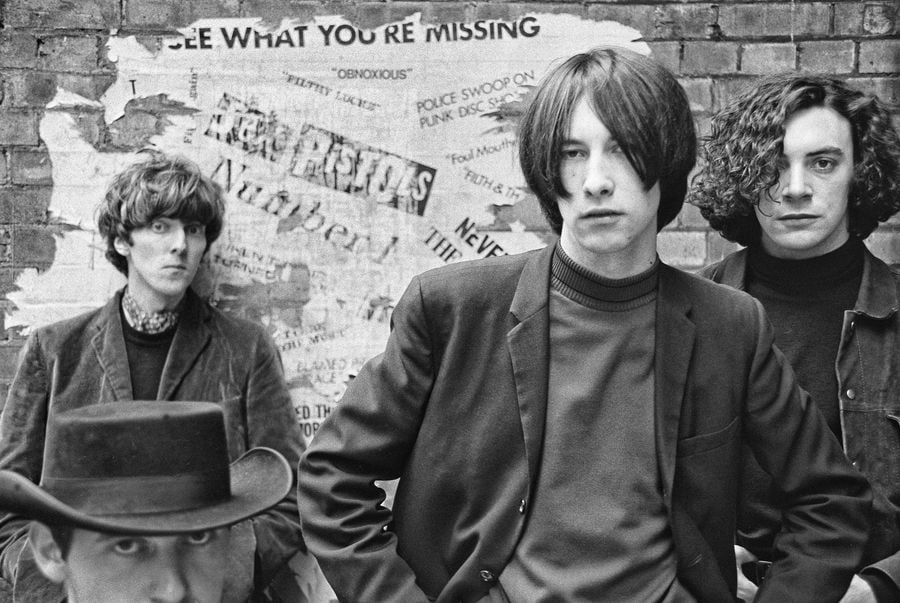
Primal Scream debut sounding like the Byrds, five years before they learned to dance
Sonic Flower Groove is the band's only record with Jim Beattie on guitar: bright jangle pop produced by Mayo Thompson after sessions with Stephen Street were scrapped. It reached number 62 in Britain, the line-up fell apart, and Bobby Gillespie was left with Innes and Young picking up the pieces. Screamadelica came out of that wreckage.
Primal Scream
Listen
Via YouTube
1991
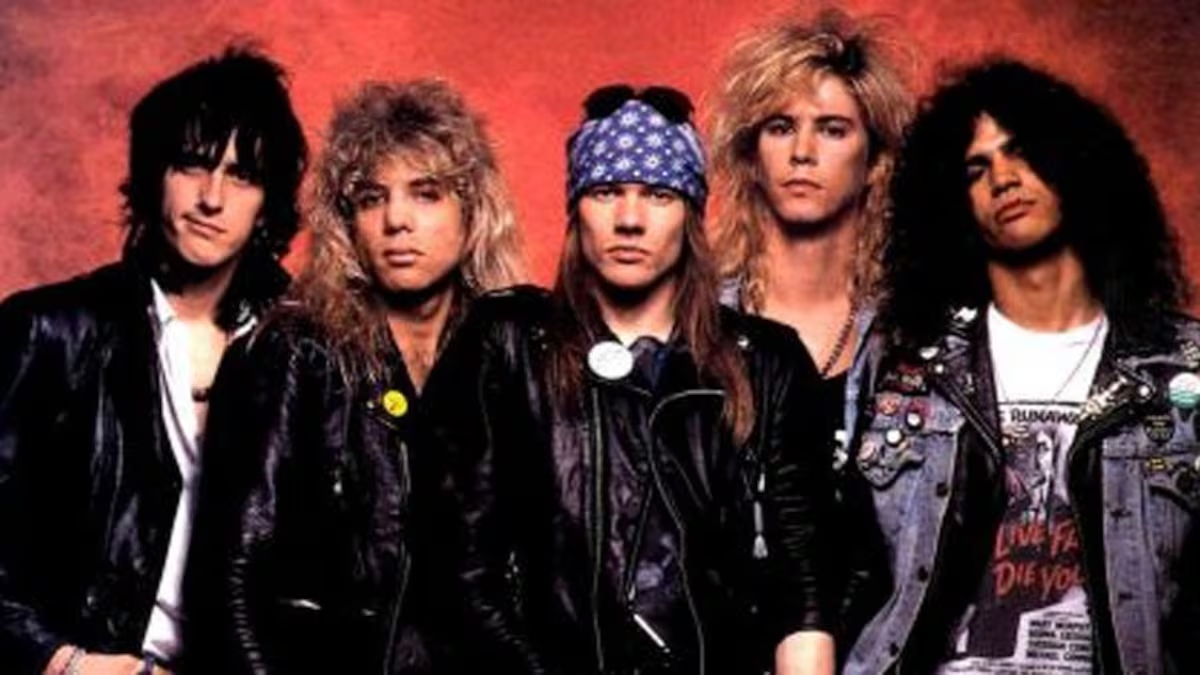
Guns N' Roses take the top two Billboard spots in a single move
The chart dated 5 October 1991 has Use Your Illusion II at number one and I right behind it: 770,000 and 685,000 copies in a week. No act had held the album chart's top two positions since Jim Croce in 1974. It was the band's absolute peak and, seen from here, the opening of its collapse.
Guns N' Roses
Listen
Via YouTube
1998
Ash answer the success of 1977 with the abrasive record nobody asked for
With Charlotte Hatherley now in the band and Tim Wheeler blocked after years on the road, the Northern Irish trio swap sunlit pop-punk for something murkier, the New York Dolls and the Velvet Underground showing through. Nu-Clear Sounds reached number seven in Britain and sold a hundred thousand copies: splendid figures for anyone except a band coming off 1977.
Ash
Listen
Via YouTube
2011
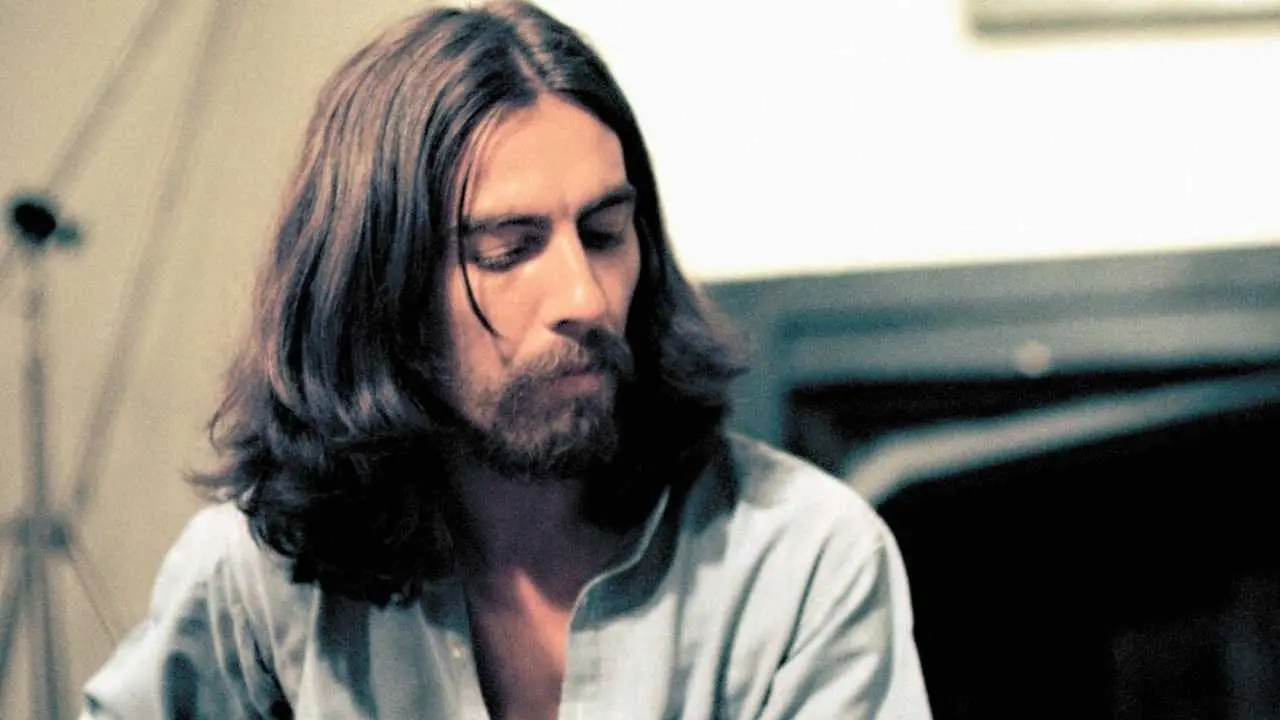
Scorsese premieres his three and a half hours on George Harrison on HBO
Living in the Material World airs in two parts, on 5 and 6 October, after five years of editing and with access to Olivia Harrison's personal archive. Scorsese was not after the Beatle myth but the artist's journey, from sitar to meditation to the Traveling Wilburys. It took home two Emmys: directing and outstanding nonfiction special.
George Harrison
Martin Scorsese
Listen
Via YouTube
One ephemeris a day, one editorial a week. Zero spam, pure archive.