
Chapter 01 — Today in music
On a day like today October 11
1946
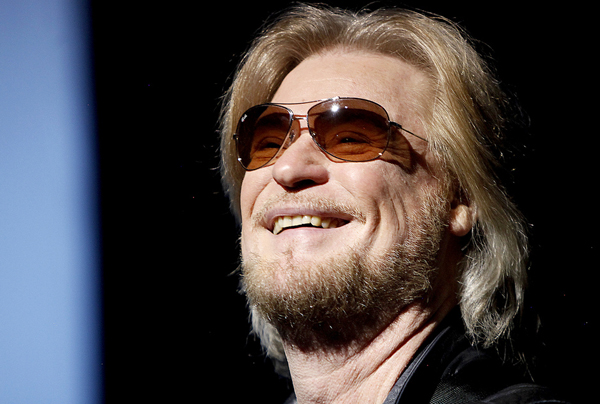
Daryl Hall is born, the blond half of pop's most successful duo
Daryl Hall is born in Pottstown, Pennsylvania: schooled in Philadelphia soul before founding, with John Oates, the most successful duo in Billboard history. “Rich Girl”, “Maneater” and “I Can't Go for That” defined eighties blue-eyed soul, and hip-hop sampled them relentlessly. Critics took decades to grant them the place audiences already knew.
Daryl Hall
Hall & Oates
Listen
Via YouTube
1957
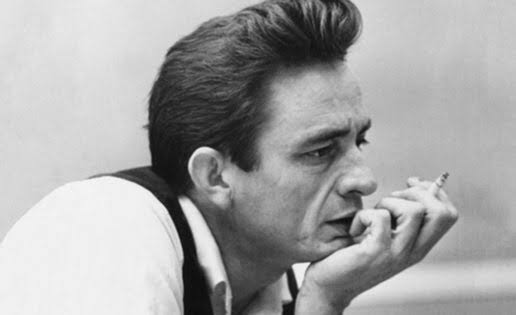
Sun Records tries out the LP format with Johnny Cash's debut
On 11 October 1957 Sun Records issued its first long-playing album, and it was Johnny Cash's debut: twelve tracks with the Tennessee Two, among them “I Walk the Line” and “Folsom Prison Blues”, cut with that scrap of paper wedged into the guitar strings standing in for a snare. Sam Phillips had always lived off singles; Cash proved his catalogue could carry a whole record.
Johnny Cash
Sun Records
Sam Phillips
Listen
Via YouTube
1969
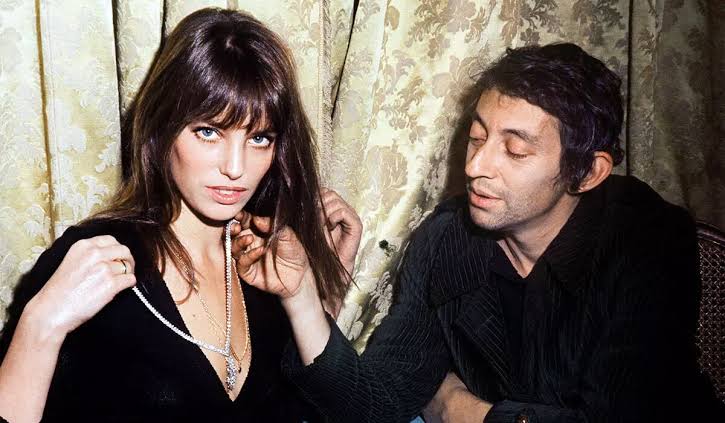
Banned by the BBC and number one anyway: “Je t'aime… moi non plus”
On the UK chart dated 11 October 1969, Jane Birkin and Serge Gainsbourg's whispered duet reached the top despite a BBC ban and despite Fontana dropping it halfway, spooked by the fuss. The independent Major Minor label picked it up. It was the first British number one sung in a foreign language and the first banned by public radio.
Jane Birkin
Serge Gainsbourg
Listen
Via YouTube
1970
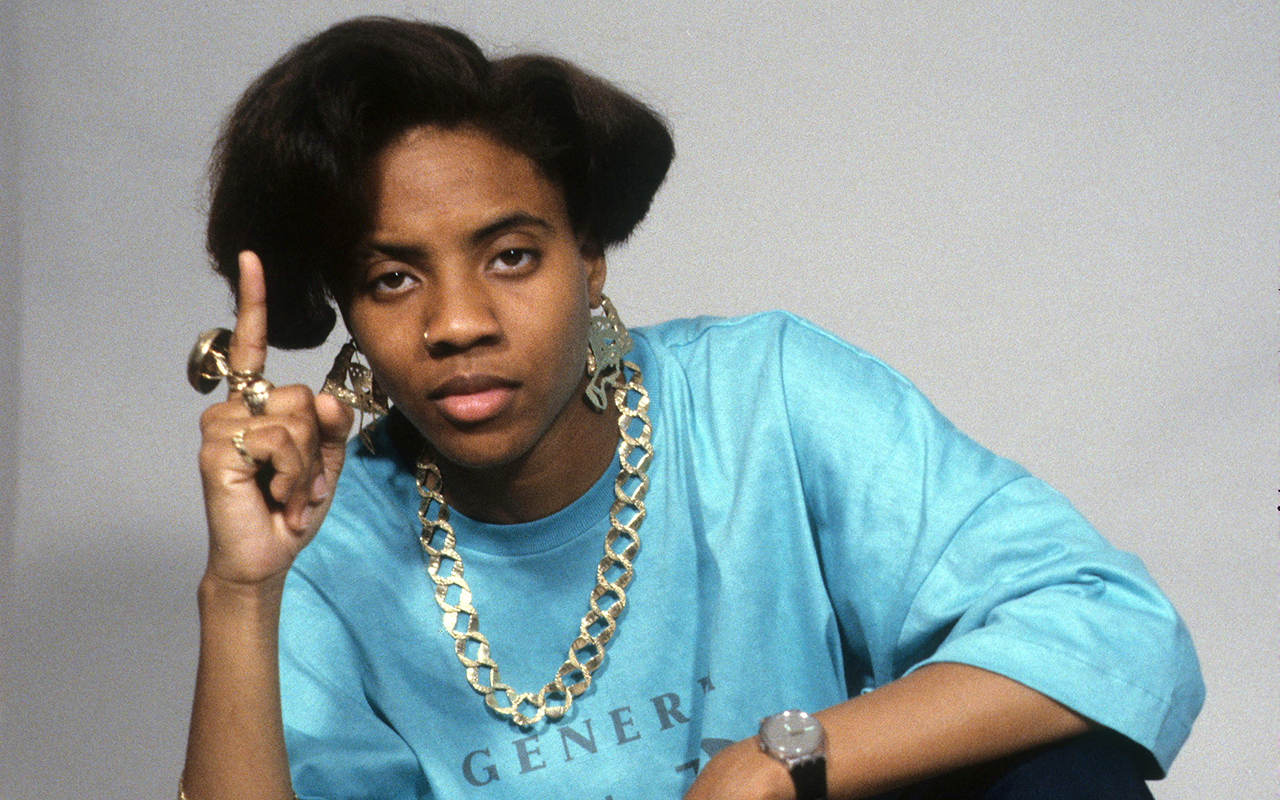
MC Lyte is born: the first female rapper to release a full album of her own
On October 11, 1970, Lana Moorer was born in Brooklyn. At seventeen she released "Lyte as a Rock": the first complete solo album by a female rapper. Until then women in the genre appeared on scattered singles or as answers to a man's track. She rapped in a deep voice with a seriousness unusual in the genre. She was also the first to receive a Grammy nomination and to play Carnegie Hall.
MC Lyte
Listen
Via YouTube
1971
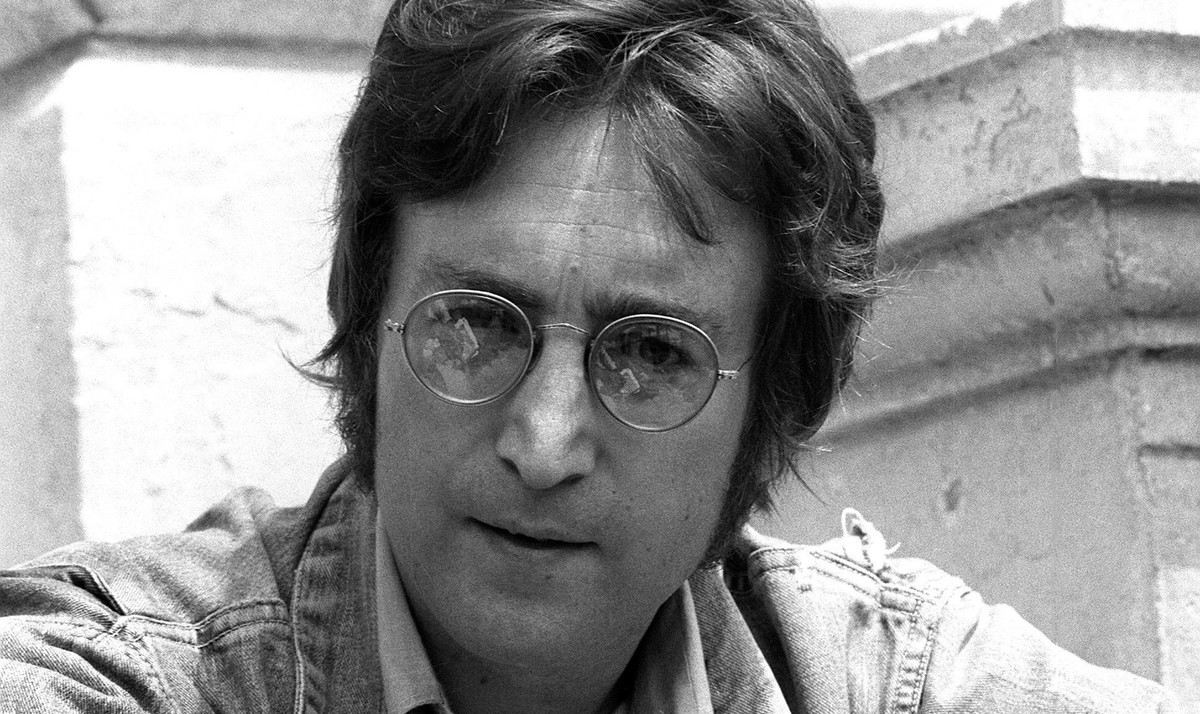
Lennon releases in America the anthem he called sugar-coated
On 11 October 1971 Apple issued “Imagine” as a single in the United States, a month after the album; Britain had to wait until 1975. Lennon later described it as the communist manifesto coated in sugar so people would swallow it: a mild piano melody and a lyric proposing we dismantle countries, religions and property. It reached number three.
John Lennon
Listen
Via YouTube
1974
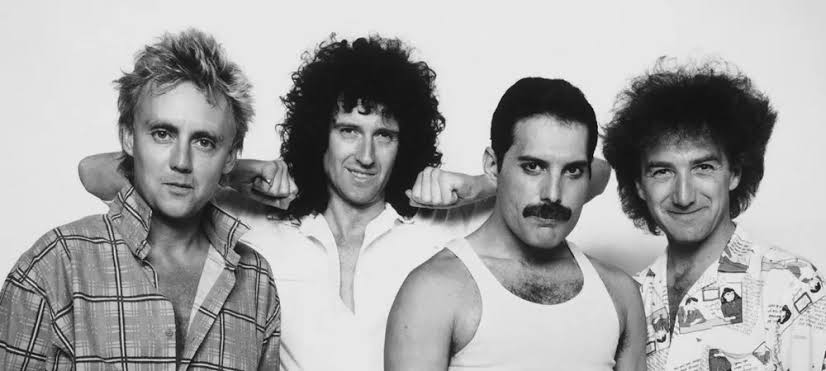
“Killer Queen” lifts the band out of the hard rock ghetto
On 11 October 1974 came the single that changed Queen's career: a vignette about a high-class courtesan, harmonies stacked to the ceiling, a harmonised guitar solo and finger snaps where anyone else would have put distortion. Mercury said the words came first here and the music afterwards. Number two in Britain, and their first real showing in the United States.
Queen
Freddie Mercury
Listen
Via YouTube
1988
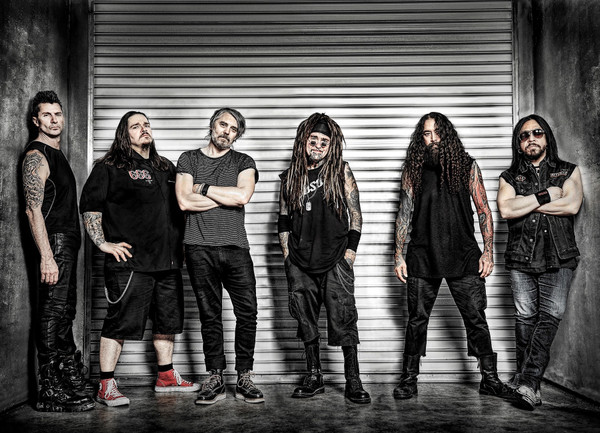
Ministry bury synth-pop and put up industrial metal instead
On 11 October 1988 came “The Land of Rape and Honey”, the record on which Al Jourgensen swapped his early glossy keyboards for shredded guitars, drum machines running at panic speed and vocals pushed through a bullhorn. The title comes from the tourist slogan of a Canadian town that grows rapeseed. Nine Inch Nails and half the scene that followed came out of it.
Ministry
Al Jourgensen
Listen
Via YouTube
1990
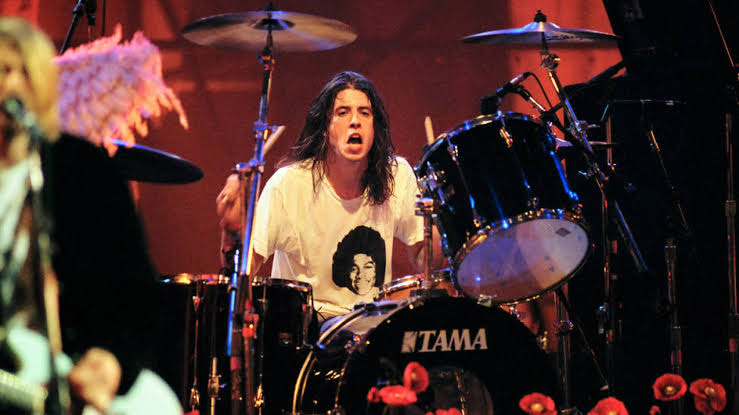
Dave Grohl's first night with Nirvana, and the power goes out three times
On 11 October 1990, at the North Shore Surf Club in Olympia, Nirvana played their first show with the drummer they would keep. Grohl had come from Scream, a hardcore band that collapsed mid-tour, and had spent a few weeks sleeping at Cobain's place. The three-hundred-capacity room sold out, the power failed three times at the start, and they still got through twenty songs.
Nirvana
Dave Grohl
Kurt Cobain
1994
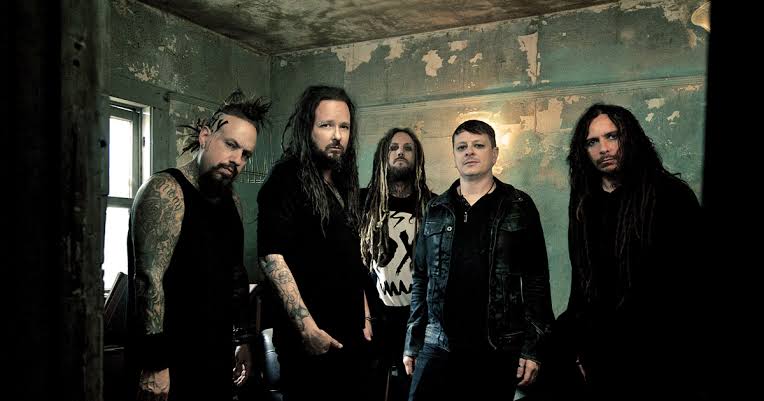
Korn release the debut that half a decade of nu metal came out of
On 11 October 1994 Korn's first album appeared: seven-string guitars tuned towards the basement, rubbery bass and lyrics about childhood abuse delivered somewhere between a sob and a growl. It sold slowly, without a single radio hit, and ended up double platinum. Limp Bizkit, Slipknot and a whole industry built on the formula followed behind.
Korn
Listen
Via YouTube
1996
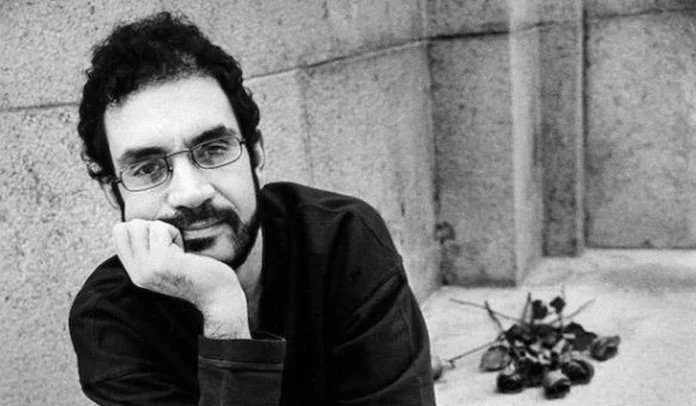
Renato Russo dies: the voice that wrote for eighties Brazilian youth
On October 11, 1996, Renato Russo died in Rio de Janeiro at 36 from complications of AIDS. With Legião Urbana he had written the songs that accompanied a whole post-dictatorship Brazilian generation: "Faroeste Caboclo", a nine-minute ballad that tells an entire novel, or "Tempo Perdido". He sold more than twenty million records writing about loneliness, politics and faith without ever resolving any of them.
Renato Russo
Legião Urbana
Listen
Via YouTube
1997
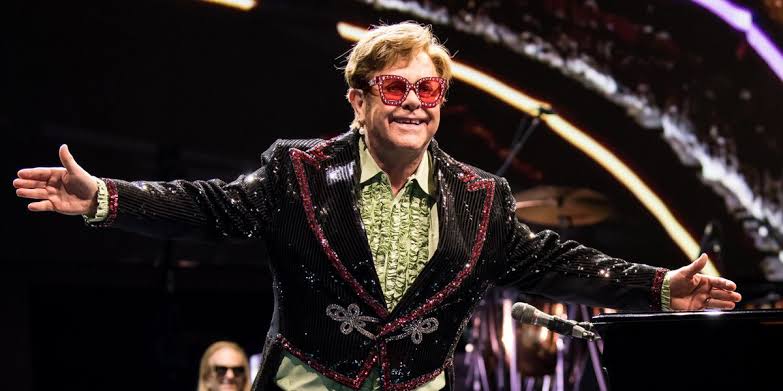
The best-selling single in history enters straight at number one
On the Billboard chart dated 11 October 1997, the version of “Candle in the Wind” Elton John sang at Diana, Princess of Wales' funeral debuted at number one and stayed there fourteen weeks. Bernie Taupin rewrote in a couple of hours a lyric originally written for Marilyn Monroe. Every penny of the proceeds went to charity.
Elton John
Bernie Taupin
Listen
Via YouTube
1962
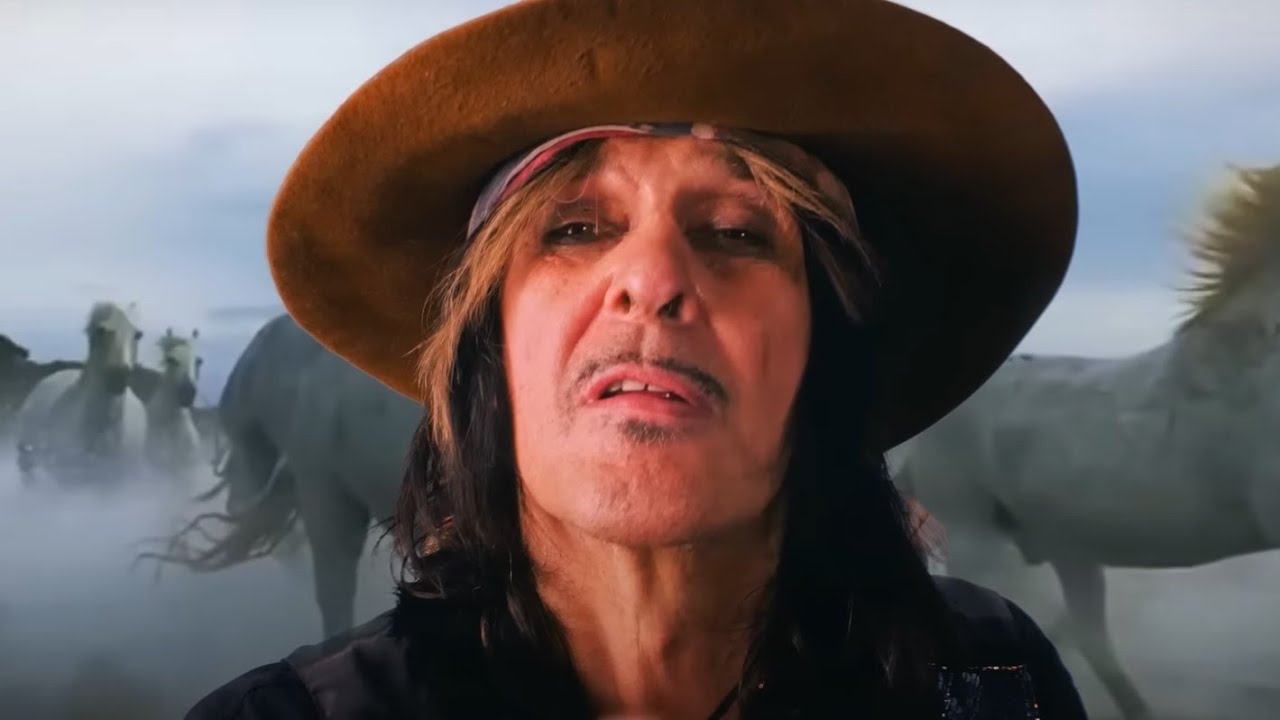
Andy McCoy is born, the Finn whose eyeliner half of Sunset Strip copied
On 11 October 1962 Antti Hulkko was born in Finnish Lapland. As Andy McCoy he wrote nearly all of Hanoi Rocks' songs and assembled a look of scarves, lipstick and boots that Los Angeles adopted wholesale a few years later. The band ended in 1984, when their drummer died in a car driven by Vince Neil on a liquor run.
Andy McCoy
Hanoi Rocks
Listen
Via YouTube
1968
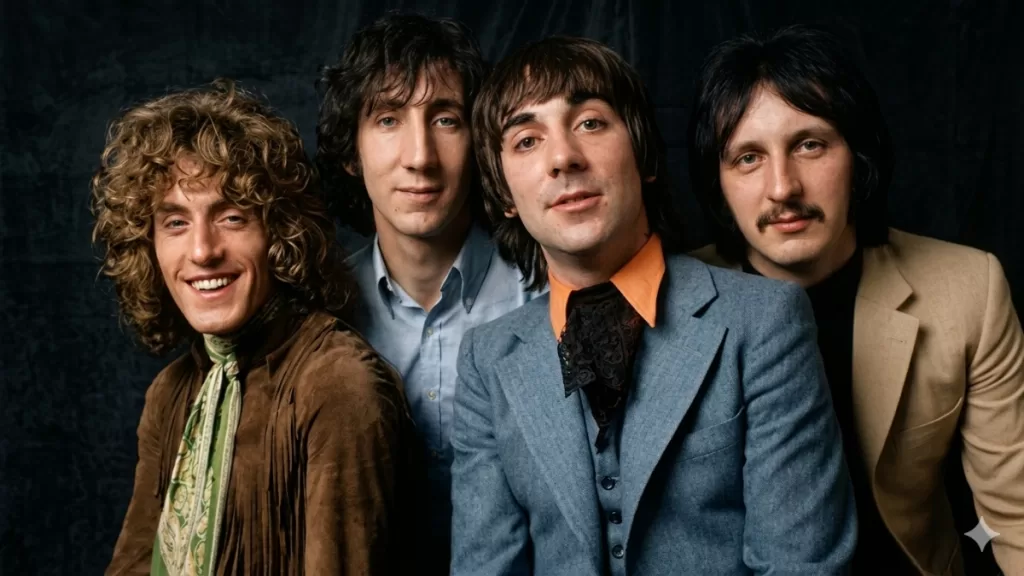
“Magic Bus” reaches British shops three months late
On 11 October 1968 The Who released “Magic Bus” in the United Kingdom; in the United States it had been in shops since July. Townshend had written it back in 1965 and the band carried it around for years without cutting it. The finished arrangement is a rhythm borrowed wholesale from Bo Diddley, claves and dry percussion instead of Keith Moon's usual artillery.
The Who
Pete Townshend
Listen
Via YouTube
1971
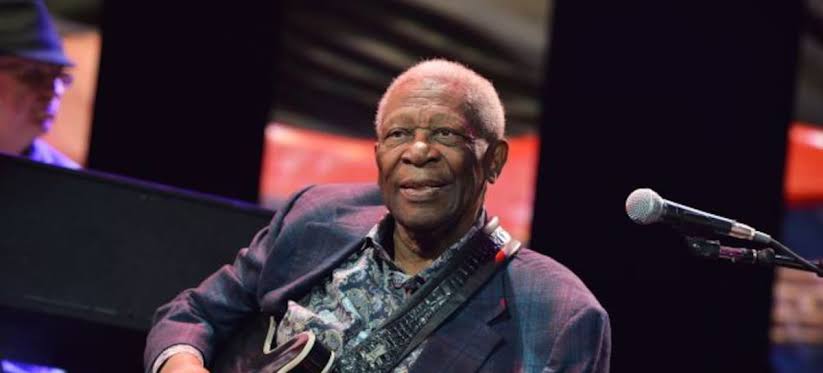
B.B. King records in London with the disciples who lived off imitating him
On 11 October 1971 “B. B. King in London” appeared in the United States, cut in the city with Ringo Starr, Steve Winwood, Peter Green and Alexis Korner passing through the studio. It was the fashionable manoeuvre: sit the veteran bluesman among his British admirers. King handled it without being led around, and came away with “Ain't Nobody Home”, a set staple for years.
B.B. King
Ringo Starr
Steve Winwood
Peter Green
Listen
Via YouTube
1974
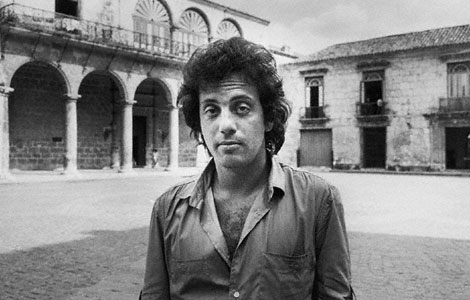
Billy Joel delivers the record he himself writes off
On 11 October 1974 “Streetlife Serenade” appeared, cut in a hurry in Los Angeles after the success of “Piano Man”. Joel had spent months on the road, had no new songs and padded it out with two instrumentals; years later he admitted the material was unripe. What survived was “The Entertainer”, three minutes of scorn for an industry that had just trimmed a single for radio.
Billy Joel
Listen
Via YouTube
1980
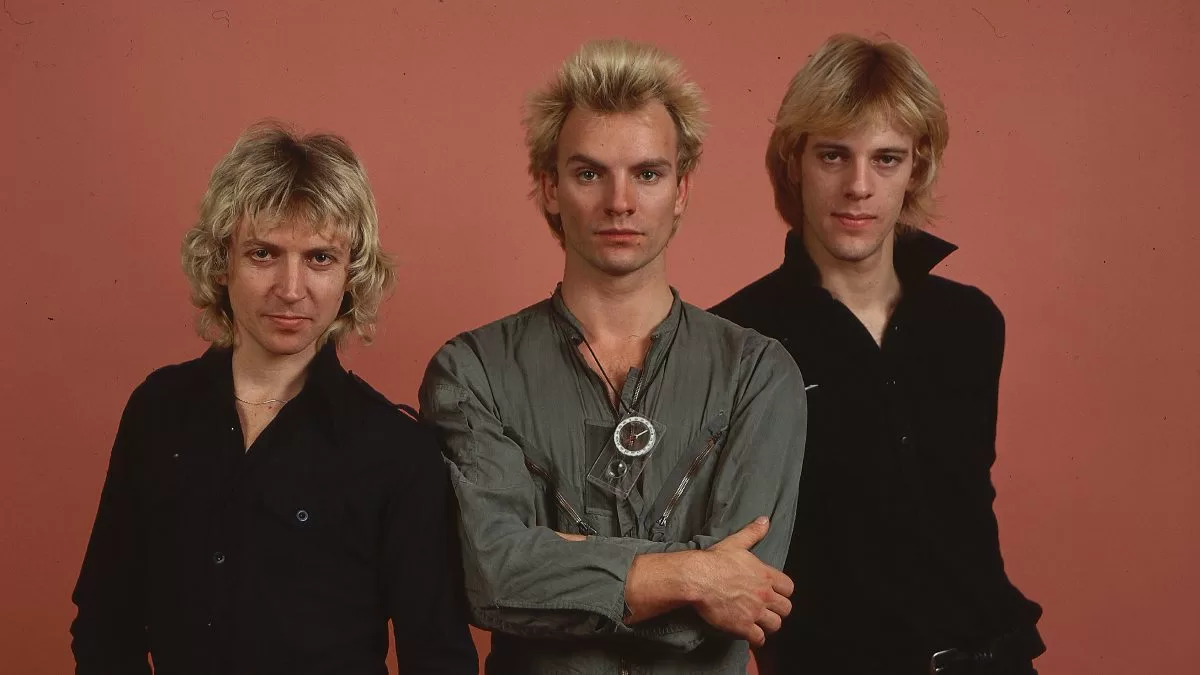
The Police top the UK with a record they spent years disowning
The UK albums chart dated 11 October 1980 put “Zenyatta Mondatta” at number one. The trio had recorded it in four weeks of overnight sessions in a Hilversum studio with a world tour snapping at their heels; all three disowned the result for years afterwards. It gave them “Don't Stand So Close to Me” and “De Do Do Do, De Da Da Da”.
The Police
Sting
Listen
Via YouTube
1986
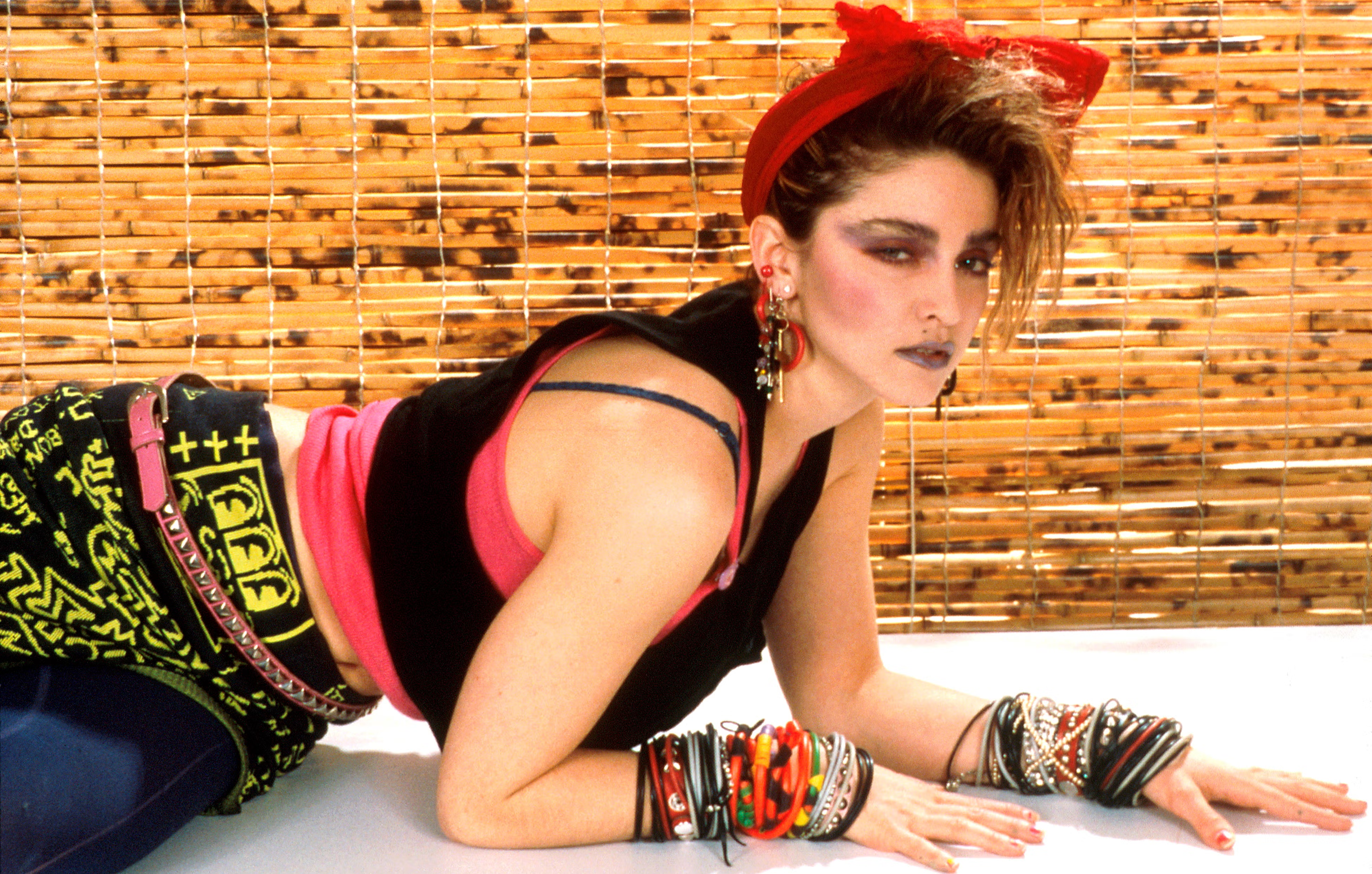
Madonna gets in Britain the number one America withheld
On the UK chart dated 11 October 1986, “True Blue” climbed from third place to the top. The song, a deliberate sixties girl-group pastiche dedicated to Sean Penn, had stalled at number three on the American Hot 100. It was her fourth British number one and further proof that Europe was running ahead of the United States on her career.
Madonna
Listen
Via YouTube
1992
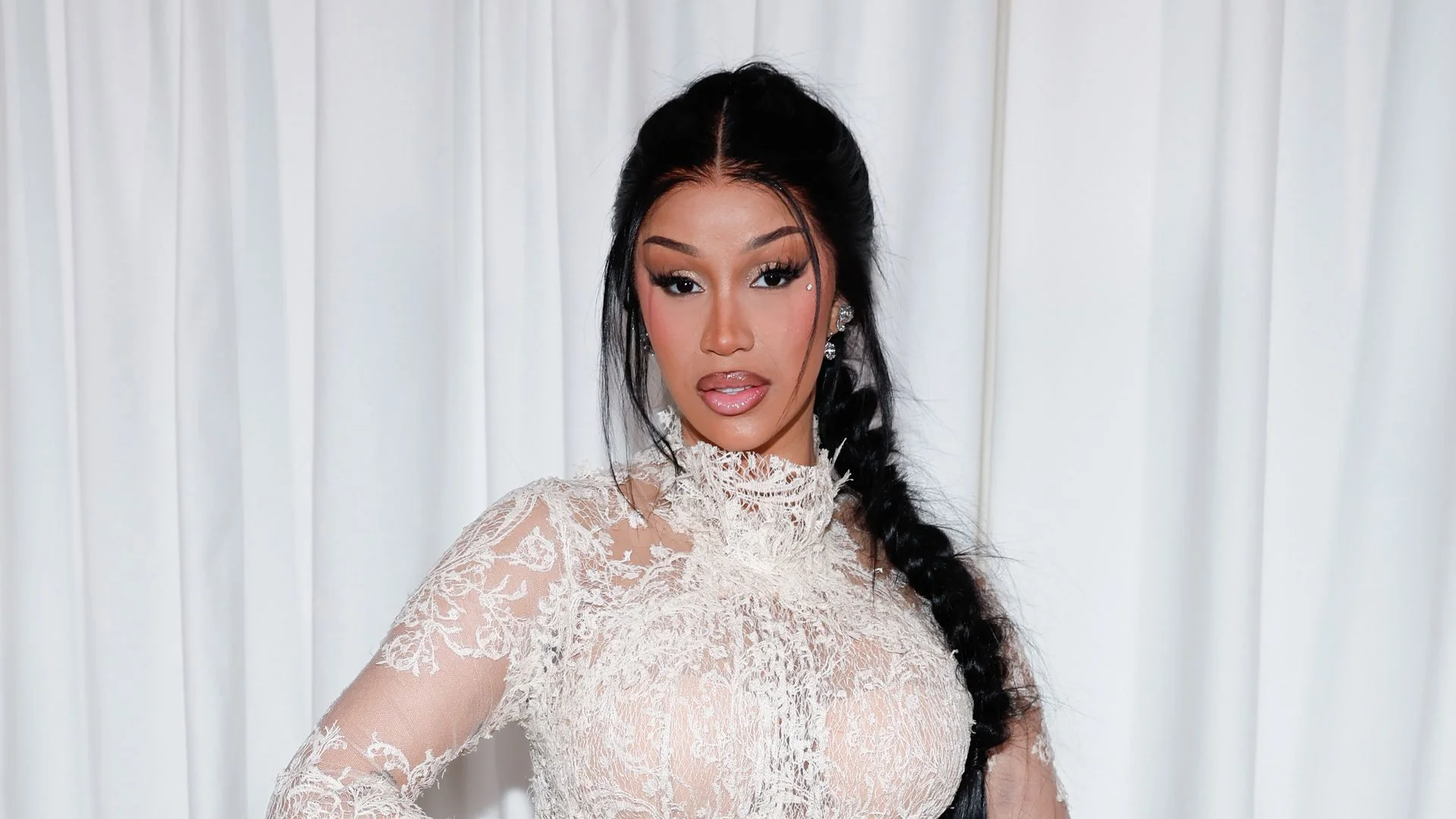
Cardi B is born, who went from social media to number one in two years
On October 11, 1992, Belcalis Almánzar was born in the Bronx, to a Dominican father and a Trinidadian mother. She became known telling her life story in social media videos with brutal frankness, joined a reality show and only then recorded music. In 2017 "Bodak Yellow" made her the first female rapper to reach number one in America unaccompanied since Lauryn Hill, nineteen years earlier.
Cardi B
Listen
Via YouTube
1994
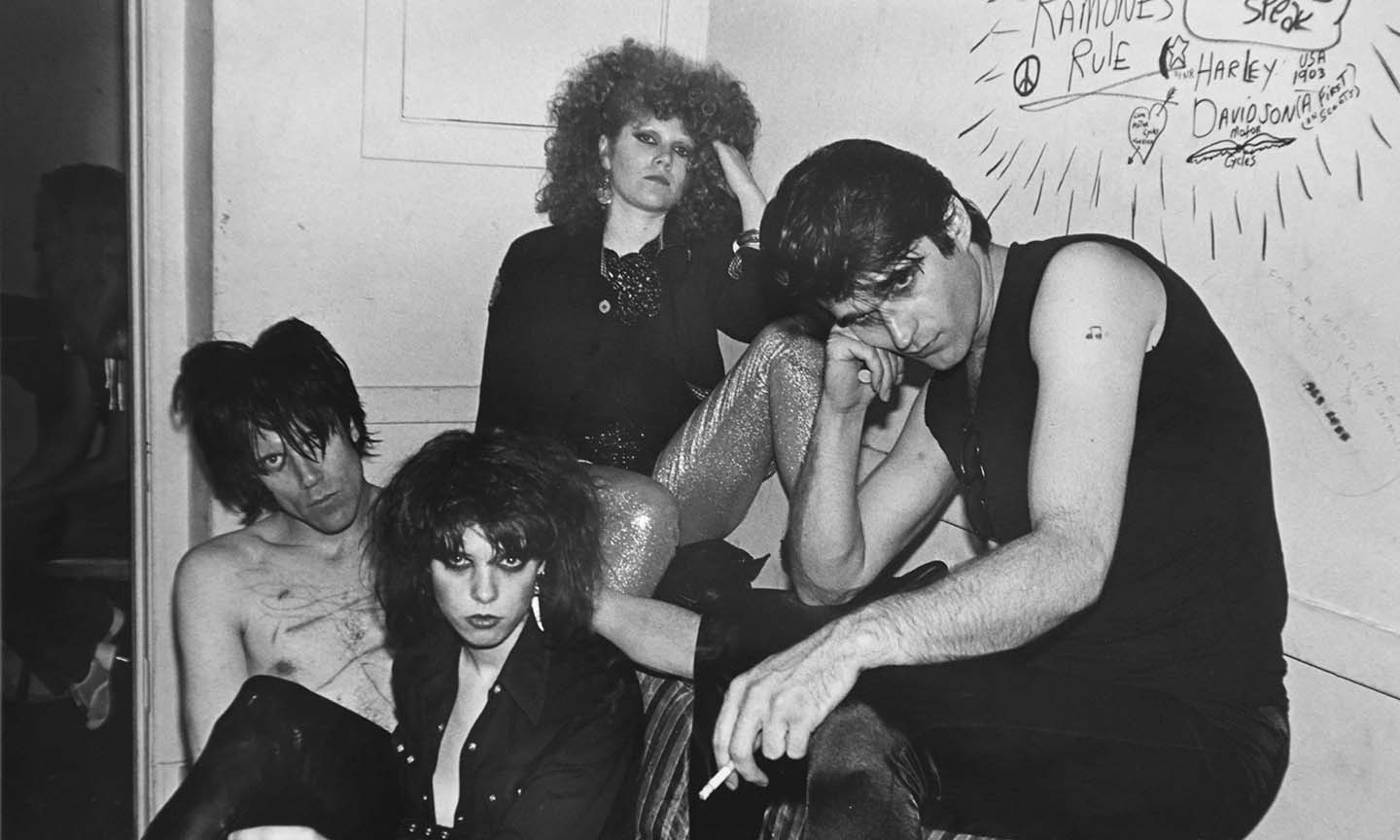
The Cramps change nothing while grunge runs the world outside
On 11 October 1994 “Flamejob” arrived, The Cramps' seventh album and their most rockabilly: Lux Interior moaning over garage reverb, Poison Ivy dealing out B-movie riffs, and not one nod to whatever was on the radio. They had been defending exactly the same sound for sixteen years, and were the one band nobody asked to evolve.
The Cramps
Lux Interior
Poison Ivy
Listen
Via YouTube
1994
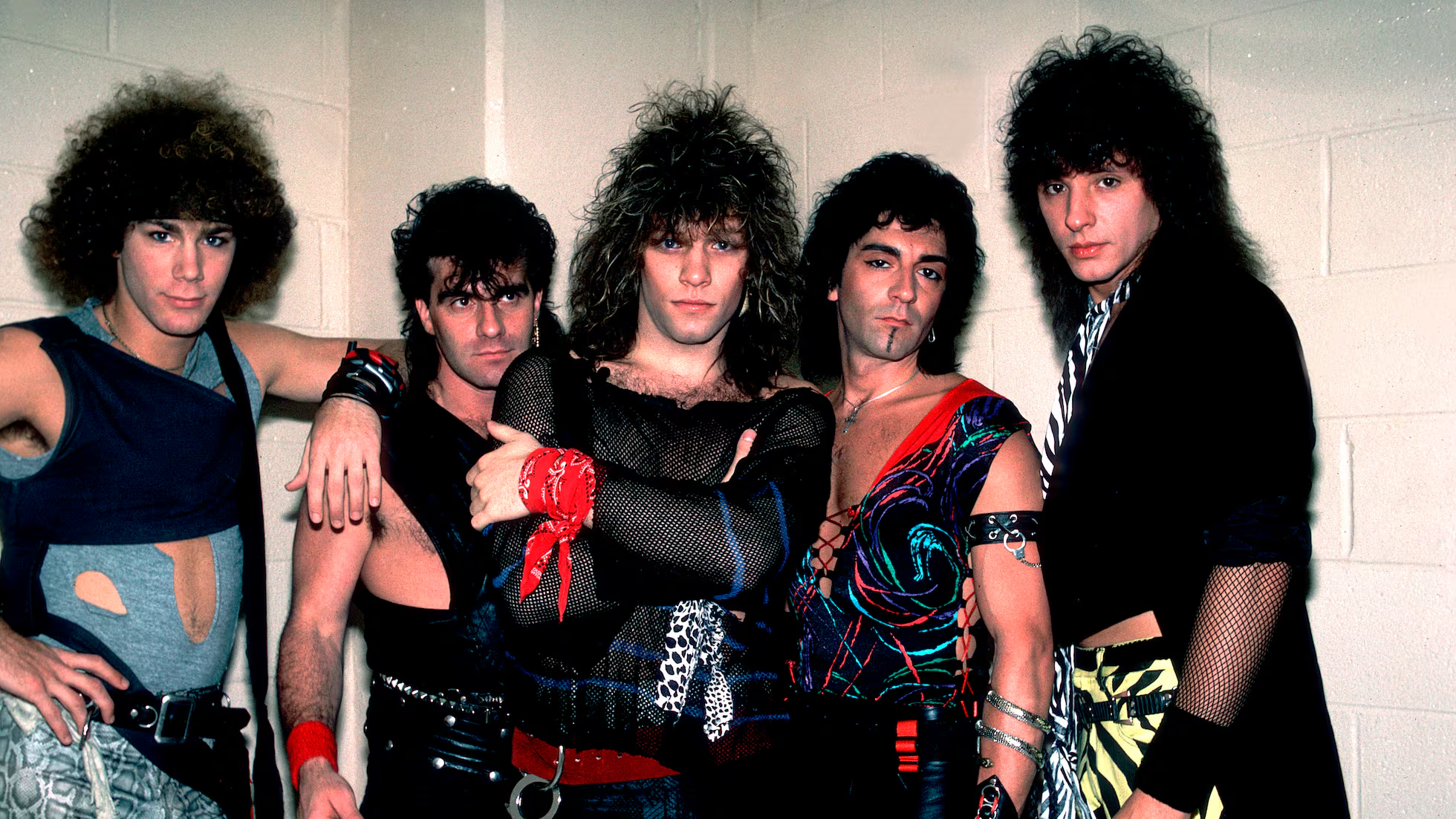
Bon Jovi close a decade with two new songs thrown in
On 11 October 1994 “Cross Road” appeared, the compilation summing up the New Jersey band's first ten years. It carried two new tracks, “Always” and “Someday I'll Be Saturday Night”; the first became the biggest-selling single of their entire career. In Britain the album turned into one of the year's biggest sellers.
Bon Jovi
Listen
Via YouTube
1995
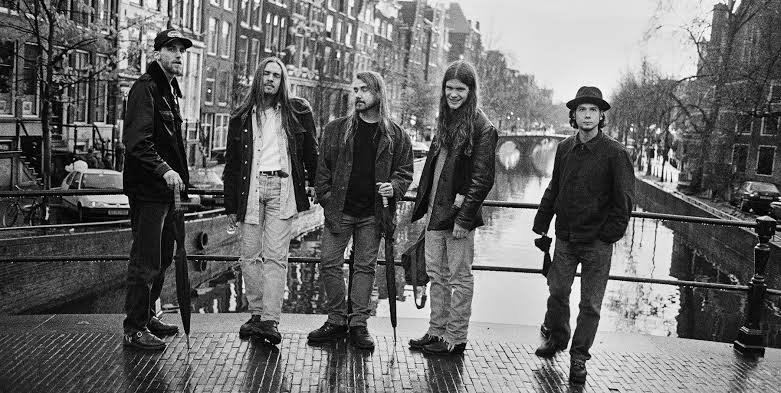
Shannon Hoon's last great show was taped almost by accident
On 11 October 1995 Blind Melon played The Palace in Hollywood, touring “Soup”, the abrasive record with which they had blown up the goodwill “No Rain” had won them. Someone taped the whole night. Hoon died of an overdose ten days later in New Orleans, and the recording finally came out in 2006: the band at its best, not knowing it.
Blind Melon
Shannon Hoon
Listen
Via YouTube
2003
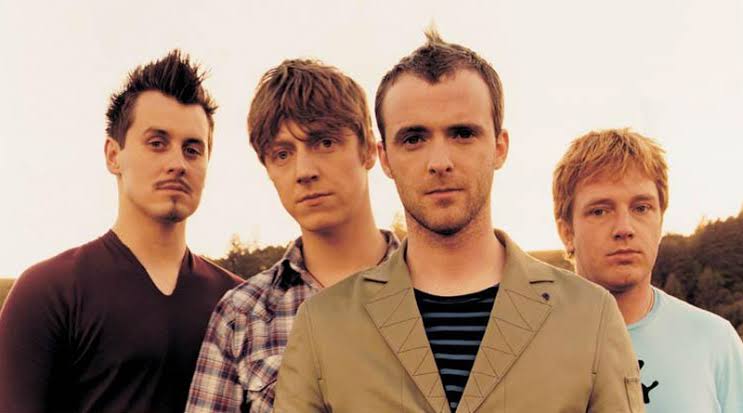
Travis trade the bright melodies for a record in a bad mood
On 11 October 2003 “12 Memories” appeared, the album on which Travis abandoned the amiable formula they had lent to half of Britain. Fran Healy wrote about the Iraq war, domestic violence and depression, and the band produced themselves. It sold far less than its predecessors and remains the favourite of anyone who followed them closely.
Travis
Fran Healy
Listen
Via YouTube
2004
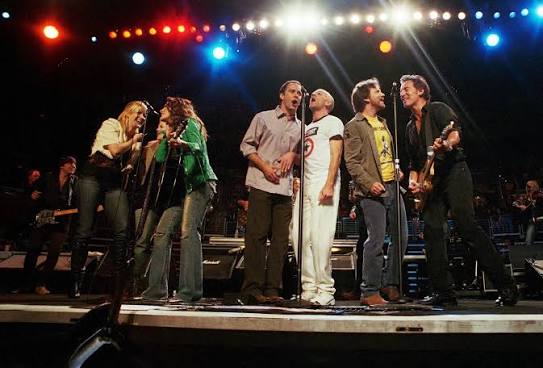
Half of American rock shares one stage to try to unseat Bush
On 11 October 2004, at Washington's MCI Center, the Vote for Change tour put Bruce Springsteen, R.E.M., Pearl Jam, the Dixie Chicks, Dave Matthews and James Taylor on the same stage. The shows were concentrated in swing states to drive turnout against George W. Bush's re-election. Three weeks later, Bush won anyway.
Bruce Springsteen
R.E.M.
Pearl Jam
Dave Matthews Band
Listen
Via YouTube
2005
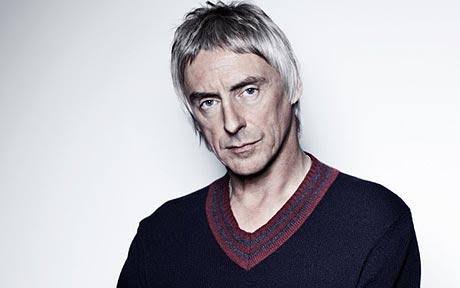
Paul Weller plugs the guitar back in at forty-seven
On 11 October 2005 “As Is Now” appeared, Paul Weller's eighth solo album and the most electric of his later years. He had come from a stretch of acoustics and parlour soul; here he let the guitars run at young-band volume across a set of short, dry songs. It reached number four in Britain and won back an audience that had filed him away.
Paul Weller
Listen
Via YouTube
2012
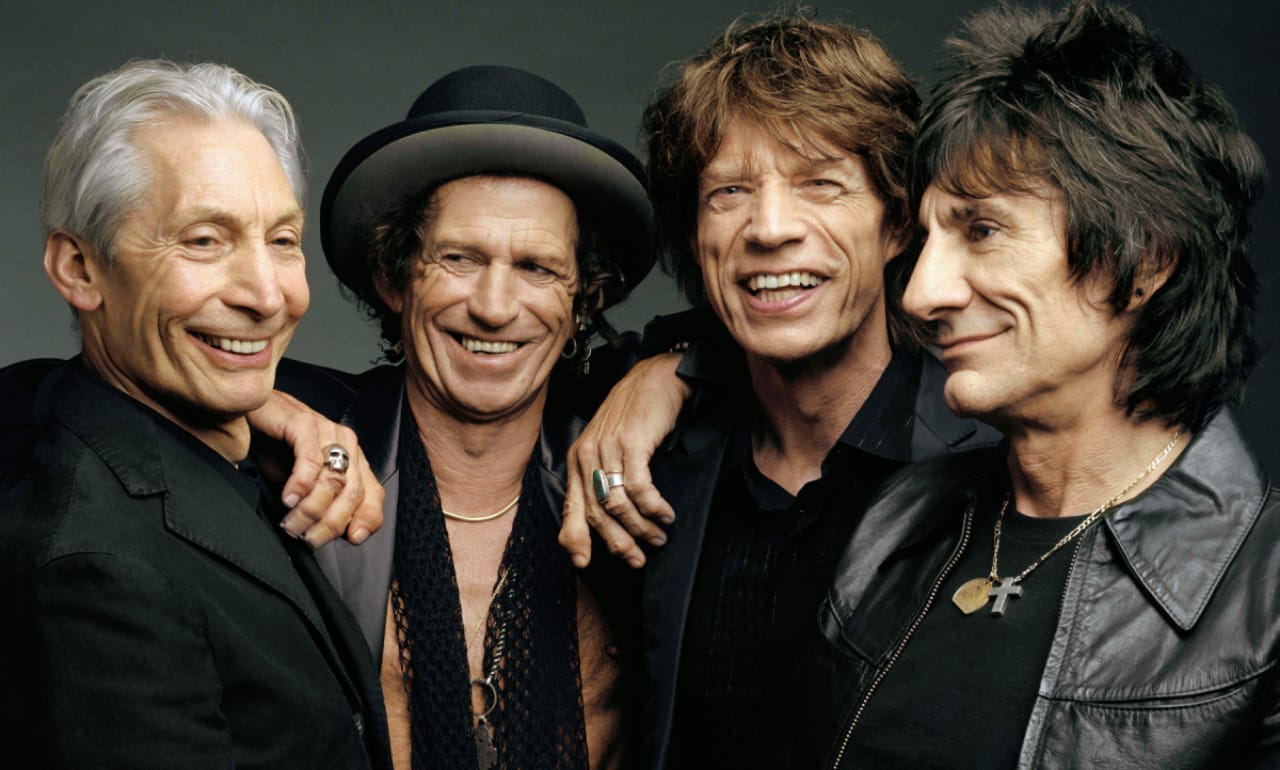
The Stones mark fifty years by premiering a song on the radio
On 11 October 2012 BBC Radio 2 gave the first airing to “Doom and Gloom”, the Rolling Stones' first new song in five years. They had cut it in two days at a studio outside Paris with Don Was in charge. It served as bait for “GRRR!”, the half-century compilation, and it sounded — against expectation — like a band in a hurry.
The Rolling Stones
Listen
Via YouTube
One ephemeris a day, one editorial a week. Zero spam, pure archive.