
Chapter 01 — Today in music
On a day like today October 19
1944
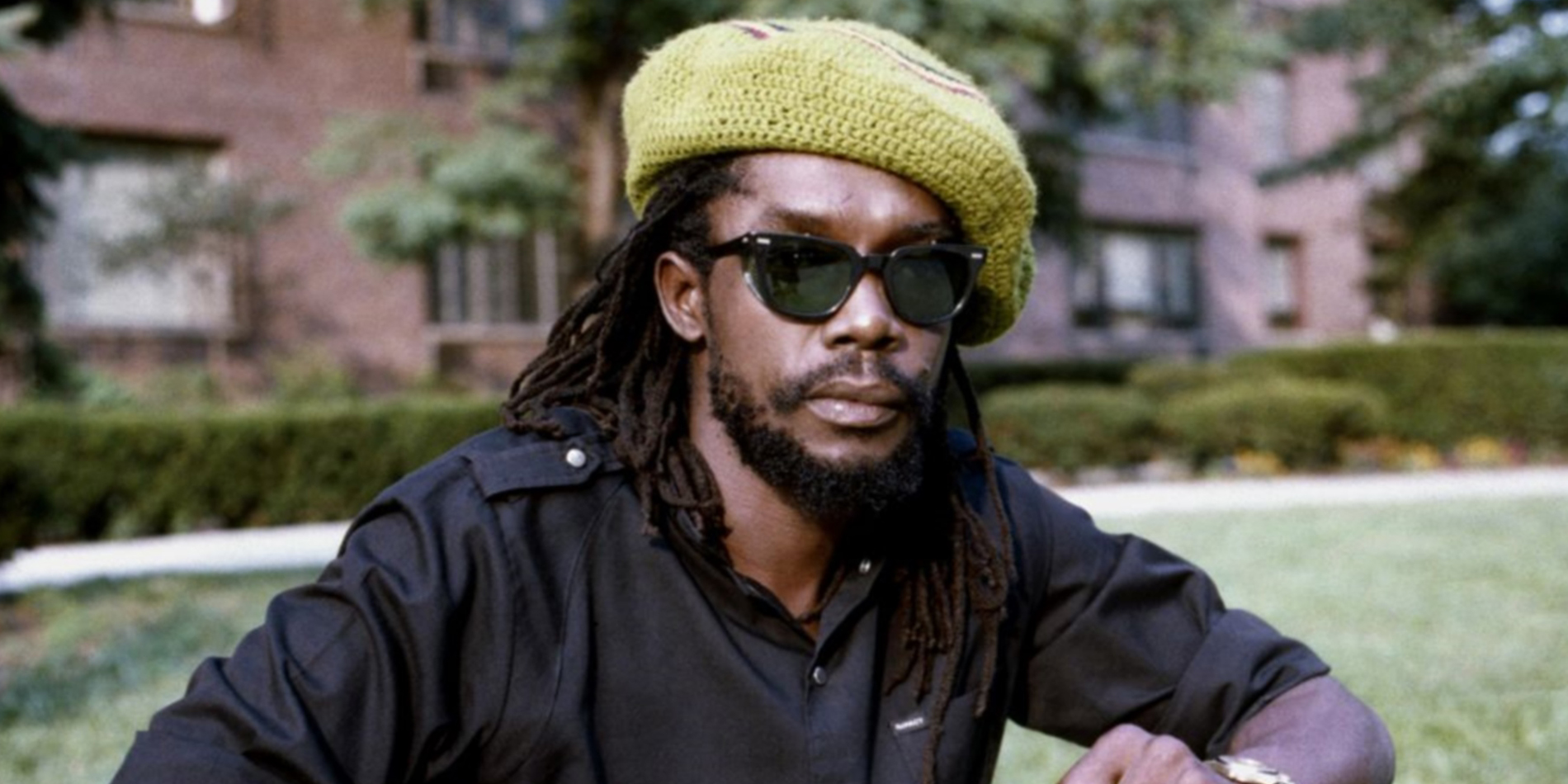
Peter Tosh is born, the most radical conscience of the Wailers
Peter Tosh is born in Westmoreland, Jamaica: co-founder of the Wailers with Bob Marley and Bunny Wailer. He was the most confrontational of the three; “Legalize It” and “Equal Rights” turned reggae into a burning pamphlet against the system. Murdered in 1987, his voice remains a reminder that this genre was born as combat music.
Peter Tosh
Listen
Via YouTube
1948
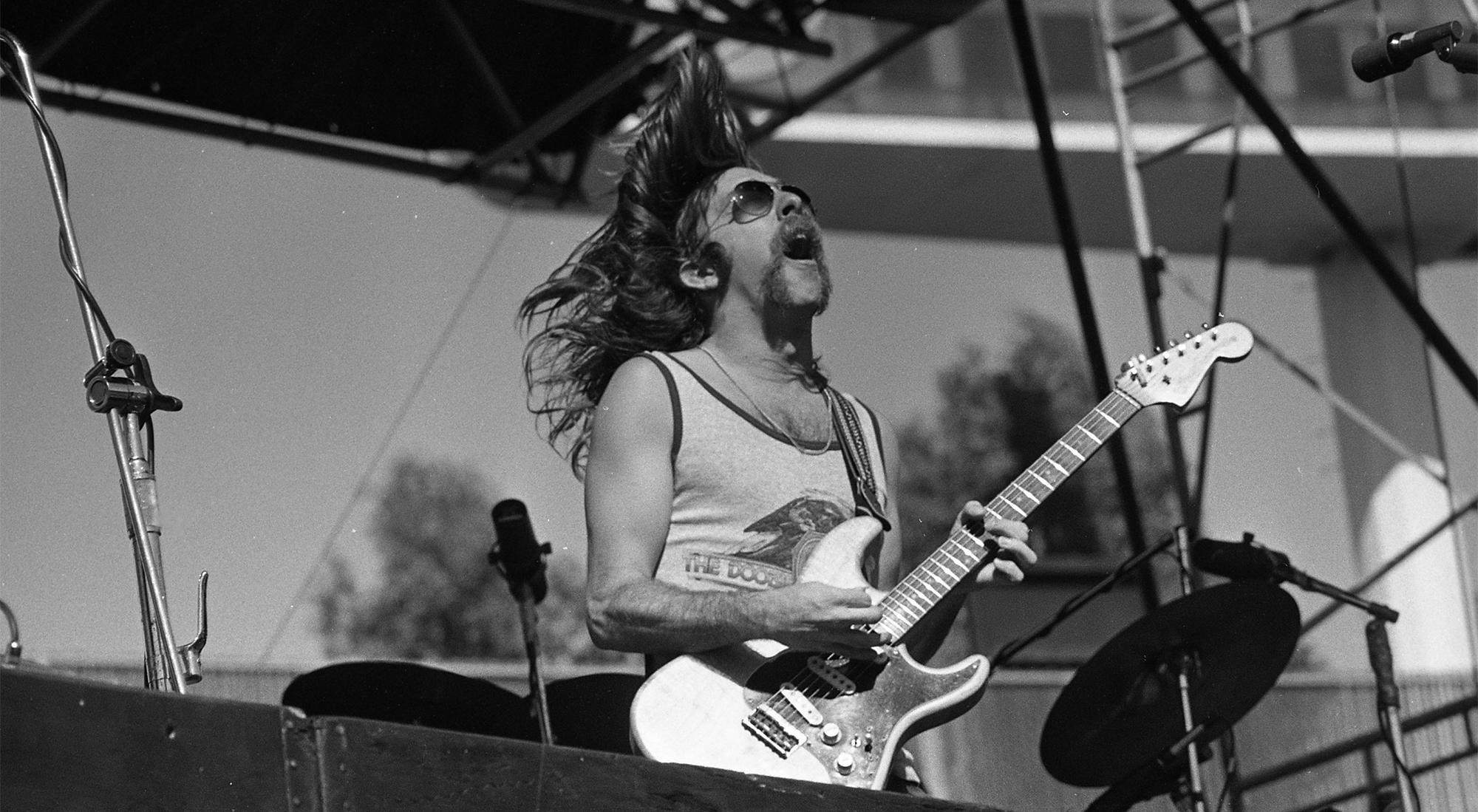
Patrick Simmons is born, the only Doobie Brother of every era
Patrick Simmons is born in Aberdeen, Washington: guitarist and the only member present in every incarnation of the Doobie Brothers. He wrote “Black Water”, the band's first number one, and survived the soul turn of the Michael McDonald era without losing identity. His fingerpicking is the thread stitching half a century of Doobie history.
Patrick Simmons
The Doobie Brothers
Listen
Via YouTube
1956
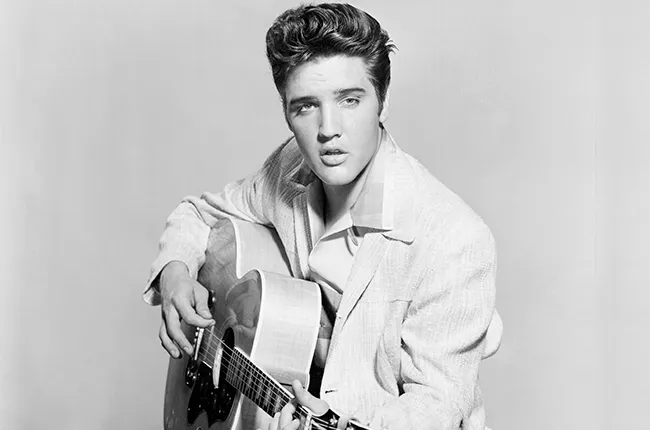
Elvis releases his second LP and tops the album chart twice in one year
RCA puts out Elvis, cut in three September days at Radio Recorders in Hollywood. Presley covers Little Richard backed by his road band, looser than the players on the debut, and the record goes straight to number one on Billboard, where it holds for five weeks. No artist had ever sent two consecutive albums to the top within a single year.
Elvis Presley
Listen
Via YouTube
1964
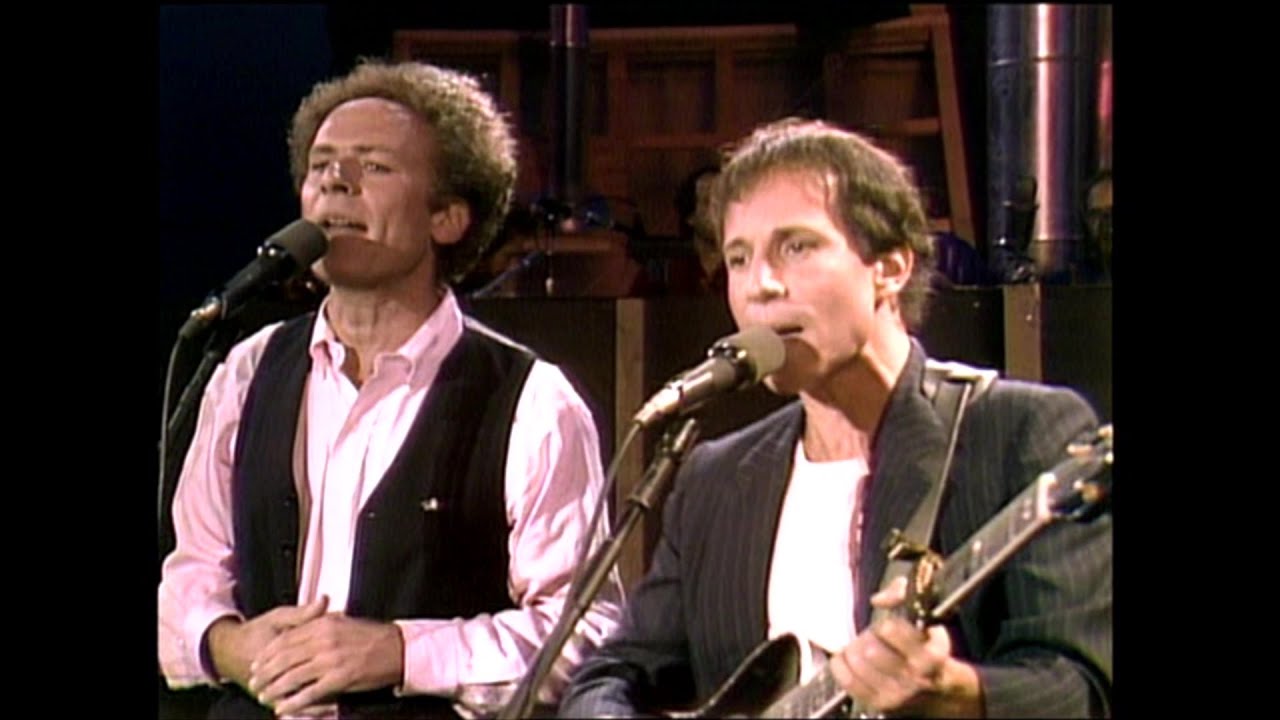
Simon and Garfunkel debut with a flop that came back without their consent
Columbia issues Wednesday Morning, 3 A.M., the duo's acoustic debut, and the British Invasion buries it: Paul Simon leaves for London, Art Garfunkel goes back to his studies. Months later producer Tom Wilson overdubs electric guitars and drums onto The Sound of Silence without telling them. Somebody else's arrangement took them to number one and dragged the album back into print.
Simon & Garfunkel
Paul Simon
Art Garfunkel
Listen
Via YouTube
1973
Burnin' closes the three-Wailers era with two anthems inside it
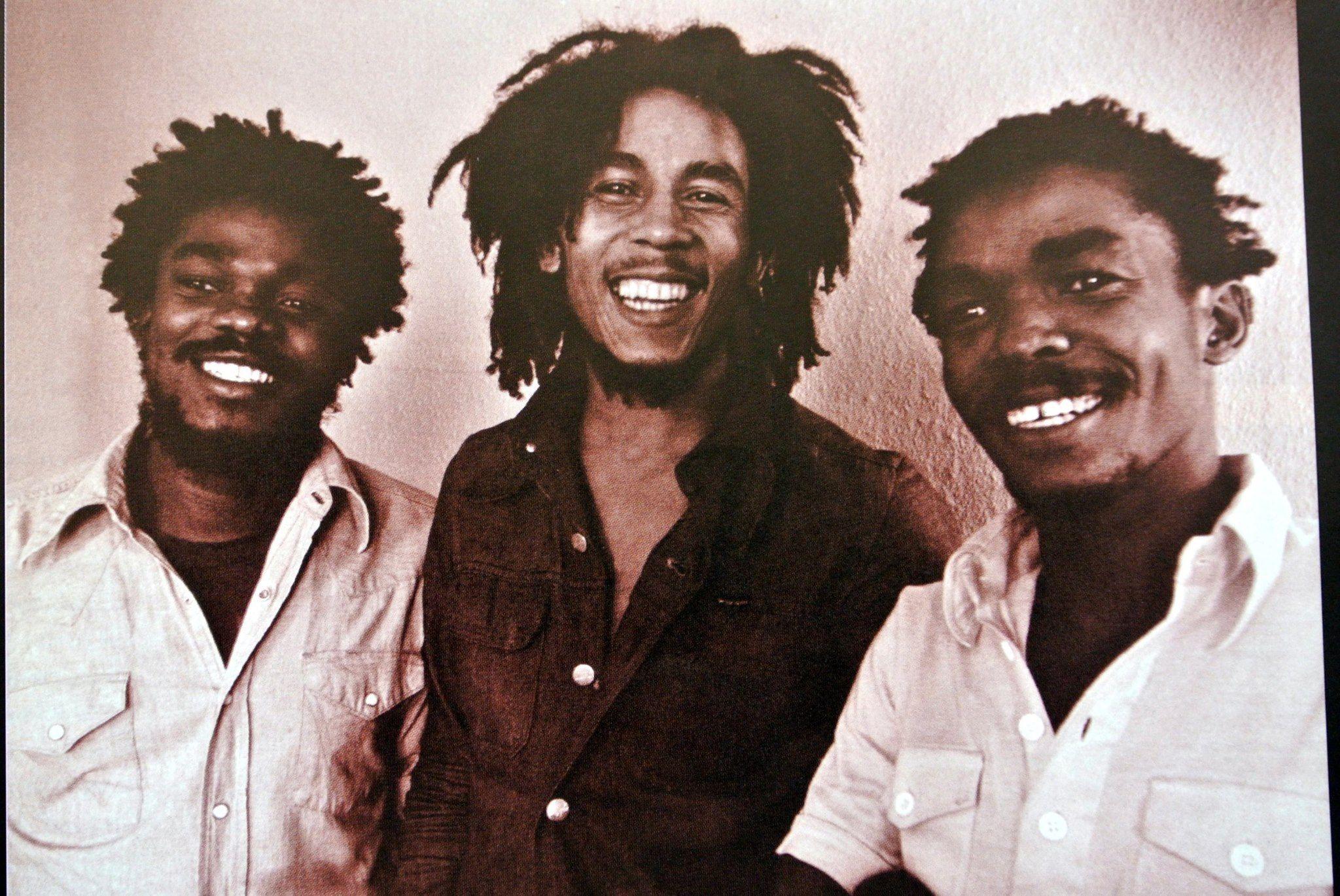
Island releases the Wailers' sixth album, the last before Marley, Tosh and Bunny Wailer went their separate ways. It opens with Get Up, Stand Up and hides I Shot the Sheriff, which Eric Clapton would take to number one in America a year later while half the country had no idea where it came from. The Library of Congress archived it in 2007.
The Wailers
Bob Marley
Peter Tosh
Bunny Wailer
Listen
Via YouTube
1979
Prince plays every instrument on his second album at twenty-one
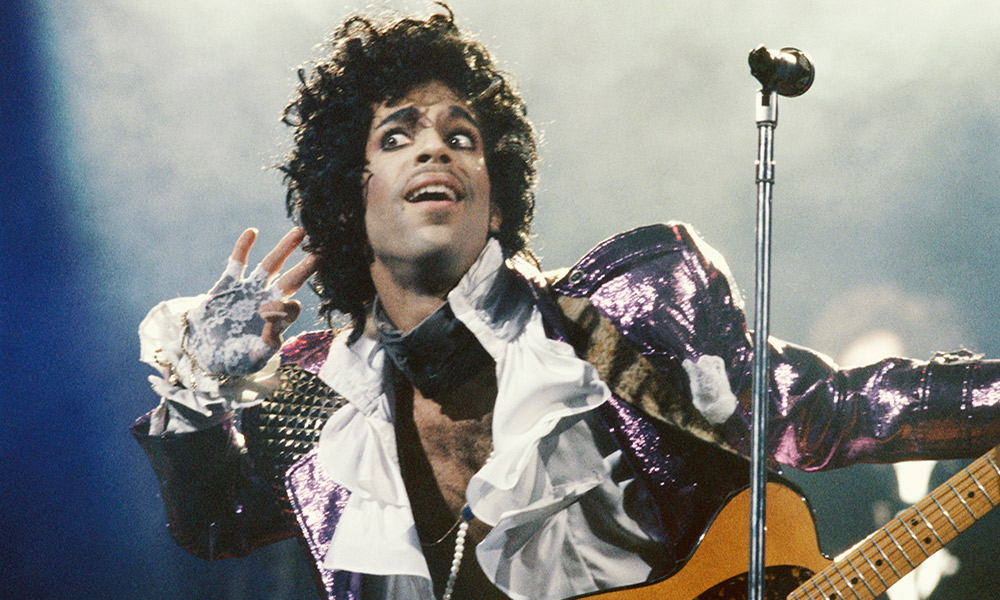
Warner issues Prince, the record he wrote, arranged, produced and played entirely on his own. It is not his debut — For You came out the year before — but it is the first one that worked: I Wanna Be Your Lover topped the R&B chart, grazed the pop top ten, and the album went platinum. Reviewers were already predicting something enormous.
Prince
Listen
Via YouTube
1979
Madness debut with One Step Beyond and ska moves onto daytime radio
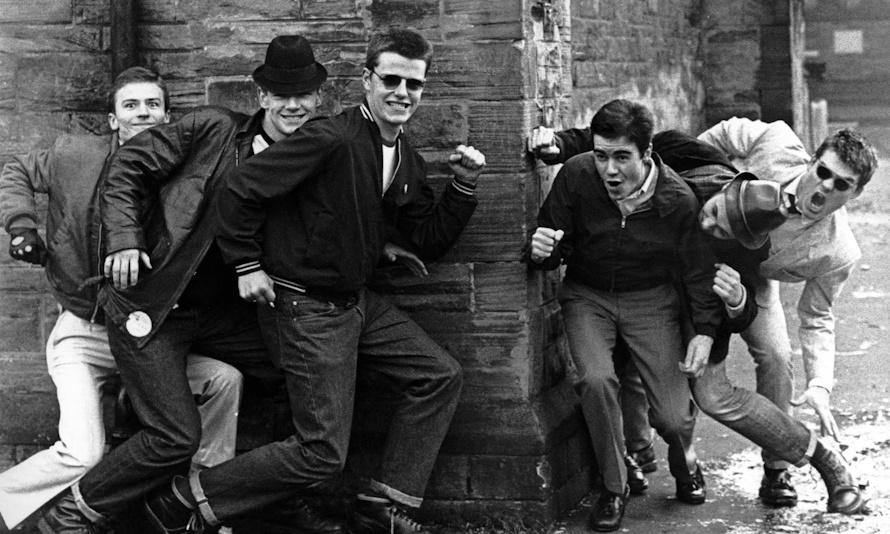
Stiff releases the debut by the seven-piece from Camden, recorded in a month and built on Prince Buster — even the spoken intro comes off one of his B-sides. The album stalled at number two in Britain and stayed on the chart for over a year. With the Specials' debut, out the same month, 2 Tone stopped being a Coventry curiosity.
Madness
Prince Buster
The Specials
Listen
Via YouTube
1979
Tom Petty declares bankruptcy to escape his label and makes his best record
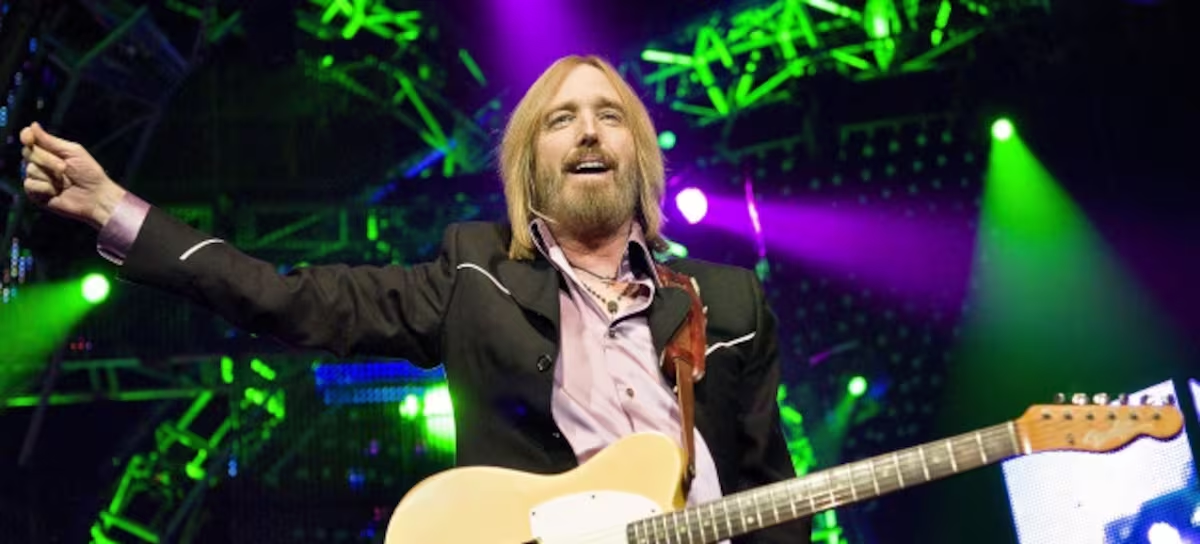
When ABC sold its catalogue to MCA, Petty found his contract travelling with the furniture and filed for bankruptcy to void it. He won, and with the debt still on his back he delivered Damn the Torpedoes: Refugee, Don't Do Me Like That, seven weeks stuck at number two. "I love Pink Floyd, but I hated them that year," he said of The Wall.
Tom Petty and the Heartbreakers
Tom Petty
Listen
Via YouTube
1993
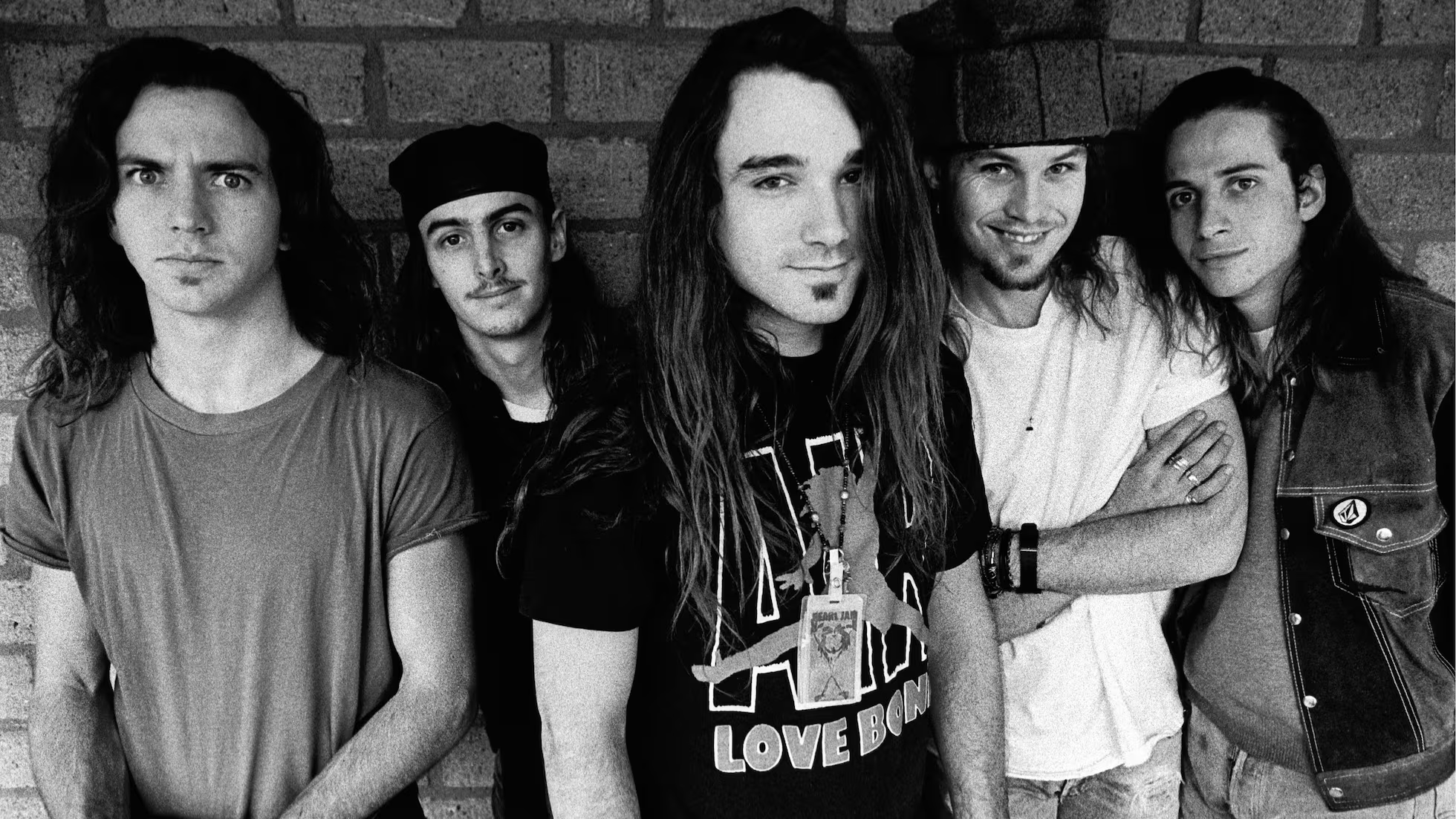
Vs. sells almost a million copies in five days and Pearl Jam go into hiding
Pearl Jam's second album reaches American shops and breaks the weekly sales record set since SoundScan began: 950,378 copies in five days, a mark that stood for five years. The band answered the success by pulling back — no videos, almost no interviews — wanting people to remember the songs rather than the faces. The Ticketmaster fight came soon after.
Pearl Jam
Listen
Via YouTube
1995
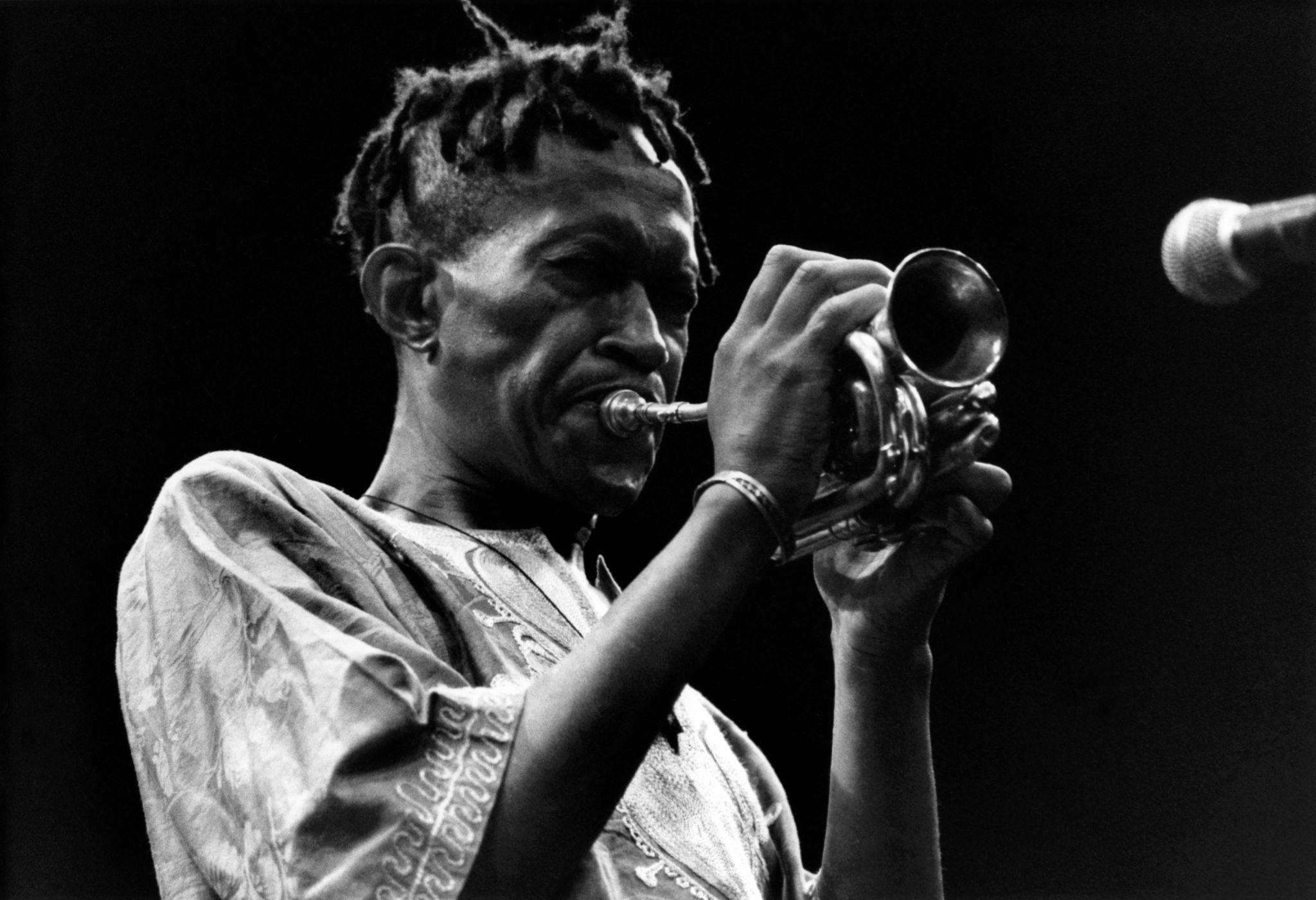
Don Cherry dies, the free jazz trumpeter whose surname became famous in pop
He died in Málaga at fifty-eight, of liver cancer. He played pocket trumpet on The Shape of Jazz to Come and Free Jazz alongside Ornette Coleman, records that in 1959 were inventing something with no name yet. His son Eagle-Eye quit acting after the funeral and two years later sold millions with four acoustic chords. The surname travelled further than the repertoire.
Don Cherry
Eagle-Eye Cherry
Ornette Coleman
Listen
Via YouTube
2020
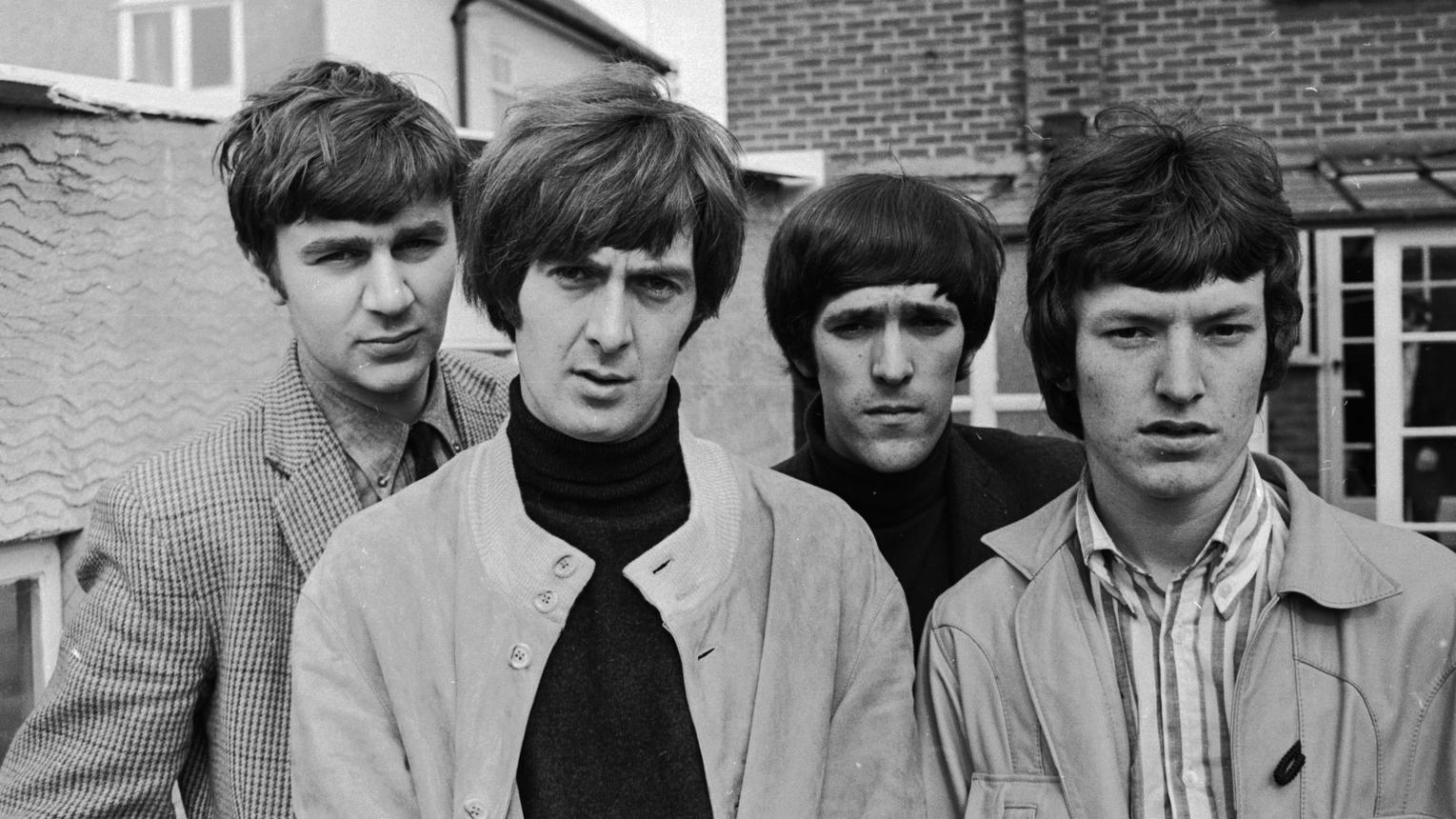
Spencer Davis dies, the man who lent his surname to someone else's band
He died in Los Angeles at eighty-one, of pneumonia. The group carried his name, but the voice on Gimme Some Lovin' and Keep On Running belonged to Steve Winwood, sixteen years old when they scored two consecutive British number ones in 1966. Winwood left in 1967 to form Traffic; Davis kept touring under that name for another half century.
Spencer Davis
The Spencer Davis Group
Steve Winwood
Listen
Via YouTube
1944
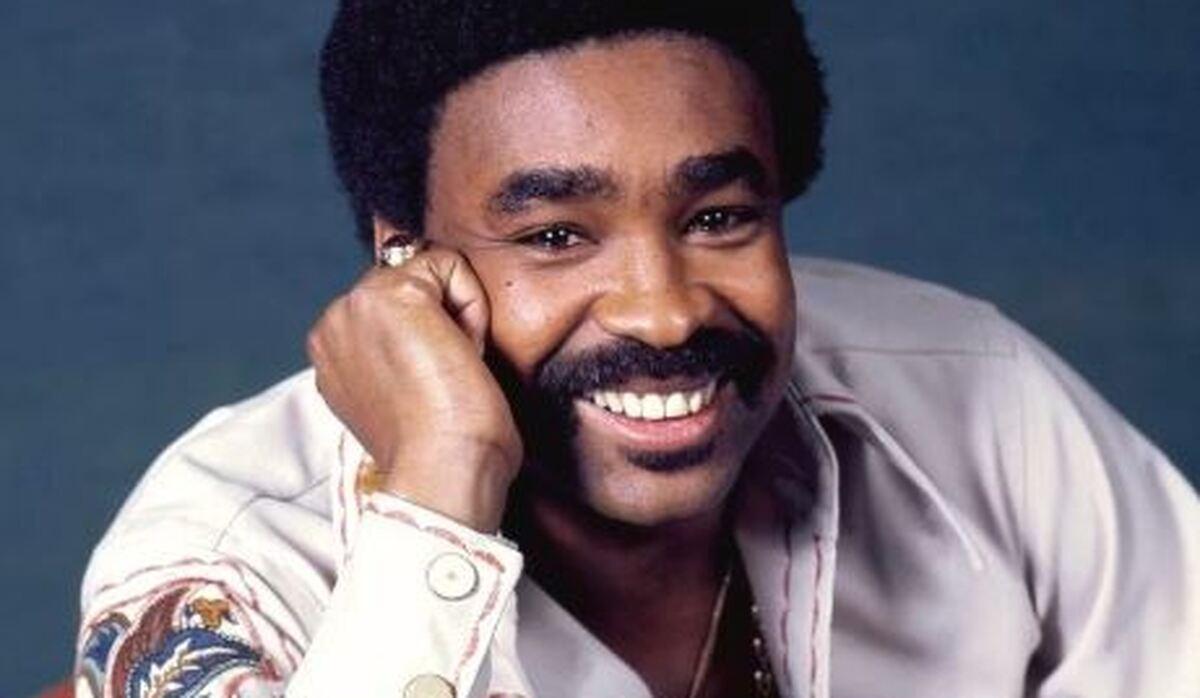
George McCrae is born, whose "Rock Your Baby" was recorded in forty-five minutes
On October 19, 1944, George McCrae was born in Florida. He was about to leave music to study when he dropped by a studio to collect his wife. There was a backing track lying around that nobody had a use for; they asked him to try singing it. It was finished in forty-five minutes and called "Rock Your Baby": it sold eleven million copies in 1974 and is often cited as one of the first disco records.
George McCrae
Listen
Via YouTube
1957
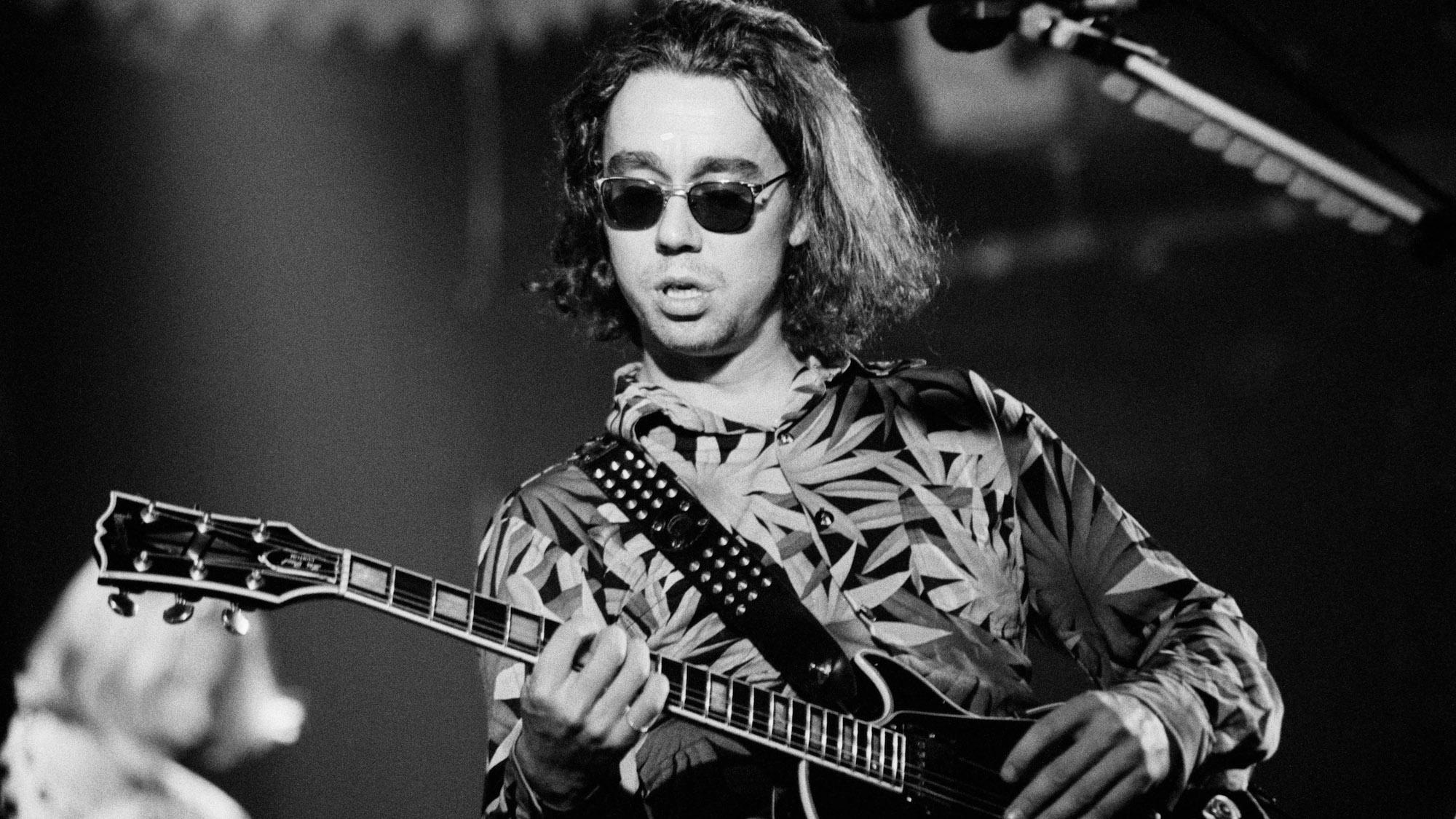
Karl Wallinger is born, who lost five years of his life to an aneurysm and played again
On October 19, 1957, Karl Wallinger was born in Wales. He played in the Waterboys before forming World Party, a project on which he recorded almost every instrument himself. His song "She's the One" was a British number one in Robbie Williams's version. In 2001 he suffered a brain aneurysm that left him without speech and unable to play; it took him five years to recover, and he returned to the stage.
Karl Wallinger
World Party
Robbie Williams
Listen
Via YouTube
1960
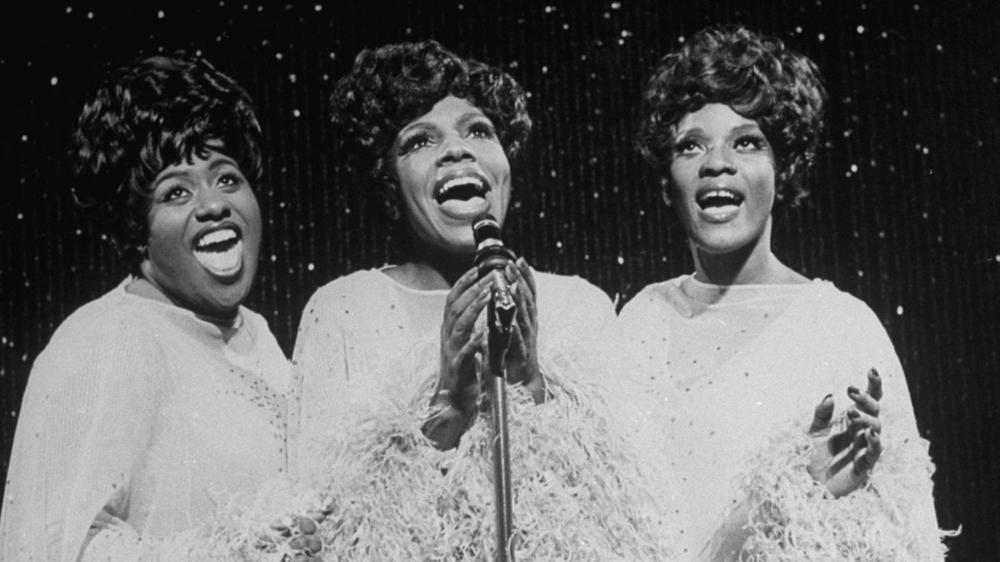
Jennifer Holliday is born, owner of the most famous scream in Broadway history
On October 19, 1960, Jennifer Holliday was born in Texas. At twenty-one she opened "Dreamgirls" on Broadway and closed the first act with "And I Am Telling You I'm Not Going", four minutes of pleading that end in a howl. The audience rose every night before the curtain came down. She won the Tony and a Grammy, and that performance remains the yardstick the genre is measured by.
Jennifer Holliday
Listen
Via YouTube
1968
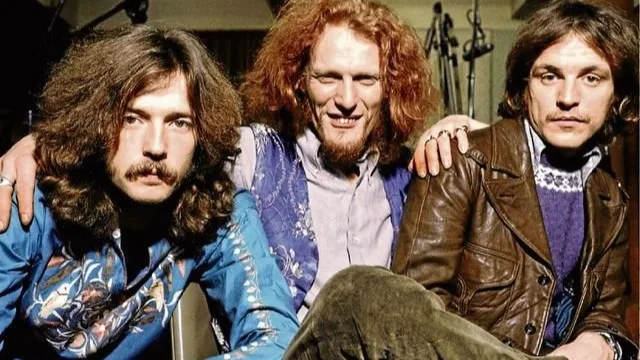
Cream say goodbye to Los Angeles and tape half of Goodbye doing it
At the Forum in Inglewood, Cream play one of the last dates of their American farewell tour. Felix Pappalardi rolls tape, and the three live cuts on Goodbye come out of that night. Five weeks later the trio dissolved at the Royal Albert Hall — the first great band built to burn all the way through in barely three years.
Cream
Eric Clapton
Jack Bruce
Ginger Baker
Listen
Via YouTube
1972
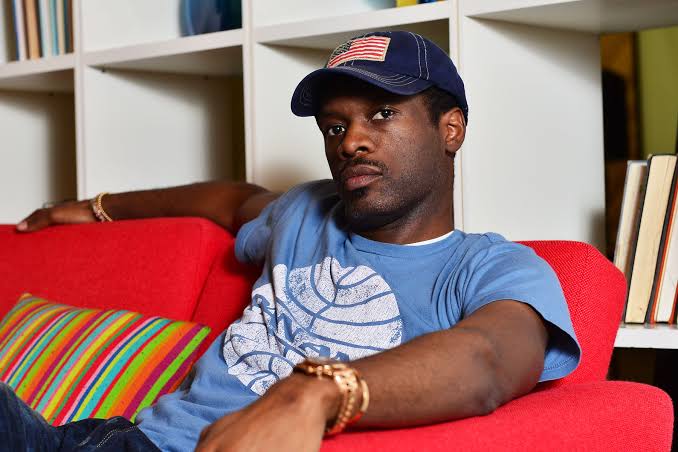
Pras is born, who built the Fugees by putting his cousin together with a schoolmate
On October 19, 1972, Prakazrel Michel was born in Brooklyn, son of Haitian immigrants. He was the one who assembled the group: he recruited his cousin Wyclef Jean and a schoolmate named Lauryn Hill. The Fugees sold twenty-two million copies of "The Score" and split almost immediately, crushed by their own egos. Pras later had an enormous solo hit with "Ghetto Supastar".
Pras
Fugees
Lauryn Hill
Listen
Via YouTube
1973
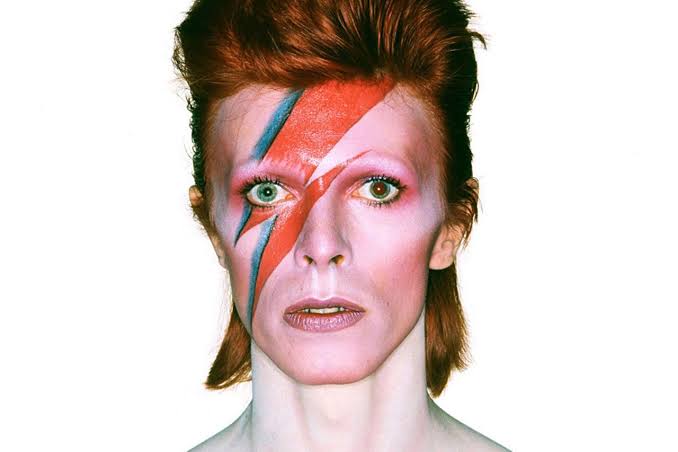
Bowie fills a gap with Pin Ups and uses the cover Vogue turned down
Bowie owed RCA an album and refused to hand over new songs while his royalties were being renegotiated, so he cut covers of the bands he heard as a teenager: the Pretty Things, the Kinks, the Yardbirds, Barrett-era Pink Floyd. The stopgap went to number one in Britain for five weeks. The Twiggy photograph was shot for Vogue, which would not put a man on its cover.
David Bowie
Twiggy
Listen
Via YouTube
1980
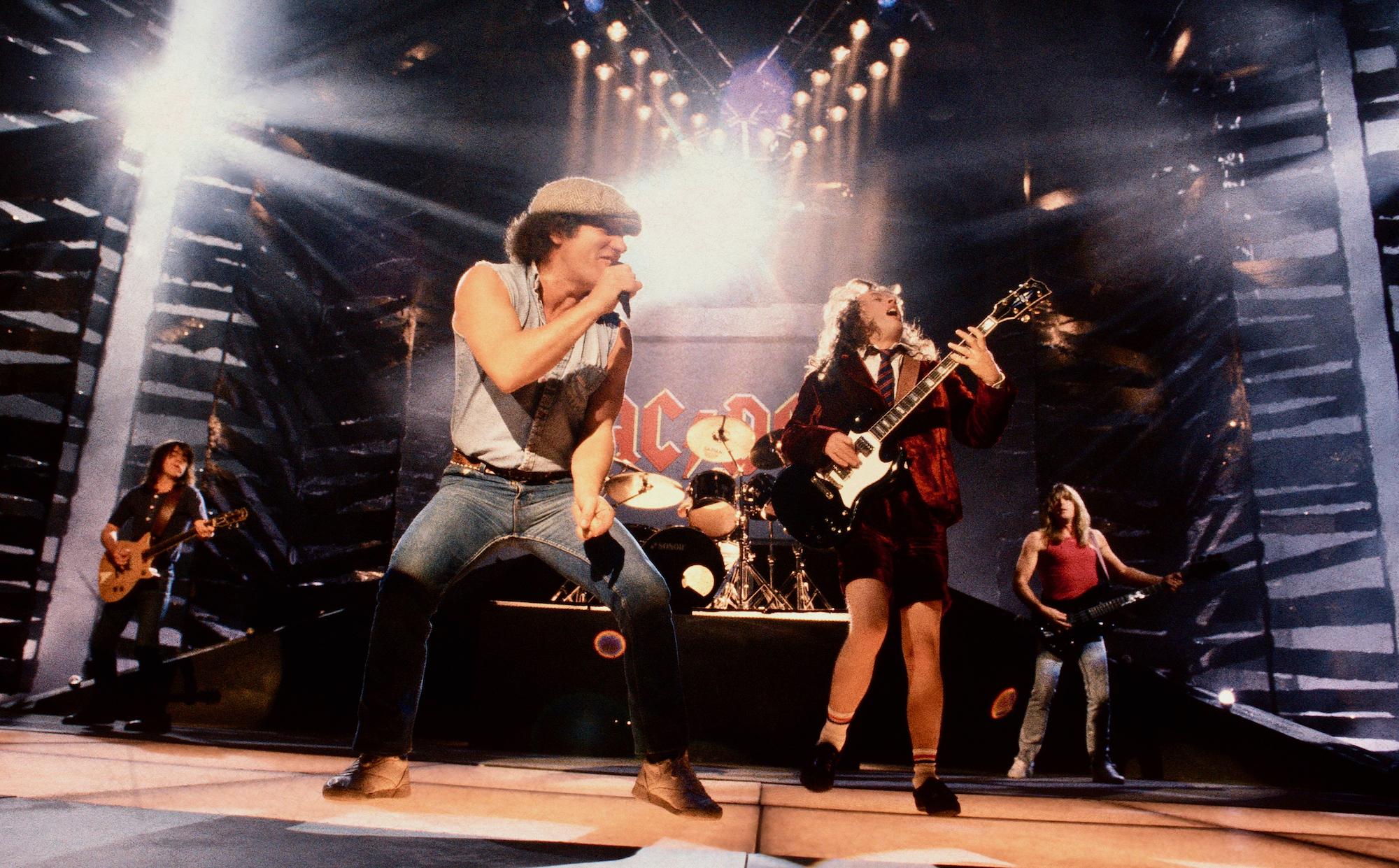
Brian Johnson takes Back in Black to England and survives the audition
Colston Hall in Bristol opens the British leg of the Back in Black tour — the first time Johnson sang on English soil the songs from a record written to bury Bon Scott. The tour worked its way around the country until mid-November. Among the support acts on those dates were Def Leppard, who had sold nothing yet.
AC/DC
Brian Johnson
Def Leppard
Listen
Via YouTube
1984
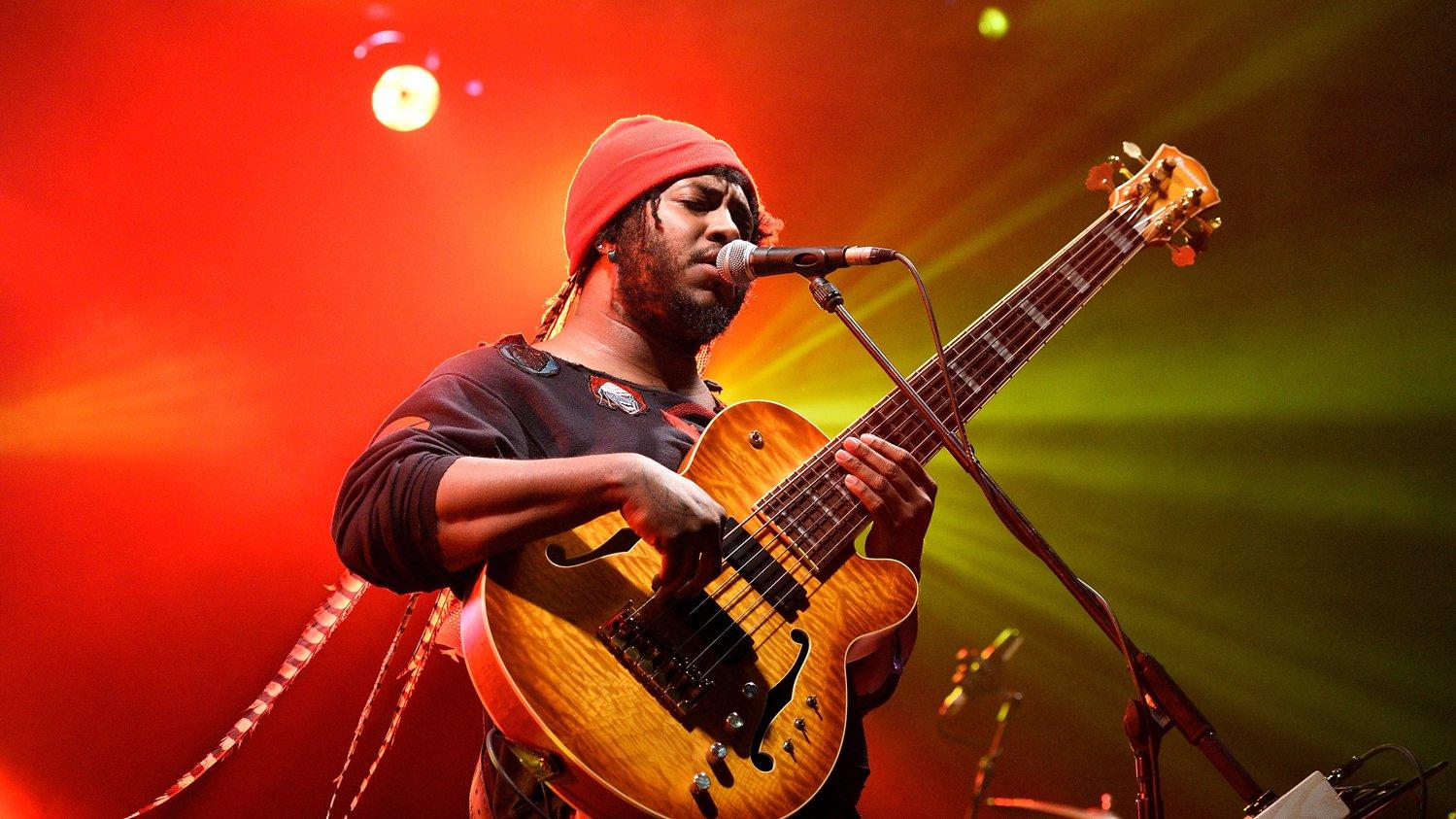
Thundercat is born: the six-string bassist on the most important records of his decade
On October 19, 1984, Stephen Bruner was born in Los Angeles, son of a session drummer. He started out in a teenage thrash metal band and ended up the most in-demand bassist of his generation: his six-string bass is on Kendrick Lamar's "To Pimp a Butterfly" and on Flying Lotus's albums. In parallel he sings in falsetto about cats and video games, and it works.
Thundercat
Kendrick Lamar
Flying Lotus
Listen
Via YouTube
1985
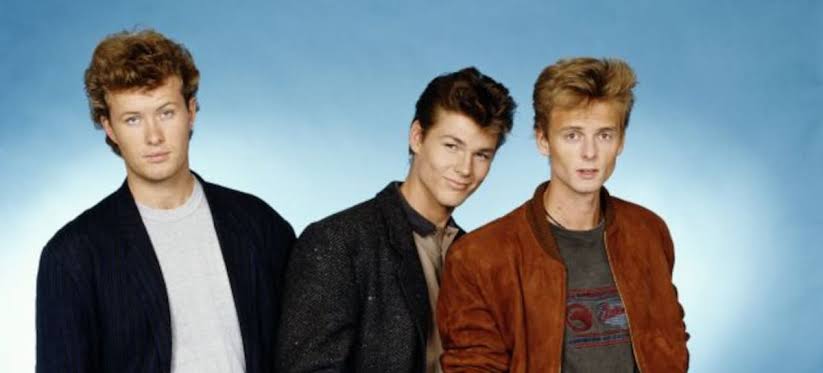
Take On Me reaches number one in America on the third attempt
The Billboard chart dated this day crowns a-ha in the song's fifteenth week. It had failed twice: neither the 1984 version nor the April 1985 re-recording made any noise. What changed was Steve Barron's rotoscoped video — three thousand frames drawn by hand over sixteen weeks. MTV did the rest.
a-ha
Listen
Via YouTube
1991
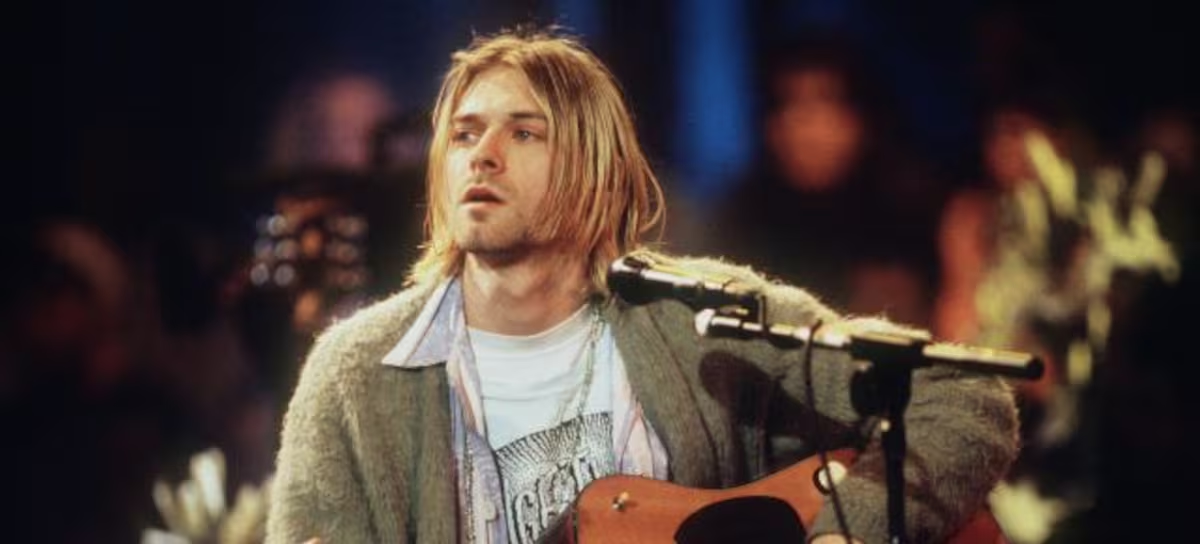
Cobain splits a guard's head with his guitar and takes a punch in Dallas
Nirvana were playing Trees with Nevermind barely in the shops and the room past capacity. Cobain dived into the crowd during Love Buzz, guard Turner Van Blarcum shoved him back toward the stage, and Cobain opened his head with the neck of the Jaguar. Van Blarcum answered with a punch, then smashed the band's taxi window. Nirvana paid the medical bills and the damage.
Nirvana
Kurt Cobain
Listen
Via YouTube
1992
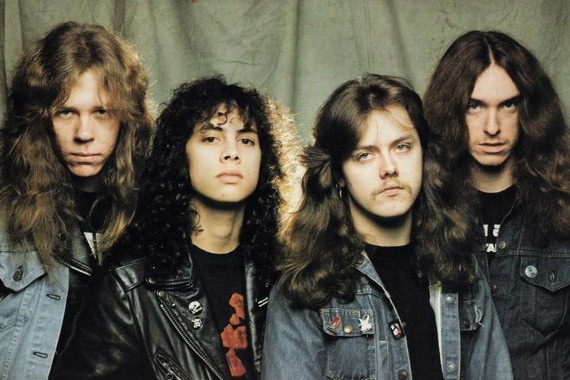
Metallica release the single that opens with a gong and a sitar
Wherever I May Roam arrives as the fourth single from the black album: a gong, a sitar and a twelve-string bass before anything resembling metal turns up. It stalled at twenty-five on US rock radio and barely showed on the Hot 100, yet it sold a million copies. The album had been selling itself for eighteen months by then.
Metallica
Listen
Via YouTube
1992
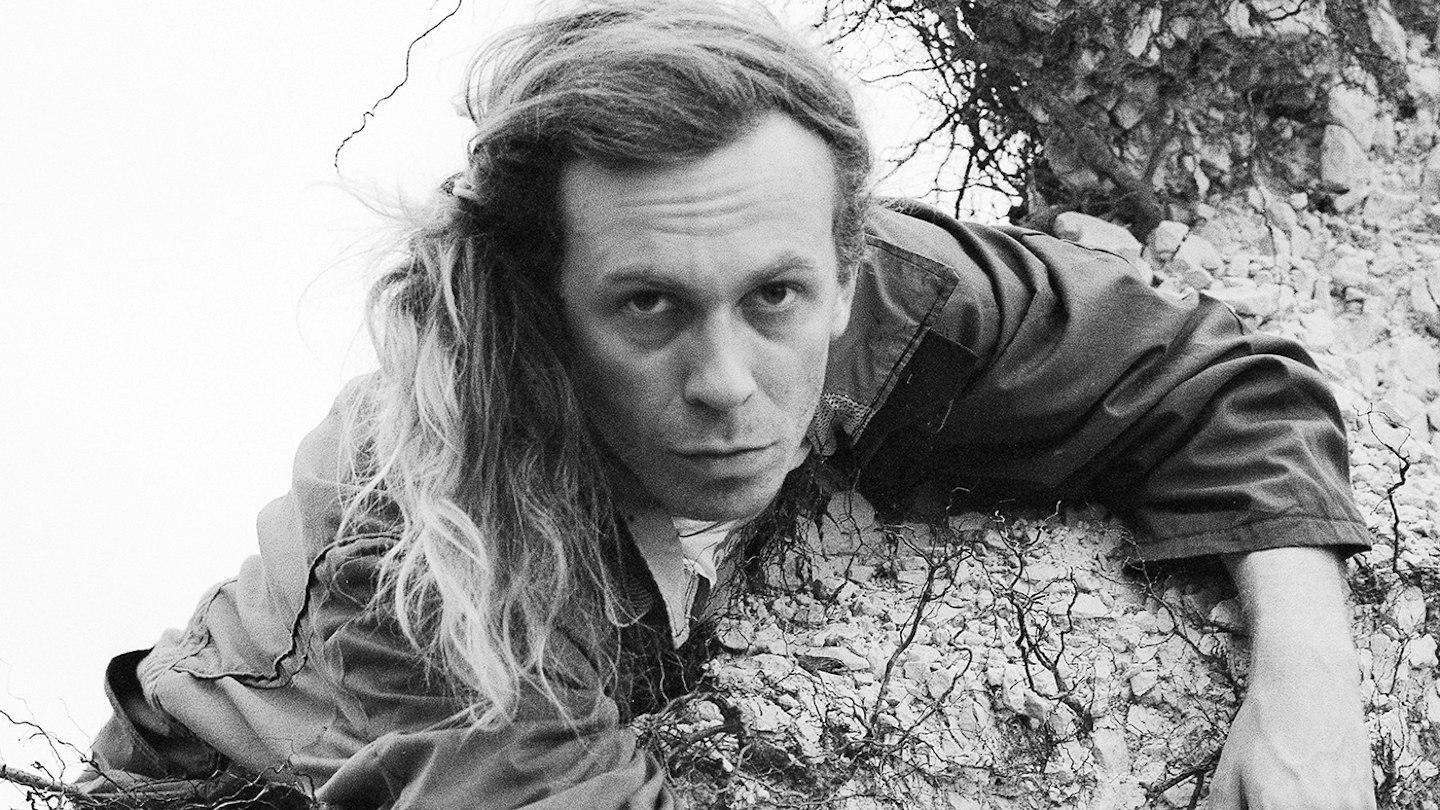
Julian Cope releases Jehovahkill and Island drops him a week later
The album of standing stones and motorik pulse came out on Island; seven days later the label let him go with a memorable line — his critical standing was rising and his commercial appeal was falling. The British press ran protest campaigns, Cope landed on the NME cover as an endangered species and won readers' polls. The sacking cost the label more than it saved.
Julian Cope
Listen
Via YouTube
1993

PJ Harvey releases the Rid of Me demos exactly as they sounded at home
Fourteen songs recorded alone on a Yamaha four-track between 1991 and autumn 1992: eight bare versions of Rid of Me material and six unreleased pieces her trio never played. It was Steve Albini, who produced the album, who pushed for the tapes to come out. Harvey would not self-produce again until Uh Huh Her, eleven years later.
PJ Harvey
Steve Albini
Listen
Via YouTube
1996
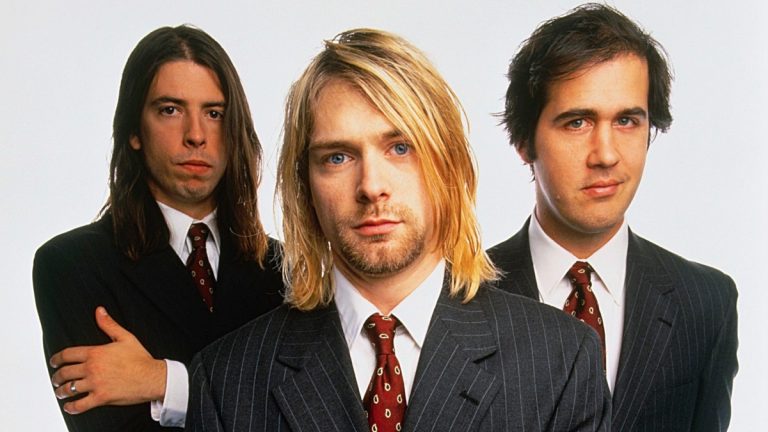
A Nirvana live album knocks Céline Dion off the top for exactly one week
The Billboard chart dated this day puts From the Muddy Banks of the Wishkah at number one with 158,000 copies, interrupting the reign of Falling into You. It is Nirvana's third consecutive album to debut at the top, and the first released with Cobain gone. The following week Céline Dion took the spot back and kept it.
Nirvana
Listen
Via YouTube
1998
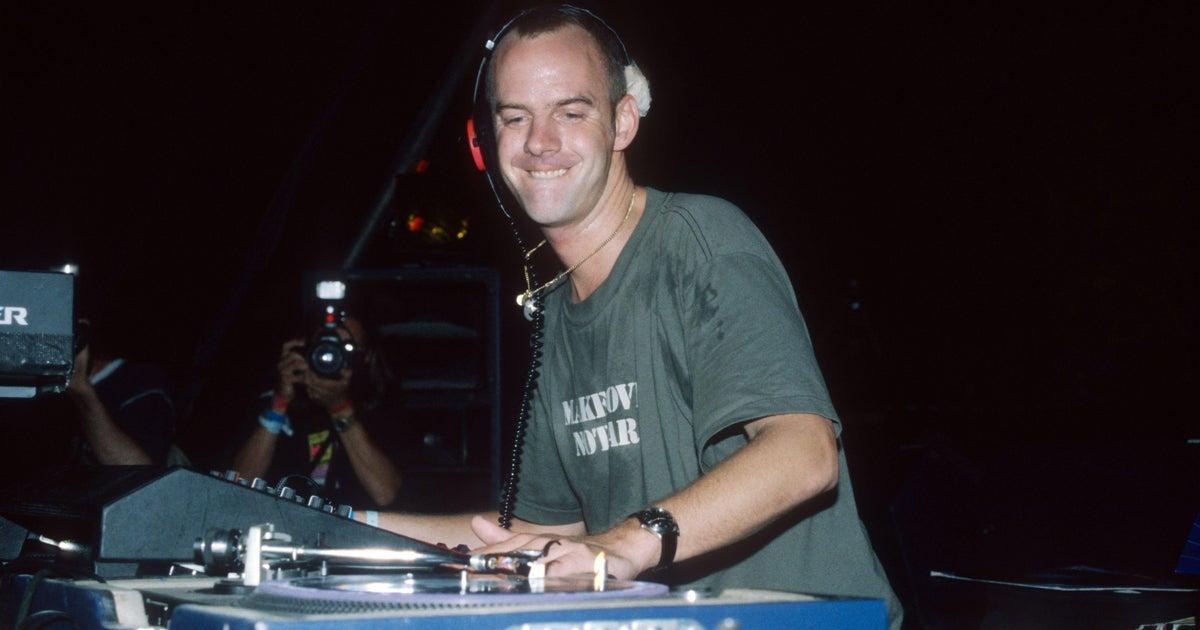
Fatboy Slim turns big beat into stadium music
Skint releases You've Come a Long Way, Baby in Britain and Norman Cook goes from DJing in Brighton to running the charts: number one at home, four top ten singles, Praise You and Right Here, Right Now soundtracking every advert of the following decade. The sleeve shows a stranger photographed in 1983 whom Cook has still never managed to identify.
Fatboy Slim
Listen
Via YouTube
1999
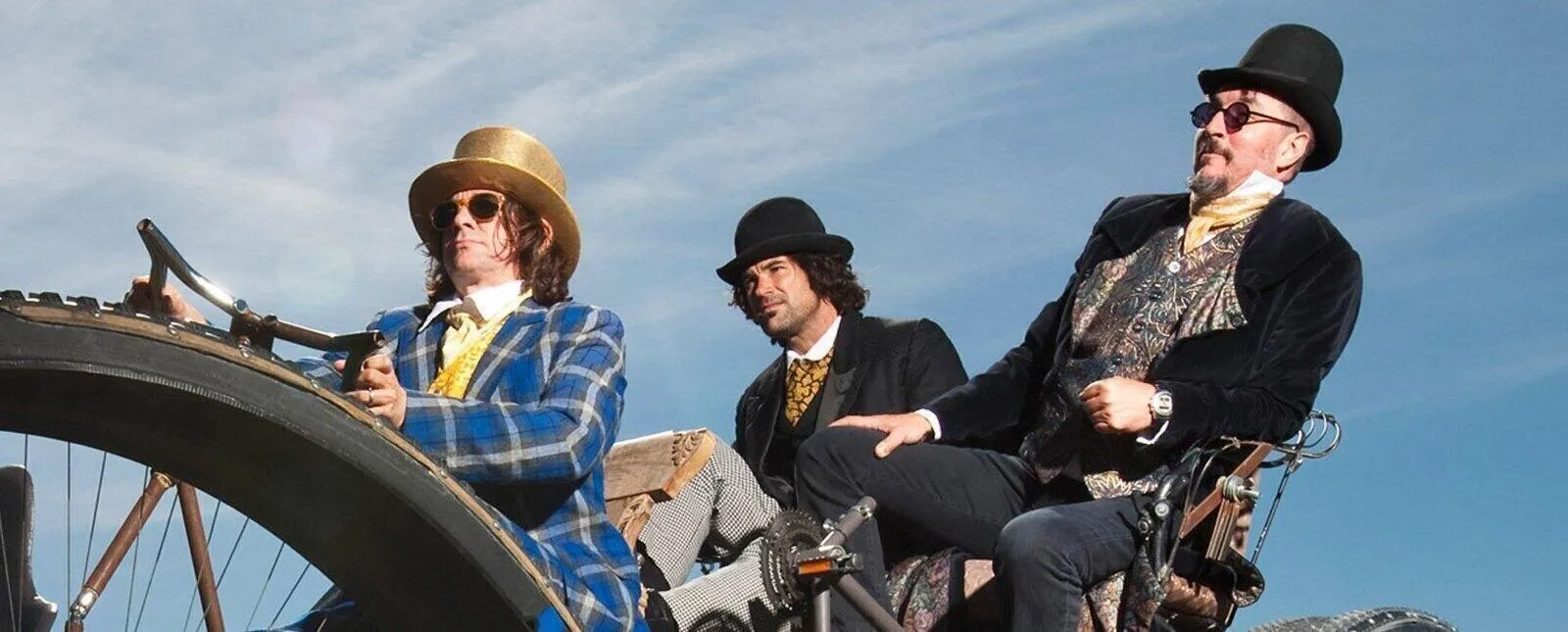
Primus release Antipop and take three years off from speaking to each other
Claypool called it the hardest record they ever made, with the trio close to breaking up and a guest list that reads like an index of the nineties: Tom Waits, Tom Morello, James Hetfield, Jim Martin, Fred Durst, Stewart Copeland. What followed was a three-year hiatus which, by his own account, was breaking up without the nerve to say so.
Primus
Les Claypool
Tom Waits
Listen
Via YouTube
One ephemeris a day, one editorial a week. Zero spam, pure archive.