
Chapter 01 — Today in music
On a day like today October 21
1925
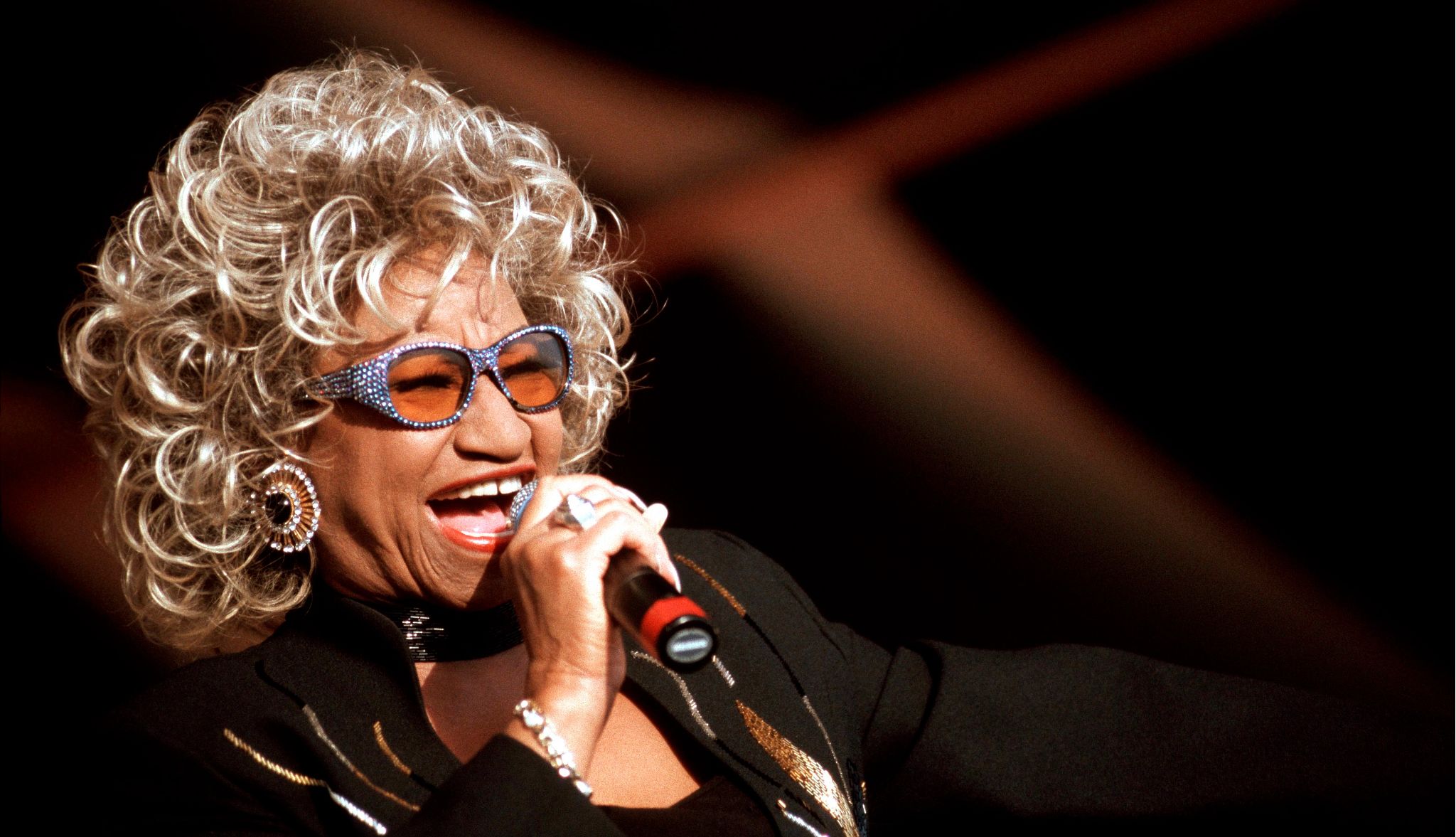
Celia Cruz is born: the queen of salsa who could never return to Cuba
On October 21, 1925, Úrsula Hilaria Celia de la Caridad Cruz Alfonso was born in Havana, one of fourteen siblings and cousins raised in the same house. She was training to be a teacher when she joined La Sonora Matancera as a singer. She left Cuba on tour in 1960 and the government never let her return, not even when her mother died. From exile she turned her cry of "¡azúcar!" into the trademark of an entire continent.
Celia Cruz
La Sonora Matancera
Listen
Via YouTube
1941
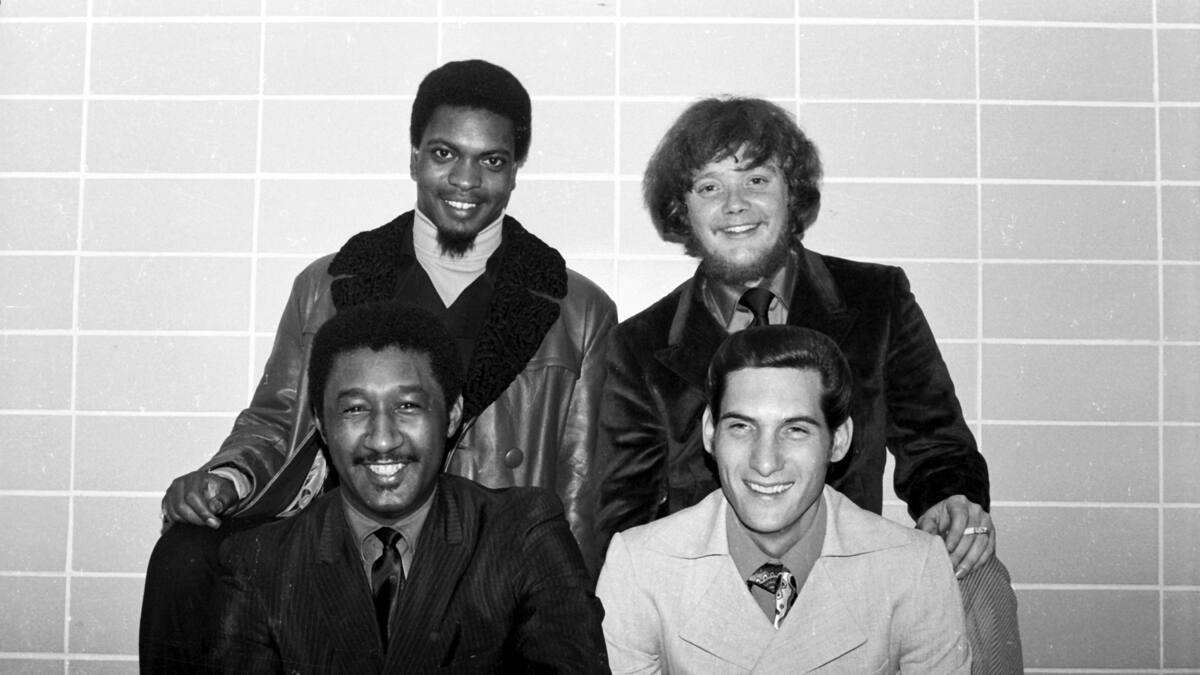
Steve Cropper is born: the guitarist who played as little as possible and exactly enough
On October 21, 1941, Steve Cropper was born in Missouri, guitarist with Booker T. & the M.G.'s, the Stax house band: two Black musicians and two white ones playing together in segregated 1960s Memphis. His style was the opposite of showing off: short chords, counted notes, all the space left for the singer. He co-wrote "In the Midnight Hour", "Knock on Wood" and "(Sittin' On) The Dock of the Bay".
Steve Cropper
Booker T. & the M.G.'s
Otis Redding
Listen
Via YouTube
1957
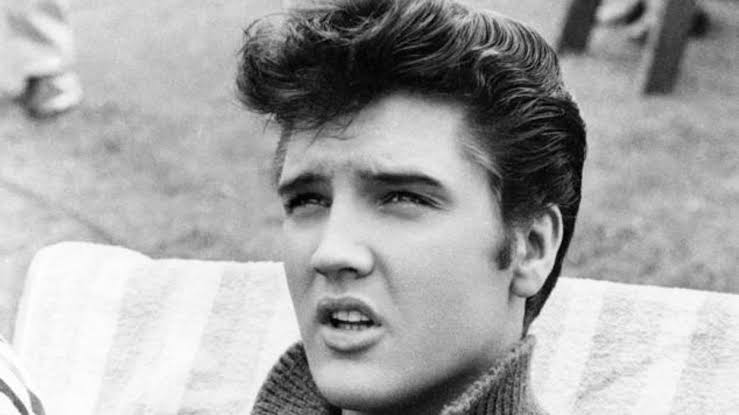
Jailhouse Rock hits number one and stays for seven weeks
The Best Sellers in Stores chart dated 21 October 1957 crowned Elvis Presley with Jailhouse Rock, written by Jerry Leiber and Mike Stoller for the film of the same name. It held on for seven weeks, trading places with the Everly Brothers, and repeated the trick in Britain early in 1958. This is Elvis at his most electric, still untamed.
Elvis Presley
Jerry Leiber
Mike Stoller
Listen
Via YouTube
1957
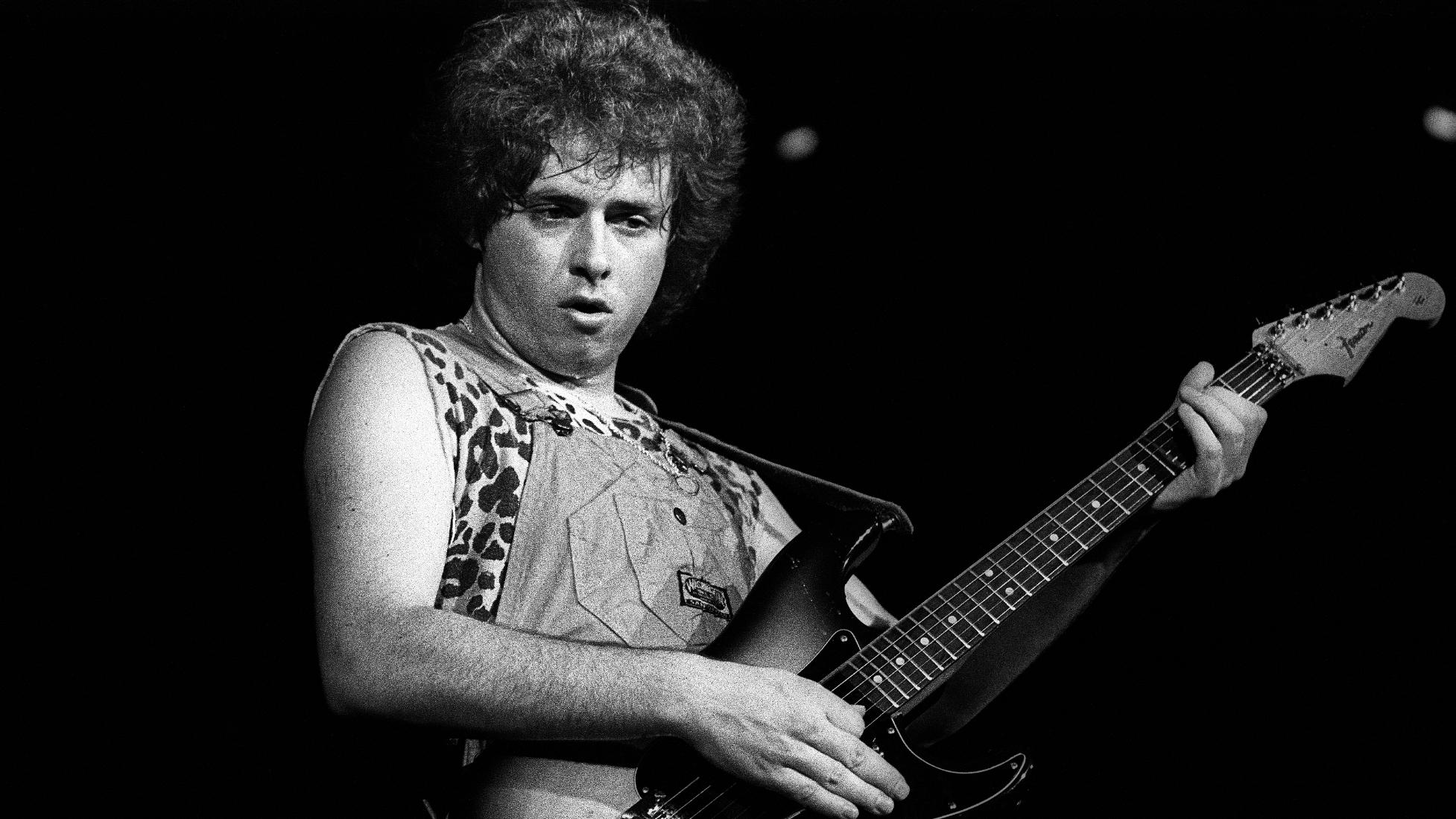
Steve Lukather is born, the hidden guitar on hundreds of records you love
Steve Lukather is born in Los Angeles: Toto's guitarist and a session player on an absurd number of other people's classics — he played on much of “Thriller”, including the “Beat It” riff, with Eddie Van Halen on the solo. His double career, star and studio mercenary, makes him one of the most heard musicians nobody knows they know.
Steve Lukather
Toto
Listen
Via YouTube
1958
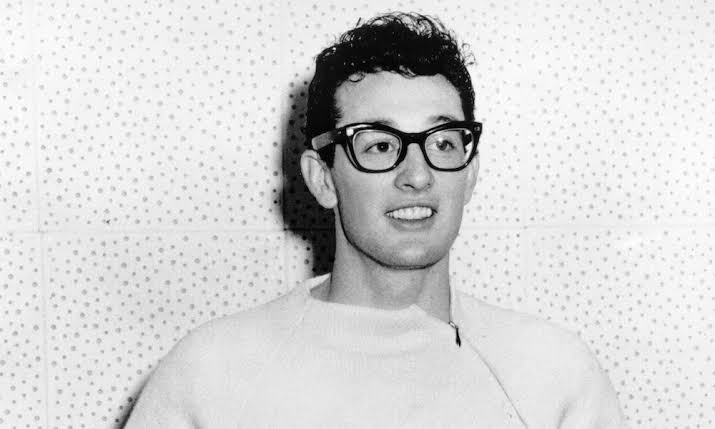
Buddy Holly records with eighteen orchestra players and never sees a studio again
At New York's Pythian Temple, with his wife María Elena watching, Buddy Holly cut four songs in three and a half hours backed by eighteen players drawn from the NBC Symphony Orchestra and conducted by Dick Jacobs. Out came True Love Ways, Moondreams, Raining in My Heart and It Doesn't Matter Anymore. Nobody knew it then: it was his final studio session.
Buddy Holly
Dick Jacobs
Listen
Via YouTube
1977
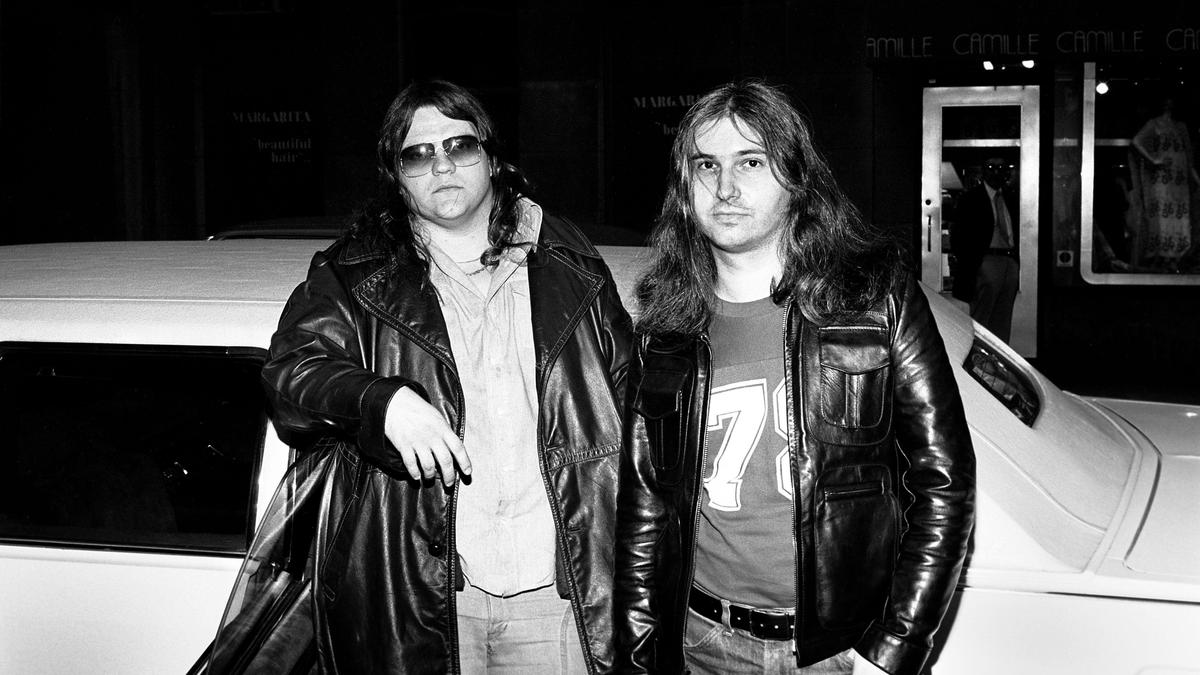
Bat Out of Hell arrives: high-school opera, a flaming motorbike and 43 million copies
On 21 October 1977 Meat Loaf and Jim Steinman released an album with no sense of proportion: seven- and ten-minute songs, Wagnerian production by Todd Rundgren and a sleeve with a motorbike bursting out of a grave. Nobody was betting on it. It caught fire first in Australia and Britain, and never stopped: over 43 million copies sold.
Meat Loaf
Jim Steinman
Todd Rundgren
Listen
Via YouTube
1980
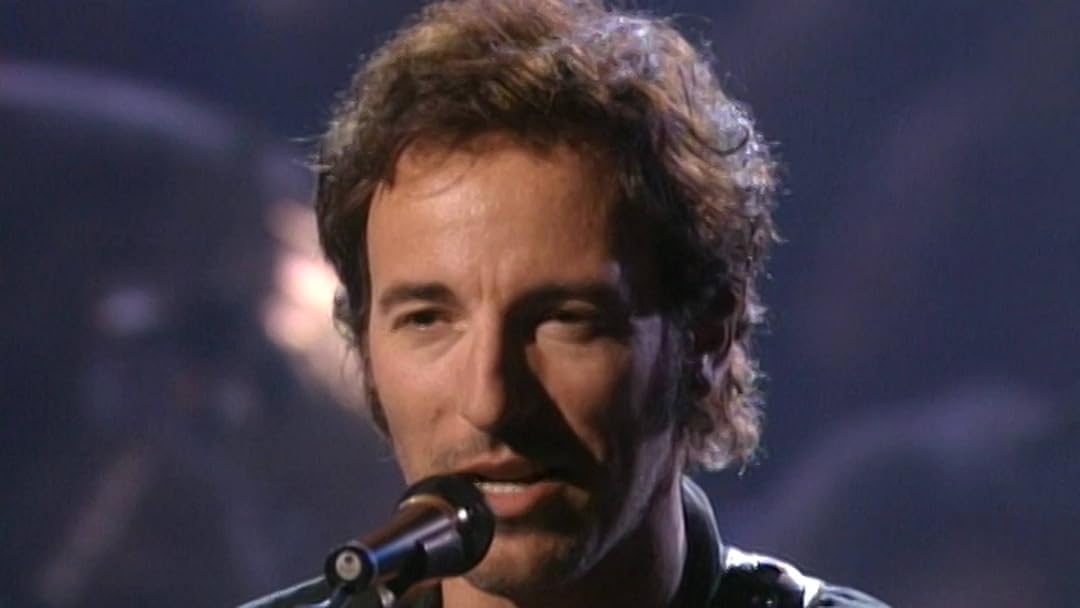
Springsteen writes Hungry Heart for the Ramones and decides to keep it
Joey Ramone asked him for a song when they crossed paths in Asbury Park, and Springsteen wrote it that same night. Jon Landau, his manager and producer, told him not to give it away: he had watched other acts score with Springsteen material. Released on 21 October 1980, Hungry Heart reached number five, his first US top five.
Bruce Springsteen
Listen
Via YouTube
1995
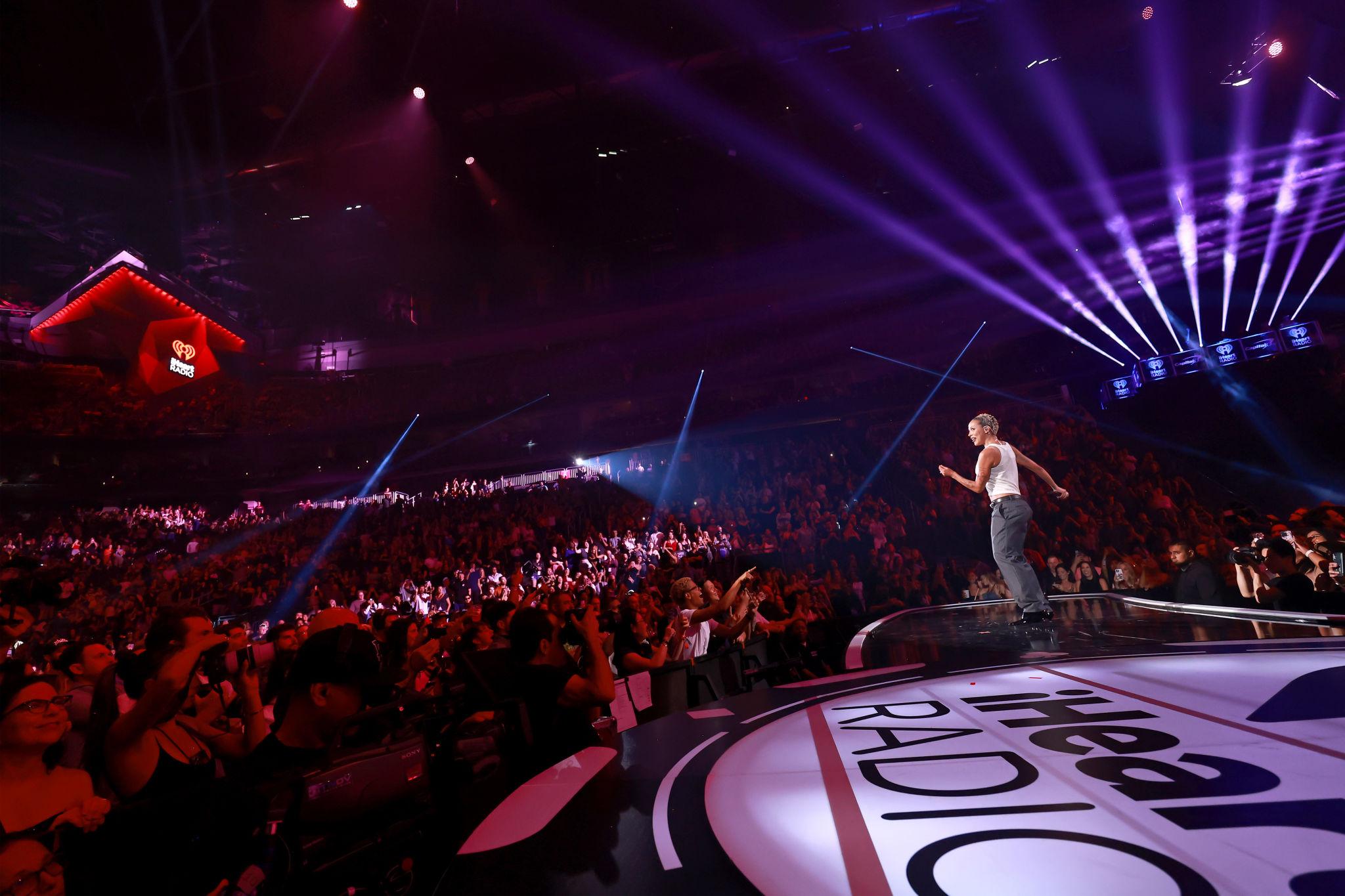
Doja Cat is born, who became famous with a deliberately ridiculous song about cows
On October 21, 1995, Amala Dlamini was born in Los Angeles, daughter of a South African actor and an American Jewish painter. She dropped out of high school and recorded songs in her bedroom. In 2018 she released "Mooo!", an absurd track about being a cow, filmed against a cheap green screen; it went viral and opened the door. Two years later "Say So" was number one and proved the joke had been a strategy.
Doja Cat
Listen
Via YouTube
1995
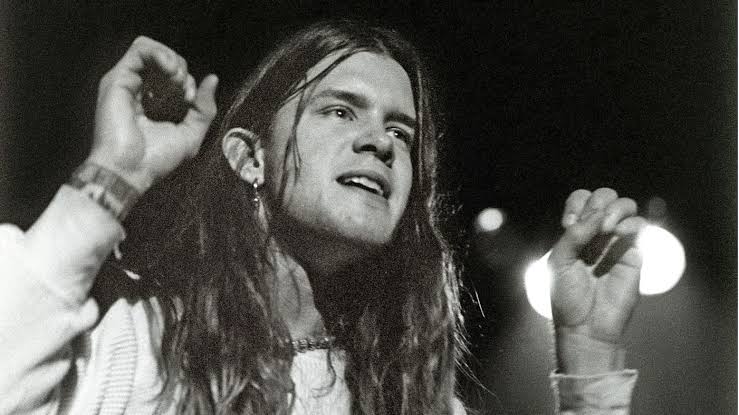
Blind Melon lose their singer on a bus parked in New Orleans
They had played Houston the night before, and Shannon Hoon kept going until morning. On 21 October 1995 the band's sound engineer climbed onto the tour bus to wake him for soundcheck and found him dead of a cocaine overdose at twenty-eight. They were touring Soup, a harsh record almost nobody had wanted to hear.
Shannon Hoon
Blind Melon
Listen
Via YouTube
2003
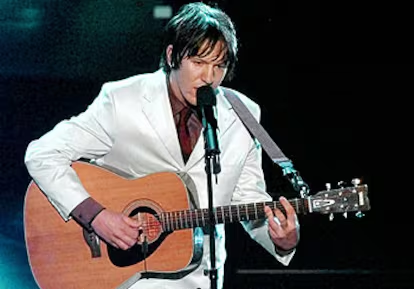
Elliott Smith dies of two stab wounds and the coroner never closes the case
He was 34 and living in Echo Park. His girlfriend said they had been arguing, that she locked herself in the bathroom and, hearing a scream, found him standing with a knife in his chest. The autopsy released in December could not determine whether the wounds were self-inflicted. No drugs or alcohol were in his system. The case remains technically open.
Elliott Smith
Listen
Via YouTube
2006
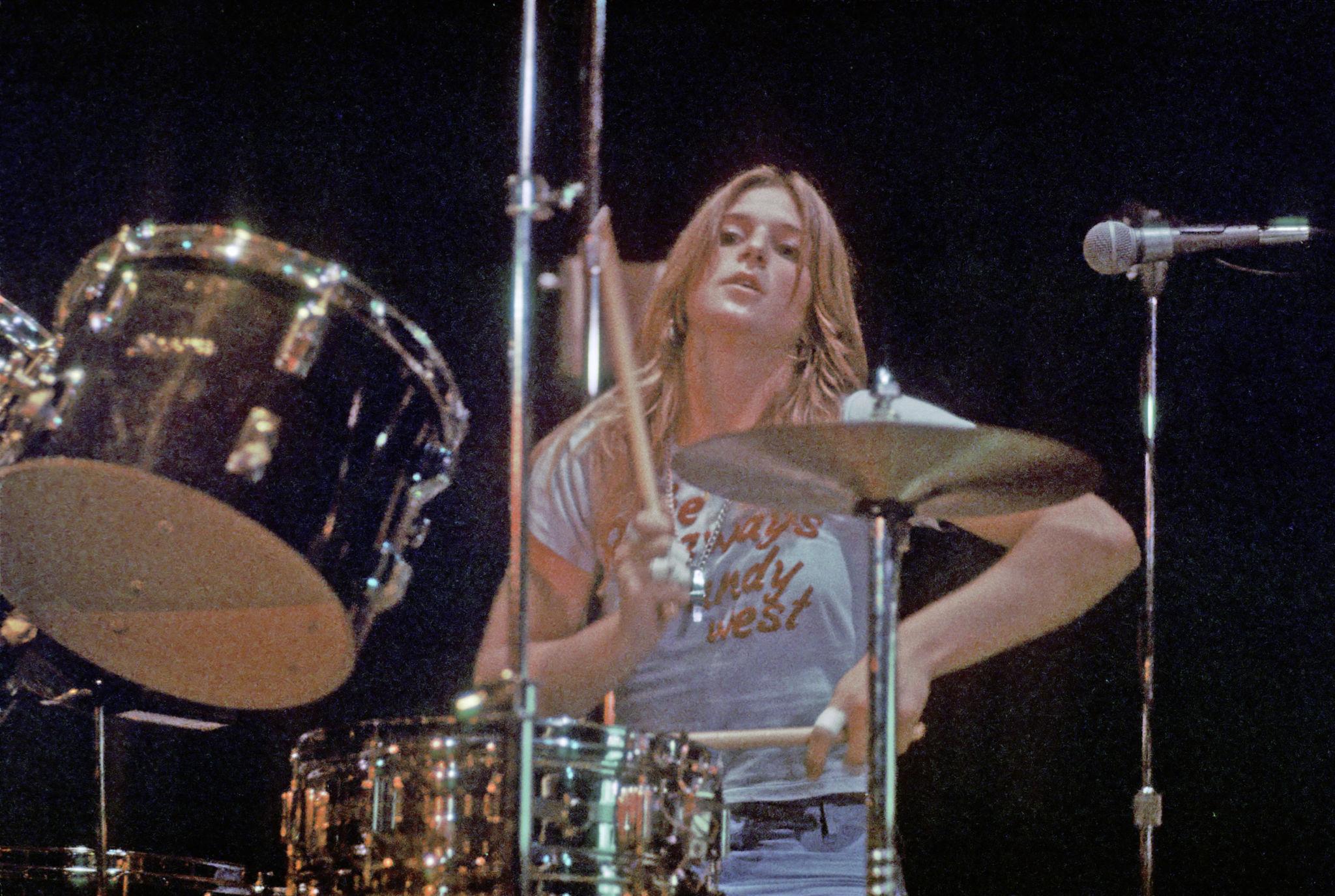
Sandy West dies, who started The Runaways at fifteen
Kim Fowley gave her Joan Jett's phone number after meeting her at a teen dance club in 1975. They were fifteen. That call produced The Runaways, one of the first all-female rock bands to be taken seriously as players. West, the drummer and co-founder, died on 21 October 2006 of lung cancer, aged 47.
Sandy West
The Runaways
Listen
Via YouTube
2016
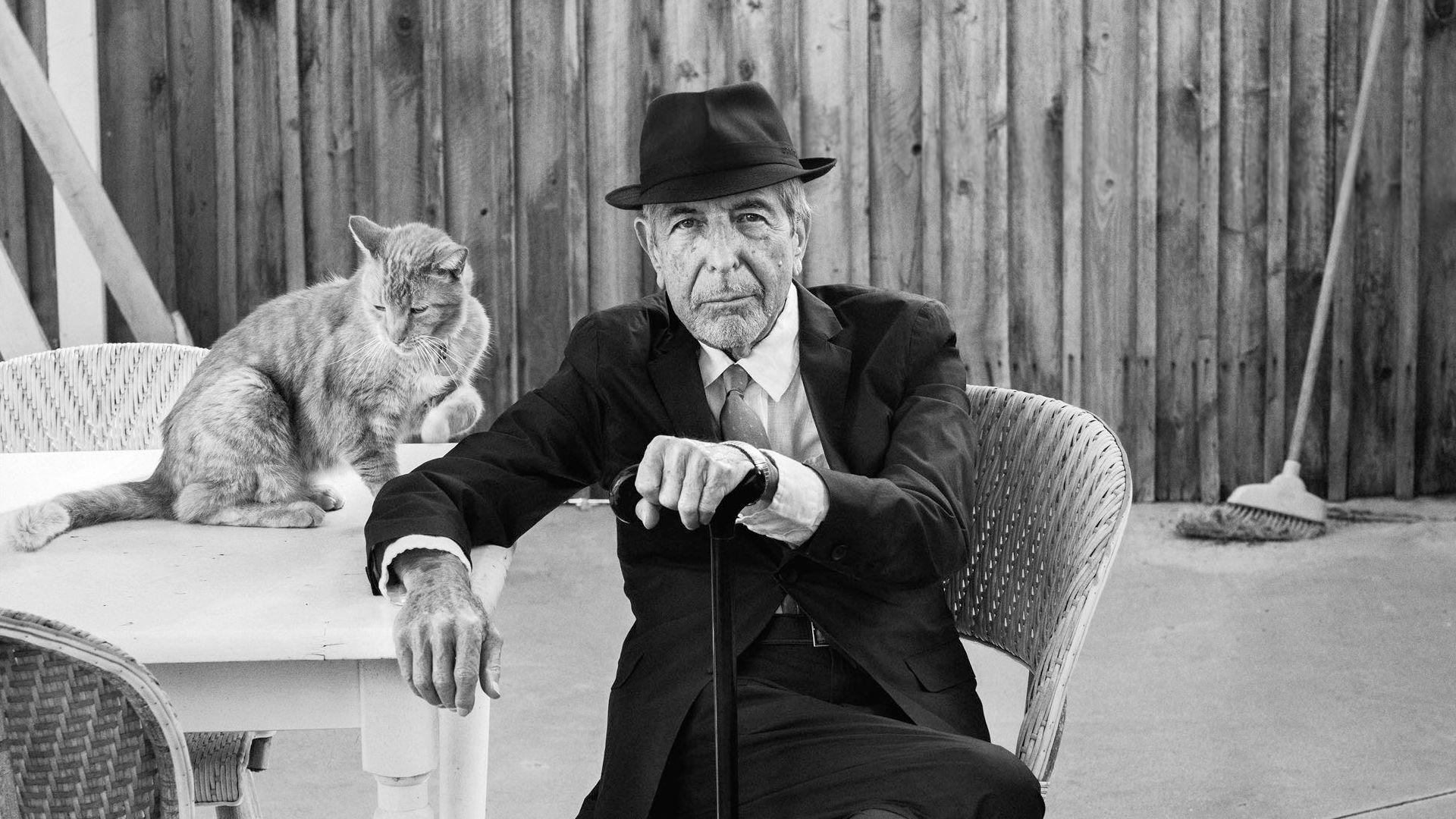
Leonard Cohen releases You Want It Darker seventeen days before dying
He recorded it at his Los Angeles home between 2015 and 2016, with his son Adam producing and his body already failing. It came out on 21 October 2016. Adam said that sometimes, through the pain, his father would stand up in front of the speakers and replay a song like a teenager. Seventeen days later he died. The title had said it all.
Leonard Cohen
Adam Cohen
Listen
Via YouTube
2024
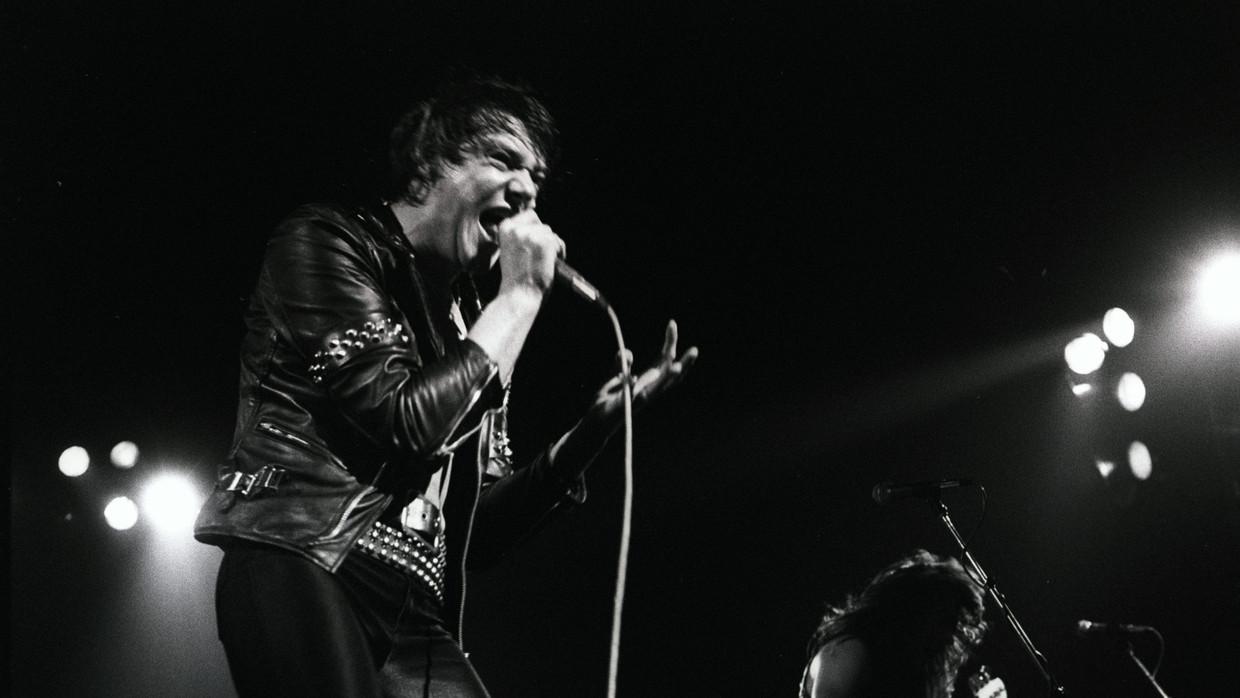
Paul Di'Anno dies, the man who sang the two albums that made Iron Maiden possible
He sang Iron Maiden and Killers, the records that stopped the band being a local prospect, and he was fired in 1981, before the explosion. He spent the next four decades in small rooms with that two-album repertoire, the last of them seated in a wheelchair because his legs no longer held him. He died at his home in Salisbury on 21 October 2024, aged 66, of an aortic dissection.
Paul Di'Anno
Iron Maiden
Listen
Via YouTube
2024

Egidio Cuadrado dies and Carlos Vives retires his band's name
The accordion you hear on “Clásicos de la Provincia” and “La Tierra del Olvido” is his: Cuadrado, born in Villanueva in 1953, was the real vallenato next to a soap-opera actor from Santa Marta. He died in the early hours of 21 October 2024 in Bogotá, aged 71, of lung complications after pneumonia. Vives retired the band's name: La Provincia is no longer called that.
Egidio Cuadrado
Carlos Vives
La Provincia
Listen
Via YouTube
1942
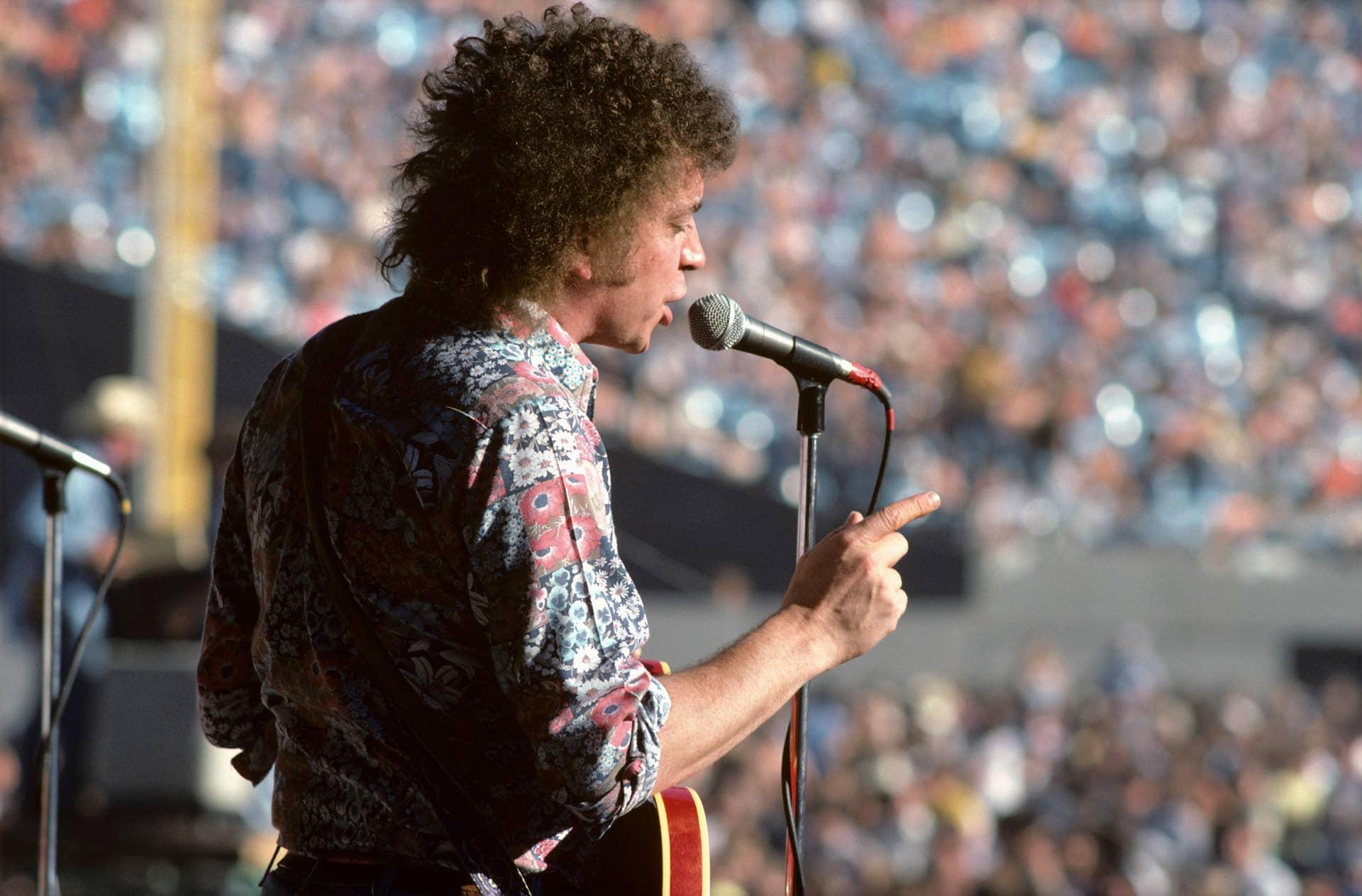
Elvin Bishop is born, the physics scholar who defected to Chicago blues
Elvin Bishop arrived in Chicago in 1960 on a full scholarship to study physics. The degree did not last: in 1963 he ran into Paul Butterfield in Hyde Park and spent five years in his band, learning the trade in South Side clubs alongside the men who had invented it. In 1976 he pulled Fooled Around and Fell in Love out of nowhere and reached number three.
Elvin Bishop
The Paul Butterfield Blues Band
Listen
Via YouTube
1946
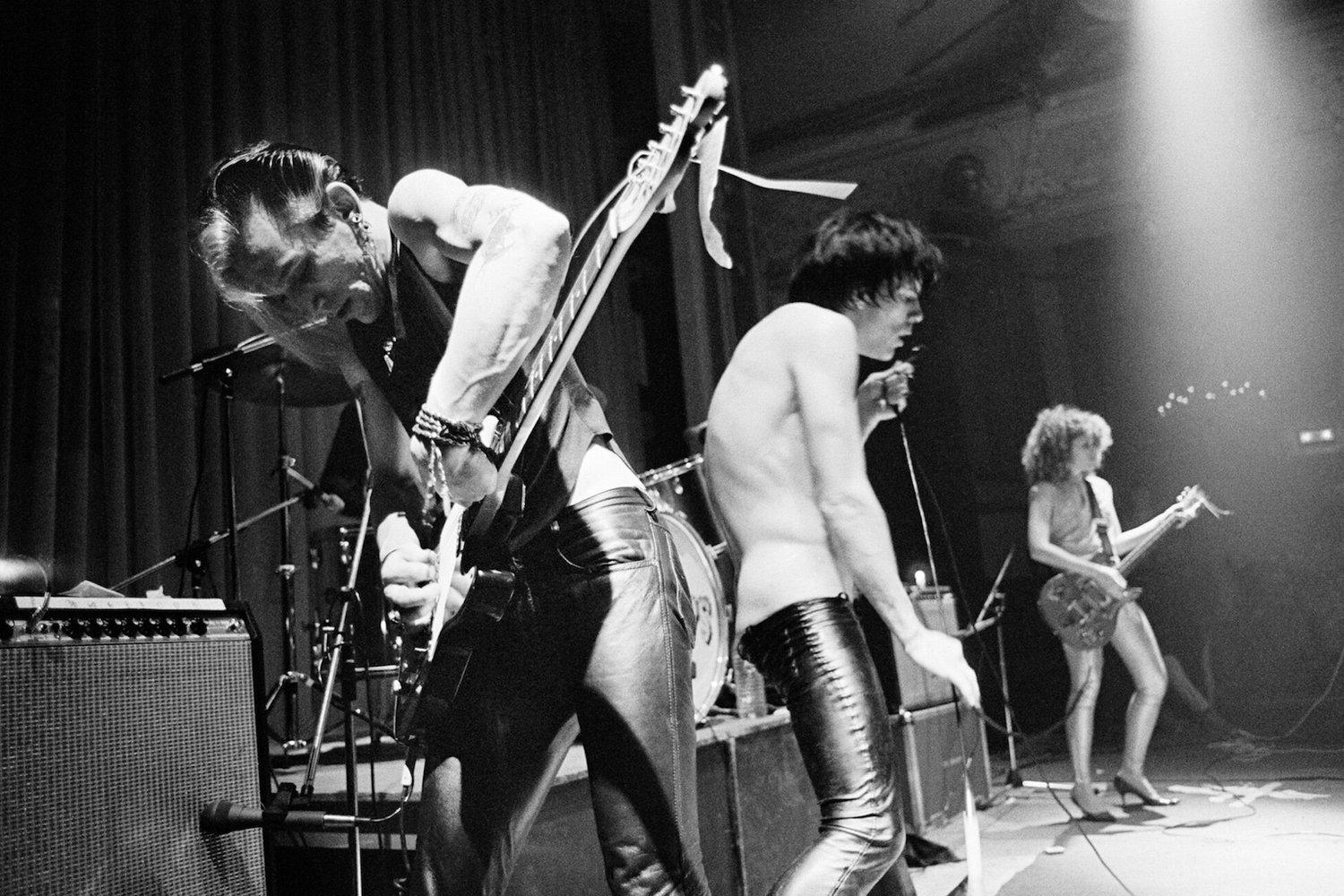
Lux Interior is born, who played a concert in a psychiatric hospital and filmed it
On October 21, 1946, Erick Purkhiser was born in Ohio; as Lux Interior he founded The Cramps with his partner Poison Ivy. They mixed fifties rockabilly with B-movie horror and punk and invented psychobilly. In 1978 they played free at a Californian psychiatric hospital, with patients dancing and singing into the microphone; the video survives as one of the strangest documents in rock.
Lux Interior
The Cramps
Listen
Via YouTube
1953
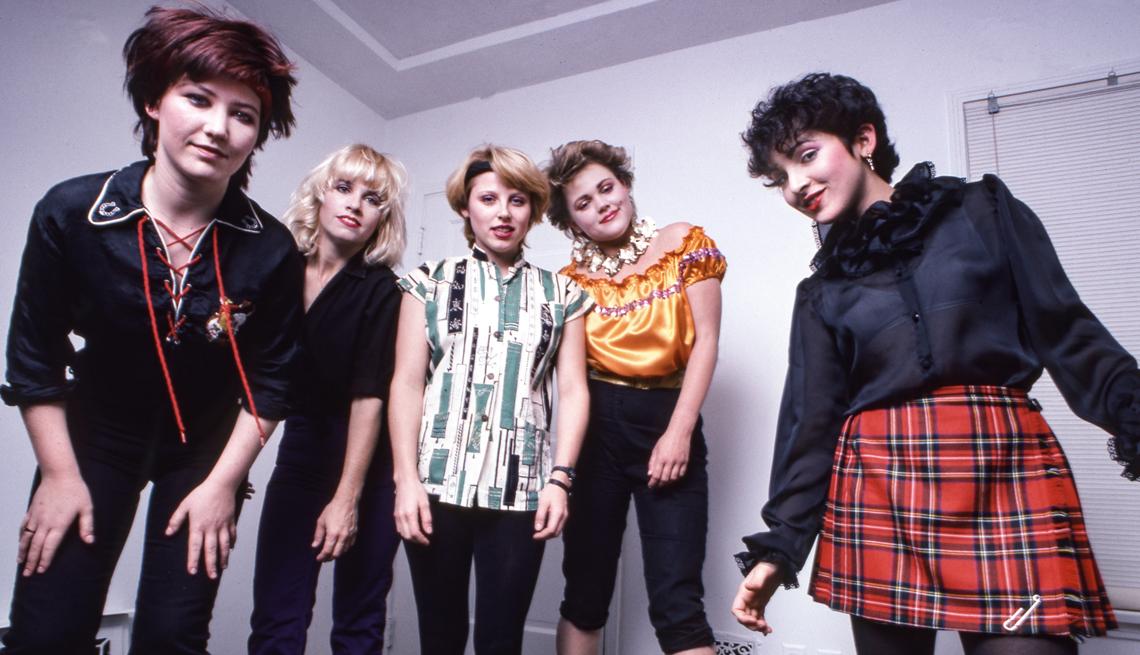
Charlotte Caffey is born, of the first all-female band to top the chart with their own songs
On October 21, 1953, Charlotte Caffey was born in Santa Monica, guitarist and principal writer of The Go-Go's. In 1981 "Beauty and the Beat" reached number one on the American album chart and stayed six weeks: the first record by an entirely female band who wrote their own songs and played their own instruments to manage it. "We Got the Beat", the anthem that defined them, is hers.
Charlotte Caffey
The Go-Go's
Listen
Via YouTube
1955
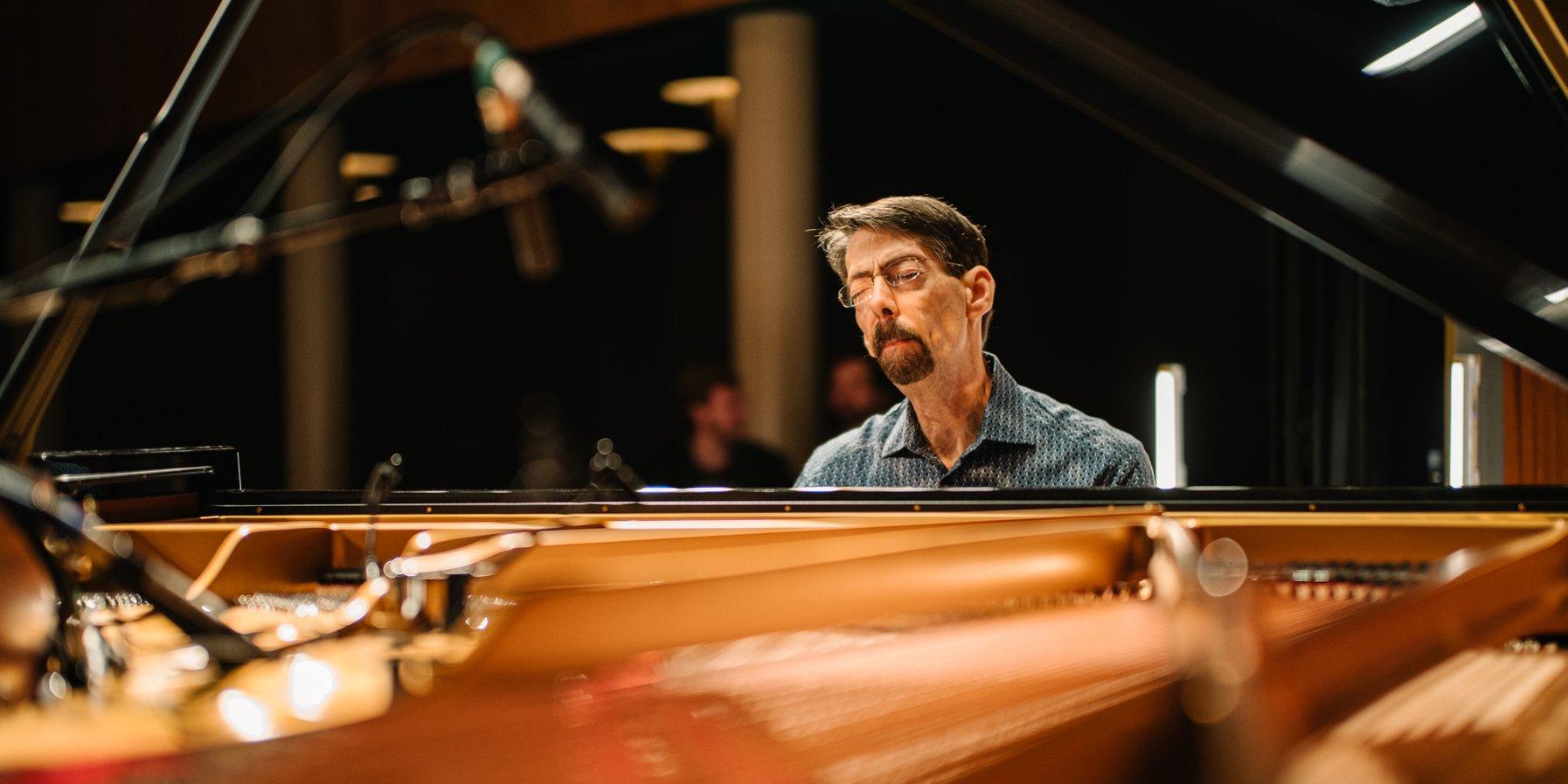
Fred Hersch is born, who came out of a two-month coma and had to learn to play again
On October 21, 1955, Fred Hersch was born in Cincinnati — a pianist and the first front-rank jazz musician to speak openly about being gay and living with HIV, in the early nineties, when that meant losing work. In 2008 pneumonia left him in a coma for two months; he woke up unable to move his hands. He learned to play again and went on to record some of the best albums of his career.
Fred Hersch
Listen
Via YouTube
1956
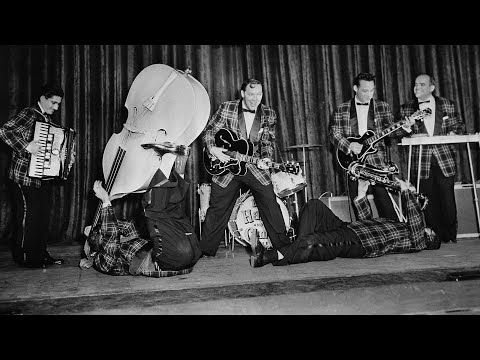
Bill Haley sneaks rock and roll to the top of the British album chart
The album chart dated 21 October 1956 produced an odd week: amid the endless reign of The King and I soundtrack, Bill Haley and His Comets slipped in with Rock 'n Roll Stage Show. It lasted seven days on top and fell away again, but it planted an idea: this teenage music could shift long players too, not just singles.
Bill Haley & His Comets
Listen
Via YouTube
1962
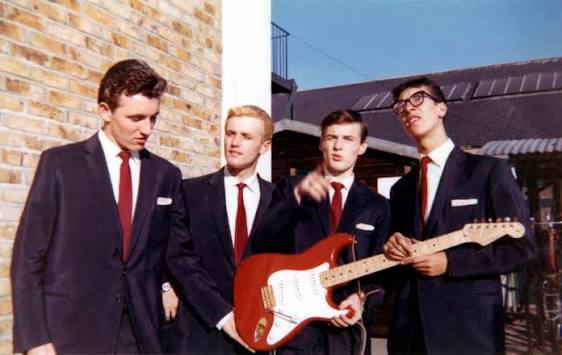
The Shadows top the British chart without singing a word
Out of the Shadows led the UK album chart dated 21 October 1962 and stayed three weeks. An instrumental group, with Hank Marvin and his red Stratocaster up front, outselling every singer in the country. Half a generation of British guitarists learned to play by copying those tunes, right before the Beatles arrived and rewrote the rules.
The Shadows
Listen
Via YouTube
1965
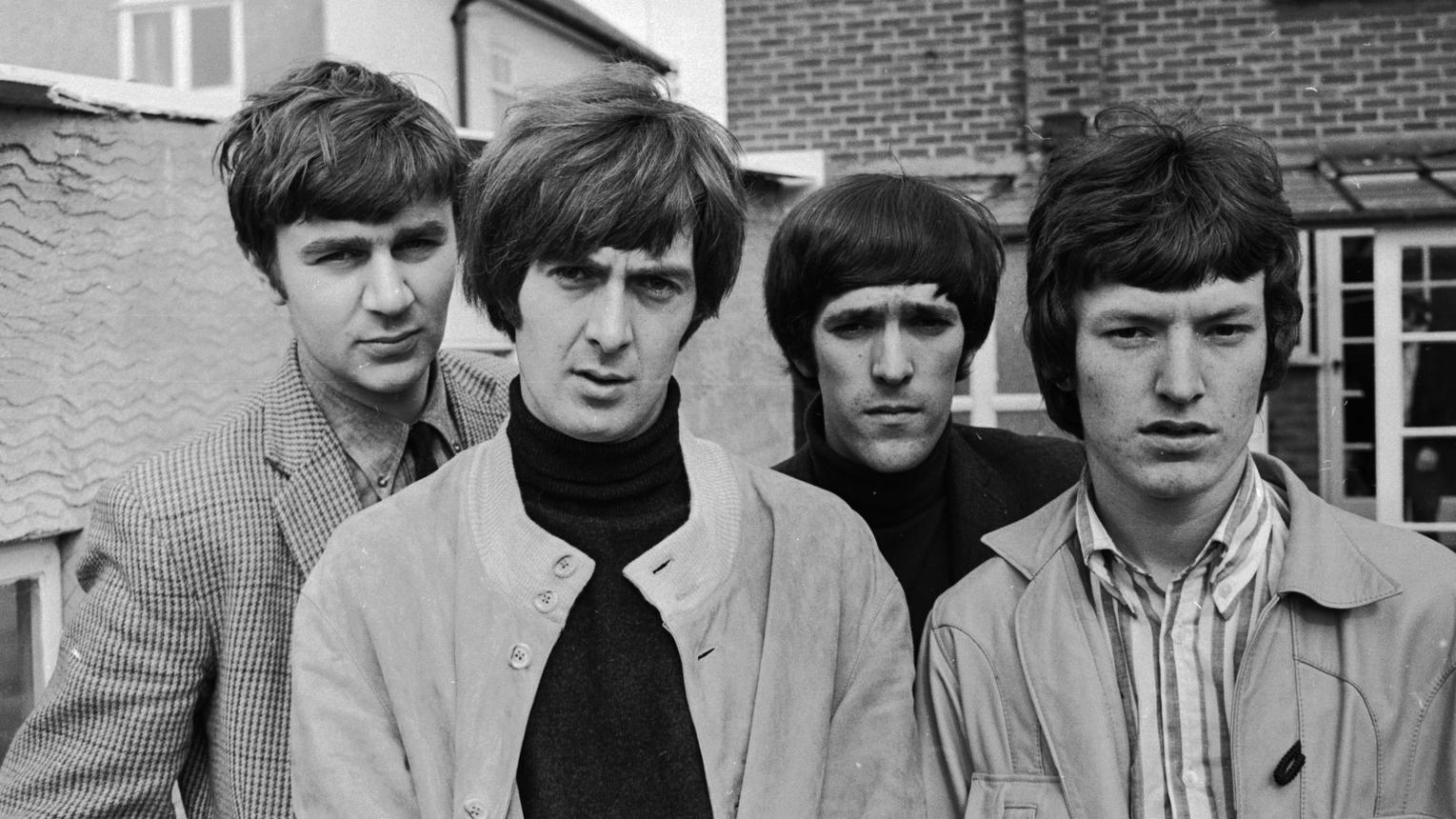
The Spencer Davis Group cut Keep on Running and rescue Island Records along the way
The song belonged to Jackie Edwards, a Jamaican songwriter; the band recorded it on 21 October 1965 and released it in November. By January it was a UK number one. The real consequence came later: Chris Blackwell had put Island Records up as collateral on a loan, and the single's success let him repay it fast. Without that record, perhaps no label.
The Spencer Davis Group
Jackie Edwards
Listen
Via YouTube
1966
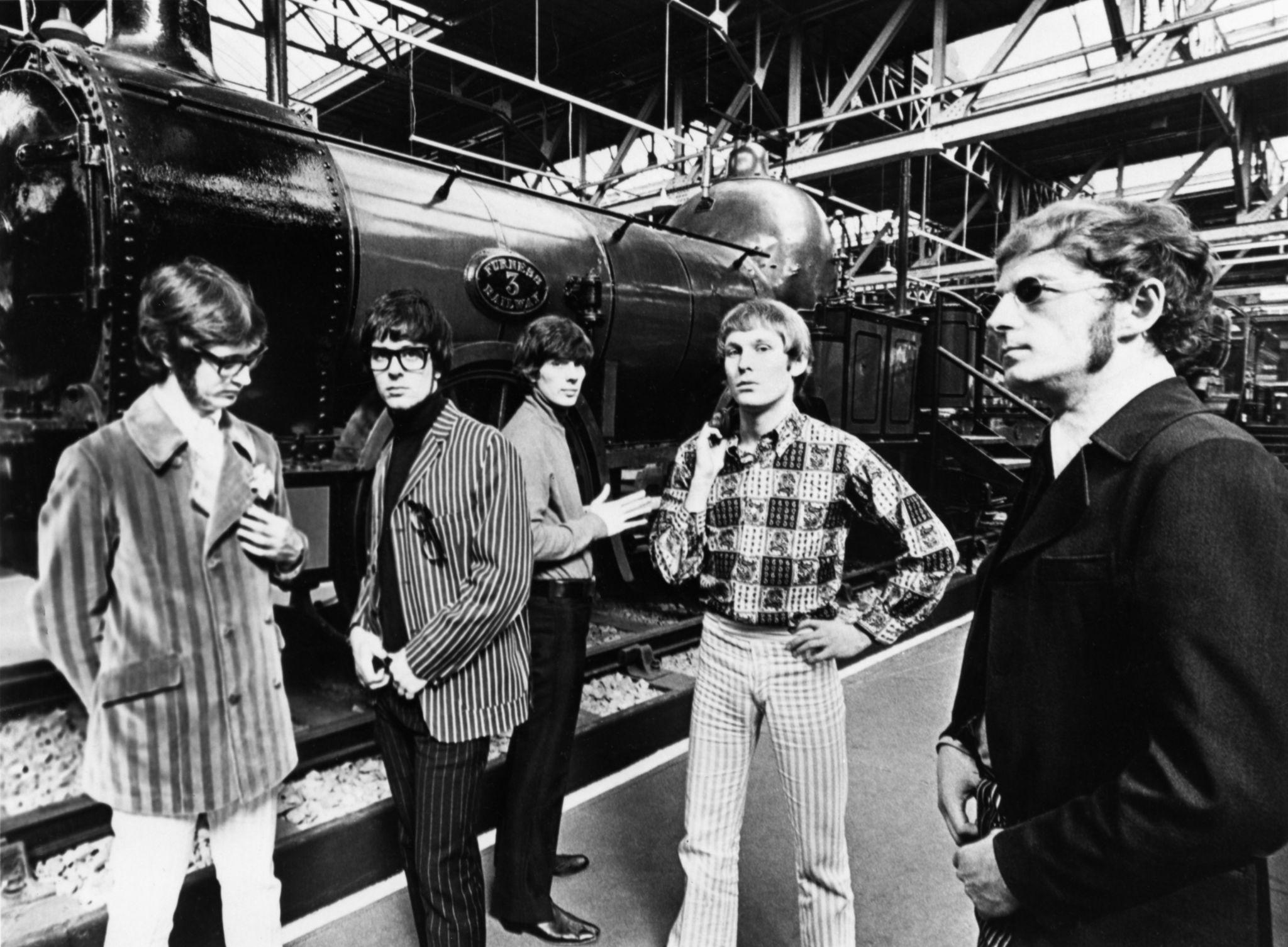
Manfred Mann release As Is, the record that breaks in a new singer and bassist
Paul Jones had left for a solo career, and the band reappeared with Mike d'Abo on the microphone and Klaus Voormann on bass, the same man who drew the Revolver sleeve. As Is came out on 21 October 1966 on Fontana, produced by Shel Talmy, and proved that changing voices need not mean losing the band along the way.
Manfred Mann
Mike d'Abo
Klaus Voormann
Listen
Via YouTube
1971
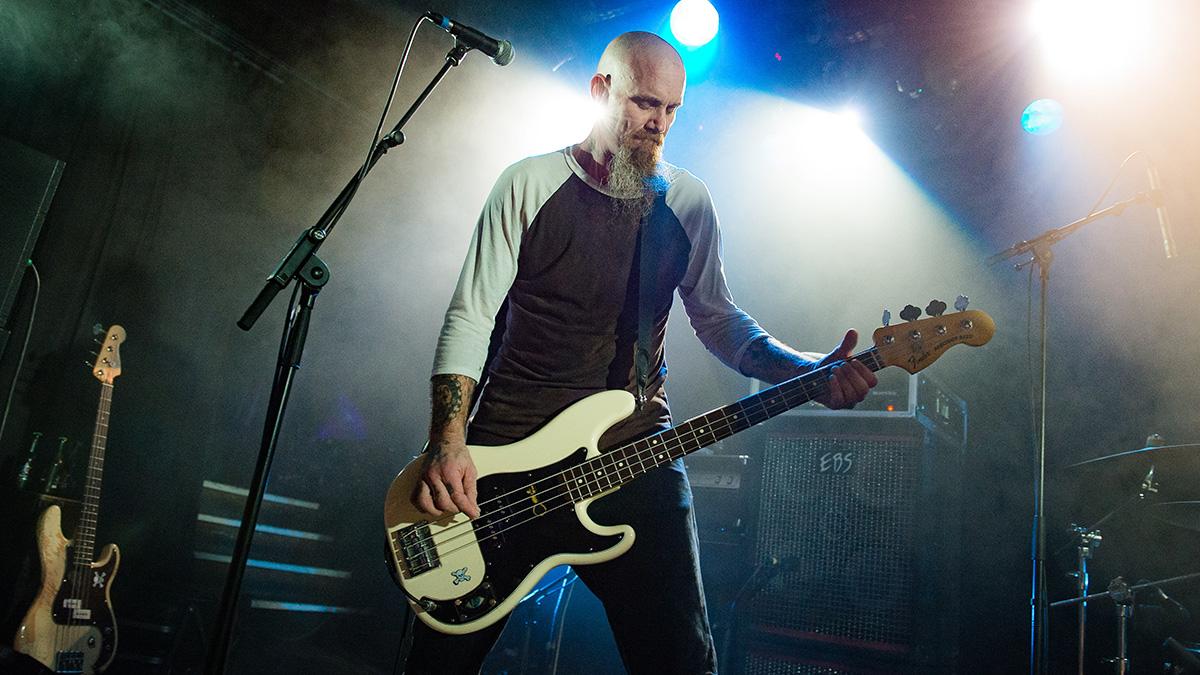
Nick Oliveri is born, the bass that howled in Kyuss and Queens of the Stone Age
He was born in Los Angeles and raised from age eleven in Palm Springs, the desert where Kyuss invented stoner rock. He played bass for them, then became Josh Homme's feral counterweight in Queens of the Stone Age — the screams on Songs for the Deaf are his — and founded Mondo Generator. In 2004 he was fired after an Australian tour. He never stopped playing.
Nick Oliveri
Kyuss
Queens of the Stone Age
Listen
Via YouTube
1975
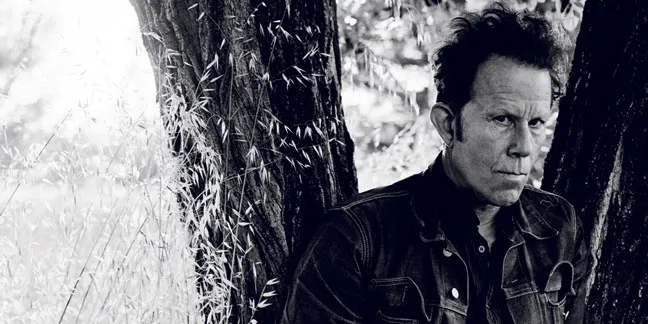
Tom Waits builds a fake nightclub inside a recording studio
For his third album, Waits and producer Bones Howe filled the Los Angeles Record Plant with tables, chairs, a bar and an invited audience. They recorded two July nights as though it were any old jazz dive. Nighthawks at the Diner arrived on 21 October 1975: monologues, borrowed smoke and a late-night narrator who was already more character than singer.
Tom Waits
Listen
Via YouTube
1978
Neil Young buys 200,000 copies of his own album so nobody has to hear them
Comes a Time came out on 21 October 1978, but first Young discovered the master had lost its high frequencies and that 200,000 flawed records were already pressed. The label suggested mixing them in with the good run; he bought the lot out of his own pocket instead. Years later he said he used them as shingles on a barn roof at his ranch.
Neil Young
Listen
Via YouTube
1985
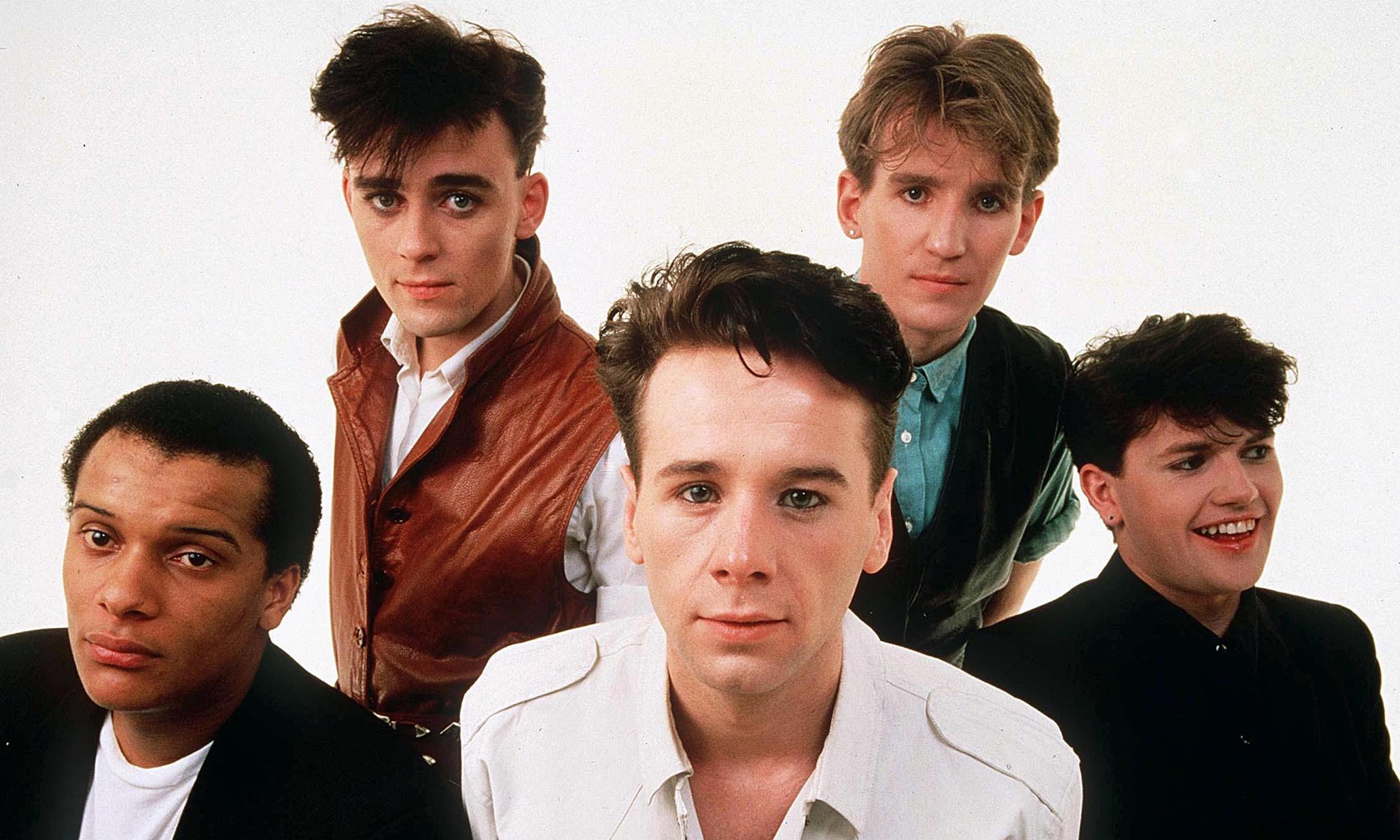
Simple Minds release Once Upon a Time and move into the stadiums for good
With Jimmy Iovine and Bob Clearmountain producing, the Scottish band's seventh album traded European textures for arena-rock guitars. It arrived on 21 October 1985, hit number one in Britain and number ten in the United States, and yielded Alive and Kicking and Sanctify Yourself. They gained an enormous audience and lost a good deal of the mystery.
Simple Minds
Jimmy Iovine
Listen
Via YouTube
1991
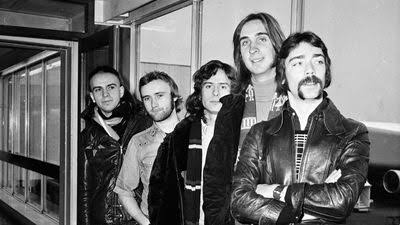
Genesis unveil No Son of Mine, the song of a father who will not forgive
Released on 21 October 1991 as the lead single from We Can't Dance, it tells of a boy who runs from a violent home and, when he decides to return, finds the door shut. Phil Collins deliberately left it unclear who was being abused. It reached number six in Britain and twelve in the United States, over a warped, frozen guitar riff.
Genesis
Phil Collins
Listen
Via YouTube
2000
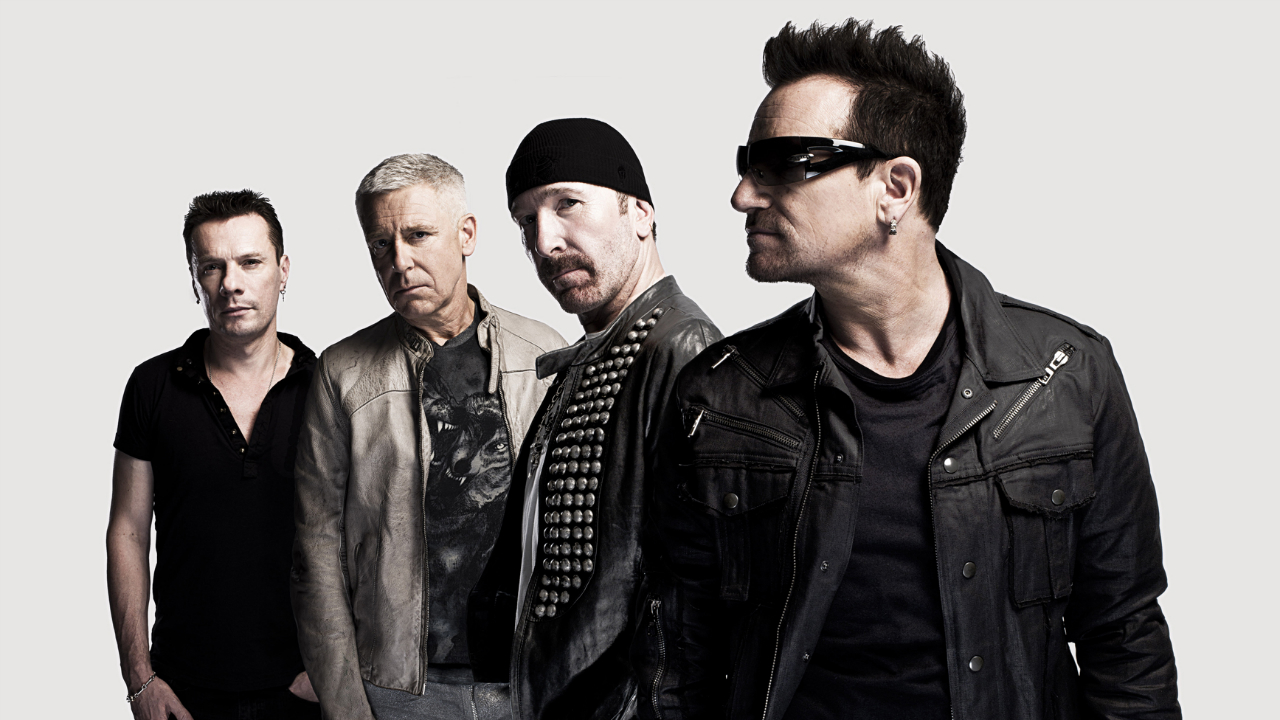
U2 take back the British number one with Beautiful Day
The chart for the week ending 21 October 2000 put Beautiful Day on top, the single that opened All That You Can't Leave Behind. After a decade of irony, giant screens and invented characters, U2 were writing songs without an alibi again. It won three Grammys, including record and song of the year. The manoeuvre worked perfectly.
U2
Listen
Via YouTube
2003
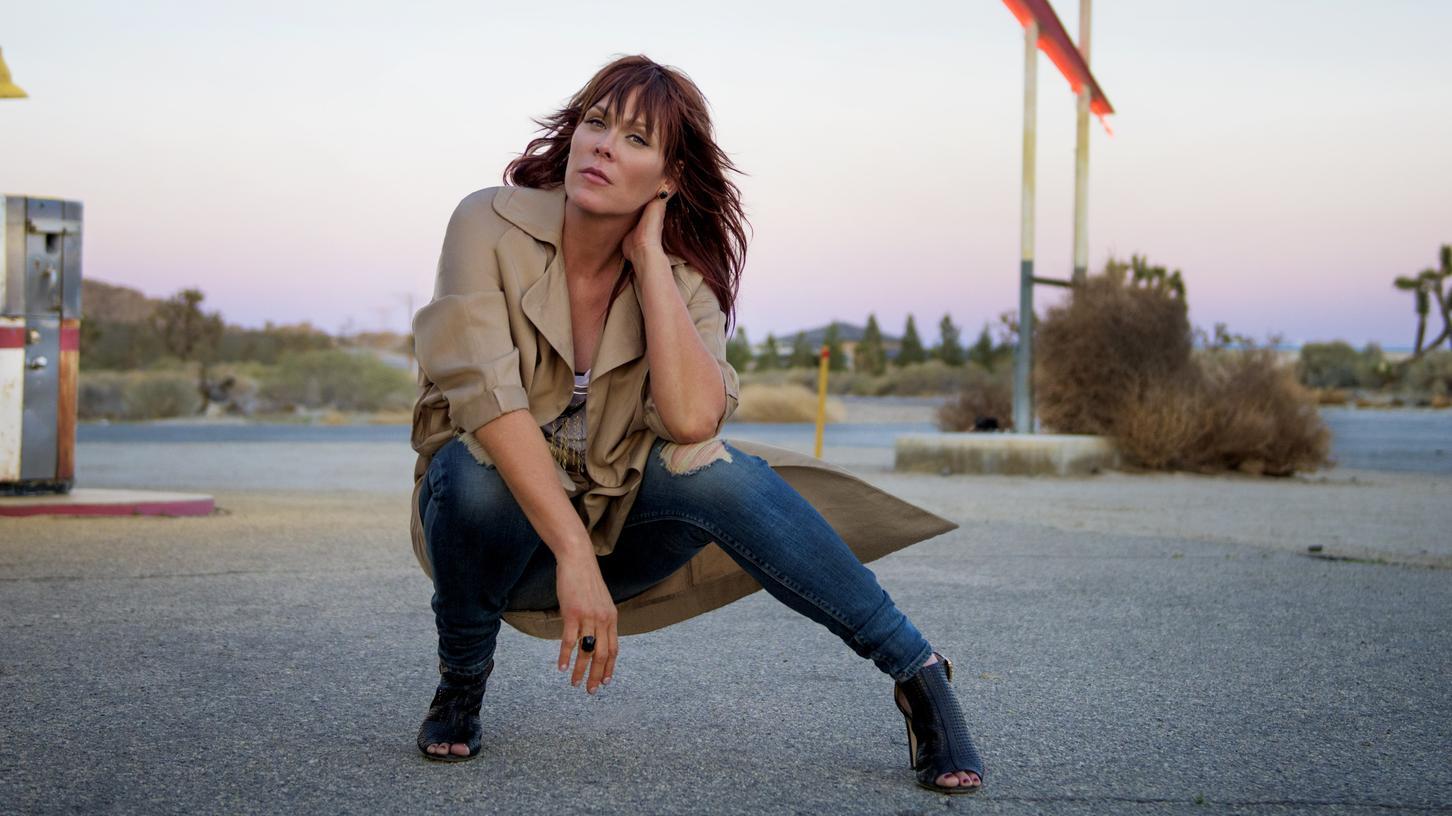
Beth Hart releases Leave the Light On far from the country ignoring her
Her third album came out on 21 October 2003, months after appearing first in New Zealand, one of the few places genuinely listening to her at the time. Leave the Light On is piano, a torn throat and songs that ask nobody's permission. From here her career would rest outside the United States, where she never quite fit.
Beth Hart
Listen
Via YouTube
2007
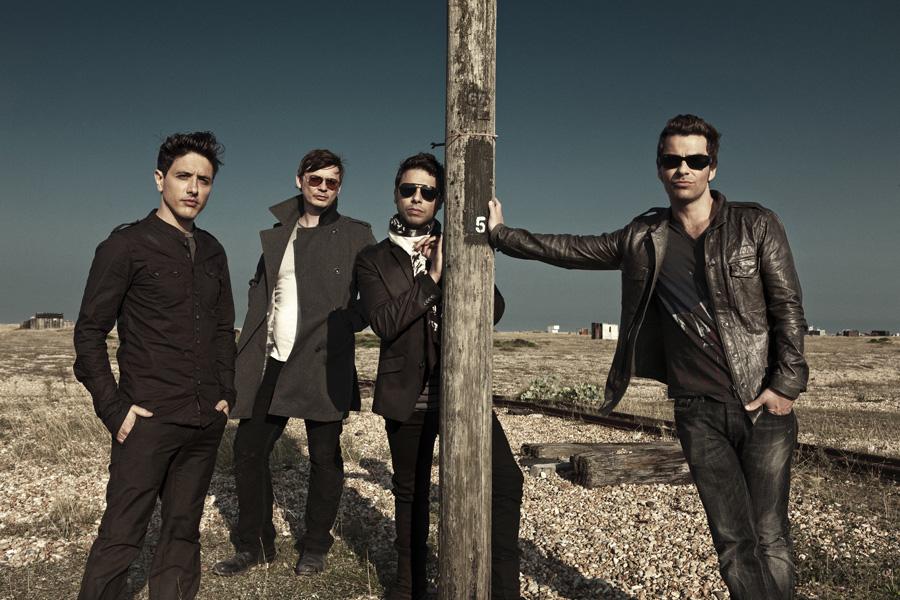
Stereophonics rack up their fifth consecutive British number one
Pull the Pin topped the UK album chart dated 21 October 2007. It was the Welsh band's fifth studio album in a row to manage it, something almost no guitar band was pulling off in 2007 while the conversation revolved around downloads. One week on top was enough to prove their audience was still buying records.
Stereophonics
Listen
Via YouTube
2011
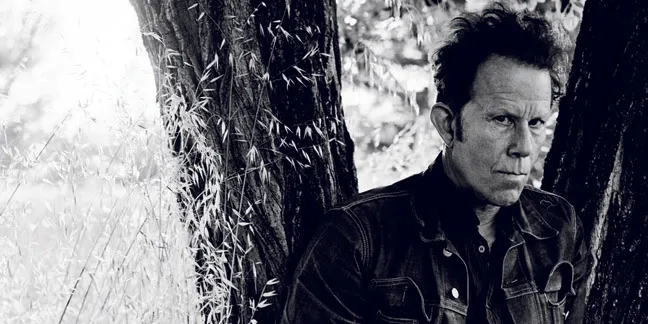
Tom Waits breaks seven years of silence and calls Keith Richards
Seven years after Real Gone, Waits released Bad as Me digitally on 21 October 2011; vinyl and CD followed days later. He produced it with Kathleen Brennan and gathered Keith Richards, Marc Ribot, Flea, David Hidalgo and Charlie Musselwhite. Short, dry songs with not one note of filler: old age suited him sharp.
Tom Waits
Keith Richards
Listen
Via YouTube
2014
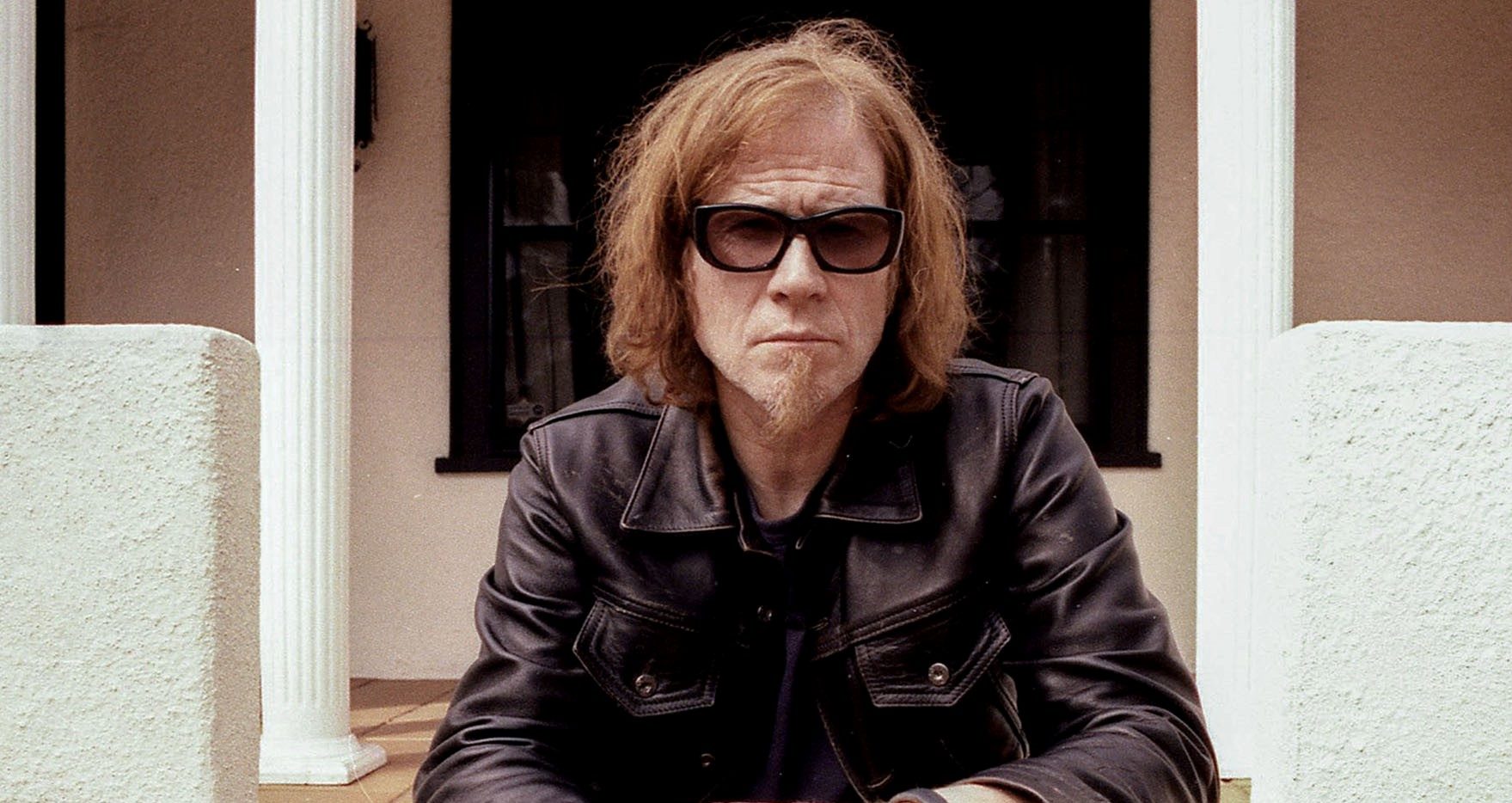
Mark Lanegan programs the drums of Phantom Radio on his phone
Released on 21 October 2014, Phantom Radio is the album where Lanegan wrote several drum parts using FunkBox, a phone app that imitates old drum machines. The result does not sound like a toy: cold machines underneath the most cracked voice in nineties rock. By then, nobody expected him to reinvent himself this way.
Mark Lanegan
Listen
Via YouTube
2014
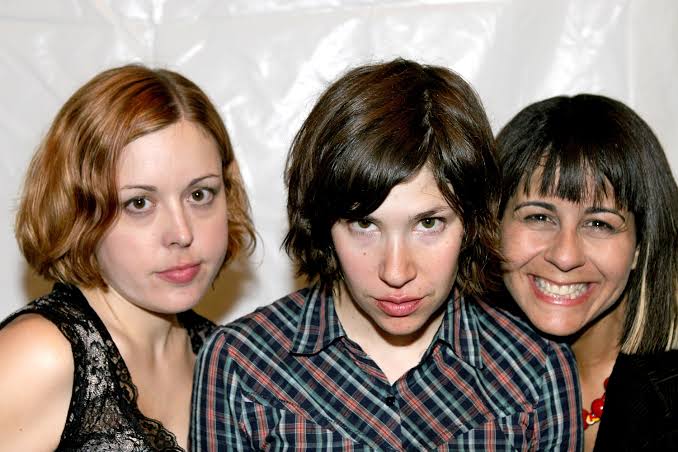
Sleater-Kinney reissue their entire catalogue and hide a new song inside
Start Together arrived on 21 October 2014: seven remastered albums, three thousand numbered boxes on coloured vinyl and a 44-page book. The surprise came on a seven-inch single carrying Bury Our Friends, an unreleased track. It was the coded announcement that the band was returning after nine years. No Cities to Love followed in 2015.
Sleater-Kinney
Listen
Via YouTube
One ephemeris a day, one editorial a week. Zero spam, pure archive.