
Chapter 01 — Today in music
On a day like today October 23
1959
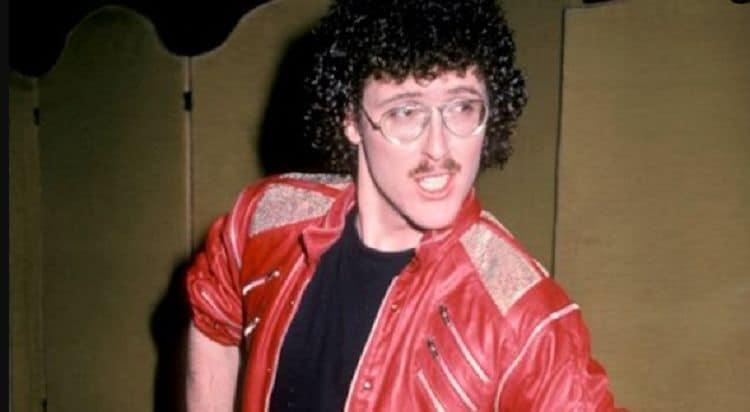
“Weird Al” Yankovic is born, the jester every pop star respects
Alfred Yankovic is born in Downey, California: the accordion man who turned musical parody into a four-decade career. From “Eat It” to “Amish Paradise”, his versions are so meticulous that being parodied by him became a sign you had made it. No one has portrayed the entire history of modern pop better while laughing.
"Weird Al" Yankovic
Listen
Via YouTube
1940
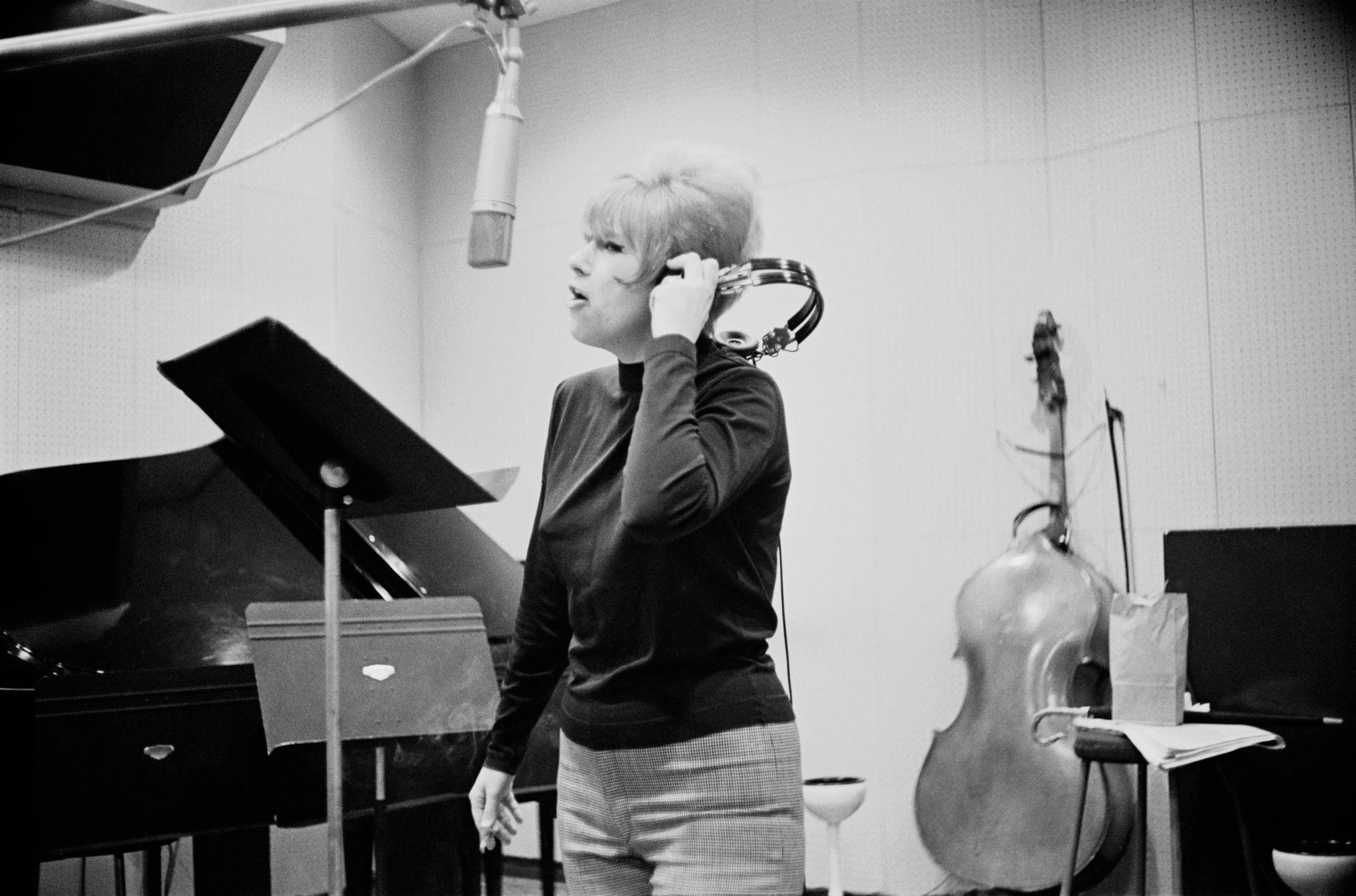
Ellie Greenwich is born, who wrote half a dozen anthems from a Brill Building office
On October 23, 1940, Ellie Greenwich was born in Brooklyn. With Jeff Barry she wrote, within a few years, "Be My Baby", "Da Doo Ron Ron", "Chapel of Love", "Leader of the Pack" and "River Deep – Mountain High". They worked to order, in cubicles with a piano, turning out songs the way a factory turns out parts. She also discovered a sheet music salesman named Neil Diamond and produced his first records.
Ellie Greenwich
Phil Spector
Neil Diamond
Listen
Via YouTube
1950
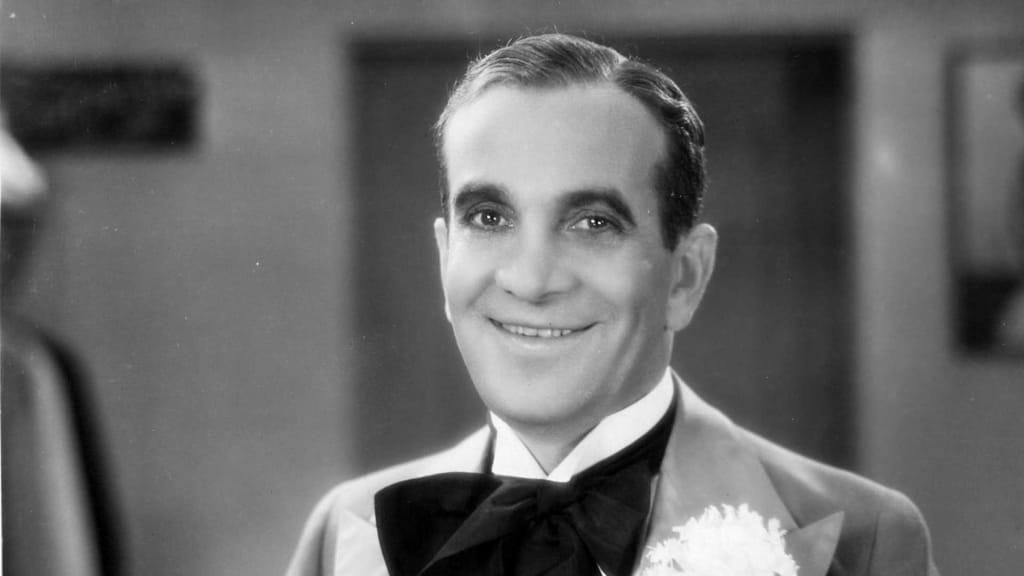
Al Jolson dies, the first voice of talking pictures
Al Jolson dies in San Francisco at 64, weeks after singing for the troops in Korea. He was America's biggest star of the twenties and the face of “The Jazz Singer”, the film that inaugurated sound cinema in 1927. His legacy is uncomfortable for its use of blackface, but his role in show business history is inescapable.
Al Jolson
Listen
Via YouTube
1951
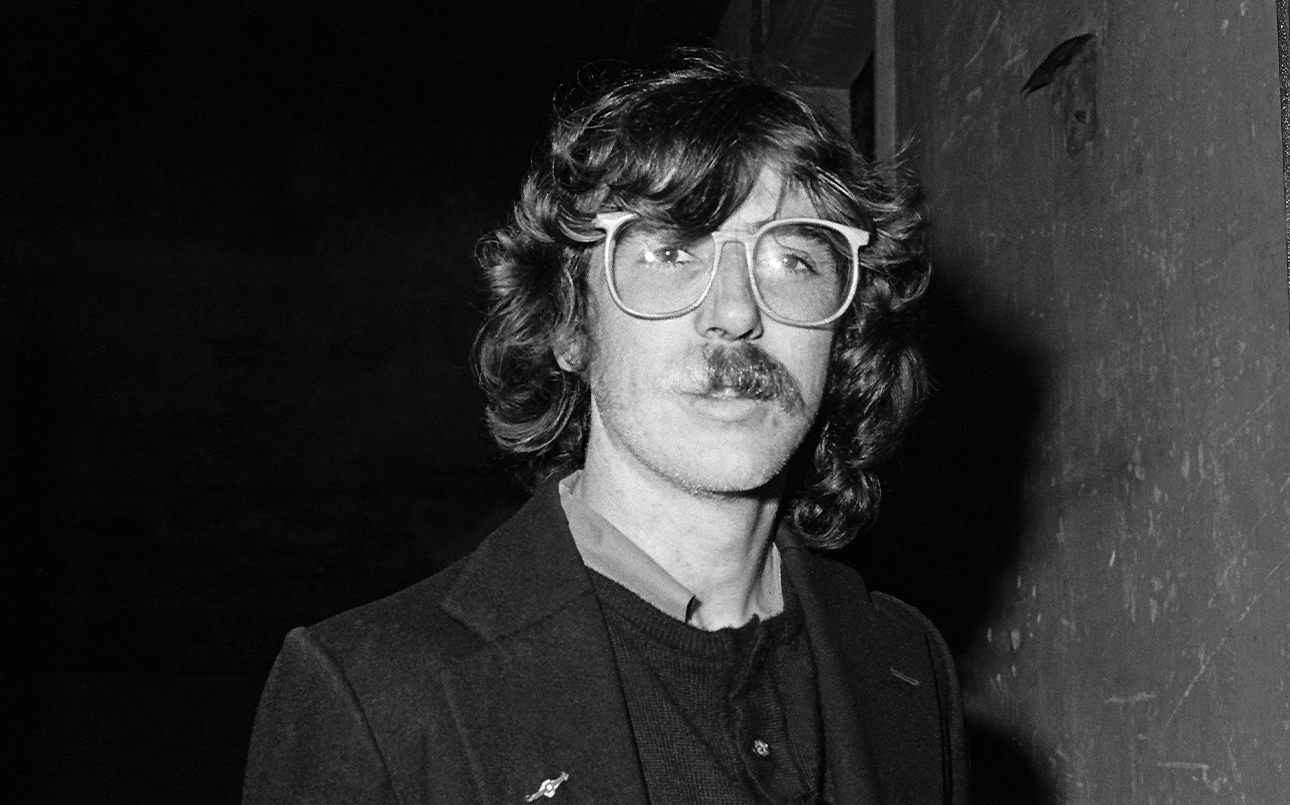
Charly García is born, who wrote about the Argentine dictatorship without naming it
On October 23, 1951, Carlos Alberto García was born in Buenos Aires. At seven he already had perfect pitch and was studying at the conservatory. With Sui Generis and later Serú Girán he wrote the songs that accompanied several Argentine generations. "Los dinosaurios", from 1983, speaks about the disappeared through a metaphor the censors did not know how to ban and that the whole country understood immediately.
Charly García
Sui Generis
Serú Girán
Listen
Via YouTube
1951
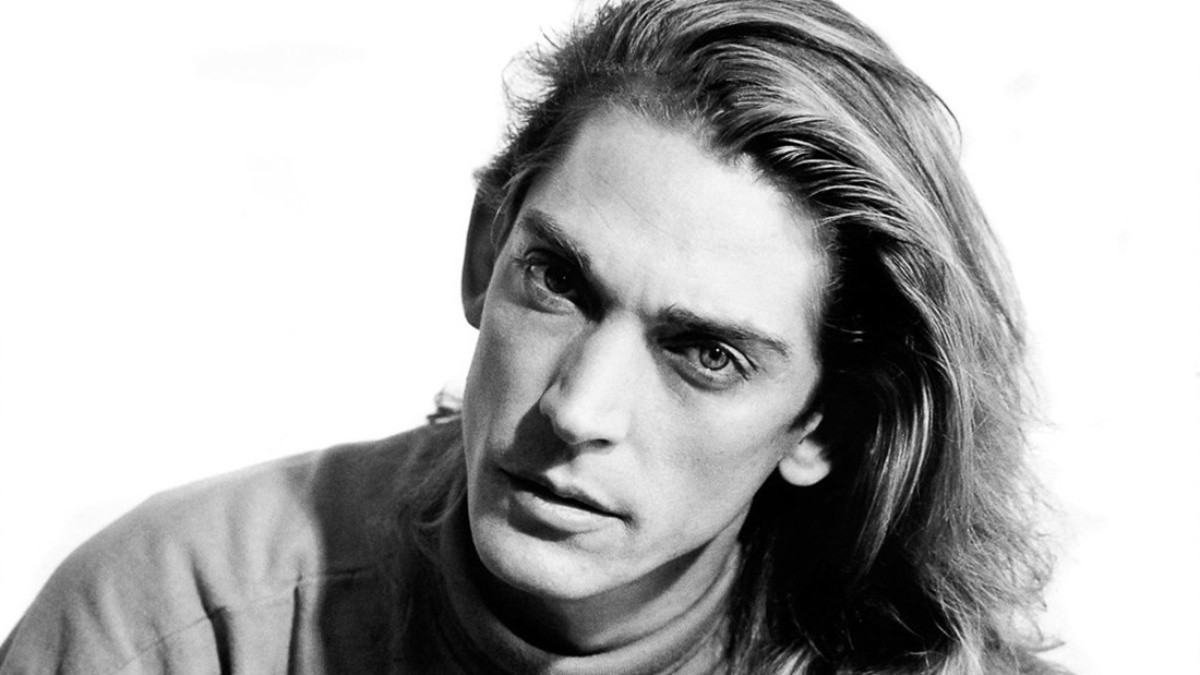
Federico Moura is born, the clothes designer Argentine rock accused of being frivolous
Federico Moura was born on 23 October 1951 in Berisso, the fourth of six children of a lawyer and a piano-teaching mother. Before he sang he designed avant-garde clothing in La Plata with his brother Jorge, abducted and disappeared in 1977. With Virus he chose dancing and irony when Argentine rock demanded solemnity: at the 1981 Prima Rock festival the crowd threw oranges and he juggled them.
Federico Moura
Virus
Listen
Via YouTube
1961
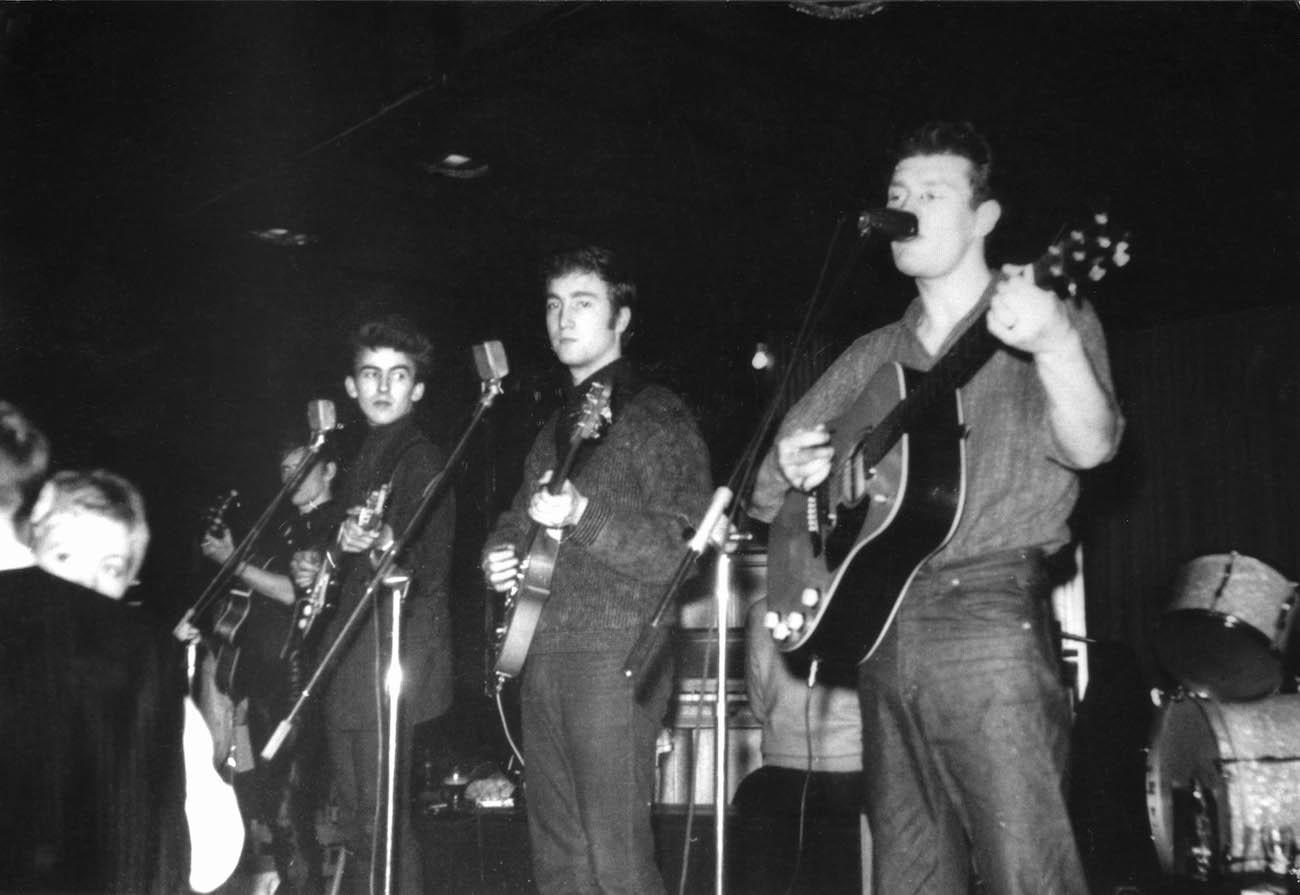
“My Bonnie” is released, the single that led Brian Epstein to the Beatles
Polydor issues in Germany a rock and roll record fronted by English singer Tony Sheridan, backed by a Liverpool band credited as the Beat Brothers because the contract allowed a made-up name. It had been cut in Hamburg back in June. Weeks later a customer walked into Brian Epstein's record shop asking for it, and the shopkeeper decided to find out who was playing behind Sheridan.
Tony Sheridan
The Beatles
Listen
Via YouTube
1966
The barely formed Experience records “Hey Joe” at De Lane Lea studios
Chas Chandler had quit the Animals' bass to manage an unknown guitarist from Seattle, and paid for the session out of his own pocket. He, Noel Redding and Mitch Mitchell had been together a matter of weeks. At De Lane Lea in London they cut a slow, fatalistic reading of someone else's song that became their first single and Hendrix's calling card in Europe.
The Jimi Hendrix Experience
Chas Chandler
Listen
Via YouTube
1989
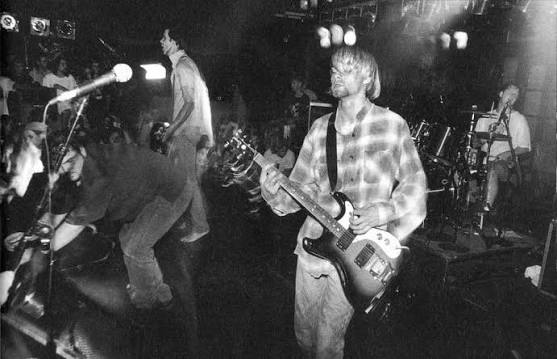
Nirvana play outside the United States for the first time, to a half-empty club
Newcastle's Riverside opens the European tour Sub Pop put together with Tad: two bands swapping the headline slot, five weeks, one van. There were a hundred people out front at most. That night they played “About a Girl” and “Polly” before anyone knew what those songs would come to mean. “Nevermind” was still two years away.
Nirvana
Tad
Listen
Via YouTube
1991
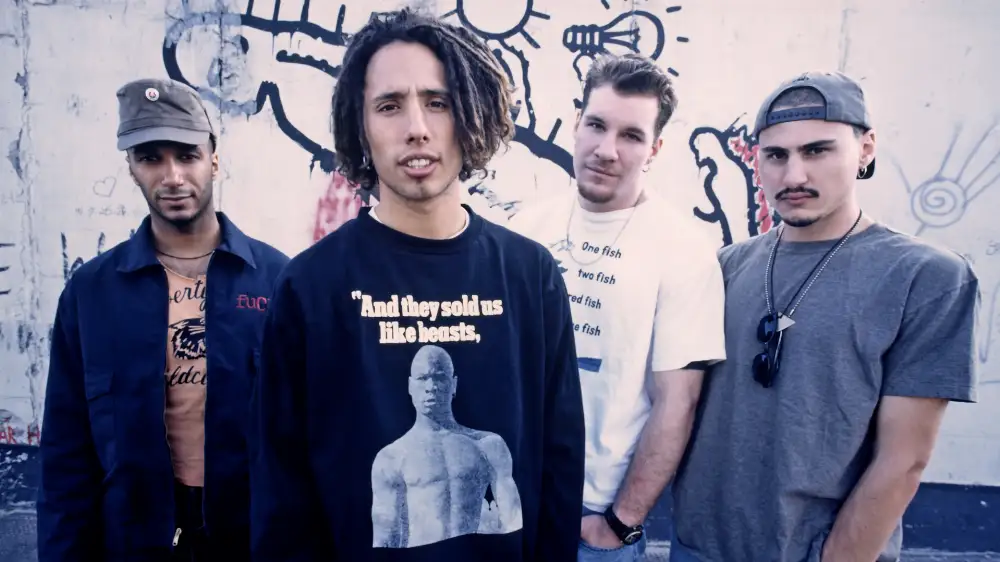
Rage Against the Machine debut on a California university quad
Zack de la Rocha, Tom Morello, Tim Commerford and Brad Wilk climb onto an outdoor stage at Cal State Northridge and open with an instrumental take on “Killing in the Name”. Someone filmed it and the tape survived. A year before their first album, the mix of rap, riff and pamphlet was already whole: they didn't refine it, they just let it go.
Rage Against the Machine
Listen
Via YouTube
1999
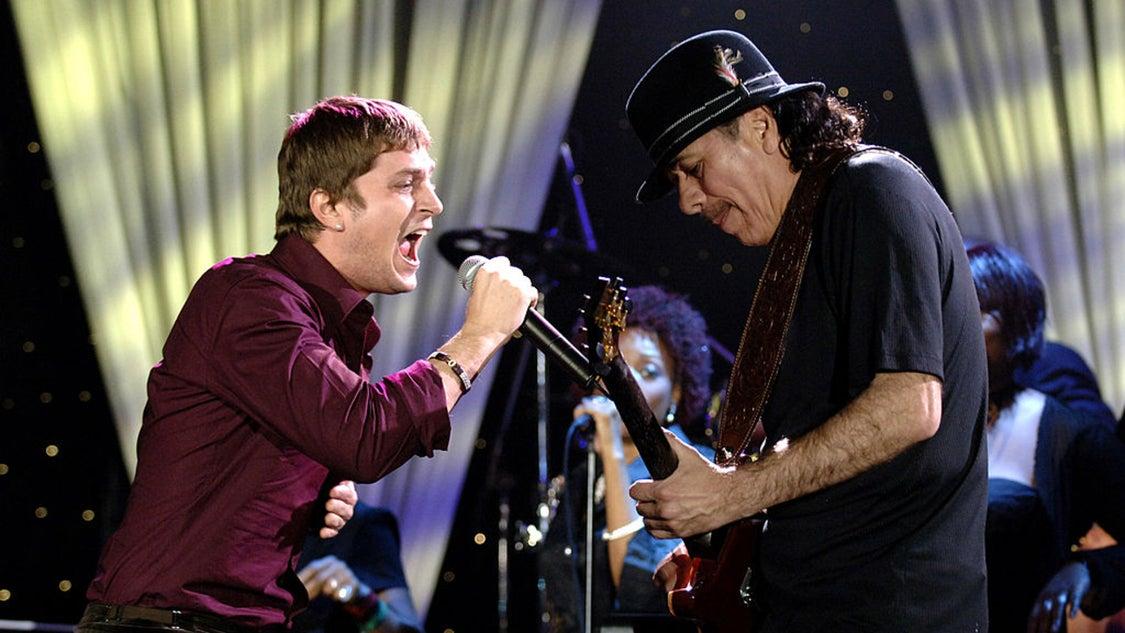
“Smooth” hits number one and Santana takes over a decade that wasn't his
Carlos Santana was fifty-two and had been off the charts for two decades when Clive Davis built him an album of duets. With Rob Thomas singing over that guitar, “Smooth” tops the Hot 100 for twelve weeks: the last number one of the nineties and the first of the 2000s, dragging “Supernatural” to absurd sales figures.
Santana
Rob Thomas
Listen
Via YouTube
2007
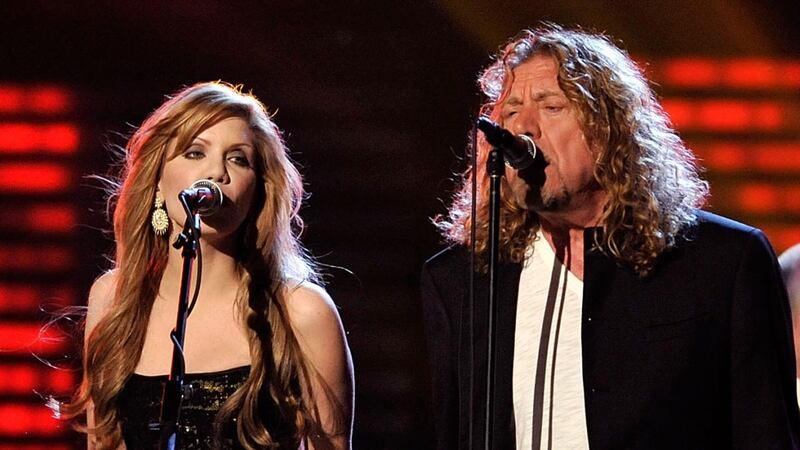
Plant and Alison Krauss release “Raising Sand” and nobody sees the Grammy coming
The Led Zeppelin howl and the crystal voice of bluegrass, together under T Bone Burnett's production, singing other people's songs almost in whispers. On paper it read like a whim; on record it turned out to be the most delicate work of Plant's career. A year and a half later it took Album of the Year ahead of Coldplay and Radiohead.
Robert Plant
Alison Krauss
T Bone Burnett
Listen
Via YouTube
2020
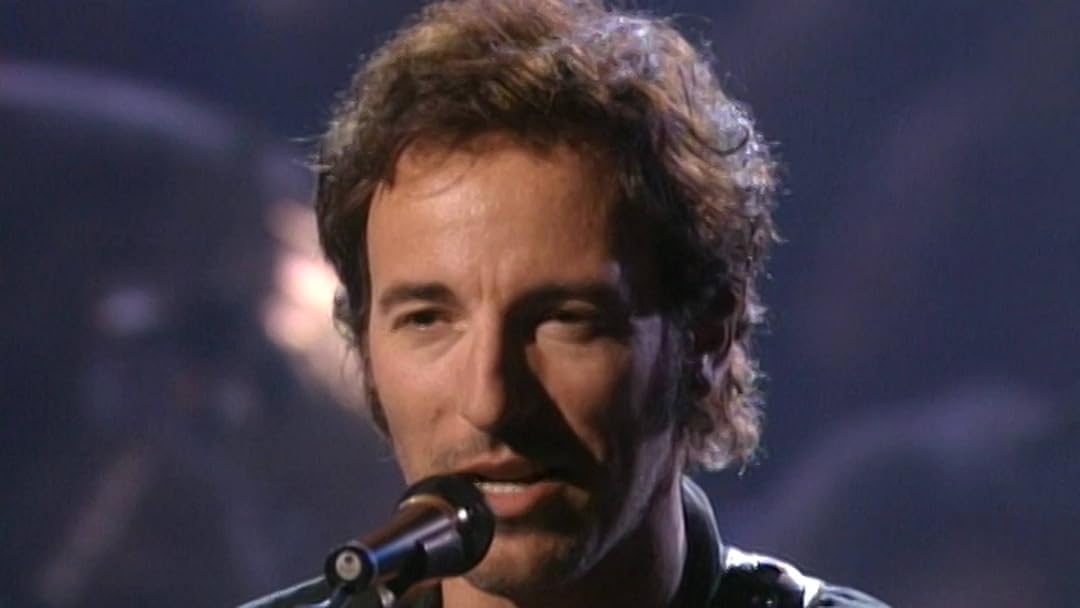
Springsteen releases “Letter to You”, cut in four days with the whole band in one room
They tracked it at his home studio in New Jersey, all nine playing and singing at once, with only a few solos and handclaps added later. Springsteen had just buried the last of his bandmates from the Castiles and wrote a record about the dead you carry. It arrived mid-lockdown, when hearing a whole band in one room meant something.
Bruce Springsteen
E Street Band
Listen
Via YouTube
1961
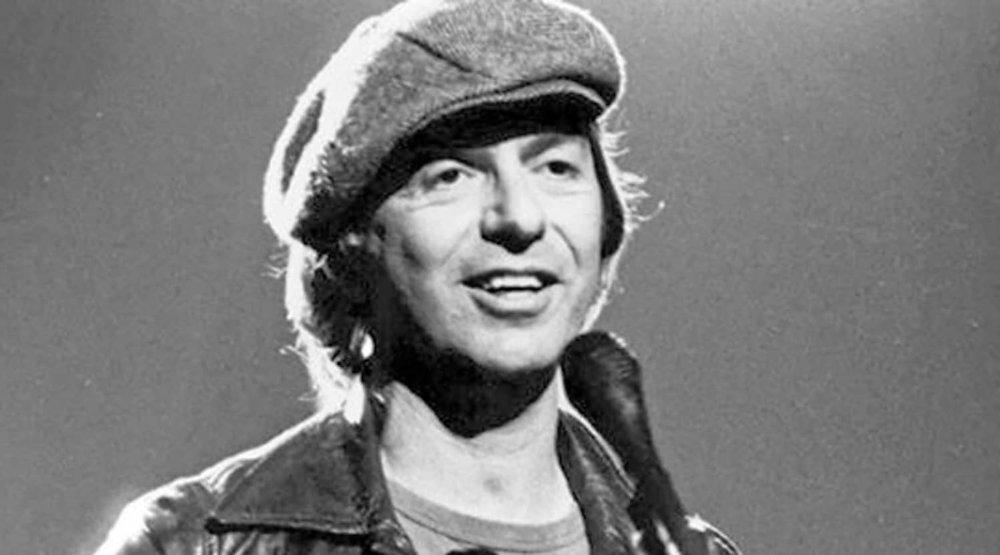
“Runaround Sue” hits number one and street-corner doo-wop takes its final bow
Dion DiMucci had left the Belmonts less than a year earlier and going solo looked reckless. “Runaround Sue”, with its chorus of nonsense syllables and its tale of teenage betrayal, tops the US Hot 100 and stays there for two weeks. It was the last great push of Bronx street-corner doo-wop before the British Invasion rewrote the rules of the game.
Dion
Listen
Via YouTube
1963
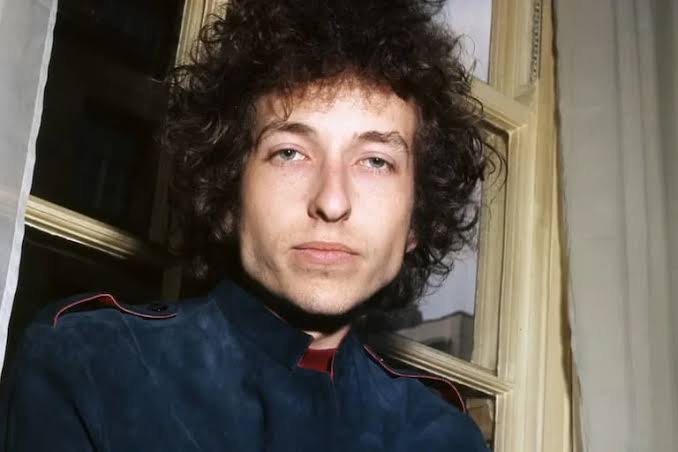
Dylan records “When the Ship Comes In”, his revenge on a hotel clerk
A desk clerk refused him a room because he looked unwashed, and Joan Baez had to vouch for him. Dylan went upstairs and turned the tantrum into a biblical prophecy about the day the arrogant are drowned. He cuts it in New York for “The Times They Are a-Changin’”, and a petty grudge ends up as an anthem of collective justice.
Bob Dylan
Joan Baez
Listen
Via YouTube
1964
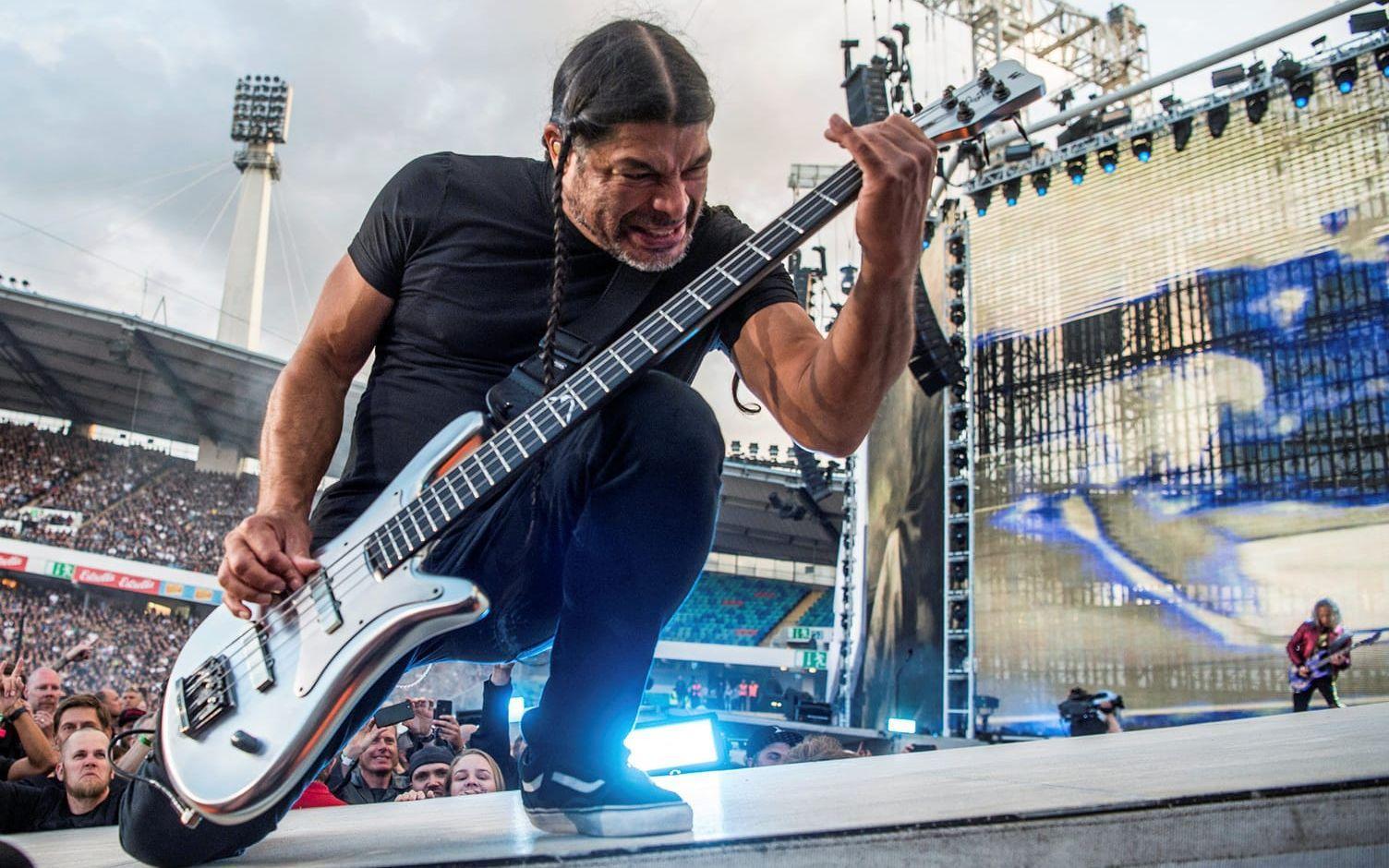
Robert Trujillo is born, whose arrival in Metallica was filmed in an uncomfortable documentary
On October 23, 1964, Robert Trujillo was born in Santa Monica, a Chicano bassist who came from Suicidal Tendencies and Ozzy Osbourne's band. In 2003 he was chosen for Metallica in the middle of the shooting of "Some Kind of Monster", the documentary showing the band arguing with a therapist present. The camera recorded the moment they announced his fee: a million dollars up front.
Robert Trujillo
Metallica
Suicidal Tendencies
Listen
Via YouTube
1967
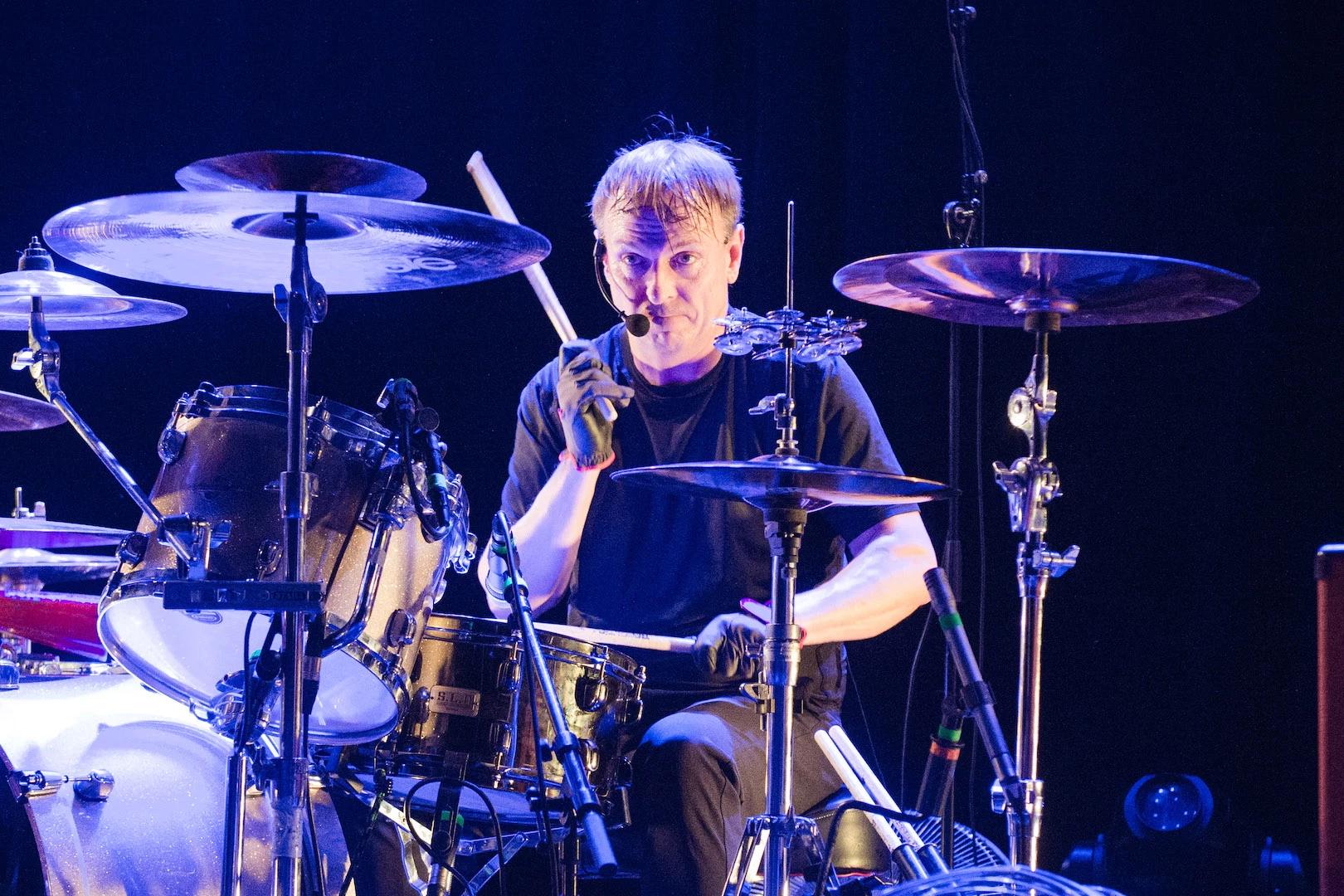
Dale Crover is born, the drummer who came within an inch of being Nirvana's
In Aberdeen, Washington, the man who has anchored the Melvins since 1984 is born. He drummed on Nirvana's first serious demo in January 1988, before Kurt Cobain found Dave Grohl. His way of hitting the kit — slow, huge, deliberately heavy — marked half the Washington scene and still drives the most stubborn band in the Pacific Northwest.
Dale Crover
Melvins
Nirvana
Listen
Via YouTube
1985

Miguel is born: the Californian who brought the electric guitar back to rhythm and blues
On October 23, 1985, Miguel Pimentel was born in Los Angeles, to a Mexican father and an African-American mother, raised between two neighbourhoods and two languages. He signed his first deal at nineteen and spent years trapped in a lawsuit that stopped him releasing anything. When he finally emerged, in 2012, "Adorn" crossed bedroom soul with distorted guitars, something almost nobody in the genre was doing.
Miguel
Listen
Via YouTube
1995
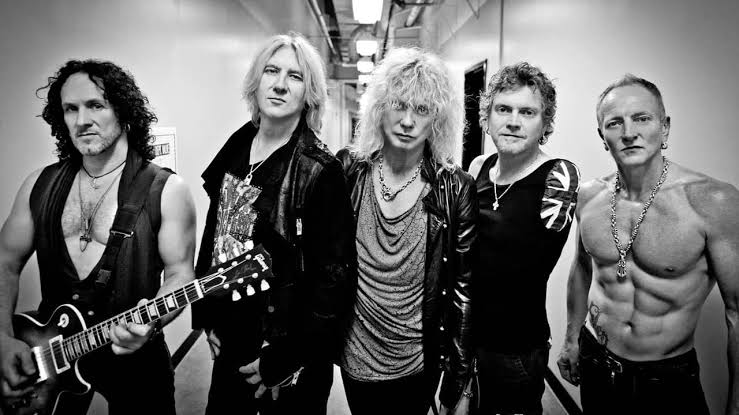
Def Leppard play three continents in one day and land in the Guinness book
Tangier in the morning, Sheffield in the afternoon, Vancouver at night: three shows chained together by aeroplane to promote their greatest-hits collection. Guinness certified it as a record. Added up, the three sets barely make one full concert, but the stunt is an accurate portrait of the stadium-rock machinery of the mid-nineties.
Def Leppard
Listen
Via YouTube
2000
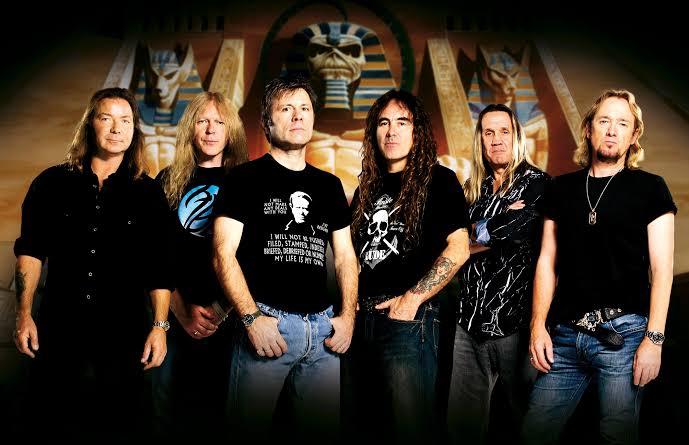
Iron Maiden release “Out of the Silent Planet”, with Dickinson back home
The second single from “Brave New World”, the album that brought Bruce Dickinson and Adrian Smith back after nearly a decade in the wilderness. The title comes from C. S. Lewis's novel, though the lyric owes more to fifties science-fiction cinema. After the lean years, Maiden were proving the reunion wasn't nostalgia but a new set of songs.
Iron Maiden
Bruce Dickinson
Listen
Via YouTube
2001
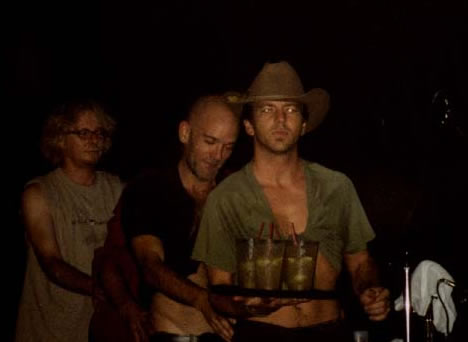
R.E.M. play a surprise show at Seattle's Crocodile with Eddie Vedder sitting in
It was billed as a benefit by the Minus 5, Peter Buck's side band, and turned into all of R.E.M. taking requests in front of about five hundred people. Eddie Vedder joined for several songs and they risked “Better Man”, which they had never rehearsed. A stadium band shrinking back, for one night, to exactly the size of a club.
R.E.M.
Eddie Vedder
The Minus 5
Listen
Via YouTube
2001
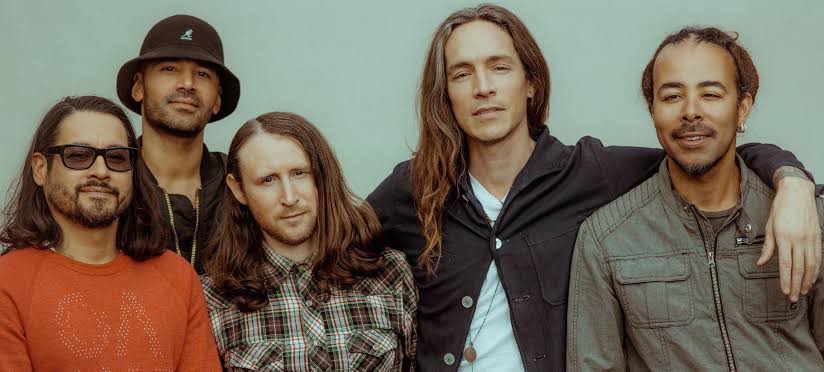
Incubus release “Morning View”, recorded in a Malibu house facing the Pacific
The band rented a house on Morning View Drive, moved the studio inside and cut their fourth album looking at the ocean. It shows: where “Make Yourself” clenched, this one stretches out and breathes. “Wish You Were Here” and “Nice to Know You” pulled them out of the nu metal tag they had arrived with and left them somewhere much harder to classify.
Incubus
Listen
Via YouTube
2007
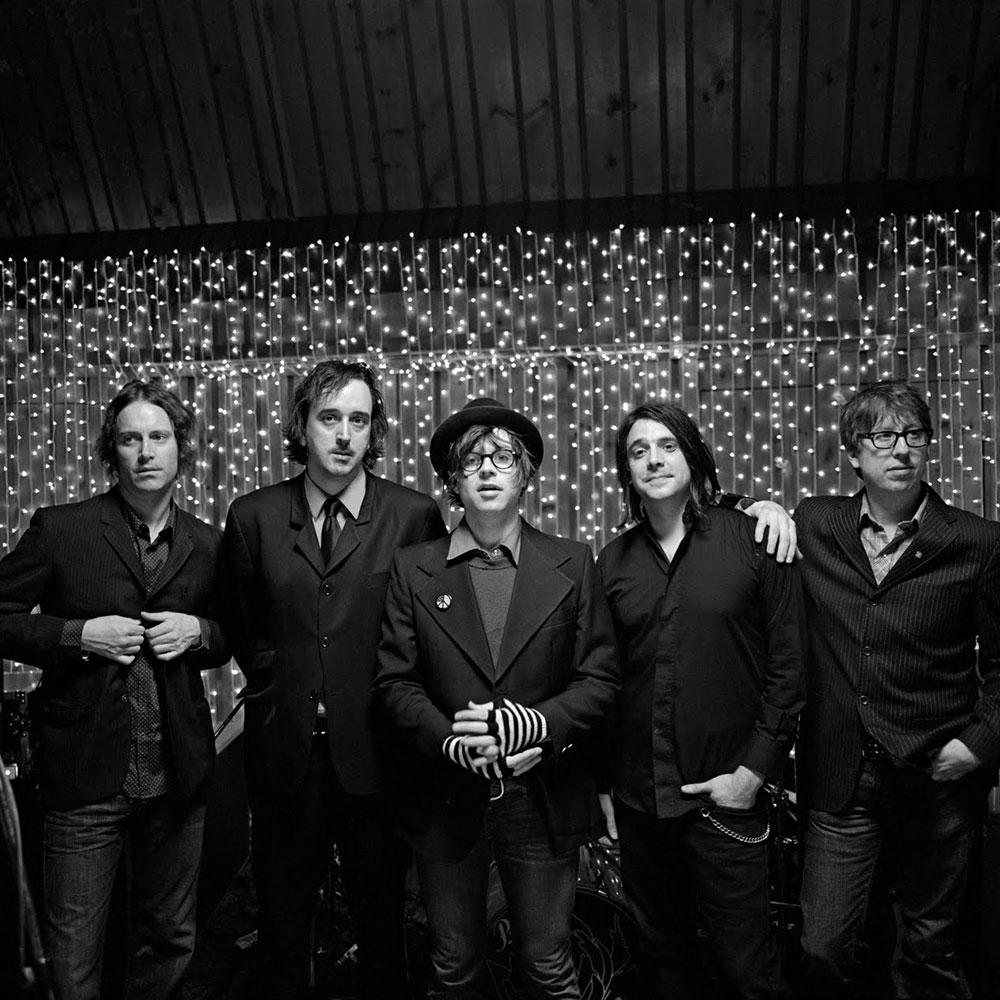
Ryan Adams closes his most prolific year with the EP “Follow the Lights”
Four months after “Easy Tiger”, Adams and the Cardinals put out seven tracks: three new songs and four live-in-the-studio rereadings of material he had already released. For a musician forever accused of releasing too much, the short format suited him. It's a small record, played by a band that finally sounded like a band.
Ryan Adams
The Cardinals
Listen
Via YouTube
2009
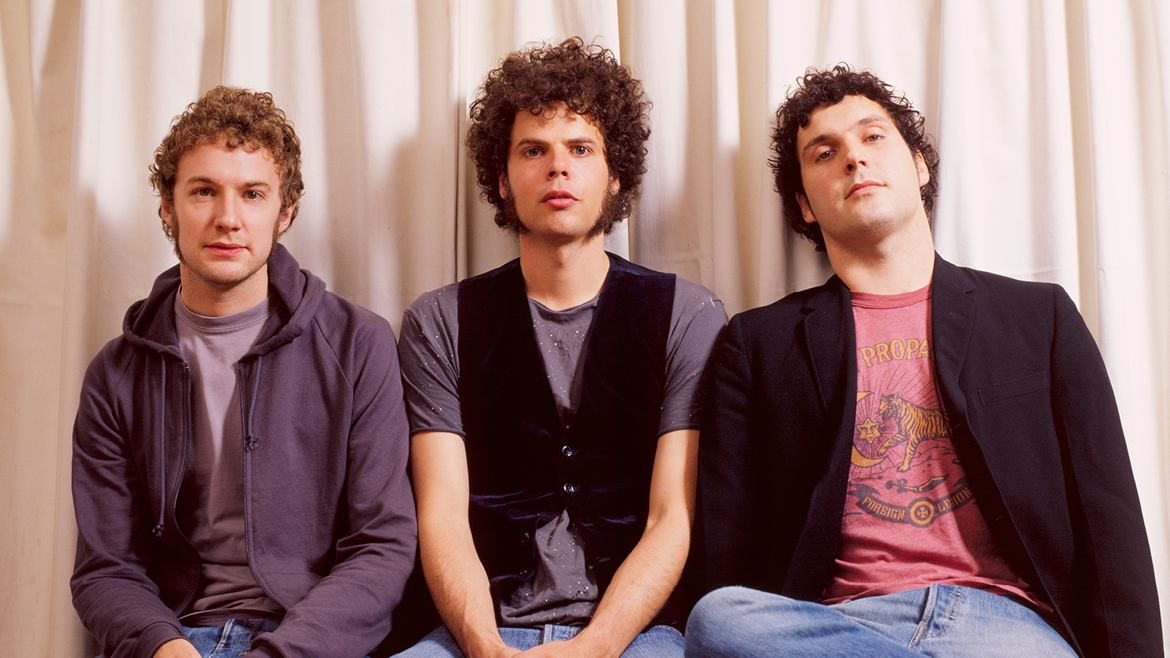
Wolfmother release “Cosmic Egg” with an entire band recruited from scratch
The original trio had fallen apart a year earlier and Andrew Stockdale kept the name, plus a bassist, a guitarist and a drummer hired from scratch. “Cosmic Egg” comes out in Australia first, longer and far more polished than the debut, with Alan Moulder at the controls. It reached number three at home, same as its predecessor, but the noise around it had changed.
Wolfmother
Andrew Stockdale
Listen
Via YouTube
One ephemeris a day, one editorial a week. Zero spam, pure archive.