
Bomba Estéreo
The drum plugged in
By Rebobinados · Published on September 22, 2026

Ilustración: Rebobinados
Bomba Estéreo did something that is simple to say and very hard to pull off: take the traditional music of their land —cumbia, la champeta, the Afro-Caribbean rhythms of the Colombian coast— and plug it into electronica, hip-hop and rock, without betraying either side.
The result is an unstoppable party, colourful, psychedelic, that sounds like both things at once: like the oldest root of the Caribbean and like the most digital future.
They call it "digital cumbia" or "electro tropical". It is, quite simply, music to dance to with your whole body, made with intelligence and with pride in where they come from.
A project with a clear idea from the start
The band was founded in Bogotá, in 2005, by Simón Mejía, a musician and producer who in the nineties had played in the alternative rock band Charconautas. He came out of an earlier collective, A.M. 770, which changed its name that year.
And he had a precise idea of what he wanted, which he has explained like this: to make electronic music that sounded like Latin America and not like Europe or the United States, and for that you had to start from the sounds of Colombian folklore, from cumbia, from la champeta.
For the first album, in 2006, Liliana "Li" Saumet joined, from Santa Marta, on the Caribbean coast, who came from singing in a dub reggae group. She brought the voice, the rapping and the lyrics, and became the face of the group.
The root is in a town of freed slaves
Behind the synthesisers there is a very deep root, and it is worth knowing.
La champeta they start from comes from the Afro tradition of the Colombian coast, and that tradition has a founding place: San Basilio de Palenque, near Cartagena.
In 1599, a man called Benkos Biohó, originally from the Bijagós islands —today Guinea-Bissau—, led an escape of enslaved people. By around 1603 they had founded the palenque of La Matuna, the origin of San Basilio, and organised themselves to defend their freedom. The Spanish Crown ended up formally recognising them in 1713, which made San Basilio the first free town in the Americas.
There, rhythms, drums and a language of their own survived, el palenquero, the only Spanish-based creole language on the continent. UNESCO declared it a Masterpiece of the Oral and Intangible Heritage of Humanity in 2005.
When you listen to the rhythmic base of Bomba Estéreo, underneath all the electronica there are drums that come from that history of resistance. That genealogy is a reading, not a statement by the band: what they say is that they start from cumbia and from la champeta. But la champeta comes from there.
It is not just a party: it is memory set to dancing.
"Soy Yo": the anthem of those who do not fit
Bomba Estéreo became known around the world with "Fuego", from the album "Estalla" (2008), which took off internationally in 2009 and invaded dance floors across half the planet. The record entered the top ten of the Billboard World Music Chart, the song played in video games, series and films, and in 2010 the voters of MTV Iggy chose them the best new band in the world. Rolling Stone would later include it among the fifty best Latin pop songs in history.
But their most beautiful moment, the one that made them transcend, came with "Soy Yo".
The song came out in June 2015, on the album "Amanecer". The video, which is what went viral, premiered more than a year later, in September 2016.
The song is simple: a hymn to loving yourself just as you are. And the video shows a girl walking the streets of New York with total confidence: she dances strangely, she dresses strangely, people stare, they laugh at her, and she does not care in the slightest.
The lead is Sarai Isaura González, eleven years old, an American of Peruvian and Dominican descent, from New Jersey. It was her first time acting, and she was chosen out of around a hundred Latina girls at a casting.
In a world full of mockery, of bullying, of pressure to fit in, that video became an anthem for everyone who has ever felt different. It passed a hundred and twenty-five million views, and it turned her into an icon of Latina self-esteem.
A Colombian dance song ended up being, for millions of people all over the planet, a flag.
Rarely does a party say something so important.
Latin American pride
And here is what makes them so valuable.
Bomba Estéreo showed that you can come out of Latin America, with music made from our own roots, sung in Spanish, without copying the American formula, and conquer the world.
They played Coachella in 2011 and Lollapalooza. They have been nominated four times for the American Grammy and about a dozen times for the Latin Grammys. They have recorded with Will Smith and with Nelly Furtado.
And they did it without disowning what they were: on the contrary, the more Colombian and more Caribbean they sounded, the further they got.
They opened the door for a whole generation of Latin artists who understood that their local music was not a limit but a treasure. That grandmother's cumbia could live alongside the most modern beat, and that this mixture was, precisely, the new thing.
What to remember
Put on "Soy Yo", "Fuego", "To My Love" or "Fiesta", and you are going to hear the sound of a proud, danceable Latin America, looking forward without letting go of its roots.
Bomba Estéreo bring together the oldest and the newest, the drum of Palenque and the synthesiser, the party and the message.
And along the way they gave the world a song that tells every person who has ever felt different the simplest and the hardest thing to believe: that it is fine to be yourself.
It sounds like a party, but it is a party with its heart in the right place.
Sources
Bomba Estéreo, Colombian group founded in Bogotá in 2005 by the musician and producer Simón Mejía, previously a member of the alternative rock band Charconautas and of the collective A.M. 770, active since 2001. Liliana "Li" Saumet, from Santa Marta and coming from the dub reggae group Mister Gomes en Bombay, joined as vocalist and co-author of the lyrics from the track "Huepajé" onwards, for the first album, "Vol. 1" (2006). Mejía has described the purpose of the project like this: "to make electronic music that sounds like Latin America, and not like Europe or the United States. For that we had to start from the sounds of Colombian folklore, from cumbia, from la champeta". Their style has been called "electro tropical" or "digital cumbia". San Basilio de Palenque, near Cartagena, is considered the first free town in the Americas: in 1599 Benkos Biohó, originally from the Bijagós islands, led the escape of a group of enslaved people; by around 1603 the palenque of La Matuna had been established, the origin of the settlement, and the Spanish Crown formally recognised it in 1713, after a royal decree of 1691 that was never carried out. It preserves el palenquero, the only Spanish-based creole language in the Americas, and was proclaimed a Masterpiece of the Oral and Intangible Heritage of Humanity by UNESCO in 2005, and inscribed on the representative list in 2008. The connection between that tradition and the group's rhythmic base is offered here as the author's reading, supported by the Afro-Caribbean origin of la champeta, and not as a statement by the band. "Fuego", from the album "Estalla" (2008), reached international projection in 2009: "Estalla" entered the top ten of the Billboard World Music Chart, the song was included in the 2010 edition of the FIFA video game, in an episode of "Dexter" and in the film "Limitless", and Rolling Stone later placed it among the 50 best Latin pop songs in history. In 2010 the voters of MTV Iggy chose them "Best New Band in the World". "Soy Yo", from the album "Amanecer", was released on 2 June 2015; its video, produced by the Danish company The Woerks and shot in New York, premiered on 7 September 2016 and went viral, passing 125 million views. The lead is Sarai Isaura González, then eleven years old, an American of Peruvian and Dominican descent, from New Jersey; it was her first time acting and she was chosen out of around a hundred Latina girls at a casting. The band has received four nominations for the American Grammy and around ten for the Latin Grammys, without winning, and has performed at festivals such as Coachella (2011) and Lollapalooza. Their discography includes "Vol. 1" (2006), "Estalla" (2008), "Elegancia Tropical" (2012), "Amanecer" (2015), "Ayo" (2017) and "Deja" (2021). Externally authored text, edited and verified for Rebobinados. Interpretations of the meaning of their work are offered as the author's reading. No song lyrics are reproduced, for copyright reasons. Information drawn from Wikipedia, NPR, Billboard, Señal Colombia, UNESCO, Rolling Stone and other press coverage.
Keep rewinding

10s
pop
Bruno Mars
Eleven names in the credits
"Uptown Funk" came out on 10 November 2014 with six writers and today it has eleven. In February 2015 The Gap Band's publisher filed a claim over "Oops Up Side Your Head" in YouTube's copyright system —there was never a lawsuit— and on 28 April five names were added, with 17 % of the publishing. It happened weeks after the "Blurred Lines" verdict, and the song had been fourteen weeks at number one.

00s
pop
André Rieu
It was not from the jazz suite
The waltz with which André Rieu reached half the world is not from Shostakovich's Suite for Jazz Orchestra No. 2: it is from the Suite for Variety Orchestra, which the composer did not assemble, and it was born in 1956 as music for a Soviet film about settlers in Kazakhstan. The error comes from a misprint in volume 10 of the complete works (Muzyka, Moscow, 1984), corrected only in 2001. And the title "The Second Waltz" was invented by his wife, because the real one did not sell.
90s
pop
Daniela Mercury
She took the neighbourhood out of the song
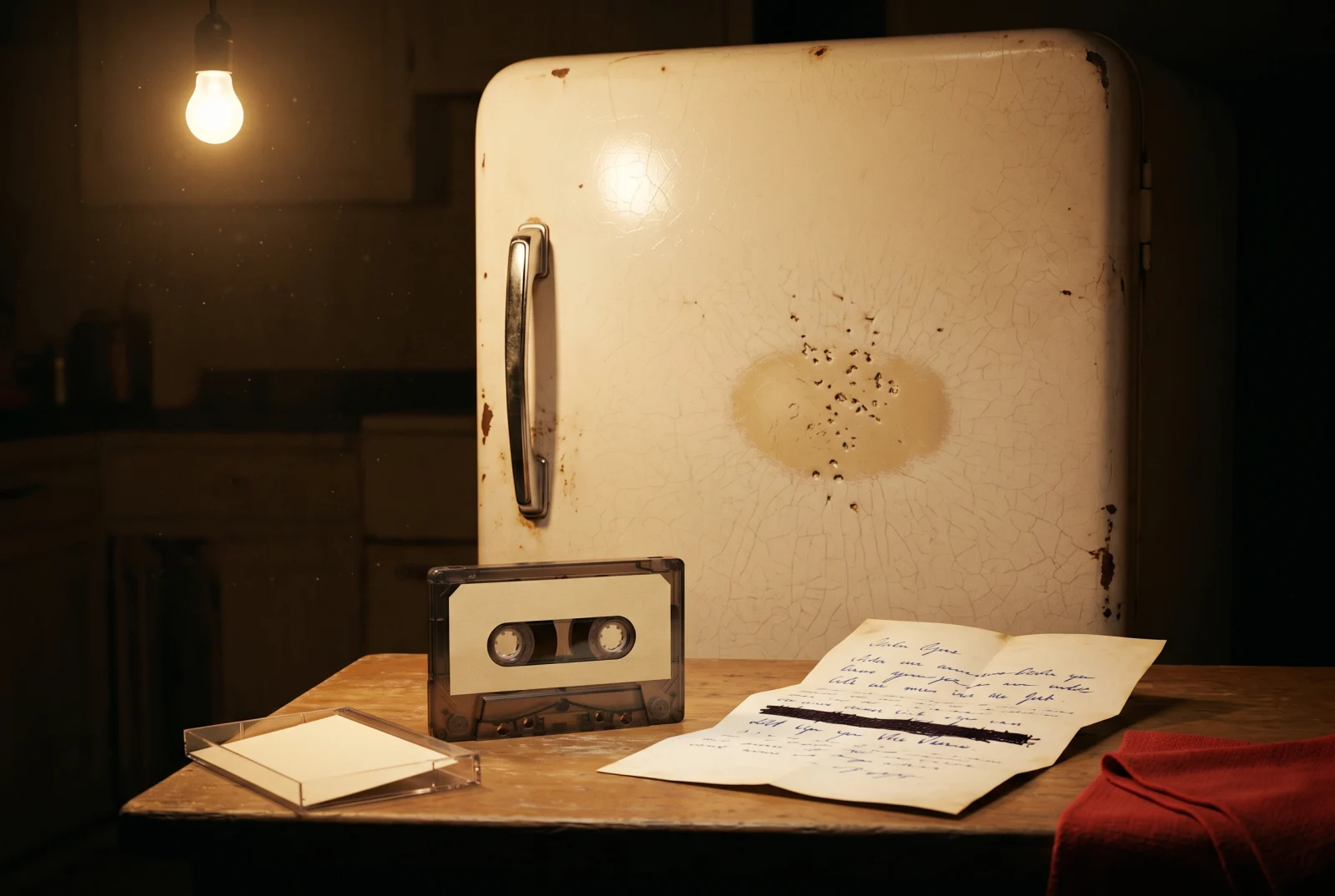
"O Canto da Cidade" was written by Tote Gira, a composer from Nordeste de Amaralina who recorded the demo on a borrowed cassette, marking the beat on the door of a refrigerator; Mercury's team almost threw the tape away. She shares the credit because she deleted the references to the Pelourinho so that the song would serve all of Brazil. The album, from 20 September 1992, sold more than 2 million copies and nationalised axé. But she did not invent it: the name was a journalist's insult in 1987.
Rewind with us
Comments · 0
No one has commented yet. Open the conversation.