
Chapter 03 — Rhythms
Pop
60s–80s
Pop is the common tongue of popular music — the song in the taxi radio, at the wedding, and in your head at 3am. From Motown's hit factory to the televised reigns of Michael Jackson and Madonna, pop turned the melodic hook into an art form and the music video into a language. Underrating pop is a snob's mistake: a perfect three-minute song is as hard as a symphony.
Key exponents
Michael Jackson
1979–1991
From child prodigy to King of Pop: 'Thriller' is still the best-selling album ever.
Madonna
1983–1990
Reinvention as strategy: she made provocation a craft and the music video her canvas.
ABBA
1974–1982
Swedish melancholy dressed as euphoria: perfect songs hiding a broken heart.
Keep rewinding

10s
pop
Bruno Mars
Eleven names in the credits
"Uptown Funk" came out on 10 November 2014 with six writers and today it has eleven. In February 2015 The Gap Band's publisher filed a claim over "Oops Up Side Your Head" in YouTube's copyright system —there was never a lawsuit— and on 28 April five names were added, with 17 % of the publishing. It happened weeks after the "Blurred Lines" verdict, and the song had been fourteen weeks at number one.

00s
pop
André Rieu
It was not from the jazz suite
The waltz with which André Rieu reached half the world is not from Shostakovich's Suite for Jazz Orchestra No. 2: it is from the Suite for Variety Orchestra, which the composer did not assemble, and it was born in 1956 as music for a Soviet film about settlers in Kazakhstan. The error comes from a misprint in volume 10 of the complete works (Muzyka, Moscow, 1984), corrected only in 2001. And the title "The Second Waltz" was invented by his wife, because the real one did not sell.

90s
pop
Daniela Mercury
She took the neighbourhood out of the song
"O Canto da Cidade" was written by Tote Gira, a composer from Nordeste de Amaralina who recorded the demo on a borrowed cassette, marking the beat on the door of a refrigerator; Mercury's team almost threw the tape away. She shares the credit because she deleted the references to the Pelourinho so that the song would serve all of Brazil. The album, from 20 September 1992, sold more than 2 million copies and nationalised axé. But she did not invent it: the name was a journalist's insult in 1987.
90s
pop
Enya
They told her she would be nobody
In 1982, on tour in Switzerland, Clannad voted to sack their manager Nicky Ryan and told Eithne Ní Bhraonáin, in front of him, that with the Ryans she would be nobody and with them she would be a star. She went with the Ryans: "Orinoco Flow" at no. 1 in Britain in 1988, 4 Grammys, more than 26 million albums certified by the RIAA and not a single tour. Nicky Ryan died on 10 September 2025; her sister Moya Brennan, on 13 April 2026.
80s
pop
REO Speedwagon
Its only founder was already gone
On 21 December 2024, at REO Speedwagon's last concert, there was not a single founder on stage: Neal Doughty, the keyboard player who had copied the name off a university classroom blackboard in 1967, had stepped off touring in February 2023. The halt was announced on 16 September 2024 and settled 2-1 among the three owners of the name: "I just got outvoted", said Kevin Cronin.
80s
pop
Opus
The tape was full
On 2 September 1984, at the Oberwart stadium, Opus premiered "Live Is Life" for the band's 11th anniversary and it was not recorded: the tape was full. They played it again as an encore and that second take went around the world, so the eternal chorus is the one sung by five thousand people who had just learned it. It was no. 1 in six countries and no. 32 on the Hot 100, with no US certification: the American blow was Canada, with double platinum and a Juno in 1986.
80s
pop
The Cars
Bowie gave up a song for them
At Live Aid, on 13 July 1985, a montage about the Ethiopian famine was screened with "Drive" behind it: it had been filmed by the Canadian CBC and David Bowie, on seeing it, gave up a song from his own set so that it would be broadcast. Geldof said that tape was the turning point of the event and the phone lines collapsed. The Cars gave away the income from the single's reissue, almost 160,000 pounds, and Ric Ocasek handed the cheque over in London in November 1986.
80s
pop
Starship
A judge gave them their name
The name was a condition of the out-of-court settlement of March 1985: Paul Kantner had left in June 1984 and had sued in October, and nobody could use "Jefferson" or "Airplane" again. Of the ten tracks on "Knee Deep in the Hoopla" only one carries a credit from the group, and the three number ones —"We Built This City", "Sara" and "Nothing's Gonna Stop Us Now"— were written by outside authors. Grace Slick, who sang the first of them, called it the worst song ever.

90s
pop
Bersuit Vergarabat
Two hundred thousand dollars to play it
On 25 August 1998, the same day *Libertinaje* came out, the COMFER, Argentina's broadcasting regulator, threatened the country's radio stations with fines of around 200,000 dollars for playing "Sr. Cobranza", invoking law 22.285 from the dictatorship. Universal manufactured 20,000 copies it could not distribute. The song was not Bersuit's: Hernán "Cabra" de Vega wrote it in 1994 for the pedestrian mall, and he says that censorship was "more commercial than real".
80s
pop
Yazoo
Others got to number one
"Only You" was never a number one sung by Yazoo: it stalled at no. 2 on 16 May 1982. It reached no. 1 nineteen months later and a cappella, with The Flying Pickets, five weeks and the Christmas number one of 1983, the first a cappella no. 1 on the British chart. The duo no longer existed: they announced the break-up on 21 May 1983 and "You and Me Both" reached no. 1 on 4 July, without a single follow-up single or concert to push it.
80s
pop
Alphaville
He wasn't talking about Japan
"Big in Japan", number one in the Federal Republic in January 1984, is not about making it big in Japan: Marian Gold wrote it in a dentist's waiting room about two heroin-using friends from West Berlin's Zoo station, and "big in Japan" is, he says, the lie of the loser. The third verse of "Forever Young" the label made him change because it evoked a fascistic feeling, and Gold calls the replacement line the worst lyric in the song.

00s
pop
Shakira
Eight minutes in a Barcelona court
In 1993, at sixteen, Shakira came third in the Competencia Internacional at Viña del Mar, behind an Italian song: the Gaviota de Plata was not taken away from her, she did not win it. Thirty years later, on 20 November 2023, the Barcelona tax fraud trial was resolved in eight minutes, with a three-year suspended prison sentence and a fine of 7.3 million euros.

90s
pop
Carlos Vives
The fifteen songs that were not his
The fifteen tracks of Clásicos de la Provincia (1993) are covers of Emiliano Zuleta, Rafael Escalona, Leandro Díaz, Alejandro Durán and Adolfo Pacheco: Vives signed none of them. "La Tierra del Olvido" is indeed his, with Iván Benavides. In 2018 he stopped singing "La Gota Fría" because of a rights dispute, and after Egidio Cuadrado died in October 2024 his band stopped being called La Provincia.

00s
pop
The Rasmus
Nine years and four albums before the leap
The Rasmus had nine years of career and four albums behind them when "In the Shadows" reached number one in Finland, Germany, Hungary and New Zealand in 2003. They had formed in Helsinki in 1994 playing funk rock and were called Rasmus, with no article, until 2000. And they did not open the way: HIM had already done so in the same markets.

00s
pop
Empire of the Sun
Eight years to reach the Hot 100
"Walking on a Dream" came out on 30 August 2008 and was an Australian no. 10; it only entered the Billboard Hot 100 in 2016, at no. 65, pushed along by a Honda Civic advert. "We Are the People" was no. 1 in Germany in December 2010 and never entered the Hot 100. Nick Littlemore has not toured since 2009: the show is held up by Luke Steele alone.
00s
pop
Juanes
The shirt Italy read backwards
"La Camisa Negra" reached number one in seven European countries, and in Italy it was adopted by neo-fascist groups who read the title as Mussolini's camicie nere. Earlier, in 1997, the same Latin turn had cost him Ekhymosis. At Viña 2026 he won the Gaviota de Oro, which is not the festival's highest: the Platino went that year to Mon Laferte.

90s
pop
Björk
Debut was not her debut
Debut (1993) is not her debut: Björk had already recorded an album at eleven, released in 1977 by the Icelandic label Fálkinn. Before London there was punk — Spit and Snot, Tappi Tíkarrass, KUKL — and Gling-Gló (1990), jazz standards that are still her best-selling record in Iceland. A single Oscar nomination and sixteen Grammy nominations without a win.
00s
pop
Lifehouse
The number one of the year that stalled at two
"Hanging by a Moment" was the number one on Billboard's year-end Hot 100 for 2001 — the most successful song in the United States across the whole year — without ever being a weekly number one: its ceiling was number 2, on 16 June 2001, after fifty-four weeks on the chart. It was the third song in history to manage it, after "Wooly Bully" (1965) and "Breathe" by Faith Hill (2000).
90s
pop
Goo Goo Dolls
Eighteen weeks and no number one
In 1998, "Iris" spent eighteen weeks at number one on Billboard's Hot 100 Airplay and was never number one on the Hot 100: with no physical single it was not eligible. Billboard changed the rule on 5 December 1998, in its eighteenth week at the head of the airplay chart, and the song debuted and stopped at number 9. The record held for almost twenty-two years, until "Blinding Lights".
80s
pop
Patricio Rey y sus Redonditos de Ricota
The band that asked no one's permission
They reached the very top almost entirely outside television, through sheer self-management, and turned their audience into a community. That community came at a price that is not always named, and which a seventeen-year-old boy paid in full.
90s
pop
Los Piojos
The rock of the barrio
They put murga, candombe and football-terrace fervour inside rock, and filled stadiums without ever ceasing to look like the kids from the corner. They came back fifteen years later, and came back incomplete: one founder was missing.
80s
pop
Charly García
The dinosaurs and the survivor
"Canción de Alicia en el país" is from 1980, at the heart of the dictatorship. "Los dinosaurios" came out in November 1983, five weeks before the handover of power. Between the two lies everything that could and could not be sung.
90s
pop
Beto Cuevas
The one who grew up far away
It is often repeated that he is a child of political exile, and he has denied it himself: the family moved to Caracas in 1969 for his father's job, four years before the coup. The dictatorship is in his biography, but it came in through another door.
90s
pop
Saiko
The voice that came out of an audition
The band's most distinctive element did not come from the usual circle: it came out of an open audition that Denisse Malebrán attended, in her words, "out of sheer curiosity". She never imagined she would get the part.
90s
pop
La Ley
The song the dead man wrote
When Andrés Bobe died in 1994, the band came close to ending. They carried on, and the song that opened the continent to them — "El Duelo" — had been written by him before he died. It is not a metaphor about mourning: it is literally that.
80s
pop
Aparato Raro
Where the dynasty began
Their greatest legacy is not their songs: it is that two musicians met at their rehearsals. From that meeting came La Ley and, later, Saiko. The thread of the dynasty is not Andrés Bobe, who was only passing through, but Rodrigo Aboitiz.
50s
pop
Édith Piaf
The sparrow of Belleville
Legend has it she was born on the street, wrapped in a policeman's cape. Her birth certificate says otherwise, and she fed the myth herself in her memoirs. She understood before anyone that a life is also a performance.
60s
pop
Charles Aznavour
They told him his voice was no good
The French press dismissed him as "a small man, a small singer". He stood five foot three, had an odd voice, and wrote more than a thousand songs. Even the "artist of the century" title attributed to him deserves a clarification.

80s
pop
Fine Young Cannibals
The break-up at the summit
The story goes that they bowed out in time, with grace, so as not to spoil their legacy. That is not what happened: they broke apart in 1992, after two years of awards and hit singles. The romantic version is prettier than it is true.
80s
pop
Spandau Ballet
The perfect song and the lawsuit
The saxophone that defines "True" is played by a guitarist who had switched instruments for that record. Years later, three members took the fourth to court over royalties, lost, and walked out owing two hundred thousand pounds each.

80s
pop
The Human League
The one per cent the name cost him
To keep the name The Human League, in October 1980, Phil Oakey took on all the group debts and agreed to give the two departing founders one per cent of the royalties of the next album. That album turned out to be "Dare", triple platinum. The song holding it up, "Don't You Want Me", he thought was filler and did not want released.
60s
pop
The Beach Boys
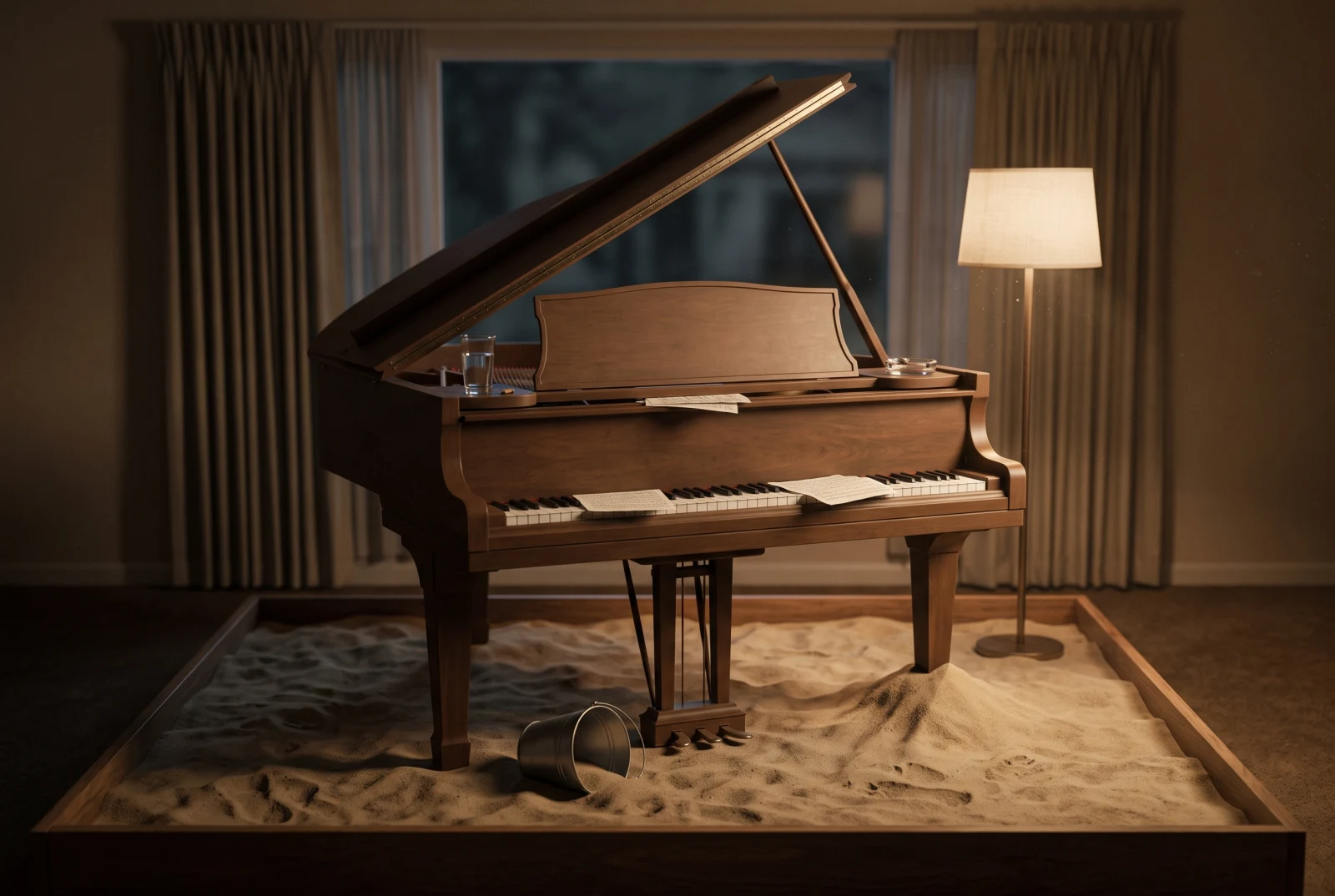
The piano inside the sandbox
In 1966 Brian Wilson had a sandbox built in his house and put the piano inside it, so he could write with his feet buried. The man who had sold the world the California summer needed to build himself a beach in the living room. The band last number one, "Kokomo" in 1988, was written by the founder of The Mamas and the Papas, and Brian had no part in it.

80s
pop
Tears for Fears
The shout that sold millions
Roland Orzabal has spent decades saying that "Shout" is not an exercise in primal screaming but a song of political protest, and that the therapy reference strikes him as a little corny. The duo name really does come from a book by Arthur Janov, and that detail kept the misunderstanding alive for forty years.

00s
pop
t.A.T.u.
The song got away from the script
t.A.T.u. was not a band that formed: it was a project built by producer Ivan Shapovalov around two girls of fourteen, with a romance between them written as a commercial strategy. In 2004 the two of them broke their contract with him. In 2014, Yulia Volkova said on television that she would condemn a gay son.
80s
pop
Robert Palmer
The suit was the costume
Robert Palmer learned to sing listening to soul on an American forces radio station in Malta, walked away from The Power Station before the tour and before Live Aid, and won two Grammys, not one. In the "Addicted to Love" video the five models were copying the movements of five real musicians playing off camera.
80s
pop
Rick Astley
The one who served the tea
Pete Waterman saw Rick Astley singing in a soul band in Warrington in 1985, then put him to work for two years running errands and operating tape machines at PWL studios. He did not write "Never Gonna Give You Up", he quit music in 1993 at 27, and in 2010 he said rickrolling had earned him about twelve dollars in YouTube royalties.
90s
pop
Natalie Imbruglia
The fourth voice on the same song
When Natalie Imbruglia recorded "Torn" in 1997, the song was four years old and had already been released three times: Denmark's Lis Sørensen took it to radio in 1993 and Norway's Trine Rein into the Norwegian top ten in 1996. She rescued nothing from obscurity — she was the fourth to record it and the first to make it unforgettable outside Scandinavia.

80s
pop
Men at Work
The bars that cost too much
In January 1983 Men at Work became the first Australians to hold the number one album and the number one single in the United States at the same time. Twenty-seven years later a court ruled that the flute line in "Down Under" quoted a 1932 children's song, and awarded the publisher 5 per cent of royalties from 2002, far short of the 40 to 60 per cent it claimed. Greg Ham, who played those bars, was never a credited writer and was never sued.
80s
pop
Kim Carnes
The song that was not hers
"Bette Davis Eyes" had existed since 1974, written by Donna Weiss and Jackie DeShannon. Kim Carnes and her producer, Val Garay, took it apart in 1981 and rebuilt it with synthesizers: nine non-consecutive weeks at number one. At the Grammys, Carnes won Record of the Year and its writers won Song of the Year — the award the story has been handing her for forty years.
80s
pop
Huey Lewis and the News
The man who stopped hearing his own song
Huey Lewis lost his hearing all at once on 27 January 2018, before a show in Dallas, and said afterwards that he was suicidal for the first two months. A cochlear implant gave him speech back, not music. Before all of that, his band had turned down the "Ghostbusters" theme and sued the man who wrote it for plagiarism.

80s
pop
Gloria Estefan
She danced again
Gloria Estefan's bus did not crash: it was stopped in traffic on Interstate 380 when a tractor-trailer rammed it from behind, on 20 March 1990. Her doctors never said she might not walk again — they called her chances excellent, and her surgeon predicted a full recovery in three to six months. She was back in January 1991, inside that window.

80s
pop
Eurythmics
What was left when the love ran out
Annie Lennox and Dave Stewart had already broken up as a couple, and already buried two bands, when they founded Eurythmics in 1980. They recorded "Sweet Dreams (Are Made of This)" in the loft of an old warehouse in Chalk Farm, on an eight-track machine bought with a bank loan, for around five thousand pounds.

90s
pop
Eagle-Eye Cherry
The son's four chords
Eagle-Eye Cherry was working as an actor — "Born on the Fourth of July", the series "South Beach" — when his father, free jazz trumpeter Don Cherry, died in October 1995. He went back to Stockholm, gave up acting and recorded "Desireless" in a studio he set up in his bedroom. "Save Tonight" is not about grief: it is about a girlfriend leaving on a train.
80s
pop
Culture Club
The song that could not say its name
Boy George and drummer Jon Moss were in a relationship they could not declare while Culture Club was selling records all over the planet, and millions of people sang those songs without knowing where they came from. Both have since described a violent relationship, and the partnership ended forty years later in a 1.75 million pound settlement.
80s
pop
Bryan Adams
The other half he made with a camera
Bryan Adams recorded "(Everything I Do) I Do It for You" in 1991 and spent sixteen straight weeks at number one in Britain, a consecutive-weeks record nobody has matched since. While that was happening he built a whole second career with a camera: he photographed Elizabeth II for the Golden Jubilee and published "Wounded: The Legacy of War", on British soldiers maimed in combat.
70s
pop
Billy Joel
The pianist who stayed in the bar
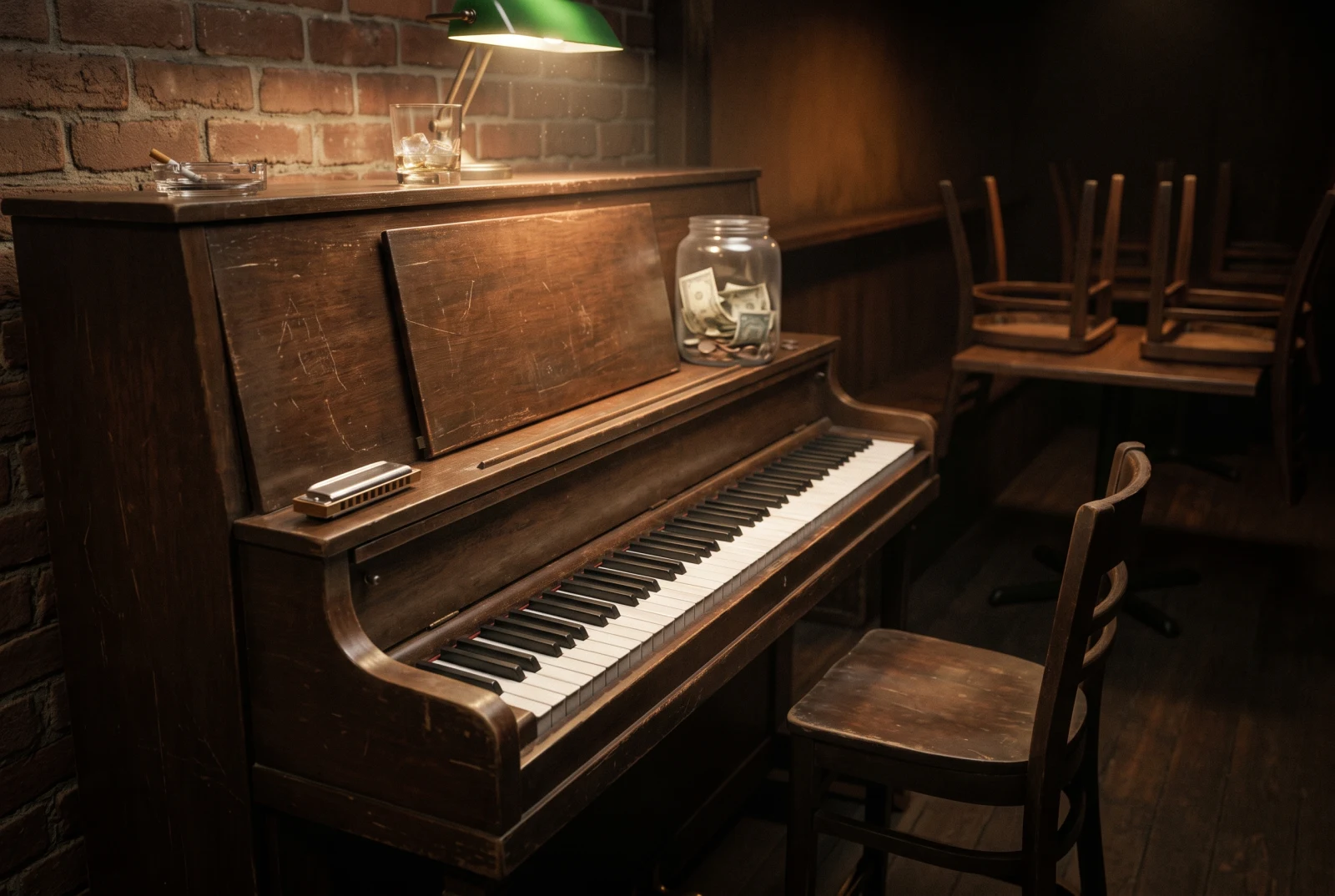
Before "Piano Man", Billy Joel spent six months playing a Los Angeles bar under the false name Bill Martin, after two suicide attempts and a voluntary stay in a psychiatric hospital. The song that defined him for good is, at bottom, a report on the regulars of that room — the method was ready from the start.
70s
pop
The Carpenters
The warmest voice in pop, and the drummer hidden behind it
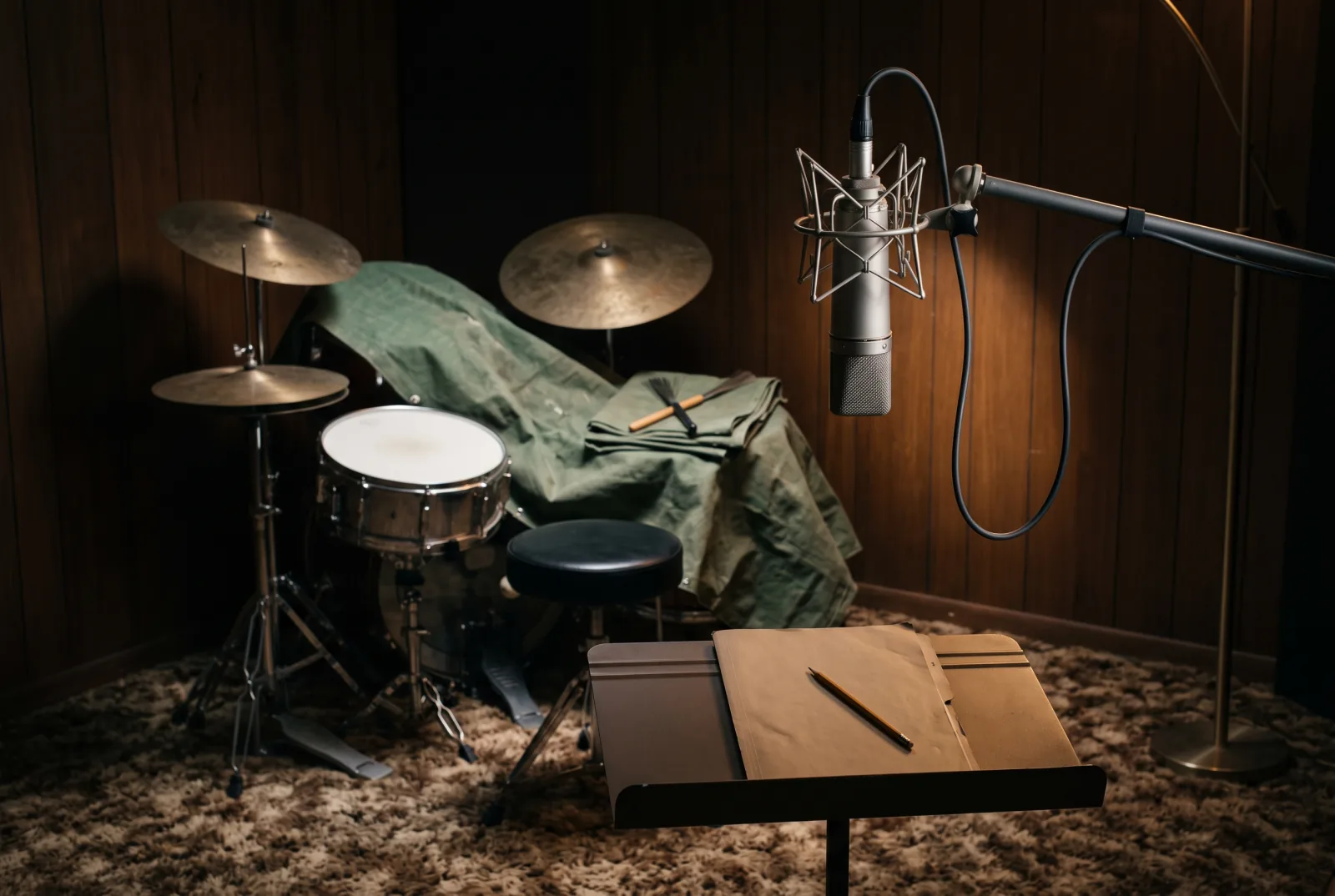
The warmest voice in pop belonged to someone who felt, deep down, like a drummer. The industry moved her out from behind the drums to put her up front, and she missed them always. What sounded easy was a goldsmith's work.
70s
pop
Gilbert O'Sullivan
The softest balladeer in pop changed the rules for all of music
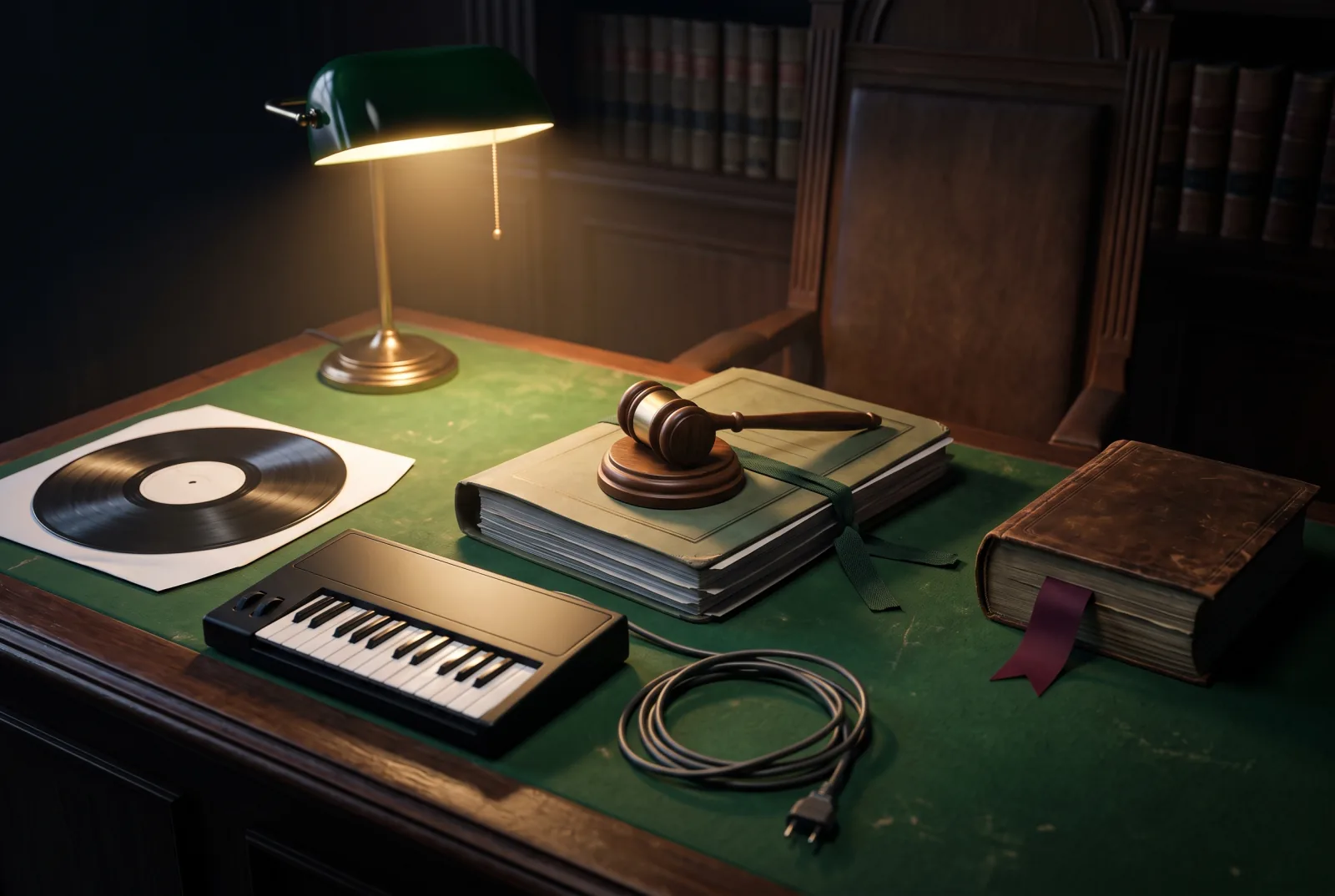
He wrote one of the most melancholy songs in pop and seemed the last person you would call a revolutionary. But when a rapper used a piece of it without authorisation, he sued, and the ruling he won in 1991 put a price on every sample in the world.
80s
pop
Laura Branigan
The voice that came back from the dead to win a cup
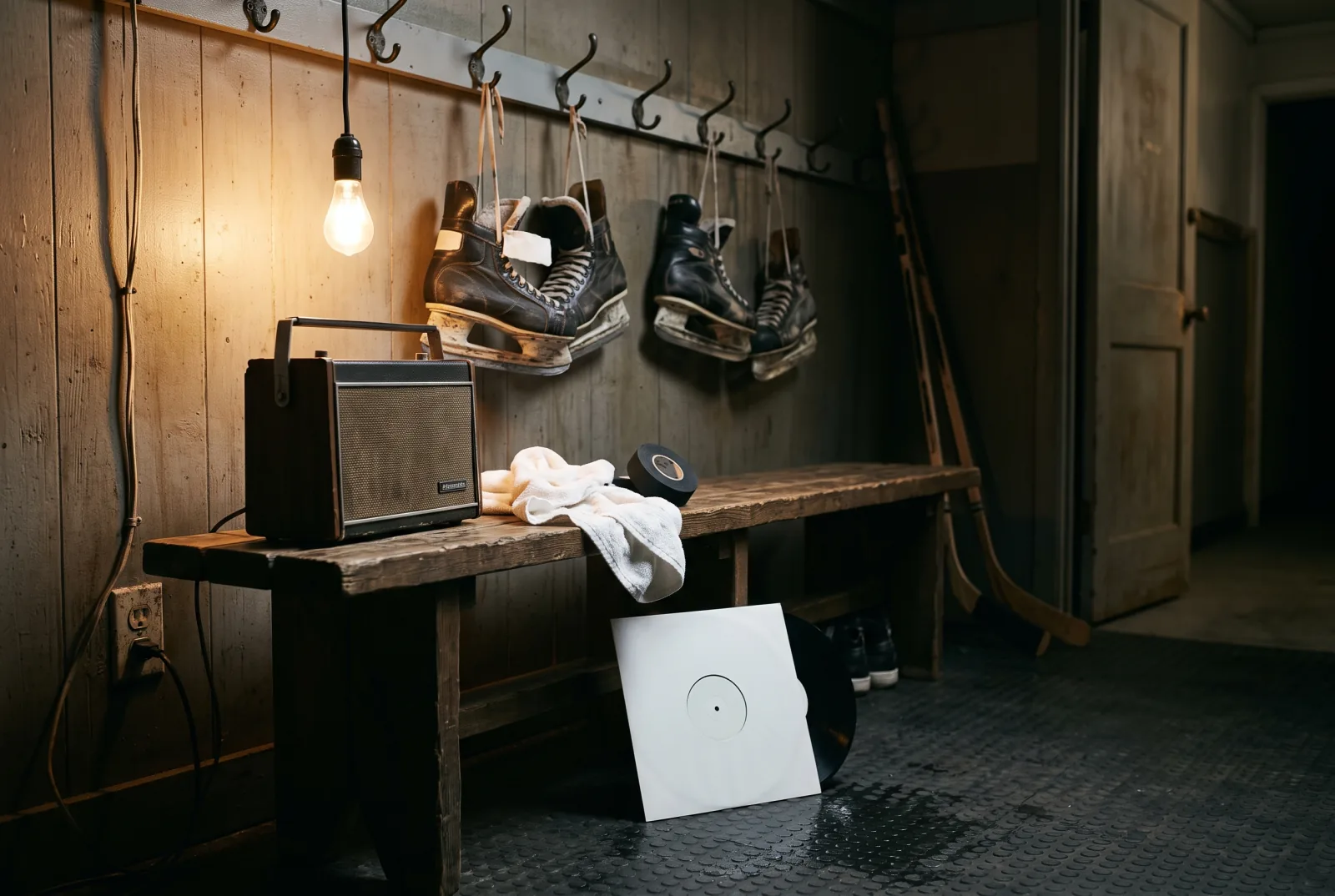
Her two anthems came from Italian pop melodrama and she made them definitive with her throat. She died in her sleep in 2004, at the age of fifty-two, of an aneurysm nobody had diagnosed. Fifteen years later, a hockey locker room resurrected "Gloria".
60s
pop
Chubby Checker
They let go of each other's hands
He did not invent dancing apart, but he made it the norm. Since 1960, at any party on the planet, people dance the way he taught them.
60s
pop
The Hollies
The voices that split up and found each other again on a record
Two boys from Manchester learned to sing together, put a band together and split up in 1968, when one of them crossed the Atlantic to found a supergroup. The group that stayed behind kept piling up classics, and in 2023 the two voices braided themselves together again on a record.
10s
pop
Ed Sheeran
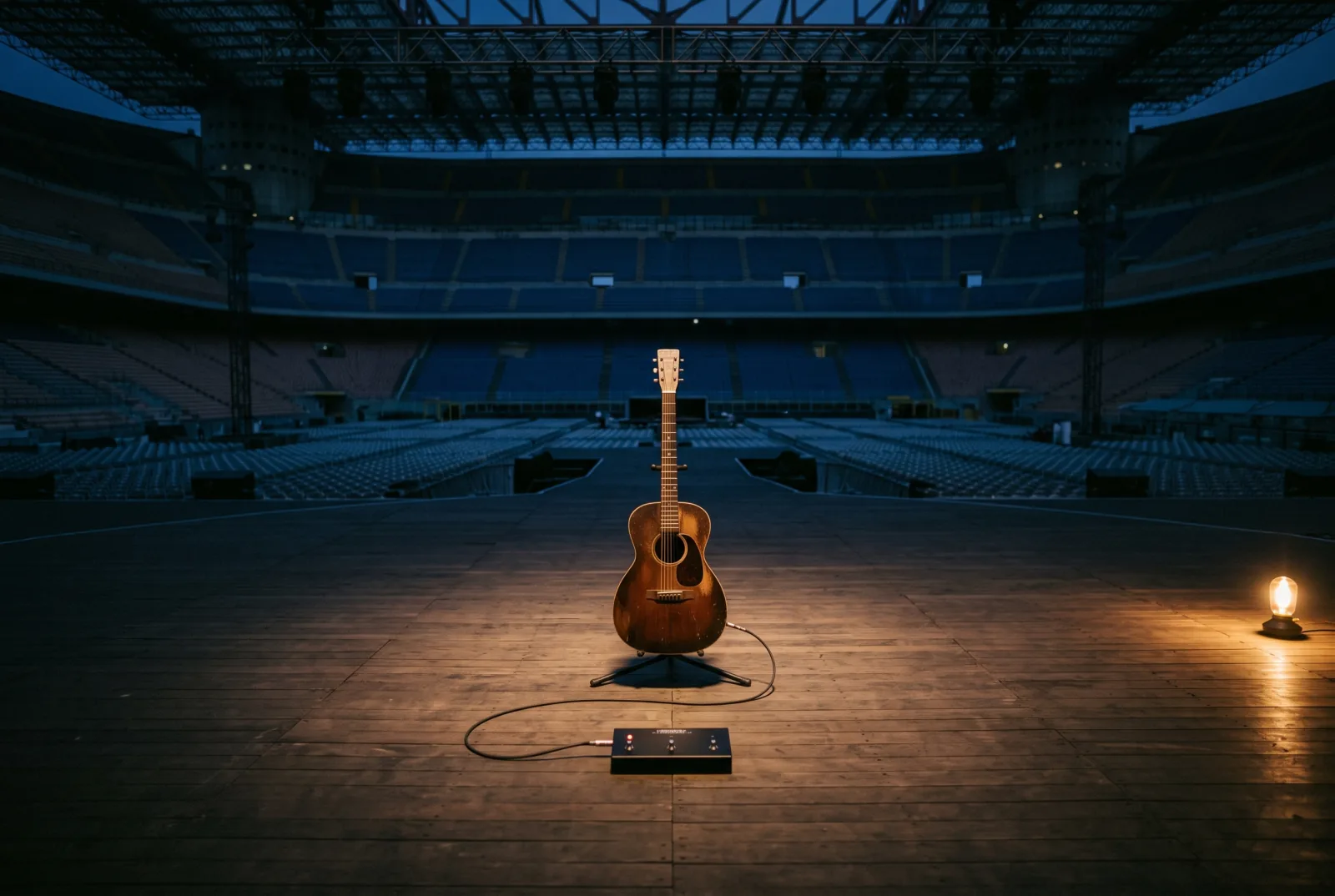
One man, one guitar and one pedal filling the biggest stadiums in the world
A stadium stage with no band, no dancers and no backing tracks: an acoustic guitar and a loop pedal with which he stacks layers live until it sounds like ten musicians. Underneath the trick are the songs, which he also writes for others.
80s
pop
INXS
The most magnetic frontman Australia ever produced
A sound that fused rock, funk and new wave out of Sydney, and out front a singer with a gravity of his own that forced you to look at him. "Kick" took it to the whole world in 1987; the death of Michael Hutchence, ten years later, left a hole nobody could fill.
70s
pop
Barbra Streisand
She changed nothing, and she won everything
She was asked for a different surname, a different nose and a different character, and she said no to all three. She then won two Oscars, and with "Yentl" she became the first woman to produce, direct, co-write and star in a film for a major Hollywood studio.
60s
pop
Sammy Davis Jr.
The total entertainer who carried the weight of the world while smiling
He sang, tap-danced, acted, did impressions of half a dozen stars and played several instruments, all in the same night. And he filled Las Vegas casinos that wouldn't let him stay there or come in through the front door.

00s
pop
Bomba Estéreo
The drum plugged in
They plugged cumbia and champeta into electronica without betraying either. And out of it came an anthem for everyone who has ever felt like the odd one out.

90s
pop
Café Tacvba
Never the same record twice
They put all of Mexico in a blender with punk, ska and electronica, and have gone thirty-odd years without repeating themselves. Not even the singer's name stays still.

90s
pop
Aterciopelados
The flower and the punk
A ceramicist and a punk met in Bogotá, named themselves after something they read in Simone de Beauvoir, and ended up singing about peace to a country at war.
90s
pop
Los Tres
The cueca plugged in
When sounding modern meant sounding American, they put the cueca inside rock and taught a generation to love its own roots. And the missing link has a name: Roberto Parra.

80s
pop
Duran Duran
Born with MTV
Their first album came out six weeks before MTV launched, and the two saved each other. They understood before anyone that music was shifting from listening to watching.
70s
pop
Luis Alberto Spinetta
Born a poet
He wrote a masterpiece at fifteen and recorded it seventeen years later. And he stopped playing his best-loved song for a reason almost nobody gets right.

60s
pop
George Harrison
The one who waited his turn
They called him the quiet Beatle, but he wasn't quiet for lack of anything to say. He brought India to rock, gave the benefit concert its scale, and ended up owning the song that sank him.
60s
pop
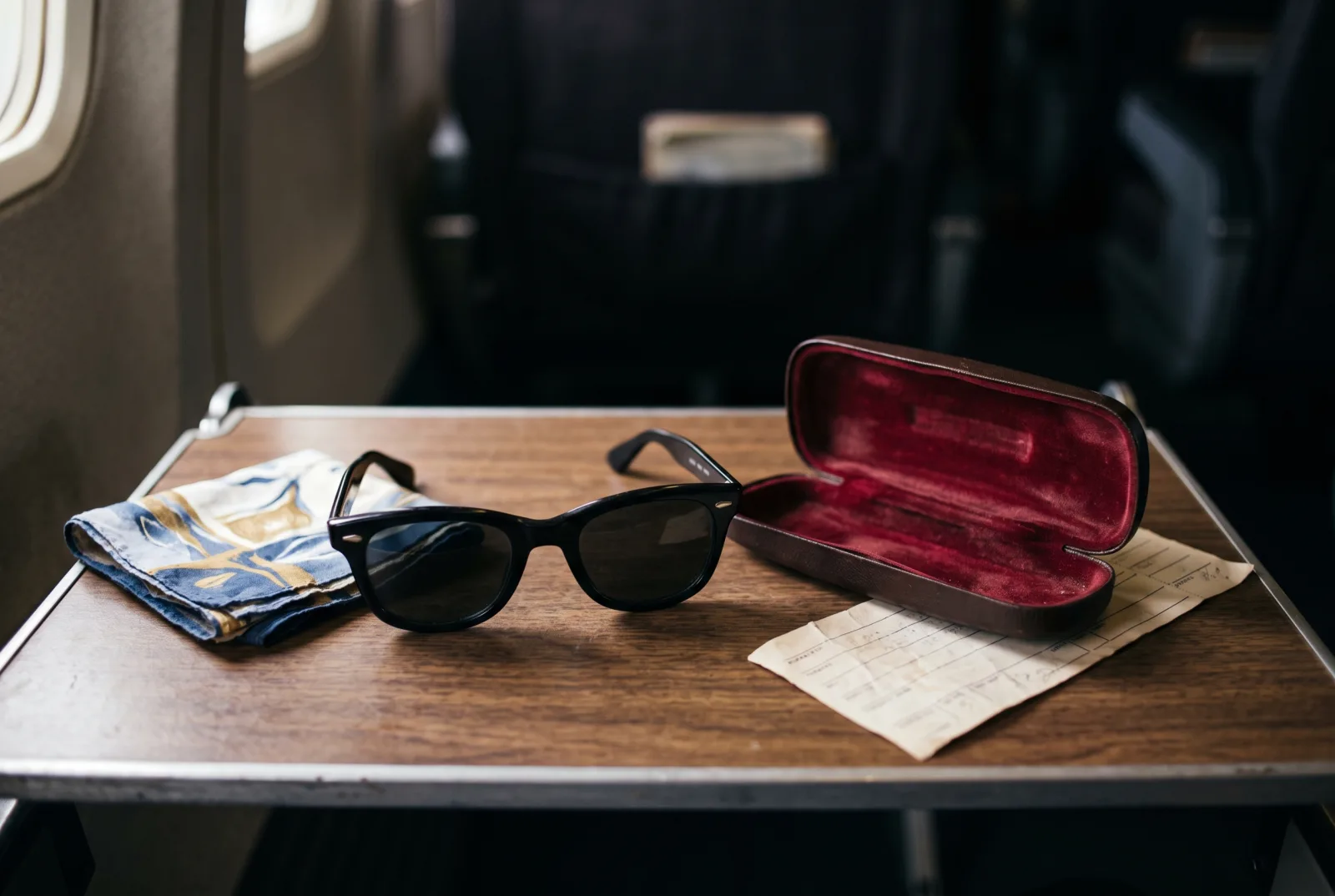
Roy Orbison
The glasses he left behind
The image that defined him for life came from something forgotten on a plane. And the man who sang sadness like nobody else lived it in a way that is hard to imagine.
80s
pop
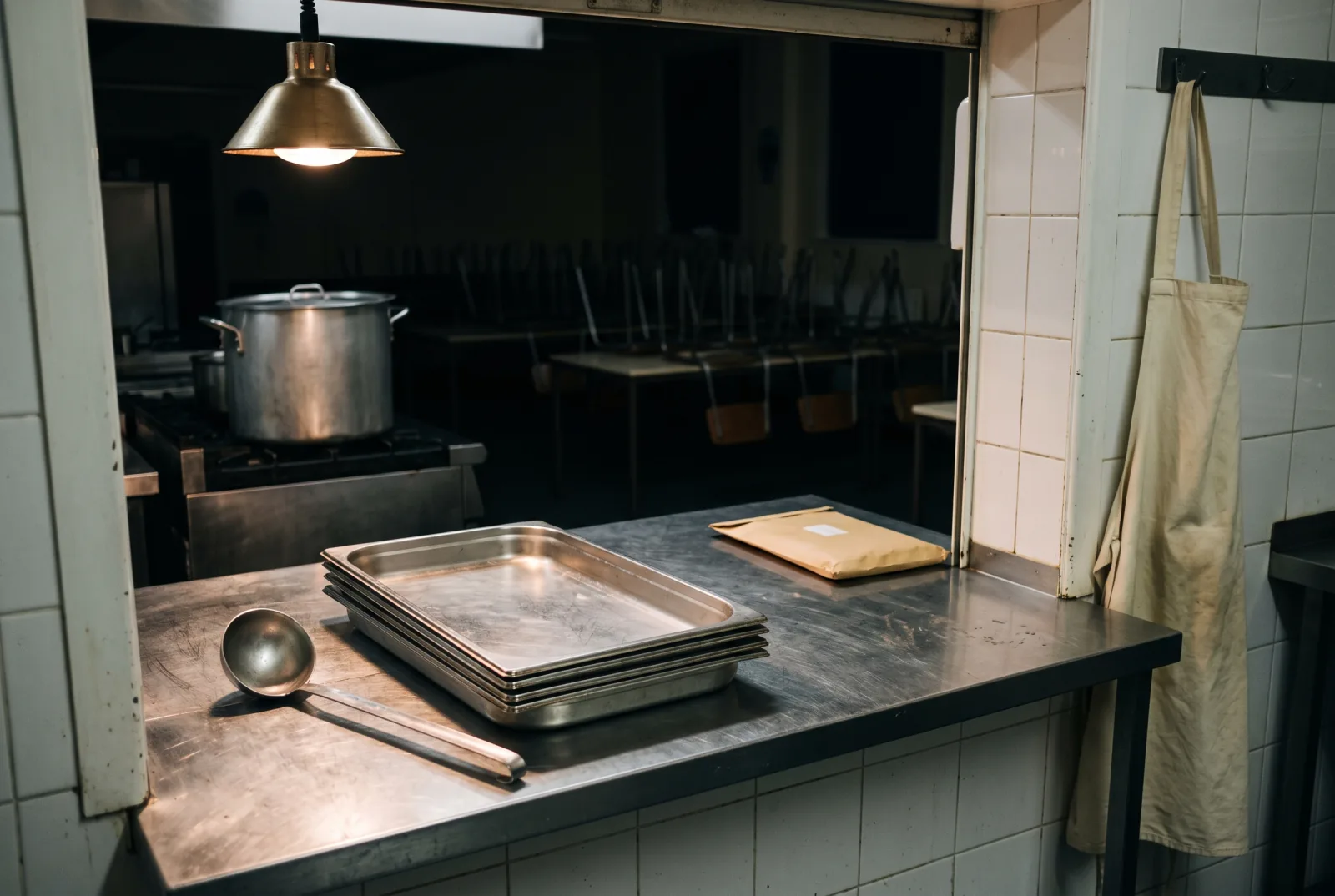
George Michael
The immense talent, and the generosity only known when he died
Anonymous multimillion donations, volunteer shifts at a soup kitchen for homeless people, a stranger's fertility treatment paid for in full. He did it for decades asking that nobody tell, and almost all of it came to light when he died.
70s
pop
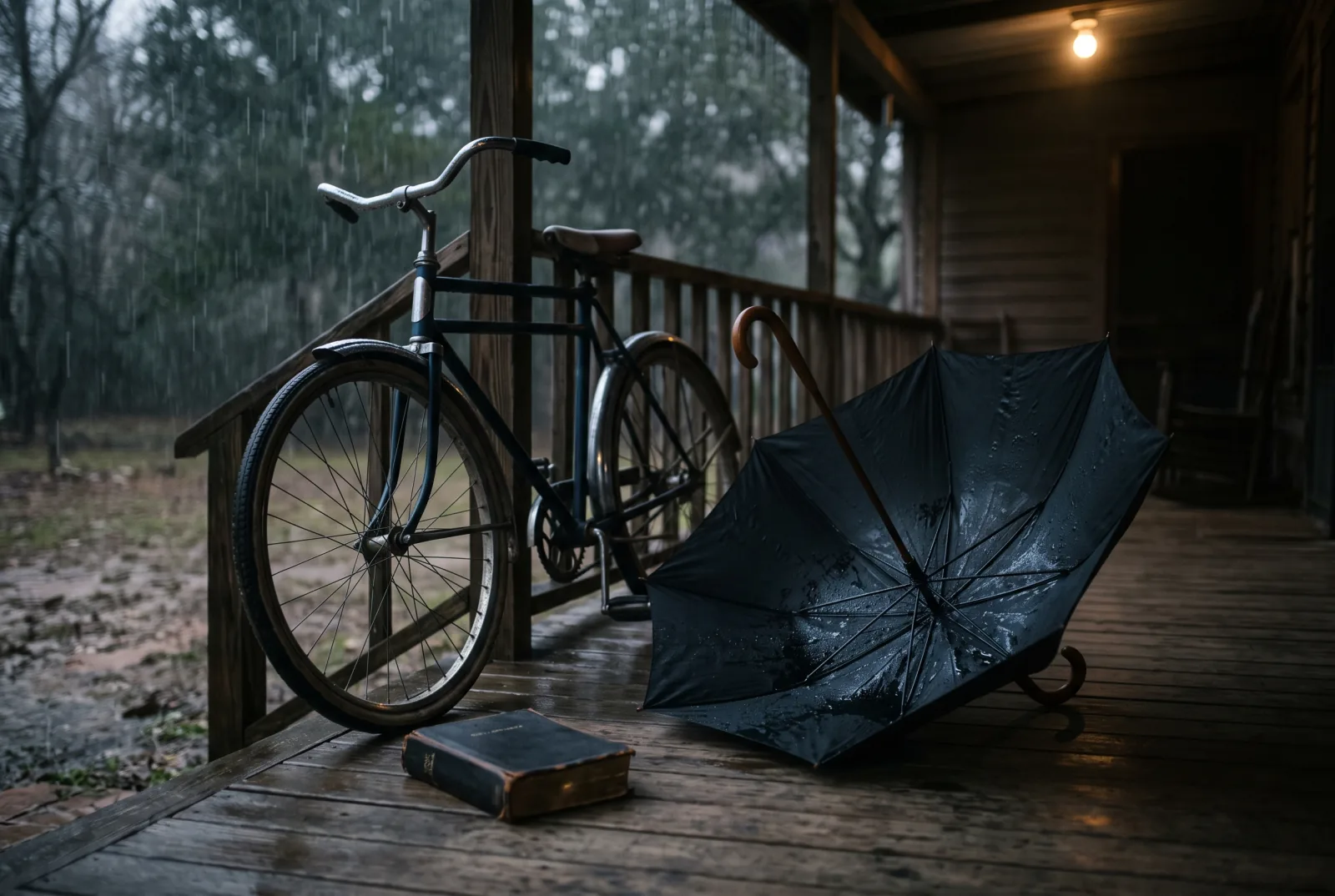
B.J. Thomas
The voice that put optimism into the rain
An effortless Texan voice held up the song Bacharach wrote for "Butch Cassidy" and that took home the Oscar. Then came the original that the Swedish ooga-chaka ended up burying, and a whole second career singing about his faith.

90s
pop
Savage Garden
They made a generation's love song, and left at the top
Two Australians, two records and a handful of songs that played at thousands of first dances in the late nineties. In 2001, with no flop and no falling-out involved, they decided that was as far as it went and left while the world was still applauding.
10s
pop
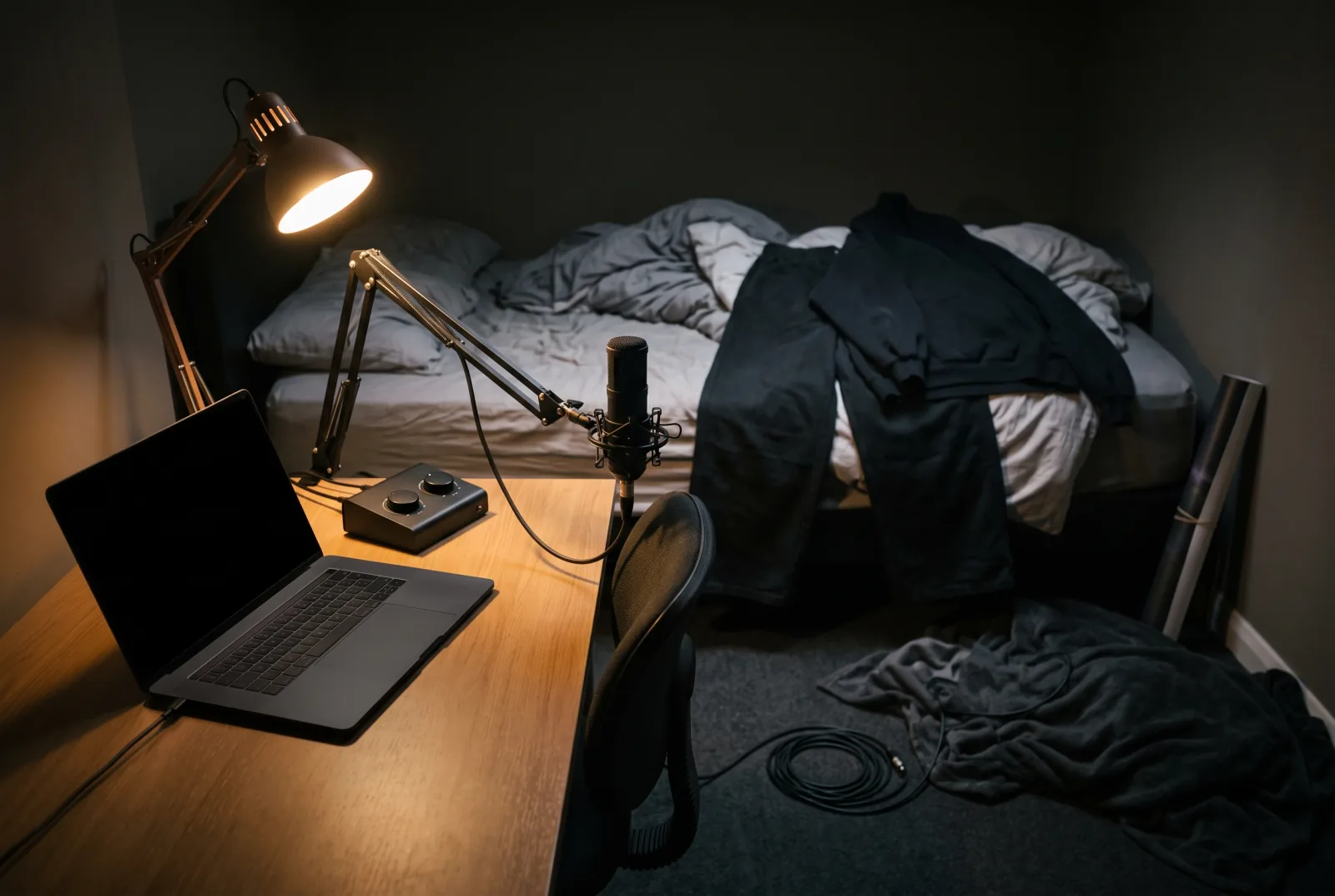
Billie Eilish
She made the future of pop in one bedroom, and swept the Grammys at 18
Four major Grammys in a single night, at eighteen, with songs recorded in a bedroom of the family home alongside her brother Finneas. She sang in whispers when pop rewarded shouting, and covered her body so nobody could have an opinion about it.
70s
pop
Kiki Dee
The friend who gave Elton John his first number one at home
She was the first British singer signed by Motown and already had a hit of her own, "I've Got the Music in Me", when the 1976 duet came along. What she put into it was not gratitude: it was the British number one Elton John was still missing.
90s
pop
Celine Dion
The most powerful voice in the world, and the courage to come back from the Eiffel Tower
The youngest of fourteen children of a humble Quebec household became one of the best-selling voices in history. In 2022 she revealed that she had stiff person syndrome; in July 2024 she sang Piaf from the Eiffel Tower, without being cured.
10s
pop
Harry Styles
He beat the boy band curse, and broke the rules of how a man dresses along the way
Almost nobody leaves a boy band and gets a respected solo career. He left One Direction, won the Grammy for album of the year for "Harry's House" and, along the way, appeared on the cover of Vogue in a dress: two ceilings broken in the same decade.
00s
pop
Norah Jones
The quietest album of the year swept the Grammys
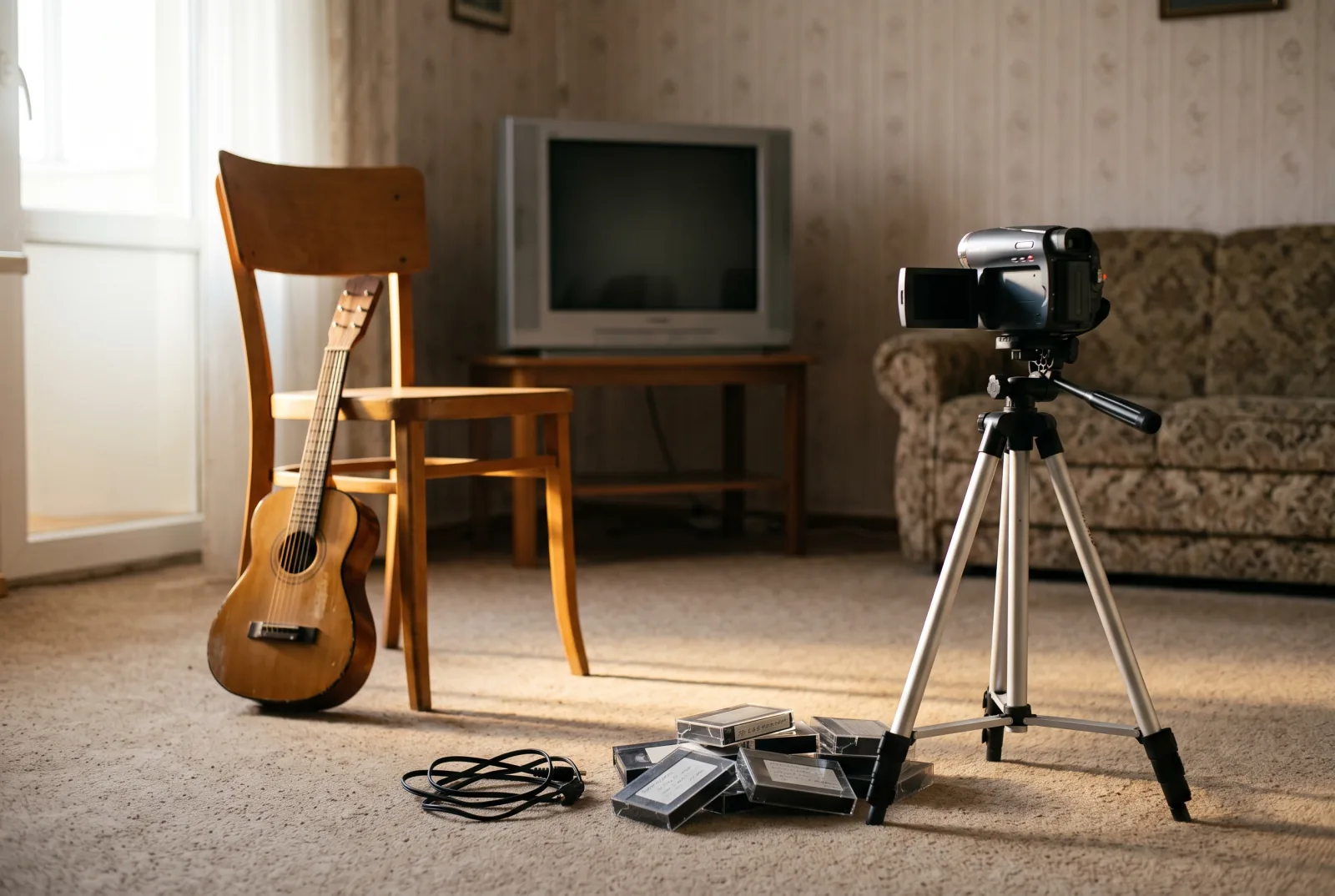
In 2002, with the charts full of loud pop and heavy rock, a handful of quiet piano songs sung in a velvet voice sold tens of millions and took home eight Grammys at the 2003 ceremony. There is also an illustrious surname she decided not to use.
10s
pop
Justin Bieber
He grew up under the whole world's magnifying glass, and survived
A manager found him among home videos on YouTube and at fifteen he was already one of the most famous people on the planet, without a single day of privacy. He paid that bill in public and afterwards spoke about depression and showed his facial paralysis without hiding.

10s
pop
The Weeknd
He began with no name and no face, and ended up with one of the biggest songs in history
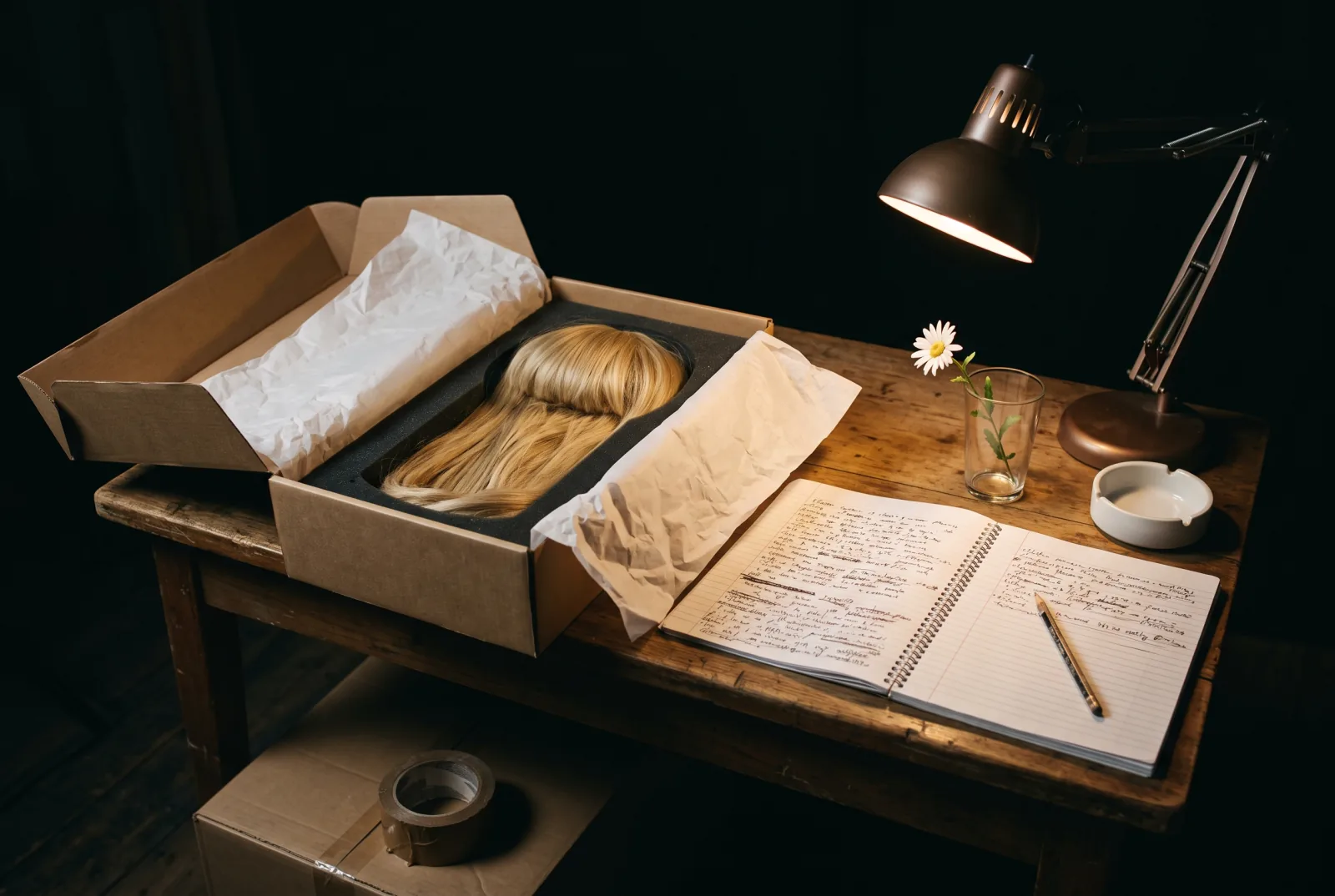
In 2010 a nocturnal, sickly R&B appeared on the internet signed with a pseudonym nobody knew anything about, and it made its way with no photo and no marketing. Behind it was Abel Tesfaye, a young man from Toronto who ended up playing the Super Bowl halftime show.
10s
pop
Miley Cyrus
The Disney girl who came to own herself, and waited almost twenty years for her first Grammy
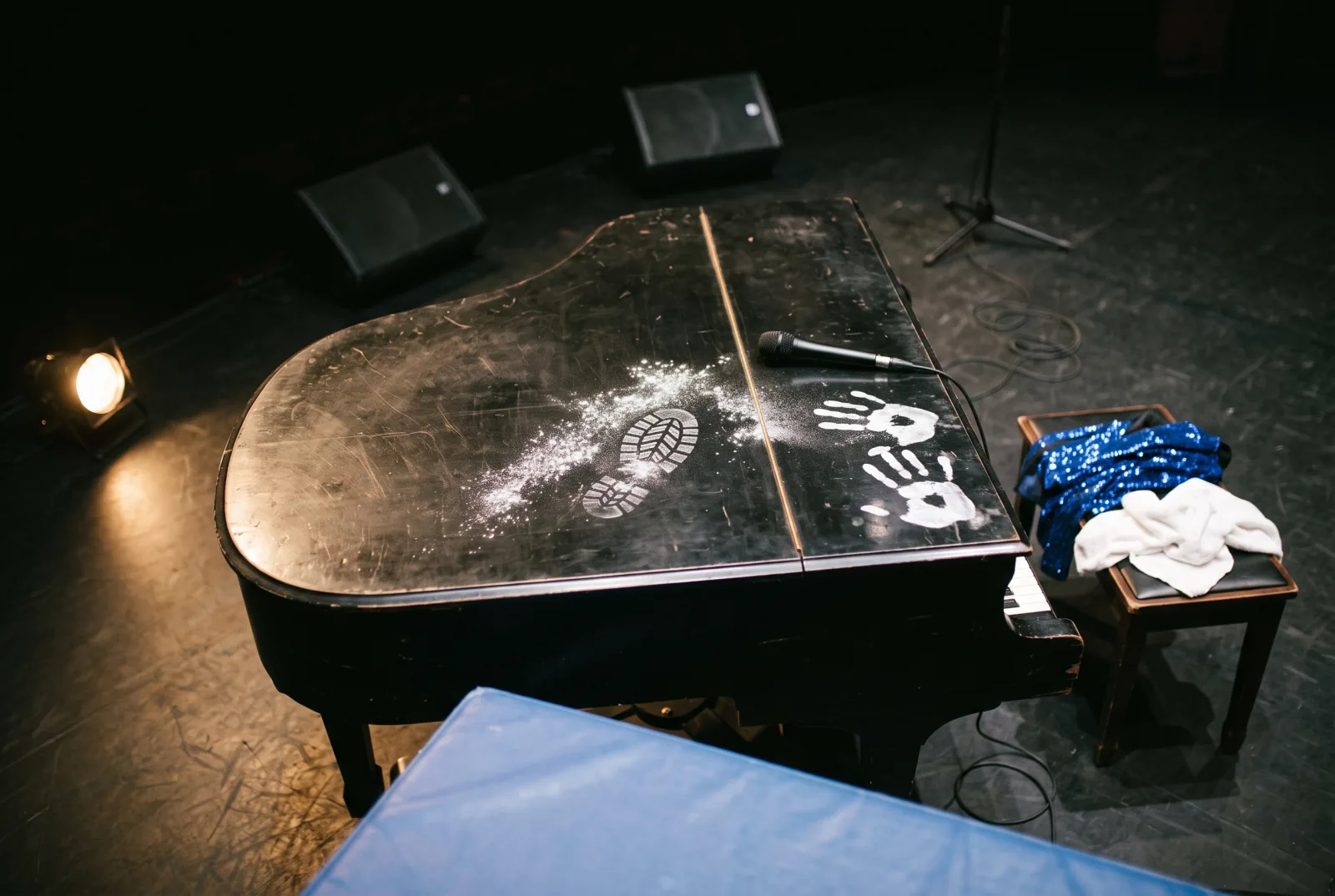
She started out as Hannah Montana, a character Disney had designed down to the last detail, and breaking out of that cage cost her years of mockery and condemnation. The industry finally crowned her in 2024 with "Flowers", a song about being able to love yourself.
10s
pop
Benson Boone
The kid who made the stage a spectacle again
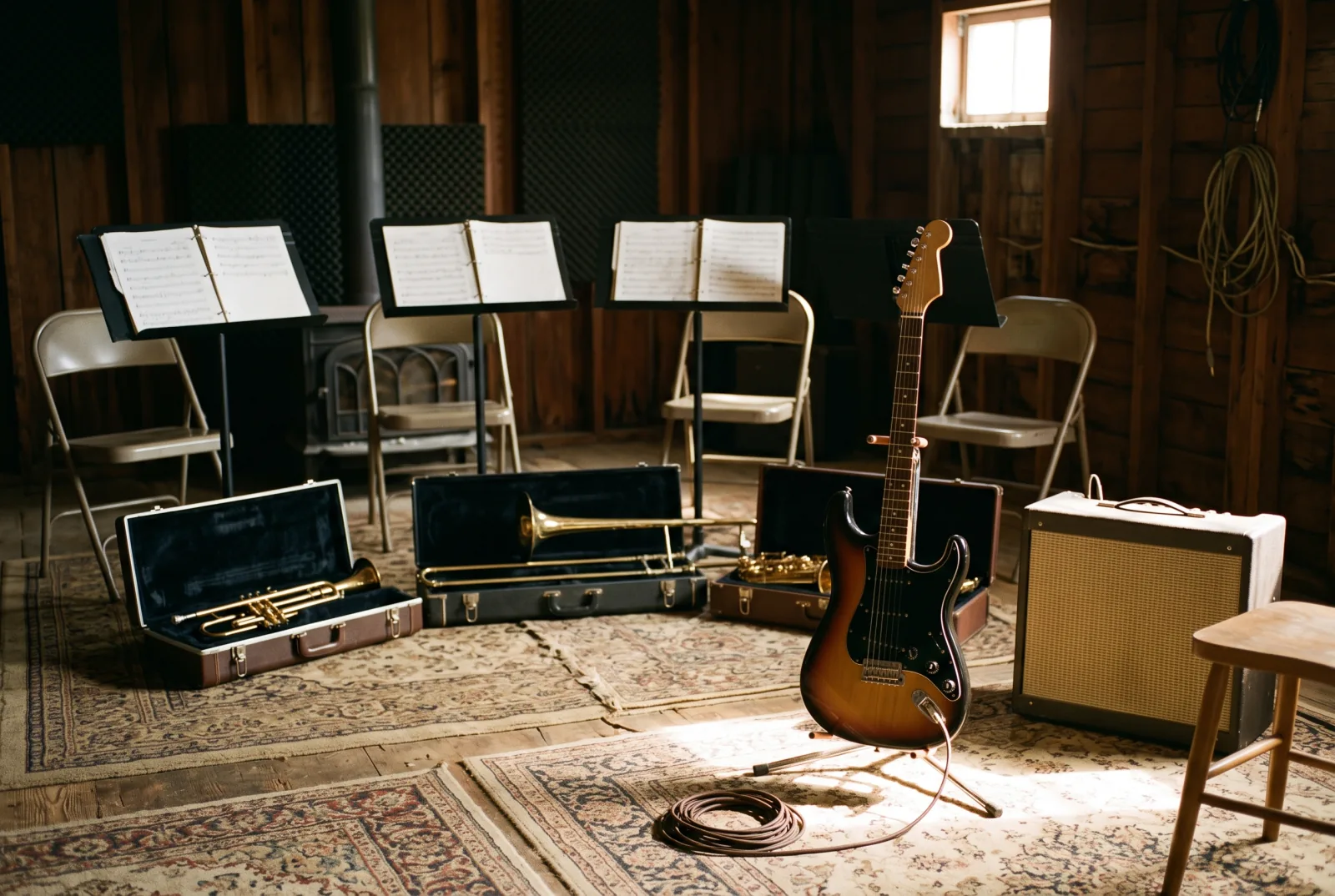
He walked away from a talent show halfway through and got further on his own: in 2024 "Beautiful Things" was one of the biggest hits of the year. And with him a lost habit came back: really singing and risking your body, with backflips off the top of the piano.
70s
pop
Chicago
They put a horn section into rock, and were hiding a guitar genius
They put trumpets, trombones and saxophones at the centre of a rock band and sold millions with that strange formula. But in their early years they were hiding something else: a guitarist whom Jimi Hendrix considered better than himself, dead at thirty-one from an accidental gunshot.
80s
pop
Peter Cetera
The voice behind Chicago's ballads bet on itself, and won
For eighteen years he sang the tenderest ballads of a horn band, and in 1985, at the top, he went solo. A year later he was at number one with the theme from a karate film, and he decided to retire before the voice gave up on him.
10s
pop
Mon Laferte
She never fit the boxes
She made her generation's most listened-to heartbreak song without radio's help, won five Latin Grammys without repeating the same trick, and climbed twelve metres of scaffolding to paint what nobody draws.

80s
pop
Sting
The teacher who never stopped studying
A milkman's son, a schoolteacher, and then one of the finest voices in pop. He had the biggest band in the world and left it at thirty-three to take on jazz, the orchestra and the Renaissance lute.

80s
pop
The Police
They knew when to leave
Three virtuosos dressed as punks who made the most perfect pop of their era and stopped when they were the biggest band on the planet. And a love song that is really about watching someone.

80s
pop
Pet Shop Boys
Dancing with T. S. Eliot
A pop journalist and an architecture student made the smartest dance pop of all. They smuggled «The Waste Land» into a disco hit and nobody noticed.

00s
pop
Julieta Venegas
The accordion and the border
She took Latin pop and made it personal, sophisticated and deep without ever losing the hook. A girl from Tijuana with a conservatory training and the soul of a ska band, who also had a Chilean marriage.
70s
pop
Fleetwood Mac
The album made from their own ruins
Five people whose relationships were all falling apart at once shut themselves in a studio and, instead of killing each other, made «Rumours». They sang their break-ups at one another, in the same room, harmonising perfectly on songs about leaving.
70s
pop
Camilo Sesto
Do you want to be my lover?
It is easy to file him away as the schmaltzy balladeer. Behind that voice there was a songwriter and a producer who bankrolled «Jesus Christ Superstar» out of his own pocket in a Spain just emerging from Franco. And a whole songbook about loves that could not be named.
90s
pop
Smash Mouth
The song that beat its own joke
It was not written for «Shrek», the singer did not write it and it was never number one. What «All Star» did do was survive fifteen years of parodies and come out more popular than ever.
80s
pop
Whitney Houston
The girl from the choir
Time magazine said that if the human voice is an instrument, hers was a Stradivarius among ordinary violins. She was formed in a Baptist church choir in Newark, and the same press that crowned her later filmed her decline.

80s
pop
a-ha
Bigger than yourself
«Take On Me» flopped twice before it became a hit: it was not luck, it was releasing the same song three times. Behind the chorus everyone knows are three Norwegians with a forty-year career and the largest paying concert audience in history.
80s
pop
Madonna
She never belonged to anyone
Pepsi pulled the «Like a Prayer» commercial and she kept the five million dollars. Madonna's story is not provocation but control: of her body, her image, her music and her business, in an industry built so that women controlled nothing.

70s
pop
John Lennon
A difficult man's prayer
The boy whose life Elvis set alight ended up burying his idol in a single sentence. John Lennon made a generation dream of peace while fighting his own violence, learned late how to be a father and died by the most senseless violence of all.

50s
pop
Elvis Presley
Not the fortunate son
He wrote almost none of his songs and still became the sound of an era. Elvis Presley transformed the Black music that raised him, benefited from a colour line he did not invent and, at the height of his fame, refused to hide from the draft.
70s
pop
Kenny Rogers
Somebody else wrote the song
"The Gambler" belongs to Don Schlitz, who wrote it at twenty-three and spent two years hawking it around Nashville. He died on 16 April 2026. A whole philosophy was built on that song.
80s
pop
Journey
The singer they found on YouTube
Neal Schon spent nights watching home videos until he found a Filipino singer doing covers in a Manila club. Pineda thought it was a scam. He has held the job longer than Steve Perry did.

90s
pop
Roxette
The record that crossed the Atlantic
They reached number one in the United States because an exchange student took the album home to Minneapolis and would not stop until a station played it. The label had no plans to release it.

70s
pop
ABBA
The divorce the song does not tell
Björn has expressly denied that "The Winner Takes It All" is his divorce. What is true is the calendar: they separated in January 1979 and kept working together for three more years.
90s
pop
Cher
Thirty-three years between two number ones
In August 1965 she had a number one. The next came in March 1999. It is the longest gap in the history of the Hot 100, and it means she was written off more than once.
70s
pop
Juan Gabriel
What is visible needs no asking
A boy placed in a juvenile home in Ciudad Juárez took his abandonment, his poverty and his loneliness and left them out there for anyone to use. That is why «Amor Eterno» stopped being his grief and became the place where a whole continent puts its own.
60s
pop
The Archies
The band that could not argue
Don Kirshner had already built a television band and it had gone badly: the Monkees rebelled. His answer was impeccable in the cold sense of the word: the next one would be a cartoon.
60s
pop
Louis Armstrong
The boss who hated the song
The label president thought it was rubbish. He tried to stop the session, was removed from the studio, and then took his revenge by not promoting it: "What a Wonderful World" sold under a thousand copies.
70s
pop
Paul McCartney
The lawsuit nobody understood
On 31 December 1970 he sued his three closest friends. Not to break up the band: to get the catalogue out of hands he did not trust. And he did reconcile with Lennon.
60s
pop
Neil Sedaka
The half somebody else signed
He died on 27 February 2026 and the obituaries called him the man behind "Breaking Up Is Hard to Do". The song has two names in the credits, and the second had been dead for twenty-five years.
10s
pop
Adele
The only stack left
When the album was being written off as dead, she sold thirty-one million copies. And four years later she pulled her record from streaming to force people to buy it.
80s
pop
Phil Collins
The one at the back
Genesis looked for a replacement for Peter Gabriel with an anonymous advert, and four hundred replies came in; several with photographs of applicants in costume and masks. None of them worked. The answer had been sitting behind the drums for five years.

80s
pop
David Byrne
A rectangle with legs
David Byrne put on a suit five sizes too big so that his head would look smaller. He explained it himself: music is physical and the body understands it before the head does. Rock's most cerebral man designed an object to escape his own head for a while, and made anxiety danceable along the way.

80s
pop
Michael Jackson
The man in the mirror
A genius who changed music for good, a cultural father to a whole generation, a man at war with his own reflection, and a shadow that never lifted. All of it is true at once, and this profile does not come to resolve it in either direction.
90s
pop
Linda Perry
The signature in the credits
She sang the nineties anthem of «hey-yeahs», and when the industry tried to turn her into a pop star she slammed the door. Then she wrote «Beautiful» and «Get the Party Started» for other women. Half the pop of twenty years carries her signature, hidden in the credits.
70s
pop
Elton John
An envelope of lyrics from a stranger
In 1967 a shy boy called Reginald Dwight failed an audition, and on his way out was handed a sealed envelope of lyrics by another applicant they were not going to sign either. Almost sixty years on, Elton John and Bernie Taupin still write that way, apart.
90s
pop
Andrés Calamaro
Writing the way you breathe
He released an album with a hundred and three songs. Not because he had something to say: because he never learned how to stop.

90s
pop
Maná
The chair at the end of the pier
The woman in "En el muelle de San Blas" existed. Almost everything else is more complicated, and her daughter refutes it point by point.
80s
pop
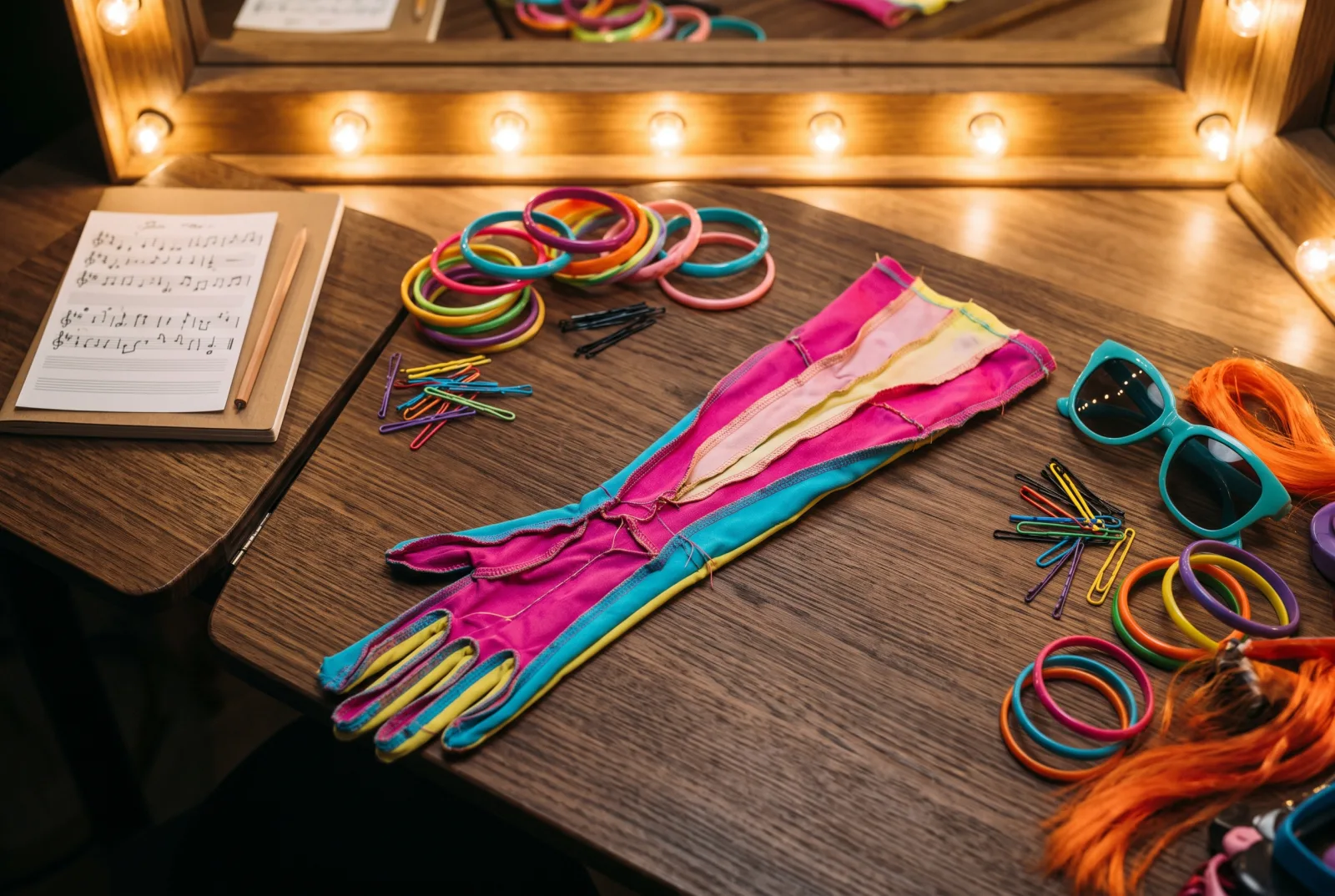
Cyndi Lauper
The glove turned inside out
A man wrote it, from a sexist point of view. She didn't change the words: she changed who says them and from where, and the song came to mean the opposite.
70s
pop
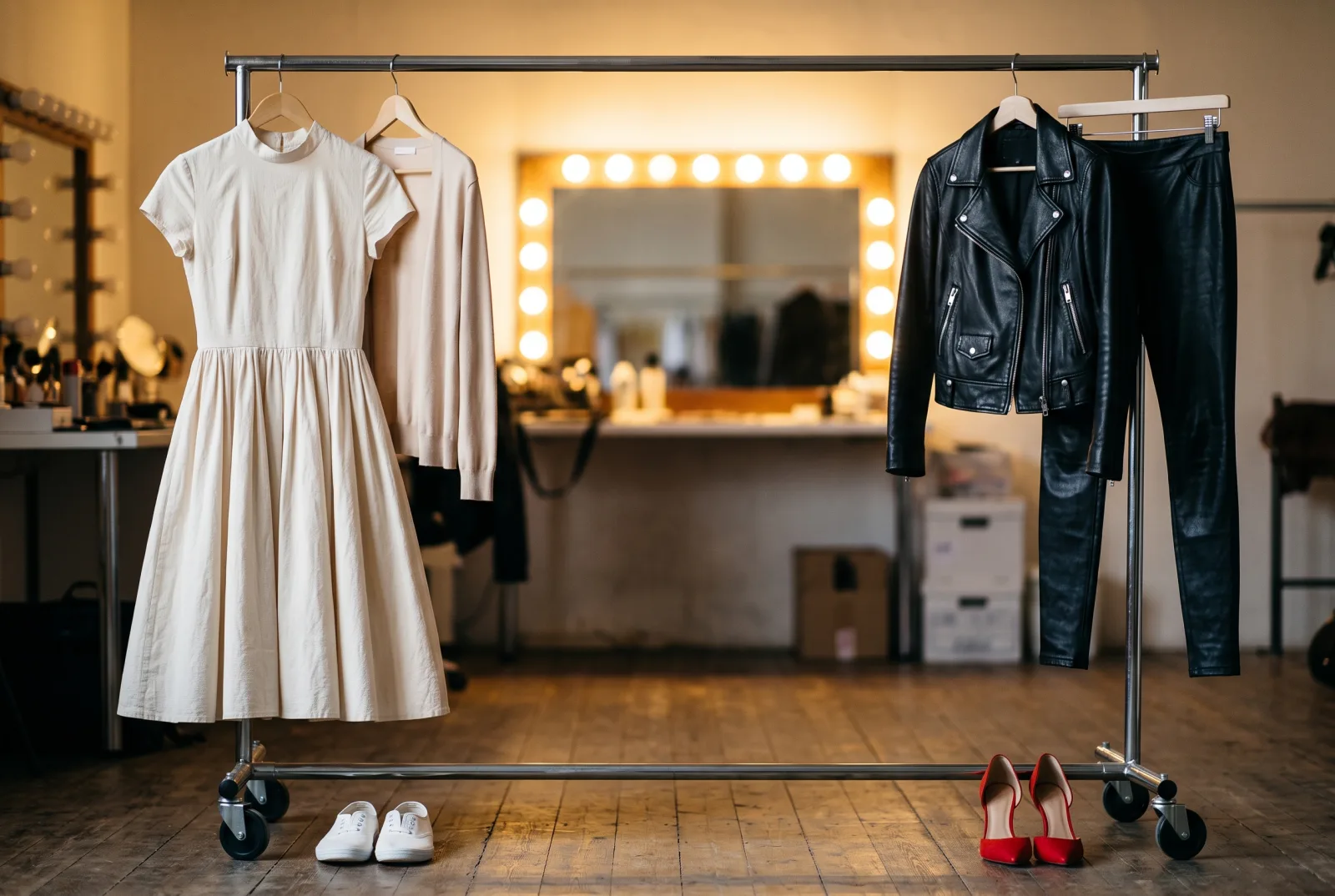
Olivia Newton-John
The two Sandys
The final transformation in "Grease" worked because it wasn't only the character's: it was hers. And thirty years later she repeated the gesture with something far more serious.
70s
pop
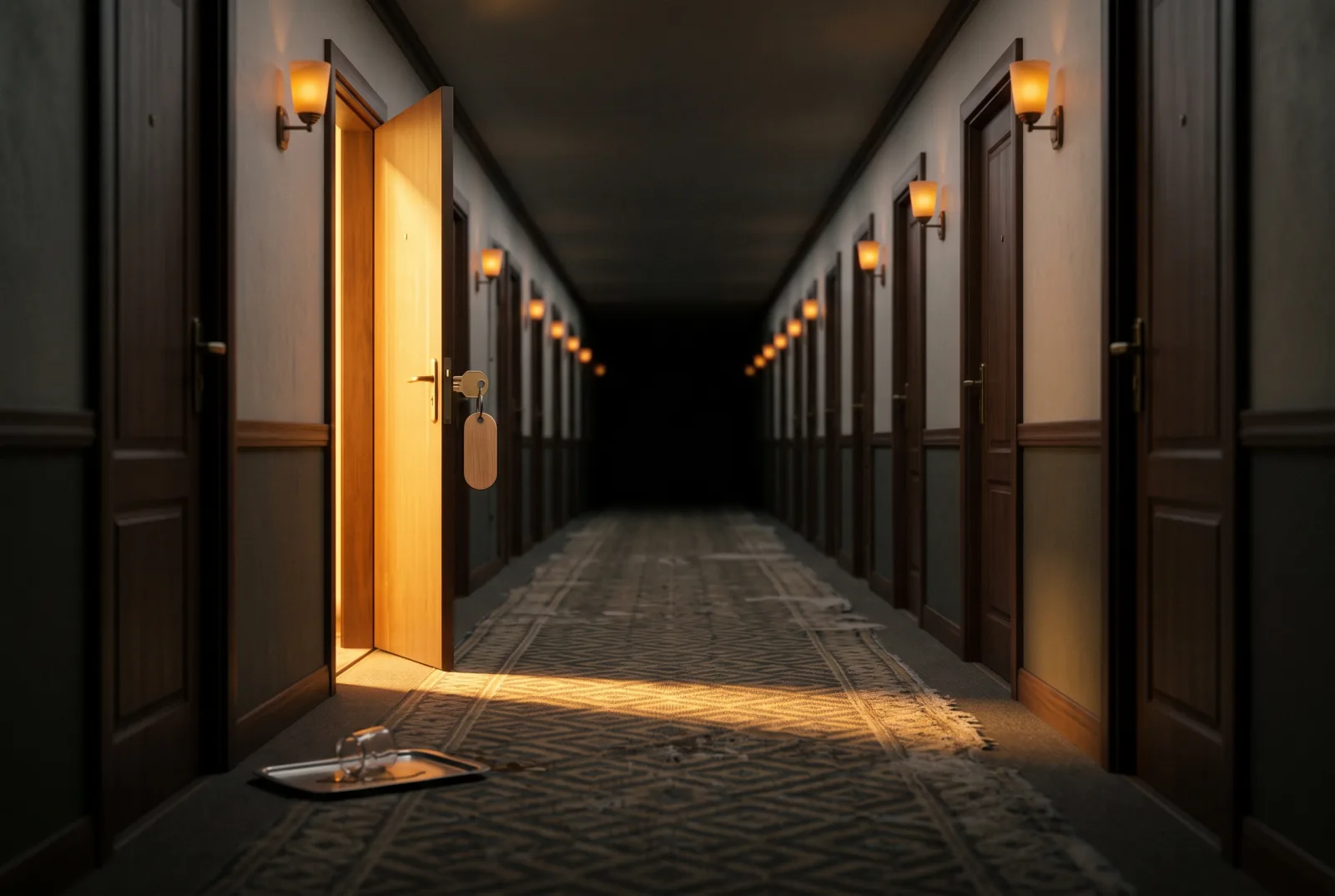
Eagles
The door that opens
They built their fame singing the Californian paradise and wrote their masterpiece about its underside: a place you can leave and never manage to get out of.
00s
pop
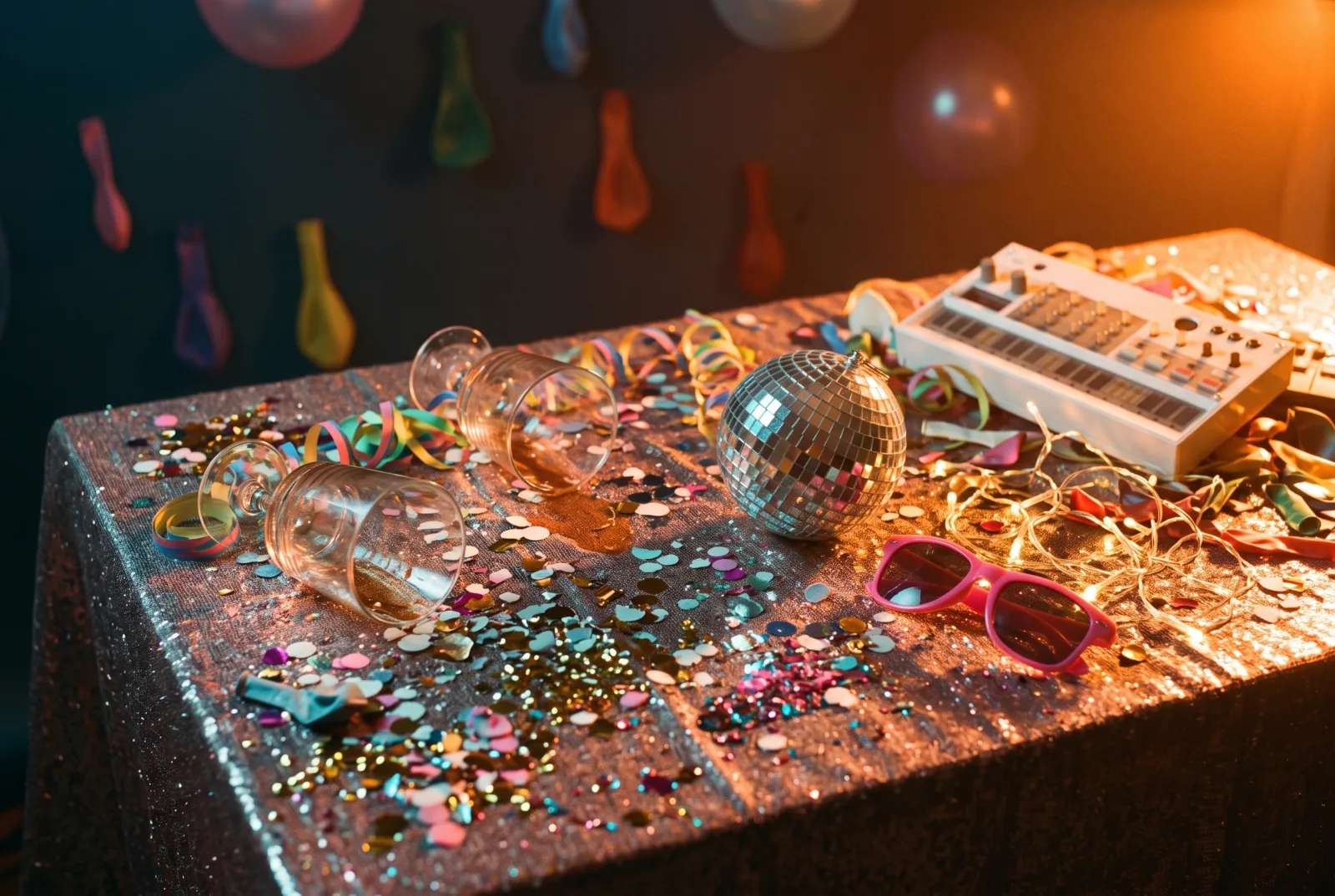
Miranda!
Permission to have a good time
Twenty years into a career, the normal thing is to live off nostalgia. Miranda! did the opposite: they handed their songs to the next generation to sing alongside them, and won Argentina's album of the year with it. A record of covers of themselves.
60s
pop
The Ronettes
Everyone playing at once
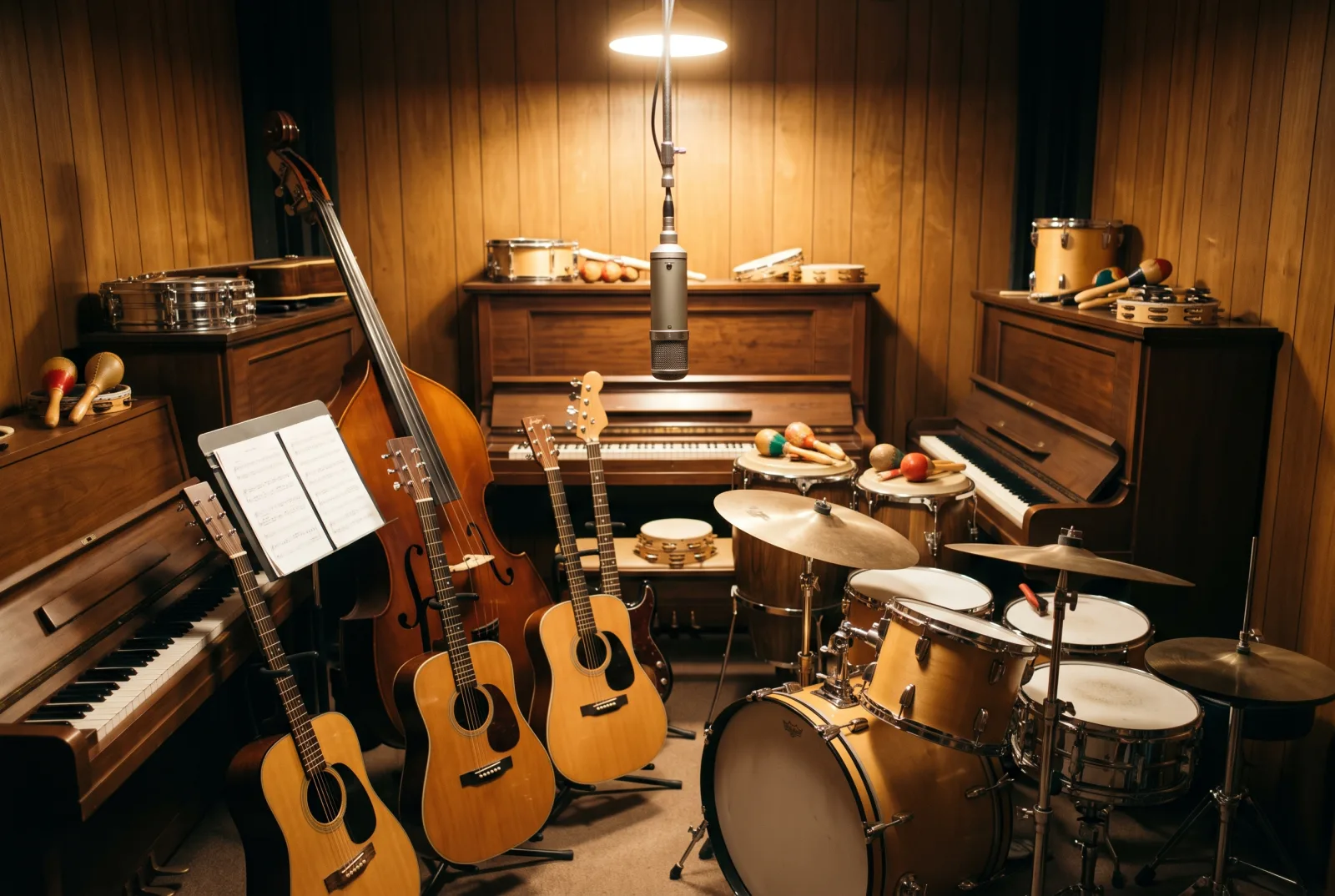
The wall of sound meant packing dozens of musicians into a small room playing at the same time. On top of all that went a single voice, and it was Ronnie's.

60s
pop
Frankie Valli
Four decades
A falsetto that climbs higher than almost any woman's, coming out of a guy from a Newark neighbourhood. Seven number ones in sixteen years, and the British wave didn't take him.
60s
pop
Paul Anka
Writing another man's life
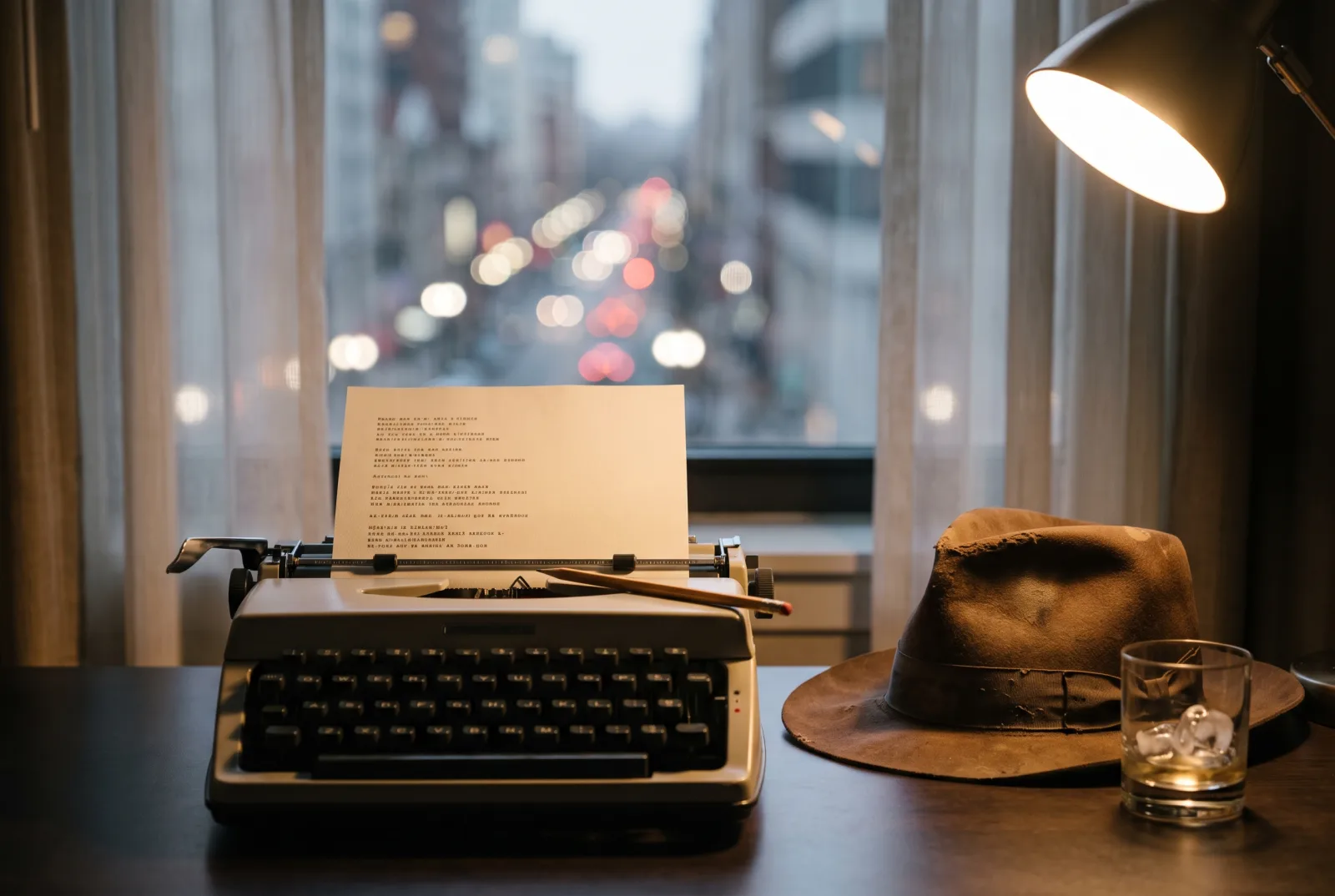
One night in 1968 he sat down to write what Frank Sinatra would say if he had to sum up his life. Millions think they hear Sinatra and hear a twenty-seven-year-old Canadian.
60s
pop
Nancy Sinatra
Boots on the shadow
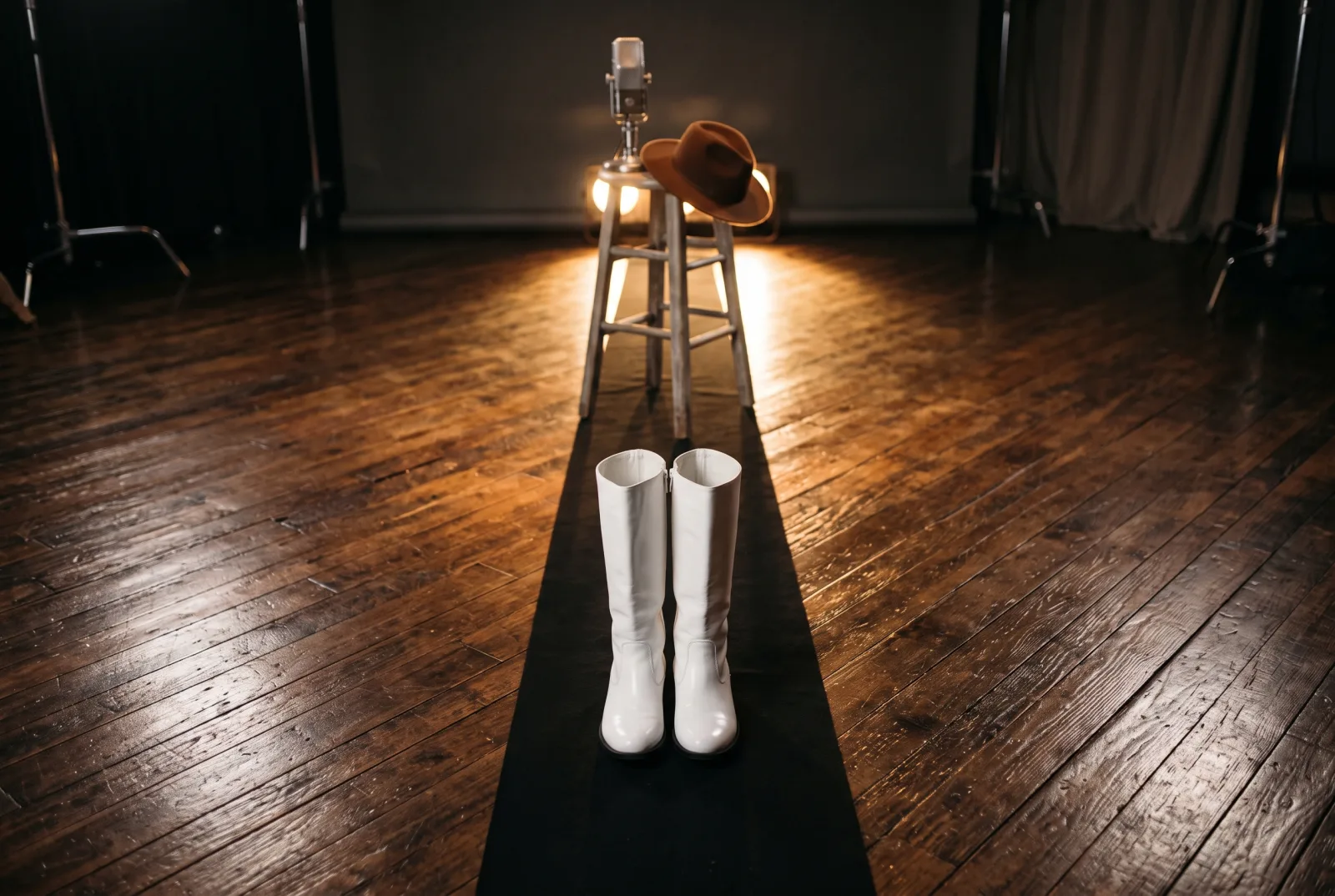
She carried the heaviest surname in American music and shook it off with a song her father would never have sung.

50s
pop
Peter Rock
The One Who Opened the Door
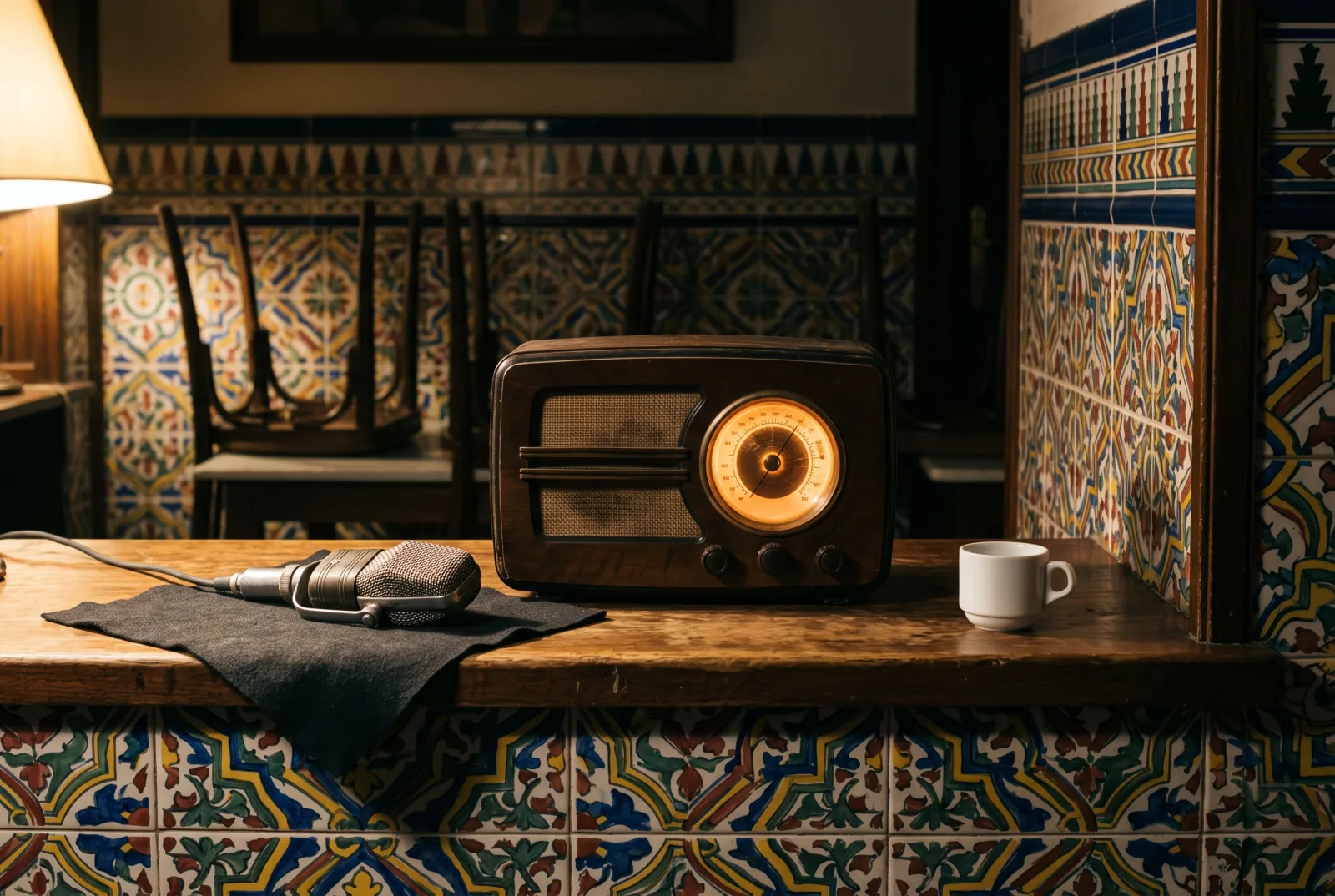
Peter Rock, or how a country filed away its own founder as the nice old man on television. On 27 October 1959, aged fourteen, an Austrian immigrant recorded the first rock and roll in Chilean record history. Everything that followed came through that door.
60s
pop
Los Bravos
Sounding like they weren't Spanish
A Spanish band, a German singer, a song by English writers recorded in London with English musicians. To break the charts you had to sound like you came from somewhere else.

50s
pop
Buddy Holly
The template
Two guitars, a bass and drums, playing their own songs. Today that is the obvious definition of a rock band. In 1957 it wasn't, and he settled it in eighteen months.
50s
pop
Santo & Johnny
The guitar that weeps
At the height of rock and roll, the most played record in America was a slow melody with no words. The last instrumental to top the chart in the fifties.

50s
pop
Brenda Lee
Sixty-five years late
She recorded a Christmas song at thirteen and it flopped. In 2023 it hit number one. What waited sixty-five years was the song: she had already topped the chart in 1960.
50s
pop
Tony Bennett
The room slowly fading
He recorded a whole album after his Alzheimer's diagnosis. His memory of life was going and his memory of the songs was not: the standards stayed intact when almost nothing else did.
90s
pop
Marciano Cantero
The Voice of Everyone's Adolescence
Marciano Cantero, or why the songs that reach you at fifteen never come loose. Enanitos Verdes were not the critics' band: they were the people's band, at every party and every school trip across a whole continent. Two of their biggest anthems were not even theirs.
50s
pop
Nat King Cole
The empty easel
No national advertiser would put its name beside a Black man's in prime time. NBC did not cancel his show: he walked away, and wrote down why.
50s
pop
Frank Sinatra
Breathing like someone talking
He learned to sing by watching a trombonist breathe, and took up underwater swimming to hold longer phrases. And no, "My Way" was neither his epitaph nor played at his funeral.

80s
pop
Federico Moura
Dancing at the Edge
Federico Moura, or why in a country governed by fear, dancing was also resistance. At first they threw oranges at him for making a seated rock scene dance. Nobody knew the dictatorship had torn a son from that family, and that his lightness was a chosen answer to the horror.
80s
pop
Toto
Five thousand other people's records
They were the most in-demand session players in Los Angeles. They played on the best-selling album ever, and then signed under their own name.
80s
pop
Quincy Jones
Check your ego at the door
Seventy years of work, twenty-eight Grammys, and the best-selling album in the world. Most people would not recognise him in a photograph.
80s
pop
Milli Vanilli
The tape that jammed
The only Grammy ever revoked. But behind the scandal there are two stories: the fake faces, and the real voices.
00s
pop
Lady Gaga
Under the costume, a piano
Piano from the age of four and her own ballad at thirteen. She conquered with the mask first and took it off later, once she no longer needed it.
50s
pop
Ritchie Valens
The first thing he ever won
An eight-month career, seventeen years old, and the first great rock anthem in Spanish, sung by a boy who learned the words phonetically.
90s
pop
Gustavo Cerati
Gracias Totales
Gustavo Cerati, or what to do once you have already been the singer of the continent's most beloved band. He was offered a tour replacing Sting and said no, because he was busy becoming himself. Out of that came «Bocanada», and a body of work that refused to repeat the formula.
80s
pop
Jorge González
What I've Eaten and Danced
Jorge González, or why someone sure of what is theirs does not chase what belongs to others. A profile built from his at-home interview: the fourth-hand piano, the X-ray of a country, the album born of a betrayal, the fame he dropped on purpose, and how he started writing again when his body changed.

70s
pop
Dolly Parton
Underneath the Sequins
Dolly Parton has died, the one who looked the most artificial and was the most true. Underneath the wigs, the nails and the impossible make-up there was a colossal songwriter and a razor-sharp businesswoman: the one who at twenty set up her own publishing company to own her songs, the one who said no to Elvis and cried all night, and the one who twenty years later made enough from that very song to buy Graceland.
80s
pop
Annie Lennox
The Mask That Didn't Hide
Annie Lennox, or how to become impossible to classify so that people will finally listen. In 1983, when a pop singer was supposed to be pretty and desirable, she put on a man's suit. Not to hide: to clear away everything that got in the way and leave the artist at the front. The voice behind the image, and the second act in which she turned the spotlight outwards.

70s
pop
David Bowie: The Perfect Amalgam of Rock and Pop
How the chameleon turned the distance between the rebellious and the popular into his own territory. From Ziggy Stardust to the Berlin Trilogy and the Trojan horse of "Let's Dance": the story of the artist who refused to choose, and why nobody has fused them like him since.
60s
pop
Pop Culture and Its Struggles Since the Sixties
How a music made to please became a battlefield for civil rights, feminism and sexual freedom. From Motown in white households to the girl groups singing their own desire and Bowie's Ziggy Stardust: pop as culture's Trojan horse.
60s
pop
How Pop Culture (and Pop) Was Born
The story of the most loved, best-selling and most looked-down-upon genre of them all: from the Brill Building song factory to the invention of the teenager and the soundtrack of the world's youth. Why a genre built to please ended up changing society without meaning to.

80s
pop
Why Latin America Loves Depeche Mode
A band from a grey English town that became a religion in the south of the world: three sold-out nights at the Foro Sol, two hundred thousand people and a film shot in Mexico City. The three layers —the sound, the machine and the dictatorship— behind a devotion the band itself can't quite explain.

80s
pop
Depeche Mode: The Machine That Became Soul
From teenagers in Basildon with cheap synthesizers to the kings of electronic rock: forty years of reinvention, darkness and devotion. The fifteen albums one by one, Fletcher's death, Memento Mori and a map of who picked up the baton.