
Madonna
She never belonged to anyone
By Rebobinados · Published on September 14, 2026
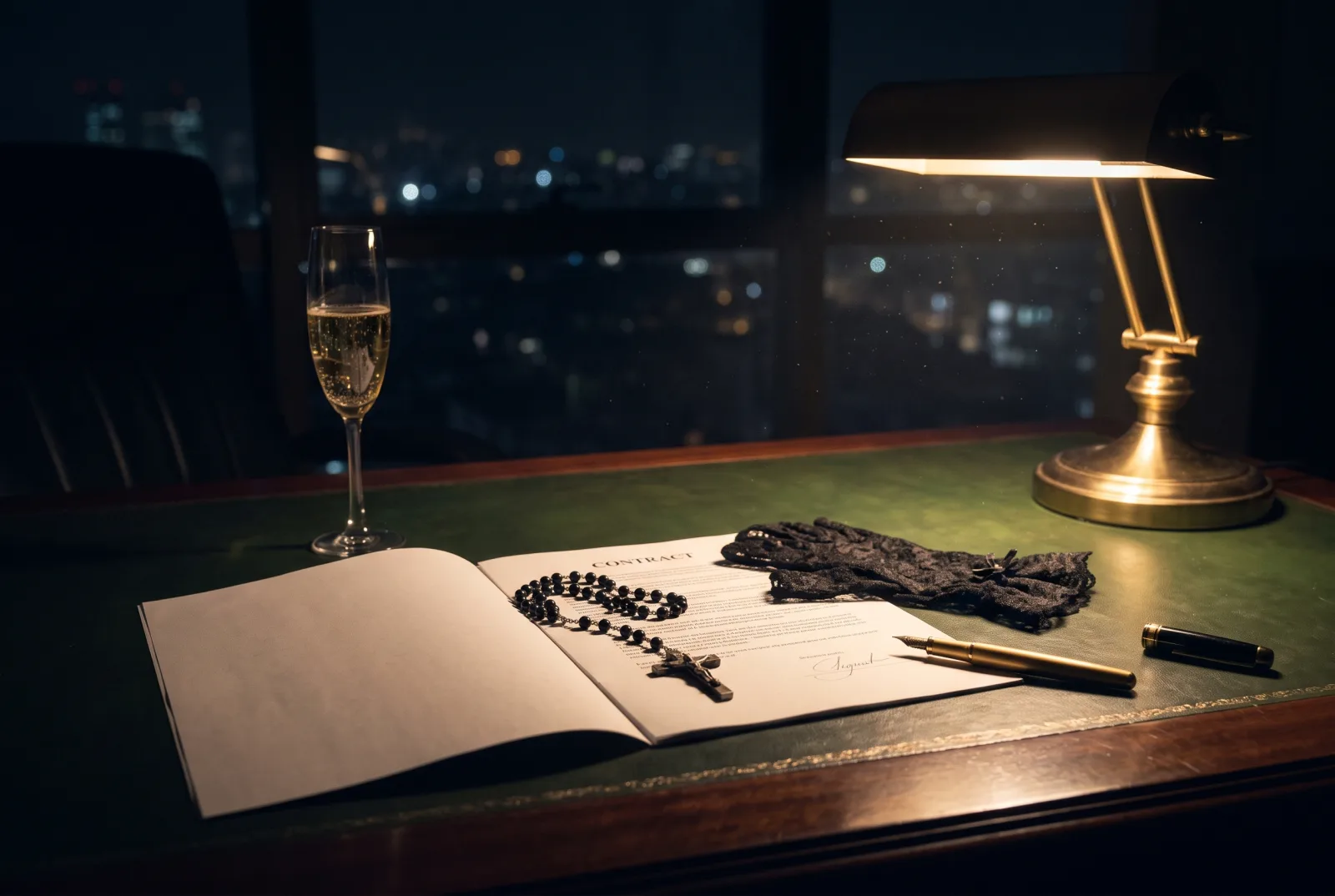
Ilustración: Rebobinados
In 1989 Madonna signed a deal with Pepsi worth around five million dollars. The advert went on air with "Like a Prayer" playing in the background.
The next day the video for the song premiered: burning crosses, stigmata, a Black saint who comes to life in a church. Religious groups condemned it as blasphemy and called for a boycott of Pepsi, and Pepsi, rattled, pulled the advert.
Madonna kept the money.
There is the whole woman, in a single story: she offended the powerful, won the culture war and pocketed the cheque. Almost everybody remembers her for the scandals, and that is exactly why almost everybody misses what matters. The real story of Madonna is not provocation. It is control.
A hole that became will
She was born in 1958 in Bay City, Michigan, into a strict Catholic household. Her mother, who was also called Madonna, died of breast cancer when she was five.
She herself has said that loss is what drove her to chase success with a ferocity that knew no brakes. She left for New York with next to nothing, a dancer with empty pockets, and elbowed her way up from the bottom.
That same year, 1958, Michael Jackson and Prince were born too. The three of them would carve up the eighties between them.
Killing her own image
Most pop stars find a formula and wring it until it dies. Madonna did the opposite: every few years she killed off her own image and built another — the material girl, the provocateur, the spiritual seeker, the queen of the electronic dance floor — so consistently that nobody could pigeonhole her or write her off.
Reinvention was not desperation: it was strategy, and it was art. And she could do it for one reason alone: because she owned her image, she could remake it whenever she wished. Reinvention is what control looks like in motion.
She was not the first to try. Debbie Harry had already made herself the owner of her own face in punk-era New York. Madonna carried that idea to the dead centre of global pop, and kept it up for forty years.
Provocation with a purpose
The provocations were not scandal for scandal's sake.
When she rolled around in a wedding dress singing "Like a Virgin", when she sang about a girl who decides to keep her baby in "Papa Don't Preach", when she published the book "Sex" and the album "Erotica", she was doing something precise: a woman claiming her own sexuality, out loud and on her own terms, instead of letting men package it for her.
She shocked people, yes. But she shocked the ones who believed a woman's body belonged to everyone but her. The provocation was a political act dressed up as pop.
Owner of the operation
Behind the icon was one of the shrewdest business minds music has ever produced.
She founded her own label, Maverick. For decades she was the richest woman in the industry, and she is the woman who has sold more records than any other in history. She is the only woman with six tours that each grossed more than a hundred million dollars, in a club whose only other members are the Rolling Stones, U2, Bruce Springsteen and the Eagles.
She did not just sing the songs: she owned the whole operation. In a business designed to keep hold of women's money and creativity, she kept hold of her own.
Not to time either
As she grew older, the culture that had been scandalised by her sexuality tried a new tactic: telling her that a woman of her age ought to cover up, tone it down, step aside.
She refused that too. She kept reinventing herself, kept provoking, kept asking nobody's permission. The Celebration tour, which closed in 2024 in front of more than a million and a half people on Copacabana beach, was her answer.
Still at the wheel
Madonna is alive and still remaking herself. And whatever you think of any one of her provocations, the achievement beneath them is enormous and it is hers: she took a world that treated women as raw material for men to mould, and showed that a woman could be the one holding the mould.
Every artist who today controls her own image, who owns her sexuality, who reinvents herself instead of fading away, is working on ground that Madonna cleared.
If you put on "Like a Prayer", or "Vogue", or "Ray of Light", you are hearing more than good pop: you are hearing a woman who for forty years refused to let anyone else own her. Not the Church, not the label, not the critics, not time. She held the wheel the whole way, and she is still driving.
Sources
Madonna Louise Ciccone (Bay City, Michigan, 16 August 1958), American singer, songwriter, producer and actress, known as "the Queen of Pop"; recognised by Guinness as the best-selling female recording artist in history. Raised in a Catholic household; her mother, Madonna Louise Fortin, died of breast cancer in 1963, when she was five, something she has pointed to as the engine of her ambition. She moved to New York in 1978 to study dance. Michael Jackson (29 August 1958) and Prince (7 June 1958) were born the same year. In 1989 she signed a deal with Pepsi worth around five million dollars; after the premiere of the "Like a Prayer" video, condemned by religious groups, Pepsi withdrew the advert and, according to reports, Madonna kept the payment. Her key works and moments include "Like a Virgin" (1984), "Papa Don't Preach" (1986), "Like a Prayer" (1989), "Vogue" (1990), the Blond Ambition tour (1990), the album "Erotica" and the book "Sex" (1992) and "Ray of Light" (1998). She founded the Maverick label in 1992. According to Billboard, she is the only woman with six tours grossing more than 100 million dollars; the Celebration Tour (2023-2024) grossed more than 225 million and closed on 4 May 2024 with a free concert on Copacabana, Rio de Janeiro, with an estimated attendance of 1.6 million people. She has seven Grammy awards, won the Golden Globe for "Evita" (1996) and was inducted into the Rock and Roll Hall of Fame in 2008. Externally authored text, edited and verified for Rebobinados. Interpretations of the meaning of her work are offered as the author's reading. No song lyrics are reproduced, for copyright reasons. Information drawn from Britannica, Wikipedia, Billboard, Pollstar and other press coverage.
Keep rewinding

10s
pop
Bruno Mars
Eleven names in the credits
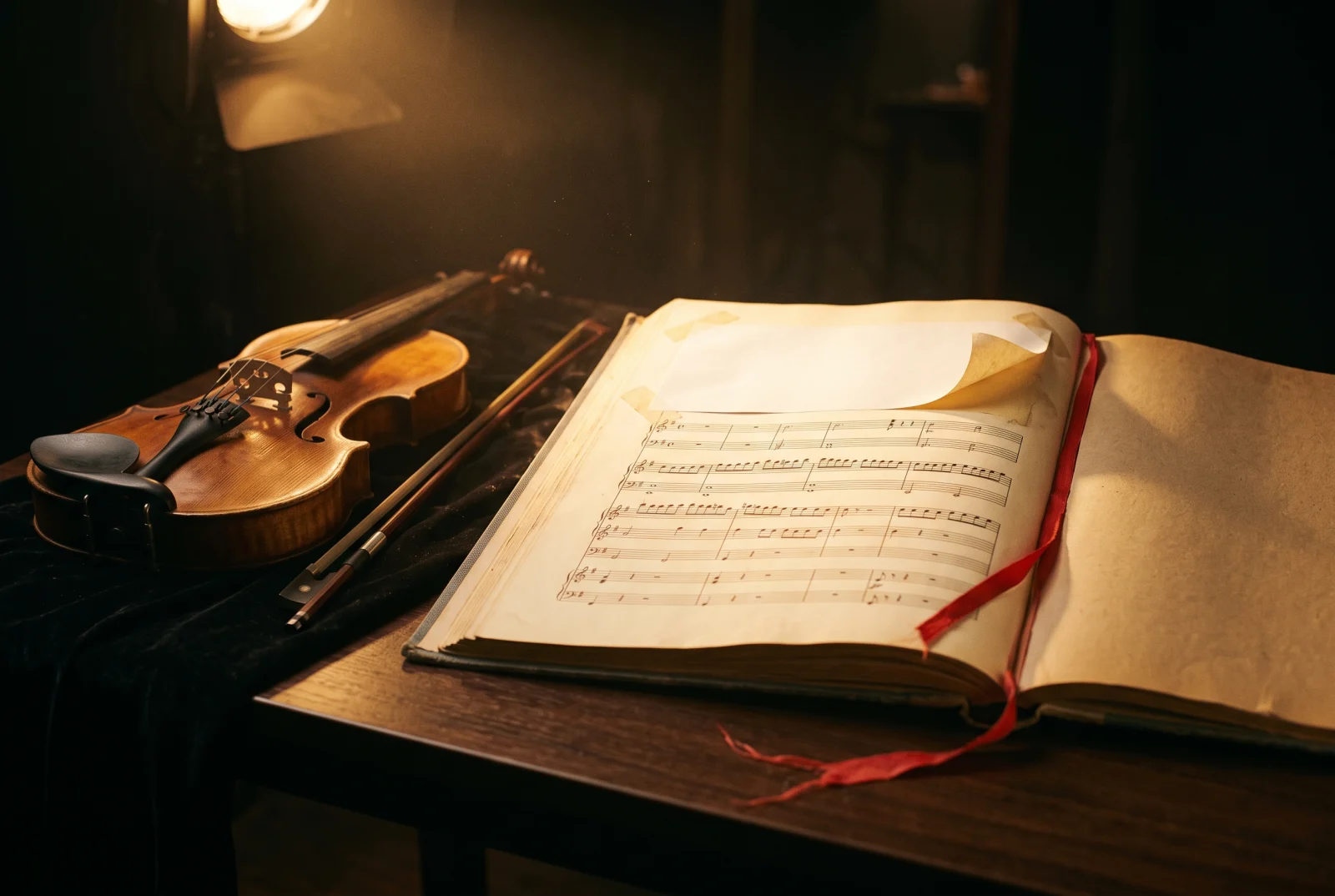
"Uptown Funk" came out on 10 November 2014 with six writers and today it has eleven. In February 2015 The Gap Band's publisher filed a claim over "Oops Up Side Your Head" in YouTube's copyright system —there was never a lawsuit— and on 28 April five names were added, with 17 % of the publishing. It happened weeks after the "Blurred Lines" verdict, and the song had been fourteen weeks at number one.
00s
pop
André Rieu
It was not from the jazz suite
The waltz with which André Rieu reached half the world is not from Shostakovich's Suite for Jazz Orchestra No. 2: it is from the Suite for Variety Orchestra, which the composer did not assemble, and it was born in 1956 as music for a Soviet film about settlers in Kazakhstan. The error comes from a misprint in volume 10 of the complete works (Muzyka, Moscow, 1984), corrected only in 2001. And the title "The Second Waltz" was invented by his wife, because the real one did not sell.
90s
pop
Daniela Mercury
She took the neighbourhood out of the song
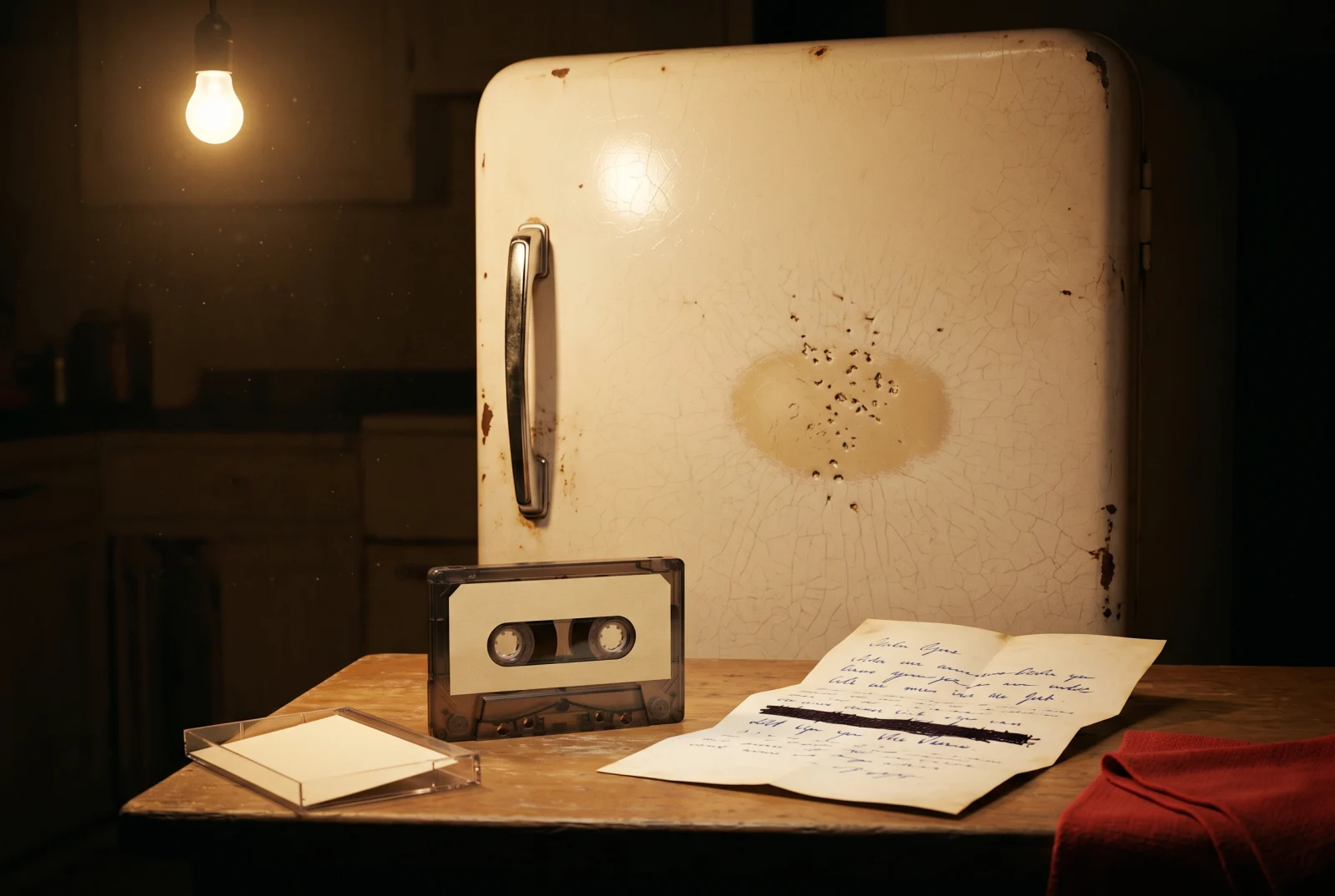
"O Canto da Cidade" was written by Tote Gira, a composer from Nordeste de Amaralina who recorded the demo on a borrowed cassette, marking the beat on the door of a refrigerator; Mercury's team almost threw the tape away. She shares the credit because she deleted the references to the Pelourinho so that the song would serve all of Brazil. The album, from 20 September 1992, sold more than 2 million copies and nationalised axé. But she did not invent it: the name was a journalist's insult in 1987.
Rewind with us
Comments · 0
No one has commented yet. Open the conversation.