
Chapter 02 — Decades
80sThe neon
Articles from the 80s
80s
pop
REO Speedwagon
Its only founder was already gone
On 21 December 2024, at REO Speedwagon's last concert, there was not a single founder on stage: Neal Doughty, the keyboard player who had copied the name off a university classroom blackboard in 1967, had stepped off touring in February 2023. The halt was announced on 16 September 2024 and settled 2-1 among the three owners of the name: "I just got outvoted", said Kevin Cronin.

80s
pop
Opus
The tape was full
On 2 September 1984, at the Oberwart stadium, Opus premiered "Live Is Life" for the band's 11th anniversary and it was not recorded: the tape was full. They played it again as an encore and that second take went around the world, so the eternal chorus is the one sung by five thousand people who had just learned it. It was no. 1 in six countries and no. 32 on the Hot 100, with no US certification: the American blow was Canada, with double platinum and a Juno in 1986.
80s
pop
The Cars
Bowie gave up a song for them
At Live Aid, on 13 July 1985, a montage about the Ethiopian famine was screened with "Drive" behind it: it had been filmed by the Canadian CBC and David Bowie, on seeing it, gave up a song from his own set so that it would be broadcast. Geldof said that tape was the turning point of the event and the phone lines collapsed. The Cars gave away the income from the single's reissue, almost 160,000 pounds, and Ric Ocasek handed the cheque over in London in November 1986.
80s
punk
Billy Idol
His two anthems failed when they came out
"Rebel Yell" came out on 12 January 1984 and reached no. 46 on the Hot 100 and no. 62 in the United Kingdom; "White Wedding" got no further than no. 36 and did not chart in the United Kingdom in 1982. The two of them only reached no. 6 in Britain in the 1985 reissues, and "Dancing with Myself" never entered the Hot 100. His only no. 1 was a live "Mony Mony" from 1987 that knocked off Tiffany, whose hit was another Tommy James cover.
80s
funk
Rick James
The Grammy came out of a lawsuit
The only Grammy of his life he won for a song he did not record: Best R&B Song on 20 February 1991 for "U Can't Touch This", after suing MC Hammer over the riff of "Super Freak" and settling out of court. Before all that he had a band in Toronto with Neil Young and Bruce Palmer, and Motown cancelled their single in 1966 on discovering that its singer was a fugitive from the Naval Reserve.
80s
pop
Starship
A judge gave them their name
The name was a condition of the out-of-court settlement of March 1985: Paul Kantner had left in June 1984 and had sued in October, and nobody could use "Jefferson" or "Airplane" again. Of the ten tracks on "Knee Deep in the Hoopla" only one carries a credit from the group, and the three number ones —"We Built This City", "Sara" and "Nothing's Gonna Stop Us Now"— were written by outside authors. Grace Slick, who sang the first of them, called it the worst song ever.

80s
pop
Yazoo
Others got to number one
"Only You" was never a number one sung by Yazoo: it stalled at no. 2 on 16 May 1982. It reached no. 1 nineteen months later and a cappella, with The Flying Pickets, five weeks and the Christmas number one of 1983, the first a cappella no. 1 on the British chart. The duo no longer existed: they announced the break-up on 21 May 1983 and "You and Me Both" reached no. 1 on 4 July, without a single follow-up single or concert to push it.
80s
pop
Alphaville
He wasn't talking about Japan
"Big in Japan", number one in the Federal Republic in January 1984, is not about making it big in Japan: Marian Gold wrote it in a dentist's waiting room about two heroin-using friends from West Berlin's Zoo station, and "big in Japan" is, he says, the lie of the loser. The third verse of "Forever Young" the label made him change because it evoked a fascistic feeling, and Gold calls the replacement line the worst lyric in the song.
80s
disco dance
Modern Talking
Half the duo went on at Viña del Mar
In February 1988 the Quinta Vergara announced Modern Talking, but only Thomas Anders walked onto the stage: the contract predated the 1987 break-up. And the duo was never two. The falsetto of the chorus was sung by Rolf Köhler, Michael Scholz, Detlef Wiedeke and Birger Corleis, without appearing in any credits, while Dieter Bohlen mouthed along. They sued in Berlin and collected one hundred thousand marks in 2001, but the case was about samples: no court ever ruled on who sang what.
80s
disco dance
New Order
The four records inside "Blue Monday"
"Blue Monday" (7 March 1983) is assembled from pieces of four other people's records: Klein + M.B.O., Sylvester, Donna Summer and Kraftwerk. It is the best-selling twelve-inch in history in the United Kingdom only, it reached no. 9 and it never entered the Hot 100. In November 2026 they return to Chile at Primavera Sound Santiago, without Morris or Gilbert.
80s
pop
Patricio Rey y sus Redonditos de Ricota
The band that asked no one's permission
They reached the very top almost entirely outside television, through sheer self-management, and turned their audience into a community. That community came at a price that is not always named, and which a seventeen-year-old boy paid in full.
80s
pop
Charly García
The dinosaurs and the survivor
"Canción de Alicia en el país" is from 1980, at the heart of the dictatorship. "Los dinosaurios" came out in November 1983, five weeks before the handover of power. Between the two lies everything that could and could not be sung.

80s
pop
Aparato Raro
Where the dynasty began
Their greatest legacy is not their songs: it is that two musicians met at their rehearsals. From that meeting came La Ley and, later, Saiko. The thread of the dynasty is not Andrés Bobe, who was only passing through, but Rodrigo Aboitiz.

80s
pop
Fine Young Cannibals
The break-up at the summit
The story goes that they bowed out in time, with grace, so as not to spoil their legacy. That is not what happened: they broke apart in 1992, after two years of awards and hit singles. The romantic version is prettier than it is true.
80s
pop
Spandau Ballet
The perfect song and the lawsuit
The saxophone that defines "True" is played by a guitarist who had switched instruments for that record. Years later, three members took the fourth to court over royalties, lost, and walked out owing two hundred thousand pounds each.
80s
metal
Slayer
Half an hour without concessions
"Reign in Blood" runs twenty-eight minutes and fifty-five seconds, fits on one side of a cassette and changed metal for good. When the producer questioned its brevity, the band shrugged. And its bassist and singer was born in Viña del Mar.
80s
progresivo
Vangelis
The music everyone knows and nobody can name
Vangelis never learned to read or write music: he pretended to read and played from memory. He was afraid of flying, which is why he did not collect his Oscar for "Chariots of Fire" on 29 March 1982 and never became the keyboard player in Yes. The main theme went to number one on the Billboard Hot 100 that May.
80s
metal
Twisted Sister
The most sensible man in the room
The PMRC put "We're Not Gonna Take It" on its list of fifteen flagged songs, marked with a "V" for violence. On 19 September 1985 Dee Snider walked into the Senate in his usual hair and clothes, testified that he did not smoke, drink or take drugs, and dismantled the accusation. Six weeks later the "Parental Advisory" sticker arrived anyway.

80s
pop
The Human League
The one per cent the name cost him
To keep the name The Human League, in October 1980, Phil Oakey took on all the group debts and agreed to give the two departing founders one per cent of the royalties of the next album. That album turned out to be "Dare", triple platinum. The song holding it up, "Don't You Want Me", he thought was filler and did not want released.

80s
pop
Tears for Fears
The shout that sold millions
Roland Orzabal has spent decades saying that "Shout" is not an exercise in primal screaming but a song of political protest, and that the therapy reference strikes him as a little corny. The duo name really does come from a book by Arthur Janov, and that detail kept the misunderstanding alive for forty years.
80s
pop
Robert Palmer
The suit was the costume
Robert Palmer learned to sing listening to soul on an American forces radio station in Malta, walked away from The Power Station before the tour and before Live Aid, and won two Grammys, not one. In the "Addicted to Love" video the five models were copying the movements of five real musicians playing off camera.
80s
pop
Rick Astley
The one who served the tea
Pete Waterman saw Rick Astley singing in a soul band in Warrington in 1985, then put him to work for two years running errands and operating tape machines at PWL studios. He did not write "Never Gonna Give You Up", he quit music in 1993 at 27, and in 2010 he said rickrolling had earned him about twelve dollars in YouTube royalties.

80s
pop
Men at Work
The bars that cost too much
In January 1983 Men at Work became the first Australians to hold the number one album and the number one single in the United States at the same time. Twenty-seven years later a court ruled that the flute line in "Down Under" quoted a 1932 children's song, and awarded the publisher 5 per cent of royalties from 2002, far short of the 40 to 60 per cent it claimed. Greg Ham, who played those bars, was never a credited writer and was never sued.
80s
pop
Kim Carnes
The song that was not hers
"Bette Davis Eyes" had existed since 1974, written by Donna Weiss and Jackie DeShannon. Kim Carnes and her producer, Val Garay, took it apart in 1981 and rebuilt it with synthesizers: nine non-consecutive weeks at number one. At the Grammys, Carnes won Record of the Year and its writers won Song of the Year — the award the story has been handing her for forty years.

80s
pop
Huey Lewis and the News
The man who stopped hearing his own song
Huey Lewis lost his hearing all at once on 27 January 2018, before a show in Dallas, and said afterwards that he was suicidal for the first two months. A cochlear implant gave him speech back, not music. Before all of that, his band had turned down the "Ghostbusters" theme and sued the man who wrote it for plagiarism.
80s
soul
Hall & Oates
The craft they called a guilty pleasure
Daryl Hall and John Oates put six songs at number one in the United States, and Billboard named them the most successful duo in Hot 100 history — a measure of chart performance, not of records sold. They met in Philadelphia in 1967 and ended up in a Nashville court in 2023, over the sale of the company that held their name and royalties.

80s
pop
Gloria Estefan
She danced again
Gloria Estefan's bus did not crash: it was stopped in traffic on Interstate 380 when a tractor-trailer rammed it from behind, on 20 March 1990. Her doctors never said she might not walk again — they called her chances excellent, and her surgeon predicted a full recovery in three to six months. She was back in January 1991, inside that window.

80s
pop
Eurythmics
What was left when the love ran out
Annie Lennox and Dave Stewart had already broken up as a couple, and already buried two bands, when they founded Eurythmics in 1980. They recorded "Sweet Dreams (Are Made of This)" in the loft of an old warehouse in Chalk Farm, on an eight-track machine bought with a bank loan, for around five thousand pounds.
80s
pop
Culture Club
The song that could not say its name
Boy George and drummer Jon Moss were in a relationship they could not declare while Culture Club was selling records all over the planet, and millions of people sang those songs without knowing where they came from. Both have since described a violent relationship, and the partnership ended forty years later in a 1.75 million pound settlement.
80s
pop
Bryan Adams
The other half he made with a camera
Bryan Adams recorded "(Everything I Do) I Do It for You" in 1991 and spent sixteen straight weeks at number one in Britain, a consecutive-weeks record nobody has matched since. While that was happening he built a whole second career with a camera: he photographed Elizabeth II for the Golden Jubilee and published "Wounded: The Legacy of War", on British soldiers maimed in combat.
80s
pop
Laura Branigan
The voice that came back from the dead to win a cup
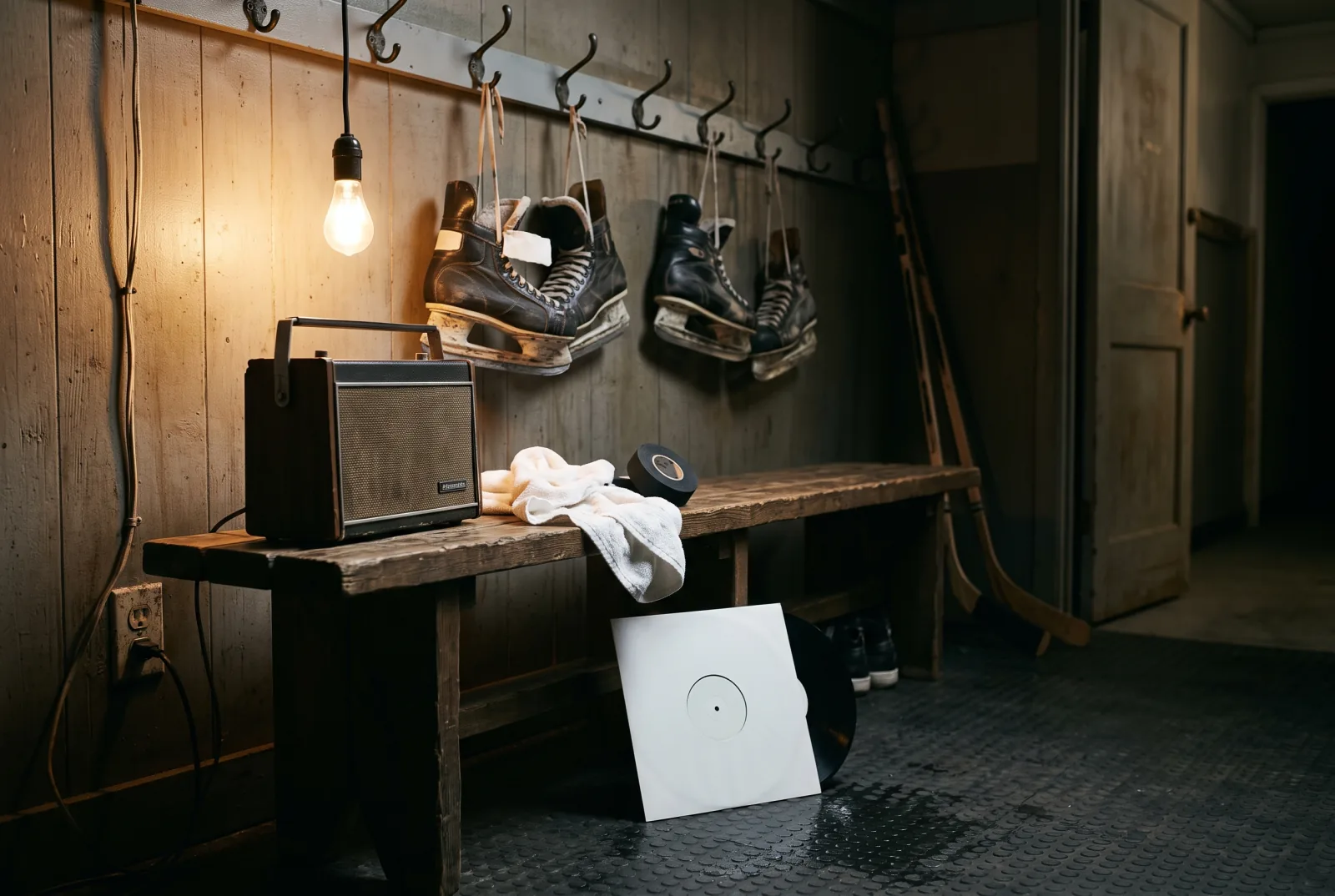
Her two anthems came from Italian pop melodrama and she made them definitive with her throat. She died in her sleep in 2004, at the age of fifty-two, of an aneurysm nobody had diagnosed. Fifteen years later, a hockey locker room resurrected "Gloria".
80s
metal
Metallica
The card that chose
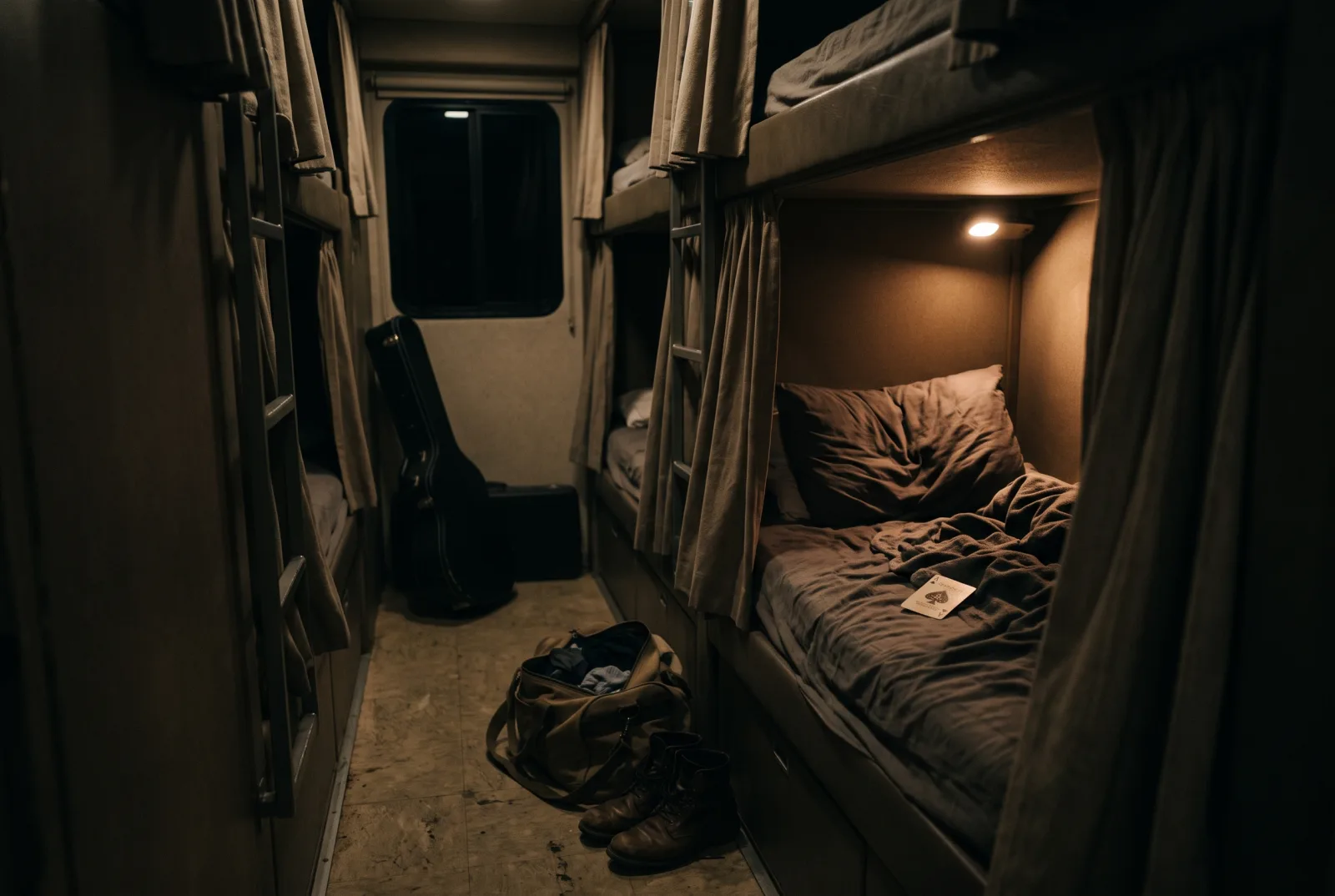
They drew cards to divide up the tour bus bunks. Cliff Burton won, took Kirk Hammett's bed, and that morning the bus went off a Swedish road.

80s
folk
Gipsy Kings
The upside-down guitar
Romani families born in France who took flamenco rumba worldwide, singing in Spanish and Caló, and playing right-handed guitars turned upside down.

80s
indie
The Smiths
The other half of the genius
Five years, a partnership compared to Lennon and McCartney's, and a lawsuit settled under an 1890 partnership act because there was no contract.

80s
punk
Joan Jett
Every label turned her down, so she founded her own
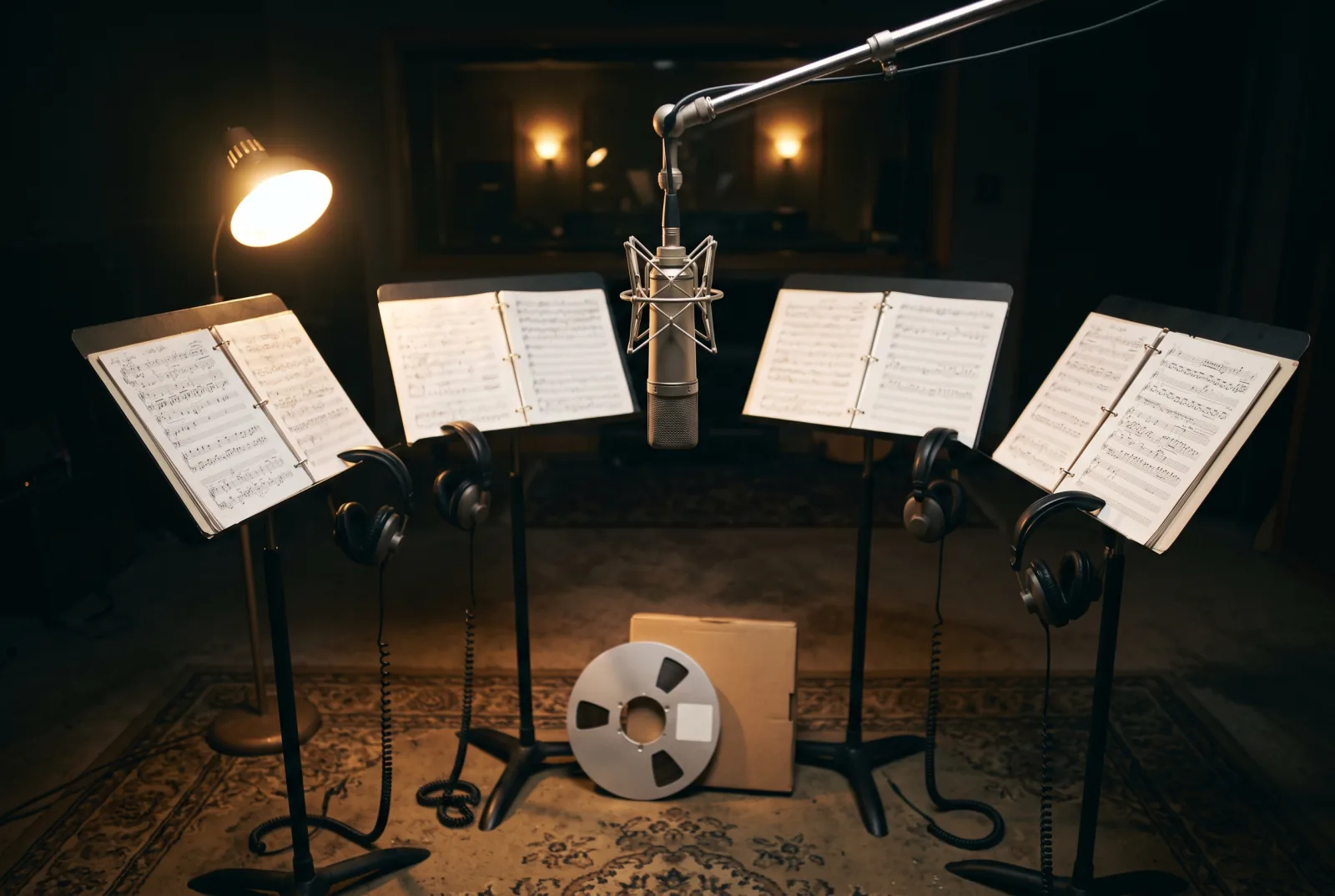
More than twenty record companies rejected her first solo album: a woman with a Gibson, they said, did not sell. She set up her own label, released what nobody wanted herself, and in 1982 spent seven weeks at number one with a cover of a song by The Arrows.
80s
soul
Dionne Warwick
The voice at the centre of a family and of a cause
The voice that made the impossible songs of Bacharach and David sound easy, and also the one that called on Elton John, Stevie Wonder and Gladys Knight to raise money against AIDS in 1985, when almost nobody wanted to talk about it. Her cousin was Whitney Houston.

80s
pop
INXS
The most magnetic frontman Australia ever produced
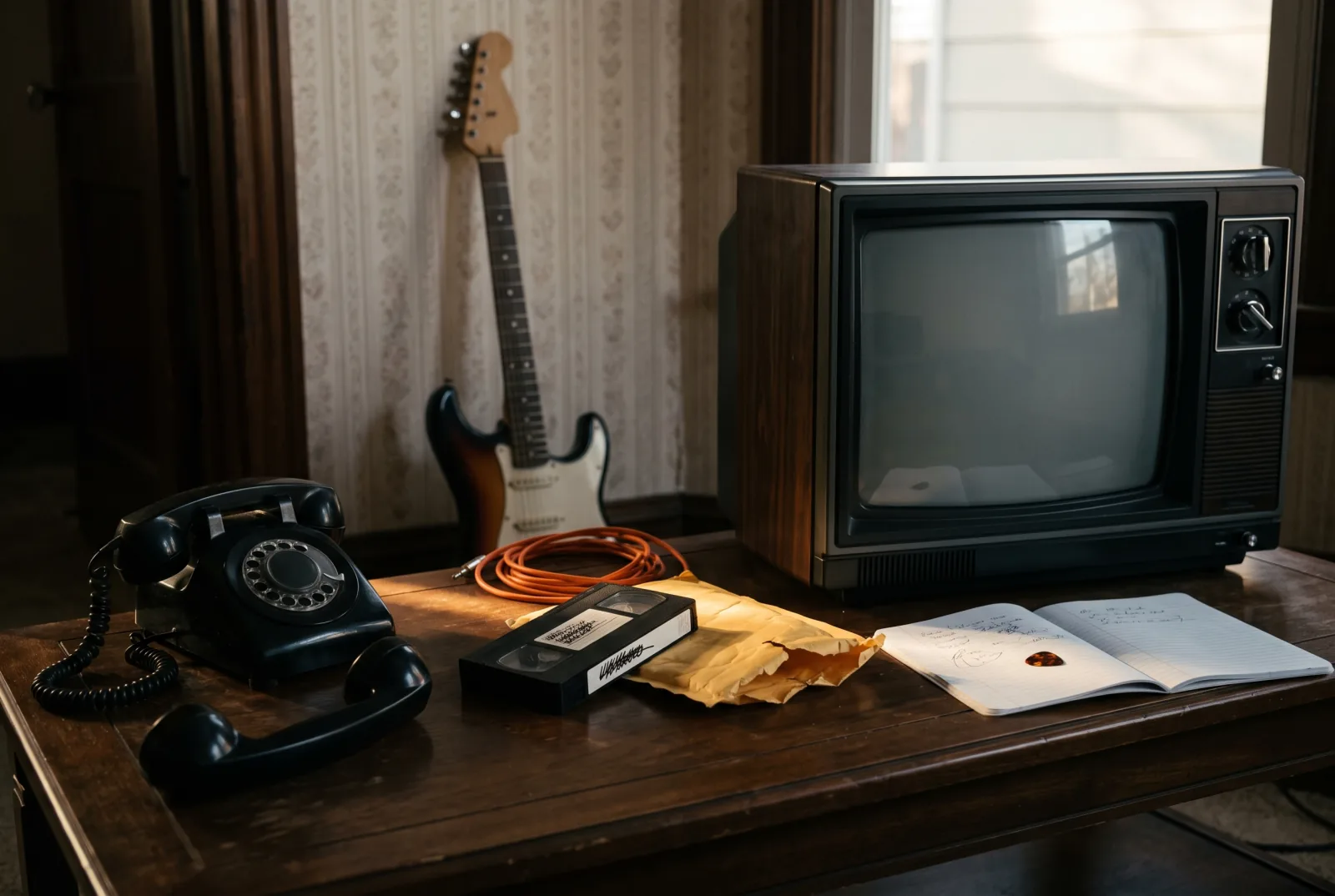
A sound that fused rock, funk and new wave out of Sydney, and out front a singer with a gravity of his own that forced you to look at him. "Kick" took it to the whole world in 1987; the death of Michael Hutchence, ten years later, left a hole nobody could fill.
80s
hard rock
Survivor
The anthem of grit was born from a phone call by Sylvester Stallone
Stallone wanted "Another One Bites the Dust" for the training scene in "Rocky III" and could not get the rights. So he called a Chicago band that hardly anybody cared about and asked them for something with that pulse. Out came the most universal gym anthem there is.

80s
blues rock
Dire Straits
The teacher without a pick
A quiet man who played with bare fingers and told stories about ordinary people. And who, with a single album, pushed the whole world towards the compact disc.

80s
pop
Duran Duran
Born with MTV
Their first album came out six weeks before MTV launched, and the two saved each other. They understood before anyone that music was shifting from listening to watching.

80s
pop
George Michael
The immense talent, and the generosity only known when he died
Anonymous multimillion donations, volunteer shifts at a soup kitchen for homeless people, a stranger's fertility treatment paid for in full. He did it for decades asking that nobody tell, and almost all of it came to light when he died.
80s
soul
Tina Turner
She left with almost nothing at thirty-seven, and came back a queen at forty-four
In 1976 she left her husband and with him the band, the commercial name and the security, escaping a marriage marked by abuse. Eight years later, at forty-four, "Private Dancer" made her the biggest star on the planet.

80s
soul
Billy Ocean
From Trinidad to the world, with a velvet voice
He was a tailor and worked in a car factory before the world surrendered to his voice: the first hit came in 1976 and the American number one only in 1984, with "Caribbean Queen". He sang that the tough get going after having done it himself.
80s
reggae
Os Paralamas do Sucesso
Singing again
One of the finest rock bands Latin America has produced, and the story of a man who lost his wife, the use of his legs and part of his memory in a single second, and went back to writing songs anyway.
80s
pop
Peter Cetera
The voice behind Chicago's ballads bet on itself, and won
For eighteen years he sang the tenderest ballads of a horn band, and in 1985, at the top, he went solo. A year later he was at number one with the theme from a karate film, and he decided to retire before the voice gave up on him.

80s
pop
Sting
The teacher who never stopped studying
A milkman's son, a schoolteacher, and then one of the finest voices in pop. He had the biggest band in the world and left it at thirty-three to take on jazz, the orchestra and the Renaissance lute.

80s
pop
The Police
They knew when to leave
Three virtuosos dressed as punks who made the most perfect pop of their era and stopped when they were the biggest band on the planet. And a love song that is really about watching someone.

80s
pop
Pet Shop Boys
Dancing with T. S. Eliot
A pop journalist and an architecture student made the smartest dance pop of all. They smuggled «The Waste Land» into a disco hit and nobody noticed.
80s
indie
U2
Nobody gets left behind
The same four men since day one, almost fifty years without a single line-up change. Behind the guitars that sound like cathedrals there is something simpler: they looked after each other.
80s
hard rock
Bon Jovi
Tommy and Gina
The band the critics never wanted and the public never let go of. They wrote anthems for raising a fist on a bad day, and survived every fashion that buried their contemporaries.

80s
hard rock
Van Halen
A new language
They arrived in California with fifty dollars and a piano. A hundred seconds of guitar later, Eddie Van Halen had taught the instrument to do things nobody had ever heard.
80s
folk
Suzanne Vega
The voice that tuned the MP3
She put child abuse inside a pop hit and made it impossible to ignore. And she lent her voice, without knowing it, to the technology you listen to all your music on today.

80s
hip hop
Beastie Boys
How you grow up
Three noisy clowns who ended up among the most creative and most decent musicians of their generation. They made the record that sank them and turned out to be their monument, and apologised inside a song.

80s
indie
Morrissey
The two truths
The same person who made millions of lonely people feel seen ended up, decades later, saying things that drove many of those same followers away. Remembering him properly means holding both at once, without sweeping either under the carpet.

80s
progresivo
The Alan Parsons Project
Designed to have no star
Eric Woolfson wrote almost everything, sang the hits and ran the business. And he gave the band his partner's name, because it sounded like technical prestige and his own did not.
80s
pop
Whitney Houston
The girl from the choir
Time magazine said that if the human voice is an instrument, hers was a Stradivarius among ordinary violins. She was formed in a Baptist church choir in Newark, and the same press that crowned her later filmed her decline.

80s
soul
Lionel Richie
The world's tenderness
Some artists give the world their pain; he gave it his tenderness. The saxophone player from a small Alabama town wrote a number one song every year for nine straight years, and today, in his seventies, he is loved more than at his peak.

80s
pop
a-ha
Bigger than yourself
«Take On Me» flopped twice before it became a hit: it was not luck, it was releasing the same song three times. Behind the chorus everyone knows are three Norwegians with a forty-year career and the largest paying concert audience in history.
80s
metal
Motörhead
A pity prize and a fruit machine
Motörhead won one Grammy in forty years, and it was for a cover of a Metallica song. Lemmy called it a pity prize. Today his ashes travel in urns, and one of them ended up inside a fruit machine.

80s
metal
Pantera
They burned what was already working
Pantera have nine albums and the platforms carry five. The four missing ones are glam, with spandex and hairspray, and they did not vanish out of shame: the band stopped caring once it found out who it was.
80s
hard rock
Mötley Crüe
The names rock stopped naming
Razzle, of Hanoi Rocks, died, and two strangers aged eighteen and twenty were left with permanent brain damage. Almost nothing has been written about them in forty years. They were called Lisa Hogan and Daniel Smithers.
80s
pop
Madonna
She never belonged to anyone
Pepsi pulled the «Like a Prayer» commercial and she kept the five million dollars. Madonna's story is not provocation but control: of her body, her image, her music and her business, in an industry built so that women controlled nothing.

80s
hard rock
Europe
The song they did not want to release
The guitarist said it was madness and that there was no way they would use it. The riff sat in a drawer for five years, the manager rescued it for a laser show, and the label forced it out as a single against the band's wishes.
80s
hard rock
Guns N' Roses
Three nights on MTV
"Appetite for Destruction" entered at number 182 and the label was about to drop it. It was saved by an executive who got MTV to air the video once a night, for three nights.
80s
metal
Iron Maiden
The show a bishop stopped
In June 1992 a bishop called them a satanic group on Chilean national television. Nineteen days later the concert was cancelled. Thirty years on they are the foreign band with the largest audience in Chile.

80s
pop
Journey
The singer they found on YouTube
Neal Schon spent nights watching home videos until he found a Filipino singer doing covers in a Manila club. Pineda thought it was a scam. He has held the job longer than Steve Perry did.
80s
blues rock
Bruce Springsteen
The president mentioned my name
Reagan never used "Born in the U.S.A.": his campaign sounded out Springsteen's people and was turned down. He only name-checked him. The answer came two nights later, as a song about a jailed worker.
80s
punk
Robert Smith
A house for the sad
The Cure could be the most desolate band on Earth and write the brightest pop, sometimes on the same record. Robert Smith never resolved that contradiction because resolving it would have been a lie: he gave sadness dignity and joy permission, in the same voice, apologising for neither.

80s
folk
Tracy Chapman
The second time out
At Wembley in 1988 she had a short afternoon set and her day was already over. Then Stevie Wonder had technical problems and they sent her back on stage, alone with a guitar, in front of the whole world. That unplanned second appearance changed her life.
80s
pop
Phil Collins
The one at the back
Genesis looked for a replacement for Peter Gabriel with an anonymous advert, and four hundred replies came in; several with photographs of applicants in costume and masks. None of them worked. The answer had been sitting behind the drums for five years.

80s
pop
David Byrne
A rectangle with legs
David Byrne put on a suit five sizes too big so that his head would look smaller. He explained it himself: music is physical and the body understands it before the head does. Rock's most cerebral man designed an object to escape his own head for a while, and made anxiety danceable along the way.

80s
progresivo
Peter Gabriel
He wore masks in order to look
In 1982 he arrived on stage inside a coffin carried by four pallbearers, and his old Genesis bandmates knew nothing about it. He was bankrupt from staging the first WOMAD. The story of the man who left a band at its peak to open Western ears to the world.

80s
pop
Michael Jackson
The man in the mirror
A genius who changed music for good, a cultural father to a whole generation, a man at war with his own reflection, and a shadow that never lifted. All of it is true at once, and this profile does not come to resolve it in either direction.

80s
folk
Mauricio Redolés
Speaking Chilean
His first stage was one of the dictatorship's prisons. Twenty-two months inside, ten years of exile in London and a return to the same house in the Yungay neighbourhood he had left. Out of that came the poet-rocker who taught Chilean rock to speak the way we speak.
80s
pop
Cyndi Lauper
The glove turned inside out
A man wrote it, from a sexist point of view. She didn't change the words: she changed who says them and from where, and the song came to mean the opposite.

80s
hard rock
AC/DC
The black sleeve
They lost their singer just as everything was about to happen. Five months later they released the second best-selling album in history, with an all-black cover.

80s
pop
Federico Moura
Dancing at the Edge
Federico Moura, or why in a country governed by fear, dancing was also resistance. At first they threw oranges at him for making a seated rock scene dance. Nobody knew the dictatorship had torn a son from that family, and that his lightness was a chosen answer to the horror.
80s
hard rock
Poison
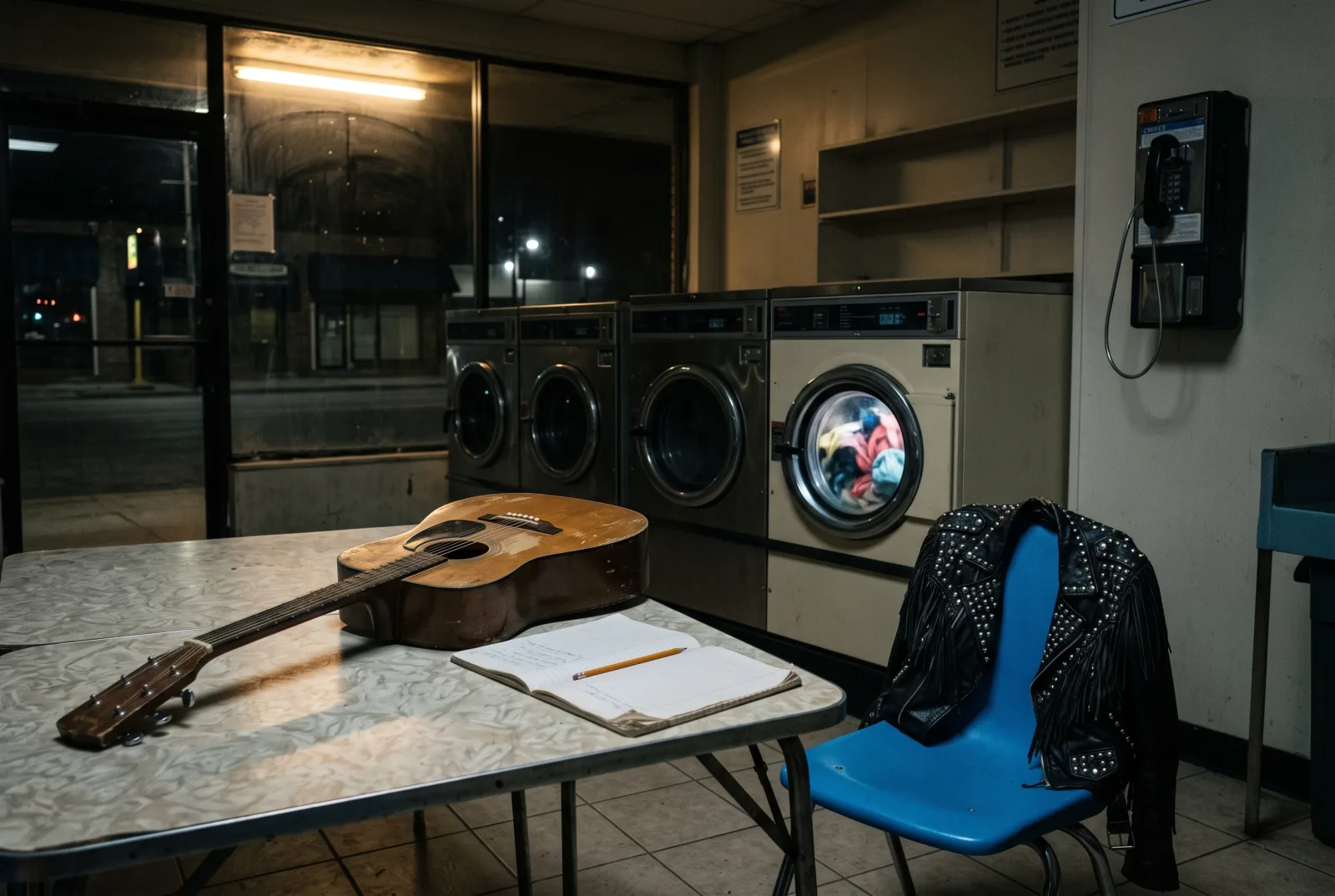
The laundromat ballad
They were the kings of the Sunset Strip party, and their most lasting song came out of a Dallas laundromat and a phone call he should not have made.
80s
pop
Toto
Five thousand other people's records
They were the most in-demand session players in Los Angeles. They played on the best-selling album ever, and then signed under their own name.
80s
pop
Quincy Jones
Check your ego at the door
Seventy years of work, twenty-eight Grammys, and the best-selling album in the world. Most people would not recognise him in a photograph.
80s
punk
Luca Prodan
The One Who Crossed the Ocean
Luca Prodan, or how a photograph of some hills saved a life and founded a voice. He went to the same Scottish boarding school as the future King of England and died at thirty-four in a rented room in San Telmo. In between, five hurried years in which he gave southern rock the real thing, first hand.
80s
pop
Milli Vanilli
The tape that jammed
The only Grammy ever revoked. But behind the scandal there are two stories: the fake faces, and the real voices.
80s
funk
Prince
The Vault Beneath the House
Prince, or what it means to make more music than the world will ever get to hear. He played every instrument, wrote and produced everything, and locked away thousands of songs nobody ever heard. He changed his name to a symbol rather than let a company own him.
80s
pop
Jorge González
What I've Eaten and Danced
Jorge González, or why someone sure of what is theirs does not chase what belongs to others. A profile built from his at-home interview: the fourth-hand piano, the X-ray of a country, the album born of a betrayal, the fame he dropped on purpose, and how he started writing again when his body changed.
Series
A History of Chilean Rock · Chapter 12: The Stadium Comes Back
While the world tears down its walls, Chile votes. The No wins, the exiles come home, and five months later seventy thousand people fill the Estadio Nacional to see Rod Stewart. The same venue as the 1962 World Cup, the same one used as a torture centre in 1973. The stadium's three faces, complete.

Series
A History of Chilean Rock · Chapter 11: The Sound of the Machine
While the world swapped guitars for machines, in Chile the synthesiser became a way out. The drum machine that drives «El baile de los que sobran» was lent by a punk from Pinochet Boys, and Los Electrodomésticos pushed electronics into sound art. For those who had nothing, a box was the sound of the future.
80s
pop
Annie Lennox
The Mask That Didn't Hide
Annie Lennox, or how to become impossible to classify so that people will finally listen. In 1983, when a pop singer was supposed to be pretty and desirable, she put on a man's suit. Not to hide: to clear away everything that got in the way and leave the artist at the front. The voice behind the image, and the second act in which she turned the spotlight outwards.
Series
A History of Chilean Rock · Chapter 10: The Voice of the Eighties
1983, the same year on two planets: the moonwalk and the saucepans. While the world dances to «Thriller», Chile takes to the street banging pots and three schoolmates from San Miguel —Los Prisioneros— say head-on what nobody dared say. «El baile de los que sobran», and a packed Estadio Chile in the very place where Víctor Jara had been murdered.

Series
A History of Chilean Rock · Chapter 9: The Constitution and the Mould
1980-81: while the north turns music into image with the arrival of MTV and buries the dream of the sixties with the bullet that killed John Lennon, Chile is poured into a mould. The 1980 Constitution and its plebiscite with no electoral rolls, and the generation that grew up entirely inside that mould with northern rock as its only inheritance.

Opinion
Beneath the Language, the Pulse
Rock in Rio, 1985: how a continent split into two languages recognised itself at a single party. Brazil was coming out of twenty-one years of dictatorship and built the biggest festival Latin America had ever seen. A million and a half people discovering, without meaning to, that being Latin was never a language but a pulse running beneath Spanish and Portuguese.

80s
pop
Why Latin America Loves Depeche Mode
A band from a grey English town that became a religion in the south of the world: three sold-out nights at the Foro Sol, two hundred thousand people and a film shot in Mexico City. The three layers —the sound, the machine and the dictatorship— behind a devotion the band itself can't quite explain.

80s
pop
Depeche Mode: The Machine That Became Soul
From teenagers in Basildon with cheap synthesizers to the kings of electronic rock: forty years of reinvention, darkness and devotion. The fifteen albums one by one, Fletcher's death, Memento Mori and a map of who picked up the baton.
80s
progresivo
Los Jaivas: The Progressive Rock That Spoke to the Land
How a Chilean band took prog's ambition and fused it with the Andes, Neruda and the blood of their own children. "Alturas de Macchu Picchu" was made in exile, from a manor house outside Paris, unable to return to the land it was singing about.
80s
metal
Metal: From the Underground to the Stadium
From cassettes traded by post to a Moscow airfield in 1991: how metal built its empire without radio or permission. NWOBHM, tape trading, the thrash Big Four and a crowd figure nobody managed to count.