
Linda Perry
The signature in the credits
By Rebobinados · Published on September 9, 2026
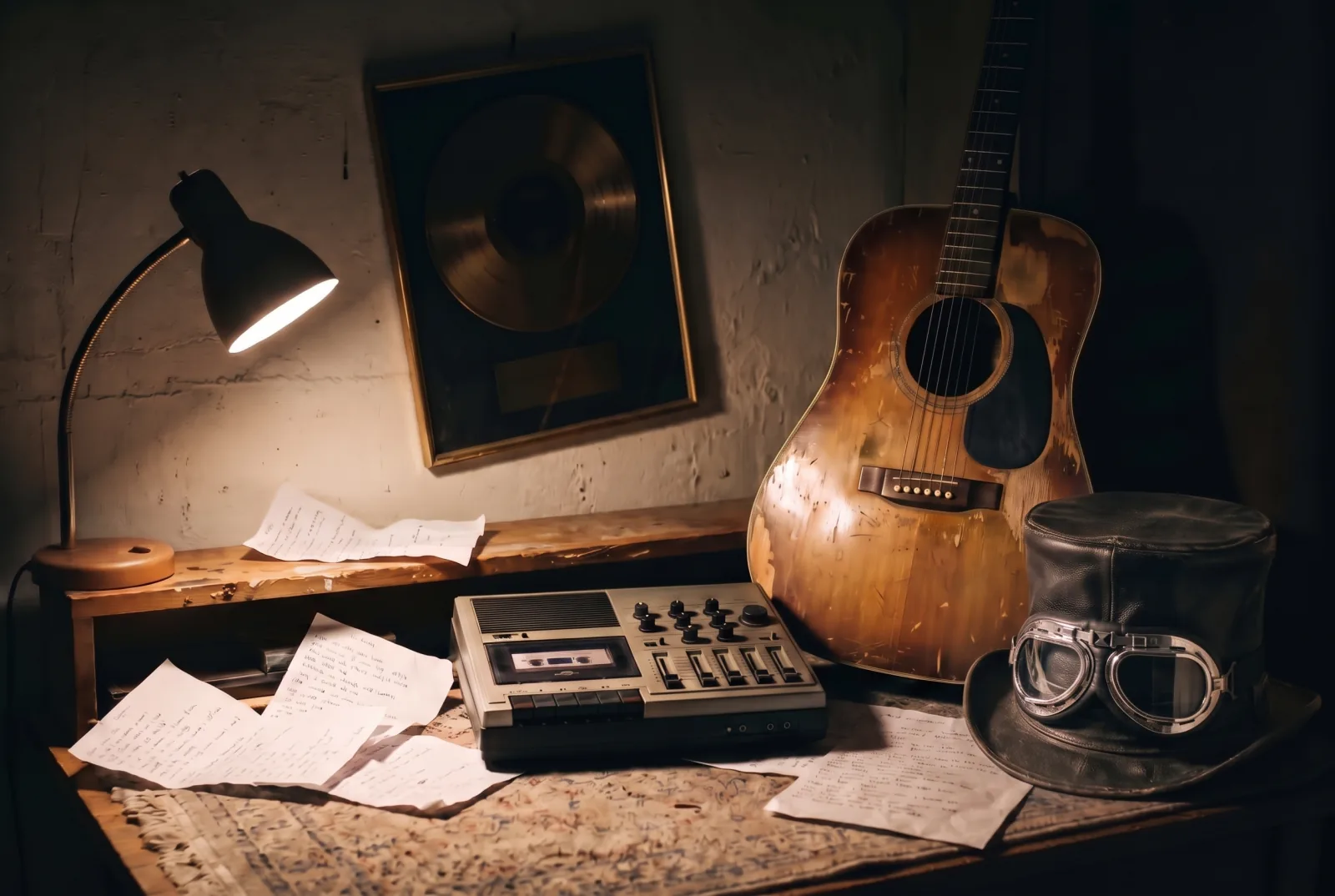
Ilustración: Rebobinados
You almost certainly know Linda Perry, even if you do not know that you know her.
If you have ever bellowed along to that nineties anthem of "hey-yeahs" — the song half the world calls "What's Going On?" and which is actually called "What's Up?" — that was her.
If "Beautiful", by Christina Aguilera, has ever moved you, that was her too: she wrote it. And if you have danced to Pink's "Get the Party Started", the same.
She is one of the most important songwriters of the last three decades and one of the least recognised by the general public, because she did something unusual: she stepped off the stage to write hits for other people.
The one who told it all to go to hell
She was born in Springfield, Massachusetts, in 1965, and became known as the voice of 4 Non Blondes, a San Francisco band.
In 1992 they recorded an album containing a song she had written: a raw, torn folk-rock howl about frustration and the wish for something to change. "What's Up?" reached number one in ten countries and the album sold about a million and a half copies. Overnight, Linda Perry was a star.
And then she did what almost nobody does. While recording the second album, she left. The band fell apart at the end of 1994, between creative disagreements and her head-on refusal of what the industry wanted to turn her into: a polished, commercial, domesticated pop star.
She said it in as many words: that she was not pop, that her real self was dark rock, the Velvet Underground, Led Zeppelin.
The world filed her under "one-hit wonder", the woman with a single song. She released two solo albums that did not land. She looked condemned to be a footnote of the nineties.
The invisible architect
What came next is what makes her great, and it is the part almost nobody connects.
Instead of chasing a fame that disgusted her, Linda Perry became the secret architect behind other women's biggest songs.
When Pink, in the early 2000s, wanted to stop being a product and become a real artist, she went looking for her. Together they made the record that changed her career, and out of it came "Get the Party Started".
When Christina Aguilera wanted to show something deeper than her pop-doll image, Perry handed her "Beautiful": a ballad about being worth something no matter what anyone says, which became an anthem for millions of people who felt ugly, odd or broken. It won Aguilera a Grammy and Perry a Song of the Year nomination.
Then came "What You Waiting For?", for Gwen Stefani. And work with Adele, Alicia Keys, Courtney Love, Dolly Parton. She founded her own labels. She entered the Songwriters Hall of Fame in 2015. In 2018 she was nominated for the Grammy for Producer of the Year, a category where women appear with an eyedropper.
A good part of the pop that played for twenty years carries her signature, hidden in the credits.
The song she would have needed
And there is something deeply moving in her story that makes her more than a maker of hits.
Linda Perry — an openly lesbian woman in an industry built by and for men, a dark-rock outsider who never fitted the glitter of pop — ended up being the one who put words to the self-esteem of a generation of girls and women.
That line about being beautiful no matter what happens, no matter what they say, was written by someone who knew first-hand what it is to feel out of place, looked down on, different. She gave the world the song she herself, as a girl, would have needed to hear.
The outsider wrote the anthem for all the outsiders, and handed it to the stars to sing. It is the same operation other women of her generation performed from the other side of the stage, except she did it without appearing in the photograph.
The one who hands out light from outside the frame
Linda Perry is alive, still producing, still pushing new artists, still fighting for the place of women behind the desk, where there are almost none. She married the actress Sara Gilbert in 2014, with whom she has a son.
Her story says something lovely and against the grain: that sometimes the person who gives up the spotlight is the one who hands out the most light. She could have been one more pop star, dimming slowly. She chose to be the invisible hand that wrote an era's soundtrack of self-worth.
If "Beautiful" ever made you feel less alone, or "What's Up?" kept you company through some frustration of youth, now you know whose they were.
Linda Perry: the voice you recognised without knowing the name, and the pen behind the songs you thought belonged to other people. It is time to know she exists.
Sources
Linda Perry (Springfield, Massachusetts, 15 April 1965), American singer-songwriter, musician and producer. She was the vocalist, guitarist and principal songwriter of 4 Non Blondes, a San Francisco band; she wrote "What's Up?", from the album "Bigger, Better, Faster, More!" (1992), which reached number one in ten countries and helped the album sell around a million and a half copies. The band broke up at the end of 1994 during the recording of their second album, over creative disagreements and Perry's rejection of the commercial direction being proposed; she has stated that she does not consider herself a pop artist and that her musical identity is closer to the dark rock of the Velvet Underground and Led Zeppelin. She released the solo albums "In Flight" (1996) and "After Hours" (1999). From the 2000s she established herself as a songwriter and producer: she wrote "Get the Party Started" for Pink (2001) and co-wrote and produced much of the album "Missundaztood"; she wrote "Beautiful" for Christina Aguilera (2002), which won Aguilera a Grammy and Perry a Song of the Year nomination; and she wrote "What You Waiting For?" for Gwen Stefani (2004). She has also worked with Adele, Alicia Keys, Courtney Love, Dolly Parton and other artists, and founded her own labels. She was inducted into the Songwriters Hall of Fame in 2015 and nominated for the Grammy for Producer of the Year, Non-Classical, in 2018. She is openly lesbian; she married the actress Sara Gilbert in 2014, with whom she has a son born in 2015, and they separated in 2019. Externally authored text, edited and verified for Rebobinados. Interpretations of the meaning of her work are offered as the author's reading. No song lyrics are reproduced, for copyright reasons. Information drawn from Wikipedia, AllMusic, Rolling Stone and press coverage.
Keep rewinding
10s
pop
Bruno Mars
Eleven names in the credits
"Uptown Funk" came out on 10 November 2014 with six writers and today it has eleven. In February 2015 The Gap Band's publisher filed a claim over "Oops Up Side Your Head" in YouTube's copyright system —there was never a lawsuit— and on 28 April five names were added, with 17 % of the publishing. It happened weeks after the "Blurred Lines" verdict, and the song had been fourteen weeks at number one.
00s
pop
André Rieu
It was not from the jazz suite
The waltz with which André Rieu reached half the world is not from Shostakovich's Suite for Jazz Orchestra No. 2: it is from the Suite for Variety Orchestra, which the composer did not assemble, and it was born in 1956 as music for a Soviet film about settlers in Kazakhstan. The error comes from a misprint in volume 10 of the complete works (Muzyka, Moscow, 1984), corrected only in 2001. And the title "The Second Waltz" was invented by his wife, because the real one did not sell.
90s
pop
Daniela Mercury
She took the neighbourhood out of the song
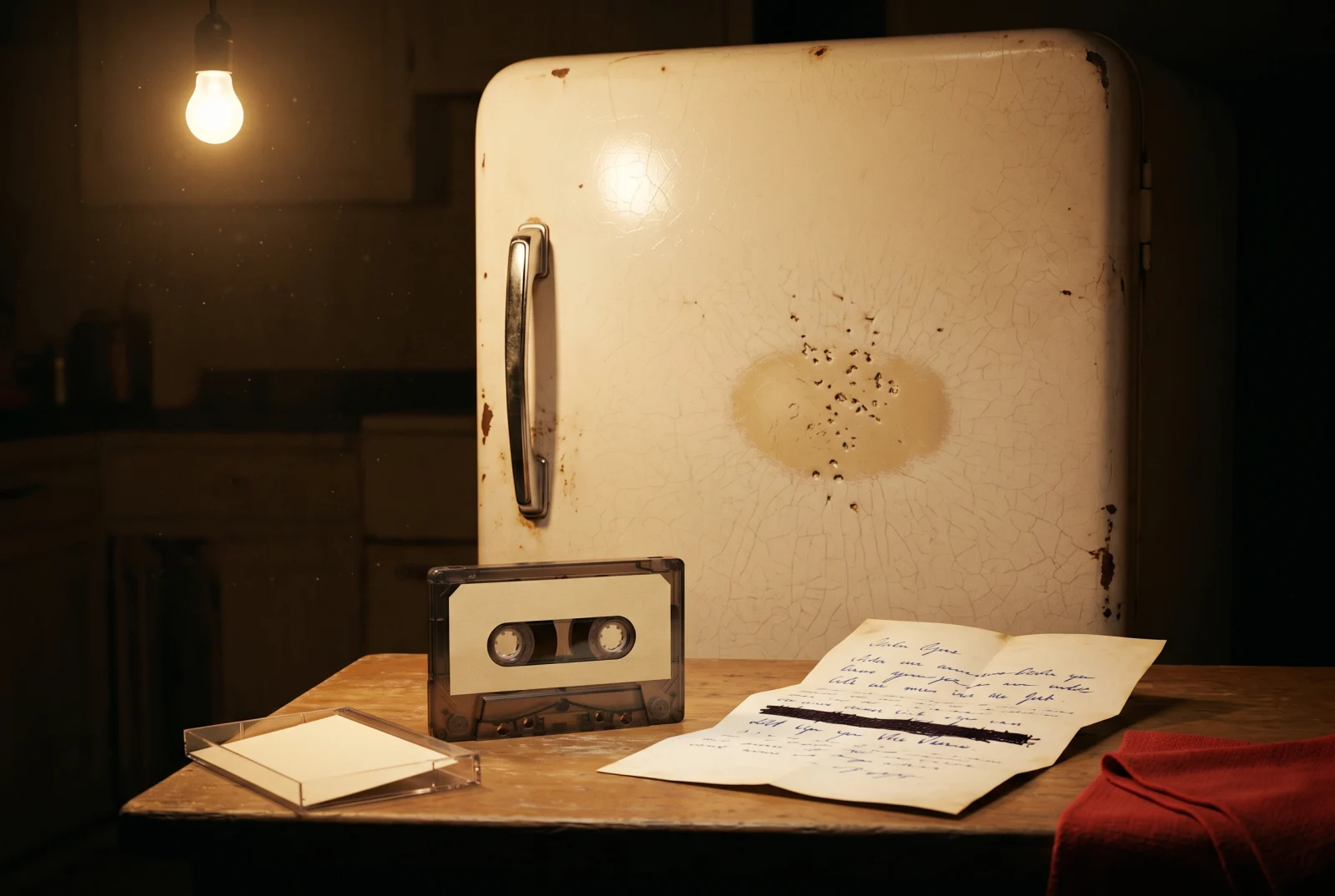
"O Canto da Cidade" was written by Tote Gira, a composer from Nordeste de Amaralina who recorded the demo on a borrowed cassette, marking the beat on the door of a refrigerator; Mercury's team almost threw the tape away. She shares the credit because she deleted the references to the Pelourinho so that the song would serve all of Brazil. The album, from 20 September 1992, sold more than 2 million copies and nationalised axé. But she did not invent it: the name was a journalist's insult in 1987.
Rewind with us
Comments · 0
No one has commented yet. Open the conversation.