
Chapter 02 — Decades
90sThe rage
Articles from the 90s
90s
grunge
Eddie Vedder
His dead father sings on his record
He grew up in San Diego called Edward Mueller and learned at 17 that his father was the lounge musician he had been introduced to as a friend of the family, dead of multiple sclerosis in January 1981. Out of that came "Alive", "Once" and "Footsteps", written in a single day on 13 September 1990. Thirty-one years later, the credits of *Earthling* include one line: "Edward Severson Jr. – vocals (13)".
90s
grunge
Pearl Jam
They testified and they lost
On 6 May 1994 Pearl Jam filed a memorandum with the Antitrust Division of the Department of Justice and on 30 June Stone Gossard and Jeff Ament testified in the House of Representatives. On 5 July 1995 the DOJ closed the investigation without acting: the boycott lasted until 1998, cost them some nine million dollars and three years almost without playing in their own country. And *Ten* never reached number one: Billy Ray Cyrus blocked it.

90s
pop
Daniela Mercury
She took the neighbourhood out of the song
"O Canto da Cidade" was written by Tote Gira, a composer from Nordeste de Amaralina who recorded the demo on a borrowed cassette, marking the beat on the door of a refrigerator; Mercury's team almost threw the tape away. She shares the credit because she deleted the references to the Pelourinho so that the song would serve all of Brazil. The album, from 20 September 1992, sold more than 2 million copies and nationalised axé. But she did not invent it: the name was a journalist's insult in 1987.
90s
hard rock
Lenny Kravitz
He doesn't play that guitar
The riff of "Are You Gonna Go My Way" (9 March 1993) is not played by him: the guitar is Craig Ross's, the song is co-written with him and the Academy nominated them both for Best Rock Song in 1994. "Always on the Run" was written by Slash for Guns N' Roses. And one of his four straight male rock Grammys, the one of 23 February 2000, he won with "American Woman", by The Guess Who, from which he removed the guitar solo.

90s
funk
Jamiroquai
The floor was not moving
In "Virtual Insanity" the floor never moved: it was grey and smooth, and what turned was the whole set on wheels, pushed by stagehands with the camera bolted to one wall. Jonathan Glazer directed it on 12 August 1996 in four takes, for half the 280,000 pounds that moving the floor for real would have cost. It won four VMAs out of ten nominations, including Video of the Year.
90s
indie
Portishead
A short film got them the record deal
Before the record they shot *To Kill a Dead Man*, eleven minutes of film noir written by the three of them: Geoff Barrow plays a sniper and Beth Gibbons a widow. That soundtrack got them the record deal, and the cover of *Dummy* is a still from the short. The rest is told wrong too: *Dummy* sold 3,600,000 copies and won the 1995 Mercury ahead of Oasis, Tricky and PJ Harvey. Three records in fourteen years, and eighteen without a fourth.

90s
grunge
Blind Melon
It was about not being able to get out of bed
Everybody believes "No Rain" is about not fitting in. It was written by the bassist Brad Smith before the band existed, about a girlfriend with depression who slept through sunny days: it is about not being able to get out of bed. The belonging was invented by Samuel Bayer's video. And there are two bee girls: Heather DeLoach, 10, in the video, and Georgia Graham, the drummer's sister, on the cover. Real peak on the Hot 100: no. 20.
90s
pop
Enya
They told her she would be nobody
In 1982, on tour in Switzerland, Clannad voted to sack their manager Nicky Ryan and told Eithne Ní Bhraonáin, in front of him, that with the Ryans she would be nobody and with them she would be a star. She went with the Ryans: "Orinoco Flow" at no. 1 in Britain in 1988, 4 Grammys, more than 26 million albums certified by the RIAA and not a single tour. Nicky Ryan died on 10 September 2025; her sister Moya Brennan, on 13 April 2026.
90s
disco dance
Era
The fake Latin was written by an expert witness
The pseudo-Latin lyric of "Ameno" is co-credited to Guy Protheroe, director of the English Chamber Choir, who also sings it and is a forensic musicologist: the expert witness The New York Times profiled on 11 October 2016 as the man they call when two tunes sound alike. And Era was not born in a studio: the choral piece from "Les Visiteurs" (27 January 1993) reappeared on the first album, recorded with what the film paid for.
90s
disco dance
Enigma
The same mistake twice
The Munich choir's suit over the Gregorian chants on "Sadeness" was closed with a settlement in August 1991, a public apology from Virgin included. "Return to Innocence" came out in December 1993 with the chant of an Amis couple from Taitung recorded solely for cultural preservation: Difang and Igay Duana found out because some friends heard their voices on the radio, sued in California with the International Olympic Committee among the defendants and settled in July 1999.
90s
punk
Fiskales Ad-Hok
The world tour started with them
On 13 September 1992 the Ramones made their debut in Chile, at the Velódromo, the cycling arena inside the Estadio Nacional grounds, and that date was not just another stop: it was the first night of the Mondo Bizarro world tour. It was opened by Fiskales Ad-Hok, a band from the Santiago underground born in 1986 and still without a record. Then came their own label C.F.A. in 1997, "Fiesta" (November 1998) at number 42 in Rolling Stone Chile, and the indefinite hiatus of February 2025.

90s
pop
Bersuit Vergarabat
Two hundred thousand dollars to play it
On 25 August 1998, the same day *Libertinaje* came out, the COMFER, Argentina's broadcasting regulator, threatened the country's radio stations with fines of around 200,000 dollars for playing "Sr. Cobranza", invoking law 22.285 from the dictatorship. Universal manufactured 20,000 copies it could not distribute. The song was not Bersuit's: Hernán "Cabra" de Vega wrote it in 1994 for the pedestrian mall, and he says that censorship was "more commercial than real".
90s
grunge
Candlebox
The farewell that wasn't
In 2023 they released a farewell record and a final tour that ended up fraying out at Club Chocolate in Santiago. As of October 2026 they are still on the road: 32 dates, 8 new songs and an album for 2027. Kevin Martin explains it without embarrassment: "I was done. And the minute you say that, your value goes up tenfold". Before that came a 4× platinum debut, no. 7 on the Billboard 200 and a "C" from Robert Christgau.
90s
blues rock
Gary Moore
A German court took his blues away
On 3 December 2008 a Munich court ruled that the solo in "Still Got the Blues" was too close to "Nordrach", a 1974 track by the German group Jud's Gallery. The 1990 album had been his rebirth: no. 13 in the United Kingdom, no. 83 on the Billboard 200 and the only single of his entire career on the Hot 100. Before that he had joined and left Thin Lizzy three times and walked off the tour in Oakland, on 4 July 1979.
90s
pop
Carlos Vives
The fifteen songs that were not his
The fifteen tracks of Clásicos de la Provincia (1993) are covers of Emiliano Zuleta, Rafael Escalona, Leandro Díaz, Alejandro Durán and Adolfo Pacheco: Vives signed none of them. "La Tierra del Olvido" is indeed his, with Iván Benavides. In 2018 he stopped singing "La Gota Fría" because of a rights dispute, and after Egidio Cuadrado died in October 2024 his band stopped being called La Provincia.
90s
disco dance
Moloko
The tight sweater was the title
Moloko formed in Sheffield in 1994, when Róisín Murphy approached Mark Brydon at a party with a line about her tight sweater: that line gave its title to their first album. "Sing It Back" reached No. 45 as the original single in 1999 and No. 4 with Boris Dlugosch's remix; their biggest chart success is "The Time Is Now", No. 2 in the United Kingdom.

90s
pop
Björk
Debut was not her debut
Debut (1993) is not her debut: Björk had already recorded an album at eleven, released in 1977 by the Icelandic label Fálkinn. Before London there was punk — Spit and Snot, Tappi Tíkarrass, KUKL — and Gling-Gló (1990), jazz standards that are still her best-selling record in Iceland. A single Oscar nomination and sixteen Grammy nominations without a win.
90s
indie
PJ Harvey
The only one to win it twice
She won the Mercury Prize in 2001 for Stories from the City, Stories from the Sea and in 2011 for Let England Shake: nobody else has won it twice in more than three decades of the prize. With the first she was also the first woman to take it as a solo artist. She has four Mercury nominations, eight Grammy nominations without a single award and an MBE in 2013.
90s
grunge
Silverchair
They never said they were splitting up
Silverchair never split up: in May 2011 they announced an "indefinite hibernation" and that is still their last official statement. They won a radio contest at fourteen and fifteen, recorded Frogstomp in nine days and then went off towards the orchestra while Daniel Johns was going through two different illnesses three years apart.

90s
funk
Red Hot Chili Peppers
The four from Fairfax High
Red Hot Chili Peppers formed in Los Angeles in 1982 with four classmates from Fairfax High: Kiedis, Flea, Hillel Slovak and Jack Irons. Slovak died of a heroin overdose on 25 June 1988, Irons left because of it and John Frusciante joined that same year, aged eighteen, to replace him. Then came his three spells, two departures and Josh Klinghoffer's ten years.
90s
hard rock
Foo Fighters
Five times Best Rock Album
Foo Fighters' debut was recorded in six days, from 17 to 23 October 1994: Dave Grohl played everything except a guitar by Greg Dulli on "X-Static". The band has fifteen Grammys out of thirty-two nominations, five for Best Rock Album, a record in the category. And the drumming on "Everlong" is not Taylor Hawkins', who joined in March 1997 with the album already finished.

90s
grunge
Dave Grohl
The drummer who turned out to be a songwriter
Dave Grohl left school at seventeen to play in Scream, joined Nirvana in September 1990 and, after Kurt Cobain's death, recorded alone in six days the album that gave rise to Foo Fighters, handed out on a hundred cassettes under a false band name. The least told part is his sideman's record: Probot (2004) with Lemmy and King Diamond, two Queens of the Stone Age albums and a double induction into the Hall of Fame.
90s
pop
Goo Goo Dolls
Eighteen weeks and no number one
In 1998, "Iris" spent eighteen weeks at number one on Billboard's Hot 100 Airplay and was never number one on the Hot 100: with no physical single it was not eligible. Billboard changed the rule on 5 December 1998, in its eighteenth week at the head of the airplay chart, and the song debuted and stopped at number 9. The record held for almost twenty-two years, until "Blinding Lights".

90s
metal
Marilyn Manson
The lawsuit he withdrew while paying
The triad of Antichrist Superstar, Mechanical Animals and Holy Wood, and a file that is still open: two out-of-court settlements, one sworn retraction, the prosecutor's office that ruled out charges in January 2025 on statute-of-limitations grounds, the defamation suit he withdrew while paying 327,000 dollars and a jury trial set for November 2027.
90s
hard rock
Jane's Addiction
The punch in Boston
Founded in Los Angeles in 1985 by Perry Farrell and Eric Avery, it left five records and the idea of Lollapalooza, which in 1991 was born as its farewell tour. It ended on 13 September 2024 in Boston, with a punch on stage, and broke up with a joint statement on 17 December 2025.
90s
grunge
Alice in Chains
The last one to see him alive
The Seattle band buried two members for the same cause: Layne Staley, who died on 5 April 2002 of a mixture of heroin and cocaine, and Mike Starr, a founder and the last person to see him alive, who died in 2011. In between, Dirt at no. 6 on the Billboard 200 and Jar of Flies, the first EP in history to debut at no. 1.

90s
pop
Los Piojos
The rock of the barrio
They put murga, candombe and football-terrace fervour inside rock, and filled stadiums without ever ceasing to look like the kids from the corner. They came back fifteen years later, and came back incomplete: one founder was missing.
90s
punk
Los Peores de Chile
The old house on Avenida España
They incubated for more than a year and a half in an old house in Santiago, and everything came out of there: the humour, the cheek, and a mix of punk, pop, blues and rockabilly that sounded like nothing else. Out front was Pogo Carneyro.
90s
pop
Beto Cuevas
The one who grew up far away
It is often repeated that he is a child of political exile, and he has denied it himself: the family moved to Caracas in 1969 for his father's job, four years before the coup. The dictatorship is in his biography, but it came in through another door.
90s
pop
Saiko
The voice that came out of an audition
The band's most distinctive element did not come from the usual circle: it came out of an open audition that Denisse Malebrán attended, in her words, "out of sheer curiosity". She never imagined she would get the part.
90s
pop
La Ley
The song the dead man wrote
When Andrés Bobe died in 1994, the band came close to ending. They carried on, and the song that opened the continent to them — "El Duelo" — had been written by him before he died. It is not a metaphor about mourning: it is literally that.
90s
punk
Mano Negra
The train where they broke apart
It is often said that the train tour through Colombia wore them down. It did not wear them down: it broke them, right there. On reaching Aracataca, almost the whole band quit and went back to France, and Manu Chao carried on to Bogotá with an incomplete line-up.
90s
indie
The La's
The record the band never accepted
Go! Discs got tired of waiting and released, in 1990, tapes that The La's considered demos. It was not only Lee Mavers who disowned the record: the whole band did, and bassist John Power left on 13 December 1991. Inside it was "There She Goes", which has been playing on radio, in films and in adverts for more than thirty years.
90s
pop
Natalie Imbruglia
The fourth voice on the same song
When Natalie Imbruglia recorded "Torn" in 1997, the song was four years old and had already been released three times: Denmark's Lis Sørensen took it to radio in 1993 and Norway's Trine Rein into the Norwegian top ten in 1996. She rescued nothing from obscurity — she was the fourth to record it and the first to make it unforgettable outside Scandinavia.

90s
indie
EMF
The number one came out of the forest
EMF came out of Cinderford, a small town in the Forest of Dean, and reached number one in the United States with "Unbelievable" in July 1991. The Andrew Dice Clay sample that defines the song cost them nothing: Ian Dench ran into Rick Rubin in a Los Angeles bar, sent a fax the next morning and got the licence for free.
90s
pop
Eagle-Eye Cherry
The son's four chords
Eagle-Eye Cherry was working as an actor — "Born on the Fourth of July", the series "South Beach" — when his father, free jazz trumpeter Don Cherry, died in October 1995. He went back to Stockholm, gave up acting and recorded "Desireless" in a studio he set up in his bedroom. "Save Tonight" is not about grief: it is about a girlfriend leaving on a train.
90s
punk
Chumbawamba
The manifesto everyone sang without knowing it
Behind "Tubthumping" was an anarchist collective from Leeds with fifteen years of activism behind it, which had taken part in a 1989 compilation called "Fuck EMI" and then signed to EMI in 1997. It turned down Nike's 1.5 million dollars and, when it did take General Motors money, split it between two organisations that were investigating General Motors.
90s
grunge
Kurt Cobain
He never wanted to be that
He changed the course of rock almost without meaning to, and he hated where it took him. Few artists have been so unhappy while being so successful.
90s
grunge
Stone Temple Pilots
The ones branded a copy who turned out to be chameleons
They were received as a copy of Seattle grunge and an imitation of Eddie Vedder's voice. Two albums later the range was obvious: psychedelia, glam, twisted pop and a road song no Seattle band could have written.
90s
hip hop
Coolio
The number one that was really a lament
The biggest rap hit of 1995 was, deep down, a funeral: over the funereal strings of Stevie Wonder's "Pastime Paradise", a young man looks at his short, dead-end life. It won the Grammy and half the world sang it without listening closely to the words.
90s
soul
Seal
The song that embarrassed him, and the scars he never hid
The song that won the Grammy for record of the year sat in a drawer for years because its author thought it was bad and was embarrassed to show it: it took a producer who believed in it more than he did. With the scars on his face he did the opposite: he never covered them.

90s
indie
Sixpence None the Richer
The most secular song of the year was made by a Christian band, and the name explains it all
The pop kiss of an entire generation was recorded by a Christian band from a small Texas town, with a name taken from a C.S. Lewis parable about a present bought with someone else's money. While the song was playing all over the planet, their label fell apart on top of them and they spent years unable to release anything.
90s
hip hop
The Notorious B.I.G.
The greatest storyteller rap ever produced, silenced at 24
He could fit an entire life into a verse: rap lost its finest narrator at twenty-four, in a drive-by shooting nobody ever solved. He left two albums, and the second came out two weeks after the funeral with a title he had chosen beforehand.
90s
pop
Café Tacvba
Never the same record twice
They put all of Mexico in a blender with punk, ska and electronica, and have gone thirty-odd years without repeating themselves. Not even the singer's name stays still.

90s
pop
Aterciopelados
The flower and the punk
A ceramicist and a punk met in Bogotá, named themselves after something they read in Simone de Beauvoir, and ended up singing about peace to a country at war.
90s
pop
Los Tres
The cueca plugged in
When sounding modern meant sounding American, they put the cueca inside rock and taught a generation to love its own roots. And the missing link has a name: Roberto Parra.
90s
disco dance
The Prodigy
The dancer who took the mic
The man who wrote everything stayed at the back, invisible. The ones people thought were the band had joined as dancers. And the ending is almost always told wrong.

90s
indie
James
An anthem for sitting down
When every stadium anthem called for jumping, they wrote one that invites you to sit. And their singer joined the band as a dancer.
90s
britpop
Pulp
Sixteen years of overnight success
It took them sixteen years to become an overnight success, and they wrote the sharpest anthem ever written about social class. When the spotlight found them, they had plenty to say.
90s
pop
Savage Garden
They made a generation's love song, and left at the top
Two Australians, two records and a handful of songs that played at thousands of first dances in the late nineties. In 2001, with no flop and no falling-out involved, they decided that was as far as it went and left while the world was still applauding.
90s
pop
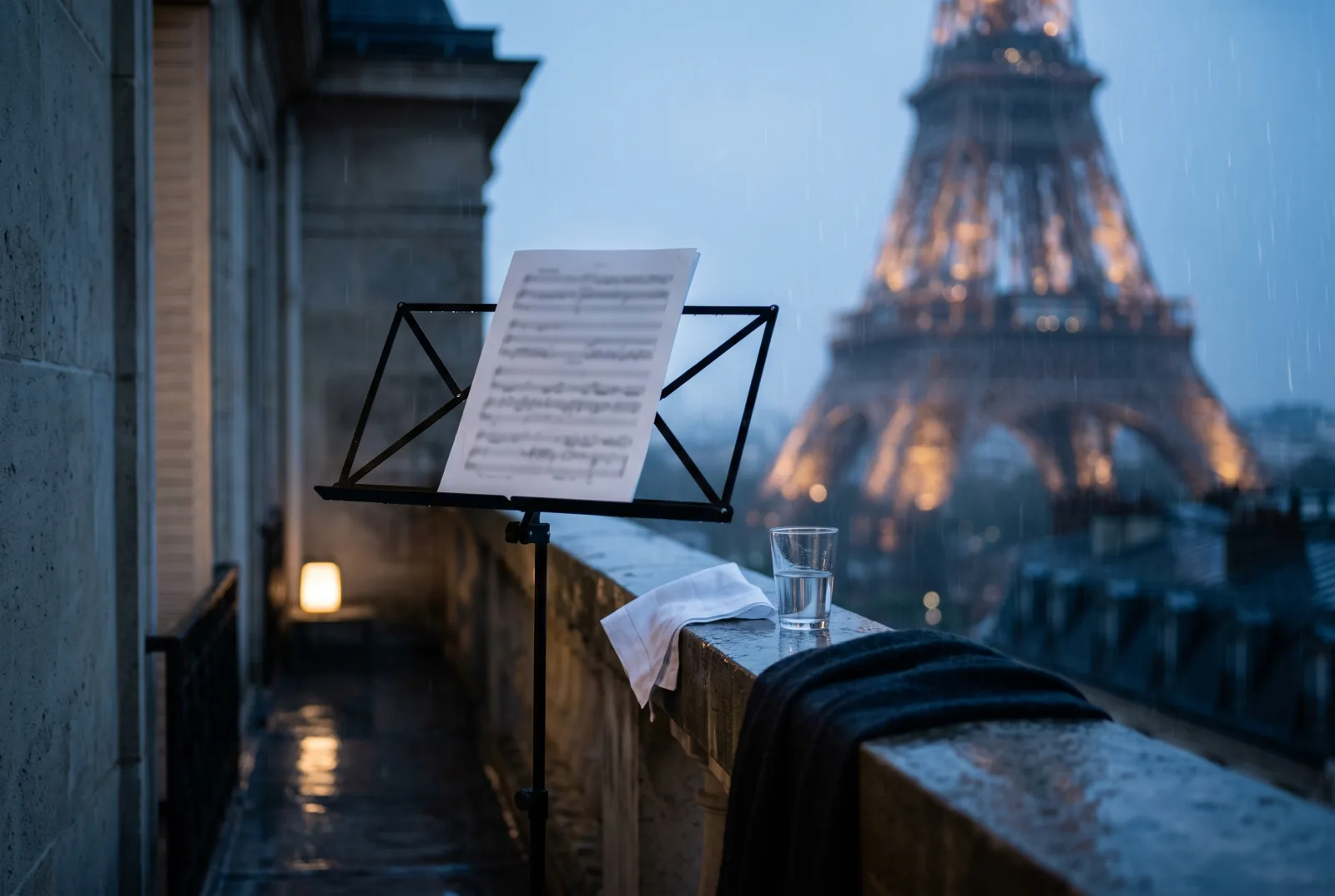
Celine Dion
The most powerful voice in the world, and the courage to come back from the Eiffel Tower
The youngest of fourteen children of a humble Quebec household became one of the best-selling voices in history. In 2022 she revealed that she had stiff person syndrome; in July 2024 she sang Piaf from the Eiffel Tower, without being cured.
90s
hip hop
Cypress Hill
The Simpsons made a joke in 1996, and they delivered on it 28 years later
In 1996 The Simpsons joked that a stoned rap band had ordered the London Symphony Orchestra. In July 2024 the joke came true for real, at the Royal Albert Hall. By then they were already the first Latinos in rap to reach platinum.
90s
hip hop
Fugees
Three children of exile made one perfect album, and that was enough
The name came from "refugees", and it was no side note: two of the three were of Haitian origin. In 1996 they mixed reggae, soul and New Jersey hip hop, gave the world back "Killing Me Softly" and then scattered almost at once.
90s
metal
Tom Morello
Six strings and a cause
The son of a Kenyan insurgent and an American activist, a Harvard graduate, he chose the guitar over politics because it spoke to more people. And he carries Víctor Jara wherever he goes.

90s
metal
Rage Against the Machine
Intelligent rage
They turned political fury into a mass phenomenon without diluting a drop of it, and faced head-on the contradiction of shouting against the system from the system's biggest label.

90s
metal
Rammstein
The art of provocation
Six East Germans fill stadiums across five continents singing in a language almost none of their fans understand. And they make an art of provoking while knowing almost nobody will understand them.
90s
reggae
Skank
Joy, properly made
There is a silly idea worth dismantling: that happy music is minor music. Four guys from Belo Horizonte scored the summers, the loves and the football of an entire generation.
90s
folk
Manu Chao
Belonging nowhere
He sells millions and records his albums alone, on a laptop, sleeping wherever he lands. The son of Spanish exile in Paris, he turned being from nowhere into being from everywhere.

90s
punk
Ska-P
Protest turned carnival
They solved the old problem of the protest song: they wrapped the harshest criticism in the most joyful music. You leave one of their gigs hoarse, happy, and with questions rattling around.
90s
metal
Mägo de Oz
Tilting at windmills
They crossed heavy metal with the Celtic fiddle and put Don Quixote into a song that a whole stadium sings back. A mixture that on paper should not work, and that half of Latin America took as its own.
90s
metal
Tool
In praise of patience
They make fifteen-minute labyrinths, give barely any interviews and take thirteen years between albums. And they still fill stadiums, because they decided the audience would come to them and not the other way round.

90s
indie
Tori Amos
The piano as a confessional
A child prodigy who lost her scholarship for refusing to repeat dead masters, and who years later sang a cappella, without a single metaphor to protect her, about what had happened to her. With that she gave thousands of people permission to name their own.
90s
indie
Counting Crows
Fame cured nothing
He wrote a cheerful song about dreaming of being famous and curing loneliness that way. He got exactly that, found out it was a lie, and had the courage to say so.
90s
britpop
Damon Albarn
He never stood still
He had one of Britain's biggest bands in his hands and, instead of milking it, he went off to invent a cartoon band, then an opera in Mandarin, then records made in the heart of Africa. He is not driven by a style: he is driven by curiosity.
90s
britpop
Blur
The war that wasn't worth winning
They went down as «the other band», the one that lost to Oasis. It is an injustice: of the two rivals, Blur was the restless one, the one that burned its own winning formula instead of clinging to it. And that is why their music aged better.
90s
indie
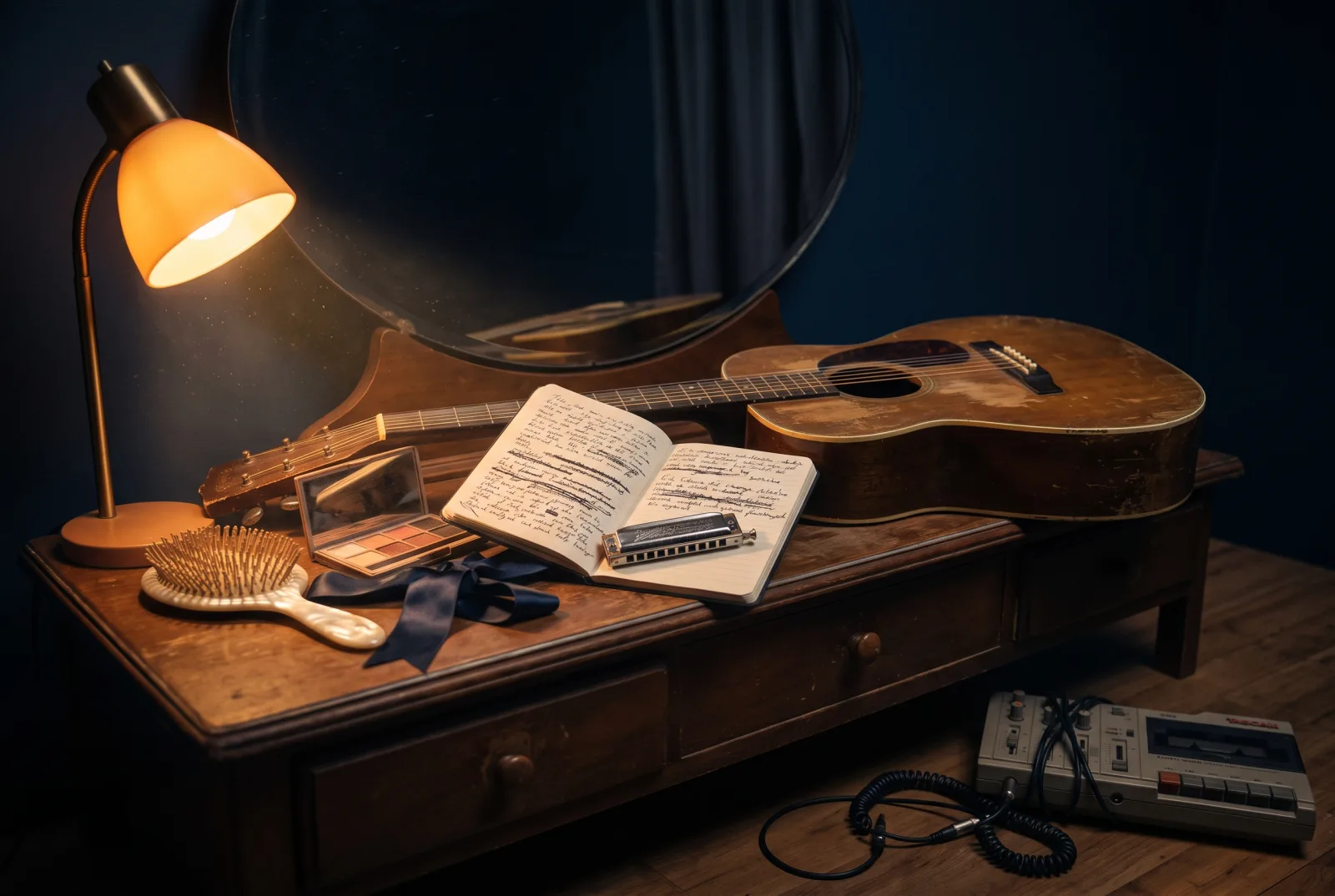
Alanis Morissette
The door kicked open
She had been the perfect teenage product, and she chose to destroy that image in order to sing her rage unfiltered. It was a rebellion against herself. And when the world expected her to repeat the trick forever, she went looking for something else.
90s
indie
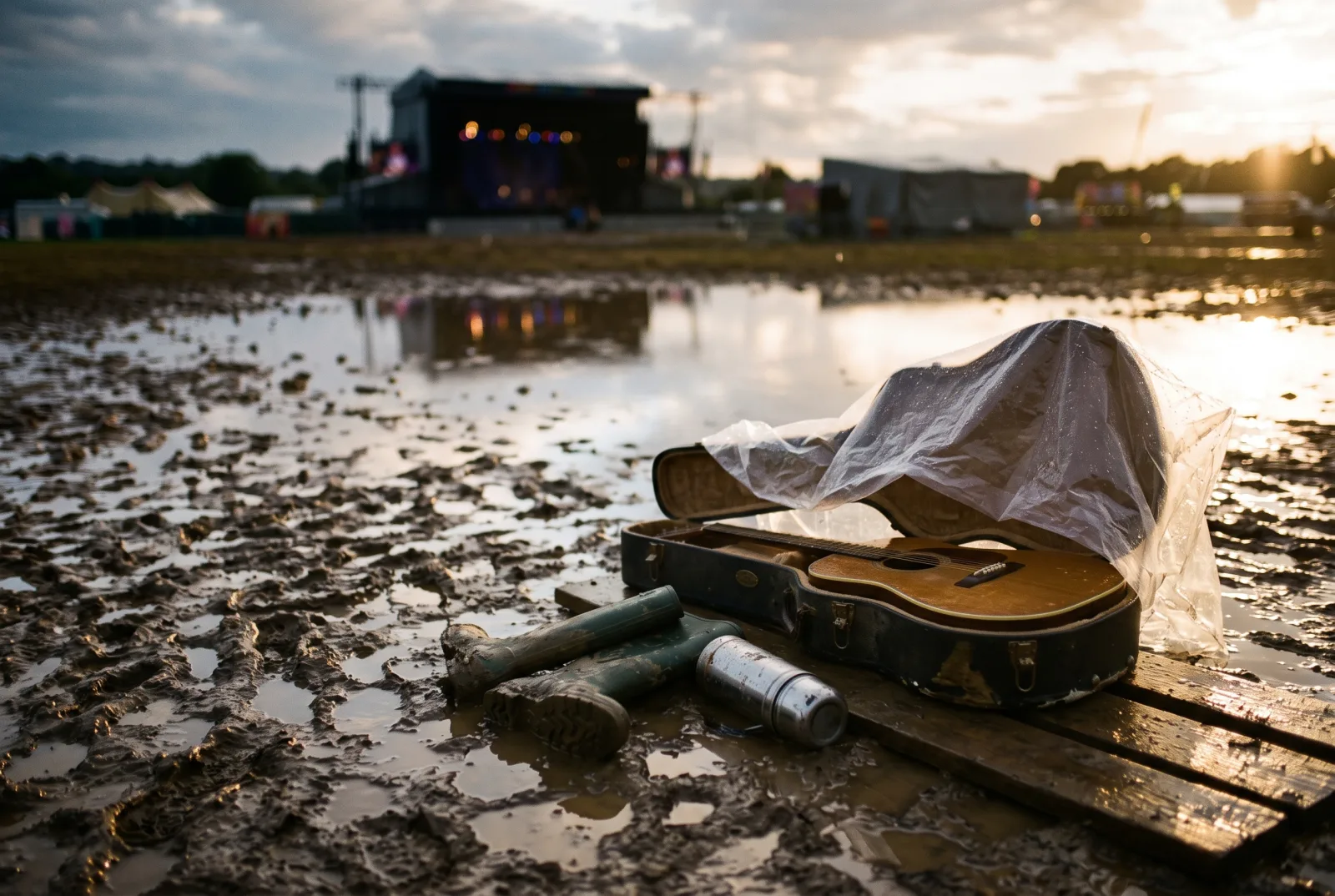
Travis
The door under the rain
Four Scots who were never the most famous, but drew the map that Coldplay and Keane would follow. And wrote the song that, legend says, made it rain at Glastonbury.
90s
indie
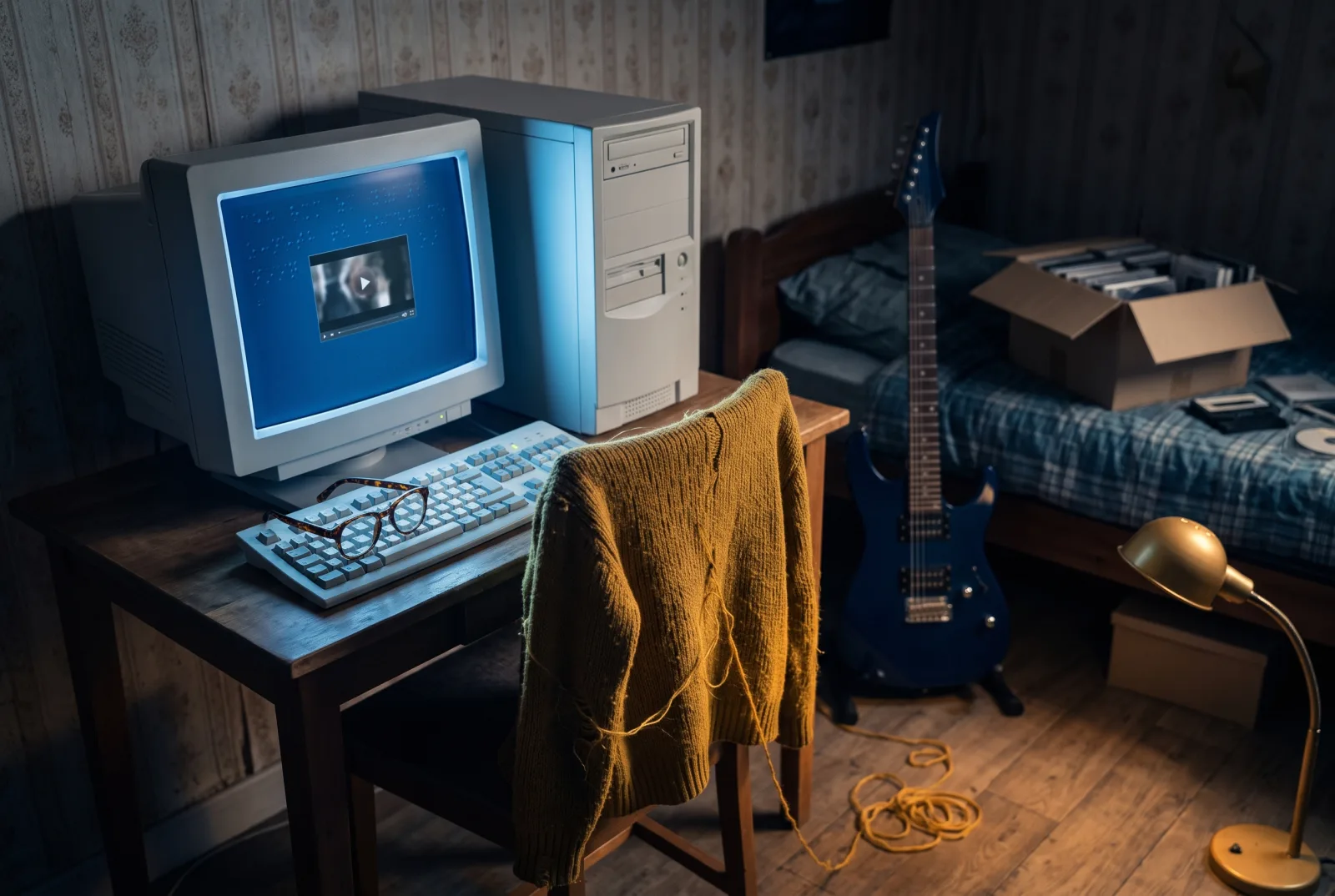
Weezer
The album that humiliated him
Rivers Cuomo laid himself completely bare on «Pinkerton», and the world punished him for it: it flopped, the critics tore it apart, he withdrew for years. Two decades later that same album was his most loved work and the blueprint of a whole generation's feelings.
90s
indie
The Smashing Pumpkins
Cathedrals made of sadness
While alternative rock was sneering at excess, Billy Corgan went the other way: layer upon layer of guitars, until he had built cathedrals of sound. The same obsessive control that drove away every one of his bandmates was what made that music take flight.
90s
hip hop
Delinquent Habits
The sound that went round three times
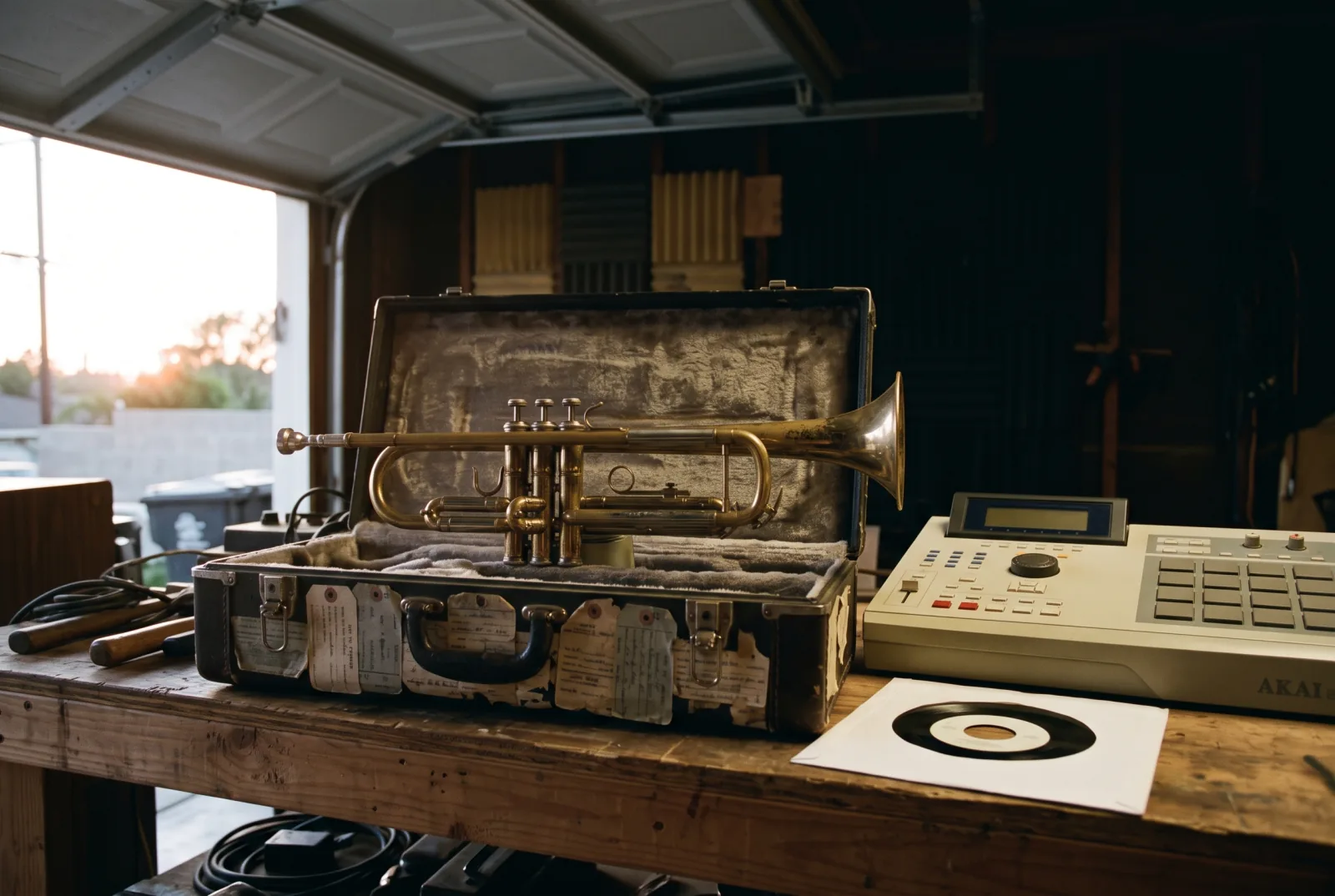
The trumpet in «Tres Delinquentes» is not Morricone's. It belongs to a Los Angeles trumpeter who recorded it alone in his garage imitating mariachis, and founded A&M Records with it.
90s
britpop
The Verve
Twenty-two years unable to say it
They wrote a song about how bittersweet life is, and that song became the most bittersweet story of their own lives. Richard Ashcroft wrote every word and every melody of «Bitter Sweet Symphony», and for twenty-two years the world believed someone else had.
90s
indie
Plastilina Mosh
One from the conservatory, one from noise
«Aquamosh» was not produced by any Beastie Boy. The error comes from a surname in the credits: Marks, who was Grace Marks, from another band. Beck's producers recorded it.
90s
pop
Smash Mouth
The song that beat its own joke
It was not written for «Shrek», the singer did not write it and it was never number one. What «All Star» did do was survive fifteen years of parodies and come out more popular than ever.

90s
disco dance
Faithless
The dance floor as a church
In a decade of hedonistic dance music, a practising Buddhist stood before a crowd and spoke to it about healing and belonging. Maxi Jazz compared the club to a church and turned the night's escape into a rite: dancing together as a way of healing.
90s
indie
Dolores O'Riordan
The voice of a country
She did not hide her accent: she made it sound like an instrument. When a bombing killed two children in Warrington, the voice of The Cranberries went home and wrote «Zombie», still playing wherever someone is sick of war.
90s
britpop
Oasis
The guns fell silent
Two brothers from a working-class Manchester suburb feuded for fifteen years and wrote some of the greatest anthems in rock. It is Cain and Abel in parkas, with one enormous difference: this time the story ended in reconciliation, not tragedy.
90s
grunge
Chris Cornell
Grief turned into songs
When his friend Andrew Wood died, he put together a whole band to say goodbye. That was his way: when the world took someone from him, he answered with music. He had almost four octaves and an honesty that gave others permission to name their own darkness.
90s
punk
The Offspring
The punk who earned a doctorate
The singer of one of the best-selling punk bands in history defended a doctoral thesis on the HIV genome. He had abandoned the PhD in 1994 and came back twenty-three years later to finish it.
90s
punk
Blink-182
What aged badly was the mockery
In 2015 the guitarist left the band to devote himself to UFOs and everyone laughed. Four years later, the Pentagon declassified the three videos his company had released.
90s
metal
Korn
A failed guitar and a brand-new genre
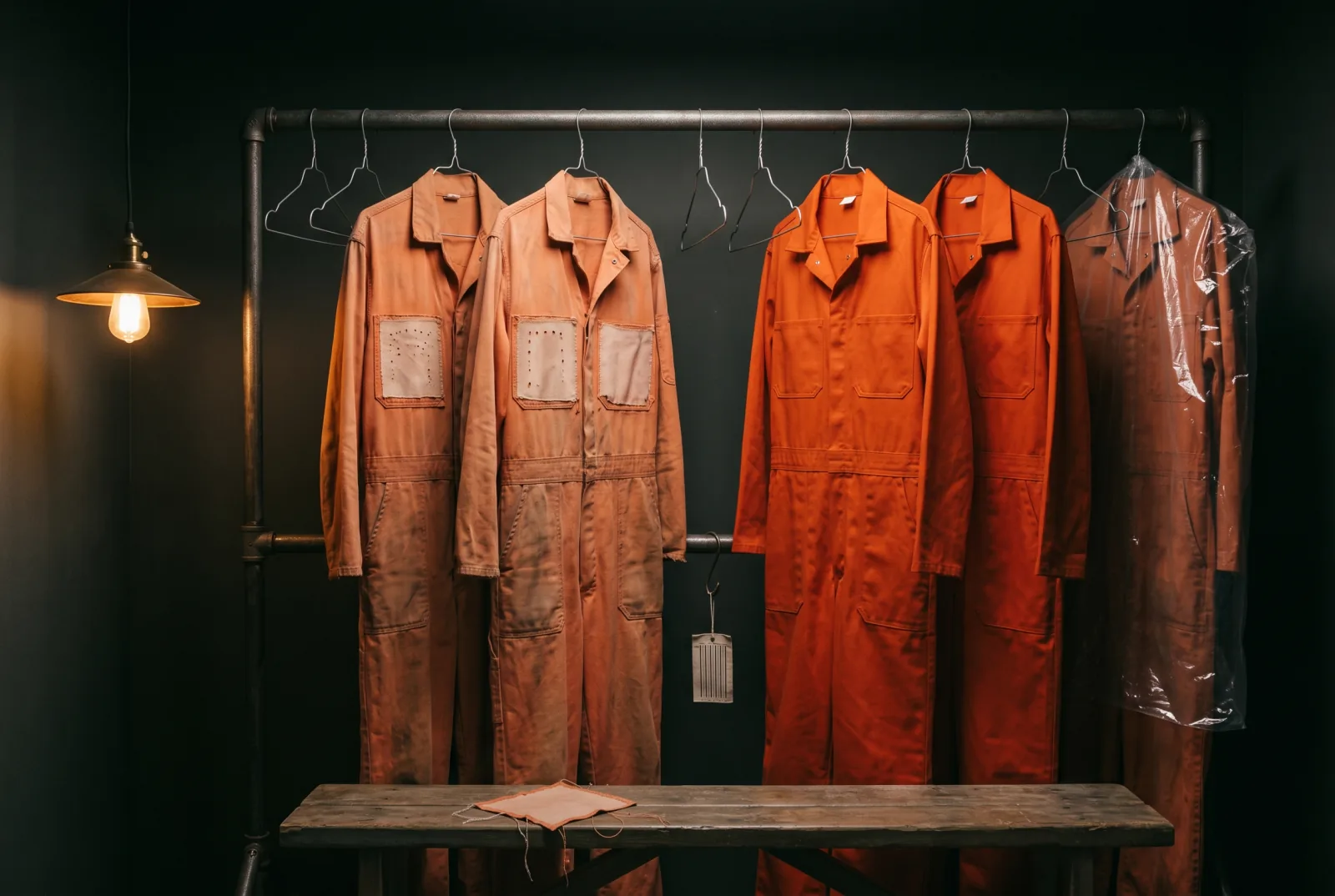
The seven-string guitar was designed for playing higher and sold so badly they stopped making it. Korn tuned it down, stayed on the low string, and founded nu metal with it.
90s
metal
Slipknot
They erased their faces so you would look at the music
For twenty-five years people hunted for the secret system behind Slipknot's numbers. There is no system: they handed them out arguing, out of superstition, a joke about infinity and self-deprecation.

90s
indie
Brian Molko
The outsider
He grew up moving from country to country, always the new, odd kid at school. In the middle of beer-and-football Britpop, Brian Molko turned up with eyeliner, a high voice and an undramatic bisexuality, and with Placebo he built a loud home for everyone who did not fit in.
90s
punk
Green Day
Nobody reads the titles
The song they play at graduations, weddings and funerals is called «Good Riddance». The friendly title everyone uses goes in brackets. It is the subtitle.
90s
hard rock
Aerosmith
The only thing they owed no one
Fifty-five years of career and a single number one, with a ballad someone else wrote, meant for another singer and offered first to another band. What was theirs, and nobody gave them, was the sound.
90s
soul
Simply Red
A credit given away
"Holding Back the Years" is signed by two people. Hucknall has said the second did not co-write it: he gave him the credit to remember the good times. It has been paying out for forty years.

90s
hard rock
Scorpions
The whistle and the Kremlin
The whistle in "Wind of Change" was not played on any instrument: Klaus Meine did it with his mouth, because he does not play lead guitar. And the people who had to be convinced were the label.

90s
pop
Roxette
The record that crossed the Atlantic
They reached number one in the United States because an exchange student took the album home to Minneapolis and would not stop until a station played it. The label had no plans to release it.
90s
pop
Cher
Thirty-three years between two number ones
In August 1965 she had a number one. The next came in March 1999. It is the longest gap in the history of the Hot 100, and it means she was written off more than once.
90s
reggae
Los Pericos
Reggae was already there
It is often said they brought reggae to Argentina. It had been playing there six years earlier, and Luca Prodan was playing it. What they did was something else, with its own merit: they made it mainstream.
90s
indie
Thom Yorke
He heard this world coming
He was born with his left eye paralysed and at school he was the odd one. In the nineties, when the internet was barely starting, he was already singing the anxiety and connected loneliness that screens would make everybody's daily life twenty years later.
90s
indie
Sinéad O'Connor
She was right
On 3 October 1992 she tore up a photograph of the Pope on television to denounce child abuse in the Church. The world tore her apart for saying it. Years later, country after country, it turned out she was right. They booed her in life; history proved her right.

90s
funk
Joe Vasconcellos
Footprints, and Alive
Joe Vasconcellos, or how the most Chilean thing can come from someone made of the whole world. He grew up between Italy, Japan and Brazil, studied at a Genoa conservatoire, and of all the countries he could have chosen, he chose Chile. His two most famous words sum up his career.
90s
pop
Linda Perry
The signature in the credits
She sang the nineties anthem of «hey-yeahs», and when the industry tried to turn her into a pop star she slammed the door. Then she wrote «Beautiful» and «Get the Party Started» for other women. Half the pop of twenty years carries her signature, hidden in the credits.
90s
folk
Joaquín Sabina
He was born three times
The son of a police inspector, he threw a Molotov cocktail in Granada and left Spain on another man's borrowed passport. Ten years in London, a return, a stroke, and a body of work that gave millions the words for what they could not name.

90s
pop
Andrés Calamaro
Writing the way you breathe
He released an album with a hundred and three songs. Not because he had something to say: because he never learned how to stop.

90s
pop
Maná
The chair at the end of the pier
The woman in "En el muelle de San Blas" existed. Almost everything else is more complicated, and her daughter refutes it point by point.
90s
indie
R.E.M.
The graceful exit
Michael Stipe sent Kurt Cobain a plane ticket that was not about making a record: it was an excuse to get him out of his house. Cobain never used it. Seventeen years later R.E.M. did the opposite and left the party in time, with no fights and no lawsuits. Two friends, two opposite ways of finishing.
90s
pop
Marciano Cantero
The Voice of Everyone's Adolescence
Marciano Cantero, or why the songs that reach you at fifteen never come loose. Enanitos Verdes were not the critics' band: they were the people's band, at every party and every school trip across a whole continent. Two of their biggest anthems were not even theirs.
90s
britpop
Suede
The best before they played
Melody Maker called them the best new band in Britain on its cover before they had released a single. And it turned out the hype was right.
90s
pop
Gustavo Cerati
Gracias Totales
Gustavo Cerati, or what to do once you have already been the singer of the continent's most beloved band. He was offered a tour replacing Sting and said no, because he was busy becoming himself. Out of that came «Bocanada», and a body of work that refused to repeat the formula.
Series
A History of Chilean Rock · Chapter 15: The Golden Age and the End of the Millennium
As the world crosses into the year 2000, Chilean rock reaches its peak and loses its last inhibition: it stops measuring itself against a distant "real thing". Los Tres say goodbye in Concepción just as the new century begins, and in that same city Los Bunkers had already existed for months.
Series
A History of Chilean Rock · Chapter 14: Joy and Rage
While the world surrenders to Britpop, the echo reverses: through MTV Latino, Chilean rock finally goes out to be heard. And Los Tres, from Concepción, conquer the screen not by copying the north but by taking Roberto Parra's cueca. Yet beneath the joy lay real losses and a rage that would not go away.
Series
A History of Chilean Rock · Chapter 13: The Avalanche
While Seattle invents grunge, the whole world pours through the door Rod Stewart opened: Bowie, Clapton, Amnesty International, Guns N' Roses, Michael Jackson. Chile stops listening years late and starts watching live. But the party had a price, and one night in 1992 it was paid.

90s
progresivo
The Closest Queen Ever Came to Progressive Rock
The story of "Innuendo", the most ambitious epilogue from a band that always flirted with grandeur. Six and a half minutes, metres in 3/4 and 5/4, and a guitarist from Yes reluctantly talked into improvising flamenco inside a Queen song.
90s
grunge
Grunge: Seattle and the End of Innocence
'Bleach' cost 606 dollars; two years later 'Nevermind' knocked Michael Jackson off number one. How Seattle went from basement to summit, why it won thanks to the artifice it claimed to fight, and why no scene ever grew in the dark again.