
Red Hot Chili Peppers
The four from Fairfax High
By Rebobinados · Published on October 1, 2026
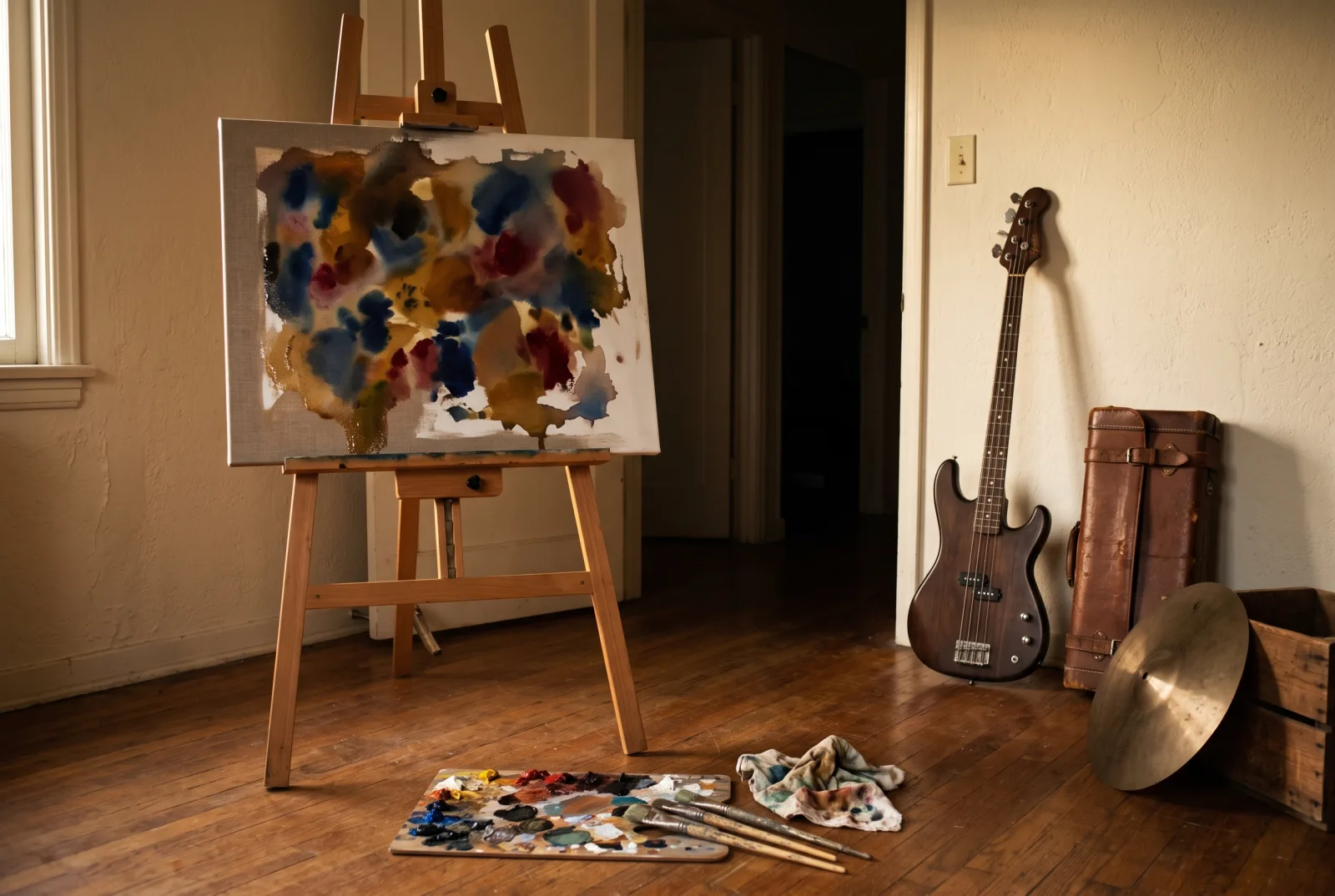
Ilustración: Rebobinados
Red Hot Chili Peppers did not invent the mixture of funk and punk: Funkadelic, Defunkt and Gang of Four came before them and, in their own Los Angeles scene, Fishbone. What they did was turn that mixture into a mass language, the only one of its kind that ended up playing on the radio all over the world, and they built it on a rhythm section with two names: Flea's bass —elastic, percussive, not accompanying but leading— and Chad Smith's drums, which have been holding it up for thirty-eight years. They have been at this for forty-four years. And the story that is almost never told properly is the one about the beginning, because the band started out as four friends from the same school and two of them did not reach the end of the decade: one died and the other left precisely because of that.
Four from Fairfax High
The band formed in Los Angeles in 1982 with four classmates from Fairfax High School: Anthony Kiedis on vocals, Flea on bass, Hillel Slovak on guitar and Jack Irons on drums. The first concert was on 16 December 1982 and they played it under a joke name, Tony Flow and the Miraculously Majestic Masters of Mayhem, for one night only. They never thought there would be a second.
Slovak was not an episode: he was the one who defined the sound. Flea came from the trumpet and from jazz, and it was Slovak who taught him to play funk on the bass, the school of James Brown and Sly Stone applied to a band of white kids from Hollywood. His guitar is the one heard on Freaky Styley (1985), produced by none other than George Clinton, and on The Uplift Mofo Party Plan (1987), the only record on which all four founders play together.
An overdose and an eighteen-year-old guitarist
Hillel Slovak died on 25 June 1988, aged twenty-six, of a heroin overdose. His body was found two days later, on the 27th, in his Hollywood apartment, slumped over the painting he was working on. Both dates circulate because one is the date of death and the other the date he was found.
Jack Irons left the band then and explained why with a sentence that is still the best summary of all of this: he did not want to be part of something that was killing his friends. It was not a quarrel or a contract problem. He went on to play in Eleven and was Pearl Jam's drummer —it was he who passed Eddie Vedder the tape that gave rise to that band—, so history proved him right twice: he kept living and he kept playing.
The replacements arrived that same year and both of them stayed. John Frusciante joined in 1988, aged eighteen, a fan of the group, to take a dead man's place; Chad Smith arrived on drums in December. With that line-up they recorded Mother's Milk (1989), with their version of "Higher Ground" and with "Knock Me Down", written about addiction and about what had just happened to them. It is not true that Frusciante arrived for the 1991 peak: he arrived three years and one record earlier, and he arrived because of a death.
"Under the Bridge" and Frusciante's two departures
Blood Sugar Sex Magik (1991), recorded with Rick Rubin in a large house in Los Angeles, is the record that made them enormous. "Give It Away" is pure adrenaline, but the one that changed their scale was "Under the Bridge", which reached number 2 on the US Hot 100 and was their first big hit. Saying that it is about "loneliness" blunts it: it is about Kiedis's loneliness in the middle of his heroin addiction and about the bridge in downtown Los Angeles where he used to go to use. The band that sold itself as a party had its first hit telling the worst part.
What happened next was the price of that scale. Frusciante left the band in the middle of a Japanese tour, refusing to play on 7 May 1992 in Saitama; he was replaced by Dave Navarro, who recorded One Hot Minute (1995). Between 1992 and 1998 Frusciante lived through a severe addiction to heroin and cocaine, came close to dying from infections and detoxed at Las Encinas, in Pasadena, in January 1998.
He came back that same year and put together the band's best run: Californication (1999), with "Scar Tissue" and "Otherside"; By the Way (2002); and the double album Stadium Arcadium (2006). Then he left again, in July 2009, although the departure was announced in December of that year. That is three spells and two departures, not one round trip.
The Klinghoffer decade
What came afterwards gets erased far too easily. Josh Klinghoffer was Red Hot Chili Peppers' guitarist for ten years, from 2009 to 2019: he recorded I'm with You (2011) and The Getaway (2016), played the stadium tours of that decade and was inducted with the band into the Rock and Roll Hall of Fame in 2012. Talking about "the family complete again" is precisely the phrase that leaves him out. Flea, in those same years, recorded the bass for Atoms for Peace, the group put together by Thom Yorke that released its only record in 2013.
Frusciante came back for a third time in December 2019 and with him they recorded two records in the same year: Unlimited Love, in April 2022, which reached number one on the Billboard 200, and Return of the Dream Canteen, in October. Twenty years after their commercial peak they were still releasing new material, with the same bassist, the same drummer and the same singer as at the start.
What to remember
Red Hot Chili Peppers are two things at once, and the second usually stays out of the photograph. They are the band that turned funk-rock into a stadium language, held up by Flea and Chad Smith, with forty-four years of career and a creative run —from Blood Sugar Sex Magik to Stadium Arcadium— that few bands sustain. And they are also a casualty list: Slovak dead at twenty-six, Irons stepping away from the band so as not to watch it happen again, Frusciante coming in at eighteen to fill a gap and leaving twice, Klinghoffer covering that gap for a decade.
Their work is almost always about that, about falling and getting back up, and it is because they lived it. If anyone reading this recognises their own story in Slovak's or in Frusciante's, in Chile SENDA's drug and alcohol helpline, 1412, is free and confidential. And when that groove starts up and Kiedis's voice comes in on top, what you hear is not only a Californian party: it is what was left standing after the party.
Sources
Red Hot Chili Peppers is an American band formed in Los Angeles in 1982 by Anthony Kiedis (vocals), Flea (bass), Hillel Slovak (guitar) and Jack Irons (drums), the four of them classmates at Fairfax High School; their first concert took place on 16 December 1982, under the name Tony Flow and the Miraculously Majestic Masters of Mayhem. Slovak taught Flea, who came from the trumpet, to play funk bass; his guitar appears on "Freaky Styley" (1985), produced by George Clinton, and on "The Uplift Mofo Party Plan" (1987), the only album recorded by the four founding members. Hillel Slovak died on 25 June 1988, aged 26, of a heroin overdose; his body was found on 27 June in his Hollywood apartment. Jack Irons left the band after his death, stating that he did not want to be part of something that was killing his friends; he subsequently joined Eleven and was the drummer of Pearl Jam, a group that originated from a tape he gave to Eddie Vedder. John Frusciante joined in 1988, aged 18, replacing Slovak, and Chad Smith in December 1988; Smith has played on every album since "Mother's Milk" (1989), which includes "Higher Ground" and "Knock Me Down". "Blood Sugar Sex Magik" (1991), produced by Rick Rubin, includes "Give It Away" and "Under the Bridge", a song concerning Kiedis's loneliness during his heroin addiction and a bridge in downtown Los Angeles; it reached number 2 on the United States Hot 100. Frusciante left the band during the 1992 Japanese tour, refusing to play on 7 May in Saitama, and was replaced by Dave Navarro, who recorded "One Hot Minute" (1995); between 1992 and 1998 he went through a severe addiction to heroin and cocaine, with his life at risk from infections, and detoxed at the Las Encinas centre in Pasadena in January 1998. He returned in 1998 and recorded "Californication" (1999, with "Scar Tissue" and "Otherside"), "By the Way" (2002) and "Stadium Arcadium" (2006); he left the band in July 2009, which was publicly announced in December of that year. Josh Klinghoffer was the group's guitarist between 2009 and 2019, recorded "I'm with You" (2011) and "The Getaway" (2016) and was inducted with the band into the Rock and Roll Hall of Fame in 2012. Frusciante returned in December 2019; "Unlimited Love" was released in April 2022 and reached number one on the Billboard 200, and "Return of the Dream Canteen" in October 2022. Flea was also a member of Atoms for Peace, a group formed by Thom Yorke that released its only album, "Amok", in 2013. The precedents for their fusion of funk, punk and rock include Funkadelic, Defunkt, Gang of Four and Fishbone. Profile compiled for Rebobinados with fact-checking; interpretations of the meaning of the work are offered as the author's reading. No song lyrics are reproduced, for copyright reasons. Information drawn from Wikipedia, Billboard, Rolling Stone and other coverage.
Keep rewinding
90s
funk
Jamiroquai
The floor was not moving
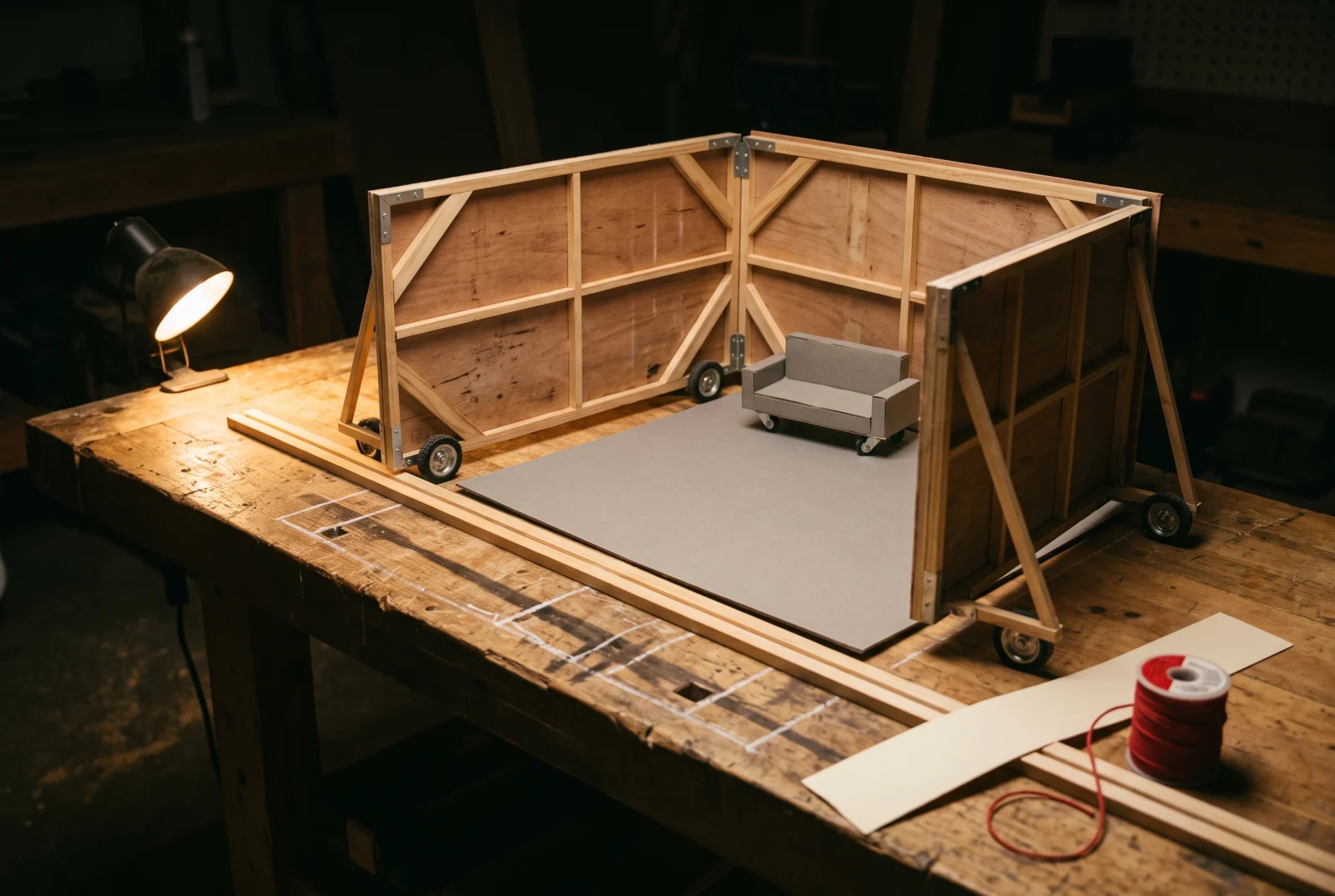
In "Virtual Insanity" the floor never moved: it was grey and smooth, and what turned was the whole set on wheels, pushed by stagehands with the camera bolted to one wall. Jonathan Glazer directed it on 12 August 1996 in four takes, for half the 280,000 pounds that moving the floor for real would have cost. It won four VMAs out of ten nominations, including Video of the Year.
80s
funk
Rick James
The Grammy came out of a lawsuit
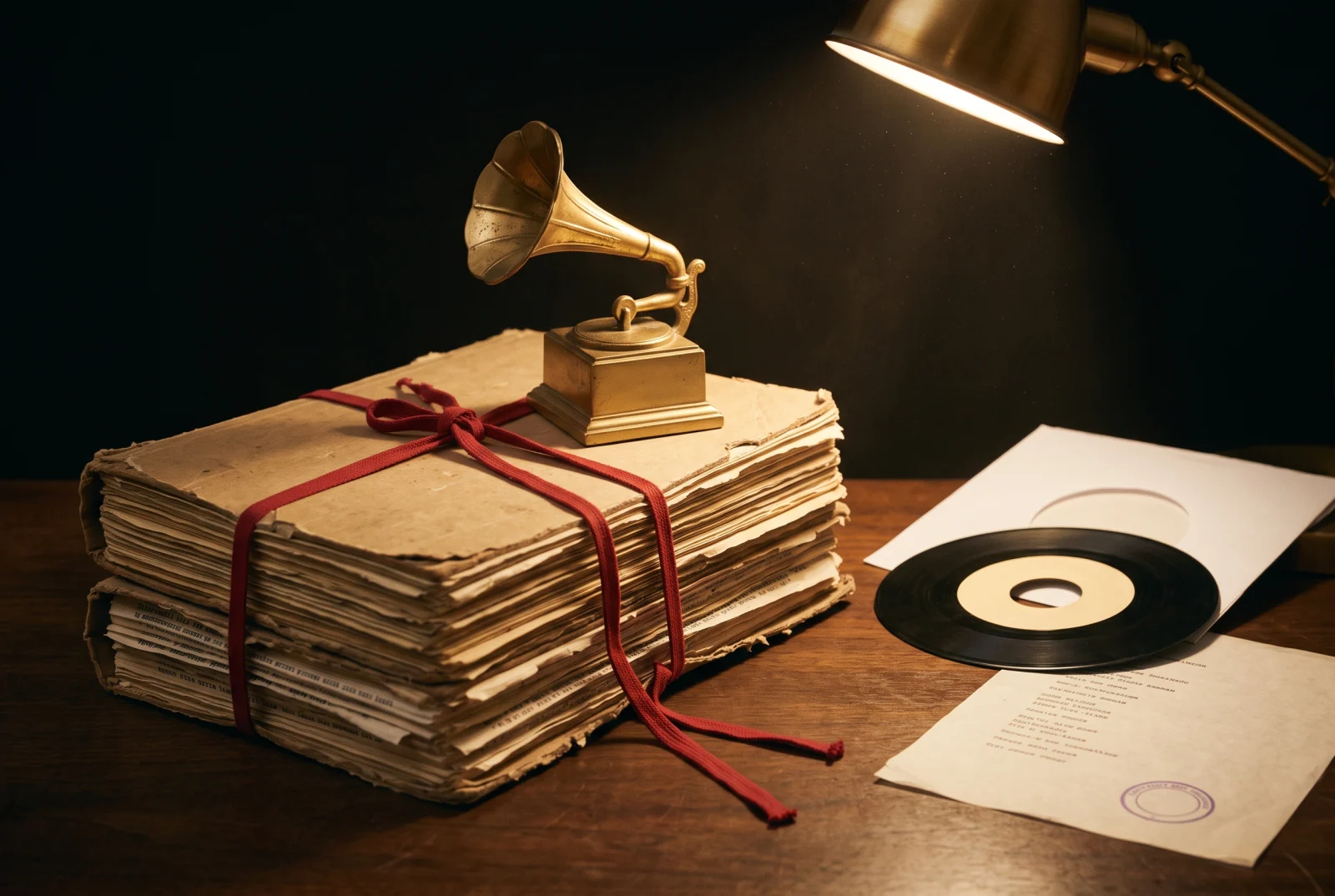
The only Grammy of his life he won for a song he did not record: Best R&B Song on 20 February 1991 for "U Can't Touch This", after suing MC Hammer over the riff of "Super Freak" and settling out of court. Before all that he had a band in Toronto with Neil Young and Bruce Palmer, and Motown cancelled their single in 1966 on discovering that its singer was a fugitive from the Naval Reserve.
60s
funk
Sly Stone
Who gets on stage with you
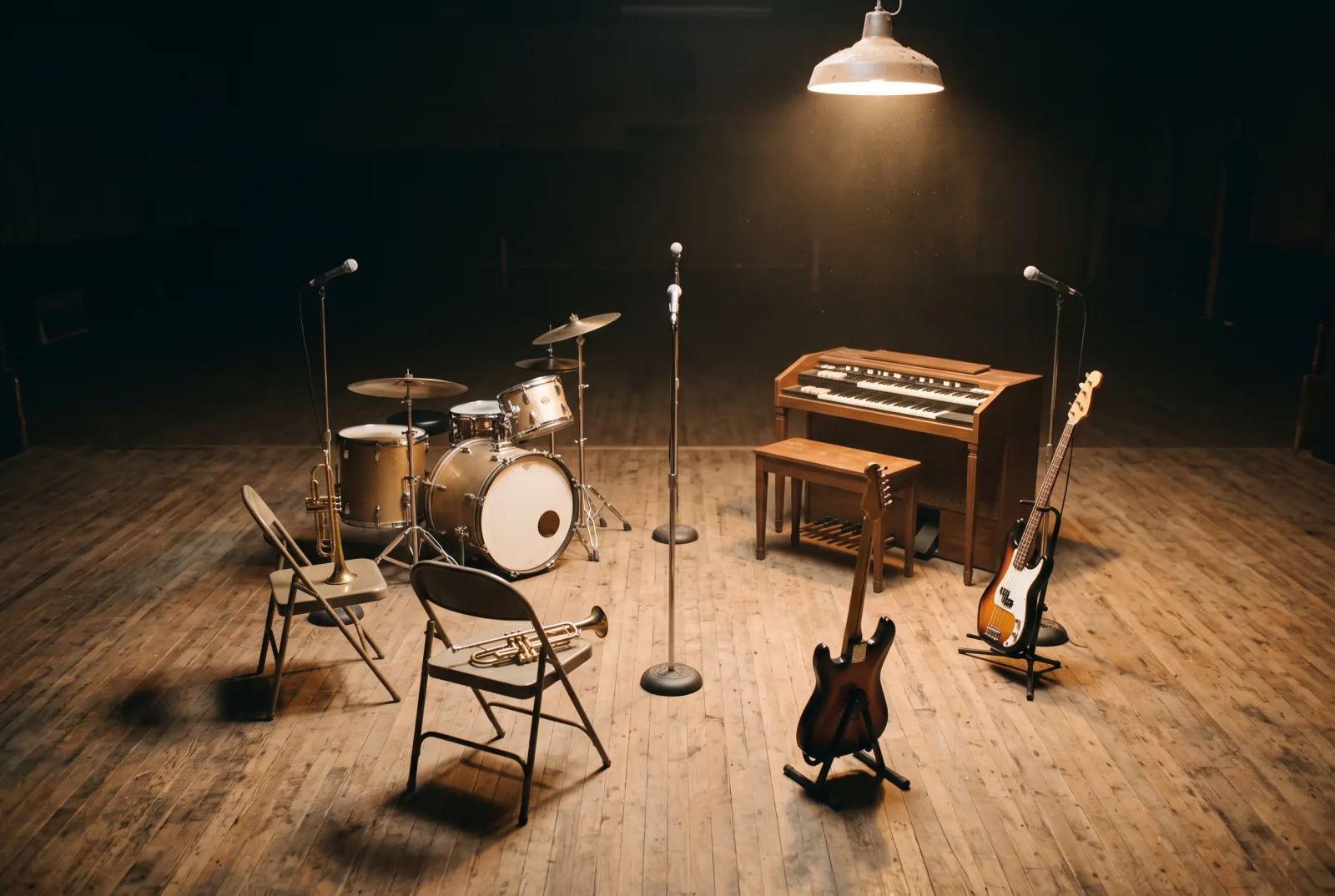
He perfected the funk James Brown had invented, and in 1966 he put together a band of men and women, Black and white, when that was a political act.
Rewind with us
Comments · 0
No one has commented yet. Open the conversation.