
Adele
The only stack left
By Rebobinados · Published on September 9, 2026
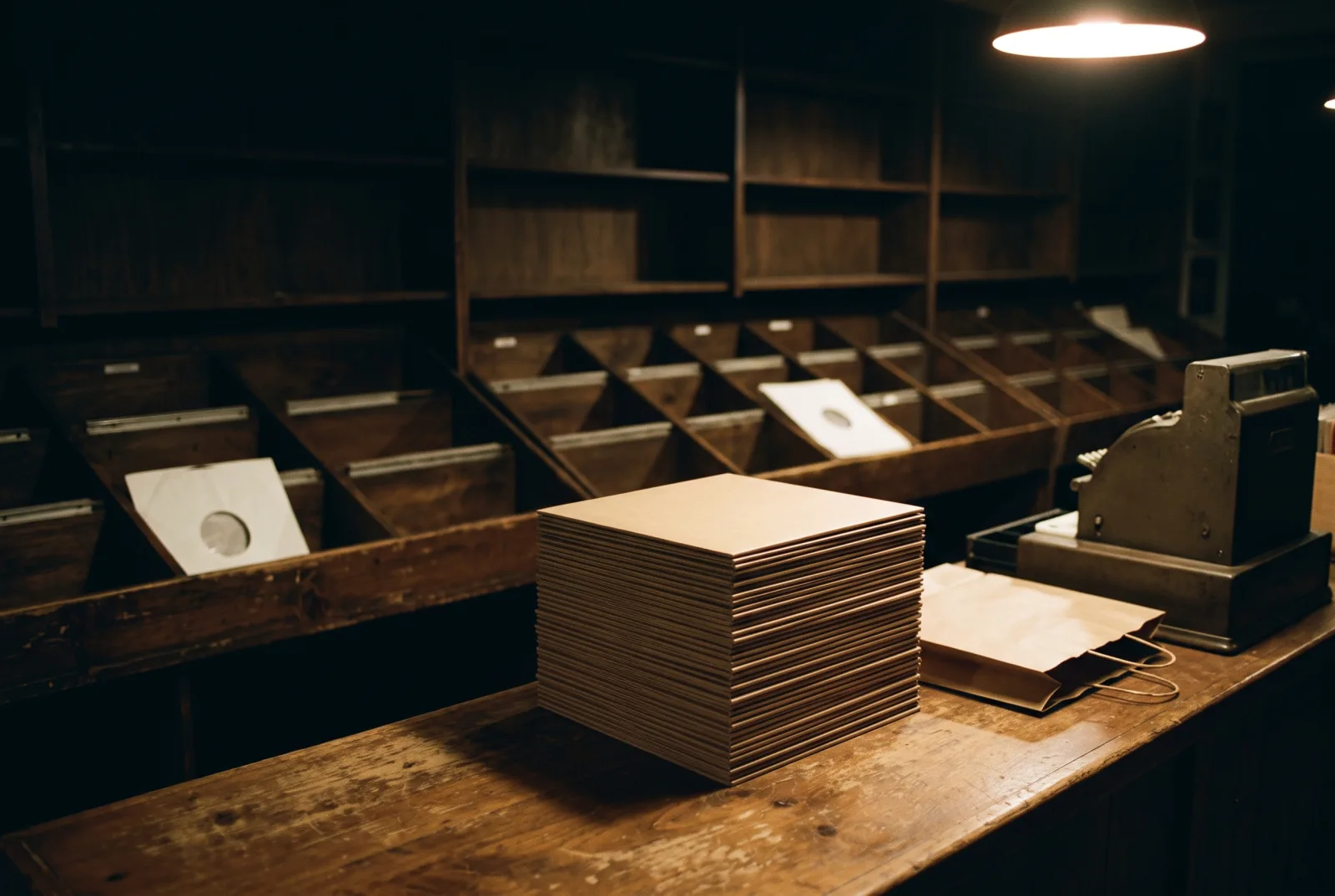
Ilustración: Rebobinados
At the start of 2011 the album was given up for dead.
Not as a metaphor. The industry had spent a decade watching sales fall, illegal downloading had eaten the business, and the consensus was that nobody would ever again sell records in vast quantities. That era was over.
In January of that year "21" came out.
Twenty million people went back to paying
"21" sold more than thirty-one million copies. It is the best-selling album of the century so far, and it was the best-selling record in the world two years running, in 2011 and in 2012.
They are heartbreak songs sung by a twenty-one-year-old with an enormous voice. Nothing else. No production trick, no dance routine, no scandal.
A couple of things are worth pinning down, because this story is easy to exaggerate. She is not the best-selling artist on the planet or in history: she is the author of the best-selling album of the century. And the crisis of the time was not streaming — when "21" came out, Spotify had not even reached the United States — it was piracy and downloading.
But the fact stands: at the worst moment for selling music, millions of people did something believed to be extinct, which was pay to own it.
The record that refused to be on streaming
Four years later she did something almost nobody remembers and which is the most literal proof of what she stood for.
When she released "25", in 2015, she pulled it from every streaming service. If you wanted to hear "Hello", you bought it.
It sold three million three hundred thousand copies in the United States in one week. Five million seven hundred thousand worldwide. An absolute first-week record, and it still stands.
It was the best-selling album in the world in 2015. In total it is somewhere around twenty-two million: far less than "21", and even so a figure nobody else has touched since.
What she did differently
The temptation is to conclude that the industry had it wrong, that the album never died and that all it took was good songs. That goes too far.
Music revenues kept falling after 2011 and only recovered from 2015 onwards, thanks to paid streaming. "21" did not refute the diagnosis: it was an extraordinary exception within it.
What it did prove is more modest and more interesting. That there was an audience willing to buy if somebody gave it a good enough reason. That people had not stopped wanting music to move them; they had stopped finding music that did.
It is the same ground Amy Winehouse walked a few years earlier, with the same soul tradition in her throat and a very different ending.
The records are named after her age
There is something in her work worth looking at: the albums are titled with the age she was when she wrote them. "19", "21", "25", "30".
It is not a marketing idea. It is a statement of what making records is for, in her case: recording where she was.
"19" and "21" came out of real break-ups. "30" came out of her divorce. "25", by contrast, is not a heartbreak record: it is about nostalgia, about making peace with herself, about motherhood. "Hello" is a call to her own past more than to an ex.
Since the end of 2024 she has neither released music nor performed. She announced an indefinite break in Munich and closed her Las Vegas residency on 23 November that year. She said she had no plans for new music. She has not come back.
What to remember
Adele is proof that plain emotion, with no decoration, still sells more than any strategy.
Put on "Someone Like You", "Rolling in the Deep" or "Hello" and you will hear someone doing nothing unusual: she plants herself, opens her mouth and sings something that actually happened to her.
Her great discovery was not having one. In an industry devoted to inventing ways of getting attention, she confined herself to telling what hurt, and telling it well.
Remember her like this: not as the one who saved the album, but as the one who proved the audience had never gone anywhere.
Sources
Adele Laurie Blue Adkins, born in London on 5 May 1988; she is still alive. Her albums are titled with the age at which they were written: "19" (2008), "21" (2011), "25" (2015) and "30" (2021). "21" was released on 24 January 2011 in Europe and on 22 February in North America; it has passed thirty-one million copies and is the best-selling album of the twenty-first century, as well as the best-selling record in the world in 2011 and 2012. It topped the Billboard 200 for twenty-four consecutive weeks and the British chart for twenty-three, both records for a solo female artist. "25" was released in 2015, deliberately withheld from streaming services during its launch, sold 3.38 million copies in the United States and 5.7 million worldwide in its first week — a record that still stands — and is at around twenty-two million in total. She won the Oscar for best original song in 2013 for "Skyfall", the first song from the Bond series to do so, and has received sixteen Grammy awards. It should be made clear that the record industry's crisis at the start of the 2010s was caused by piracy and digital downloading, not by streaming: Spotify reached the United States in July 2011, after the release of "21"; and that the industry's global revenues kept falling until around 2015, so that "21" was an exception and not a reversal of the trend. In September 2024 she announced an indefinite break and her last concert was on 23 November 2024, closing the "Weekends with Adele" residency in Las Vegas; she has released no music and given no performances since. Externally authored text, edited and verified for Rebobinados. Interpretations of the meaning of her work are offered as the author's reading. No song lyrics are reproduced, for copyright reasons. Information drawn from Wikipedia, Billboard, the IFPI and other coverage.
Keep rewinding
10s
pop
Bruno Mars
Eleven names in the credits
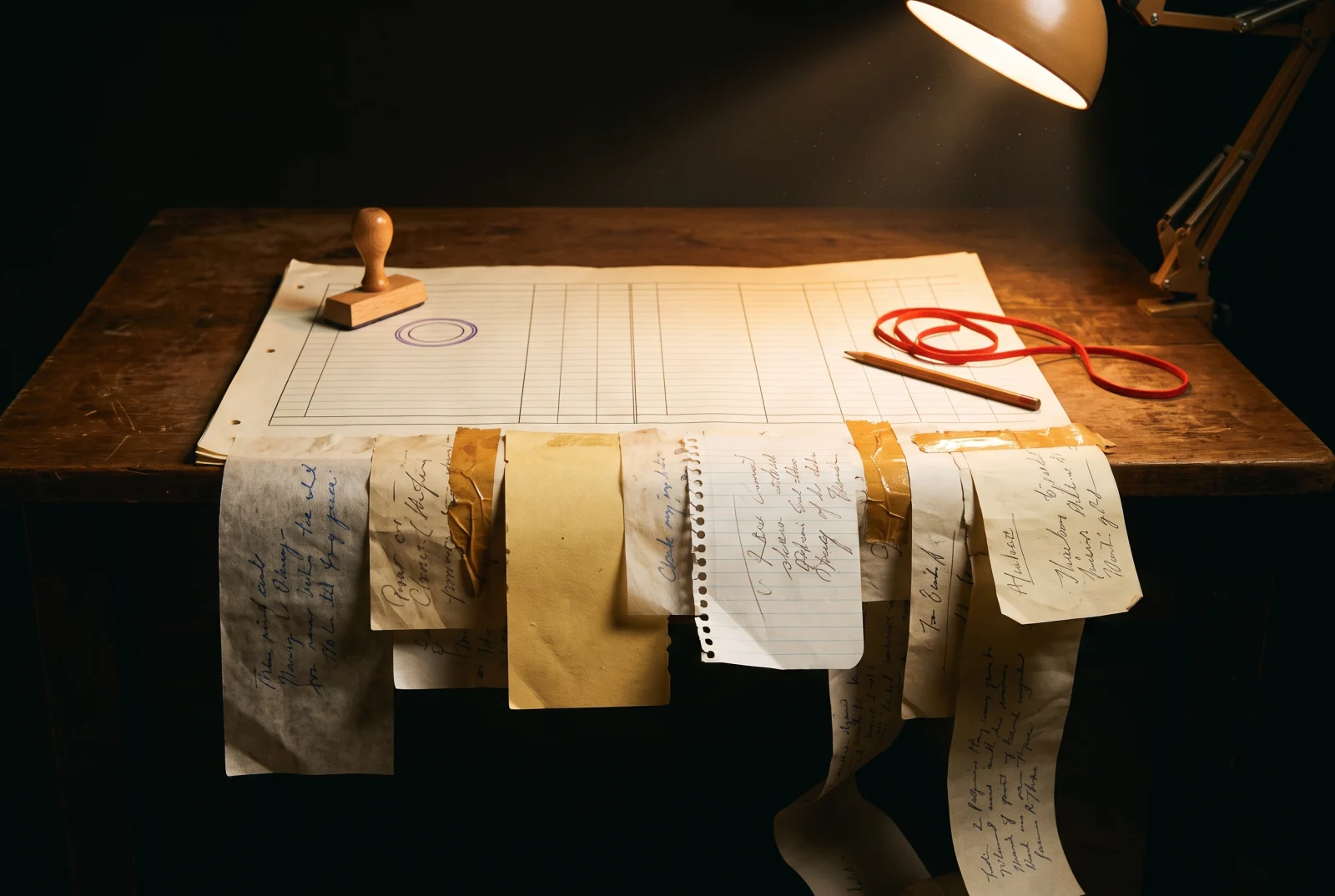
"Uptown Funk" came out on 10 November 2014 with six writers and today it has eleven. In February 2015 The Gap Band's publisher filed a claim over "Oops Up Side Your Head" in YouTube's copyright system —there was never a lawsuit— and on 28 April five names were added, with 17 % of the publishing. It happened weeks after the "Blurred Lines" verdict, and the song had been fourteen weeks at number one.
00s
pop
André Rieu
It was not from the jazz suite
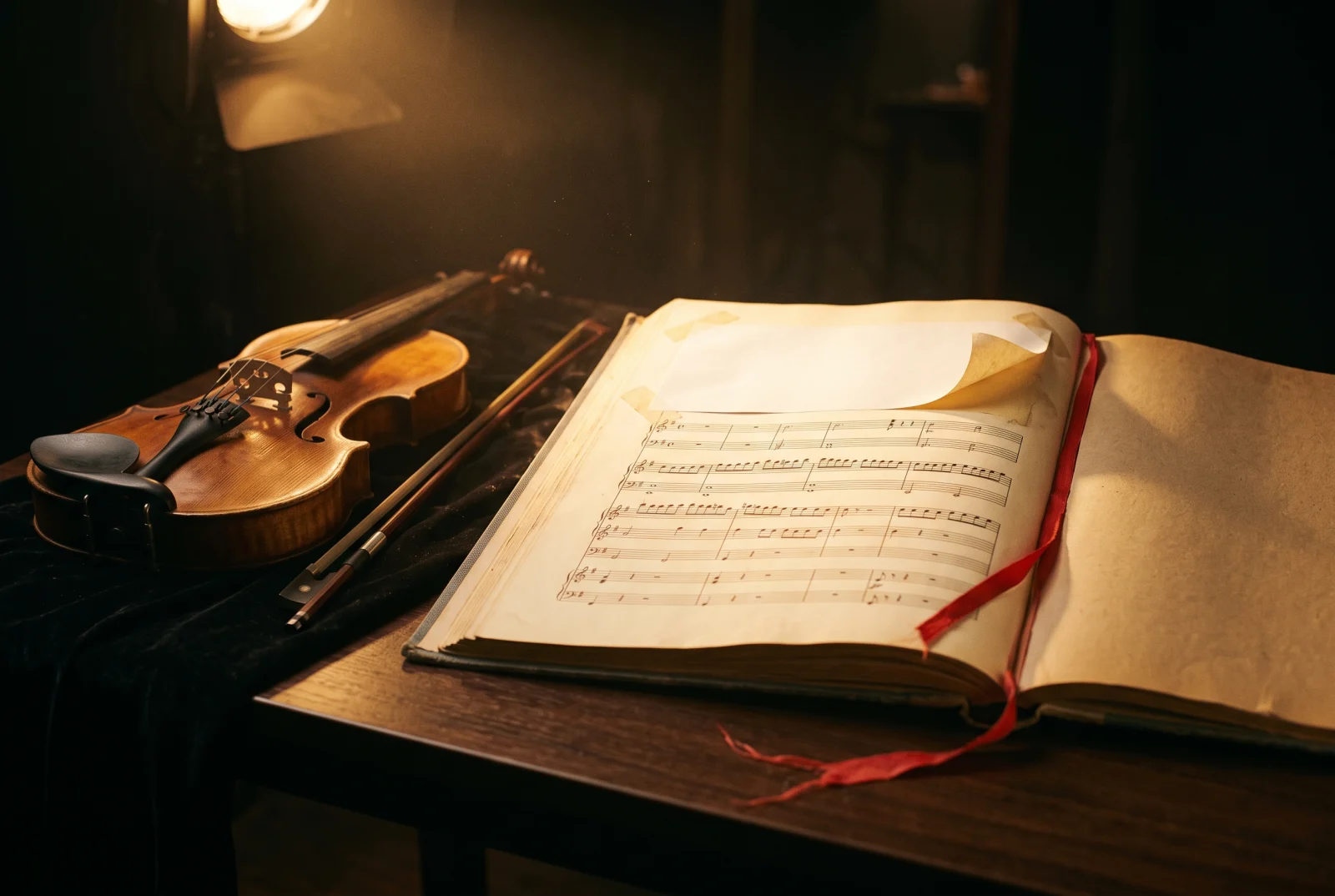
The waltz with which André Rieu reached half the world is not from Shostakovich's Suite for Jazz Orchestra No. 2: it is from the Suite for Variety Orchestra, which the composer did not assemble, and it was born in 1956 as music for a Soviet film about settlers in Kazakhstan. The error comes from a misprint in volume 10 of the complete works (Muzyka, Moscow, 1984), corrected only in 2001. And the title "The Second Waltz" was invented by his wife, because the real one did not sell.
90s
pop
Daniela Mercury
She took the neighbourhood out of the song
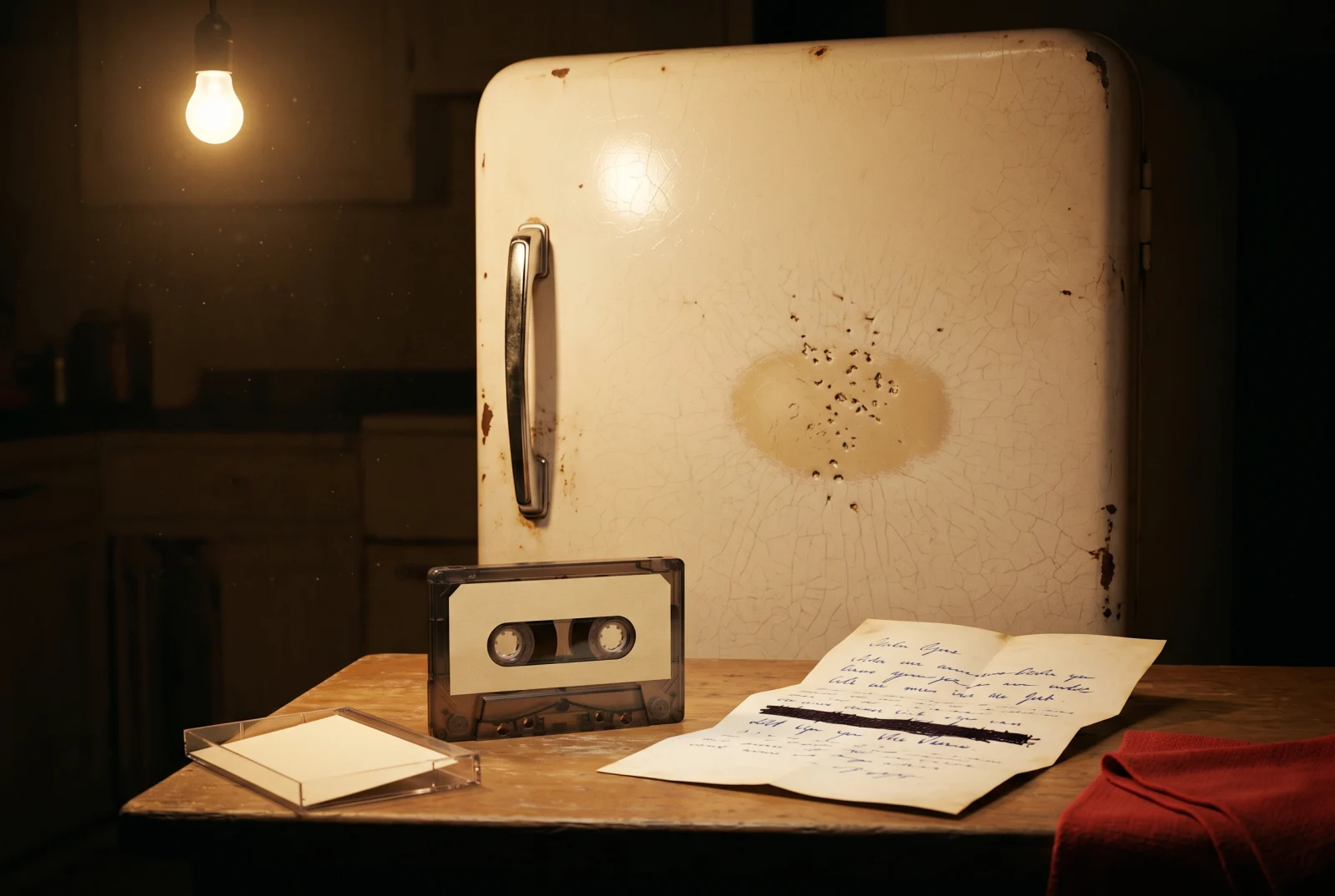
"O Canto da Cidade" was written by Tote Gira, a composer from Nordeste de Amaralina who recorded the demo on a borrowed cassette, marking the beat on the door of a refrigerator; Mercury's team almost threw the tape away. She shares the credit because she deleted the references to the Pelourinho so that the song would serve all of Brazil. The album, from 20 September 1992, sold more than 2 million copies and nationalised axé. But she did not invent it: the name was a journalist's insult in 1987.
Rewind with us
Comments · 0
No one has commented yet. Open the conversation.