
Chapter 01 — Today in music
On a day like today July 28
1973
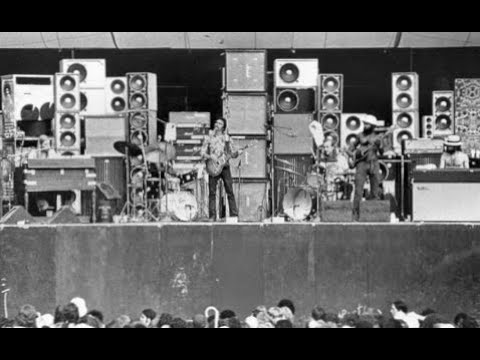
Watkins Glen: 600,000 people at the biggest concert almost nobody remembers
On July 28, 1973, some 600,000 people overwhelmed a New York racetrack to see the Grateful Dead, the Allman Brothers and The Band at the Summer Jam at Watkins Glen — one of the largest audiences in history. It beat Woodstock in numbers, but without its myth: proof that the counterculture had simply become mass culture.
Grateful Dead
The Allman Brothers Band
The Band
Listen
Via YouTube
1943
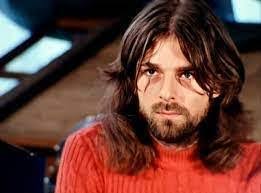
Richard Wright is born, Pink Floyd's secret color
On July 28, 1943, Richard Wright was born in London — Pink Floyd's founding keyboardist. His jazz-rooted textures and harmonies are the emotional glue of 'The Dark Side of the Moon' and the soul of 'The Great Gig in the Sky' and 'Us and Them'. A member discreet to the point of invisibility, his absence is felt the moment he is gone: that is what defines essential musicians.
Richard Wright
Pink Floyd
Listen
Via YouTube
1957
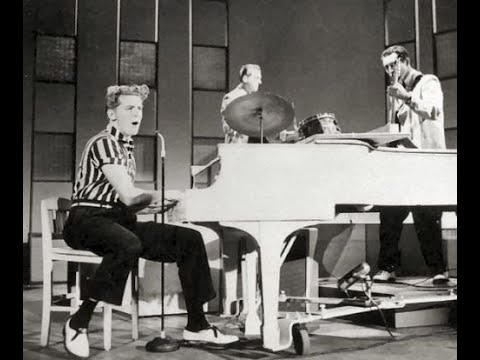
Jerry Lee Lewis sets TV on fire: three minutes that sold six million records
On July 28, 1957, Jerry Lee Lewis made his national US television debut on The Steve Allen Show, attacking the piano with 'Whole Lotta Shakin' Goin' On'. He kicked away the stool, pounded the keys standing up, and Allen himself hurled furniture onto the stage, swept up in the delirium. The single, until then heard mostly in the South, became a national phenomenon and passed six million copies. Those three minutes proved television could manufacture rock and roll stars overnight.
Jerry Lee Lewis
Listen
Via YouTube
1971
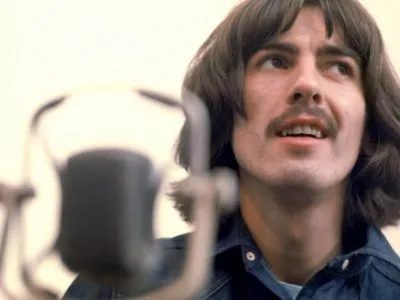
"Bangla Desh": the first time a pop song was used as a humanitarian campaign
On July 28, 1971, George Harrison released "Bangla Desh", a single written at Ravi Shankar's request to draw attention to the millions of refugees from the war of independence. The song names the problem in the first line and asks for money without circling around it, unheard of in the pop of the day. A month later Harrison staged the two Madison Square Garden concerts that invented the benefit format.
George Harrison
Ravi Shankar
Listen
Via YouTube
1979
"Good Times" hits number one and gives away the bassline that founded hip-hop
On July 28, 1979, Chic's "Good Times" topped the soul chart. Bernard Edwards had written a four-bar bassline so perfect that within months it was everywhere: in September the Sugarhill Gang used it wholesale as the backing for "Rapper's Delight", rap's first commercial hit. Chic ended up suing and winning the credits. No other disco record has left so much descent.
Chic
Nile Rodgers
1990
Soulja Boy is born: the first to reach number one without leaving his house
On July 28, 1990, DeAndre Way was born in Chicago. At sixteen he recorded "Crank That" in his bedroom on a free program, invented a dance and uploaded it. With no radio, no label and no tour, the song went to number one in the United States in 2007 on the strength of videos thousands of teenagers made copying the steps. It was the first clear demonstration that the traditional circuit was no longer necessary.
Soulja Boy
1901
Rudy Vallée is born: the first singer to make audiences faint
On July 28, 1901, Rudy Vallée was born in Vermont. He went on stage with a cardboard megaphone because microphones were not yet good enough to sing into. With that soft, nasal voice he invented the crooner and, along the way, audience hysteria: twenty years before Sinatra there were girls screaming and fainting at his shows. He was the first pop star built by radio, and the industry learned from him how to manufacture idols.
Rudy Vallée
1930
Junior Kimbrough is born, owner of the juke joint where blues sounded different
On July 28, 1930, David Kimbrough was born in Mississippi. He played a blues without chord changes: a single figure repeated for ten minutes until it turned hypnotic. He spent his life running his own juke joint on a country road, where on Sundays he played for neighbours and for outsiders who came from a long way off. He recorded his first album at sixty-two. The Black Keys began by covering almost all of it.
Junior Kimbrough
1943
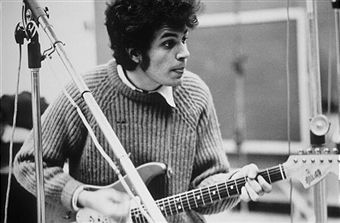
Mike Bloomfield is born, the guitar hero rock forgot
On July 28, 1943, Mike Bloomfield, one of the first guitar heroes of the sixties, was born in Chicago. He learned the blues firsthand in the South Side clubs, electrified Dylan's 'Like a Rolling Stone' and backed the singer at his controversial electric set at Newport in 1965. With the Paul Butterfield Blues Band and Electric Flag he brought Black Chicago blues to rock's white audience. He died young, in 1981, and his name remains American guitar's great open secret.
Mike Bloomfield
Listen
Via YouTube
1948
Eiichi Ohtaki is born: the Japanese musician who invented the city pop now being rediscovered
On July 28, 1948, Eiichi Ohtaki was born in Iwate, Japan. In 1981 he released "A Long Vacation", an album of luminous melodies recorded with Phil Spector's production technique applied to Japanese pop. It was one of the founding stones of city pop, the sound of Tokyo's economic boom. Forty years later teenagers around the world found it through the internet, and those records sold out on vinyl all over again.
Eiichi Ohtaki
1949
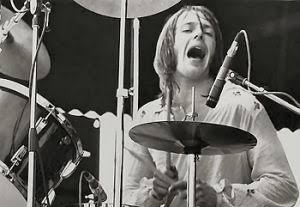
Simon Kirke is born, the steady pulse of Free and Bad Company
On July 28, 1949, Simon Kirke, drummer of two British rock dynasties, was born in London. He co-founded Free in 1968 alongside Paul Rodgers and anchored the anthem 'All Right Now' with one of the genre's most imitated grooves. After the band dissolved, he teamed up with Rodgers again in Bad Company, the supergroup in which he was the only member present through every era. His sober style — just the right punch, no frills — defined the sound of seventies hard rock.
Simon Kirke
Free
Bad Company
Listen
Via YouTube
2017
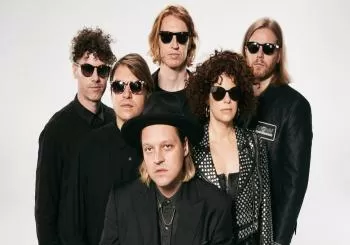
"Everything Now": Arcade Fire make an album against consumerism and sell it with fake advertising
On July 28, 2017, "Everything Now" was released, Arcade Fire's fifth album, a record about information overload and the culture of immediacy. The band promoted it by inventing a fictional corporation, publishing fake reviews before release and selling absurd merchandise; half the press missed the joke and the other half found it insufferable. The album went to number one in several countries anyway.
Arcade Fire
Listen
Via YouTube
1986
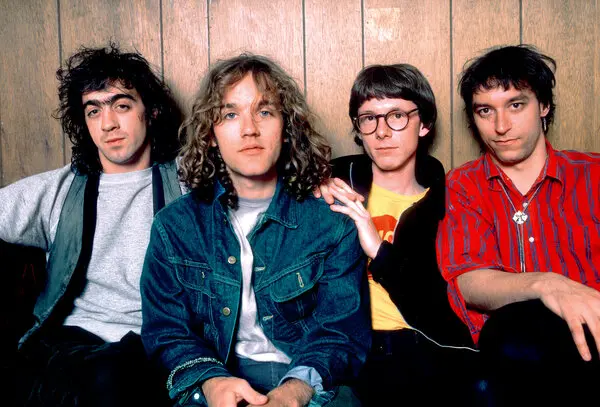
"Lifes Rich Pageant": R.E.M. turn it up and the words finally become audible
On July 28, 1986, "Lifes Rich Pageant" was released, R.E.M.'s fourth album and the first on which Michael Stipe agreed to sing clearly enough for the words to be made out. Producer Don Gehman pushed the guitars up and pulled the band out of the murmur of their early records. With that clarity came openly political and ecological songs, and the first gold record of their career.
R.E.M.
Michael Stipe
Listen
Via YouTube
1975
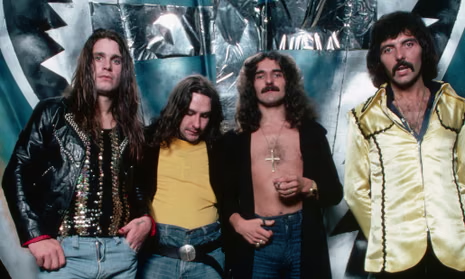
"Sabotage": Black Sabbath record their angriest album while fighting their ex-manager
On July 28, 1975, "Sabotage" was released, Black Sabbath's sixth album, recorded in the middle of litigation with their former manager that had them arriving at the studio with lawyers waiting at the door. Hence the title and hence the fury: it is the most aggressive and disordered record of their classic period, with "Symptom of the Universe" anticipating thrash metal almost ten years before it existed.
Black Sabbath
Tony Iommi
Listen
Via YouTube
2014
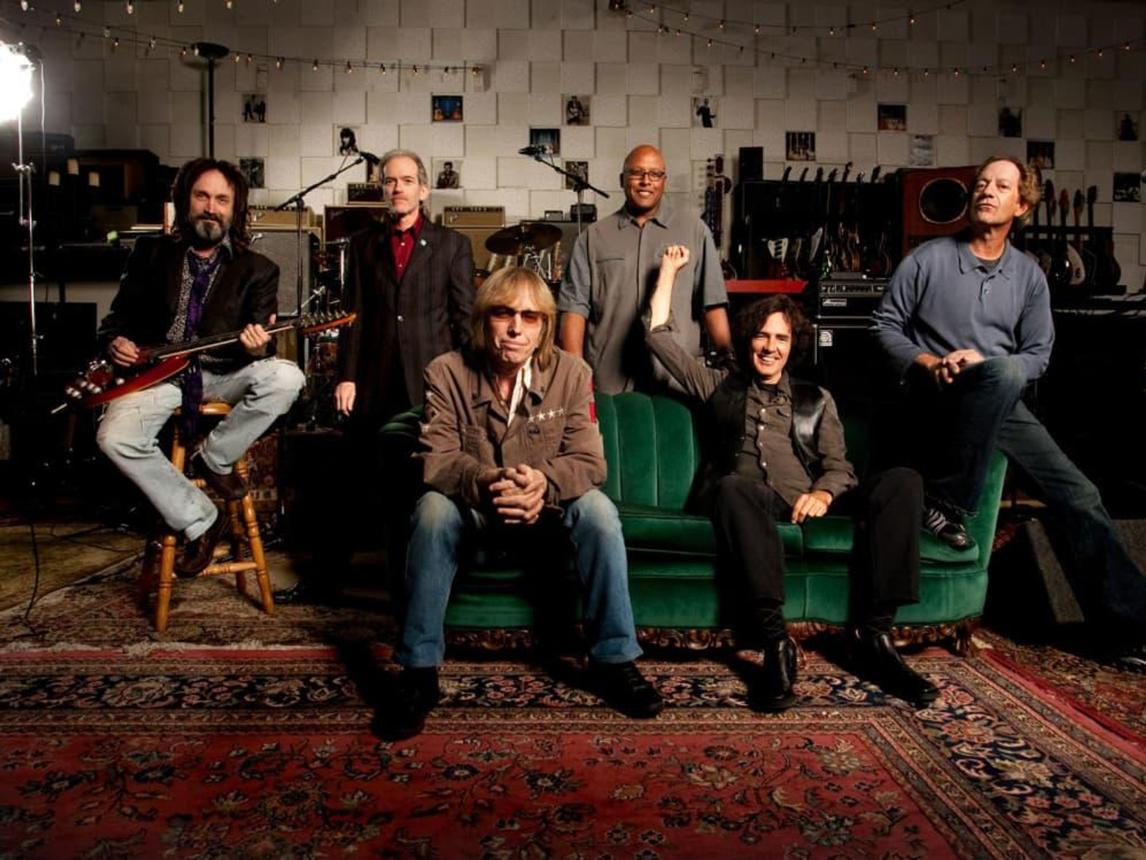
"Hypnotic Eye": Tom Petty's last album and the only one to reach number one
On July 28, 2014, "Hypnotic Eye" was released in the United Kingdom, the thirteenth and final studio album by Tom Petty and the Heartbreakers; it arrived in the United States the following day. Petty conceived it as a deliberate return to the direct rock of his first records, recorded almost entirely live in the studio. It was the band's only album to reach number one in America, thirty-eight years after their debut.
Tom Petty
The Heartbreakers
Listen
Via YouTube
2018
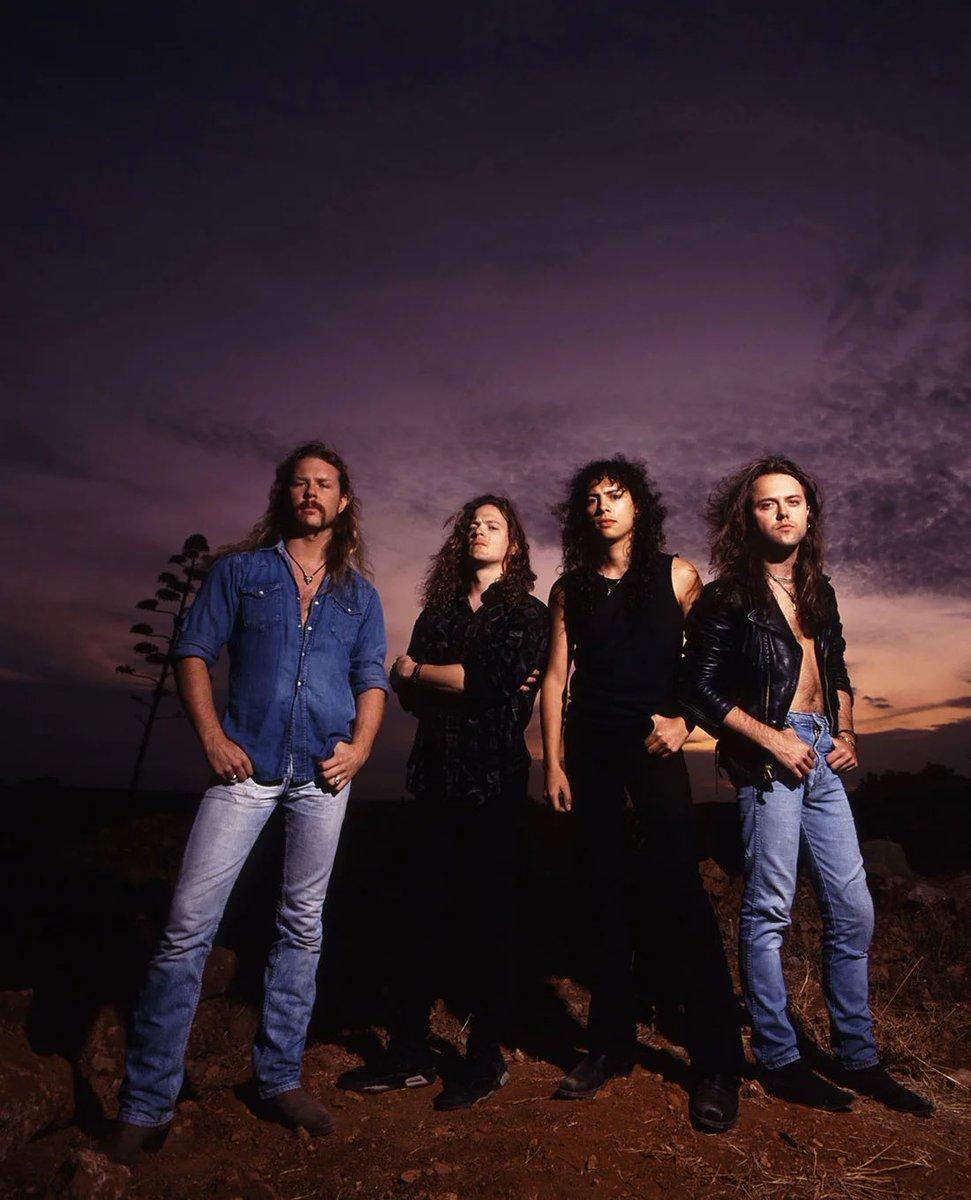
Metallica's black album reaches 492 weeks on the Billboard chart
On July 28, 2018, Metallica's self-titled album — the one everyone calls the black album — reached 492 weeks on the Billboard 200, almost ten accumulated years on the chart since its release in 1991. That record was the one that pulled thrash metal out of the underground: Bob Rock produced it, the songs got shorter, and the band lost part of its original following while gaining thirty million buyers.
Metallica
Listen
Via YouTube
One ephemeris a day, one editorial a week. Zero spam, pure archive.