
Chapter 01 — Today in music
On a day like today September 2
1946
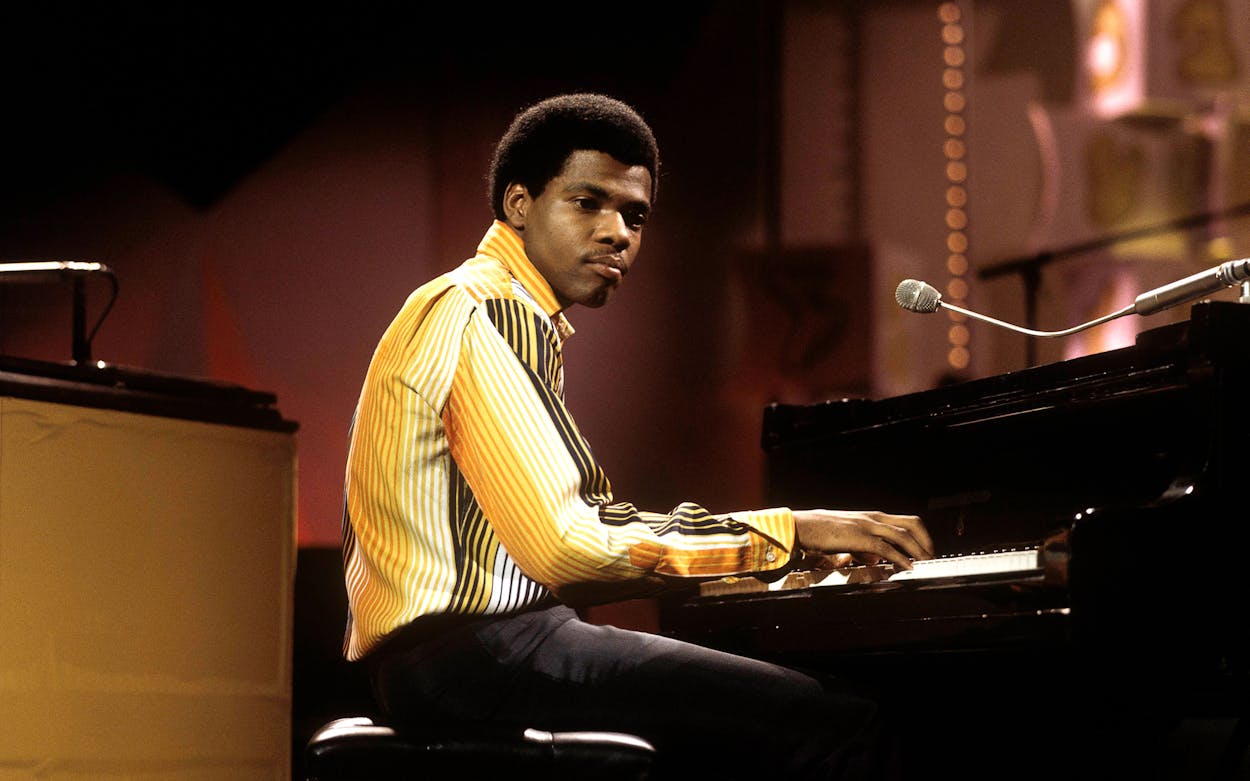
Billy Preston is born, the “fifth Beatle” who saved the Let It Be sessions
Billy Preston is born in Houston, the keyboardist whose talent was so evident that the Beatles credited him on the “Get Back” single, an honor given to no one else. His electric piano unlocked the tense January 1969 sessions, and his later career across gospel, funk and the Stones confirmed he was far more than a luxury guest.
Billy Preston
Listen
Via YouTube
1928
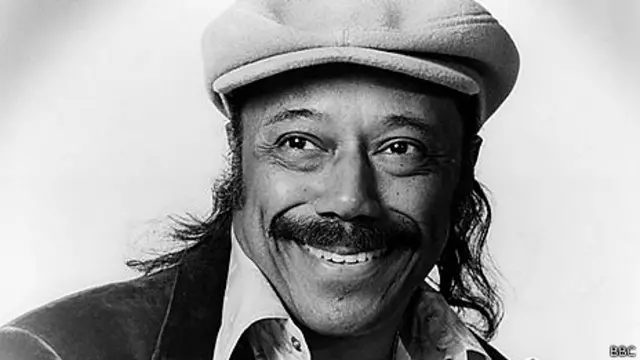
Horace Silver is born: the pianist who put gospel and groove back into difficult jazz
On September 2, 1928, Horace Silver was born in Connecticut, son of a Cape Verdean immigrant. He co-founded the Jazz Messengers and then built his own quintet at Blue Note, where he invented hard bop: bebop with the Black church and the blues put back inside. 'Song for My Father' became a standard and his piano ended up sampled by Steely Dan and half of hip-hop. Complexity can move your foot too.
Horace Silver
Listen
Via YouTube
1957
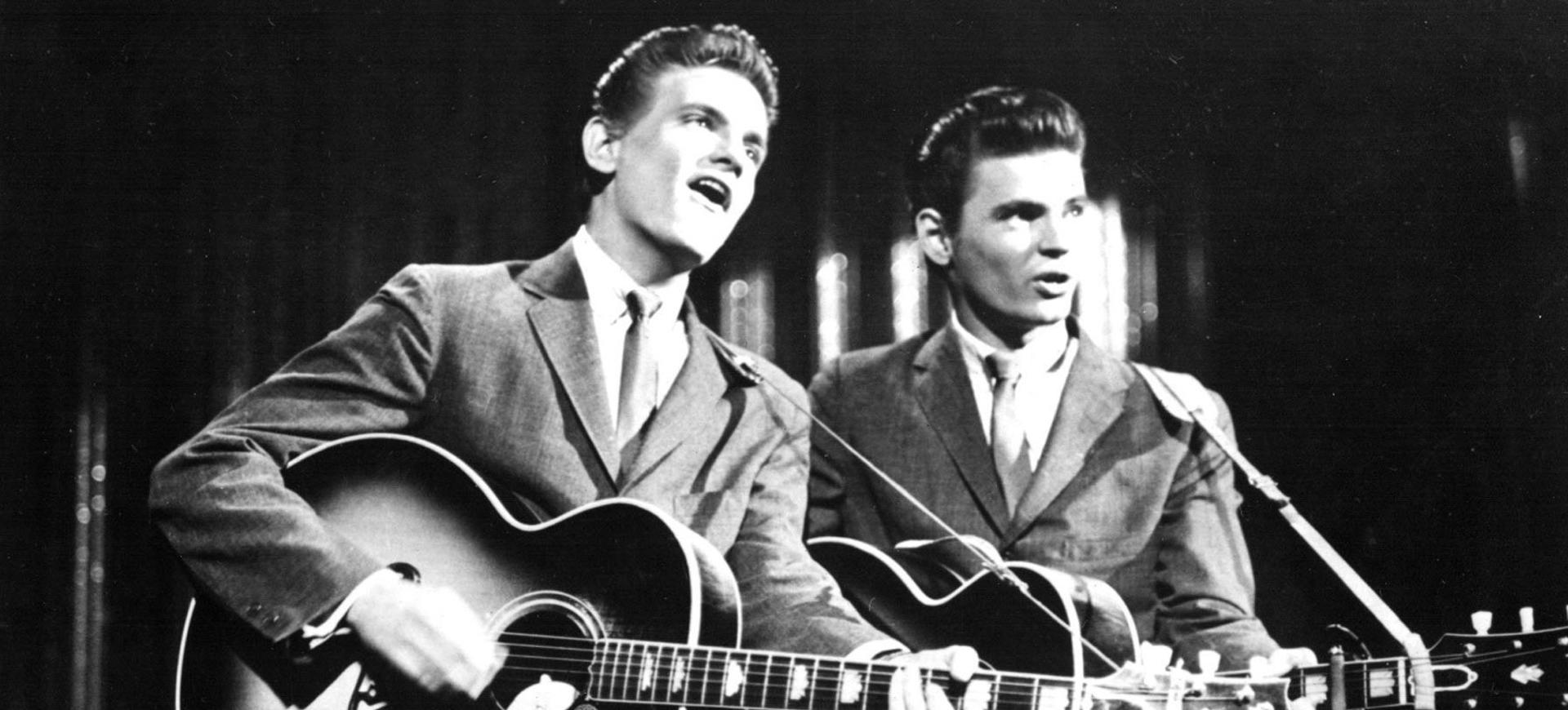
Two brothers singing in close harmony scandalise the radio stations of Boston
Wake Up Little Susie came out on 2 September 1957, written by the Bryants, and went to number one on both the pop and country charts. Several Boston stations pulled it: the story of a couple falling asleep at the drive-in and getting home at dawn struck them as too suggestive. The harmonies, meanwhile, were taken up by the Beatles.
The Everly Brothers
Boudleaux Bryant
Felice Bryant
Listen
Via YouTube
1957
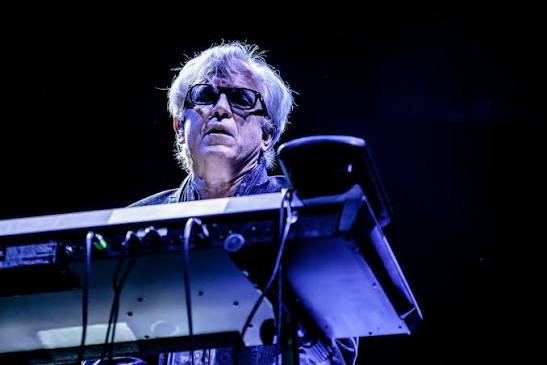
Steve Porcaro is born, Toto's synthesizer architect
Steve Porcaro is born in Hartford: Toto's keyboardist and one of the great synthesizer craftsmen of studio pop. The sonic bed of “Africa” is his, as is a lesser-known credit: he co-wrote “Human Nature” for Michael Jackson's Thriller. His story is a reminder that behind massive hits there are usually obsessive technicians.
Steve Porcaro
Listen
Via YouTube
1964
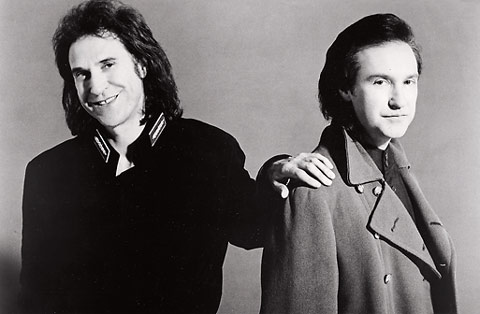
America gets the riff that came out of a slashed speaker a month late
You Really Got Me had been in British shops since 4 August when Reprise put it out in America on 2 September 1964, rushing a release that had already slipped. Dave Davies had got that distortion by slicing the cone of a small amplifier with a razor blade and jabbing it with a pin. Half of hard rock came out of that hole.
The Kinks
Dave Davies
Ray Davies
Listen
Via YouTube
1967
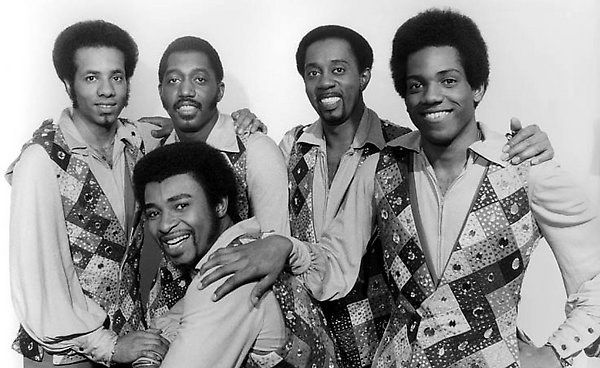
'With a Lot o' Soul' tops the chart with the Temptations at their peak
On September 2, 1967, 'The Temptations with a Lot o' Soul' topped the R&B albums chart. This was the classic line-up, David Ruffin out front, carrying 'All I Need' and '(I Know) I'm Losing You'. Motown then ran like a factory with shifts and quality control, and the Temptations were its most finely tuned product: five voices choreographed to the millimetre that sounded entirely effortless.
The Temptations
Listen
Via YouTube
1980
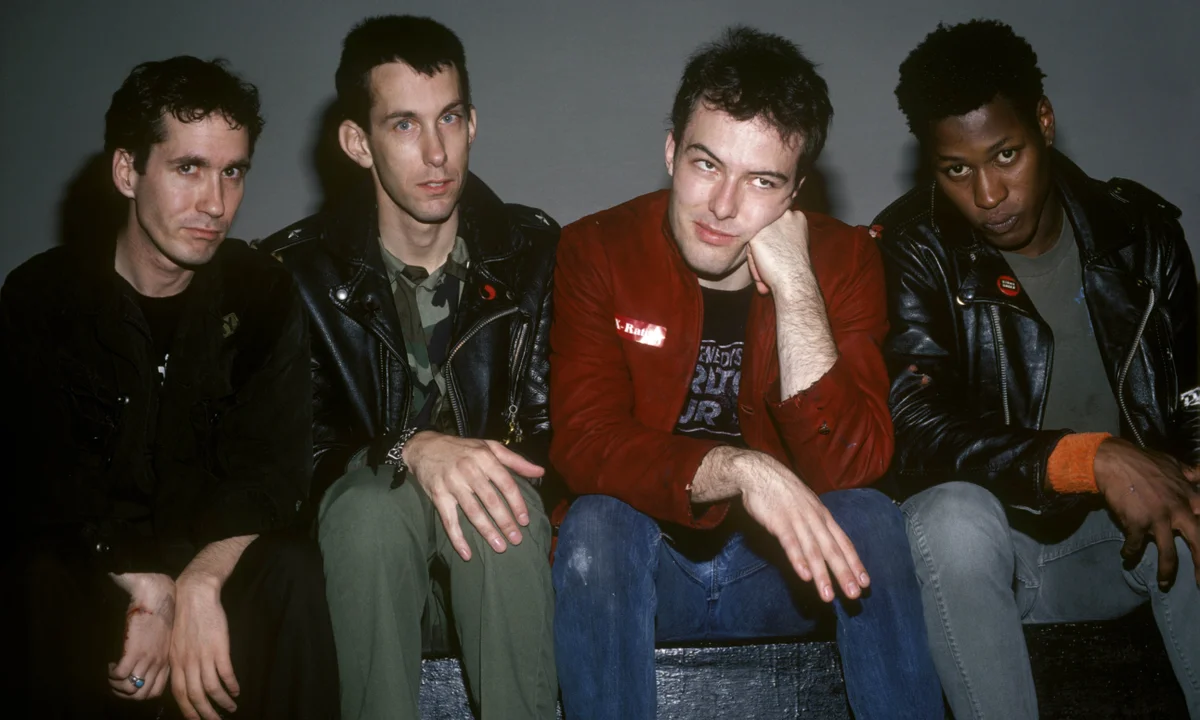
The first Dead Kennedys album comes out in England before it does at home
Fresh Fruit for Rotting Vegetables was released on 2 September 1980 by the British label Cherry Red, because no American label of any size would touch it. They had recorded it in San Francisco over two months, with Holiday in Cambodia and California Über Alles inside. It reached number thirty in Britain, a country where punk had already become routine.
Dead Kennedys
Jello Biafra
East Bay Ray
Listen
Via YouTube
1984
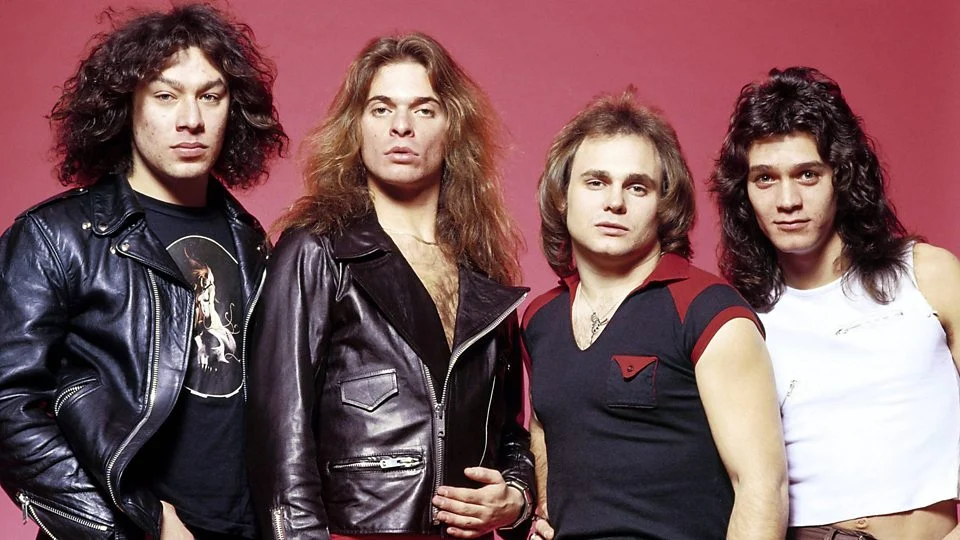
Van Halen close out the original line-up in Nuremberg without knowing it was the last time
On 2 September 1984, at Monsters of Rock in Nuremberg, the tour behind the album 1984 came to an end, and with it the band as founded. David Lee Roth left a few months later, once Crazy from the Heat opened a solo career for him. He stood on a stage with the Van Halen brothers again in 2007, twenty-three years on.
Van Halen
David Lee Roth
Eddie Van Halen
Listen
Via YouTube
1988
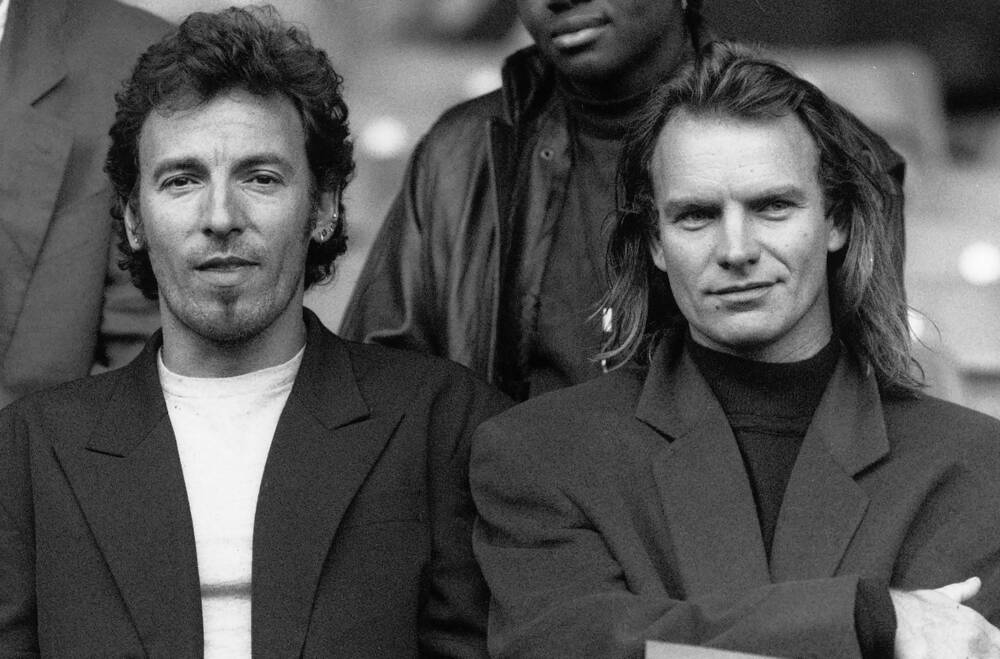
The tour that came not to raise money but to hand out a text opens at Wembley
On 2 September 1988, at Wembley Stadium, Human Rights Now! began: twenty concerts in six weeks across five continents with Springsteen, Sting, Peter Gabriel, Tracy Chapman and Youssou N'Dour. Nothing was collected. It marked forty years of the Universal Declaration, of which more than a million copies were handed out along the way.
Bruce Springsteen
Sting
Peter Gabriel
Tracy Chapman
Youssou N'Dour
Listen
Via YouTube
1989
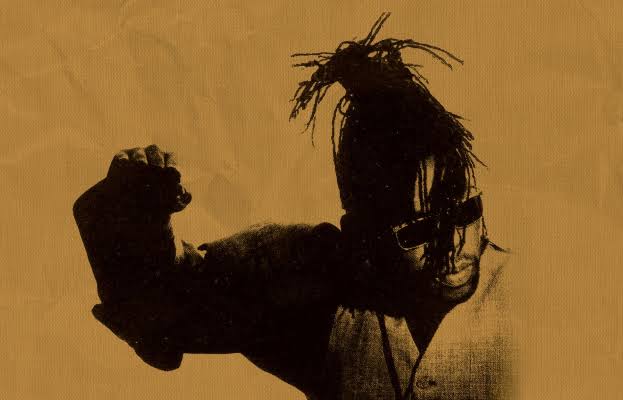
'Keep On Movin'' tops the chart and London gives soul back to America
On September 2, 1989, Soul II Soul's 'Keep On Movin'' topped the American R&B albums chart. Jazzie B had started with a sound system in north London, the son of Caribbean immigrants, and built a collective rather than a band: rotating singers, strings and that slow heavy groove that defined the British sound of the nineties. It was the first time the export ran the other way.
Soul II Soul
Jazzie B
Listen
Via YouTube
1917
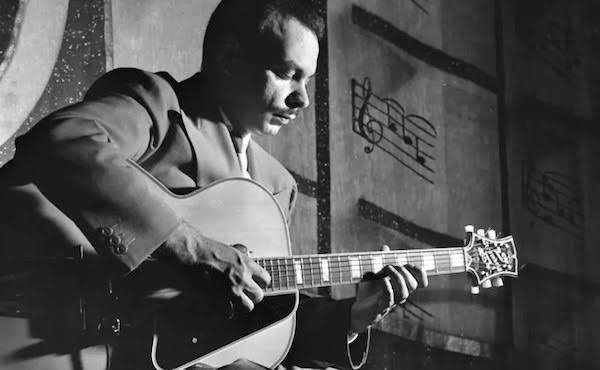
Laurindo Almeida is born: the Brazilian who recorded bossa nova before bossa nova
On September 2, 1917, Laurindo Almeida was born in São Paulo. He settled in Los Angeles and in 1953, five years before João Gilberto recorded 'Chega de Saudade', released an album with saxophonist Bud Shank that crossed samba and jazz and now reads as bossa nova's first draft. He won five Grammys. History tends to reward whoever arrives second but arrives with the right name.
Laurindo Almeida
Listen
Via YouTube
1943
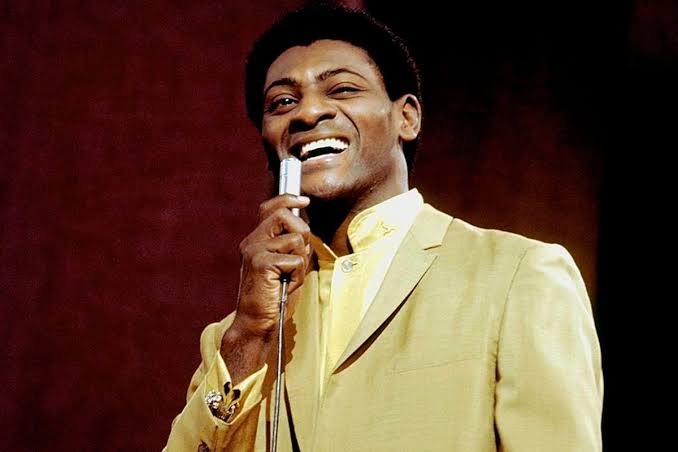
Joe Simon is born: the Southern soul voice who ended up preaching
On September 2, 1943, Joe Simon was born in Louisiana. He recorded in Nashville with country producers, and out of that came a mixed, dragging soul that gave him hits like 'The Chokin' Kind' and 'Drowning in the Sea of Love'. In the eighties he abandoned music entirely and became a minister. The border between the church and the stage was never a line: it was a revolving door many crossed twice.
Joe Simon
Listen
Via YouTube
1950
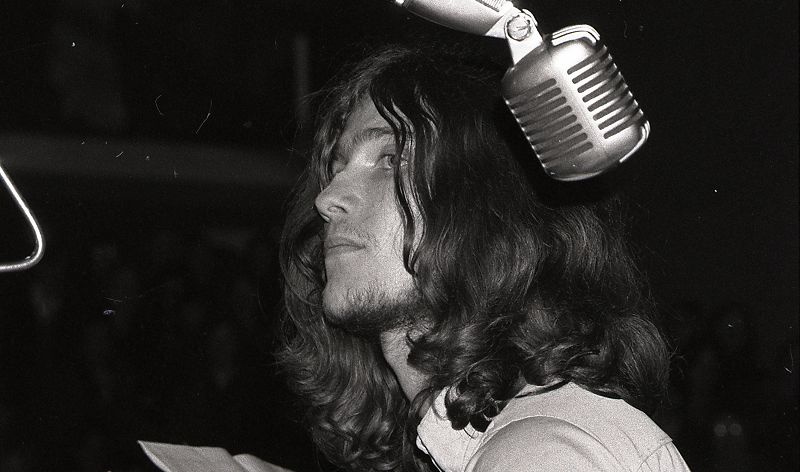
Michael Rother is born: the guitarist who invented the motorik beat
On September 2, 1950, Michael Rother was born in Hamburg. He passed briefly through Kraftwerk and then founded Neu! with Klaus Dinger, where they hit on motorik: a straight, hypnotic, unvarying pulse that sounds like driving down an empty motorway. David Bowie copied it in his Berlin period and Radiohead and Stereolab took it up later. Few rhythmic ideas so simple have produced so many different records.
Michael Rother
Neu!
Kraftwerk
Listen
Via YouTube
1965
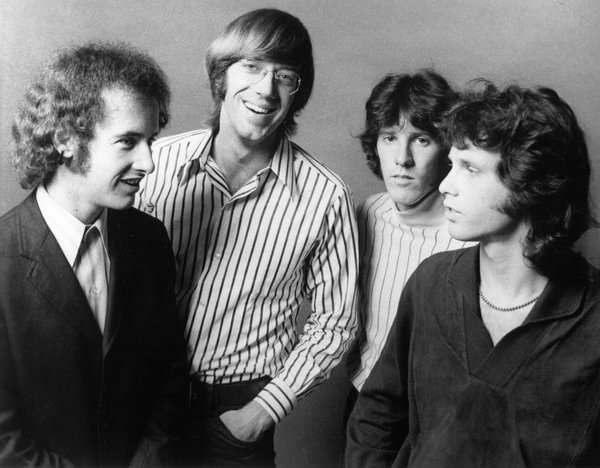
The Doors record six songs in an afternoon and still have a bass player
On 2 September 1965, at World Pacific Studios in Los Angeles, the newly named band cut a six-song demo. Bassist Patty Sullivan played with them, a role that later vanished from the line-up: Manzarek solved it with a keyboard bass, and that absence became the house signature. No label wanted the tape.
The Doors
Jim Morrison
Ray Manzarek
Listen
Via YouTube
1972
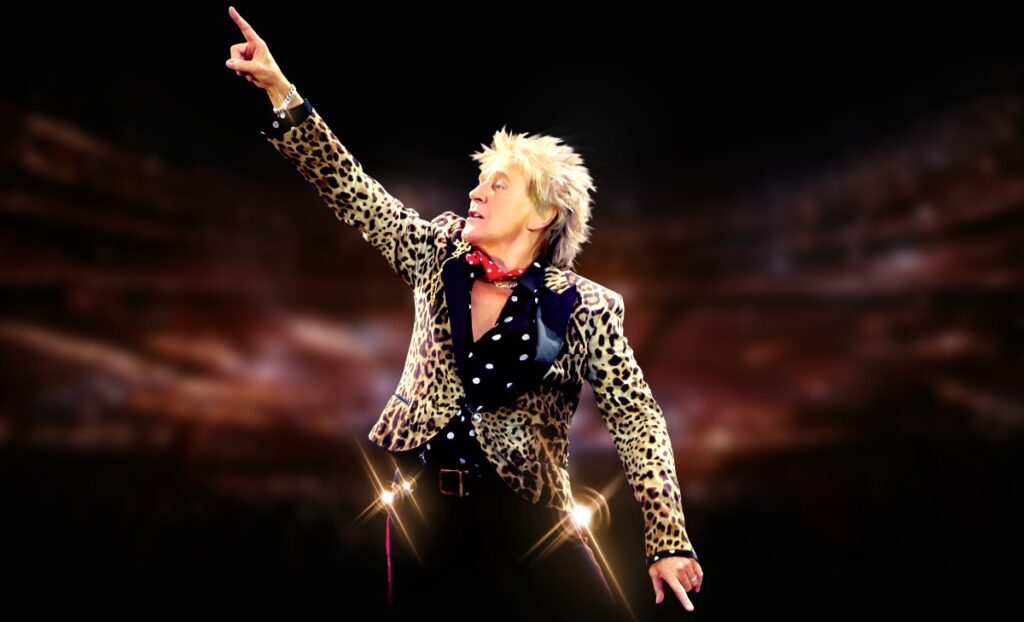
Rod Stewart takes another British number one with a letter to a girlfriend who has gone
On the UK chart for the week ending 2 September 1972, You Wear It Well climbed from second place to first. It was the Maggie May formula repeated almost point for point: mandolin, fiddle and a narrator writing a letter he probably will not send. Never a Dull Moment was selling alongside it, and he was still singing with the Faces at night.
Rod Stewart
Listen
Via YouTube
1977
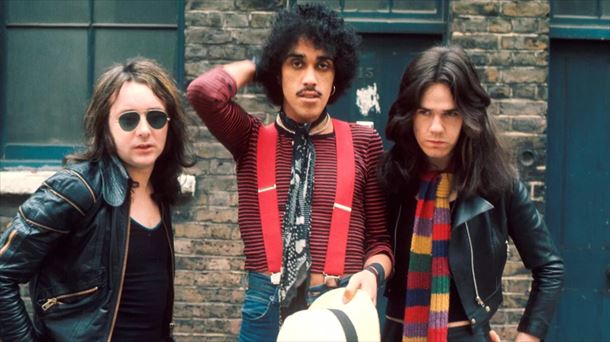
Thin Lizzy record an album in Toronto that their guitarist barely makes
Bad Reputation came out on 2 September 1977, recorded in Toronto with Tony Visconti. Brian Robertson had wrecked a hand in a bar fight and missed most of the previous tour; Lynott decided Scott Gorham would play everything. Gorham argued the second guitar was needed, and Robertson ended up on three tracks. It was his last album with the band.
Thin Lizzy
Phil Lynott
Brian Robertson
Tony Visconti
Listen
Via YouTube
1985
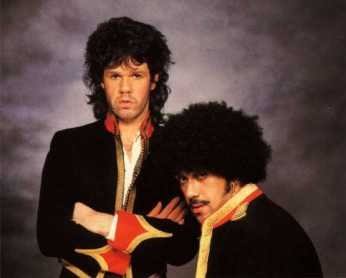
Gary Moore calls Phil Lynott in to sing about Ireland and lands the record of his life
Run for Cover came out on 2 September 1985 and finally gave him a career of his own outside the shadow of Thin Lizzy. Lynott co-wrote and sang Out in the Fields, about the conflict in Ireland, and took the vocal on Military Man: number five in the UK singles chart, twelve in the albums chart. He had four months to live.
Gary Moore
Phil Lynott
Listen
Via YouTube
1989
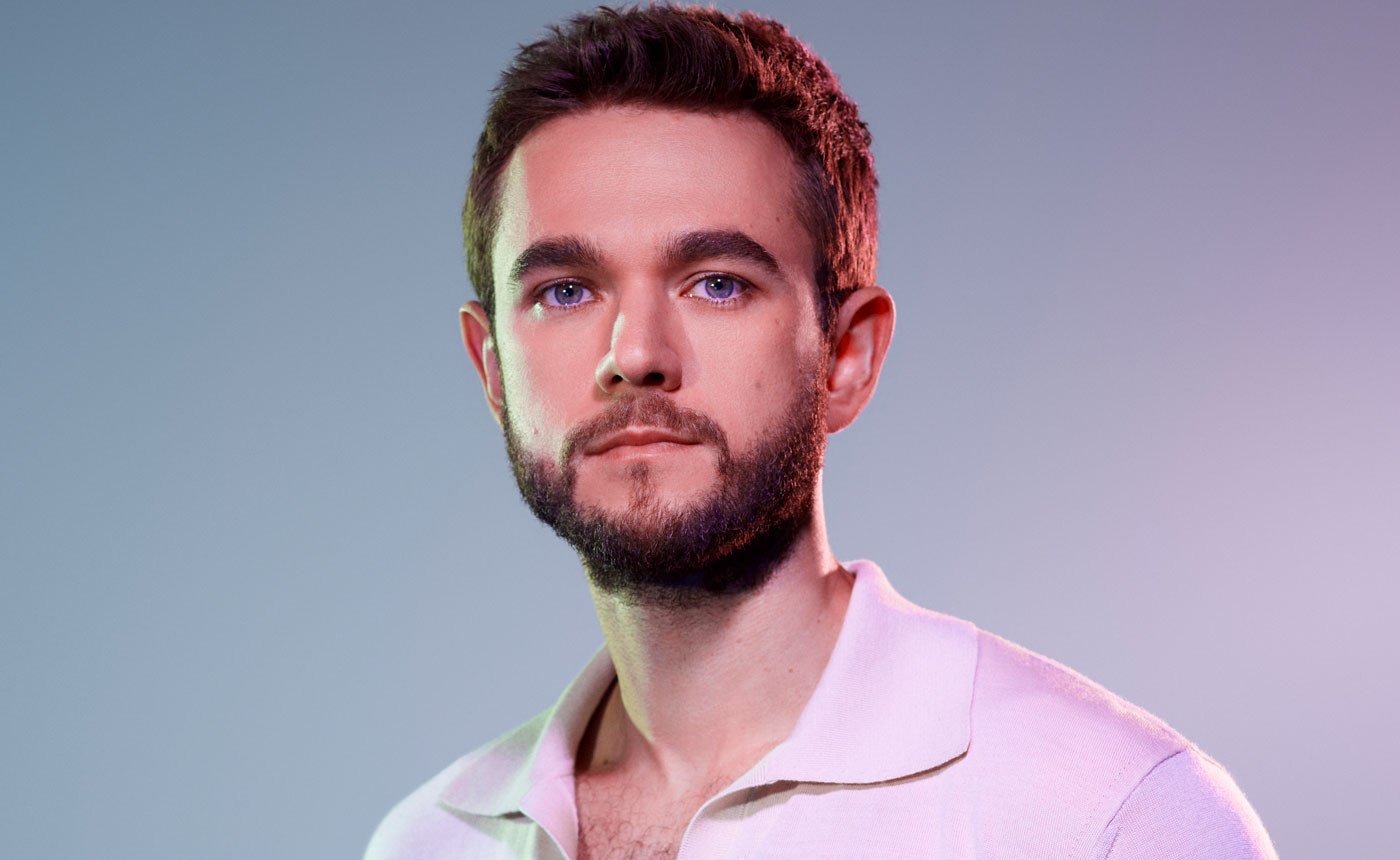
Zedd is born: the conservatory kid who ended up producing stadium pop
On September 2, 1989, Anton Zaslavski was born in Russia, raised in Germany by two classical musician parents. He studied piano from the age of four and played in a metal band before turning to electronic music. With 'Clarity' he won a Grammy and became one of the producers who defined the moment EDM swallowed pop radio. Classical training remains the secret advantage of half the industry.
Zedd
Listen
Via YouTube
1993
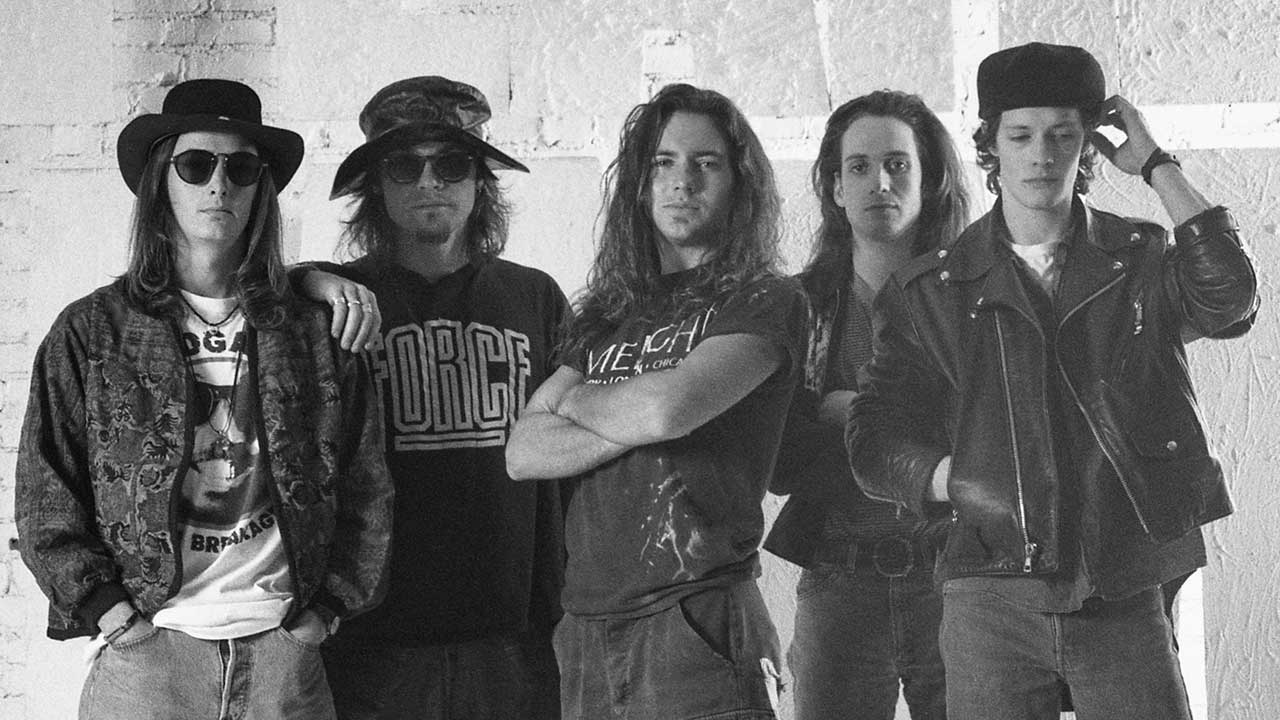
Pearl Jam collect four awards for the video they hated having to make
At the MTV ceremony on 2 September 1993, at the Universal Amphitheatre in Los Angeles, Jeremy won video of the year, best male video, best group video and best metal video. The band had long been uncomfortable with the format, and after that they stopped making videos for years. Refusing to play along never cost them anything.
Pearl Jam
Eddie Vedder
Listen
Via YouTube
2002
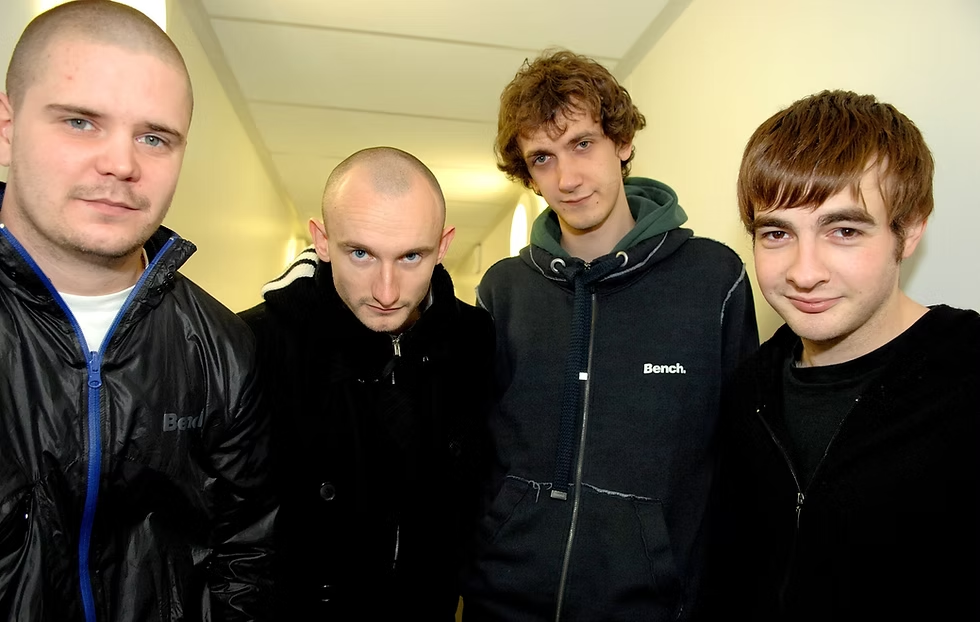
Four lads from Leeds have just turned eighteen and already have a top five album
The Music's self-titled debut came out on 2 September 2002 on Hut, produced by Jim Abbiss and recorded at a studio in Surrey. None of the four was more than newly eighteen. They crossed guitar rock with club rhythm at a moment when the British press had spent two years hunting for the next thing. Number four, and gold in Australia and Japan.
The Music
Robert Harvey
Jim Abbiss
Listen
Via YouTube
2003
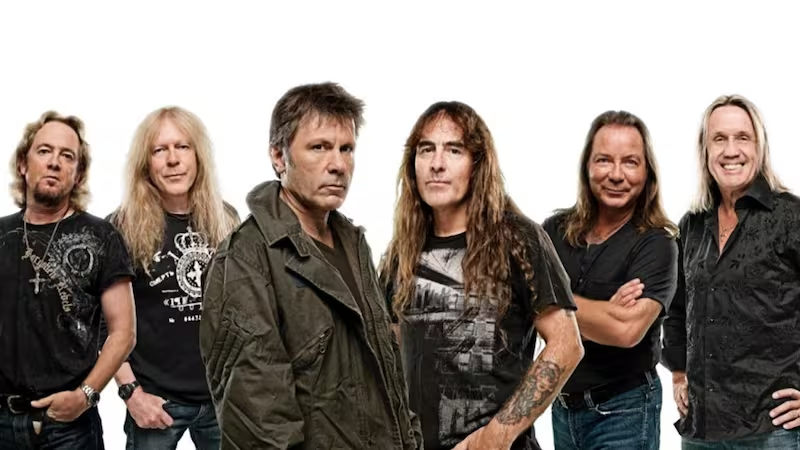
Iron Maiden launch in Japan the album whose own cover artist disowned the sleeve
Dance of Death came out on 2 September 2003 in Japan, six days ahead of the rest of the world. Produced by Kevin Shirley, it was the second album since Bruce Dickinson's return. David Patchett asked to have his name taken off the cover because the band chose an unfinished version of his illustration; Dickinson later admitted he found it embarrassing.
Iron Maiden
Bruce Dickinson
Kevin Shirley
Listen
Via YouTube
2014
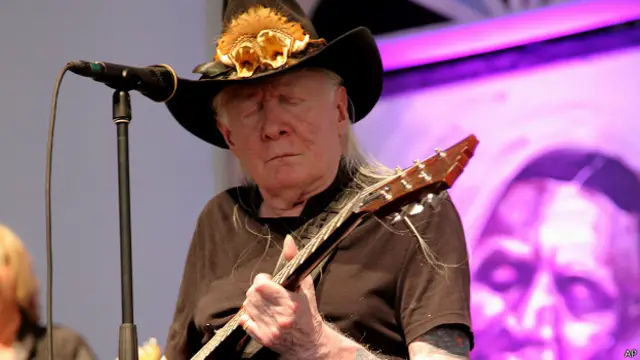
Johnny Winter's last album arrives seven weeks after his funeral
Step Back was released on 2 September 2014. Winter had died on 16 July in a hotel room in Switzerland with the album already finished: twelve classic blues covers cut with Eric Clapton, Billy Gibbons, Joe Perry, Leslie West and Brian Setzer as guests. It won the Grammy for best blues album, the third of his career.
Johnny Winter
Eric Clapton
Billy Gibbons
Joe Perry
Listen
Via YouTube
2018
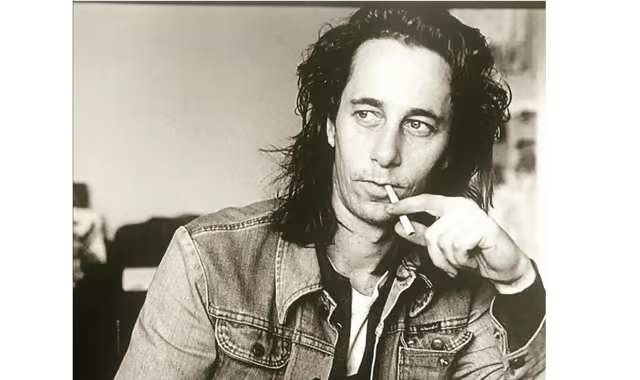
The pianist who gave the Bad Seeds their melancholy dies at fifty-eight
Conway Savage died on 2 September 2018 of a brain tumour operated on in New York the year before. He had joined the Bad Seeds in 1990 and stayed twenty-seven years, supplying piano, organ and backing vocals to Nick Cave's band while never stopping his own far sparer records, which almost nobody outside Australia heard.
Conway Savage
Nick Cave and the Bad Seeds
Listen
Via YouTube
One ephemeris a day, one editorial a week. Zero spam, pure archive.