
Chapter 01 — Today in music
On a day like today September 3
1970
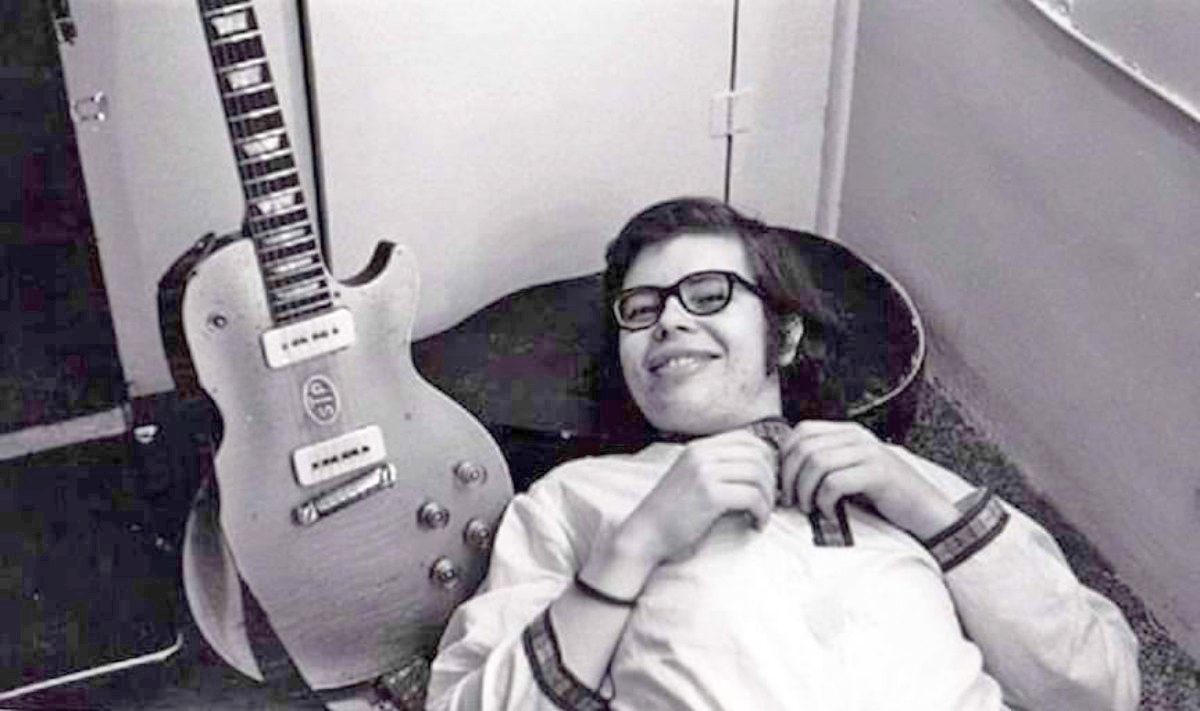
Alan Wilson of Canned Heat dies, the high voice of Woodstock blues
Alan “Blind Owl” Wilson, co-founder of Canned Heat, is found dead in Topanga Canyon at 27. His fragile falsetto on “Going Up the Country” became Woodstock's accidental anthem, and his blues scholarship ran so deep he helped Son House record again. His death opened the tragic 27 Club streak of 1970 and 1971.
Alan Wilson
Canned Heat
Listen
Via YouTube
1942
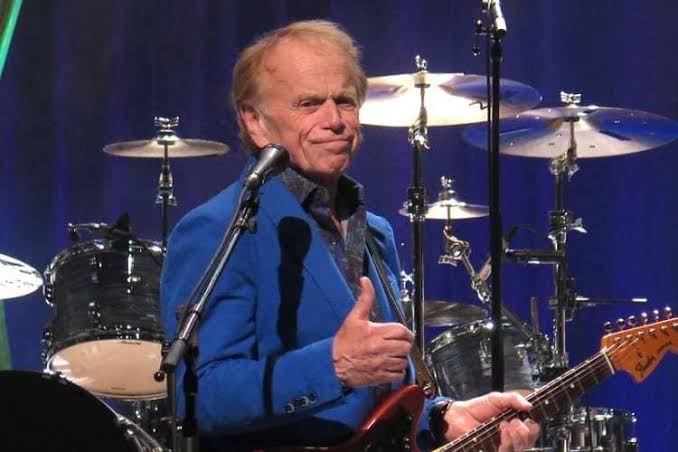
Al Jardine is born, the quiet harmony that held the Beach Boys together
Al Jardine is born in Lima, Ohio: founding guitarist and voice of the Beach Boys. Without the Wilsons' spotlight or Mike Love's swagger, Jardine was the band's reliable gear and the lead voice on “Help Me, Rhonda”, a number one in 1965. His case is a reminder that great bands are also built from the background.
Al Jardine
The Beach Boys
Listen
Via YouTube
1966
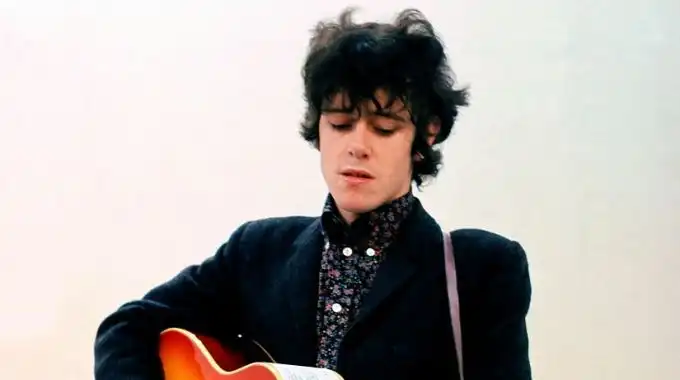
'Sunshine Superman' hits number one and psychedelia reaches the radio
On September 3, 1966, Donovan's 'Sunshine Superman' was number one in the United States. It is often cited as the first openly psychedelic hit to reach the top: sitar, jazz bass and a lyric of luminous fantasy, months before the Beatles released 'Sgt. Pepper'. Donovan was dismissed as a second-hand British Dylan. He got there first, to a place everybody wanted to reach.
Donovan
Listen
Via YouTube
1977
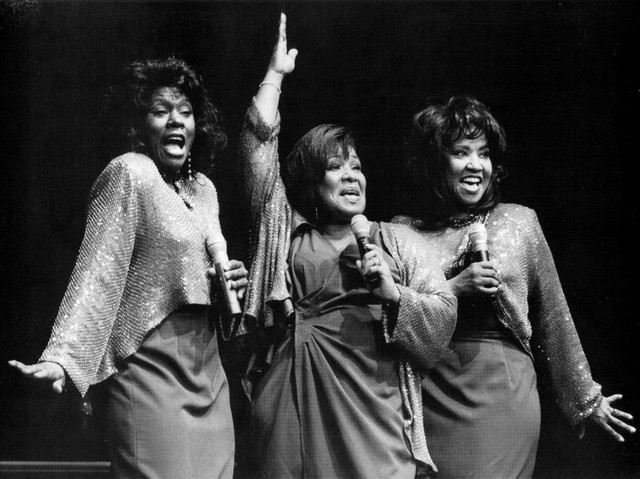
'Rejoice' tops the R&B chart and the Hutchinson sisters collect on a decade
On September 3, 1977, The Emotions' 'Rejoice' topped the R&B albums chart. It contained 'Best of My Love', which that same summer had spent five weeks at number one overall. The three sisters had been singing gospel in Chicago since childhood and had spent a decade at Stax without taking off; all it took was Maurice White of Earth, Wind & Fire sitting down to produce them for everything to click at once.
The Emotions
Listen
Via YouTube
1977
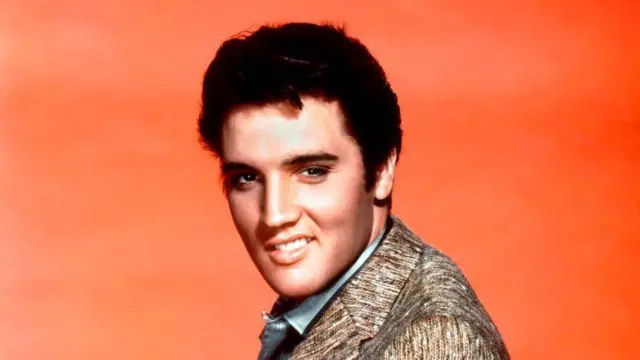
Way Down hits number one in Britain with Elvis two weeks in the ground
Recorded at Graceland in October 1976 and released in June 1977, Elvis Presley's last single sat at number forty-two on the British chart when he died on 16 August. On the week ending 3 September it was number one, and it stayed there for five weeks. The market took exactly fifteen days to do the arithmetic.
Elvis Presley
Listen
Via YouTube
1982
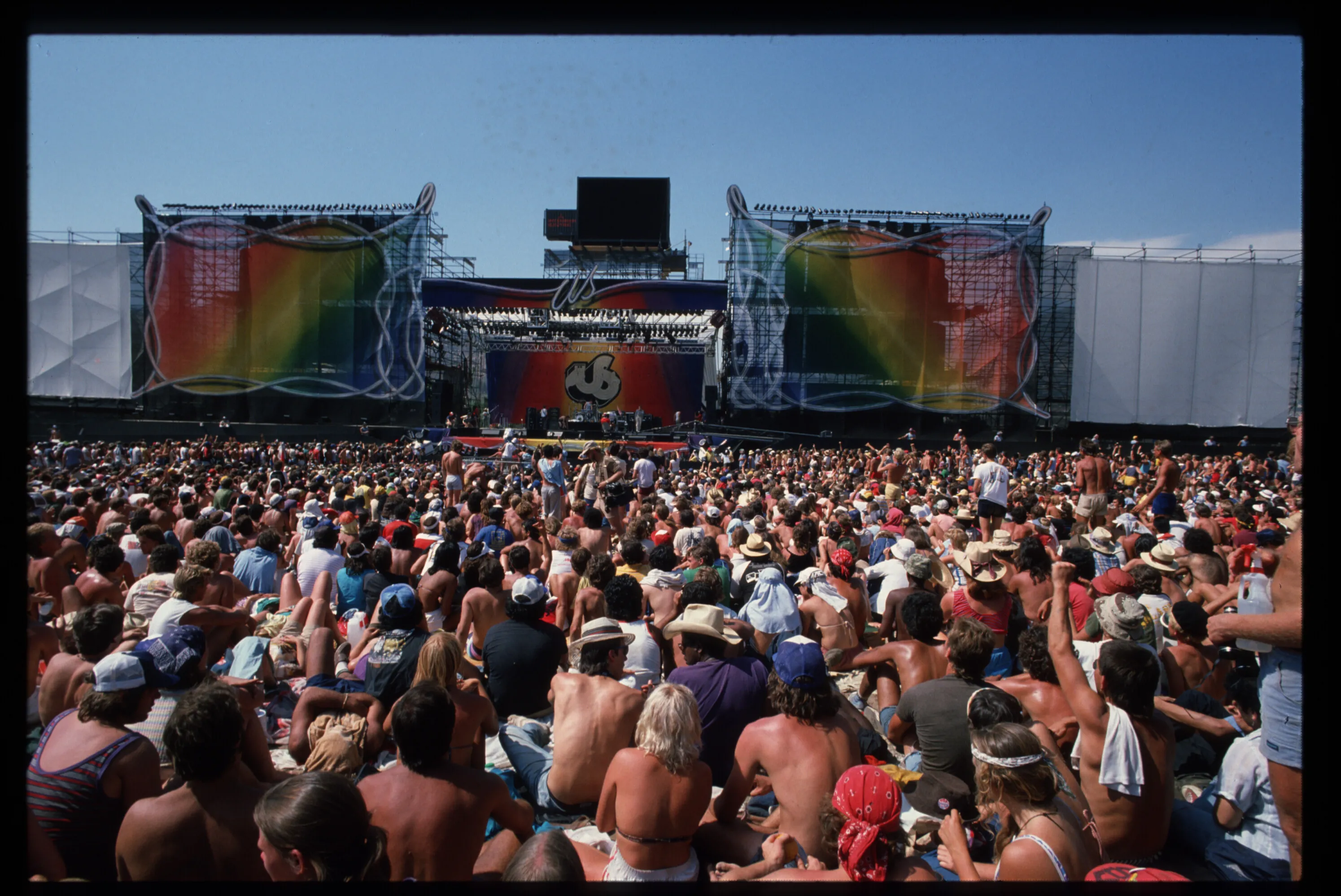
An Apple founder pays for a festival in the desert and loses twelve million
Steve Wozniak funded the first US Festival, which opened on 3 September 1982 at Glen Helen near San Bernardino, in 110-degree heat, on a day that started with Gang of Four and the Ramones and ended with Talking Heads and the Police. Three days, four hundred thousand people and a reported twelve million dollar loss. He wanted to marry computing and rock; he paid for the whole wedding.
Steve Wozniak
The Police
Talking Heads
Ramones
Gang of Four
Listen
Via YouTube
1983
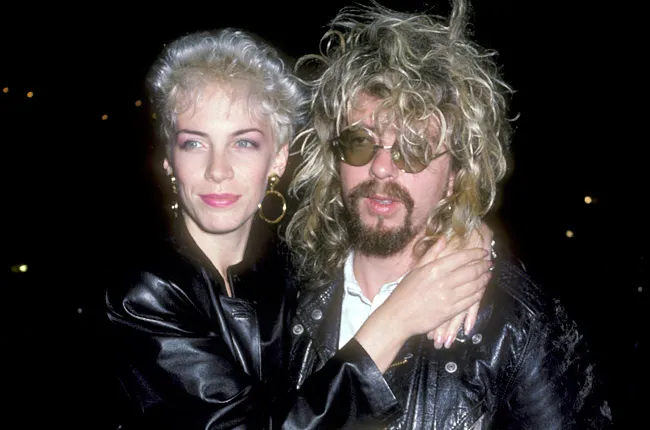
Sweet Dreams unseats the Police after eight weeks of occupation
The Billboard chart dated 3 September 1983 put Sweet Dreams (Are Made of This) at number one and finally shifted Every Breath You Take, which had held the spot since July. Eurythmics had cut theirs in the attic of a Chalk Farm warehouse on a five thousand pound bank loan and a secondhand drum machine. Independence sounded good too.
Eurythmics
Annie Lennox
Dave Stewart
Listen
Via YouTube
1990
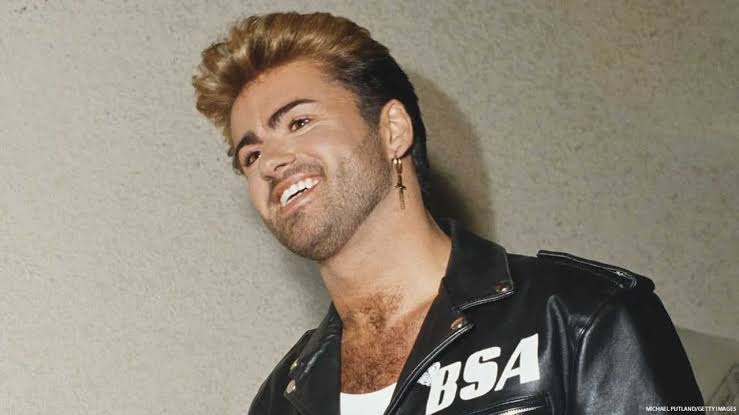
George Michael releases an album and refuses to appear in his own videos
Listen Without Prejudice Vol. 1 came out in Britain on 3 September 1990. Its author decided to vanish from the promotion: Praying for Time is only words on black, and Freedom! 90 is models and a burning jacket. It sold eight million and he still ended up suing Sony for failing to back him in America. He lost the case and four years of his career.
George Michael
Listen
Via YouTube
1994
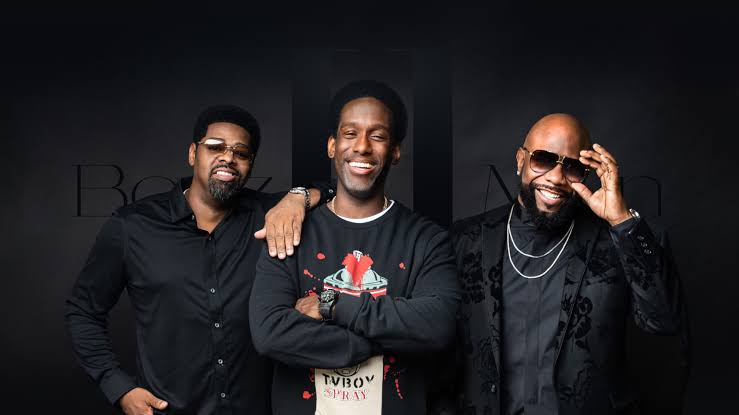
'I'll Make Love to You' begins fourteen weeks at number one
On September 3, 1994, Boyz II Men's 'I'll Make Love to You' reached number one in the United States and stayed fourteen weeks, matching the record Whitney Houston had set two years earlier. The same four young men had already had thirteen weeks with 'End of the Road' in 1992. In barely two years, a vocal harmony group piled up more weeks on top than almost any artist in history.
Boyz II Men
Listen
Via YouTube
2022
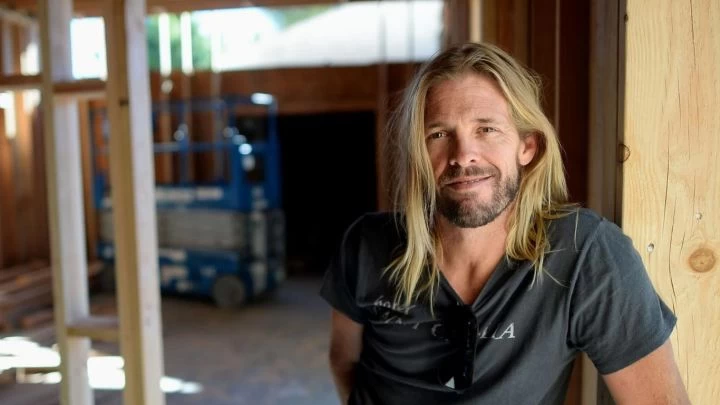
Ninety thousand people fill Wembley to say goodbye to a drummer
On 3 September 2022, a little over five months after Taylor Hawkins died, Wembley hosted a concert that took up the entire afternoon: Brian May and Roger Taylor, Josh Homme, Liam Gallagher, Chrissie Hynde, Travis Barker, Paul McCartney. At the end, sixteen-year-old Oliver Shane Hawkins came up to play My Hero with his father's band.
Foo Fighters
Taylor Hawkins
Dave Grohl
Paul McCartney
Listen
Via YouTube
1915
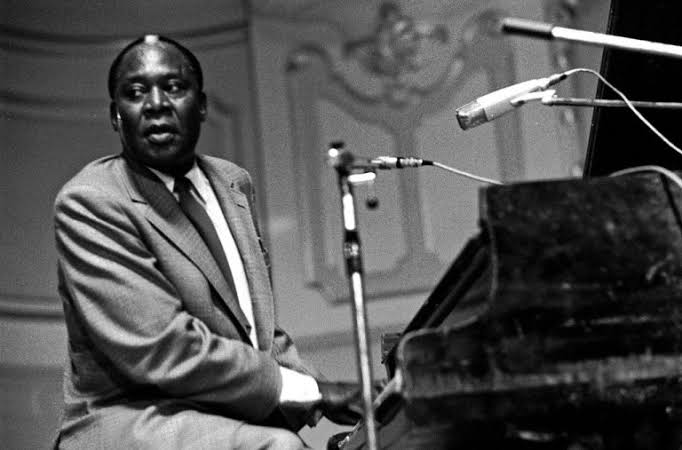
Memphis Slim is born: the blues pianist who exiled himself to Paris and stayed
On September 3, 1915, John Len Chatman was born in Memphis. He recorded hundreds of piano blues sessions in Chicago and wrote 'Every Day I Have the Blues', later sung by B.B. King and Count Basie. In 1962 he moved to Paris, sick of American racism, and stayed there until he died, a respected figure decorated by the French government. Europe treated the blues better than its own country did.
Memphis Slim
Listen
Via YouTube
1934
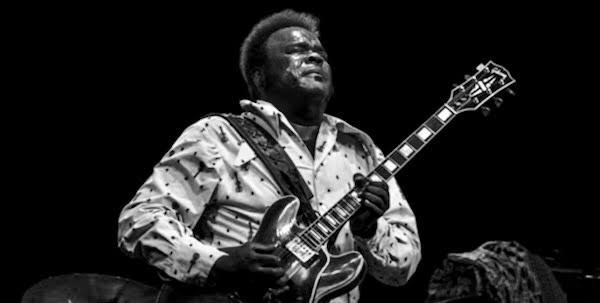
Freddie King is born: the third of the blues’ three kings
On September 3, 1934, Freddie King was born in Texas. With B.B. and Albert he completed the trinity of electric blues kings, and he was the most physical of the three: he played standing up, with two metal picks on his fingers, and his 1961 instrumental 'Hide Away' became compulsory for every British guitarist. Clapton, Peter Green and Stevie Ray Vaughan copied it note for note. He died at forty-two.
Freddie King
Listen
Via YouTube
1955
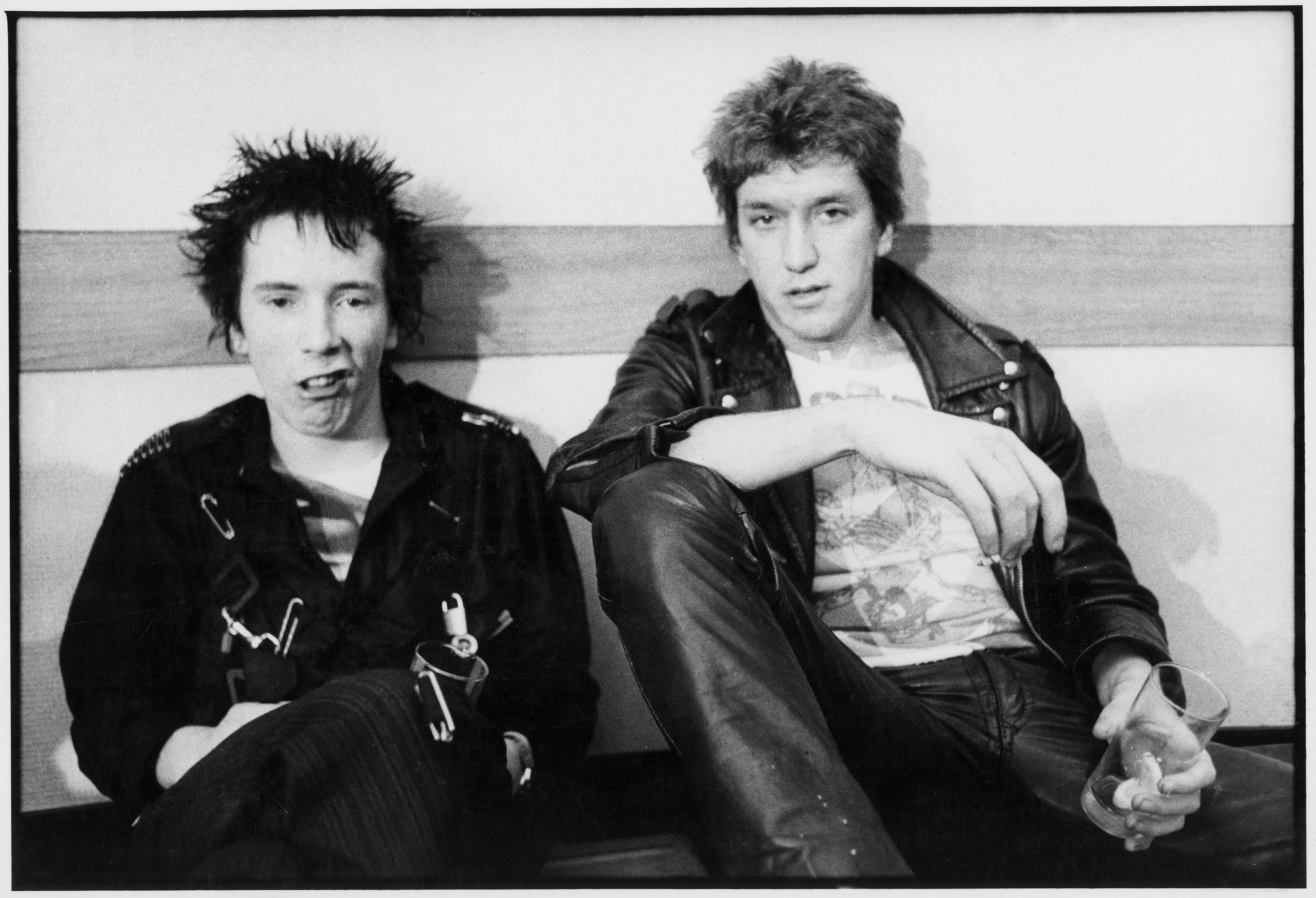
Steve Jones is born: the thief who built the Sex Pistols with stolen gear
On September 3, 1955, Steve Jones was born in London. Before he played a note he was a thief: much of the equipment the Sex Pistols started with came from robbing other bands, including David Bowie's gear. He learned guitar late and badly, and that crudeness ended up being the sound of British punk. All the noise on 'Never Mind the Bollocks' was recorded by him, layer over layer, practically alone.
Steve Jones
Sex Pistols
Listen
Via YouTube
1971
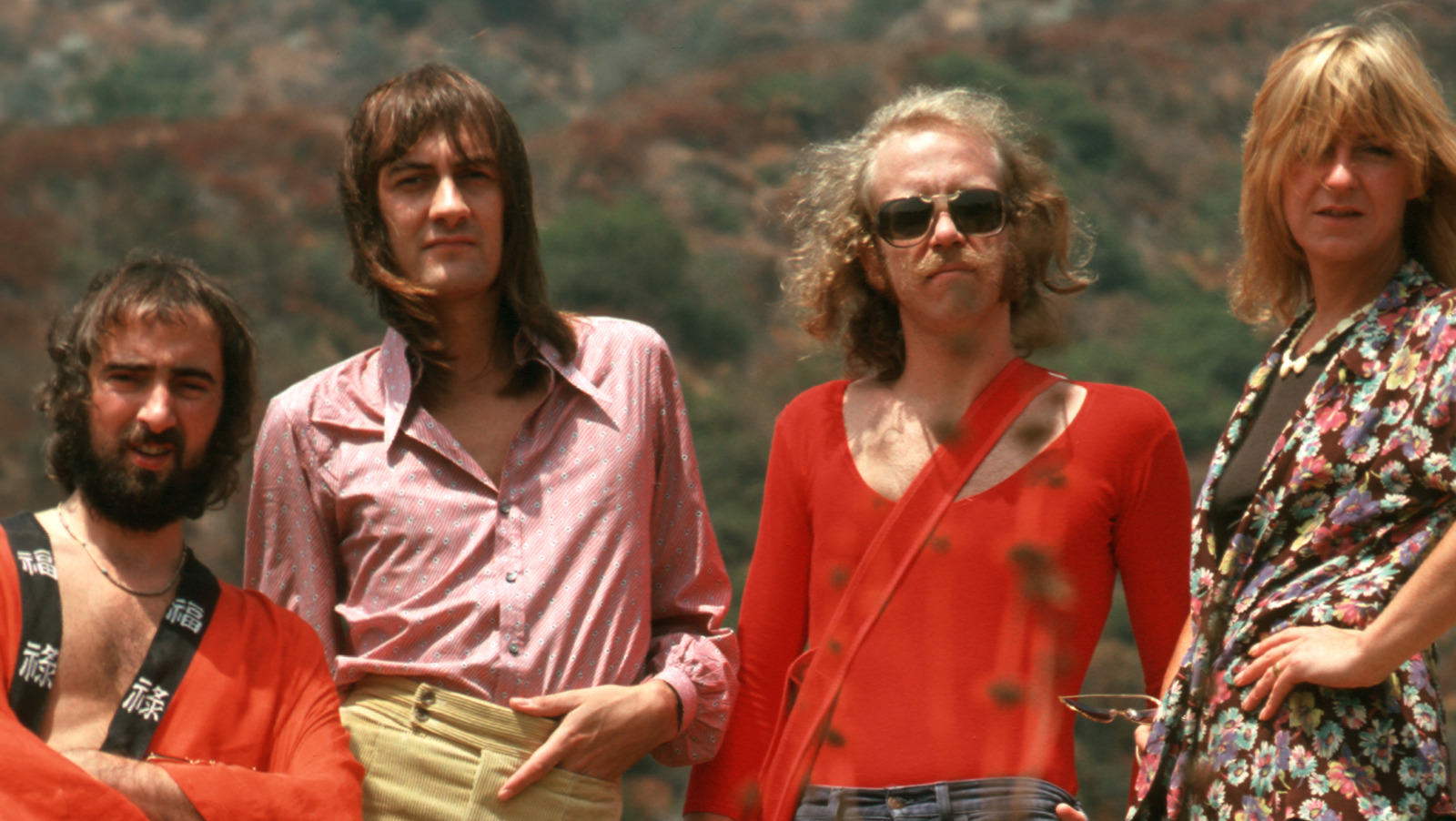
Fleetwood Mac introduce Bob Welch and stop being a blues band
Future Games came out on 3 September 1971 with Christine McVie now a full member and a newly arrived Californian, Bob Welch, writing half the good parts. Almost nothing of Peter Green's blues was left: long songs, guitars drifting, the temperature of a closed room. In America it barely reached ninety-one. And yet this is where the band that swept 1977 begins.
Fleetwood Mac
Bob Welch
Christine McVie
Danny Kirwan
Listen
Via YouTube
1991
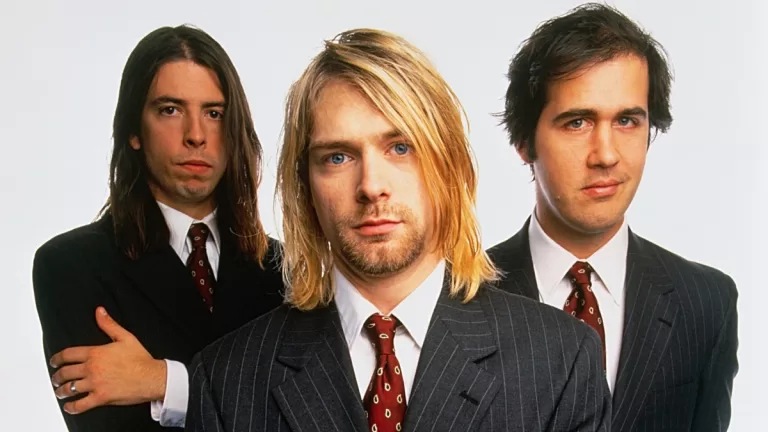
Nirvana record their last John Peel session in pieces, and manage three songs
On 3 September 1991 they arrived at Maida Vale from the continent, wrecked by touring. Dale Griffin, producing the session, said the three of them looked like zombies and that Cobain looked worse than anyone. They pleaded exhaustion and recorded only three tracks. Three weeks later Nevermind was out and that way of working was no longer available to them.
Nirvana
Kurt Cobain
John Peel
Dale Griffin
Listen
Via YouTube
1991
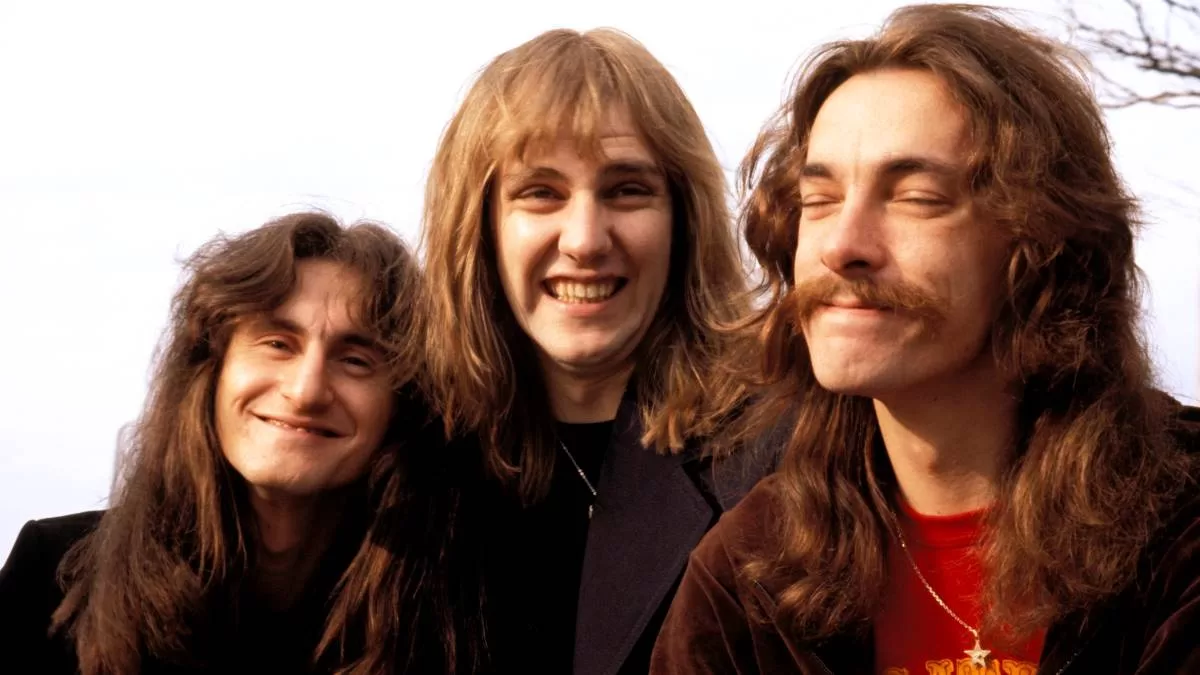
Rush put a rap on the record and land their best chart place in nine years
Roll the Bones came out on 3 September 1991, co-produced with Rupert Hine. On the title track Geddy Lee delivers a rapped passage with his voice processed beyond recognition; thirty years on the decision still splits the faithful in two. Number three in America, their best showing since Signals. The trio of impossible time signatures sounding almost light.
Rush
Geddy Lee
Rupert Hine
Listen
Via YouTube
2002
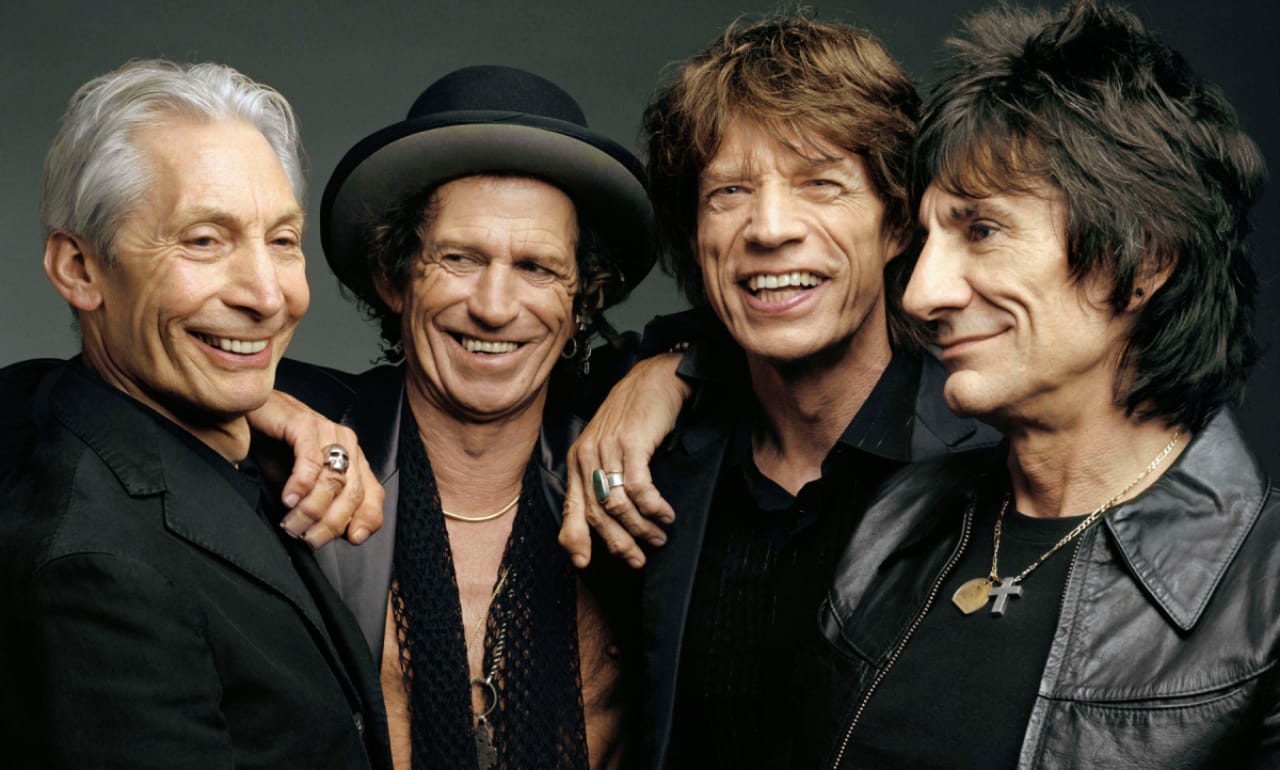
The Stones open a year-and-a-half tour in Boston worth three hundred million
On 3 September 2002, at the FleetCenter in Boston, the Licks Tour opened with Street Fighting Man. The plan was new: play each city three times, in an arena, a stadium and a small theatre, with different sets each night. Two and a half million tickets and more than three hundred million dollars later, the touring business had changed scale for good.
The Rolling Stones
2005
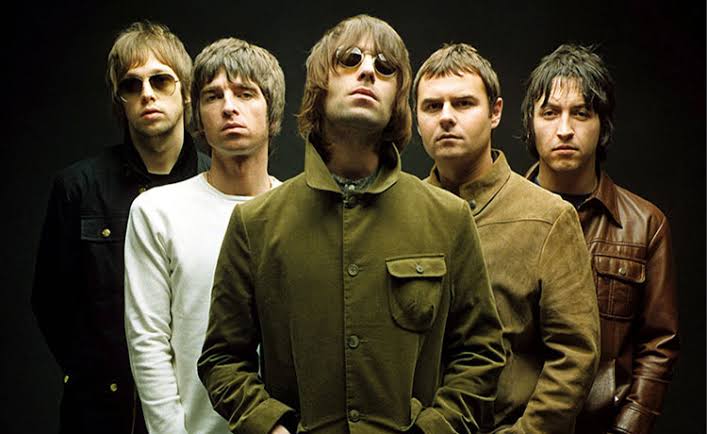
The Importance of Being Idle enters straight at number one, and it is the last time
The British chart dated 3 September 2005 put the second single from Don't Believe the Truth straight in at the top: a Noel Gallagher song in defence of doing nothing that never apologises for it. It was the first time Oasis had managed two number ones in a single year. It was also their last: by 2009 the band no longer existed.
Oasis
Noel Gallagher
Listen
Via YouTube
2006
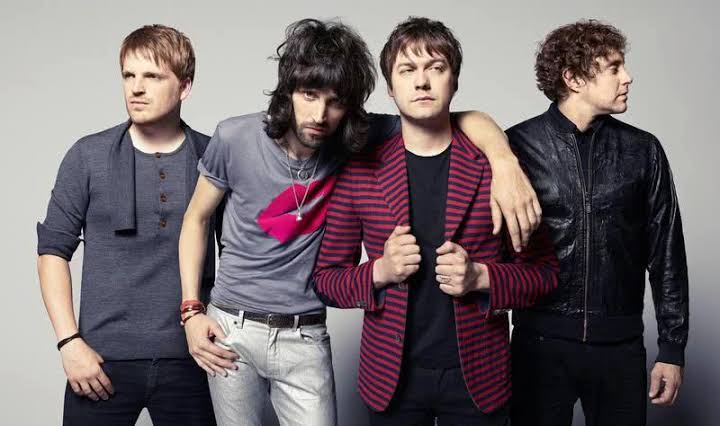
Empire tops the British chart and Kasabian try on the stadium suit
The Leicester band's second album led the UK albums chart for the week beginning 3 September 2006, released seven days earlier. Empire swapped the loops and electronic garage air of the debut for strings, brass and an ambition that sounded well beyond the band's size at the time. In hindsight, the disproportion was the whole plan.
Kasabian
Listen
Via YouTube
2010
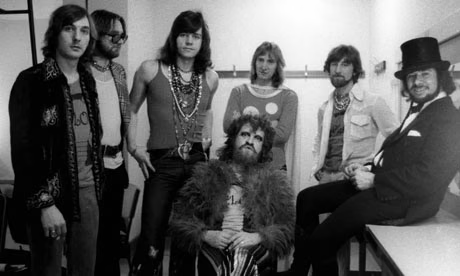
A six-hundred-kilo hay bale kills ELO's first cellist
On 3 September 2010, on a road in Devon near Totnes, a six-hundred-kilo hay bale rolled down a hillside and crushed Mike Edwards's van. He had been Electric Light Orchestra's cellist between 1972 and 1975, the one who came on in tails to play absurd solos on an instrument rigged with pyrotechnics. He had spent decades teaching in the countryside.
Mike Edwards
Electric Light Orchestra
Listen
Via YouTube
2012
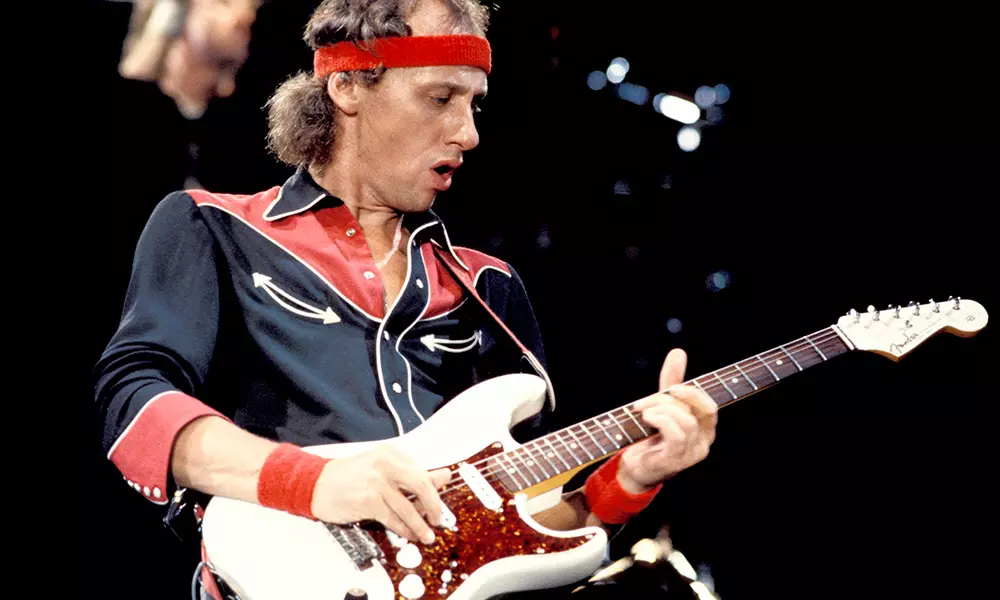
Knopfler allows himself the first double album of his life at sixty-three
Privateering came out on 3 September 2012: twenty songs across two discs, barroom electric blues on one and whistle-and-accordion folk on the other. Thirty-five years of recording without ever granting himself that indulgence. Number one in Germany, Austria, Norway and the Netherlands, and number eight in Britain, which stopped being his best market long ago.
Mark Knopfler
Listen
Via YouTube
One ephemeris a day, one editorial a week. Zero spam, pure archive.