
Chapter 01 — Today in music
On a day like today September 4
1960
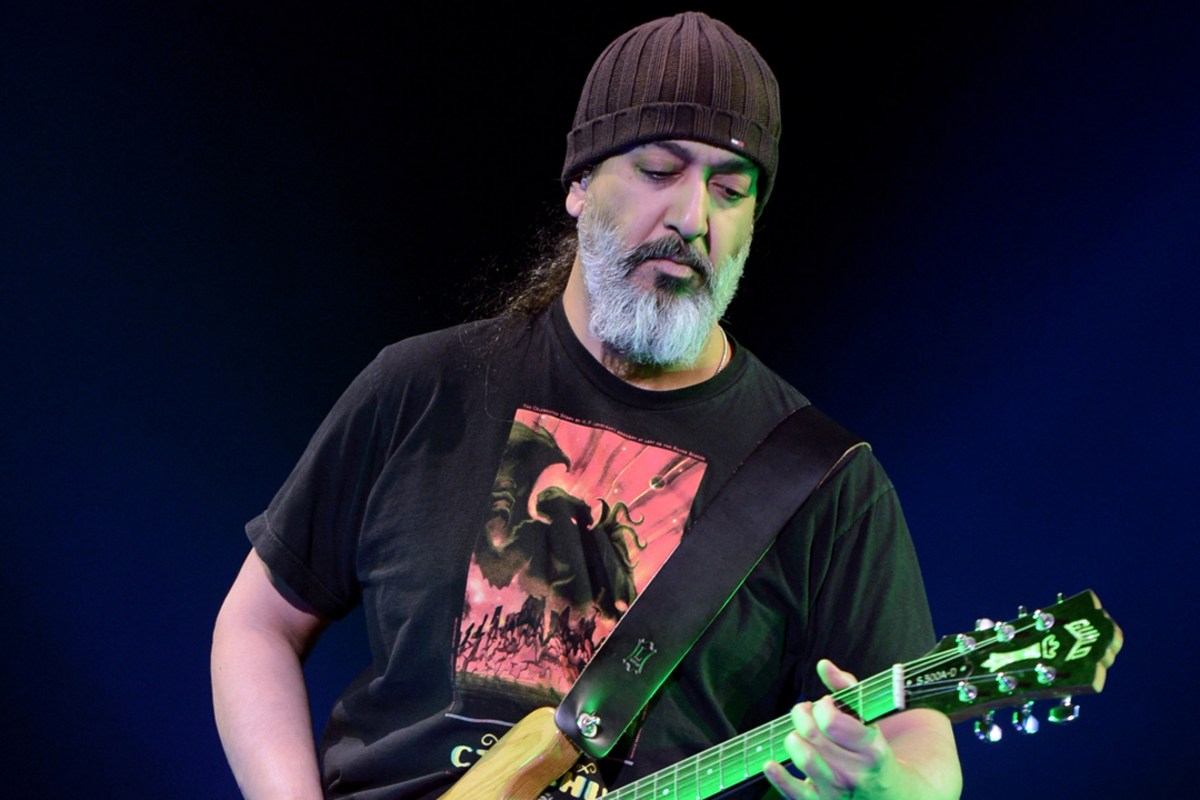
Kim Thayil is born, the guitarist who gave grunge its metallic weight
Kim Thayil, co-founder of Soundgarden, is born this day. His low tunings and Sabbath-tinged riffs on albums like “Badmotorfinger” and “Superunknown” proved grunge wasn't just slowed-down punk, but metal with artistic ambitions. Few players shaped the Seattle sound as decisively from the shadows.
Kim Thayil
Soundgarden
Listen
Via YouTube
1951
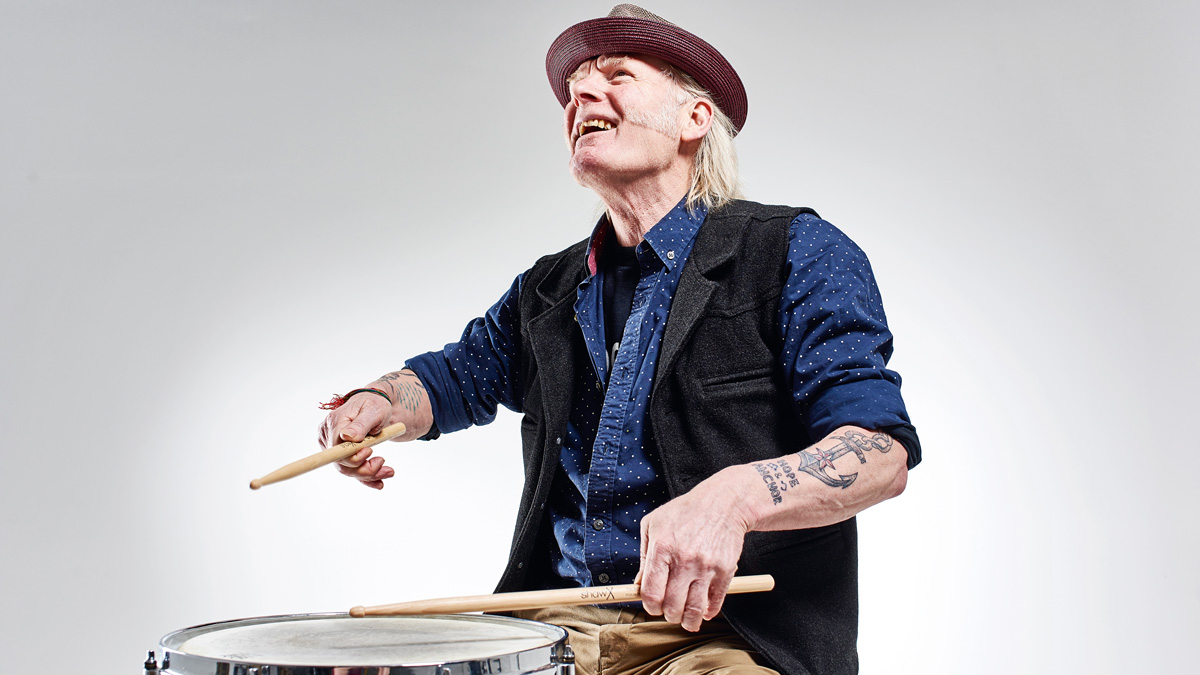
Martin Chambers is born, the British pulse of The Pretenders
Martin Chambers is born in Hereford, England: drummer of The Pretenders since their 1978 formation. Alongside Chrissie Hynde he survived the deaths of two bandmates and drove classics like “Brass in Pocket” with nervous elegance. His swing between punk and pop is a big part of why the band aged so well.
Martin Chambers
The Pretenders
Listen
Via YouTube
1962
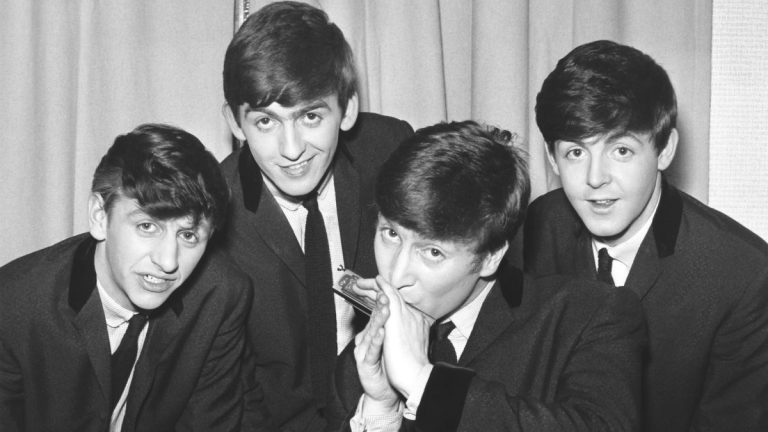
Ringo takes his seat at Abbey Road and the Beatles refuse to sing what they are handed
On 4 September 1962 the Beatles walked into EMI's studios for the first time as a contracted band. They rehearsed six songs for three hours and recorded two: How Do You Do It, which the label had lined up to make them famous, and Love Me Do, which was theirs. They dug in and theirs came out. Ringo was on drums, and did not yet know he would lose the job for a week.
The Beatles
Ringo Starr
George Martin
Listen
Via YouTube
1971
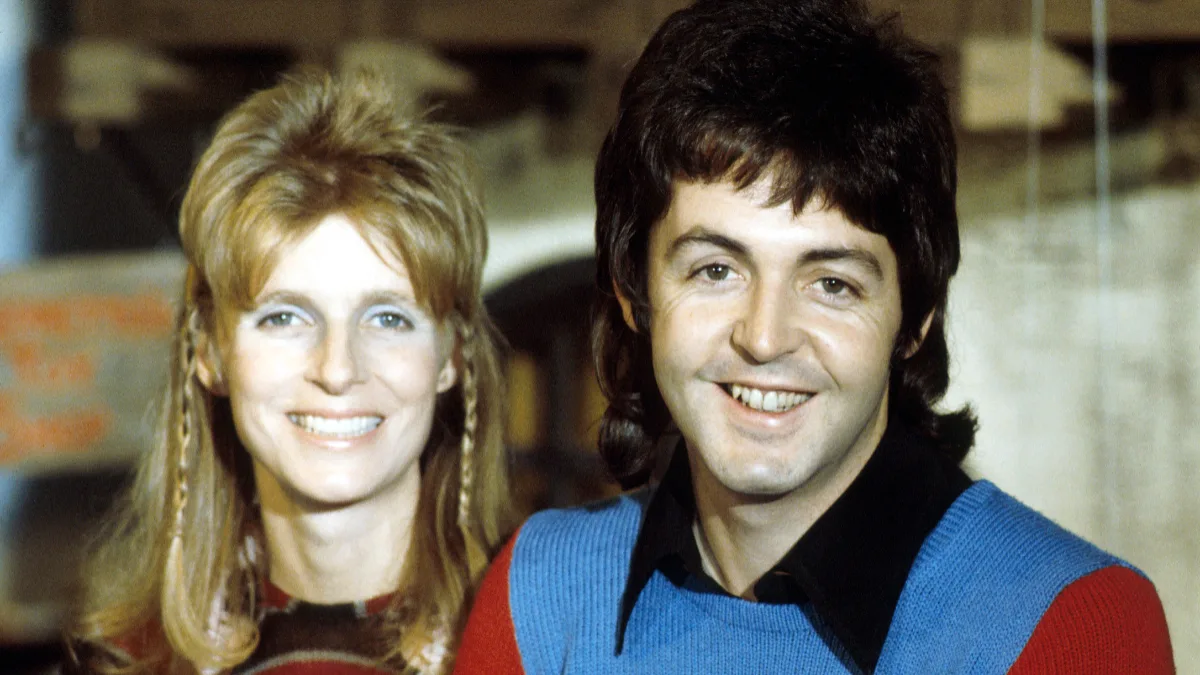
'Uncle Albert' hits number one and McCartney proves he can do it alone
On September 4, 1971, Paul and Linda McCartney's 'Uncle Albert/Admiral Halsey' reached number one in the United States, his first since the Beatles ended. It is an odd record: three fragments glued together, with rain, telephones and a brass band, more collage than single. Critics called it frivolous. McCartney had spent a year being accused of destroying the band, and answered with a cheerful puzzle.
Paul McCartney
Linda McCartney
Listen
Via YouTube
1976
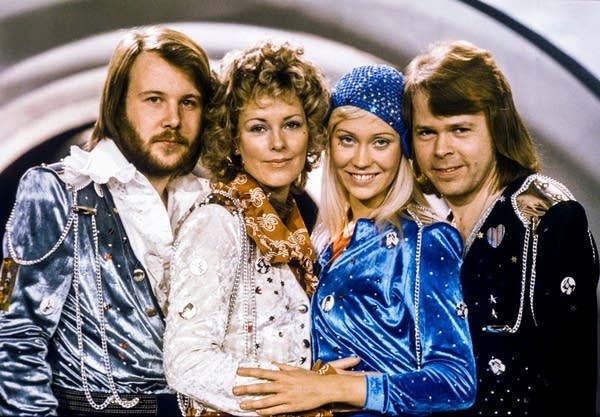
Dancing Queen jumps to the top on the week ending 4 September
On the British chart for the week of 29 August to 4 September 1976, ABBA leapt from number sixteen to number one with Dancing Queen, completing their third consecutive UK chart-topper in a single year. They had built it on a piano feel borrowed from an old George McCrae record and a melody that never quite comes down.
ABBA
Listen
Via YouTube
1981
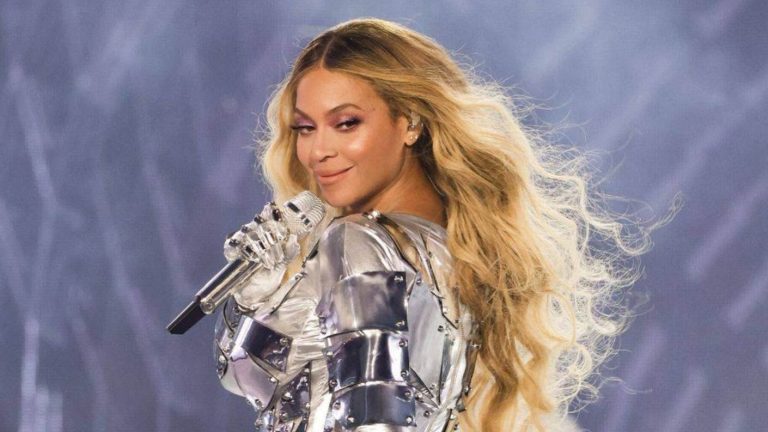
Beyoncé is born: the woman who turned an album into an event without warning
On September 4, 1981, Beyoncé Knowles was born in Houston. She spent her entire adolescence competing in talent shows before Destiny's Child worked, and that rehearsal discipline became her trademark. In 2013 she released an album with no announcement, no single and no campaign, forcing the whole industry to rethink how music is launched. Nobody has controlled their own narrative so tightly from inside the system.
Beyoncé
Destiny's Child
Listen
Via YouTube
1995
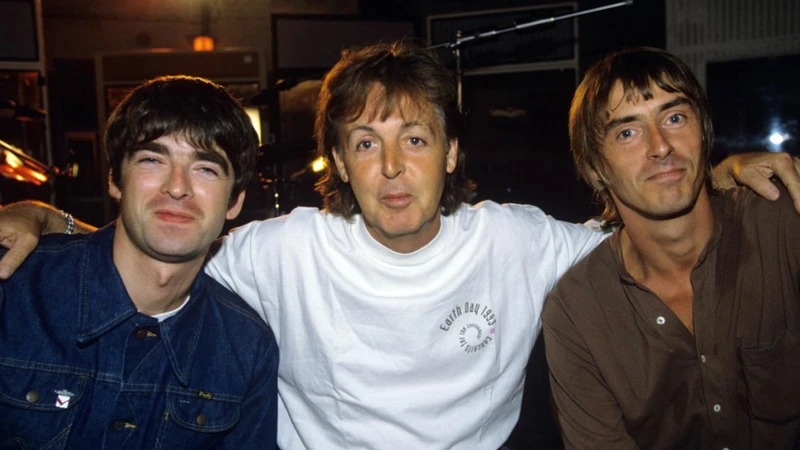
Half the British scene records an album in one day for the children of Bosnia
On Monday 4 September 1995 Blur, Oasis, Radiohead, Massive Attack, Portishead, Paul Weller, Sinéad O'Connor and Paul McCartney recorded their tracks for Help, the War Child album driven by Brian Eno. It was mixed on the Tuesday and in shops by Saturday the 9th. It raised over one and a quarter million pounds, and was the only time Blur and Oasis shared a sleeve without a fight.
Blur
Oasis
Radiohead
Brian Eno
Paul McCartney
Listen
Via YouTube
2001
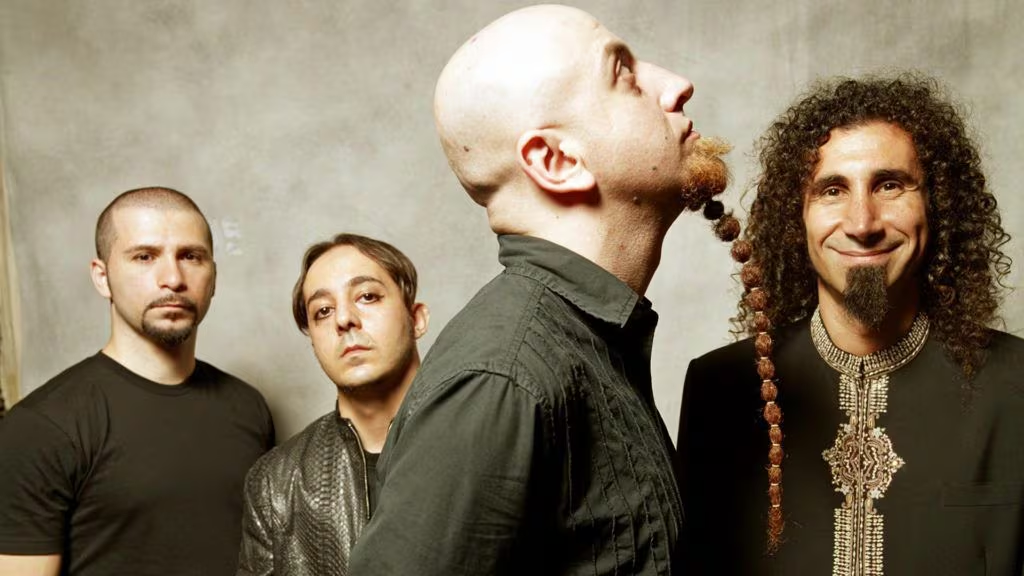
Toxicity arrives a day after the police trigger a riot in Hollywood
The free show on 3 September 2001 in Hollywood was cancelled without telling the seven thousand people waiting, and it ended in six hours of destruction. The next day Toxicity reached the shops and sold two hundred and twenty thousand copies in a week, straight to number one. Produced by Rick Rubin and Daron Malakian: Armenian-Californian metal on commercial radio.
System of a Down
Rick Rubin
Daron Malakian
Listen
Via YouTube
2014
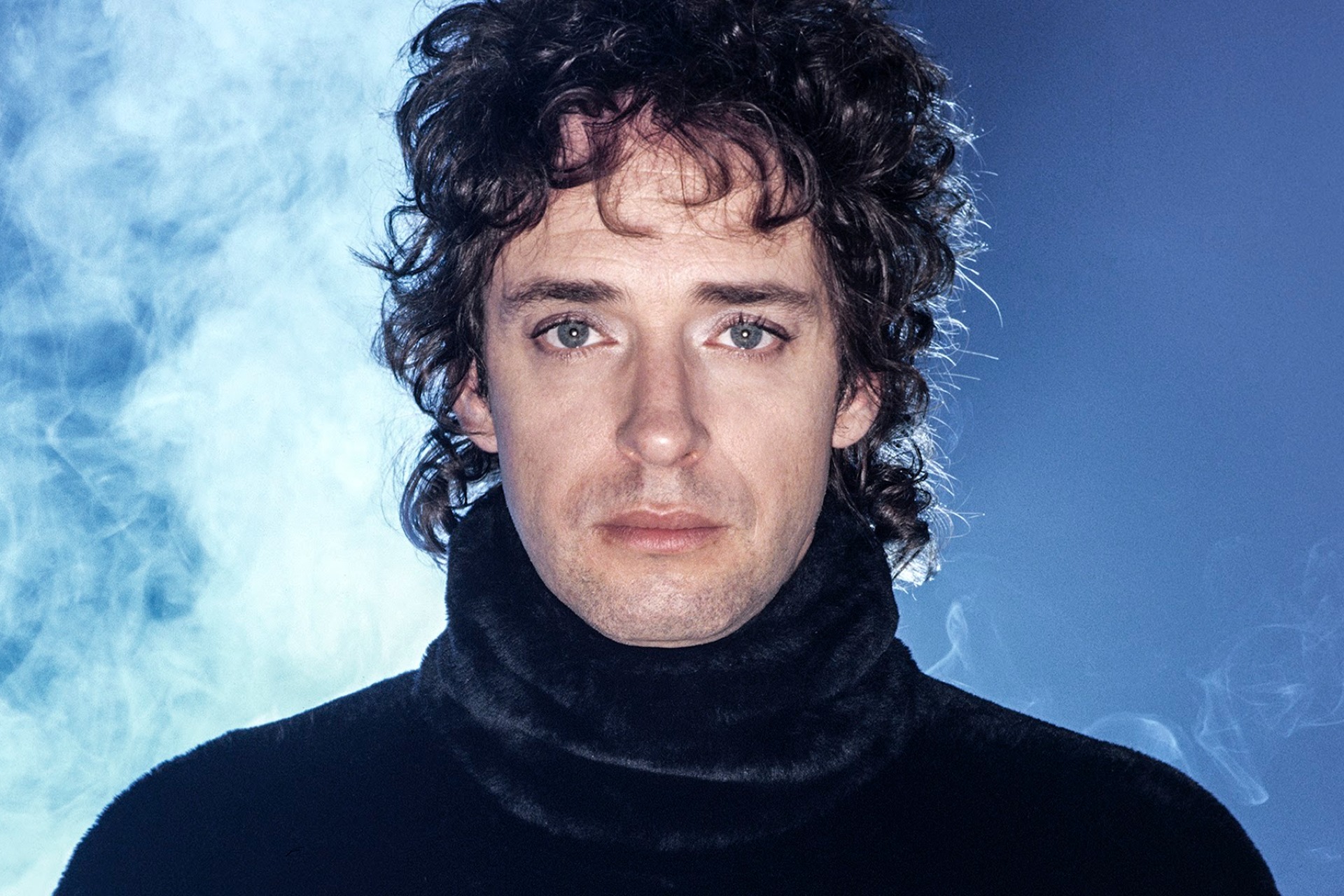
Gustavo Cerati dies after four years and four months without waking
On 4 September 2014, at fifty-five, he died in Buenos Aires. On 15 May 2010 he had finished a concert in Caracas and suffered a stroke as he came off stage; he never regained consciousness. With Soda Stereo he had turned rock in Spanish into a continental language, and on his own he refused to repeat himself even once.
Gustavo Cerati
Soda Stereo
Listen
Via YouTube
1918
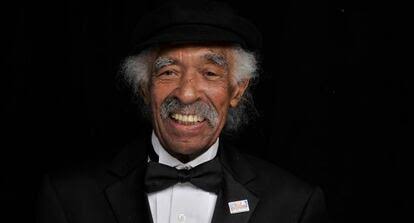
Gerald Wilson is born: the arranger who led orchestras for seventy years
On September 4, 1918, Gerald Wilson was born in Mississippi. He played trumpet with Jimmie Lunceford, wrote arrangements for Duke Ellington, Count Basie, Ella Fitzgerald and Dizzy Gillespie, and kept his own big band in Los Angeles from the forties onward. He was still recording Grammy-nominated albums past the age of ninety. Few musical trades demand so much technique and leave so little trace in public memory.
Gerald Wilson
Listen
Via YouTube
1942
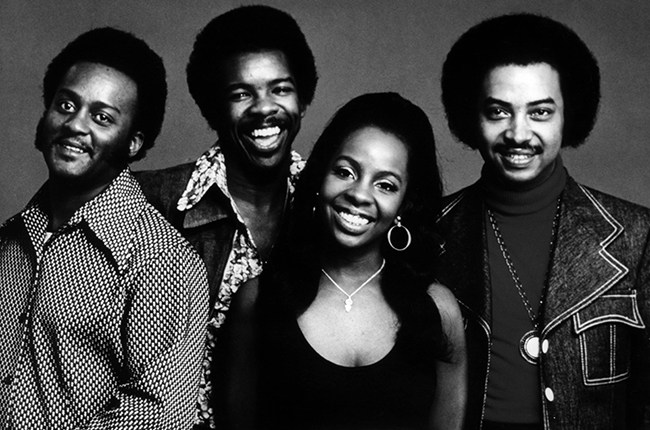
Bubba Knight is born: the brother who held Gladys up for half a century
On September 4, 1942, Merald Knight was born in Atlanta, known to everyone as Bubba. He formed the Pips with his sister Gladys and two cousins when they were children singing at family parties, and stayed there five decades, singing backing parts and dancing behind one of soul's greatest voices. 'Midnight Train to Georgia' is as much his as hers: without that male counter-line, the song doesn't exist.
Merald Knight
Gladys Knight & the Pips
Listen
Via YouTube
1944
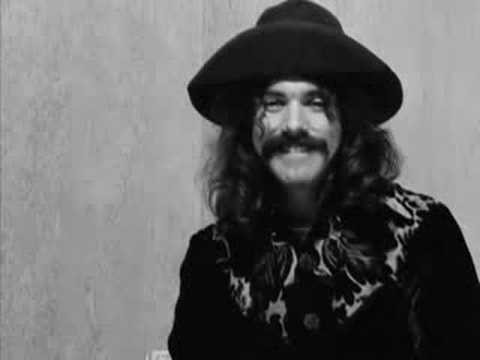
Gene Parsons is born, the Byrds drummer who invented a famous lever
Morongo Valley, California, 4 September 1944. He joined the Byrds in 1968 and spent four years playing drums, guitar, banjo and harmonica across five albums. But what half of Nashville still uses is the B-Bender he devised with Clarence White: a mechanism that pulls the second string from the strap and lets an electric guitar sound like a pedal steel.
Gene Parsons
The Byrds
Clarence White
Listen
Via YouTube
1975
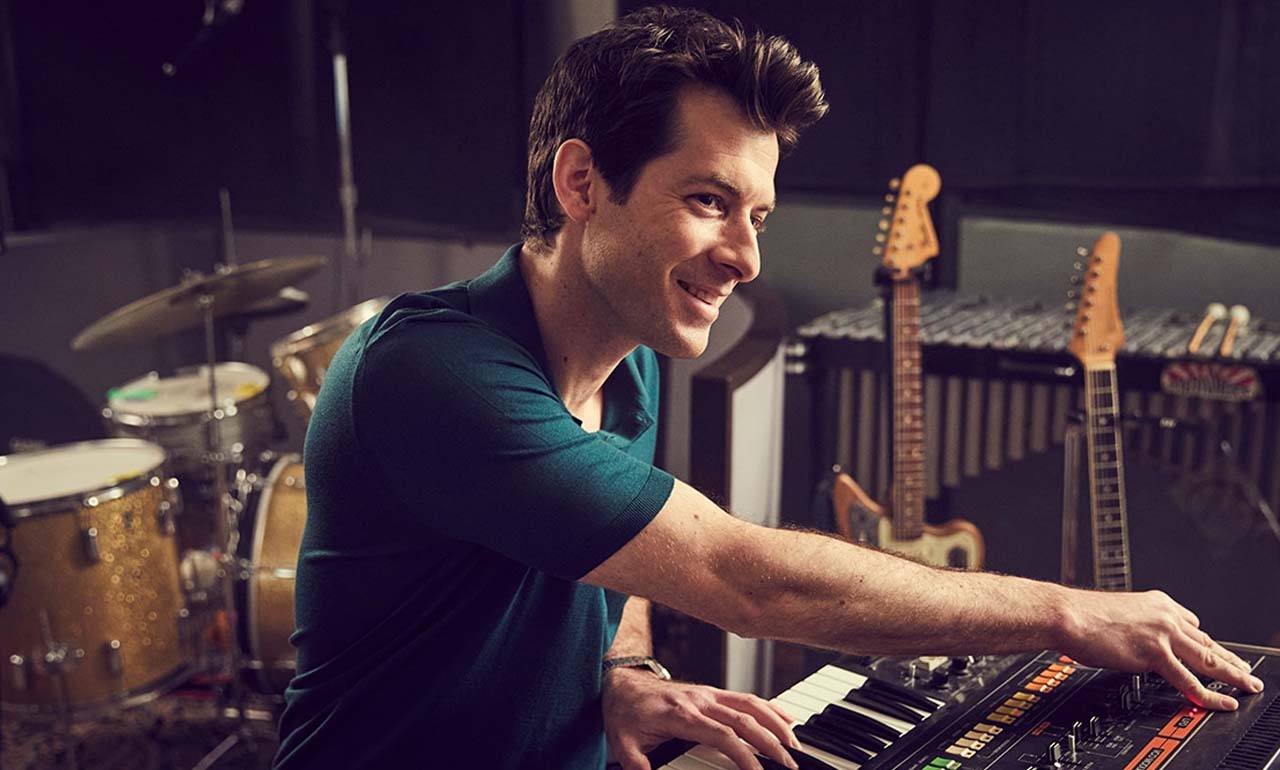
Mark Ronson is born: the producer who dug up sixties soul
On September 4, 1975, Mark Ronson was born in London. He started as a DJ in New York and his great stroke was archaeological: for Amy Winehouse's 'Back to Black' he called in the Dap-Kings, a Brooklyn band recording funk with sixties equipment and methods. The result didn't sound like homage but like a discovery. He repeated the formula on 'Uptown Funk' and won the Grammy for Record of the Year.
Mark Ronson
Amy Winehouse
Listen
Via YouTube
1982
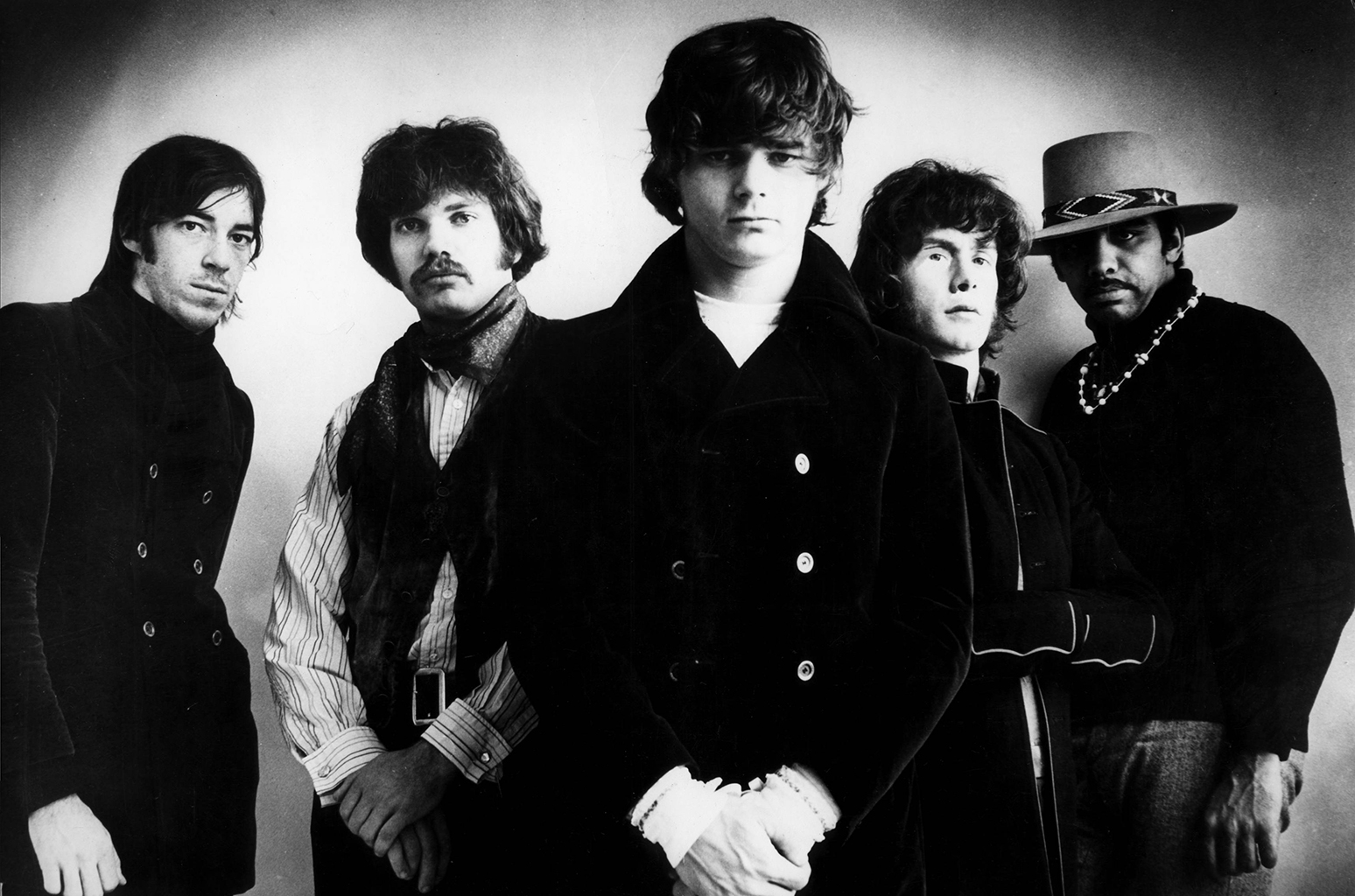
'Abracadabra' hits number one and a bluesman dresses up as a machine
On September 4, 1982, the Steve Miller Band's 'Abracadabra' was number one in the United States. Miller came out of Chicago blues, had played with Muddy Waters and shared a house with Boz Scaggs, and here he sounded like synthesizers and a drum machine. The song returned to the top on September 25 after losing it for a week. Surviving three decades in pop demands reinvention, even when it costs you your reputation.
Steve Miller Band
Listen
Via YouTube
1982
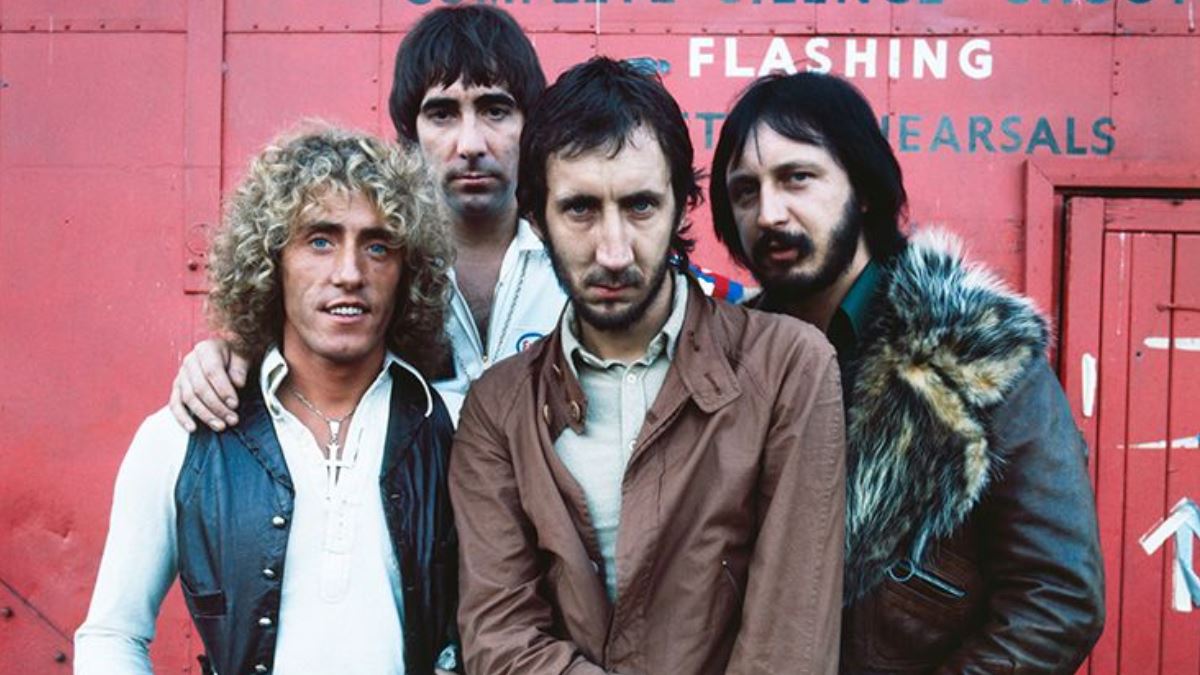
The Who release It's Hard and Daltrey would later say it should never have come out
It's Hard appeared on 4 September 1982 on Polydor and Warner: number eight in America, eleven in Britain, gold within two months. It was the last album with John Entwistle, the second and last with Kenney Jones, and the last studio record until 2006. They made it because the label wanted new material for a farewell tour that turned out not to be one.
The Who
John Entwistle
Kenney Jones
Pete Townshend
Listen
Via YouTube
1989
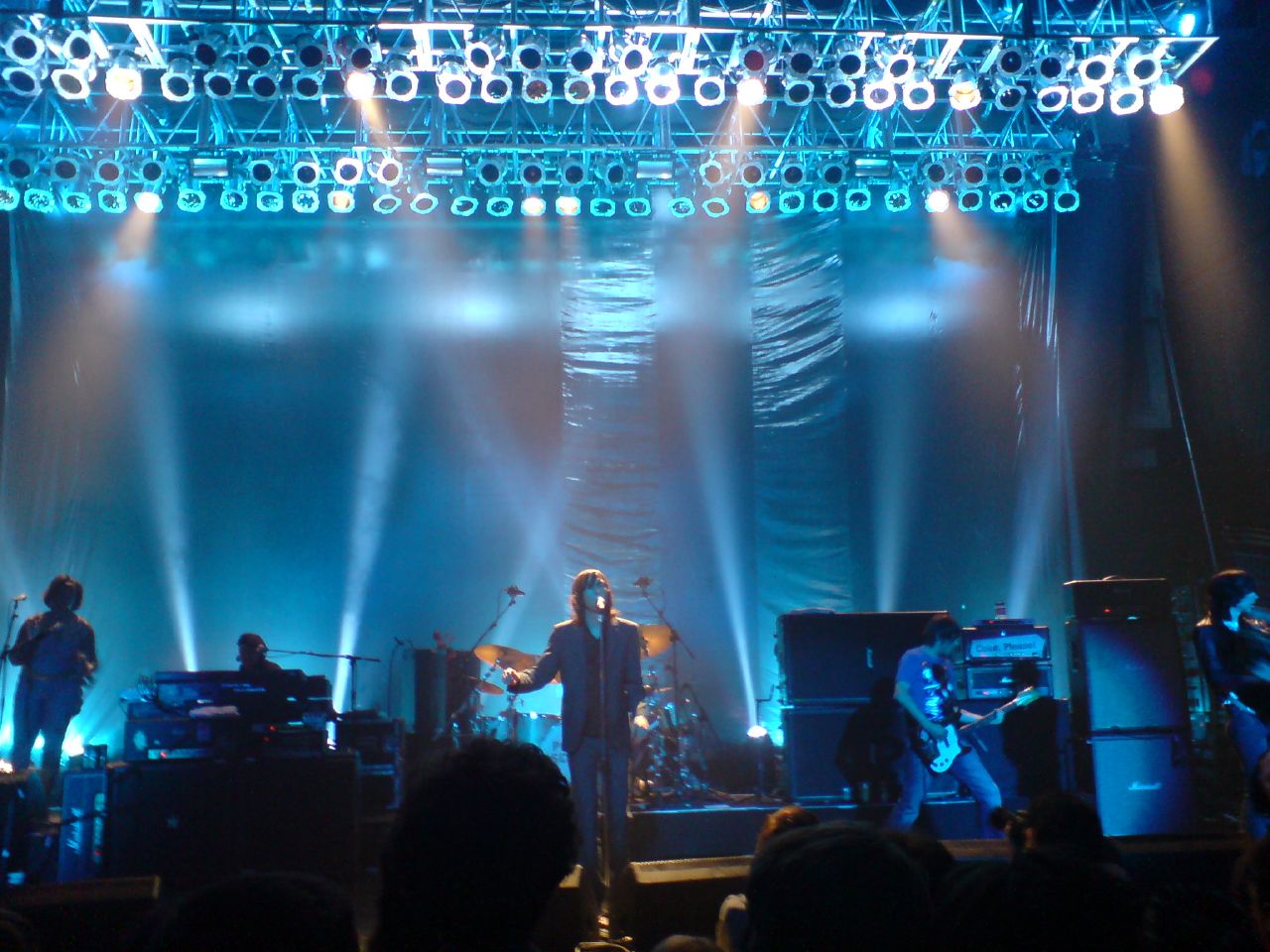
Primal Scream dress up as a hard rock band and the album goes nowhere
The Scottish band's self-titled second album came out on Creation on 4 September 1989: leather, riffs and Bobby Gillespie trying to sing like a seventies rocker, a part he was not built for. Almost nobody bought it. A year later a remix of I'm Losing More Than I'll Ever Have was renamed Loaded and changed what being Primal Scream meant.
Primal Scream
Bobby Gillespie
Listen
Via YouTube
1990
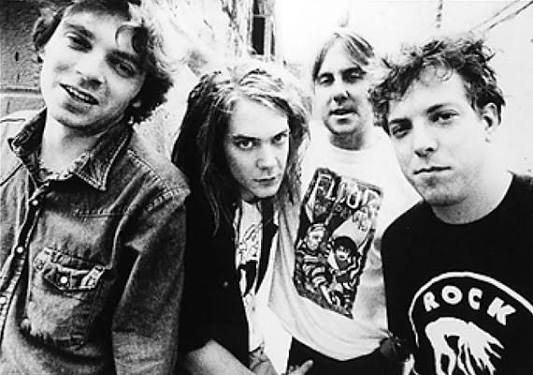
Soul Asylum cut almost live the record that nearly finished them off
And the Horse They Rode In On came out on 4 September 1990 on A&M, produced by Steve Jordan and largely recorded live on a Los Angeles sound stage. They decided to record whatever they felt like without worrying about consistency, and it did not sell. Two years later Grave Dancers Union put them on magazine covers. The work had already been done here.
Soul Asylum
Dave Pirner
Steve Jordan
Listen
Via YouTube
1992
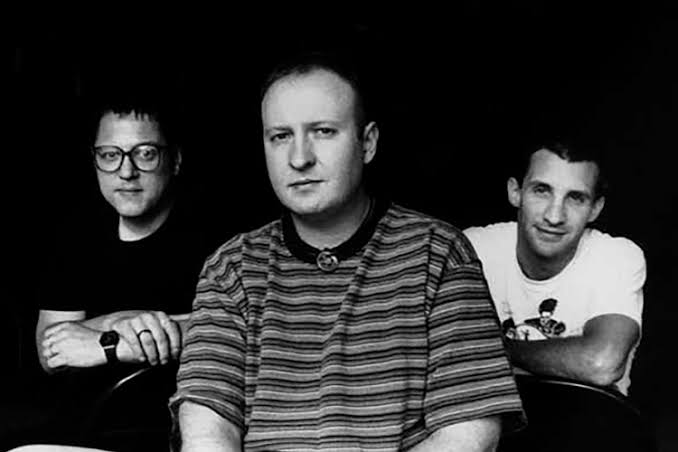
Bob Mould turns the volume back up and hands the year its best album, says the NME
Copper Blue came out on 4 September 1992, five years after Hüsker Dü fell apart and two solo records later, with Mould set on writing pop songs buried under layers of distortion. Number ten in Britain, unthinkable for him, and album of the year in the NME. In America it took a while longer for the news to arrive.
Sugar
Bob Mould
Listen
Via YouTube
1997
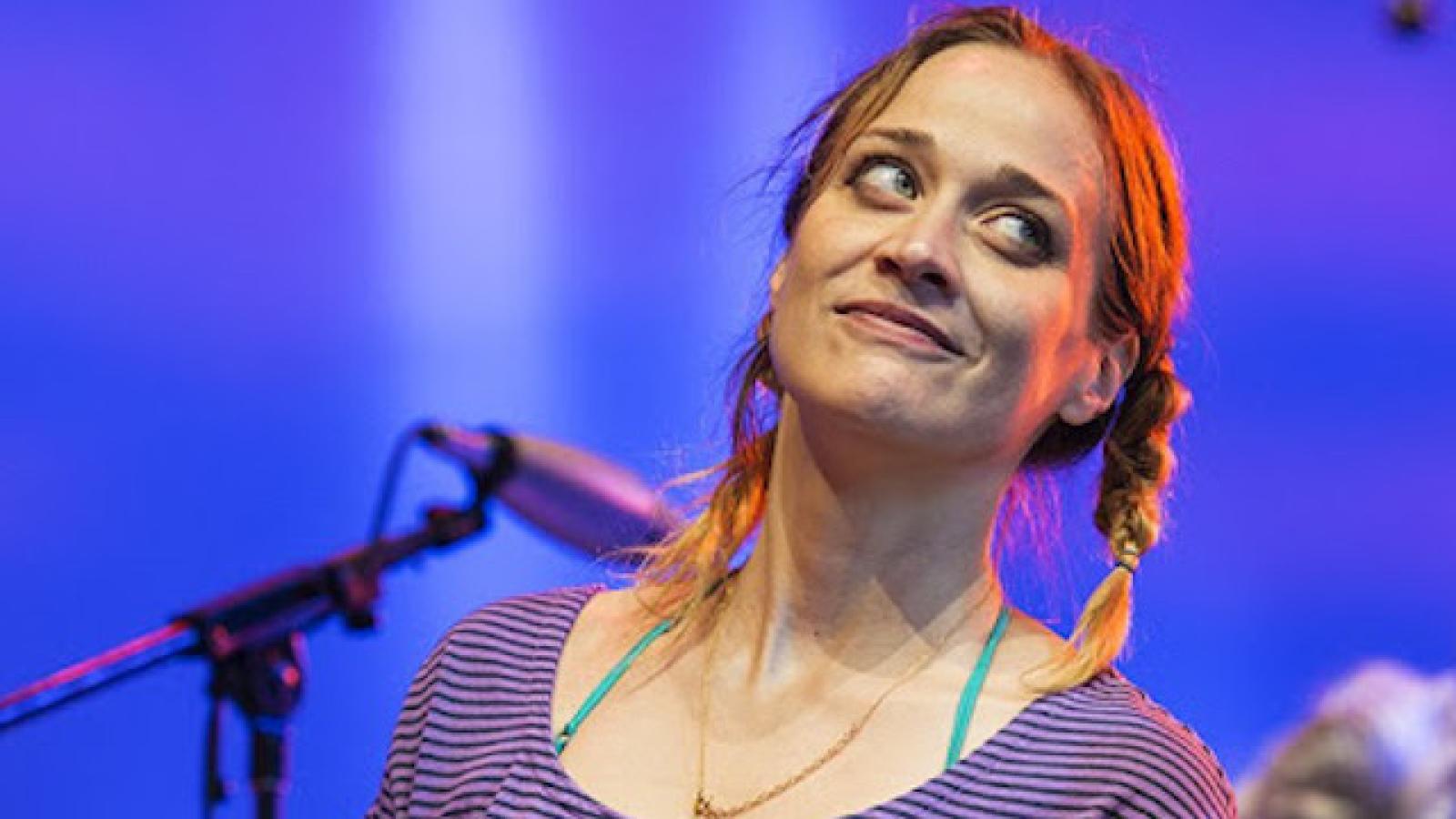
Fiona Apple collects an MTV award at nineteen and tells them exactly what she thinks
On 4 September 1997, at Radio City Music Hall, she won Best New Artist in a Video for Sleep to Dream. She had no speech prepared and said so, then used the microphone to state that this world is a sham and that nobody should model their life on what gets admired in that room. It cost her a decade of being called difficult.
Fiona Apple
Listen
Via YouTube
2006
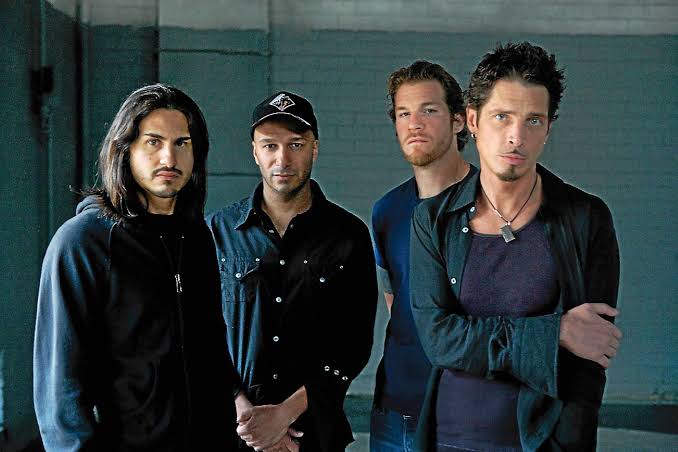
Audioslave release their third album and Chris Cornell has five months left
Revelations came out on 4 September 2006, produced by Brendan O'Brien and carrying more funk and soul than the two before it: Cornell pushing towards Sly Stone and Tom Morello refusing to give up his noises. Number two in America. In February 2007 the singer walked out over irreconcilable differences and the rest put Rage Against the Machine back together.
Audioslave
Chris Cornell
Tom Morello
Brendan O'Brien
Listen
Via YouTube
2011
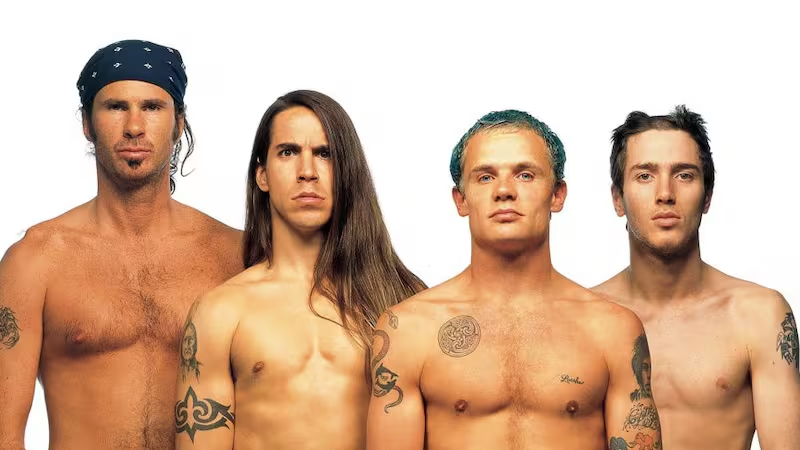
The Chili Peppers go number one without Frusciante, in eighteen countries at once
I'm with You entered the UK albums chart straight at number one for the week of 4 September 2011, on seventy-one thousand units, and topped the chart in eighteen countries. It was the first album with Josh Klinghoffer after John Frusciante left for the second time. Replacing an irreplaceable guitarist turned out, commercially, to cost nothing at all.
Red Hot Chili Peppers
Josh Klinghoffer
Listen
Via YouTube
2015
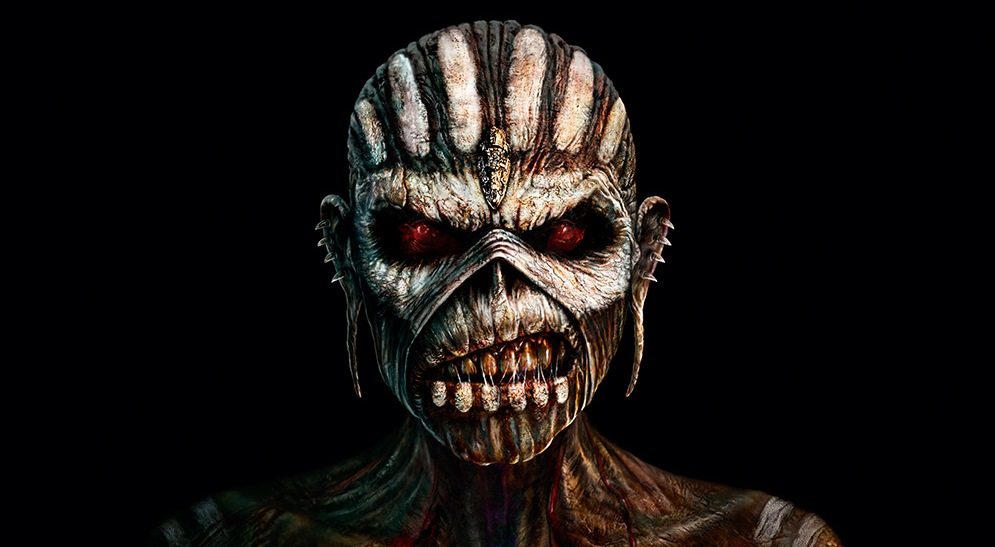
Iron Maiden release ninety-two minutes and a story about airships
The Book of Souls came out on 4 September 2015: their first studio double on CD and the longest record of their career. The release had been delayed because Bruce Dickinson had a tumour removed early that year. It closes with Empire of the Clouds, eighteen minutes with him at the piano about the crash of the R101 airship in 1930. Nobody asked for it.
Iron Maiden
Bruce Dickinson
Listen
Via YouTube
One ephemeris a day, one editorial a week. Zero spam, pure archive.