
Chapter 01 — Today in music
On a day like today September 5
1946
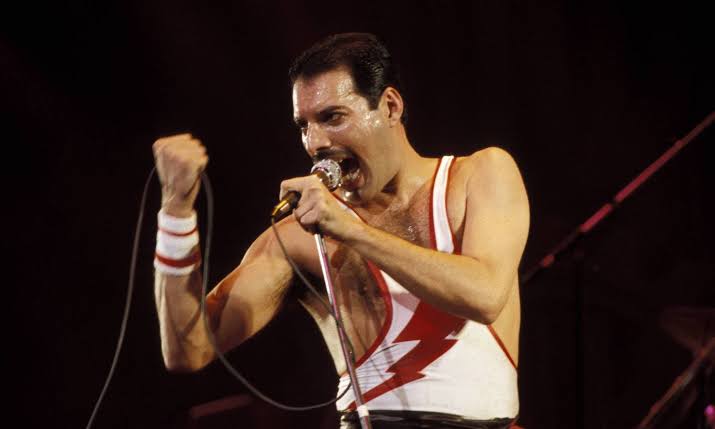
Freddie Mercury is born: from Zanzibar to rock's throne
In Stone Town, Zanzibar, Farrokh Bulsara is born; the world would know him as Freddie Mercury. A migrant, shy in private and volcanic on stage, he turned Queen into total spectacle and himself into the standard every frontman is measured against. His story is also that of an outsider who rewrote the rules of British stardom.
Freddie Mercury
Queen
Listen
Via YouTube
1945
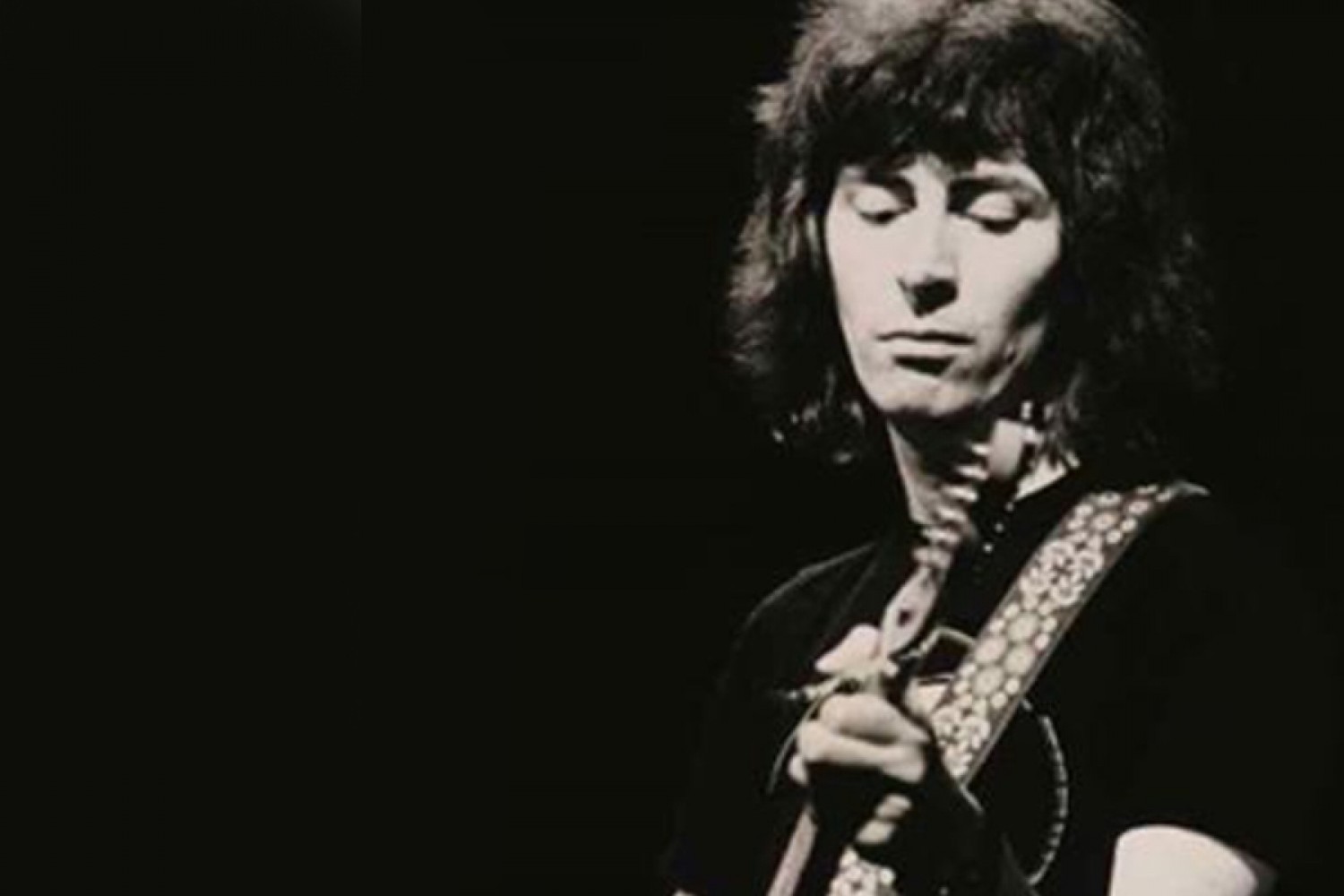
Al Stewart is born, the chronicler who turned history into radio songs
Al Stewart is born in Glasgow: the songwriter who dared to fill pop with submarines, spies and world wars. With “Year of the Cat” (1976) he scored an improbable hit — literary folk-rock with a luxurious saxophone in the middle of the disco era. His work proves popular song can also be a history lesson with impeccable melody.
Al Stewart
Listen
Via YouTube
1947
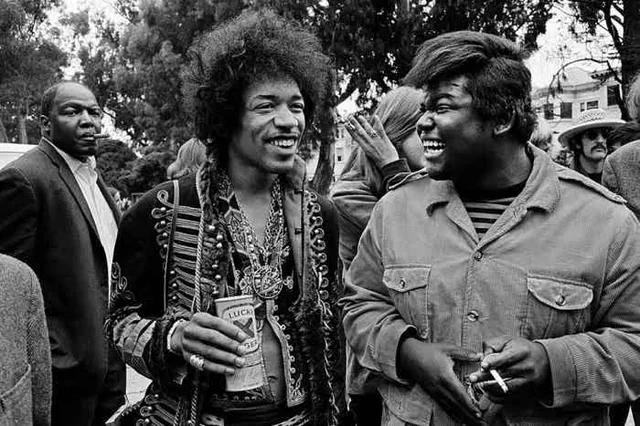
Buddy Miles is born: the drummer who put funk into Hendrix's last band
On September 5, 1947, Buddy Miles was born in Nebraska. He came out of the Electric Flag, and in 1969 Jimi Hendrix called him for Band of Gypsys, the all-Black trio with which he wanted to move away from psychedelic rock and toward funk. The album they cut at the Fillmore East on New Year's Eve is among the heaviest things Hendrix left. Miles didn't accompany: he pushed, and you can hear the difference in every bar.
Buddy Miles
Jimi Hendrix
Listen
Via YouTube
1964
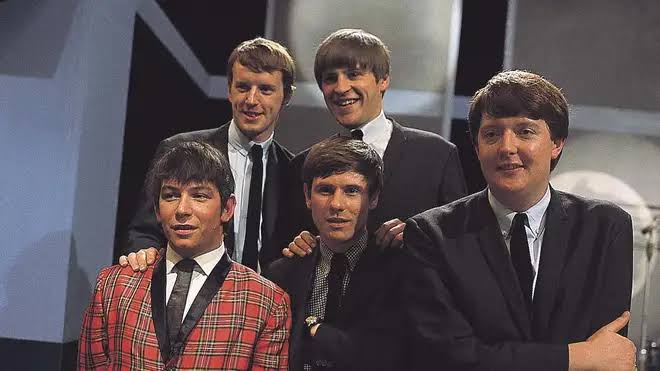
The House of the Rising Sun tops America with four and a half minutes nobody dared to cut
On 5 September 1964 the Animals' version reached number one in the United States and stayed three weeks. It was a traditional ballad about a house of ruin that Eric Burdon sang as though it hurt, and it ran an eternity by the radio standards of the day. The guitar arpeggio and Alan Price's organ ended up as common rock grammar.
The Animals
Eric Burdon
Alan Price
Listen
Via YouTube
1981
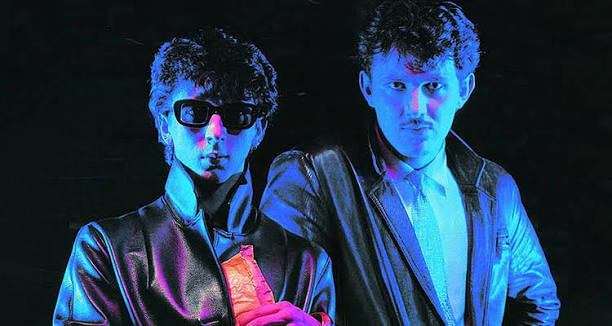
Tainted Love tops the British chart with a soul record nobody bought in 1964
The chart dated 5 September 1981 put Soft Cell at the top, where they held on for two weeks. The song was not theirs: Gloria Jones had cut it in the mid-sixties and it sank without trace until the northern soul clubs dug it back up. Two young men from Leeds with a synthesiser turned it into the best-selling British single of the year.
Soft Cell
Marc Almond
Gloria Jones
Listen
Via YouTube
1981
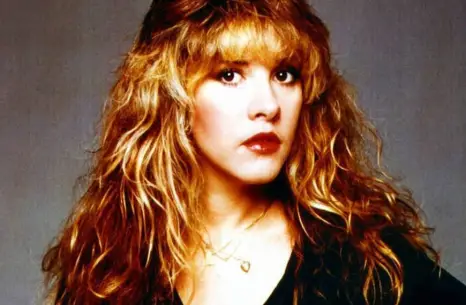
Bella Donna hits number one and Stevie Nicks stops depending on Fleetwood Mac
On the American chart dated 5 September 1981 her first solo album reached number one. Nicks had spent years stockpiling songs her band would not record and put them out with Jimmy Iovine producing, a duet with Tom Petty and another with Don Henley. Four million copies later, Fleetwood Mac had to bargain with a partner who no longer needed them.
Stevie Nicks
Jimmy Iovine
Tom Petty
Don Henley
Listen
Via YouTube
1987
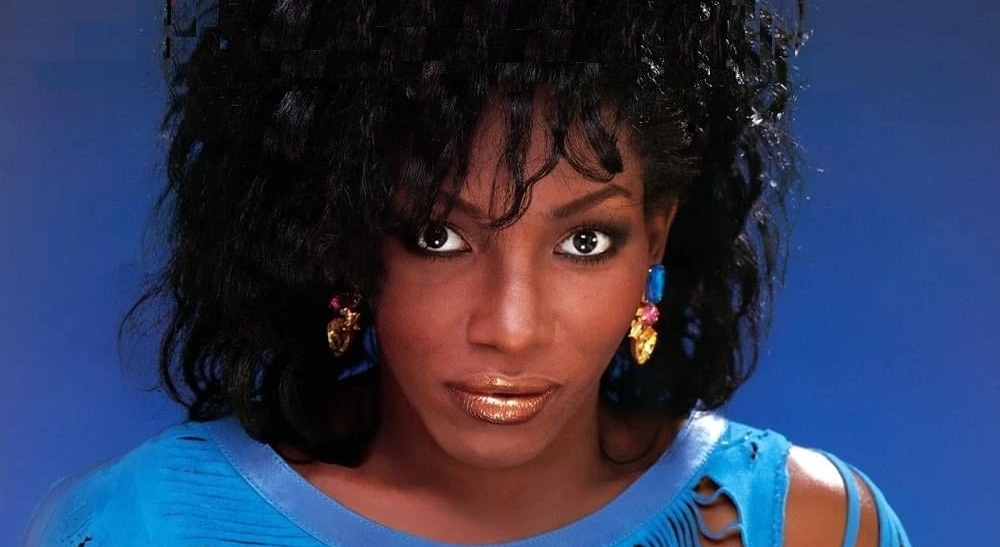
'If I Were Your Woman' tops the chart and Broadway's Dorothy gets her revenge
On September 5, 1987, Stephanie Mills' 'If I Were Your Woman' topped the R&B albums chart. Mills had played Dorothy in 'The Wiz' on Broadway for four years, from the age of fifteen, and when the musical was filmed the part went to Diana Ross. It took her a decade to rebuild a career of her own. Rarely has a casting injustice ended with the wronged party at the top of the chart.
Stephanie Mills
Listen
Via YouTube
1989
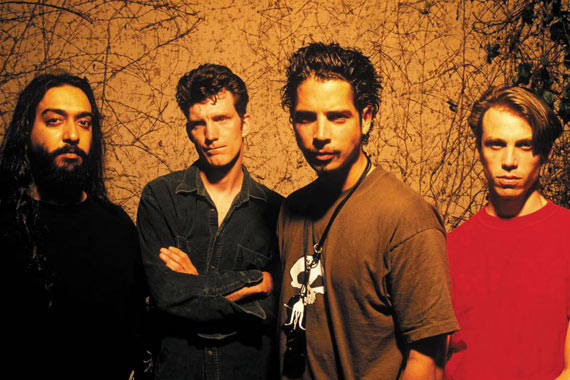
Soundgarden sign to a major two years before Seattle was worth money
Louder Than Love came out on 5 September 1989 on A&M, produced by Terry Date: the first record from the Seattle scene to appear on the American album chart, at a very modest one hundred and eight. Slow, downtuned riffs, a Sabbath inheritance and an impossible voice. It was also the last with bassist Hiro Yamamoto, who left to finish his degree.
Soundgarden
Chris Cornell
Terry Date
Hiro Yamamoto
Listen
Via YouTube
1992
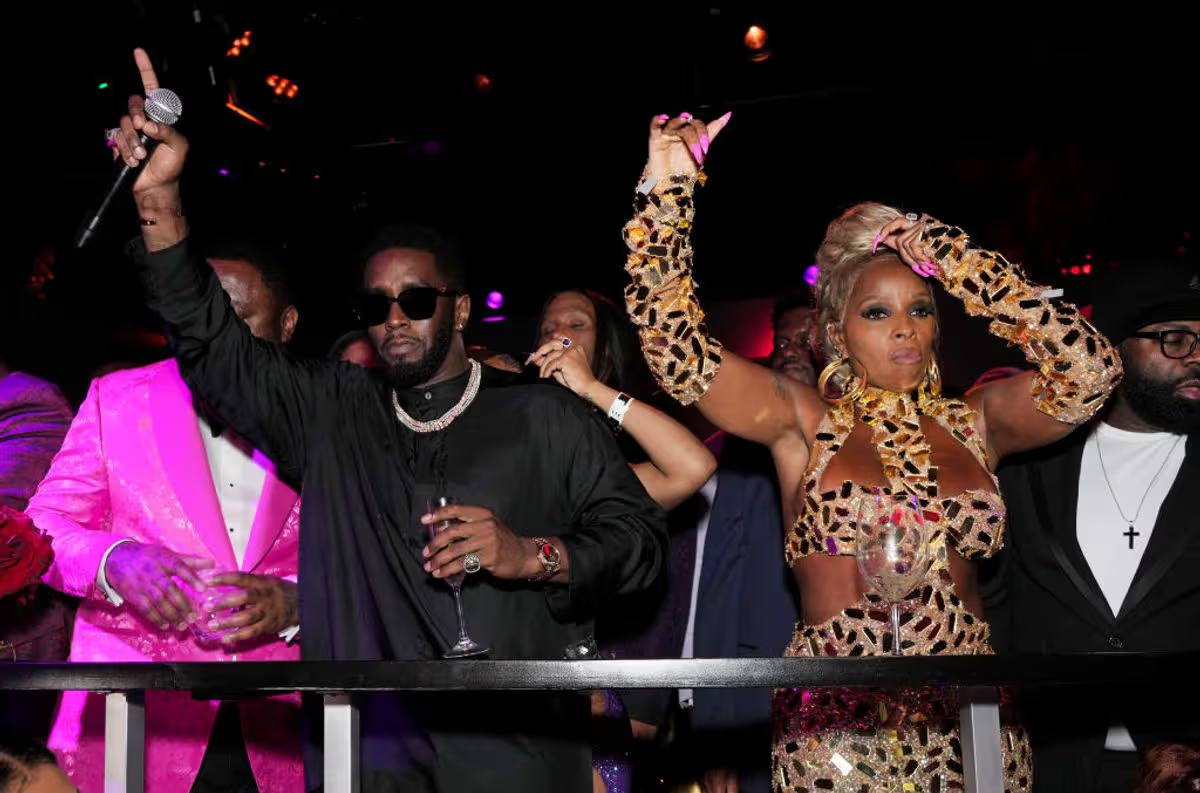
'What's the 411?' tops the chart and hip-hop soul is born
On September 5, 1992, Mary J. Blige's 'What's the 411?' topped the R&B albums chart, where it stayed all month. It was her debut, she was twenty-one, and a still-unknown Sean Combs handled the artistic direction. The idea was simple and nobody had had it: sing church soul over raw rap beats. They called her the queen of hip-hop soul and the name stuck for forty years.
Mary J. Blige
Puff Daddy
Listen
Via YouTube
1998
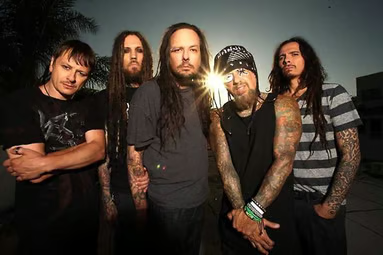
Follow the Leader enters straight at number one and nu metal leaves the basement
On the American chart dated 5 September 1998, Korn's third album entered at the top with two hundred and sixty-eight thousand copies in seven days. It was the first time a band from that scene ran the mainstream market: seven-string guitars, a five-string bass and a singer howling his childhood. It lasted one week; then Lauryn Hill arrived.
Korn
Jonathan Davis
Listen
Via YouTube
2006
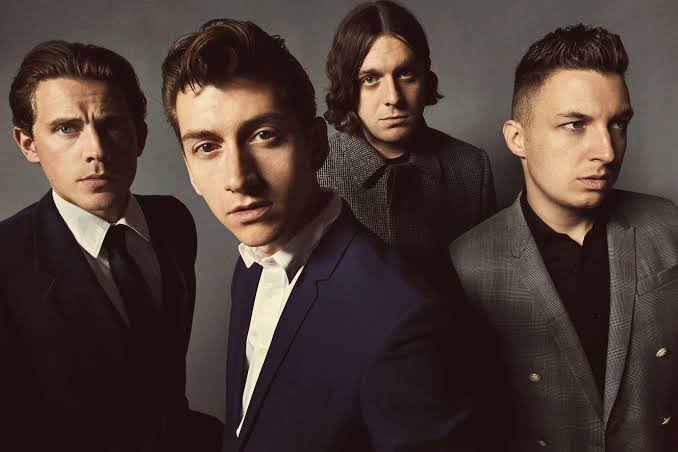
Arctic Monkeys win the Mercury and Alex Turner reports a robbery from the stage
On 5 September 2006, at Grosvenor House in London, the prize went to Whatever People Say I Am, That's What I'm Not, the fastest-selling debut album in British history. Turner collected it and asked someone to call the police, because Richard Hawley, also nominated and also from Sheffield, had just been robbed.
Arctic Monkeys
Alex Turner
Richard Hawley
Listen
Via YouTube
1968
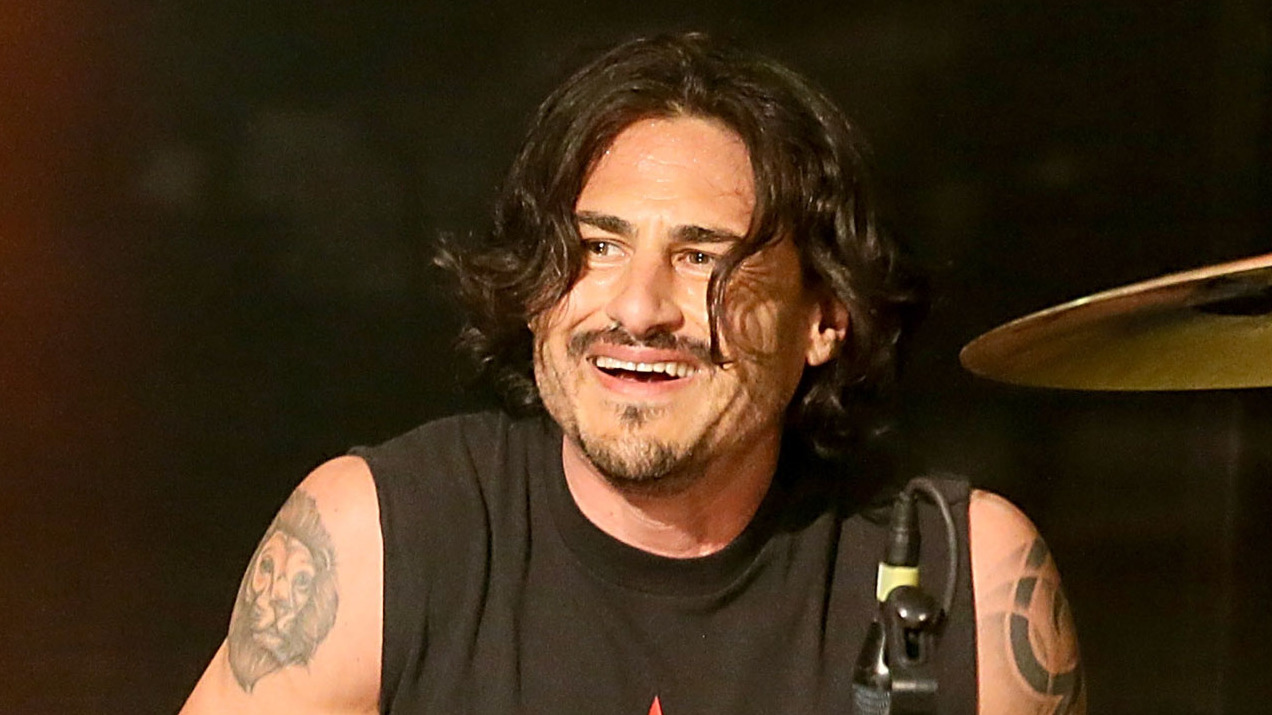
Brad Wilk is born: the drummer who gave political fury its swing
On September 5, 1968, Brad Wilk was born in Portland. He auditioned unsuccessfully for Lock Up, Tom Morello's band, and years later that failure led him to Rage Against the Machine. His contribution was unexpected: instead of hitting straight like the metal of the era, he played with a funk drummer's feel, and that sway is what makes the angriest songs of the nineties move the body anyway.
Brad Wilk
Rage Against the Machine
Listen
Via YouTube
1969
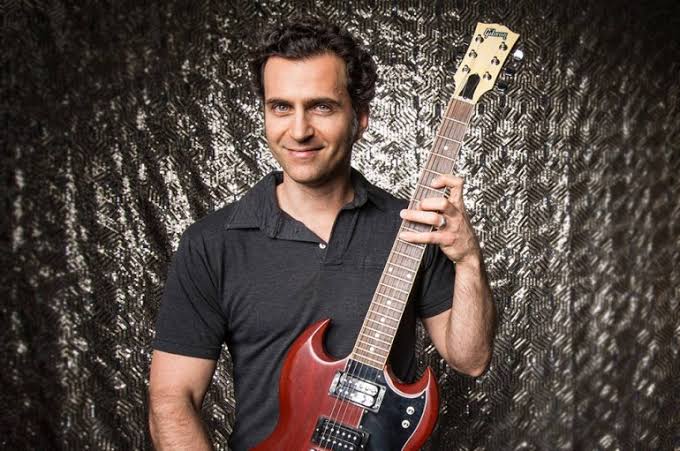
Dweezil Zappa is born: the son who devoted himself to defending his father's work
On September 5, 1969, Dweezil Zappa was born in Los Angeles, with a name the hospital refused to register. He was a guitarist and an MTV presenter, but his major work came after Frank's death: he built Zappa Plays Zappa, a band dedicated to performing live a repertoire of brutal difficulty. He ended up fighting his own siblings in court over the right to use the family name.
Dweezil Zappa
Frank Zappa
Listen
Via YouTube
1986
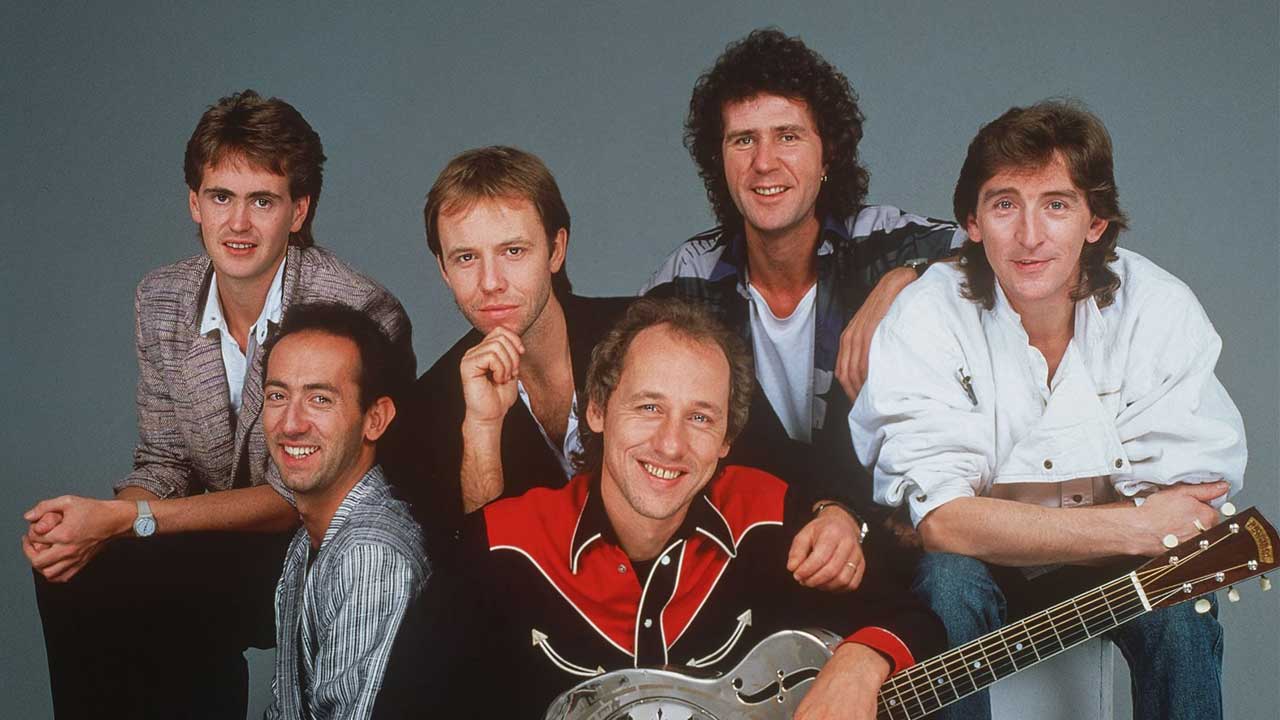
Money for Nothing wins video of the year at an awards show the song itself mocks
On 5 September 1986 MTV handed its biggest prize to a clip of computer-built figures lugging household appliances, set to a lyric written from behind a shop counter to sneer at the musicians who turn up on television. Eleven nominations, more than anything else that night. The act that actually cleaned up at the ceremony, with eight awards, was a-ha.
Dire Straits
Mark Knopfler
a-ha
Listen
Via YouTube
1988
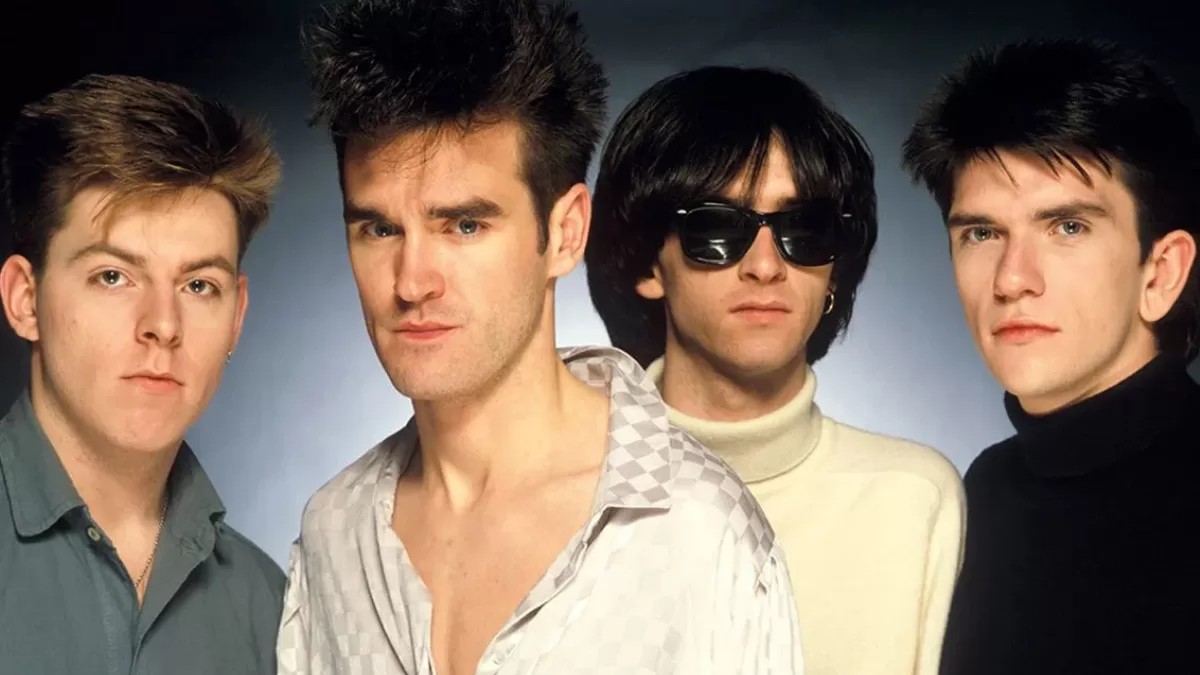
Rough Trade collects the Smiths' last debt and puts out a live album from two years earlier
Rank appeared on 5 September 1988, a year after the split: fourteen songs trimmed from an October 1986 show at the National Ballroom in Kilburn that the BBC had broadcast on radio. Nobody asked for it and nobody defended it, and it still reached number two in Britain. Morrissey was elsewhere by then, selling Viva Hate on his own account.
The Smiths
Morrissey
Johnny Marr
Listen
Via YouTube
1989
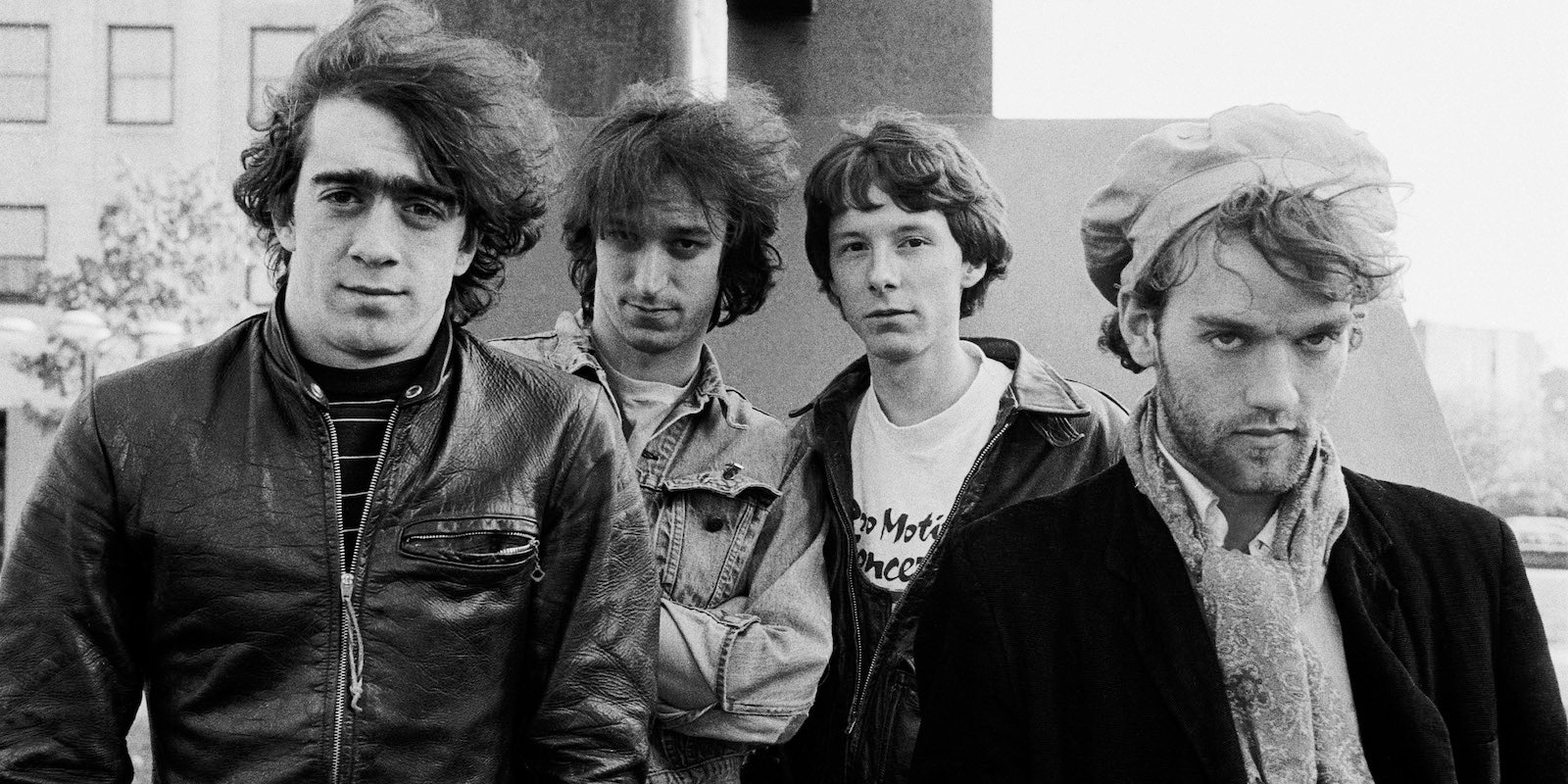
R.E.M. release a single with a bridge built from out-of-sync music boxes
Get Up came out on 5 September 1989, the fourth and last single from Green. Bill Berry had dreamed that bridge and in the studio they assembled it from several music boxes running at once, each going its own way. Stipe wrote the words about Mike Mills, who slept too much during the sessions; Mills took almost ten years to find out. It charted nowhere.
R.E.M.
Bill Berry
Mike Mills
Michael Stipe
Listen
Via YouTube
1994
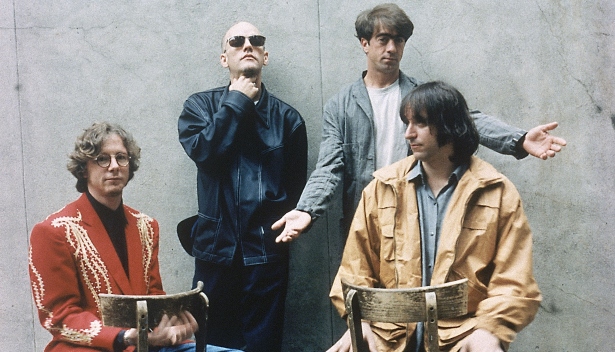
R.E.M. name a single after the line strangers shouted at a news anchor
What's the Frequency, Kenneth? came out on 5 September 1994 and went straight in at number one on the alternative airplay chart, which nothing had done before. The title comes from the 1986 assault on the journalist Dan Rather, whose attackers kept repeating an absurd question about frequencies. In the video Peter Buck plays a guitar that once belonged to Kurt Cobain, upside down.
R.E.M.
Peter Buck
Dan Rather
Listen
Via YouTube
2000
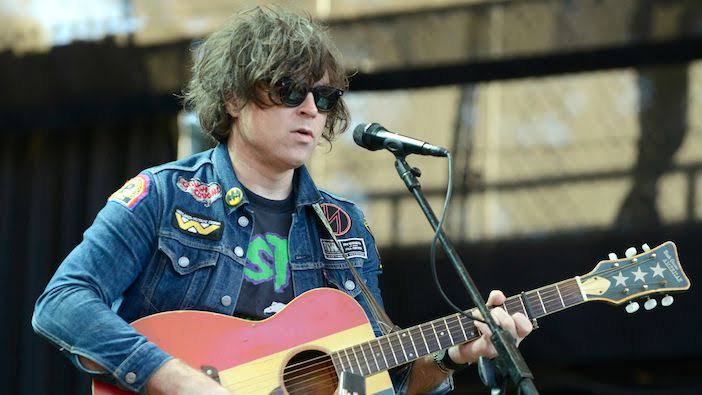
Ryan Adams cuts an album in fourteen days that opens with an argument about Morrissey
Heartbreaker came out on 5 September 2000 on Bloodshot, a small Chicago label, recorded in two weeks in Nashville with Ethan Johns. It opens with thirty-seven seconds of Adams and David Rawlings squabbling over which Morrissey album Suedehead is on. Then the songs start, with Emmylou Harris singing behind him on one of them. Whiskeytown no longer existed.
Ryan Adams
Ethan Johns
Emmylou Harris
David Rawlings
Listen
Via YouTube
One ephemeris a day, one editorial a week. Zero spam, pure archive.