
Chapter 01 — Today in music
On a day like today September 6
1943
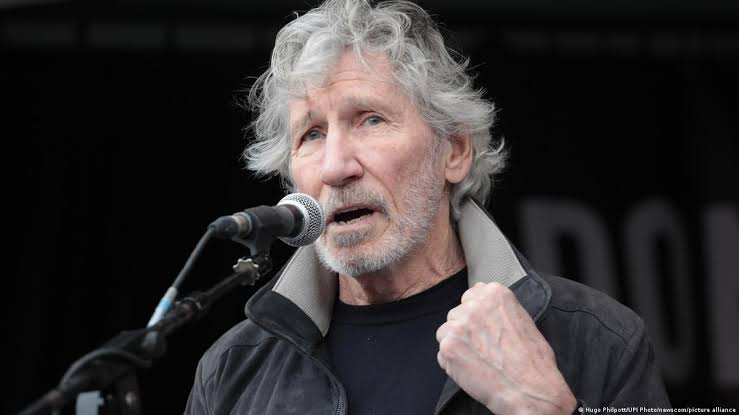
Roger Waters is born, the conceptualist who turned Pink Floyd into a cathedral
Roger Waters is born in Great Bookham, England: Pink Floyd's bassist and conceptual brain. Marked by his father's death in the war, he turned that wound into “The Dark Side of the Moon”, “Wish You Were Here” and “The Wall”, works where progressive rock stopped being virtuosity and became literature about modern alienation.
Roger Waters
Pink Floyd
Listen
Via YouTube
1947
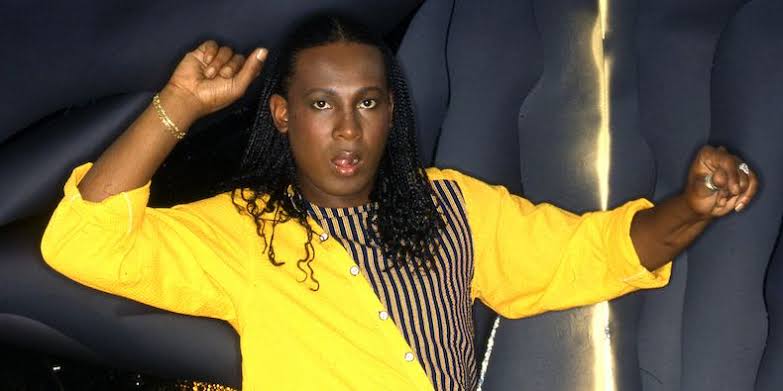
Sylvester is born: the falsetto that made disco an act of freedom
On September 6, 1947, Sylvester James was born in Los Angeles. He sang gospel as a child in a Pentecostal church, and in San Francisco became the most openly queer artist in seventies Black music, in dresses, feathers and an enormous falsetto. 'You Make Me Feel (Mighty Real)' is one of the few songs of the era that sounds like a celebration and a challenge at once. He died of AIDS in 1988.
Sylvester
Listen
Via YouTube
1967
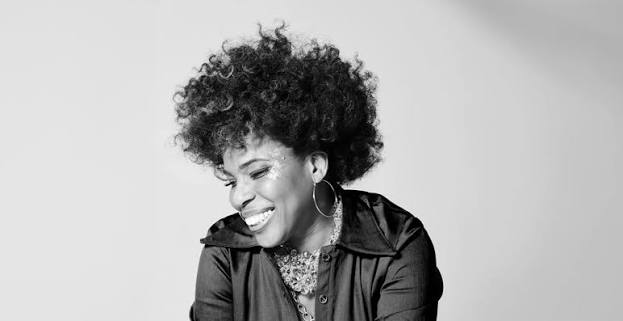
Macy Gray is born: the raspy voice nobody wanted for years
On September 6, 1967, Natalie McIntyre was born in Ohio. As a child she was mocked for her rough, high voice, and stopped speaking in class out of embarrassment; she ended up studying screenwriting, not singing. When 'I Try' came out in 1999, that same unmistakable voice put her on radios worldwide. Her story is a simple reminder: in music, the flaw that embarrasses you is usually the only thing that is yours.
Macy Gray
Listen
Via YouTube
1968
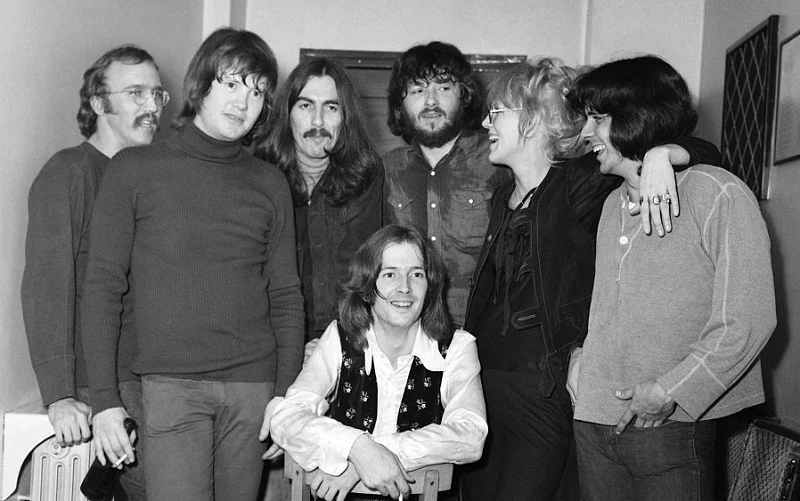
Harrison brings Clapton to Abbey Road and his bandmates behave for one afternoon
On 6 September 1968 Eric Clapton recorded the solo on While My Guitar Gently Weeps using the Les Paul he called Lucy. Harrison had talked him into it in the car on the way to the studio; Clapton kept saying that outsiders do not play on Beatles records. The side effect was exactly what Harrison wanted: with a guest in the room, nobody argued.
The Beatles
George Harrison
Eric Clapton
Listen
Via YouTube
1970
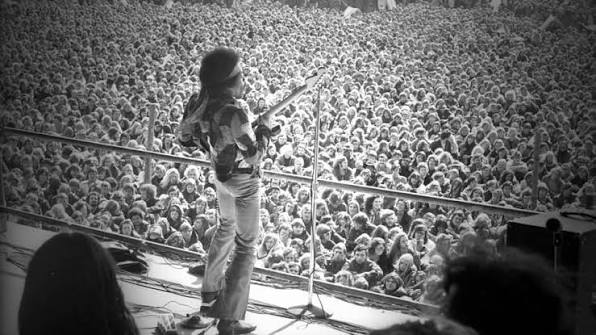
Hendrix walks onto a German stage through the boos and never plays in public again
On 6 September 1970, at the Love and Peace festival on the island of Fehmarn, a crowd worn down by days of rain, mud and broken schedules met him with jeers. He told them he did not care if they booed as long as they booed in tune, and opened with a Howlin' Wolf blues. It was his last concert: he died twelve days later in London.
Jimi Hendrix
Billy Cox
Mitch Mitchell
Listen
Via YouTube
1971
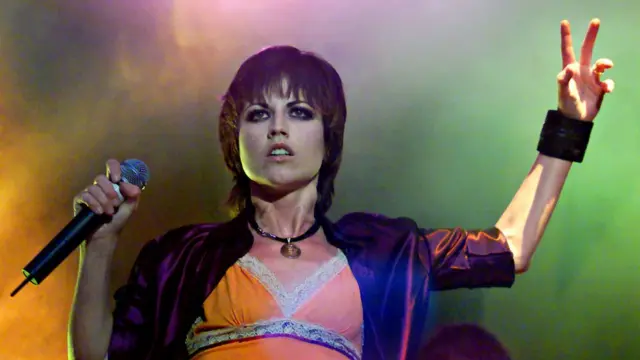
Dolores O'Riordan is born, the Irish voice that cried “Zombie” to the world
In County Limerick, Dolores O'Riordan is born; her Celtic-cracked voice made The Cranberries a global nineties phenomenon. “Zombie”, her furious protest against violence in Northern Ireland, proved an alternative ballad could also be a political statement. Her death in 2018 froze that unrepeatable voice in time.
Dolores O'Riordan
The Cranberries
Listen
Via YouTube
1994
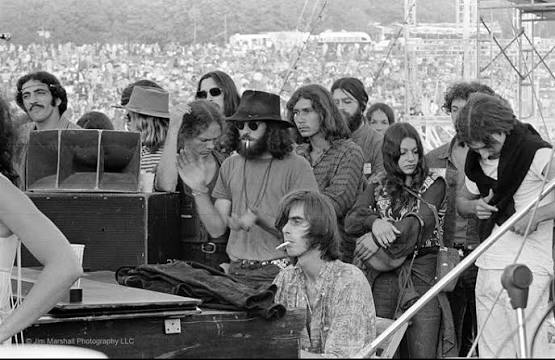
Nicky Hopkins dies, the pianist on everybody's records and nobody's sleeve
He died in Nashville on 6 September 1994, aged fifty, from complications of intestinal surgery: he had carried Crohn's disease since childhood, and that fragility pushed him into session work instead of touring. The piano on Sympathy for the Devil is his, and on Angie, on fourteen tracks of Exile on Main St. and on several from Imagine.
Nicky Hopkins
The Rolling Stones
The Who
John Lennon
Listen
Via YouTube
1997
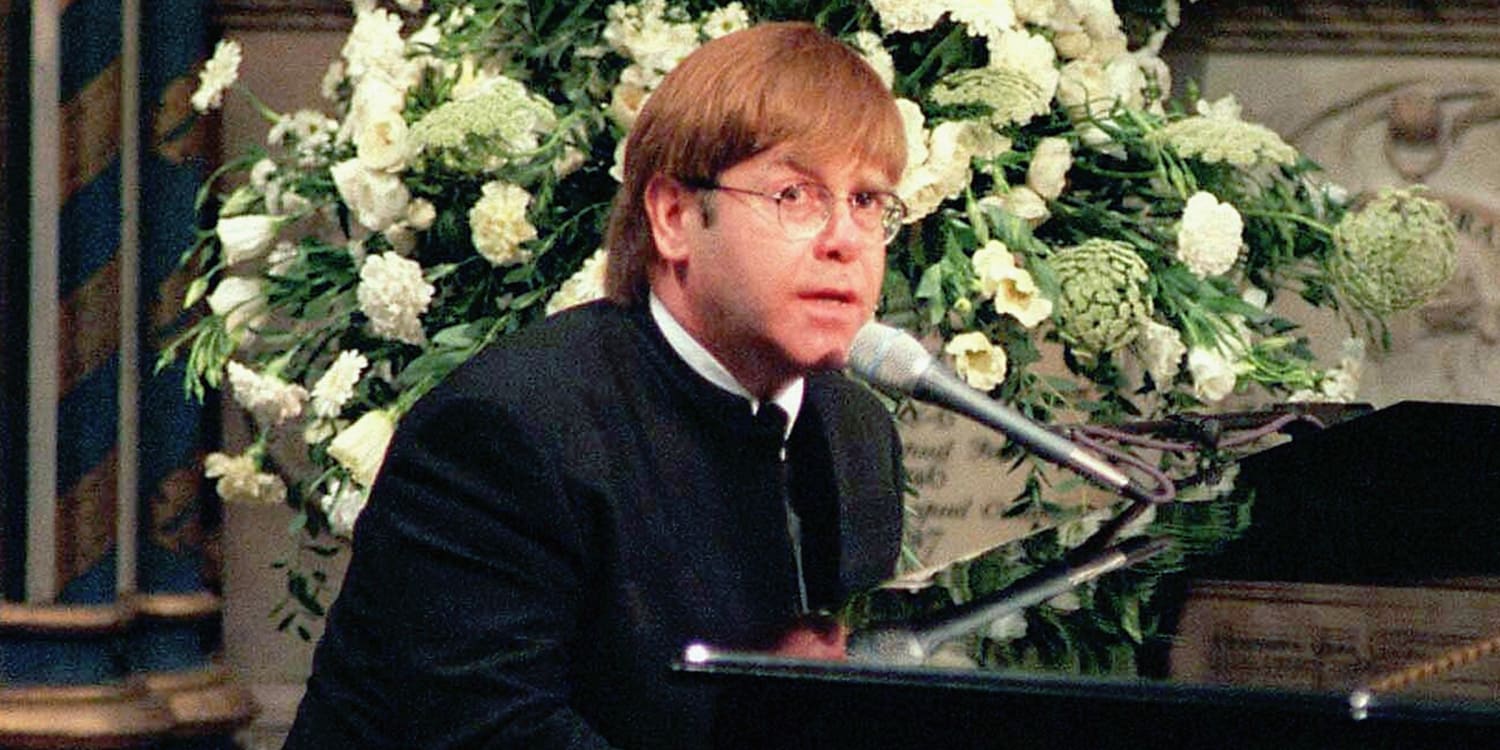
Elton John sings in the abbey in the morning and records the single that afternoon
On 6 September 1997 he performed the rewritten Candle in the Wind at Westminster for the funeral of Diana, Princess of Wales, then went straight to Townhouse Studios, where George Martin produced it that afternoon with strings and woodwind. Artist, writer and label proceeds all went to her charities. It is the best-selling single since charts began.
Elton John
George Martin
Bernie Taupin
Listen
Via YouTube
2011
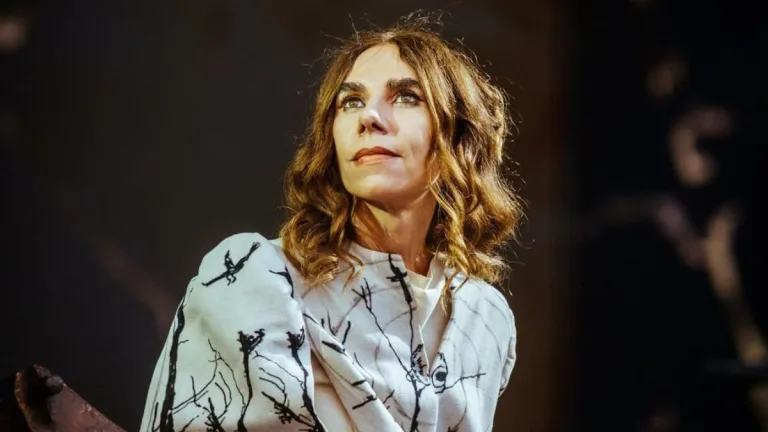
PJ Harvey wins the Mercury a second time and is still the only one to have done it
On 6 September 2011 the prize went to Let England Shake, an album about Gallipoli, the trenches and what a country tells itself about its wars, unlike anything else on the shortlist. Ten years earlier she had already won with Stories from the City, Stories from the Sea. That night she was up against, among others, Adele's 21.
PJ Harvey
Listen
Via YouTube
2025
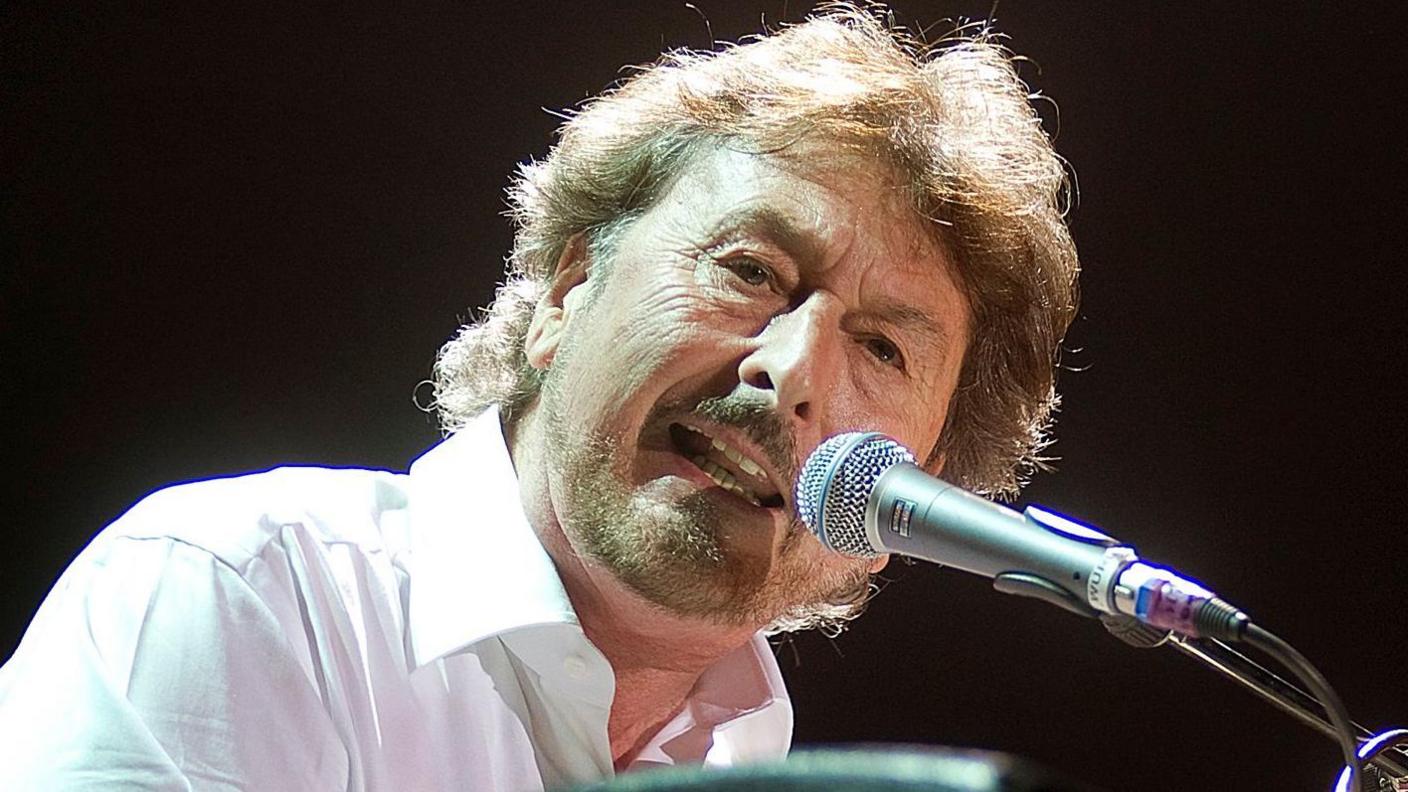
Rick Davies dies, the low voice that held up the other half of Supertramp
He died in East Hampton on 6 September 2025, aged eighty-one, after more than a decade with myeloma. Davies founded Supertramp in 1969 and supplied the counterweight: against Roger Hodgson's falsetto and bright melodies he brought electric piano, blues and songs like Bloody Well Right and Goodbye Stranger. When Hodgson left, he kept the name.
Rick Davies
Supertramp
Roger Hodgson
Listen
Via YouTube
1925
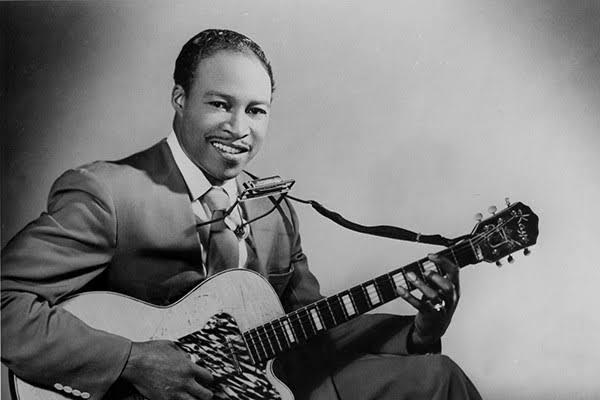
Jimmy Reed is born: the bluesman easiest to copy and hardest to match
On September 6, 1925, Jimmy Reed was born in Mississippi. He played a slow, dragging blues, harmonica on a neck rack, with a formula that looked elementary. Which is precisely why everybody copied him: the Rolling Stones, the Yardbirds, Elvis and Neil Young all recorded his songs. Illiterate and alcoholic, he had his wife whisper the lyrics in his ear during sessions. Apparent simplicity almost always hides an enormous craft.
Jimmy Reed
Listen
Via YouTube
1965
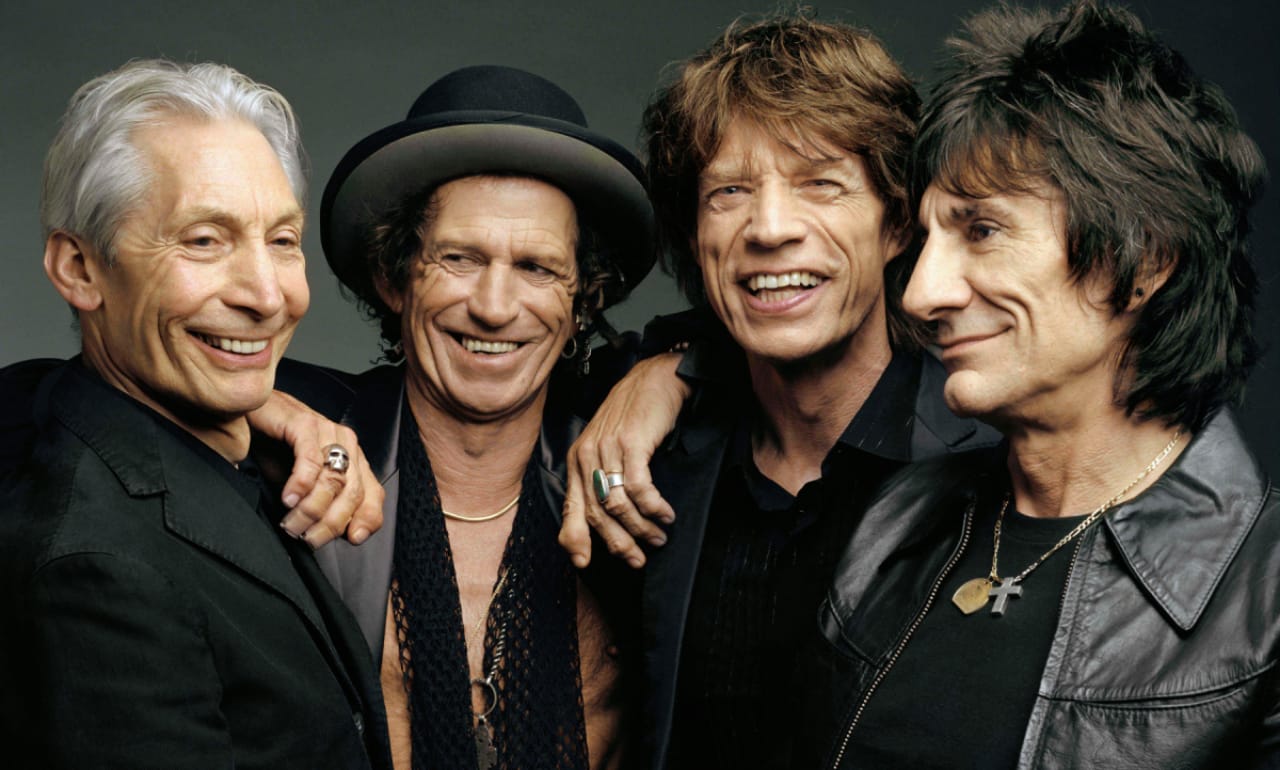
The Stones cut in Hollywood the follow-up Keith Richards never liked
On 6 September 1965, at RCA Studios in Hollywood, they began recording Get Off of My Cloud, the song charged with following Satisfaction. It went to number one on both sides of the Atlantic and Richards spent decades saying they had rushed it and spoiled it: he had imagined it slow, in the Lee Dorsey manner. The hurry belonged to the business, not to him.
The Rolling Stones
Keith Richards
Mick Jagger
Listen
Via YouTube
1966
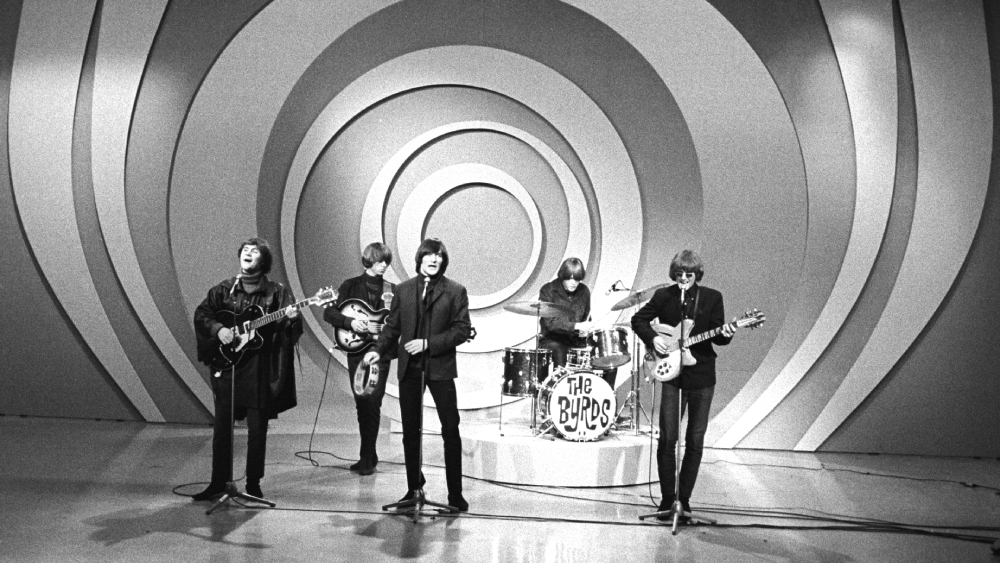
The Byrds release a single in the literal hope that aliens will hear it
Mr. Spaceman came out on 6 September 1966, the third single from Fifth Dimension, and stalled at number thirty-six in America. It sounds like a country joke, but Jim McGuinn meant it: he believed broadcasting it on the radio might make contact with somebody out there. He later learned that AM waves scatter far too quickly in space.
The Byrds
Roger McGuinn
Listen
Via YouTube
1967
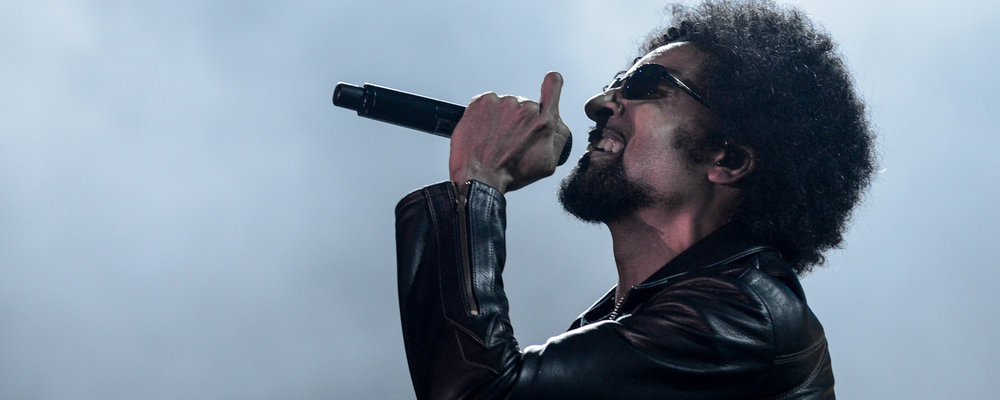
William DuVall is born, handed the most uncomfortable job in nineties rock
William DuVall was born in Washington, D.C. on 6 September 1967. Long before anyone connected him to Seattle he founded Neon Christ, an Atlanta hardcore band, while still a teenager. In 2006 he agreed to sing Layne Staley's repertoire alongside Jerry Cantrell, four years after Staley's death, knowing he would spend the rest of his career answering the same comparison.
William DuVall
Alice in Chains
Neon Christ
Listen
Via YouTube
1970
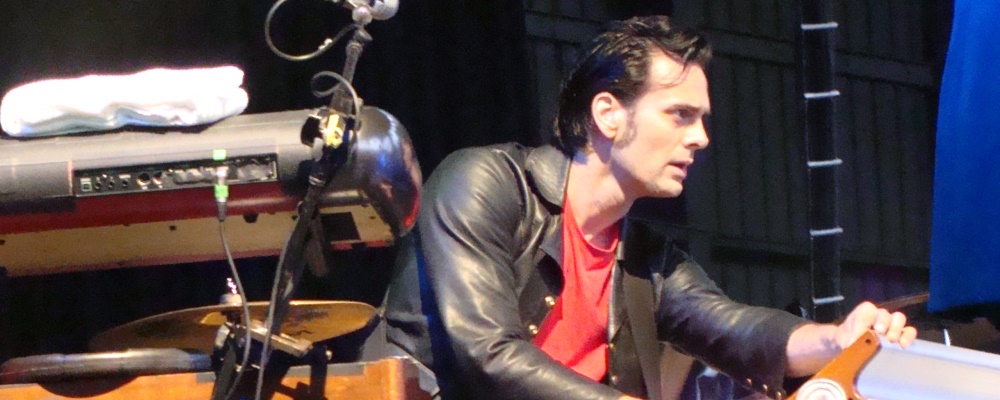
Dean Fertita is born, the keyboard player holding up half of Homme's and Jack White's records
Dean Fertita was born in Royal Oak, Michigan on 6 September 1970. He spent most of a decade fronting the Waxwings with almost nobody noticing, and since 2007 he has been the keyboards and second guitar in Queens of the Stone Age. With Jack White he built the Dead Weather. He is always in the credits; in the press photos, hardly ever.
Dean Fertita
Queens of the Stone Age
The Dead Weather
Listen
Via YouTube
1974
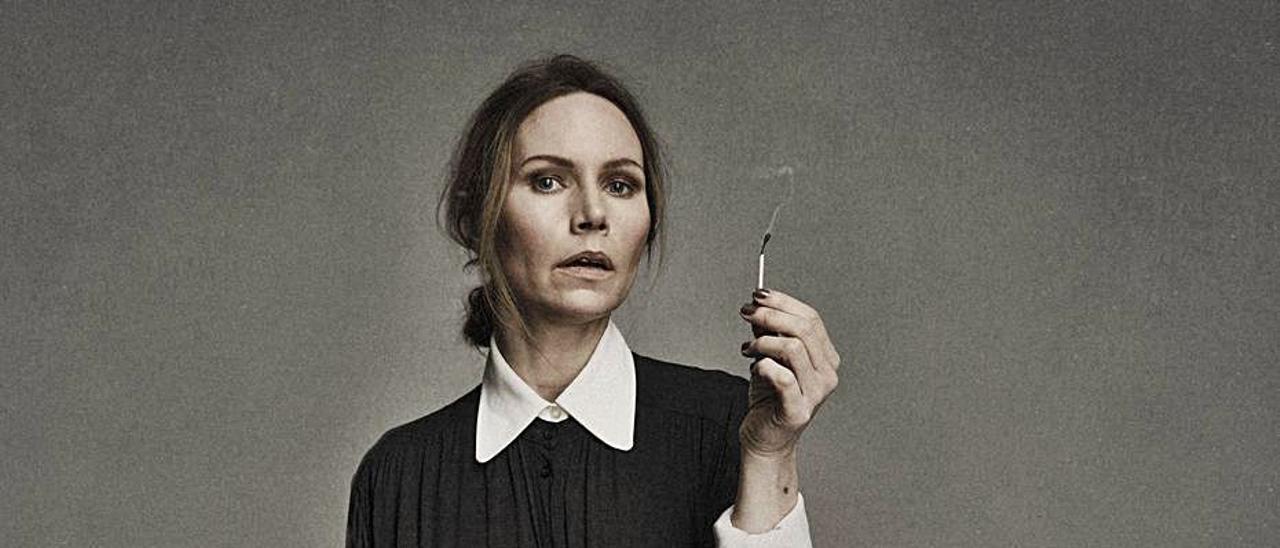
Nina Persson is born: the sweet voice that sang horrible things
On September 6, 1974, Nina Persson was born in Sweden. With The Cardigans she built a trick almost nobody executes well: luminous melodies and sixties pop arrangements wrapped around lyrics about heartbreak, violence and weariness. 'Lovefool' was played at weddings for twenty years despite being about someone begging to be lied to. Sweden became a pop-exporting power, and they were among the first.
Nina Persson
The Cardigans
Listen
Via YouTube
1975
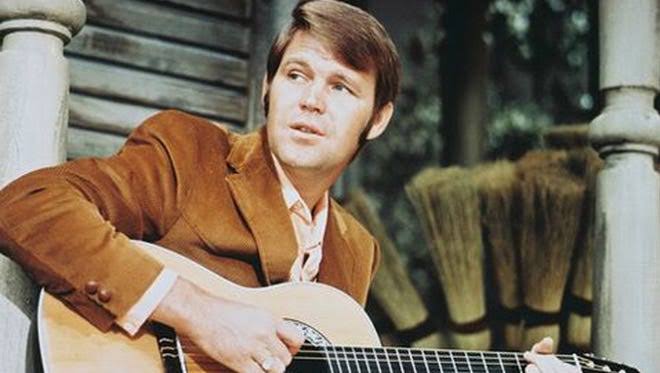
'Rhinestone Cowboy' hits number one and a session player becomes a star
On September 6, 1975, Glen Campbell's 'Rhinestone Cowboy' was number one in the United States. Before he had a famous face, Campbell had been a guitarist in the Wrecking Crew, the session players who appeared on hundreds of other people's sixties hits, including Beach Boys records. The song is about exactly that: enduring years of anonymity while waiting for a break that may never come.
Glen Campbell
Listen
Via YouTube
1975
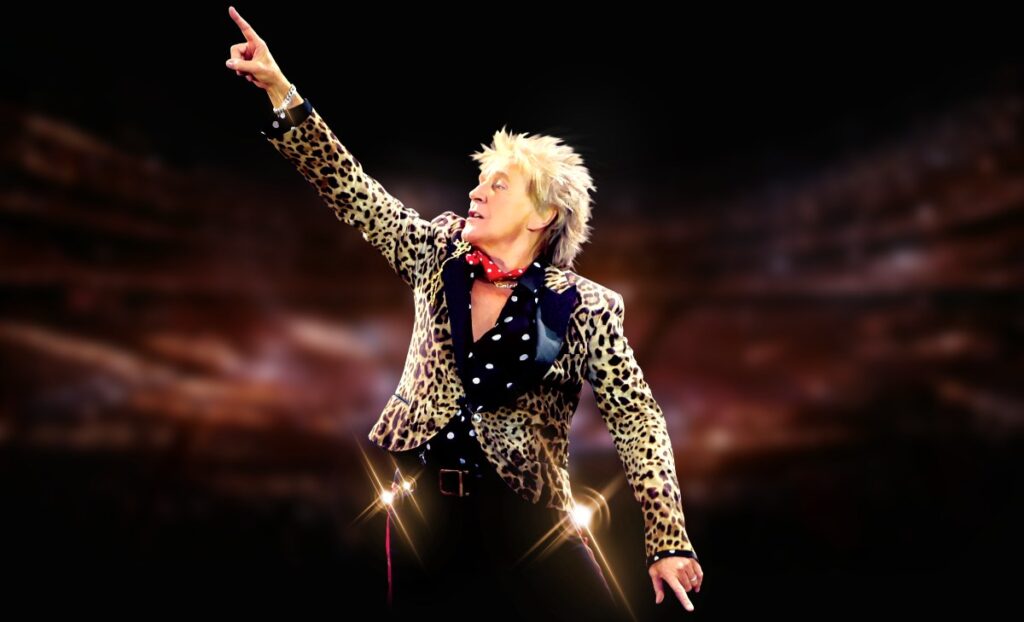
Sailing tops the British chart and turns into a terrace anthem by accident
The chart dated 6 September 1975 put Rod Stewart at the top, where he stayed four weeks. The song was not his: the Sutherland Brothers had written it two years earlier, a prayer dressed up as a sea shanty. It returned to the chart the following year after the BBC used it in a documentary about an aircraft carrier, and from there it reached the stands.
Rod Stewart
Sutherland Brothers
Listen
Via YouTube
1978
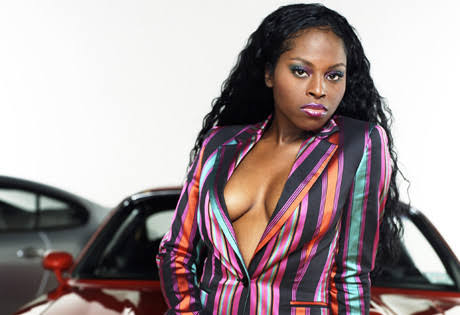
Foxy Brown is born: the teenager who rapped toe to toe with Jay-Z
On September 6, 1978, Inga Marchand was born in Brooklyn. At sixteen she was already appearing on Jay-Z and LL Cool J records, and at eighteen she released 'Ill Na Na', which sold millions. Alongside Lil' Kim she established a figure rap hadn't had: the woman who talked about sex and money with the same bluntness as the men, apologising for neither. Deafness later pushed her out of the trade.
Foxy Brown
Listen
Via YouTube
1980
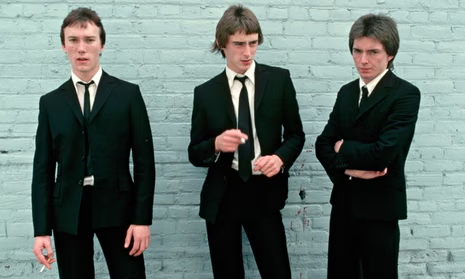
Start! goes to number one on a riff borrowed from the Beatles without asking
On the chart for the week ending 6 September 1980 the Jam took their second British number one. The riff and the bass line come straight out of the Beatles' Taxman, and Bruce Foxton admitted it plainly: they were playing Revolver constantly and it simply worked its way in. He joked that if the two had been identical, McCartney would have called his lawyers.
The Jam
Paul Weller
Bruce Foxton
Listen
Via YouTube
1989
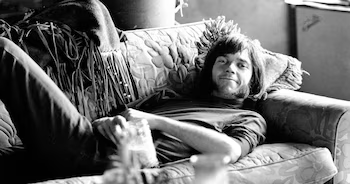
MTV names video of the year one it had refused to broadcast
On 6 September 1989, at the Universal Amphitheatre, the top award went to Neil Young's This Note's for You: a head-on mockery of musicians who rent their songs to brands. The channel itself had banned it for showing trademarks. He won nothing else that night, and was nominated in no other category. The joke landed perfectly.
Neil Young
Listen
Via YouTube
1989
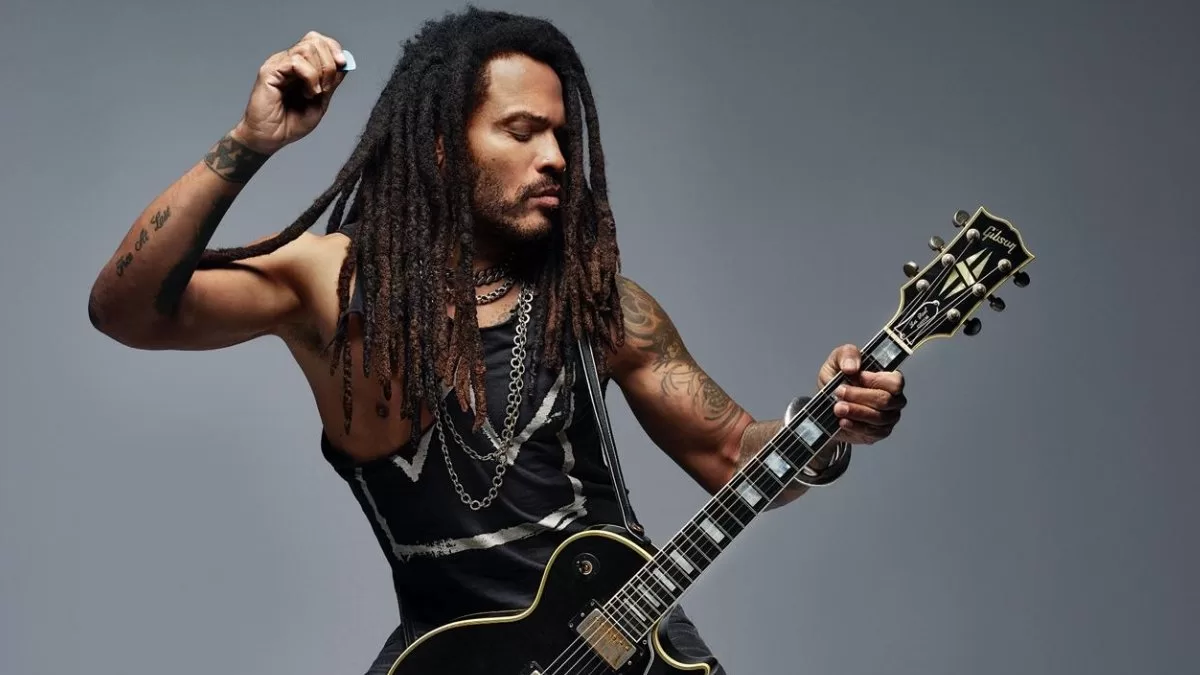
Lenny Kravitz debuts by playing almost everything himself and sounding twenty years out of date
Let Love Rule came out on 6 September 1989 on Virgin. Kravitz wrote, produced and played nearly all of it, on analogue gear and with an obsession for a late-sixties sound that, at the height of the synthesiser, looked like commercial suicide. It stopped at sixty-one in America and sold anyway. Lisa Bonet, then his wife, co-wrote some of the lyrics.
Lenny Kravitz
Lisa Bonet
Listen
Via YouTube
1993
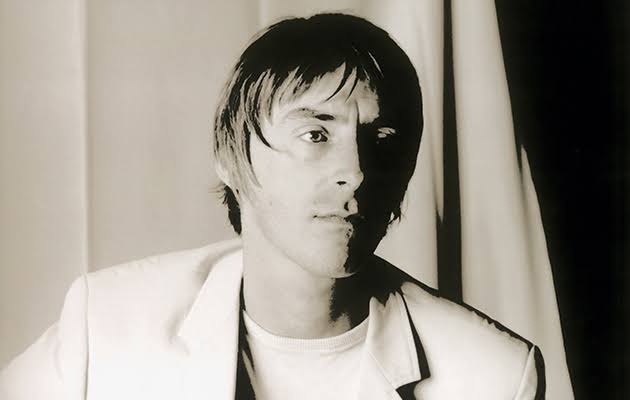
Wild Wood gives Paul Weller his pulse back just before Britpop arrives
It came out on 6 September 1993 on Go! Discs, produced with Brendan Lynch: electric folk, organ and a dry studio sound straight out of 1971. Number two in Britain. After the chamber-pop years of the Style Council, Weller sounded convinced of something again, and half a generation of bands about to appear took notes on how he had done it.
Paul Weller
Brendan Lynch
Listen
Via YouTube
1997
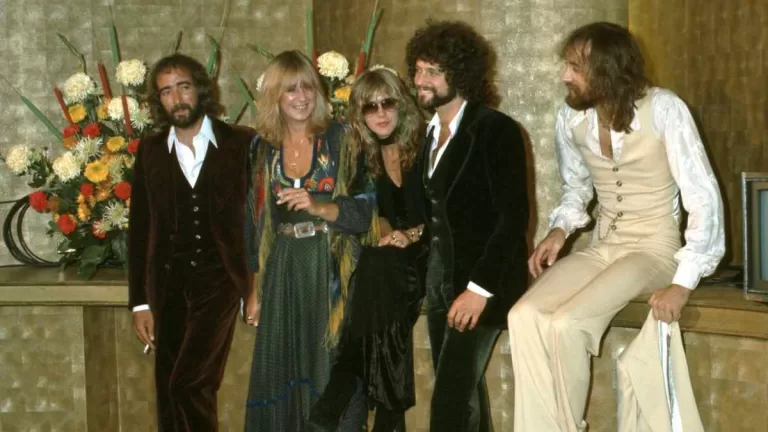
The Rumours line-up gets together for one night and the live album enters at number one
On the American chart dated 6 September 1997, The Dance entered at the top with almost two hundred thousand copies in a week. It had been recorded at a single May concert on a Burbank soundstage, with the five of Rumours playing together for the first time since 1987. Ten years apart and one night's work were enough to run the market again.
Fleetwood Mac
Lindsey Buckingham
Stevie Nicks
Listen
Via YouTube
2004
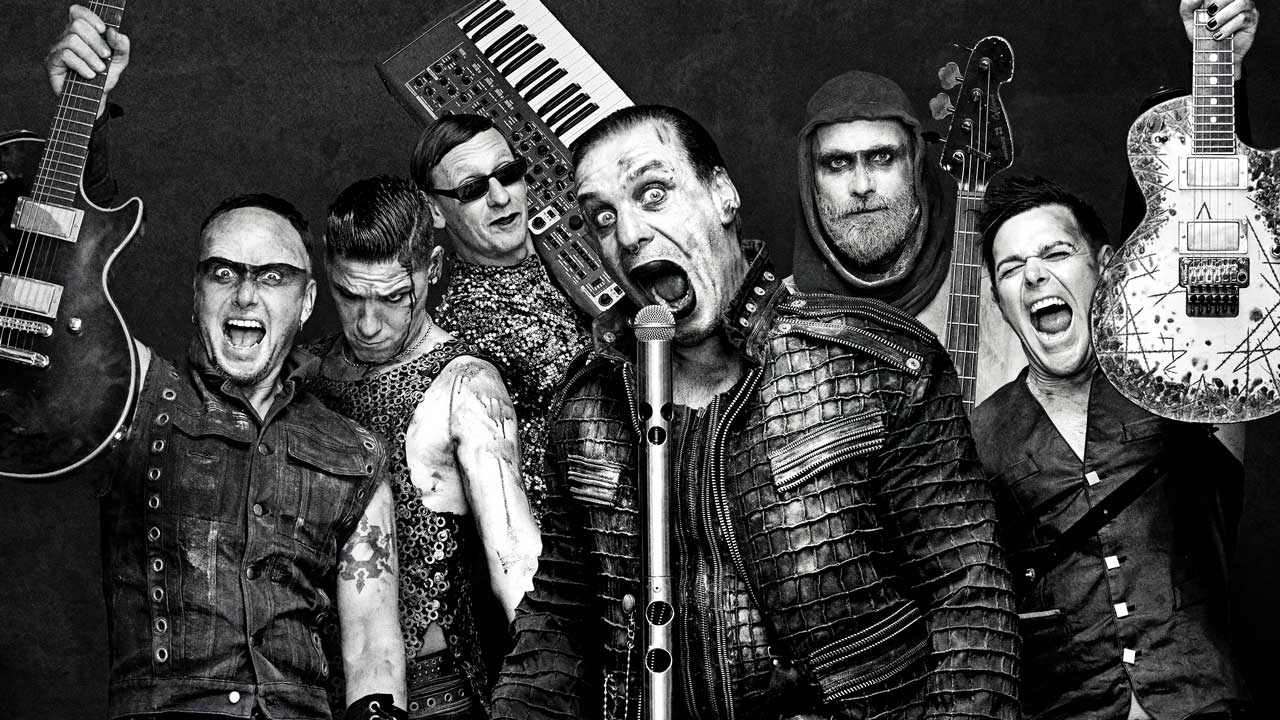
Rammstein release Amerika and shoot the video on a papier-mâché Moon
The single came out on 6 September 2004 ahead of Reise, Reise and reached number two in Germany. The song mocks the Americanisation of the planet and the video carries the joke to the end: the six of them pose on the Moon in Apollo-era suits, Buddhist monks eat hamburgers, and the last shot reveals the studio set. Lindemann's suit is stitched Armstrong.
Rammstein
Till Lindemann
Listen
Via YouTube
2004
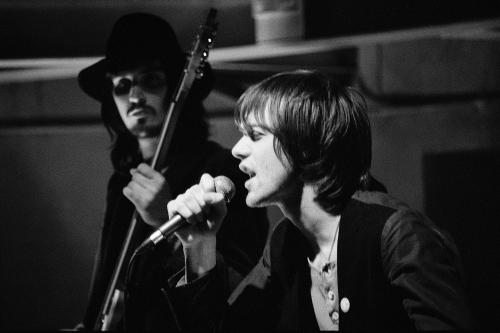
Kasabian debut by crossing Madchester with a disco kick drum and fall just short
The Leicester band's first album came out on 6 September 2004 and reached number four in Britain: the only record of their career that failed to hit number one. They took the swagger of the nineties Manchester groups, added loops and cheap synthesisers and sold more than a million copies in the UK alone.
Kasabian
Tom Meighan
Sergio Pizzorno
Listen
Via YouTube
2010
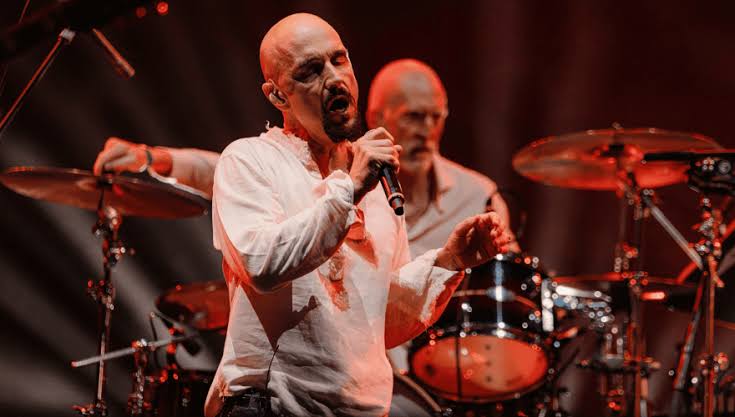
James release the hangover to the album they put out in April
The Morning After came out on 6 September 2010, five months after The Night Before and designed as its exact counterweight: where the first was euphoric, this one is slow and in no mood for a party. Two mini-albums instead of one long record, an odd decision for a band twenty-five years in that still refused to repeat itself.
James
Tim Booth
Listen
Via YouTube
One ephemeris a day, one editorial a week. Zero spam, pure archive.