
Chapter 01 — Today in music
On a day like today October 14
1977
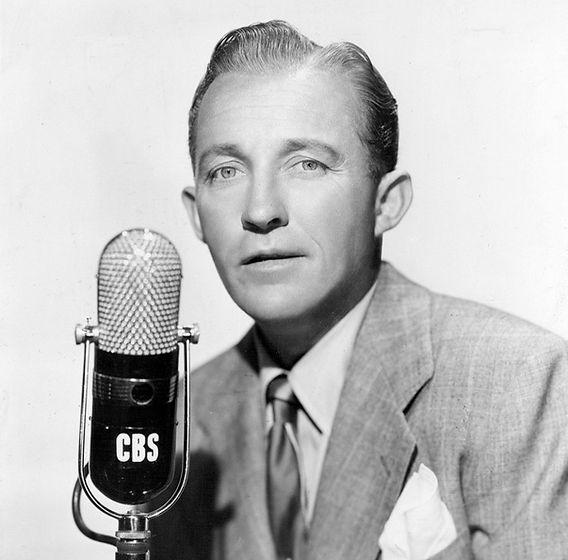
Bing Crosby dies, the first superstar of the microphone era
Bing Crosby dies of a heart attack on a golf course near Madrid, aged 74. He was the first singer to understand the microphone as an intimate instrument, and his “White Christmas” remains the best-selling single in history. Without his relaxed phrasing there would be no Sinatra, no Elvis, no modern idea of the popular singer.
Bing Crosby
Listen
Via YouTube
1940
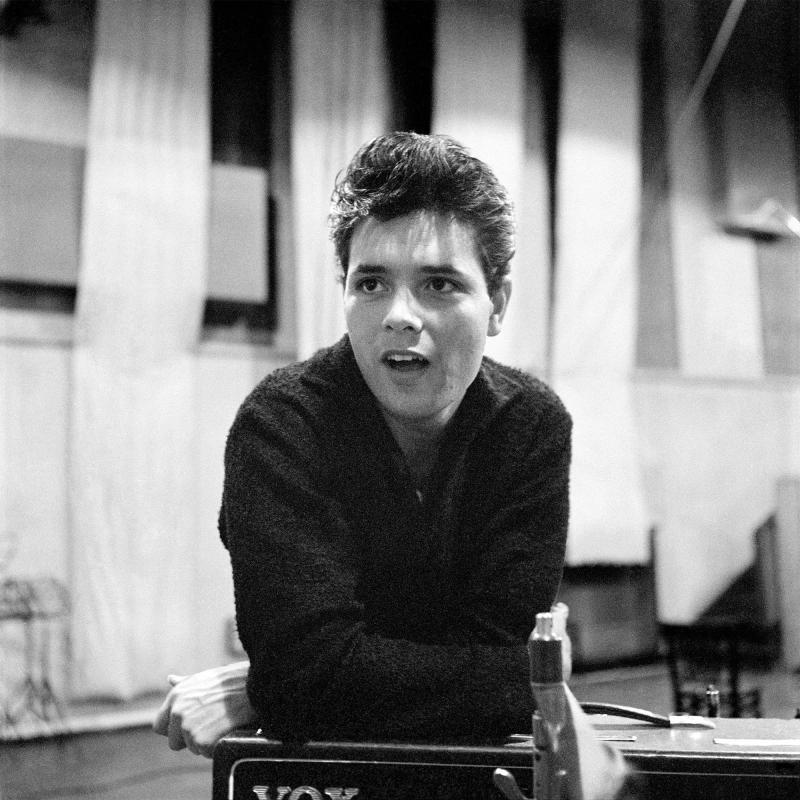
Cliff Richard is born, British rock's first idol
Cliff Richard is born in Lucknow, India; with “Move It” (1958) he signed what many consider the first great British rock and roll record, before the Beatles. With The Shadows he dominated the UK charts and built hit careers across six different decades. He was proof that rock could grow outside the United States.
Cliff Richard
Listen
Via YouTube
1967
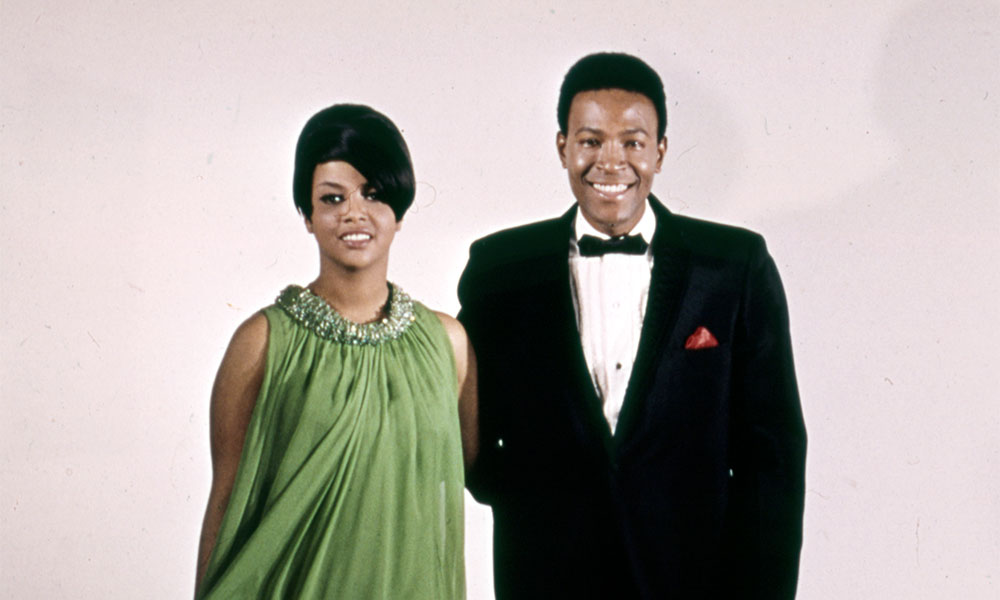
Tammi Terrell collapses into Marvin Gaye's arms mid-song
On 14 October 1967, on stage at Hampden-Sydney College in Virginia, the twenty-two-year-old singer fainted during a duet and fell into Marvin Gaye's arms. It was not exhaustion: a malignant brain tumour that would put her through eight operations in little more than two years. She died in March 1970, and Gaye shut himself away until “What's Going On”.
Tammi Terrell
Marvin Gaye
Listen
Via YouTube
1968
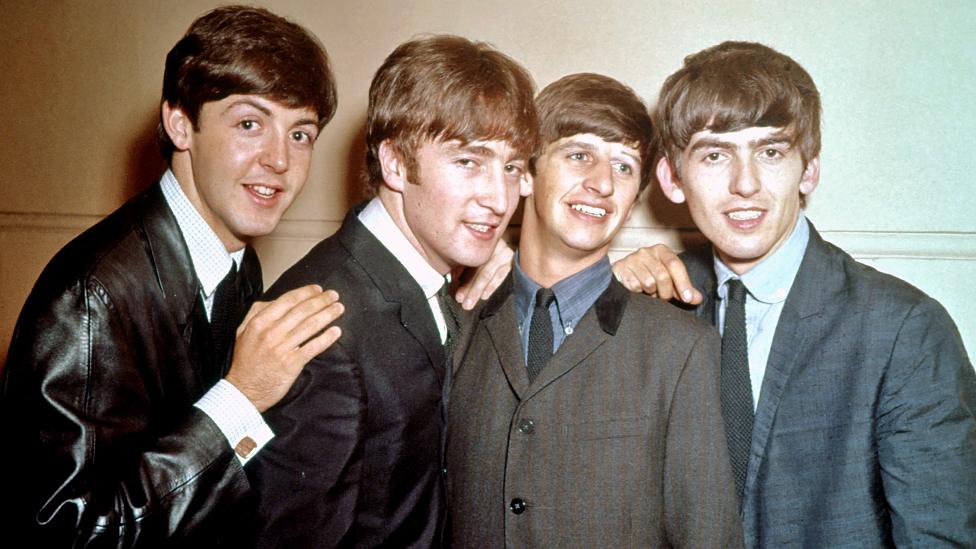
The Beatles finish recording the album that nearly dissolved them
On 14 October 1968 the sessions for the white double album ended, four and a half months after they began. They were the longest and most strained recordings of the band's life: Ringo walked out for a few days in the summer, the engineer resigned halfway through, and each of them worked on his own songs treating the others as session players.
The Beatles
Listen
Via YouTube
1978
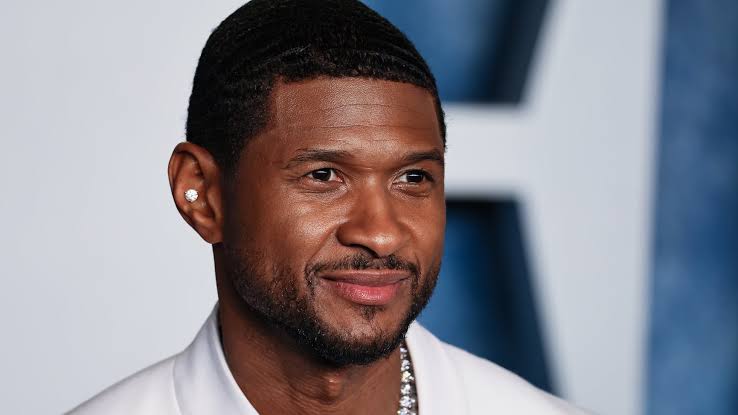
Usher is born, whose 2004 album was the decade's best seller in the United States
On October 14, 1978, Usher Raymond was born in Dallas. He signed to a label at fourteen and spent a stretch living at Puff Daddy's house to learn the trade. In 2004 he released "Confessions", an album about infidelity and guilt that sold more than ten million copies in the United States alone. Years later he found a Canadian teenager named Justin Bieber on the internet and signed him.
Usher
Justin Bieber
Listen
Via YouTube
1985
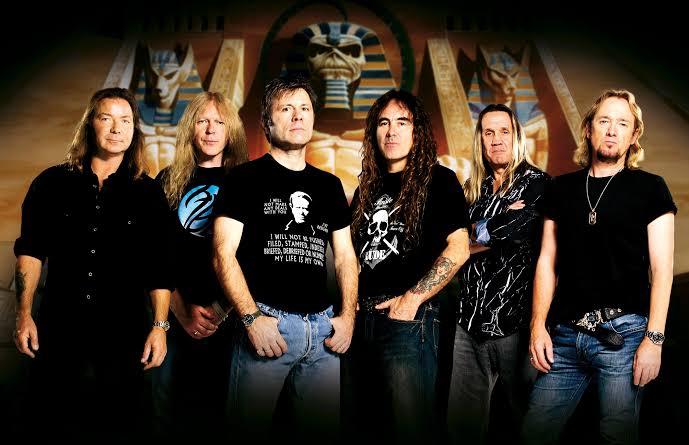
Iron Maiden bottle the endless tour that nearly drained them
On 14 October 1985 “Live After Death” came out, taped at the Long Beach Arena in California and at London's Hammersmith Odeon at the end of thirteen unbroken months on the road. It is the live album from which most of the heavy metal that followed learned how to fill a stadium, with Eddie rising from a grave under a Lovecraft epitaph.
Iron Maiden
Bruce Dickinson
Listen
Via YouTube
1990
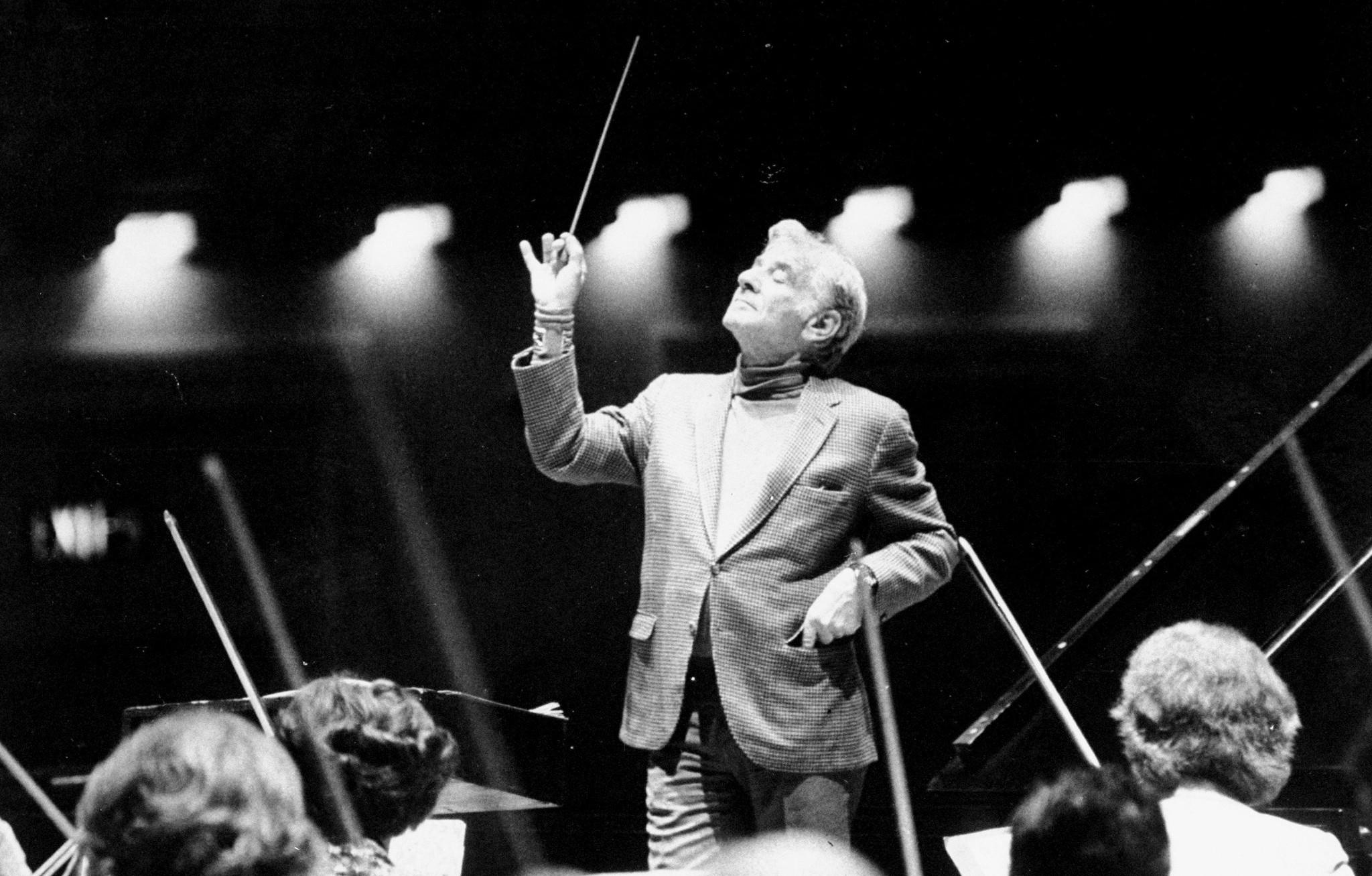
Leonard Bernstein dies, the man who made the podium and Broadway fit together
On 14 October 1990 the conductor who wrote “West Side Story” and explained Mahler to an entire country on television died of a heart attack in New York, aged seventy-two. Ten months earlier he had conducted Beethoven's Ninth in Berlin to mark the fall of the Wall, changing the word joy in the text to the word freedom.
Leonard Bernstein
Listen
Via YouTube
1991
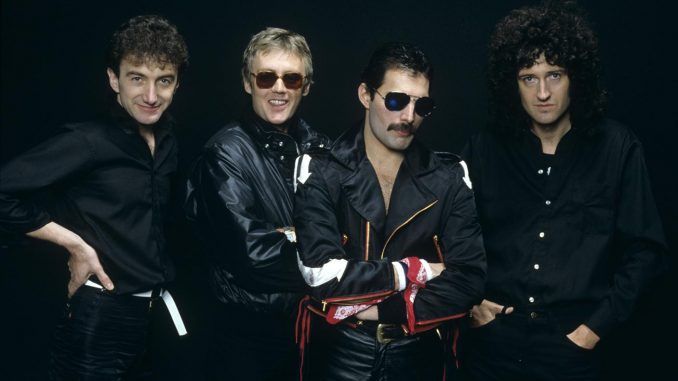
Mercury nails in one take the song he already knew was his farewell
On 14 October 1991 “The Show Must Go On” was released in the UK. Brian May had written it while doubting out loud that his singer could manage the range; Mercury drank a vodka, said he would do it anyway and nailed it in one go. He died six weeks later. Nobody has ever recorded a less disguised last will.
Queen
Freddie Mercury
Brian May
Listen
Via YouTube
1995
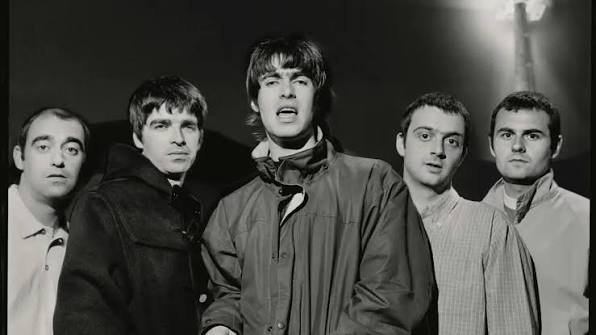
The best-selling British album of the nineties enters straight at number one
On the UK chart dated 14 October 1995, “(What's the Story) Morning Glory?” entered at number one. It would total ten weeks up there across that year and the next, and end up the best-selling album of the decade in Britain. The critics received it with reservations and the country adopted it anyway, past saturation and beyond.
Oasis
Noel Gallagher
Liam Gallagher
Listen
Via YouTube
1930
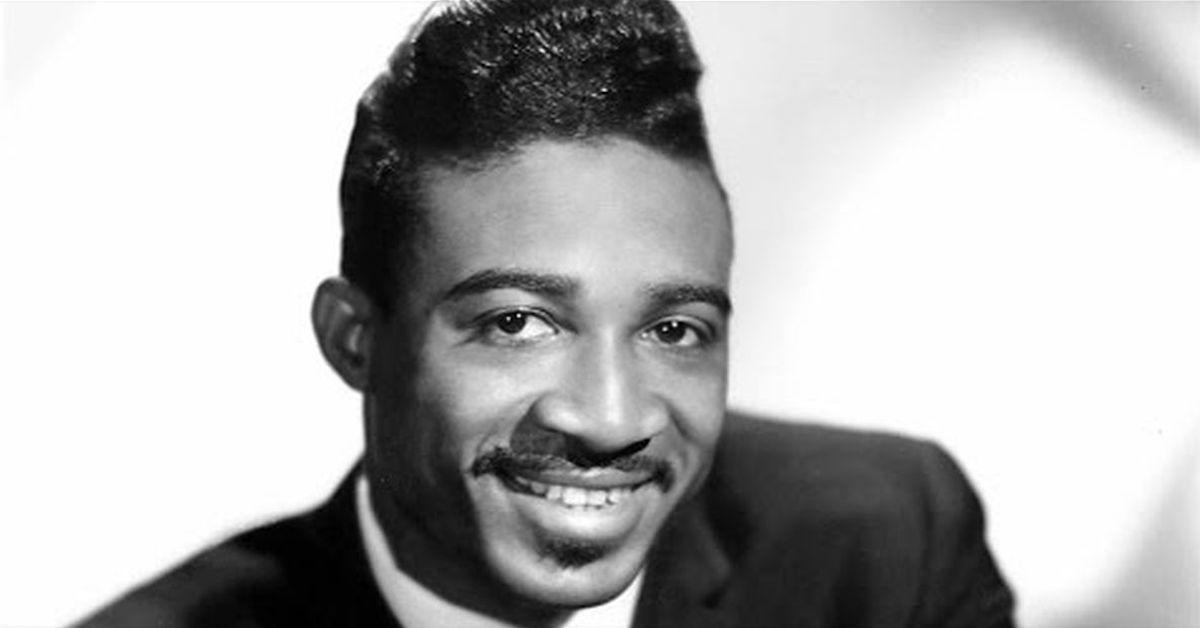
Robert Parker is born: the saxophonist who one day decided to sing and hit the top ten
On October 14, 1930, Robert Parker was born in New Orleans. He spent the fifties playing sax on sessions for Professor Longhair and other giants of the city without his name ever appearing. In 1966, at thirty-five, he stepped up to the microphone himself and recorded "Barefootin'", a party record with an unforgettable riff that reached the American top ten.
Robert Parker
Listen
Via YouTube
1946
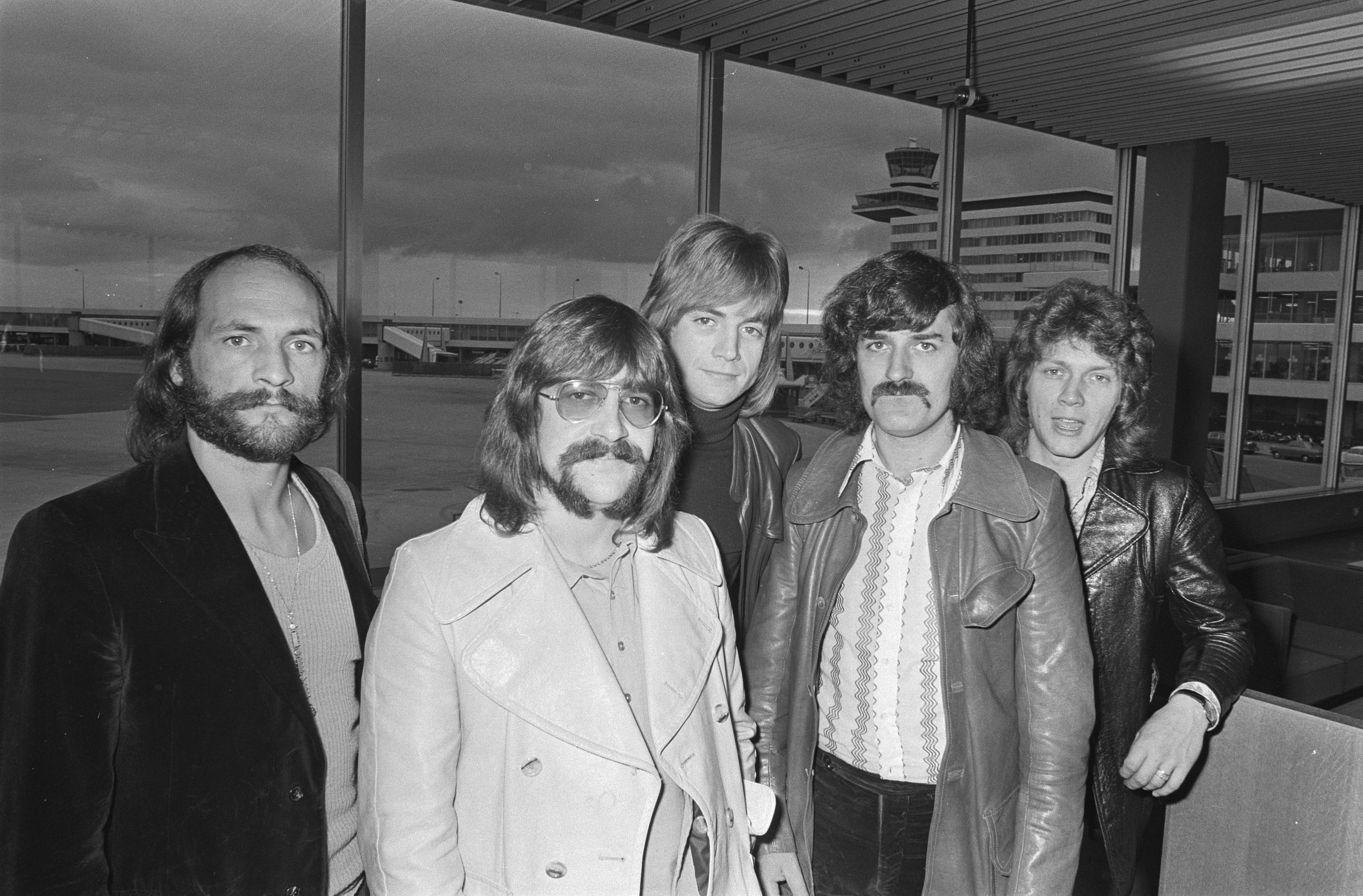
Justin Hayward is born, who wrote "Nights in White Satin" at nineteen
On October 14, 1946, Justin Hayward was born in Swindon. He joined the Moody Blues in 1966 when the band was on the point of breaking up. At nineteen he wrote "Nights in White Satin", a song about the end of a relationship that the label accepted reluctantly because it ran over seven minutes. Their album "Days of Future Passed", recorded with an orchestra, was one of the starting points of progressive rock.
Justin Hayward
The Moody Blues
Listen
Via YouTube
1962
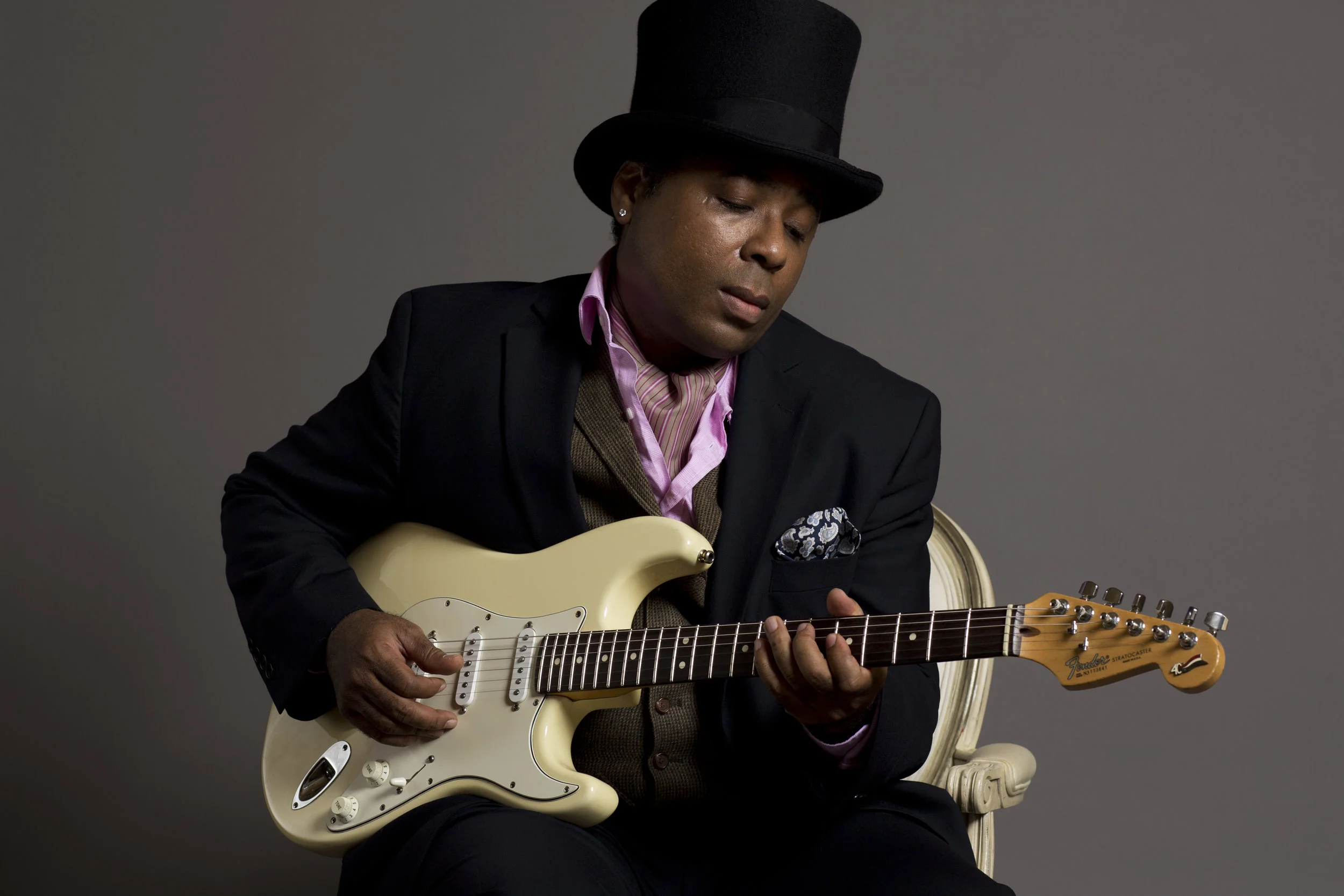
Chris Thomas King is born: the bluesman who played a bluesman in the movies
On October 14, 1962, Chris Thomas King was born in Baton Rouge, son of a musician who ran a blues club where he grew up listening to the veterans. He mixed the genre with hip-hop when that still scandalised purists. In 2000 he played Tommy Johnson in "O Brother, Where Art Thou?", the character who sells his soul at the crossroads, and its soundtrack sold eight million copies.
Chris Thomas King
Listen
Via YouTube
1965
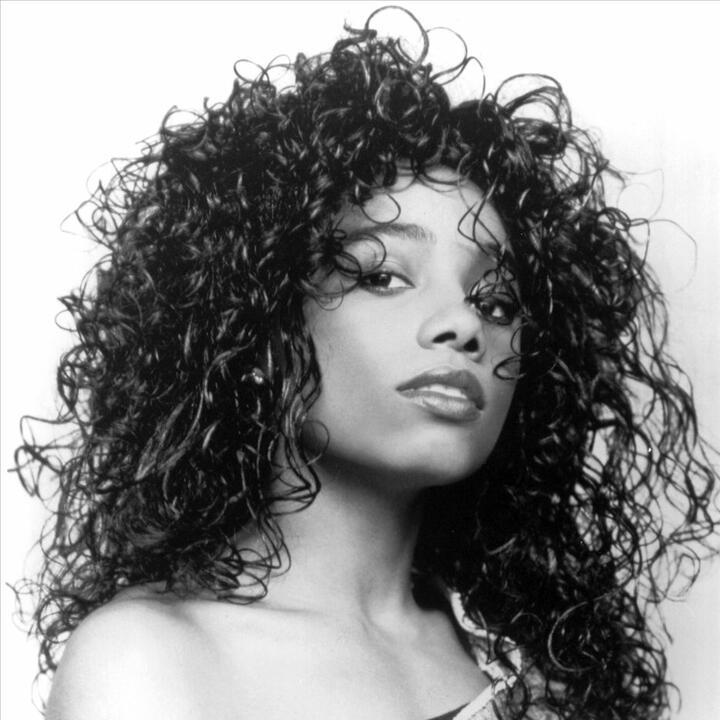
Karyn White is born, whose "Superwoman" became the anthem of women who do everything
On October 14, 1965, Karyn White was born in Los Angeles. She worked as a backing singer before signing her first deal. In 1988 "Superwoman" — a ballad about a woman tired of holding up a house and a marriage on her own — made her a major rhythm and blues name. Three years later "Romantic", produced by Babyface, went to number one on the main chart. She retired young to raise her children and came back twenty years later.
Karyn White
Babyface
Listen
Via YouTube
1969
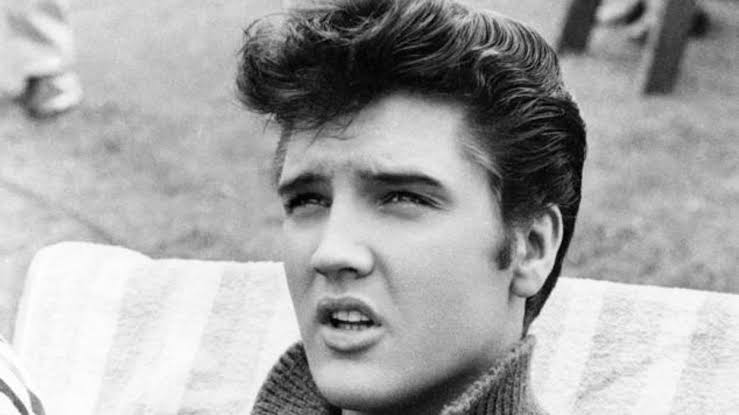
Elvis releases a double album named after the two cities that explain him
On 14 October 1969 “From Memphis to Vegas / From Vegas to Memphis” came out: one live record from the International Hotel in Las Vegas, where he had just returned to the stage after eight years of films, and one cut at American Sound in Memphis, the session that gave him his appetite back. One box holds everything that came next.
Elvis Presley
Listen
Via YouTube
1983
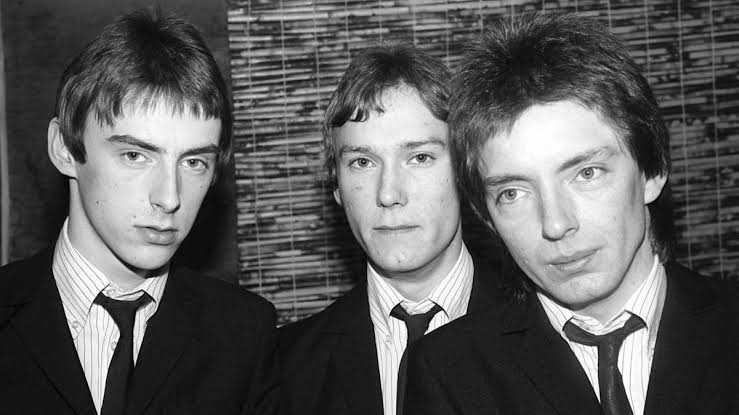
The best compilation possible arrives a year after the break-up
On 14 October 1983 “Snap!” appeared, a double album gathering all sixteen of The Jam's UK singles plus B-sides and offcuts. Weller had dissolved the band at its peak, aged twenty-four, to start The Style Council and play something else. The collection explains half of England's annoyance: six years without releasing a single piece of filler.
The Jam
Paul Weller
Listen
Via YouTube
1985
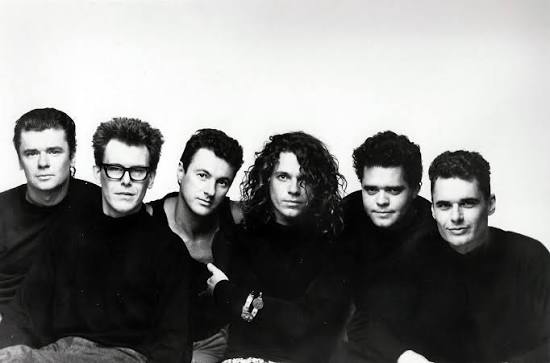
The producer said a single was missing and out came “What You Need”
On 14 October 1985 “Listen Like Thieves” was released, the album on which INXS stopped being an Australian band. Chris Thomas, fresh from the Sex Pistols and Roxy Music, heard what they had and warned them there was nothing on it that could open doors; they locked themselves away and produced their first American top five. “Kick” came two years later.
INXS
Michael Hutchence
Chris Thomas
Listen
Via YouTube
1989
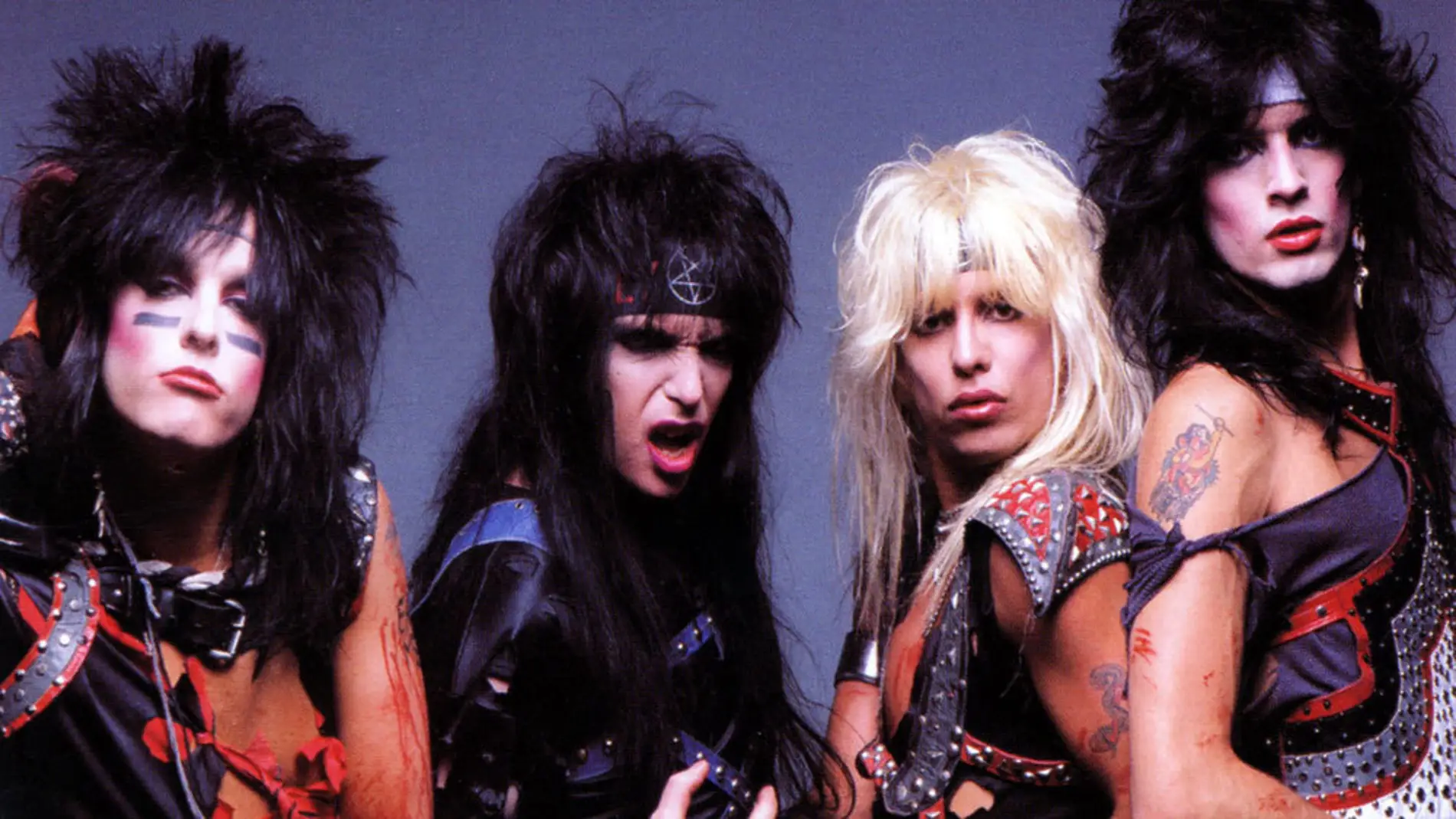
Mötley Crüe hit number one with the first record they made sober
On the Billboard chart dated 14 October 1989, “Dr. Feelgood” reached number one, the only chart-topper of Mötley Crüe's career. They had cut it in Vancouver with Bob Rock, straight out of rehab, after years running on heroin, vodka and car crashes. It turned out they played better with nothing in them.
Mötley Crüe
Bob Rock
Listen
Via YouTube
1996
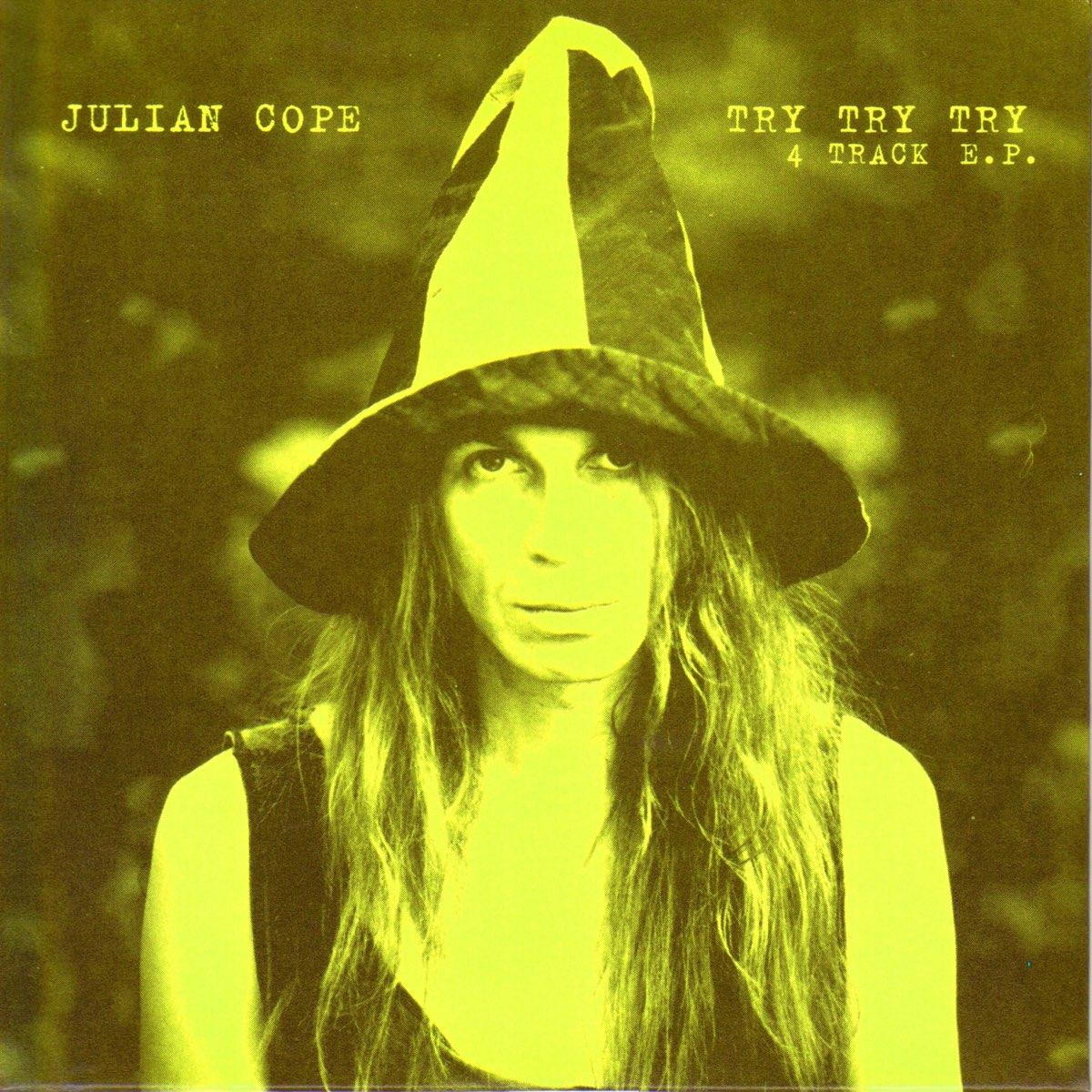
Julian Cope remembers he also knew how to write choruses
On 14 October 1996 “Interpreter” came out in the UK, the album on which the former Teardrop Explodes singer returned to pop after years devoted to krautrock, prehistoric stone circles and writing books about both. It did not appear in the United States until almost a year later, by which point nobody was asking.
Julian Cope
Listen
Via YouTube
1997
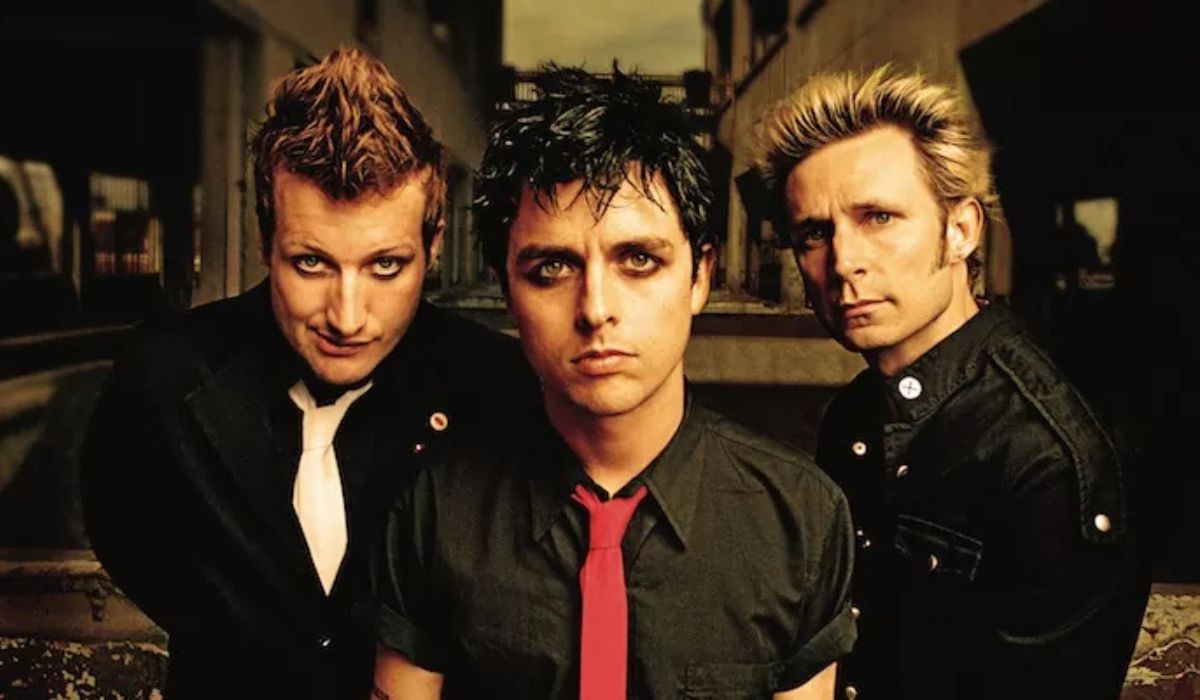
Green Day put a string quartet on a punk record and get away with it
On 14 October 1997 “Nimrod” came out, the album on which the Berkeley band tried surf, ska and hardcore to avoid repeating themselves. In the middle of it they left “Good Riddance”, an acoustic song with strings written after a break-up, which television turned into the official anthem of every farewell. Much of the punk audience never forgave them.
Green Day
Billie Joe Armstrong
Listen
Via YouTube
2003
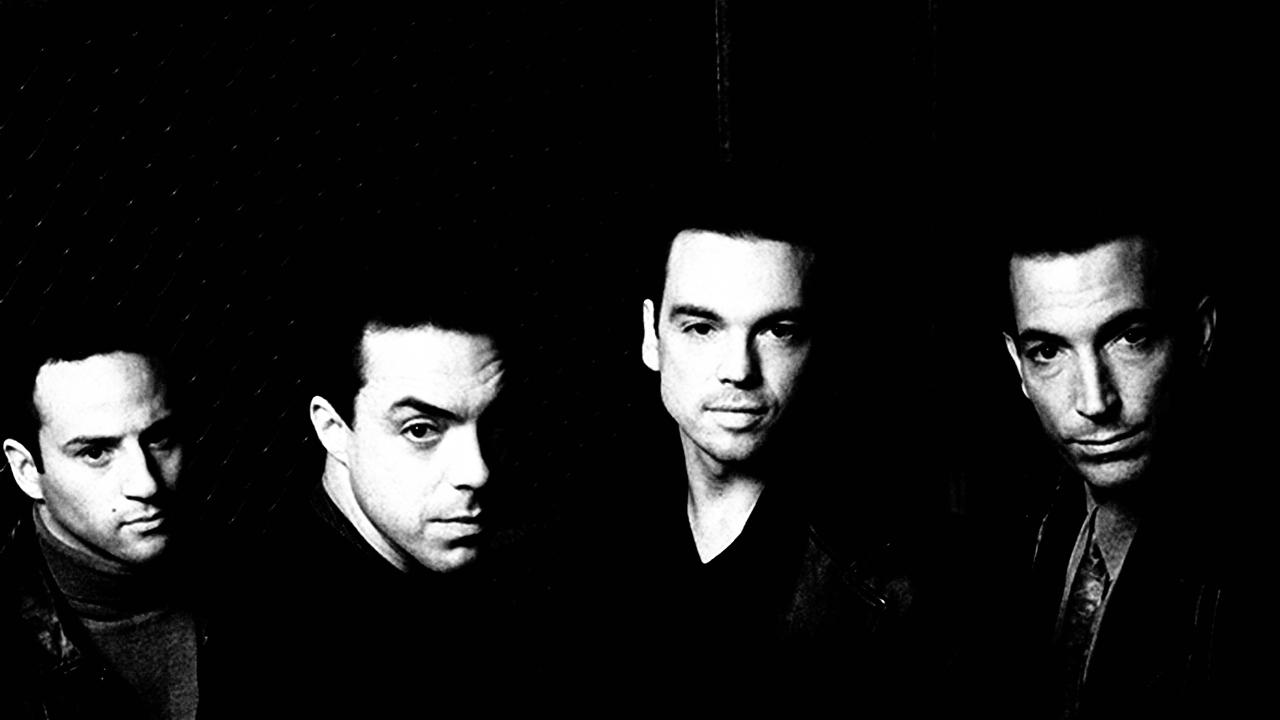
Greg Dulli makes an entire album about a friend's death
On 14 October 2003 “Blackberry Belle” came out, The Twilight Singers' second album and an undisguised mourning for the film director Ted Demme, dead of a heart attack playing basketball at thirty-eight. Dulli dropped what he was working on and recorded this instead. Mark Lanegan turns up at the end, with the deepest voice then available.
The Twilight Singers
Greg Dulli
Mark Lanegan
Listen
Via YouTube
2007
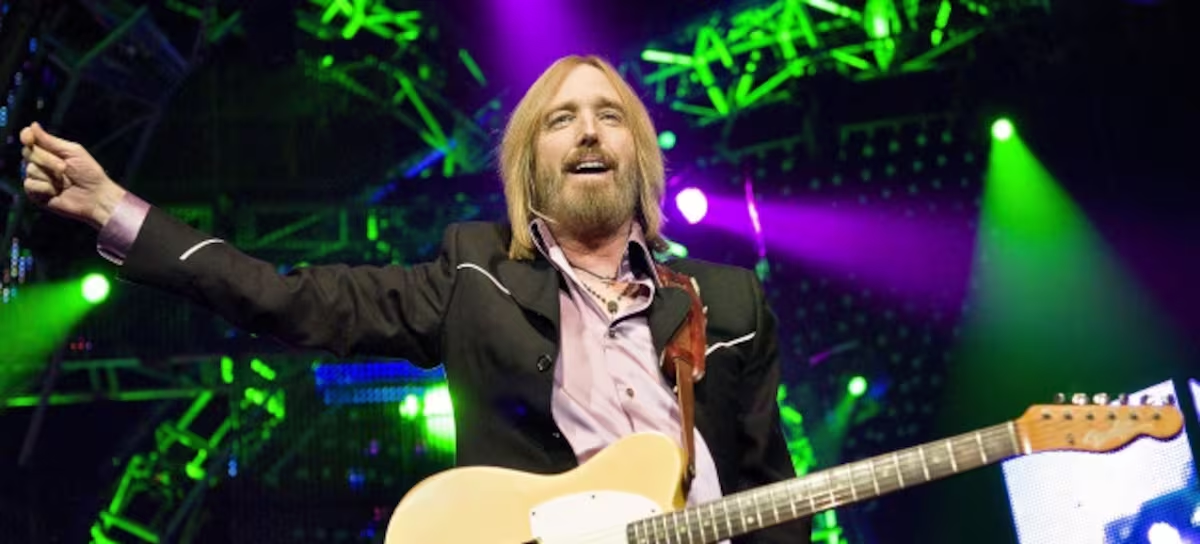
Four hours of documentary to tell all of Tom Petty
On 14 October 2007 “Runnin' Down a Dream” premiered at the New York Film Festival, Peter Bogdanovich's portrait of Tom Petty and the Heartbreakers: two hundred and thirty-eight minutes running from Mudcrutch to the thirtieth-anniversary concert in Gainesville. Petty had enough history to carry the running time without a single yawn.
Tom Petty
Tom Petty and the Heartbreakers
Peter Bogdanovich
Listen
Via YouTube
One ephemeris a day, one editorial a week. Zero spam, pure archive.