
Chapter 01 — Today in music
On a day like today October 15
1964
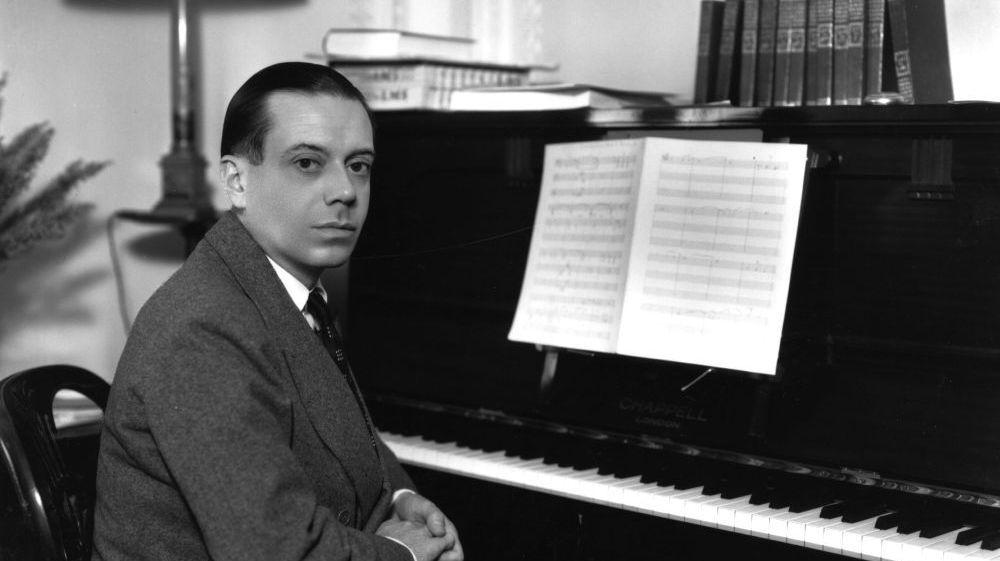
Cole Porter dies, the composer who made wit a musical genre
Cole Porter dies in Santa Monica at 73. Author of “Night and Day”, “I've Got You Under My Skin” and “Anything Goes”, he wrote both words and music with a sophistication unmatched in the American songbook. His life of luxury, physical pain and guarded privacy was as complex as his rhymes: elegant outside, melancholy within.
Cole Porter
Listen
Via YouTube
1946

Richard Carpenter is born, the arranger behind the softest sound of the 70s
Richard Carpenter is born in New Haven, Connecticut: pianist, arranger and half of the Carpenters with his sister Karen. His layered vocal arrangements made “Close to You” and “We've Only Just Begun” the gold standard of soft pop. Dismissed in his era as “bland”, he is now recognized as an orchestrator of surgical precision.
Richard Carpenter
Carpenters
Listen
Via YouTube
1956
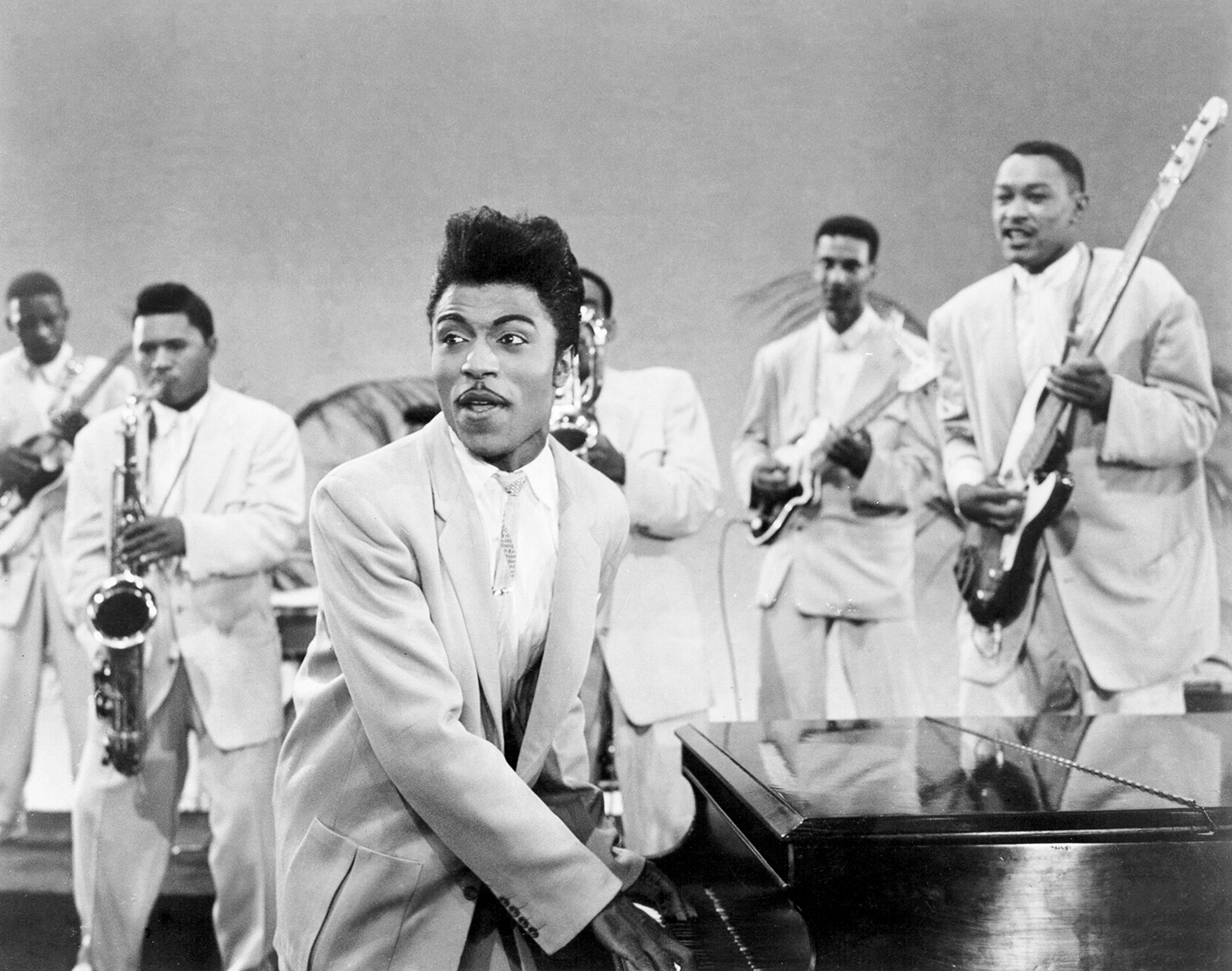
Little Richard records “Good Golly, Miss Molly” and takes a year to release it
At J&M Studio in New Orleans, Little Richard lays down at least ten takes of “Good Golly, Miss Molly”: hammered piano, a band about to derail and a voice that asks nobody's permission. Specialty kept take nine and sat on it until January 1958. By then half the world was copying it by ear; Creedence and Jerry Lee Lewis came much later.
Little Richard
Listen
Via YouTube
1957
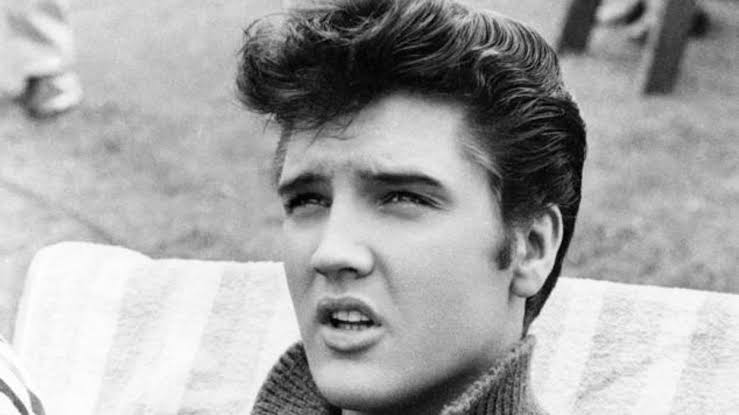
Elvis puts out his Christmas record and turns it into the best-selling one ever
Elvis Presley's third studio album is also his first Christmas record: standard carols delivered with the same hips that had half of America on edge. It spent four weeks at number one on the Billboard chart and returned every December through 1962. With more than seventeen million copies shipped in the US alone, it is still the best-selling Christmas album in the world.
Elvis Presley
Listen
Via YouTube
1965
Jimi Hendrix signs for one dollar the contract that would haunt his whole career
Playing sideman for Curtis Knight, Hendrix signs a three-year deal with PPX, Ed Chalpin's company: one dollar to make it binding and a one per cent royalty. Two years later, with “Are You Experienced” out, Chalpin showed up waving the paper and notified everyone doing business with the guitarist. Lawsuits over those tapes ran for half a century.
Jimi Hendrix
Curtis Knight
Listen
Via YouTube
1966
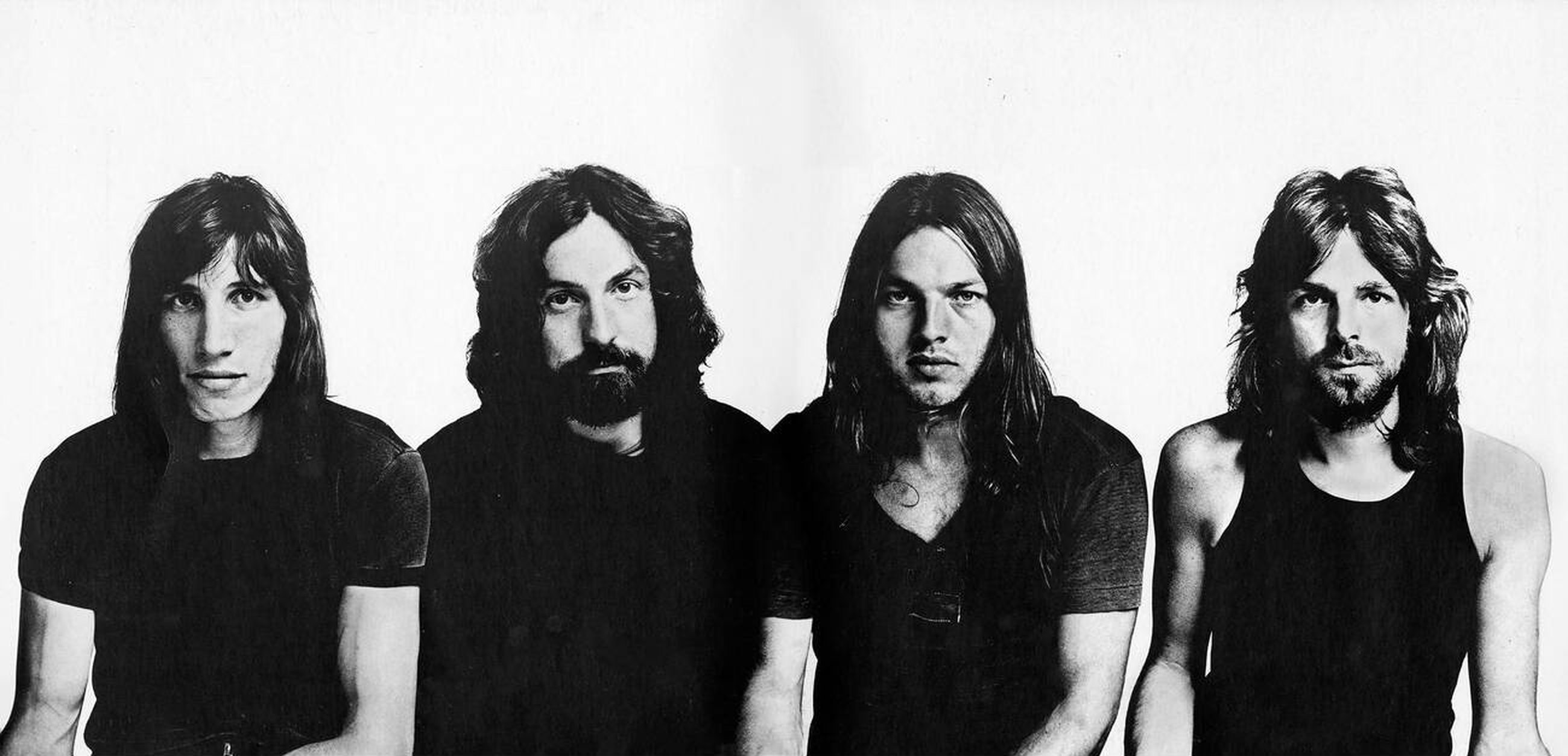
Pink Floyd and Soft Machine open the Roundhouse at the British underground's party
The old railway shed in Chalk Farm opens as a venue with an “All Night Rave” to launch the newspaper International Times: costumes, projections, steel bands. Soft Machine play, and so do a Pink Floyd who had not yet released a single. London's whole psychedelic circuit comes out of that night, UFO and Middle Earth included.
Pink Floyd
Soft Machine
Listen
Via YouTube
1966
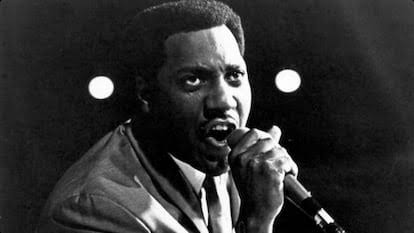
Otis Redding publishes his dictionary of soul and says goodbye without knowing it
“Complete & Unbelievable: The Otis Redding Dictionary of Soul” was the fifth and last studio album Redding released in his lifetime. Inside sits “Try a Little Tenderness”, a 1930s parlour ballad he takes apart and rebuilds until it is unrecognisable, with Booker T. & the M.G.'s shoving from behind. Jon Landau called it the finest record ever to come out of Memphis.
Otis Redding
Listen
Via YouTube
1966
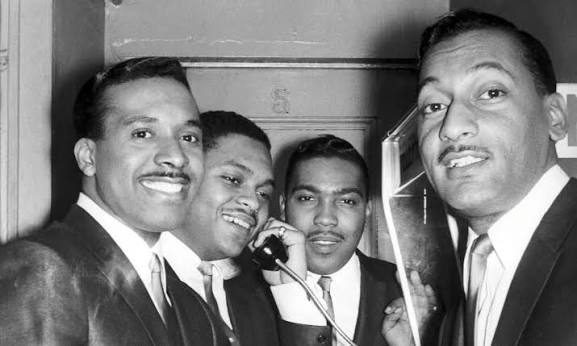
“Reach Out I'll Be There” puts the Four Tops on top of America
The US chart dated 15 October 1966 crowns the Four Tops for the first time. Holland-Dozier-Holland had written something odd for Motown: flute, martial drums and Levi Stubbs singing on the edge of a howl rather than a love ballad. Two weeks at number one, and the label learning that desperation sold too.
Four Tops
Listen
Via YouTube
2006

Patti Smith switches off CBGB with three and a half hours and a roll call of the dead
The Bowery club where Ramones, Television, Blondie and Talking Heads made their debuts closes over a rent rise from $19,000 to $35,000 a month. Patti Smith played three and a half hours and finished past midnight with “Elegie”, naming one by one the musicians who had crossed that stage and were gone. Flea and Richard Lloyd backed her.
Patti Smith
Listen
Via YouTube
1938
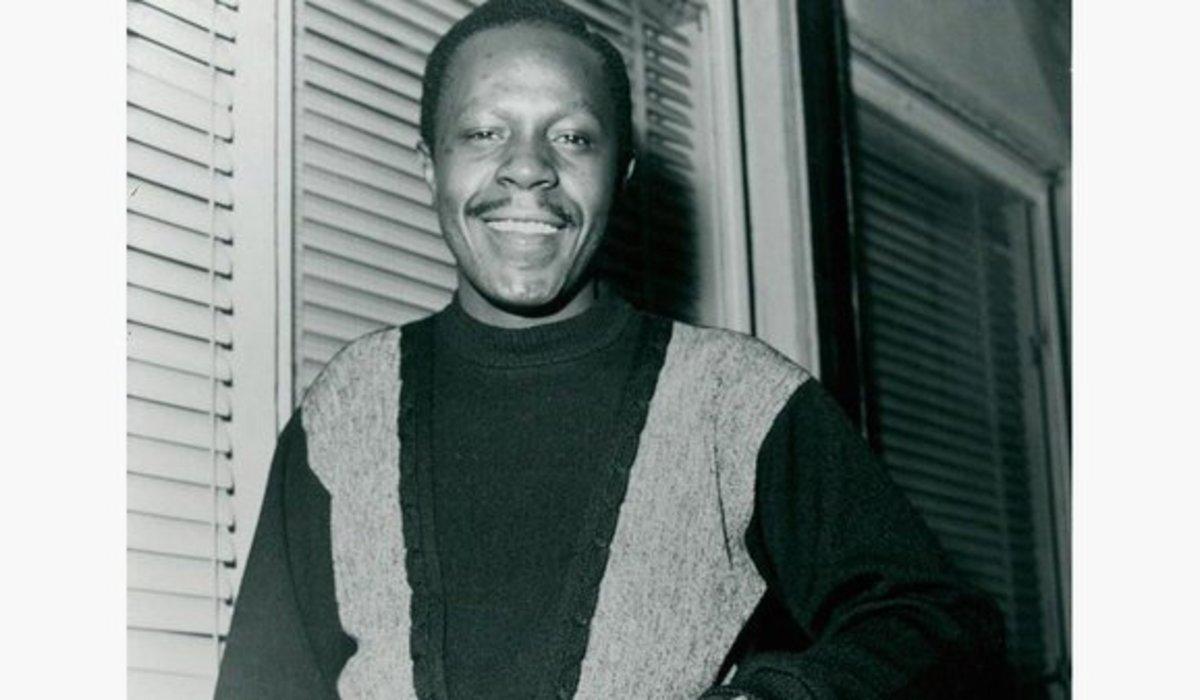
Marv Johnson is born: the first artist released by the label that became Motown
On October 15, 1938, Marv Johnson was born in Detroit, a singer Berry Gordy met while he was selling records in a shop. In 1959 "Come to Me" was the very first release on Tamla, the imprint with which Gordy started the business that a year later would be called Motown. Johnson had several hits and was then buried by the label's next generation, far more famous than he was.
Marv Johnson
Berry Gordy
Listen
Via YouTube
1959

Alex Paterson is born, who invented the music for after the party
On October 15, 1959, Alex Paterson was born in Battersea, London. He was working as a roadie for Killing Joke when he started DJing in a club's back room, the one used for resting from the dancefloor. Out of that came The Orb and ambient house: very long pieces made of water sounds, radio voices and slow rhythms. In 1992 they reached number one in Britain with a double album containing not one conventional song.
Alex Paterson
The Orb
Listen
Via YouTube
1968
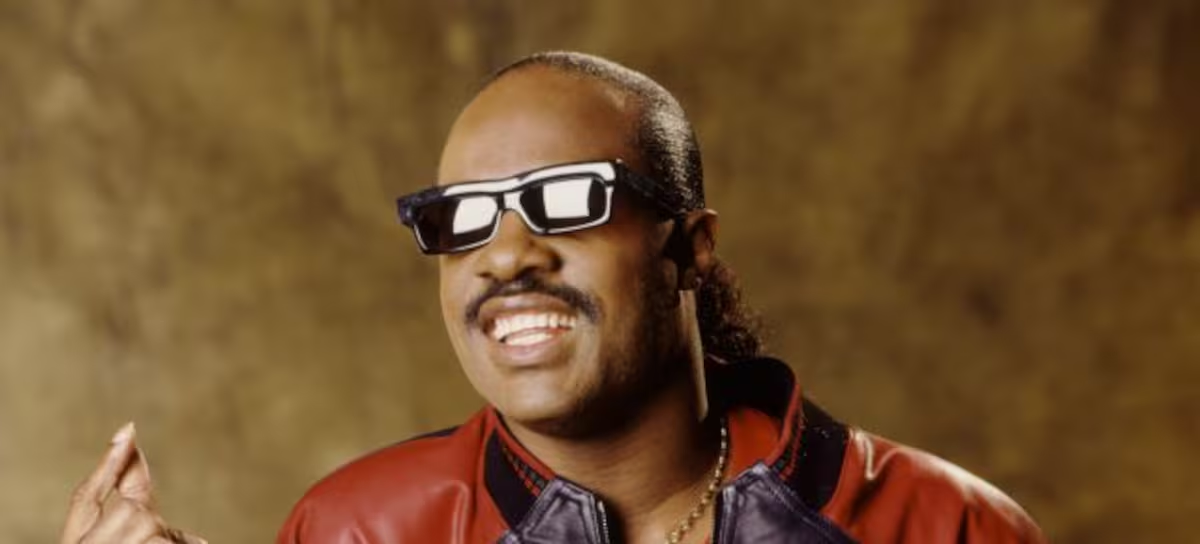
Stevie Wonder speeds up a workmanlike ballad and stalls one place from the top
“For Once in My Life” had been kicking around Motown for three years as a slow ballad, sung by half the roster. Wonder, eighteen years old, turned it into an unstoppable canter capped with harmonica. It reached number two on the Hot 100 and stuck there: ahead of it sat Marvin Gaye's “I Heard It Through the Grapevine”. There are worse ways to lose.
Stevie Wonder
Listen
Via YouTube
1970
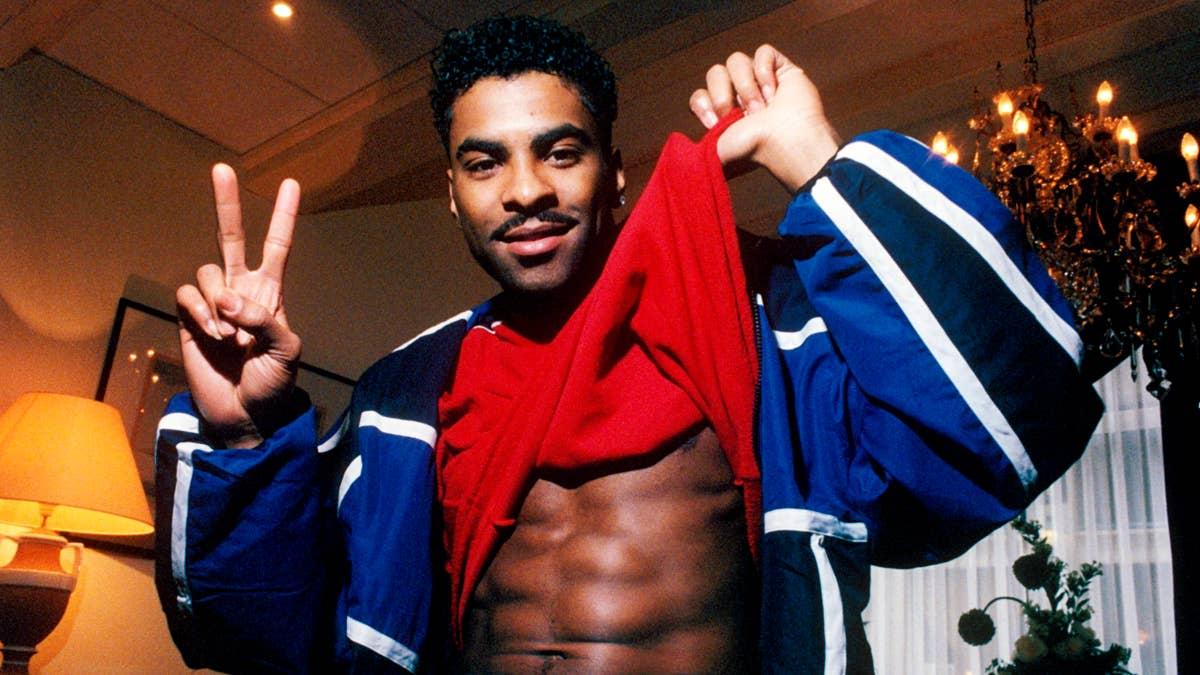
Ginuwine is born, whose "Pony" introduced the world to Timbaland's production
On October 15, 1970, Elgin Lumpkin was born in Washington. He started out imitating Michael Jackson at parties. In 1996 he recorded "Pony", a song built on a bass sound that resembled an electronic frog and that nobody had heard before: it was the mainstream radio debut of a producer named Timbaland. Half a decade of rhythm and blues built on stuttering beats and impossible sounds came out of it.
Ginuwine
Timbaland
Listen
Via YouTube
1973
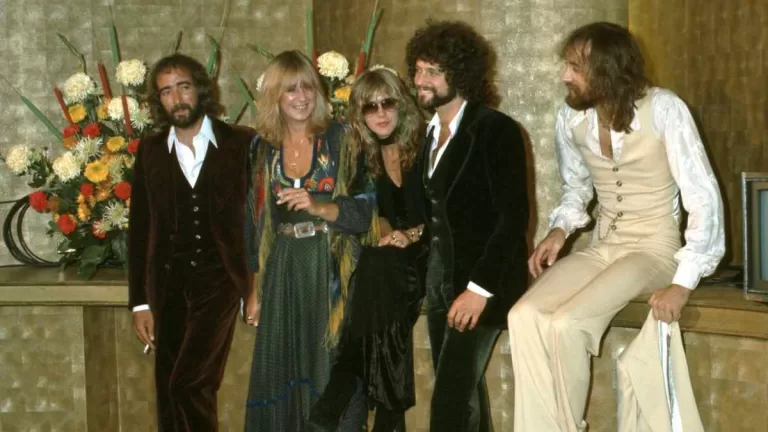
Fleetwood Mac release “Mystery to Me”, from the era nobody remembers
Their eighth studio album and the last the band recorded in England, with Bob Welch and Christine McVie steering towards pop. This is the ghost line-up: no Peter Green, no Buckingham or Nicks, and a guitarist, Bob Weston, sacked mid-tour over personal trouble. The record went gold three years later, when the group had become something else entirely.
Fleetwood Mac
Listen
Via YouTube
1973
Neil Young answers the success of “Harvest” with a live album of unknown songs
After selling millions with “Harvest”, Young puts out his first live album and includes not one familiar track: eight new songs pulled from a sixty-two-date tour he loathed, the band feuding over money and Danny Whitten's death hanging over it. He called it the worst record he ever made and took forty-four years to issue it on CD.
Neil Young
Listen
Via YouTube
1981
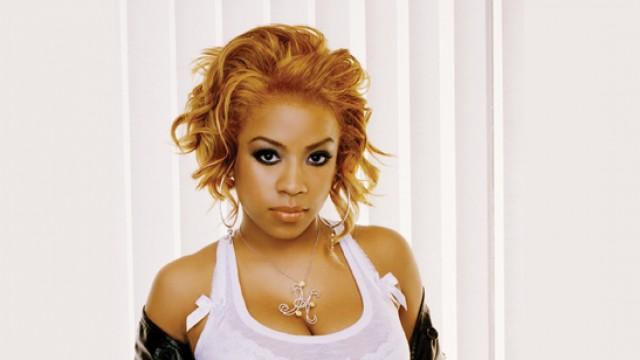
Keyshia Cole is born, who told her own family story on television and in songs
On October 15, 1981, Keyshia Cole was born in Oakland, raised by an adoptive family because her biological parents were struggling with addiction. At twelve she crossed paths with MC Hammer, who encouraged her to sing. Her 2000s music is confessional rhythm and blues, and she later took that same frankness into a reality show in which she tried to rebuild her relationship with her birth mother, in public.
Keyshia Cole
Listen
Via YouTube
1984

Jessie Ware is born, who saved her music career by making a dance record
On October 15, 1984, Jessie Ware was born in London; she had been a journalist before singing. Her first two albums of elegant soul worked and the third did not, to the point where she thought about quitting. Meanwhile she had started a cookery podcast with her mother that became enormous. In 2020 she went back to recording with no expectations, made a pure disco album, and produced the best work of her career.
Jessie Ware
Listen
Via YouTube
1987

Joe Satriani proves a record without a single word can go platinum
“Surfing with the Alien” has no vocals anywhere and still reached number 29 on the Billboard 200, spent seventy-five weeks on the chart and eventually went platinum: nobody had managed that with an instrumental guitar album. With the Silver Surfer on the sleeve and a guitar teacher in charge, shred went mainstream almost by accident.
Joe Satriani
Listen
Via YouTube
1988
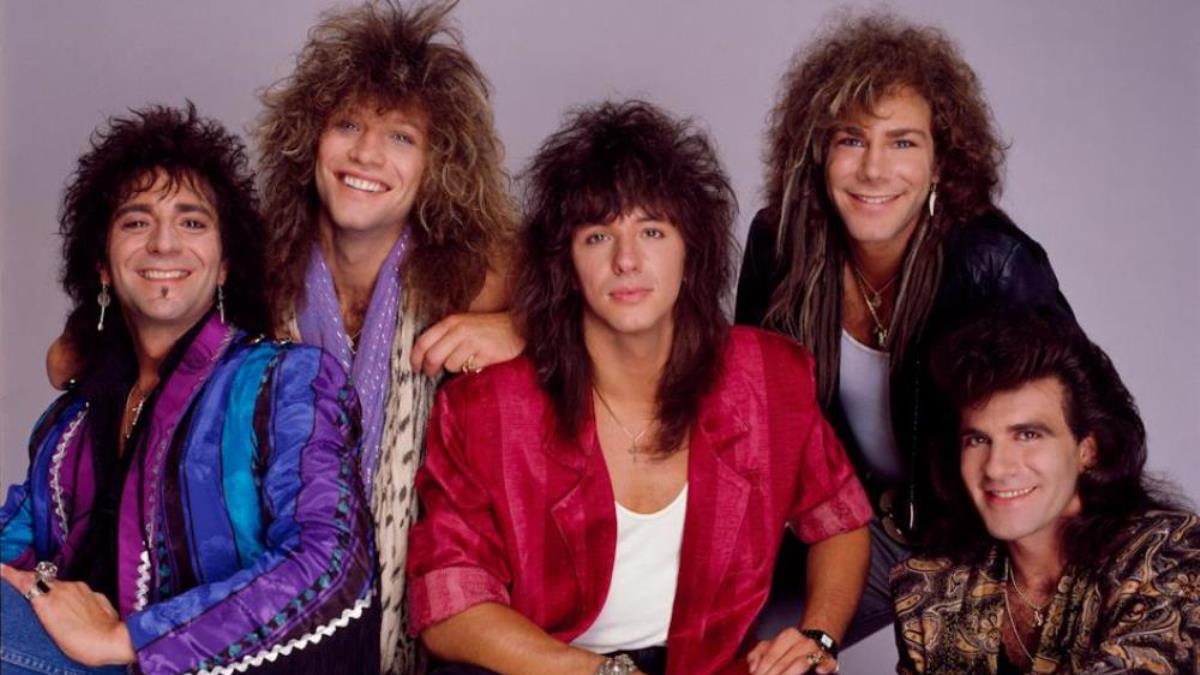
“New Jersey” hits number one and buries the doubts about Bon Jovi
On the album chart dated 15 October 1988, the follow-up to “Slippery When Wet” goes straight to number one and stays four weeks. It produced five Hot 100 top tens, a mark no other hard rock album had reached. The theory that the previous success had been a fluke ran out of arguments.
Bon Jovi
Listen
Via YouTube
1990

Morrissey gathers his loose singles and ends up with his best solo record
“Bona Drag” is not a planned album but a rescue operation: six singles and seven B-sides Morrissey had been dropping since “Viva Hate” without collecting them anywhere, aimed mostly at the countries where they never appeared. The title is Polari slang, roughly “nice outfit”, and the only new track, “Piccadilly Palare”, is about exactly that. Number nine in the UK.
Morrissey
Listen
Via YouTube
1994
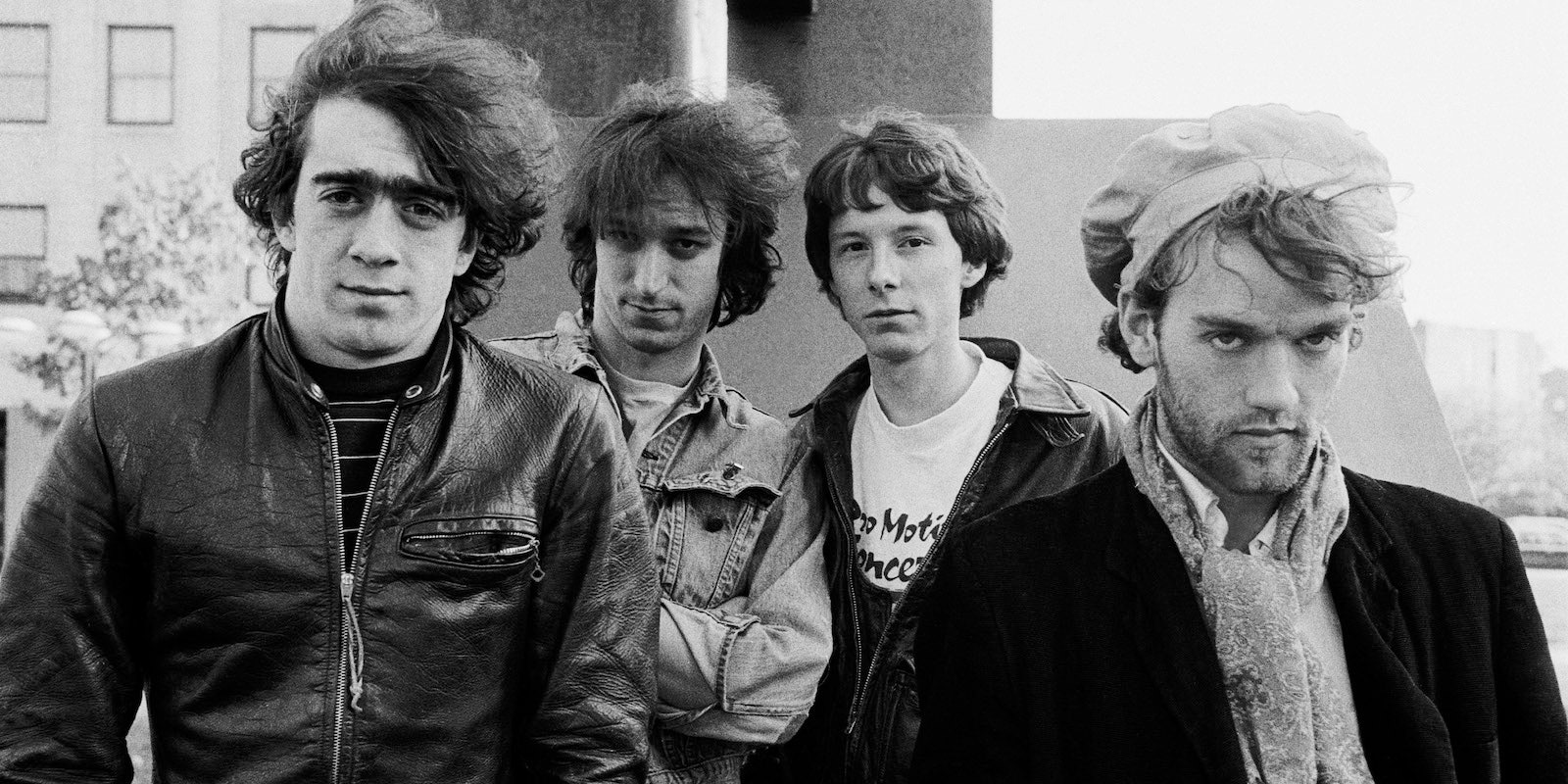
“Monster” takes R.E.M. to number one on tremolo and distortion
On the chart dated 15 October 1994, R.E.M. go straight in at number one with 343,500 copies in a week. After two albums of mandolins and half-voices, “Monster” was deliberate noise: tremolo guitars, second-rate characters and Michael Stipe in falsetto. It sold enormously and remains the album that most divides their own fans.
R.E.M.
Listen
Via YouTube
1996
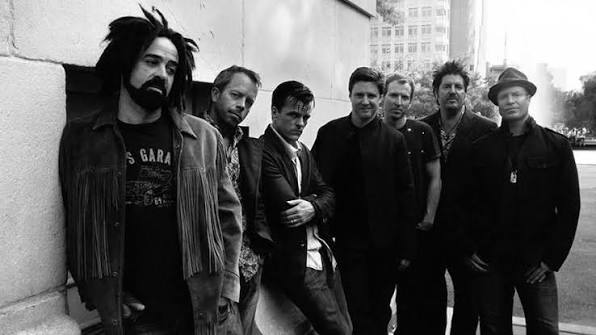
Counting Crows turn their panic about fame into a number one
Three years after “August and Everything After” and two years of touring, Adam Duritz hands back a whole album about how badly being recognised in the street sits with him. It went straight to number one in the US and ended up double platinum, so the complaint worked. It also produced “A Long December”, the band's furthest-travelling song.
Counting Crows
Listen
Via YouTube
1996
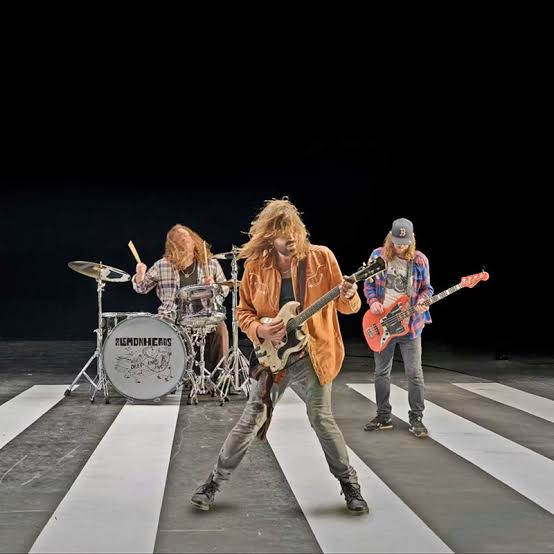
The Lemonheads release “Car Button Cloth” and vanish for ten years
Evan Dando's seventh album and his last for Atlantic: short songs, long hangover and a reading of the traditional “Knoxville Girl” that says more about his state than any interview of the period. Reviews were lukewarm and the band did not enter a studio again until 2006. Over time it has become the secret favourite of those who stayed to the end.
The Lemonheads
Listen
Via YouTube
1996
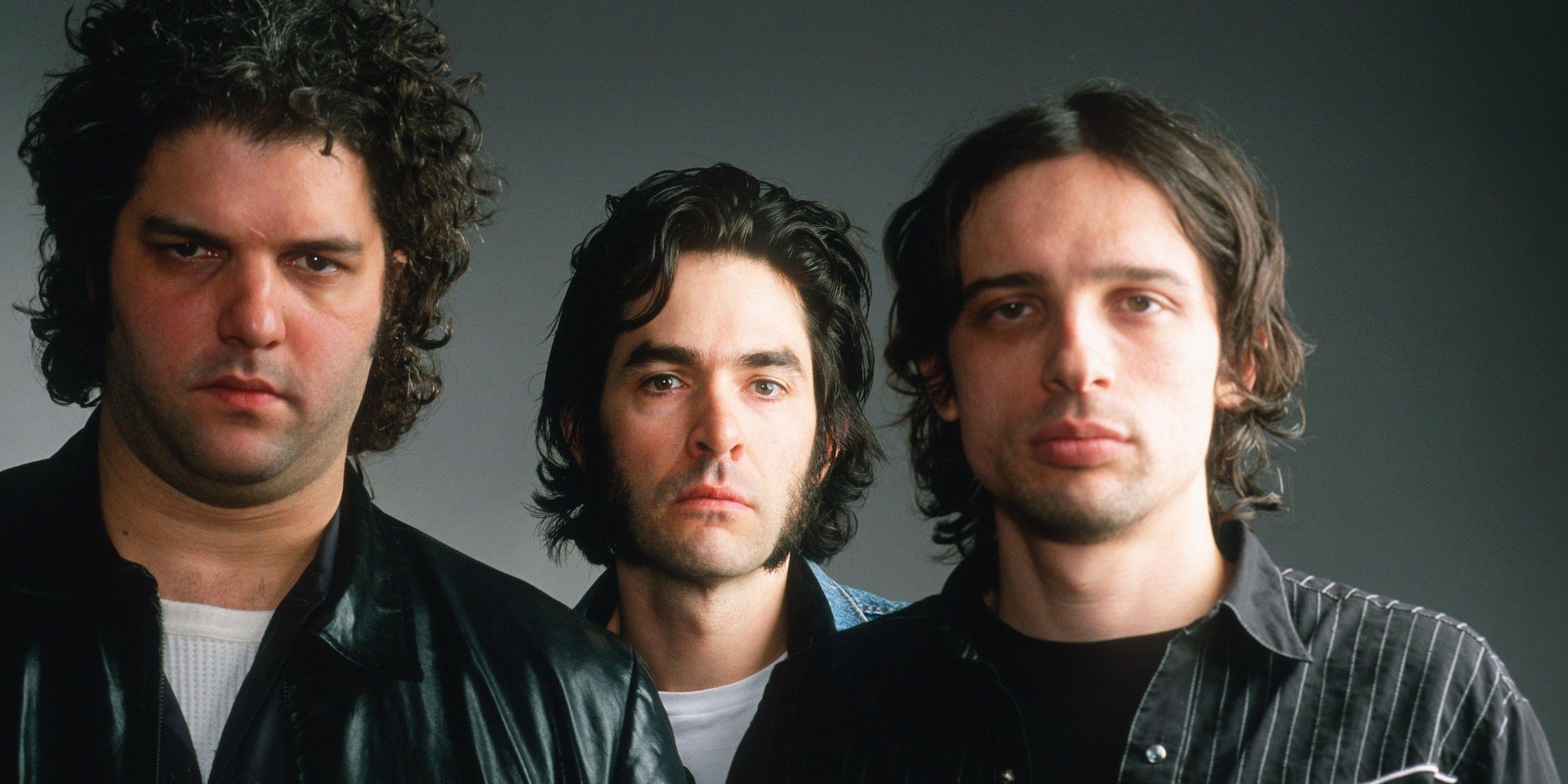
The Jon Spencer Blues Explosion make the record that sounds like a bar on fire
The New York trio's fifth album, and the one that best reconciles their two sides: the brutality of their live shows and their studio tics. Sixteen cuts of dismembered blues, theremin, howling and a Rufus Thomas cameo. There is no bass player in the band and nobody misses one. It ended up on the list of a thousand albums to hear before you die.
The Jon Spencer Blues Explosion
Listen
Via YouTube
2002

Two kids from Oklahoma release on a tiny label and end up on MTV
The All-American Rejects' self-titled debut comes out on Doghouse Records, an indie label, with “Swing, Swing” on it. DreamWorks heard it, signed the band and reissued the very same album four months later; from there, radio, MTV and platinum. The recording was identical and so was the song: all that changed was who had money to push it.
The All-American Rejects
Listen
Via YouTube
2007
R.E.M. rescue in Dublin the live album of their least loved tour
“R.E.M. Live” collects two February 2005 nights at Dublin's Point Theatre, in the middle of the “Around the Sun” tour, the album not even they defend. The live record runs the opposite way: twenty-two songs that remind you why this band worked on a stage. It came out in the UK first, as a double CD and DVD.
R.E.M.
Listen
Via YouTube
2013

Monster Magnet dust off the old amps and head back into outer space
The New Jersey band's ninth album and the first since their 1991 debut without Ed Mundell on guitar. Dave Wyndorf cut almost all of it on vintage gear in his native Red Bank, chasing psychedelic space rock with a sixties garage streak. It sold 2,300 copies in its first week: a reminder that loyalty is measured on another scale.
Monster Magnet
Listen
Via YouTube
One ephemeris a day, one editorial a week. Zero spam, pure archive.