
Chapter 01 — Today in music
On a day like today October 16
1947
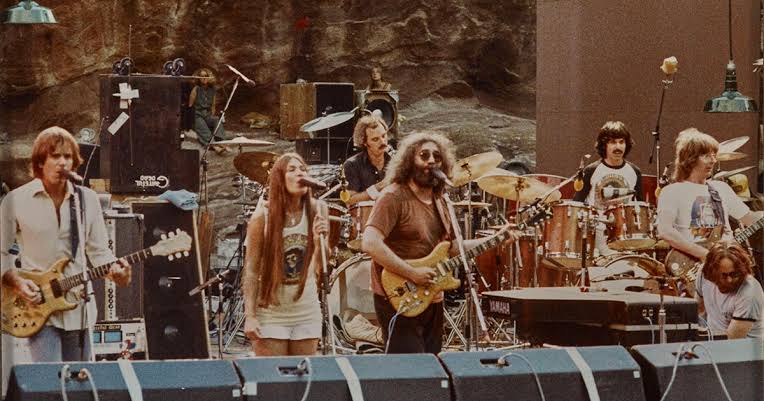
Bob Weir is born, the other rhythmic heart of the Grateful Dead
Bob Weir is born in San Francisco: rhythm guitarist and co-founder of the Grateful Dead, barely 16 when it all began. While Jerry Garcia improvised in the heights, Weir invented an almost pianistic style of accompaniment no one has copied well. After Garcia's death, he became the living keeper of the Dead flame.
Bob Weir
Grateful Dead
Listen
Via YouTube
1945
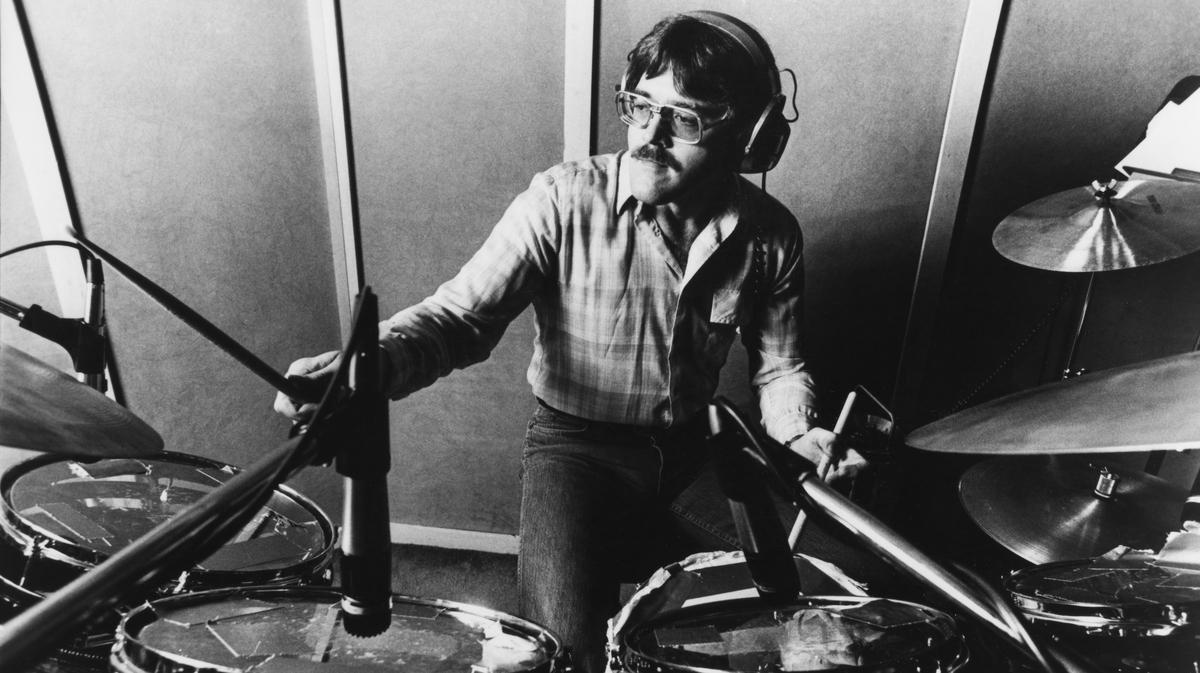
Roger Hawkins is born: the white drummer who held up half the southern soul catalogue
On October 16, 1945, Roger Hawkins was born in Mississippi, drummer in the Muscle Shoals rhythm section in Alabama, a small town where a disproportionate amount of music was recorded. He is on Aretha Franklin's "Respect", Percy Sledge's "When a Man Loves a Woman" and the Staple Singers' "I'll Take You There". Many artists arrived expecting to find Black musicians and met four white southerners instead.
Roger Hawkins
Aretha Franklin
Listen
Via YouTube
1959
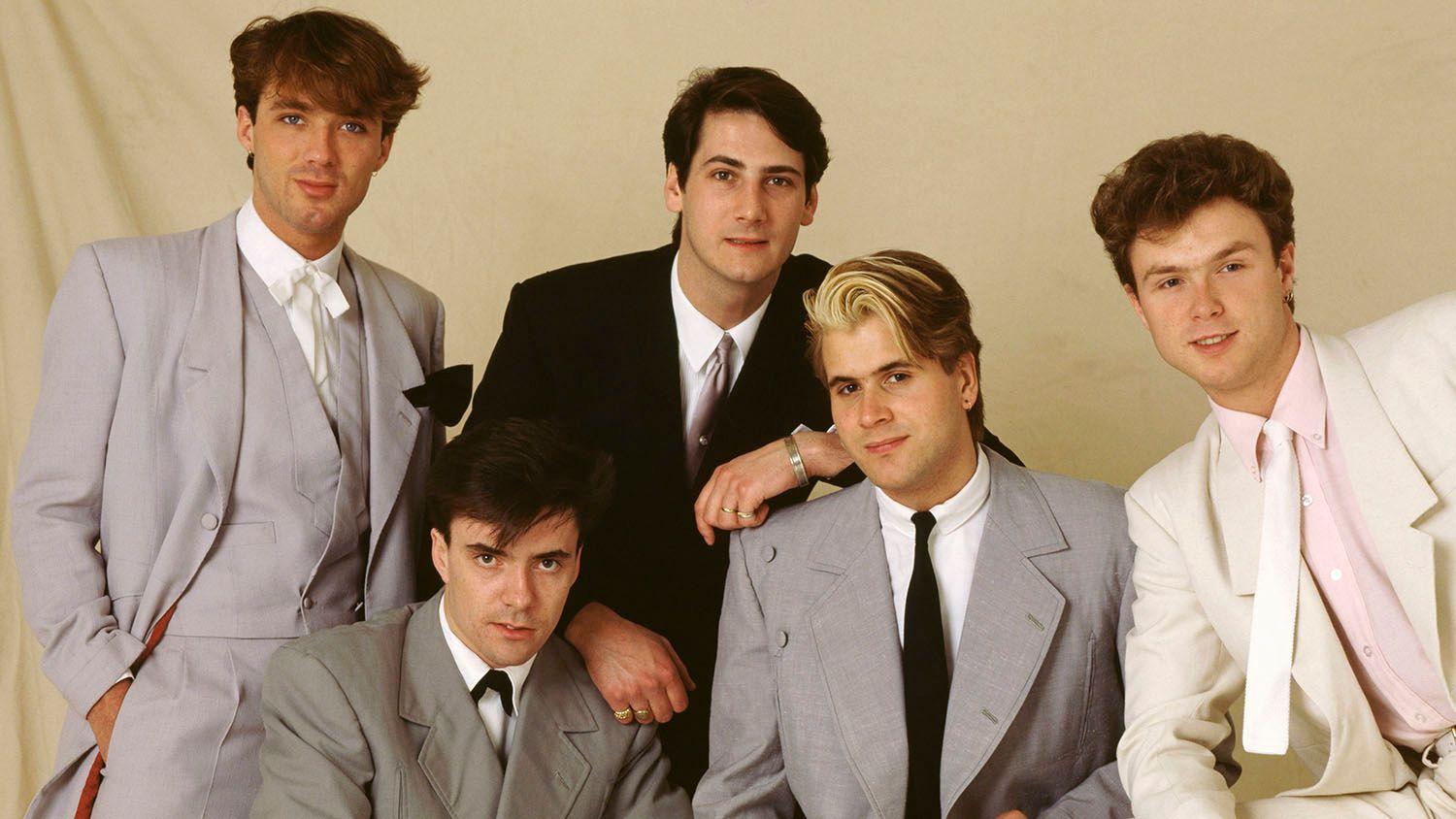
Gary Kemp is born, who signed all twenty-three Spandau Ballet singles and ended up in court
Gary Kemp was born in Smithfield on 16 October 1959, raised in a working-class Islington family and a child actor before he was a musician. In Spandau Ballet he wrote words and music for all twenty-three of the band's singles, and that was the problem: in 1999 Tony Hadley, Steve Norman and John Keeble took him to court to share the royalties. All three lost.
Gary Kemp
Spandau Ballet
Listen
Via YouTube
1962
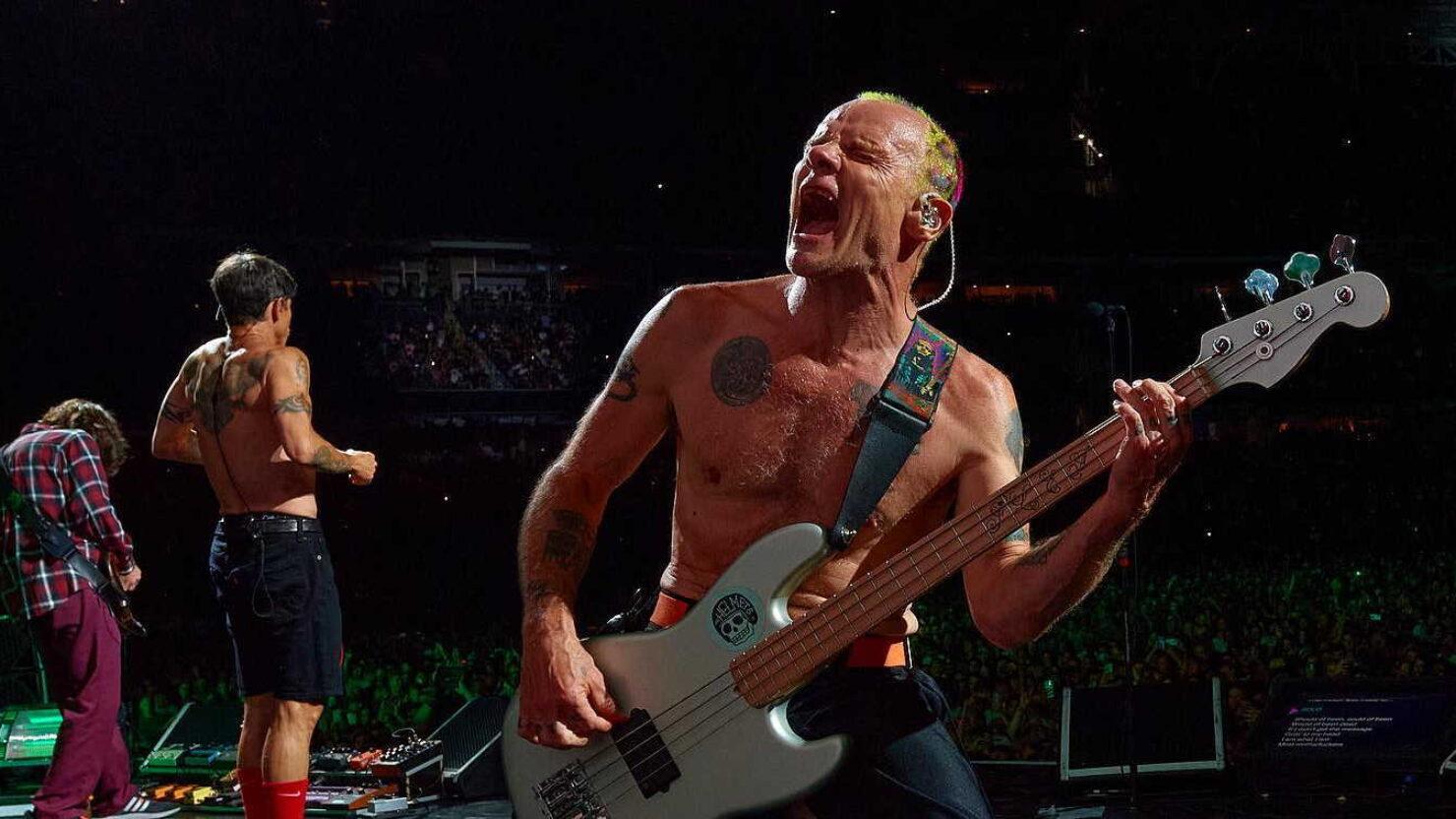
Flea is born, the electric bass turned solo instrument
Michael Balzary is born in Melbourne, Australia; the world will call him Flea. Trained on jazz trumpet, he transferred that freedom to the bass of the Red Hot Chili Peppers, mixing slap funk and punk melody with ferocious musicality. Half a century of bassists since plays, at some point, in the shadow of his lines.
Flea
Red Hot Chili Peppers
Listen
Via YouTube
1965
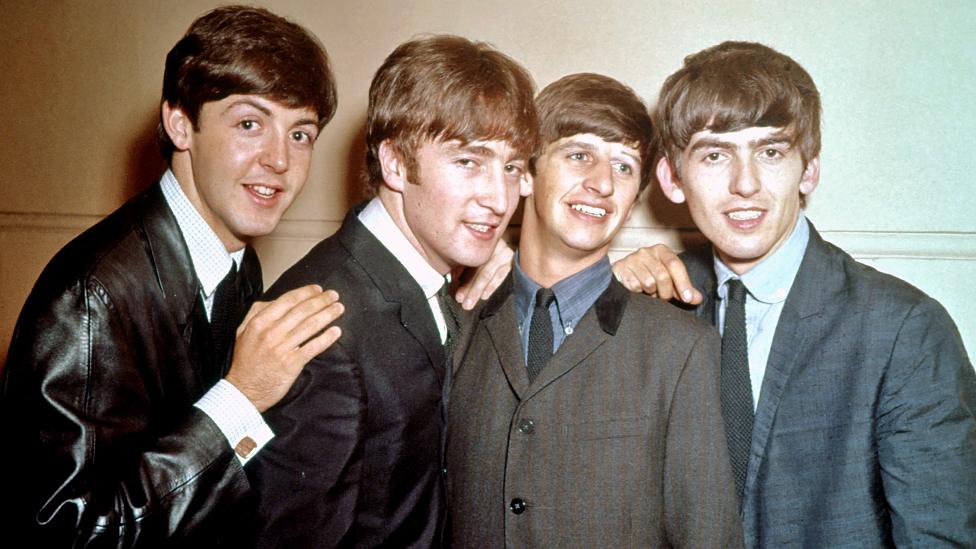
The Beatles record “Day Tripper” and invent the double A-side along the way
At Abbey Road, having just finished “Drive My Car”, the Beatles cut “Day Tripper” early in the “Rubber Soul” sessions. The riff is Lennon's, the lyric has a false bottom, and the single came out in December sharing top billing with “We Can Work It Out”. It was the truce between John and Paul when neither would give way, and it popularised the double A-side.
The Beatles
Listen
Via YouTube
1968
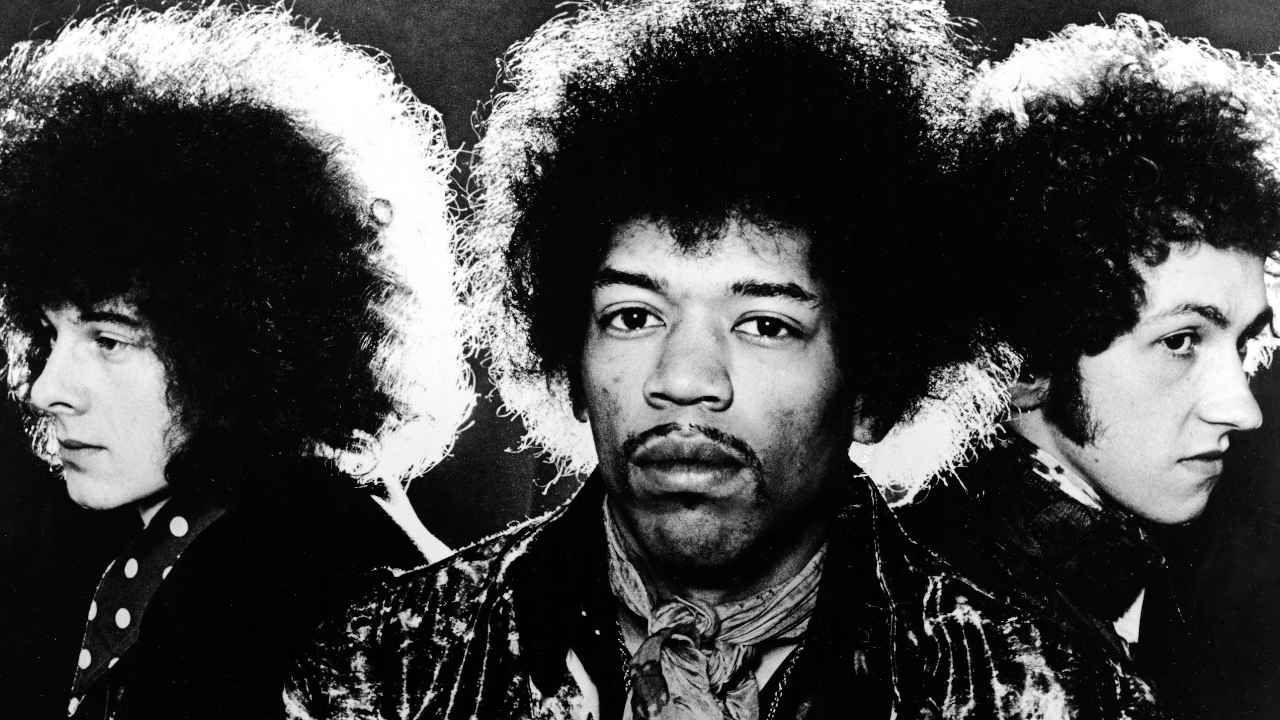
Hendrix releases “Electric Ladyland” and takes the producer's chair himself
The only Experience album produced entirely by Hendrix comes out in the United States: a double, overflowing, with the fifteen underwater minutes of “1983… (A Merman I Should Turn to Be)” and a reading of “All Along the Watchtower” that Dylan himself adopted as definitive. It was their only number one. Chas Chandler walked out midway, sick of endless sessions.
The Jimi Hendrix Experience
Listen
Via YouTube
1972
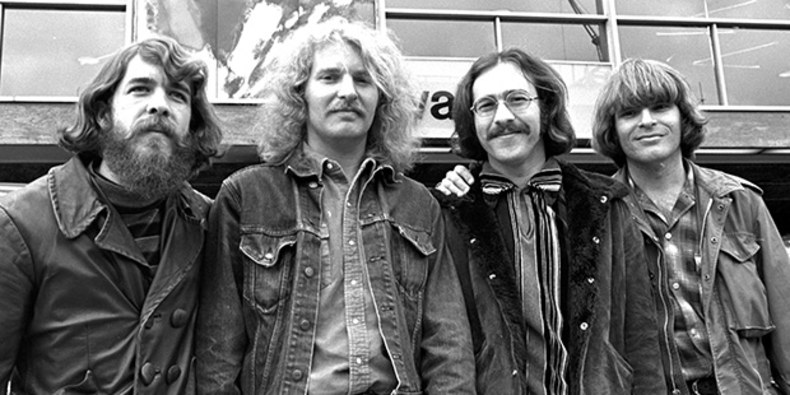
Creedence Clearwater Revival announce the end after four years
Fantasy Records and the band officially announce the break-up of Creedence Clearwater Revival. In barely four years they had put out seven albums and a run of singles that sounded like the Deep South despite coming from the San Francisco bay. What remained was John Fogerty's endless lawsuit against his label, and two brothers who took decades to speak again.
Creedence Clearwater Revival
Listen
Via YouTube
1974
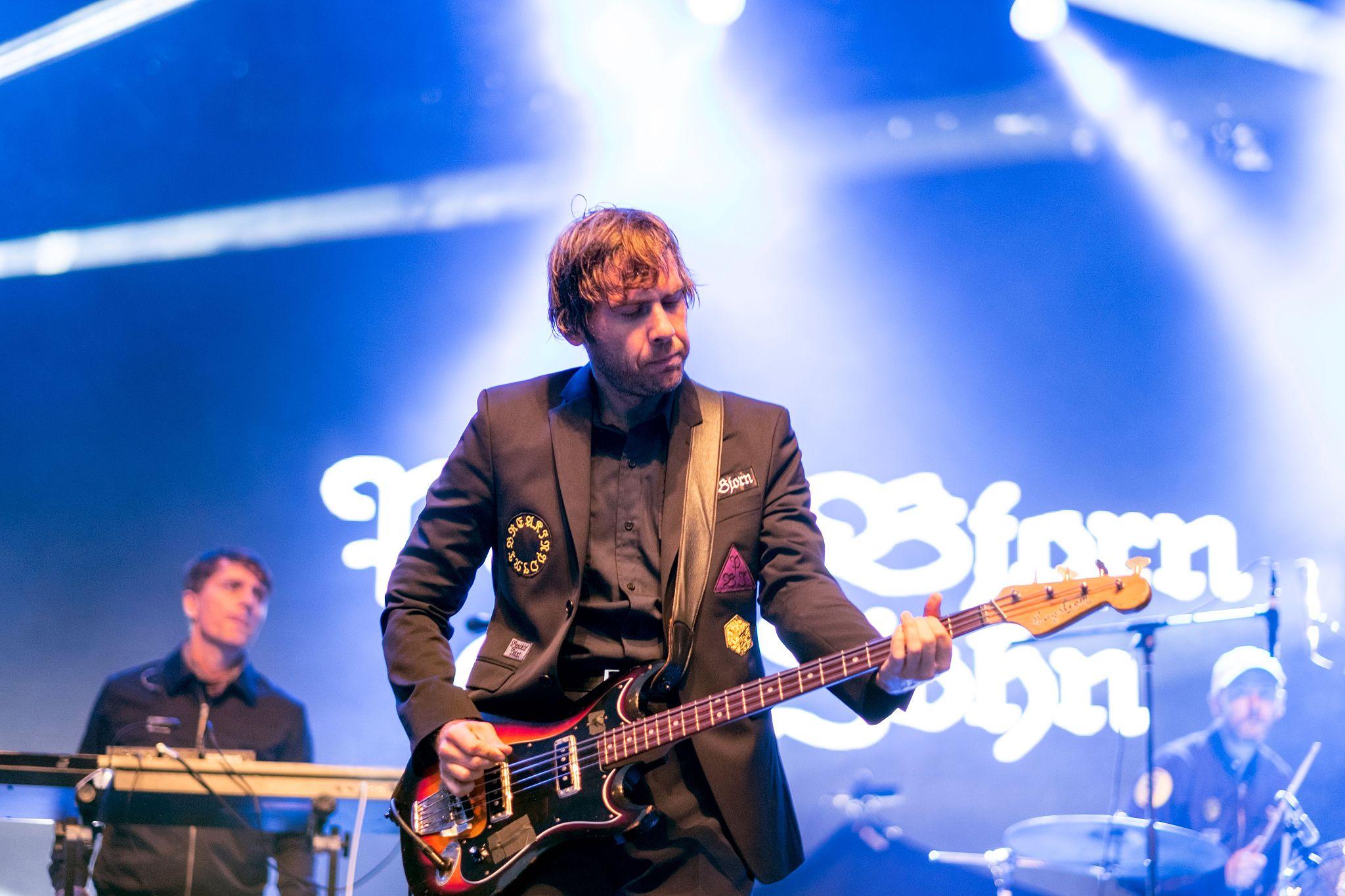
Björn Yttling is born, whose placeholder whistle stayed on “Young Folks” forever
He wrote the tune at the piano thinking of something like Duke Ellington and whistled it on top just to remember it: an organ was meant to replace it later. There was no money for tape, so everything was recorded through a delay, the whistle sounded better than any keyboard, and nobody touched it again. The bassist from Umeå has since made a bigger name as a producer: Lykke Li, Primal Scream, Franz Ferdinand.
Björn Yttling
Peter Bjorn and John
Listen
Via YouTube
1975
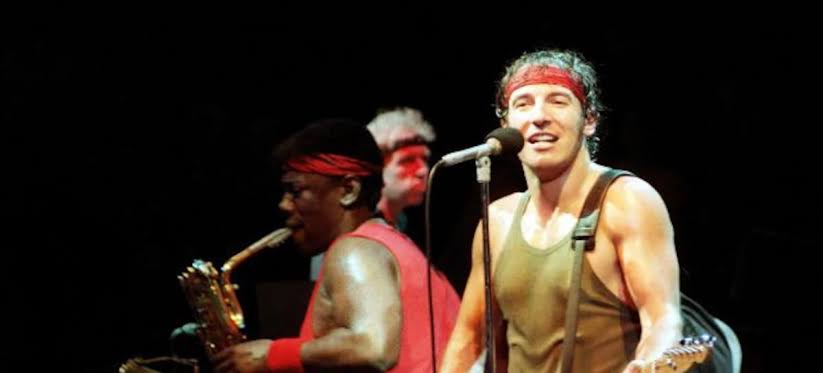
Springsteen opens at the Roxy the four nights that won him Los Angeles
With “Born to Run” two months old, Springsteen opens a four-night, six-show stand at the Roxy in West Hollywood. Columbia had reserved half the room for press and executives, something he worked out mid-concert and did not take well. Rolling Stone later listed those nights among the moments that changed rock and roll.
Bruce Springsteen
Listen
Via YouTube
1986
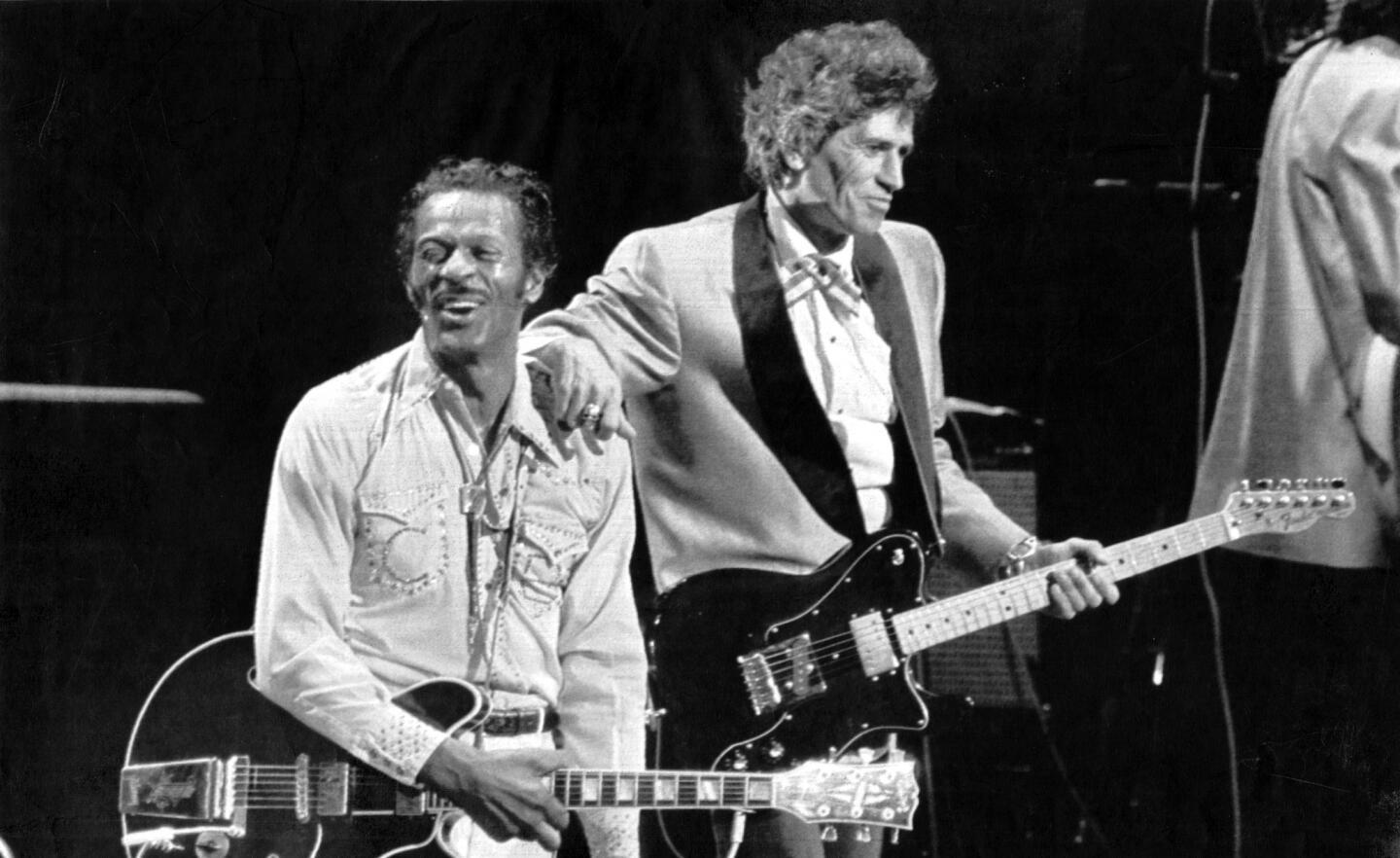
Keith Richards builds Chuck Berry a band that Chuck Berry kept taking apart
Two concerts at the Fox Theatre in St. Louis for Berry's sixtieth birthday, with Richards as musical director and Eric Clapton, Robert Cray, Etta James, Linda Ronstadt and the original pianist, Johnnie Johnson, on stage. Taylor Hackford filmed everything, rehearsals included, and out came “Hail! Hail! Rock 'n' Roll”: the most honest, most uncomfortable portrait of rock's father.
Chuck Berry
Keith Richards
Eric Clapton
Robert Cray
Listen
Via YouTube
1989
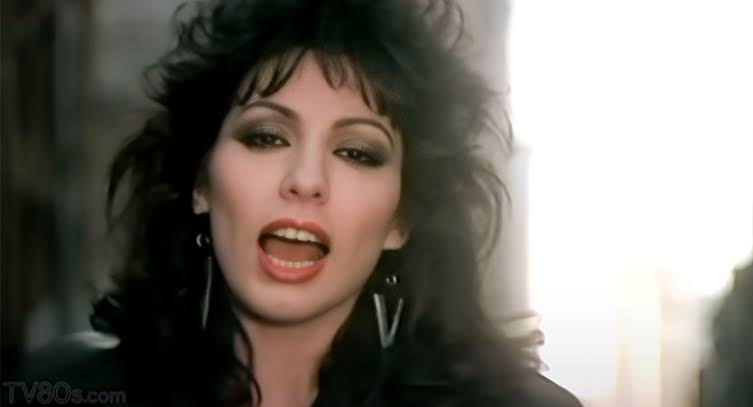
Kate Bush writes her own Molly Bloom monologue because Joyce's estate said no
“The Sensual World” began as an idea to sing the closing pages of Joyce's “Ulysses”. The estate refused permission, so Bush wrote her own lines with the same pulse: the woman stepping out of the book into the world. With the Trio Bulgarka singing and uilleann pipes underneath, it reached number two in the UK. Twenty-two years later she got the rights and re-recorded it.
Kate Bush
Listen
Via YouTube
1992
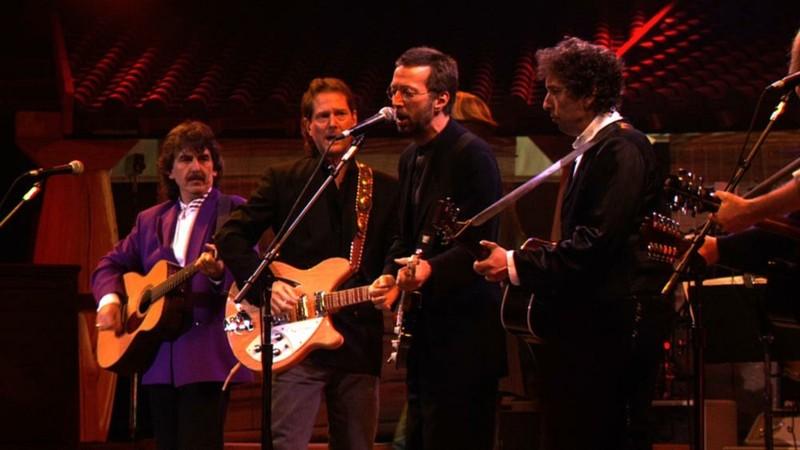
The Dylan tribute at Madison Square Garden is stolen by the one who didn't sing
Neil Young, Eric Clapton, George Harrison, Johnny Cash, Stevie Wonder and Tom Petty run through Bob Dylan's songbook for his thirty years on record, with the surviving Booker T. & the M.G.'s as house band. But the night belonged to Sinéad O'Connor: two weeks after tearing up a photo of the Pope on television, the crowd would not let her sing.
Bob Dylan
Neil Young
George Harrison
Johnny Cash
Listen
Via YouTube
2025
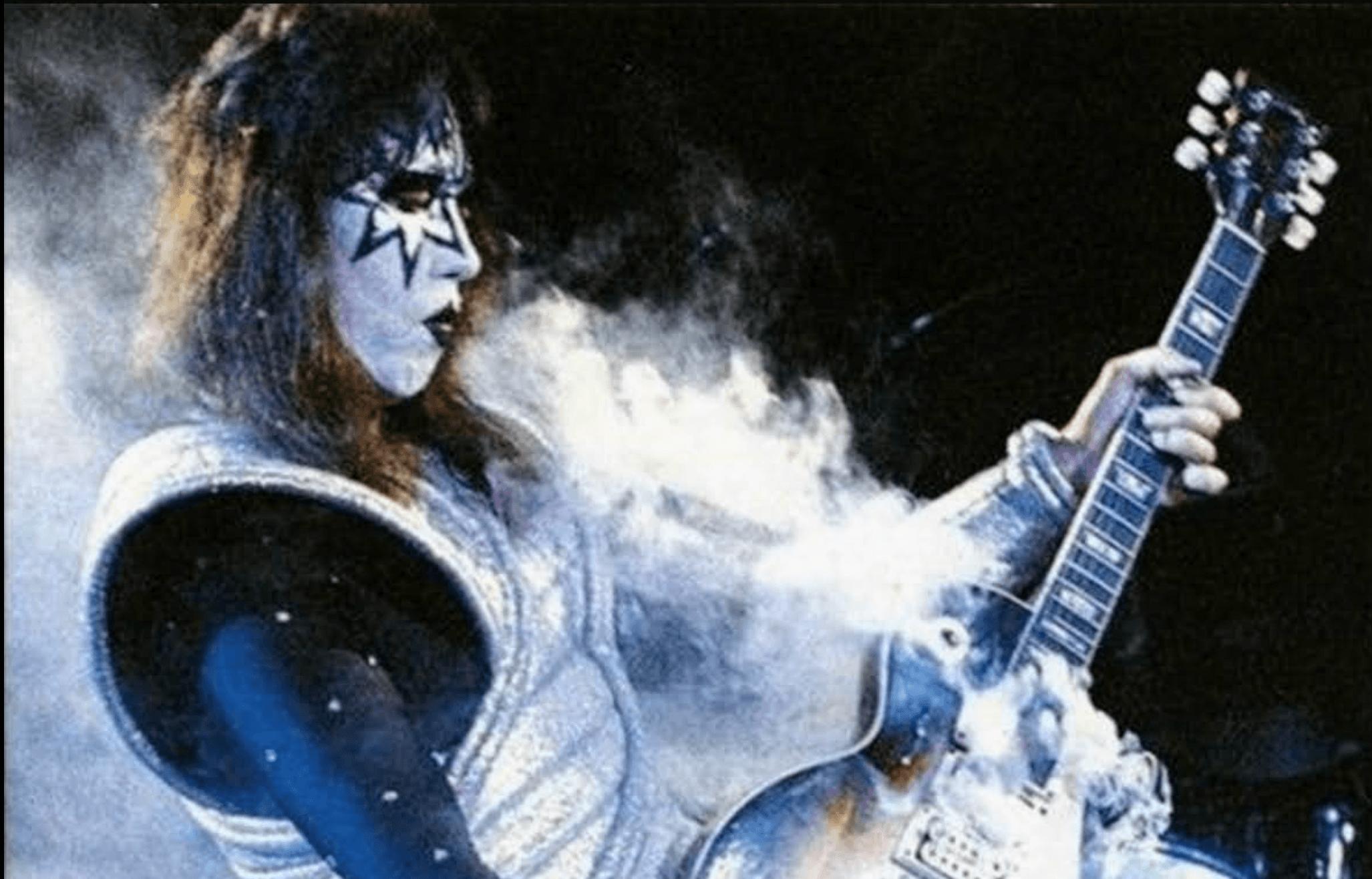
Ace Frehley dies, the only member of Kiss whose solo album produced a hit
He fell down the stairs at his home on 2 October and never recovered from the head injury: he died on 16 October 2025 in Morristown, New Jersey, aged 74. In 1978 Kiss released four solo albums on the same day, and the only one that produced a hit was his, with a song someone else wrote. Frehley left in 1982; the silver makeup he had designed was handed to another man.
Ace Frehley
Kiss
Listen
Via YouTube
1937
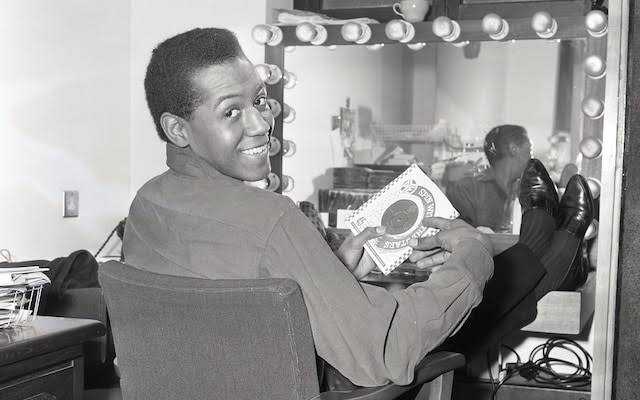
Emile Ford is born: the first Black British artist to sell a million copies
On October 16, 1937, Emile Sweetnam was born in Saint Lucia. He emigrated to London to study engineering and ended up singing. In 1959 his version of a 1916 music hall song was number one in Britain for six weeks and sold more than a million copies: no Black artist in the United Kingdom had done that before. He then devoted himself to sound engineering, which was what actually interested him.
Emile Ford
Listen
Via YouTube
1938
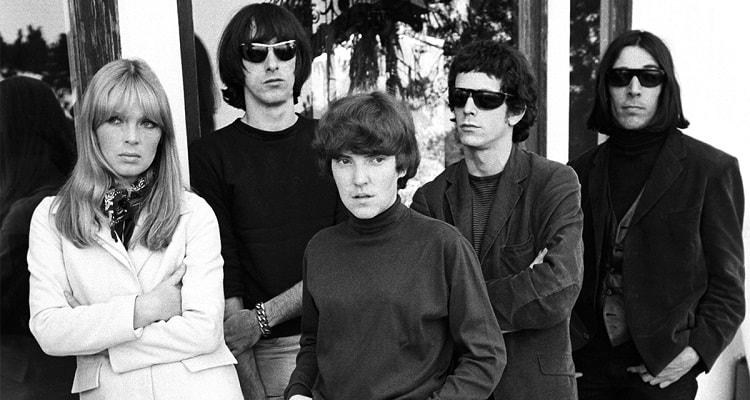
Nico is born: the German model Warhol imposed on the Velvet Underground
On October 16, 1938, Christa Päffgen was born in Cologne. She grew up among the ruins of the war and by sixteen was modelling in Paris. Andy Warhol forced her into the Velvet Underground, to Lou Reed's displeasure, and her flat, low voice stayed on three songs of the first album. She then made a body of her own work, far darker, with a harmonium and not the slightest commercial concession.
Nico
The Velvet Underground
Andy Warhol
Listen
Via YouTube
1959
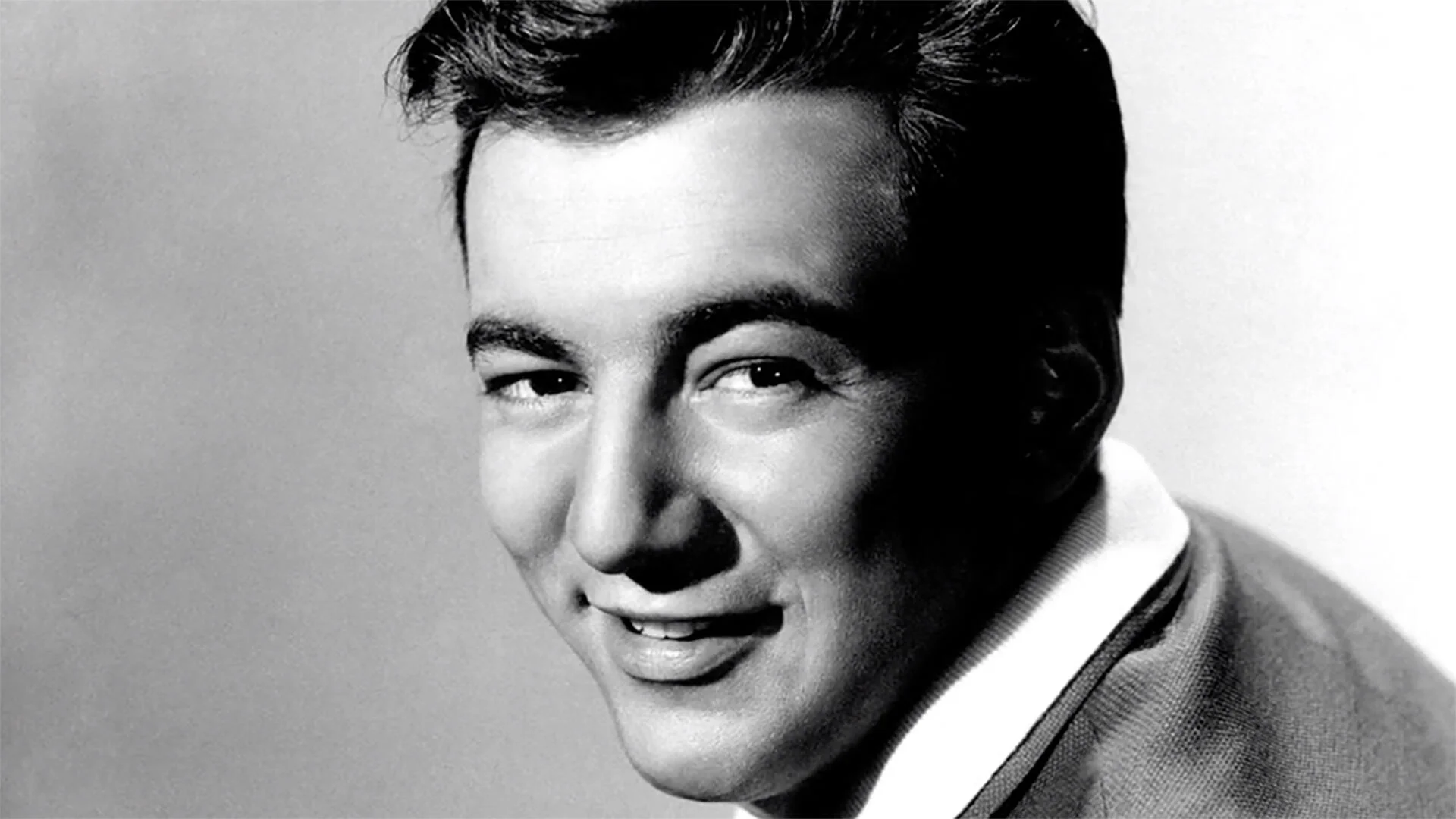
A song about a Brecht and Weill murderer goes to number one in Britain
The UK chart starting 16 October 1959 belongs to Bobby Darin and “Mack the Knife”, an adaptation of the Mackie Messer ballad Brecht and Weill wrote for “The Threepenny Opera”. Darin sings it with a big band and a nightclub grin, hiking the key up every verse. Two weeks on top, and a murder turned into swing.
Bobby Darin
Listen
Via YouTube
1960
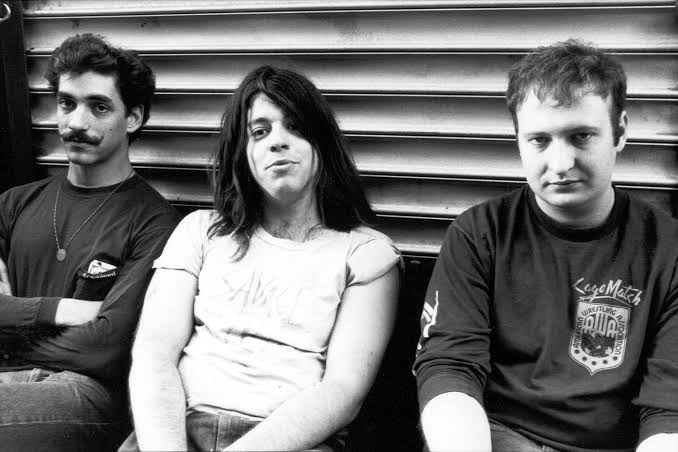
Bob Mould is born, whose band taught punk that melodies were allowed
On October 16, 1960, Bob Mould was born in New York; in 1979 he founded Hüsker Dü in Minnesota. The group started out playing hardcore at impossible speed and drifted towards songs with melodies buried under layers of distortion, a formula Nirvana and the Pixies took directly from them. In 1984 they released a conceptual double album, something that punk at the time regarded as close to treason.
Bob Mould
Hüsker Dü
Listen
Via YouTube
1964
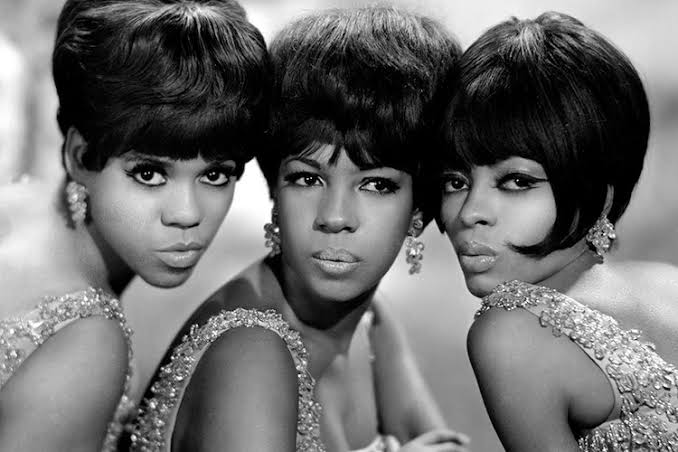
The Supremes answer the British Invasion by covering the Beatles
Motown responds to the English fever by having the Supremes sing “A Hard Day's Night” and “I Want to Hold Your Hand”, plus a couple of the label's own songs the British groups had already popularised. The album stalled at 21 and now smells of a marketing move, but it worked: that year the trio had three records charting at once.
The Supremes
Listen
Via YouTube
1969
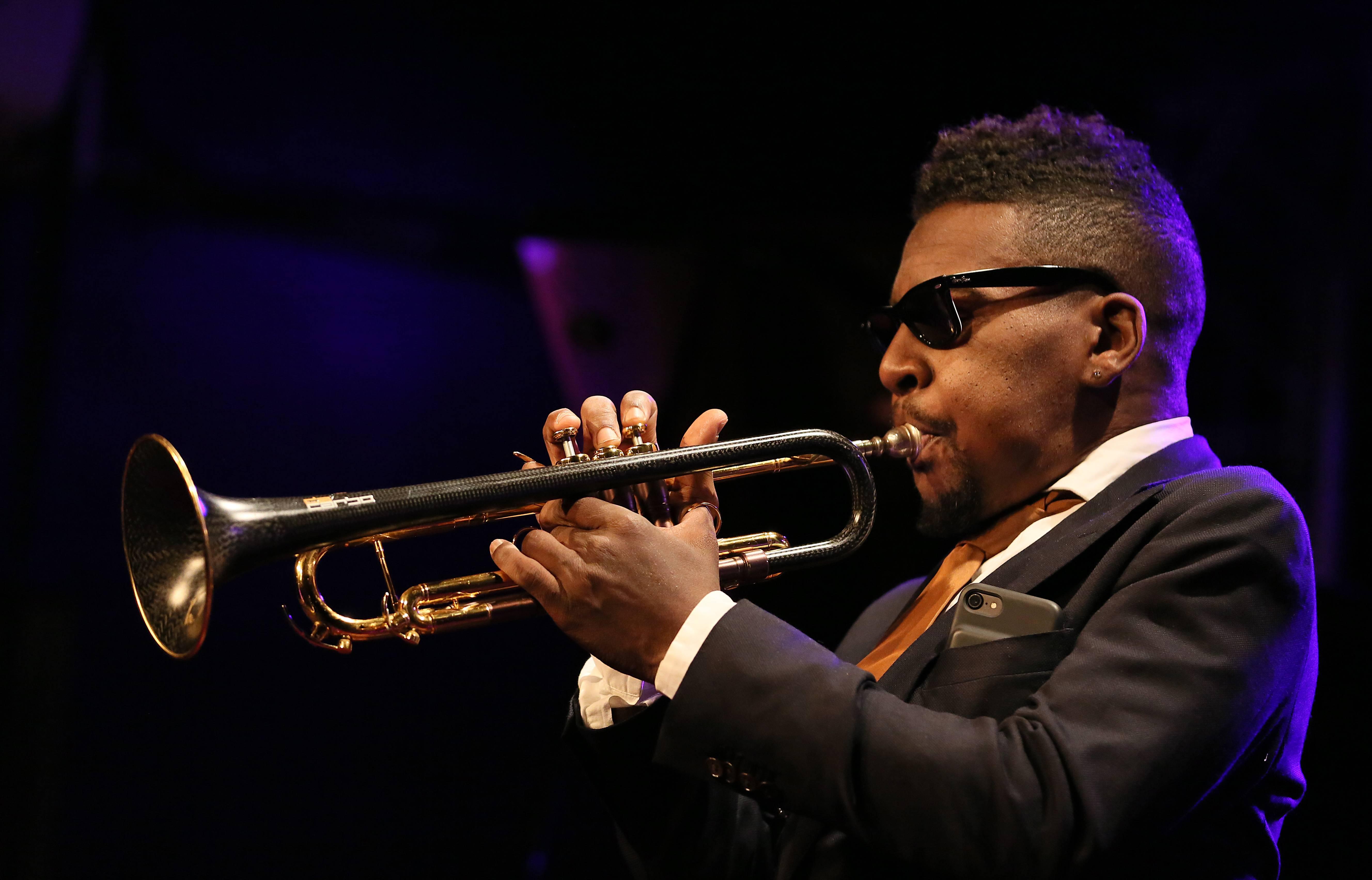
Roy Hargrove is born: the trumpeter who crossed jazz with neo soul
On October 16, 1969, Roy Hargrove was born in Waco, Texas, discovered by Wynton Marsalis while he was still at high school. He made his name in traditional jazz, won two Grammys and then did what no trumpeter of his generation dared: he went into the studio with D'Angelo, Erykah Badu and Common, and put horns on the records that founded neo soul. He died in 2018, aged 49.
Roy Hargrove
D'Angelo
Listen
Via YouTube
1976
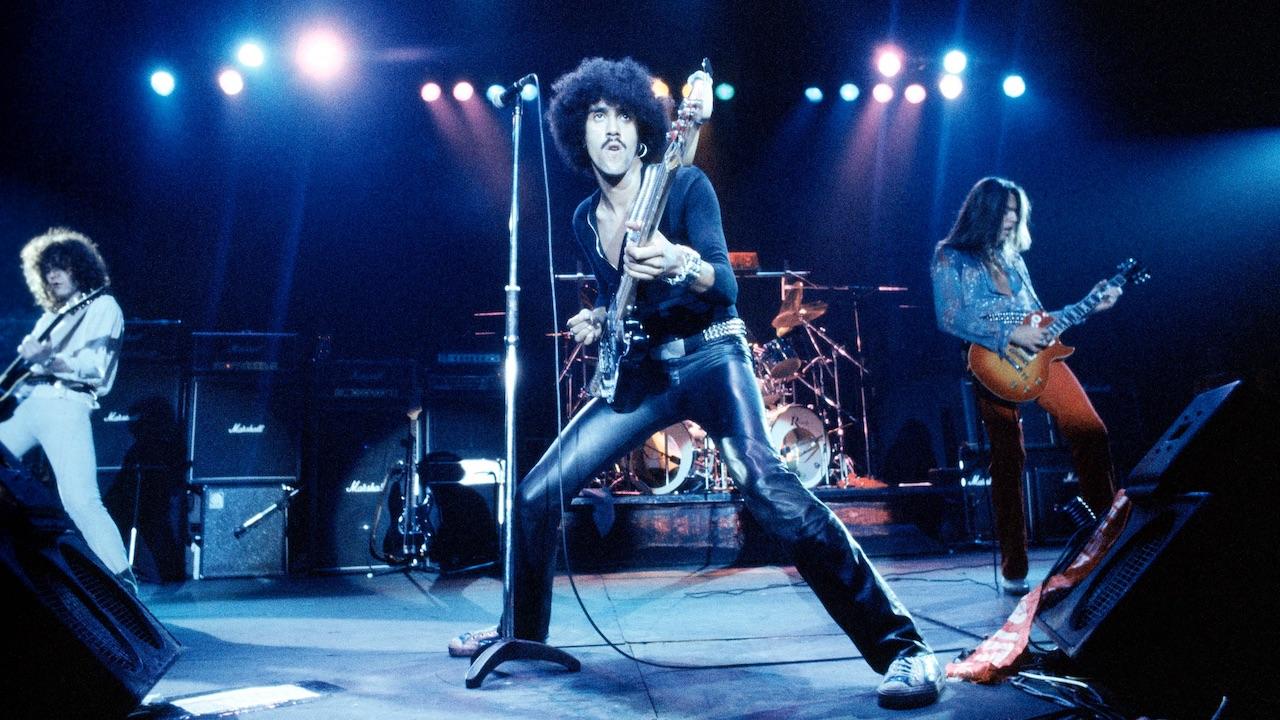
Phil Lynott writes a whole album from a hospital bed
Hepatitis forced Thin Lizzy to abandon their American tour with Rainbow in June. Lynott used his stay in a Manchester hospital to write, on an acoustic guitar, what became “Johnny the Fox”, the band's seventh album, number eleven in the UK and home to “Don't Believe a Word”. The sessions were a mess of arguments and drum sounds nobody liked.
Thin Lizzy
Listen
Via YouTube
1977
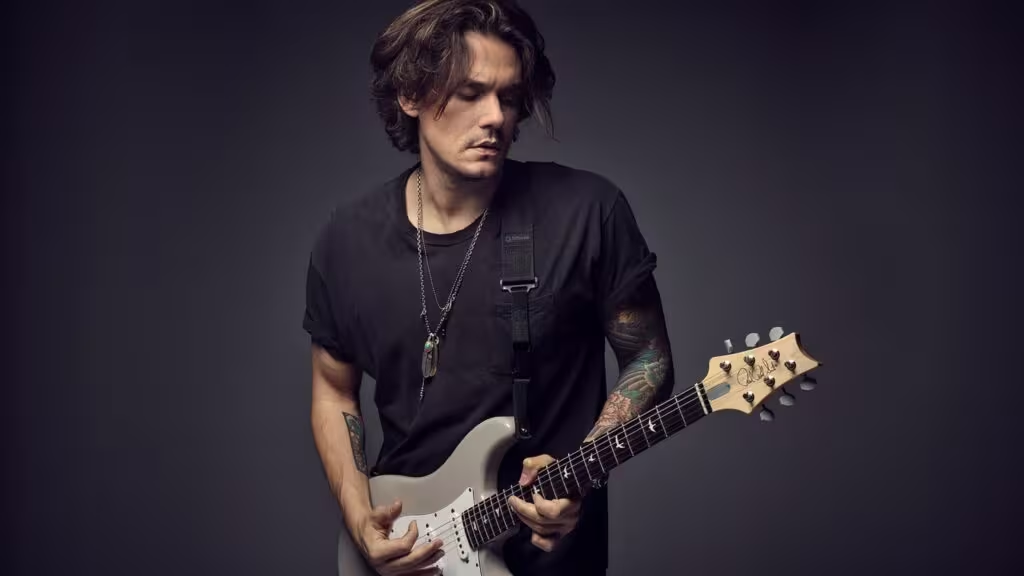
John Mayer is born: the blues guitarist who dressed as a pop singer to get heard
On October 16, 1977, John Mayer was born in Connecticut. He discovered the guitar at thirteen watching "Back to the Future" and became obsessed with Stevie Ray Vaughan. He started with acoustic radio songs for teenagers, sold millions and only then began playing the blues he actually cared about. B. B. King and Buddy Guy invited him onto their stages; his pop career had been, in part, a Trojan horse.
John Mayer
Listen
Via YouTube
1984
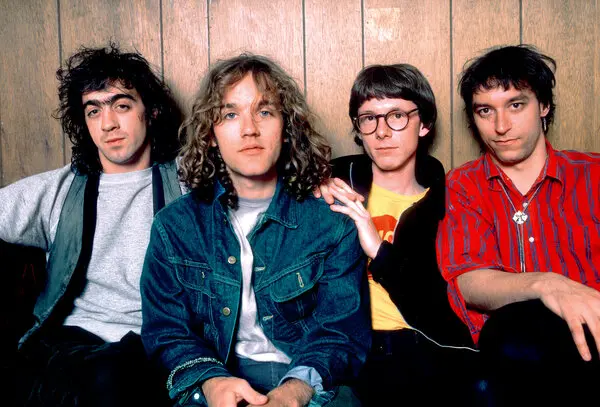
R.E.M. put out a single about a town in Maryland
Mike Mills wrote it to ask his girlfriend not to move back to Rockville, Maryland, to live with her parents. Live they played it flat out, almost punk; for the “Reckoning” single they cut a country version, half as a joke aimed at the band's manager. It charted nowhere and is now among the best-loved songs they have.
R.E.M.
Listen
Via YouTube
1988
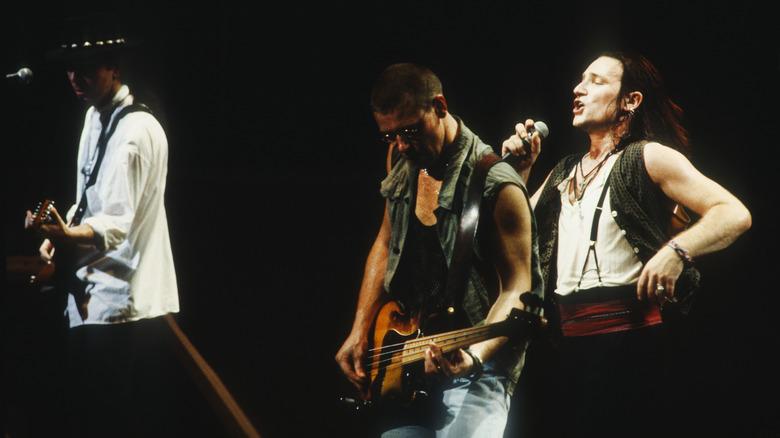
London fills up with reggae to pay for Hurricane Gilbert's damage
The Dominion Theatre hosts the Smile Jamaica Hurricane Appeal, a benefit for the victims of the storm that had flattened Jamaica a month earlier. On stage, U2 airing “Rattle and Hum” material with Keith Richards guesting, Ziggy Marley and the Melody Makers, and a rotation of reggae and rock acts. The name was borrowed from Bob Marley's 1976 concert.
U2
Ziggy Marley
Keith Richards
Listen
Via YouTube
1990
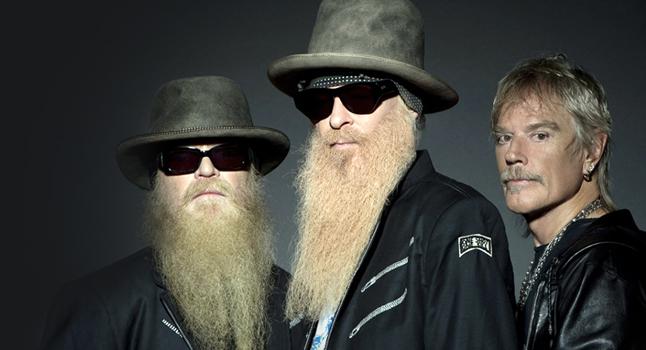
ZZ Top unplug the synthesizers in Memphis and go back to the mud
The Texas band's tenth album, cut in Memphis after five years of sequencers and videos full of cars. Billy Gibbons said the plan was to keep the “Eliminator” formula going until they set up in a circle and played like a band, and something else came out. It went platinum, with “Doubleback” in “Back to the Future Part III” and the blues showing again.
ZZ Top
Listen
Via YouTube
1990
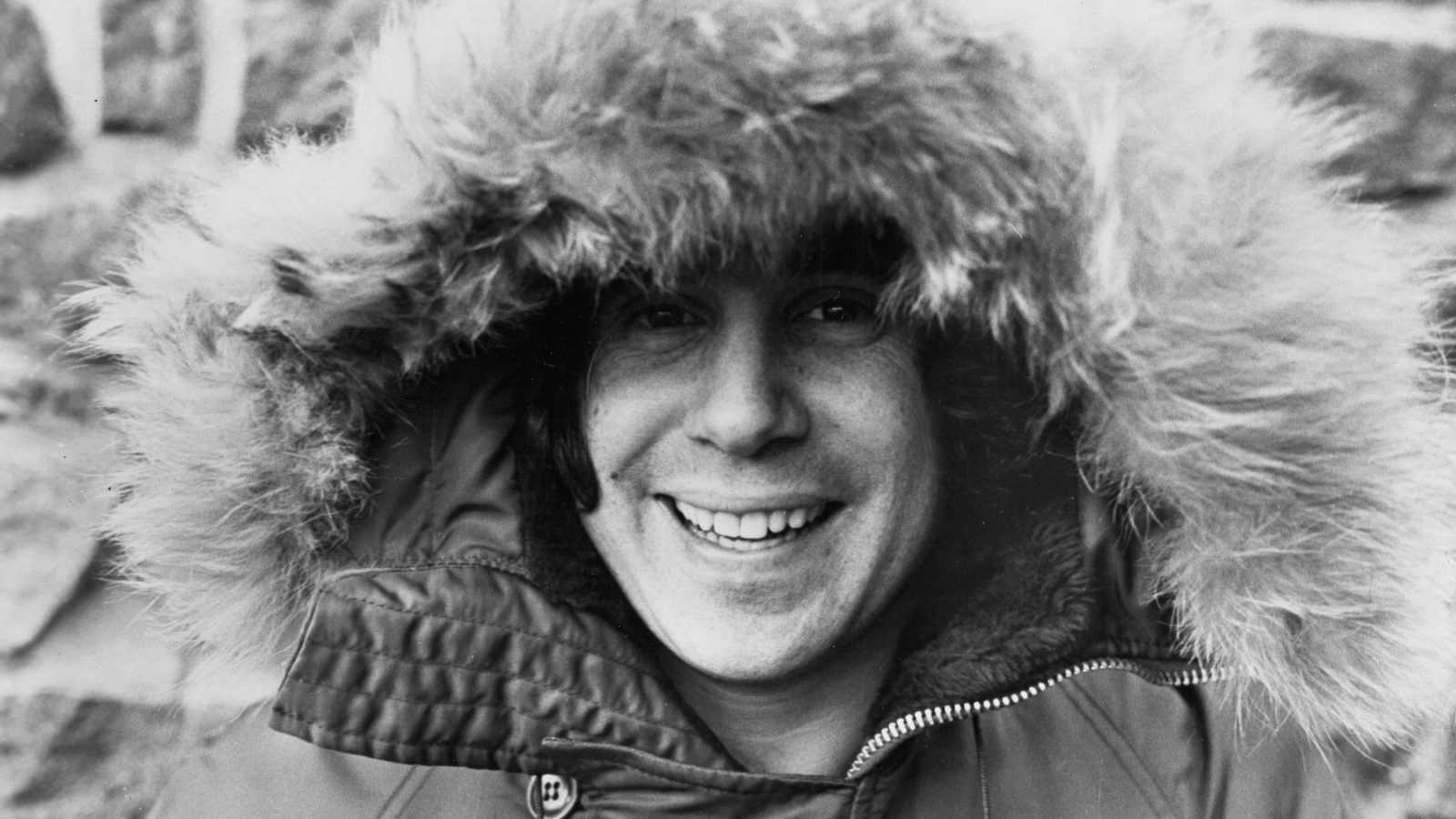
Paul Simon swaps South Africa for Brazil and starts the record with the drums
After “Graceland”, Simon travelled to Brazil five times and recorded the percussion first — Olodum in Salvador, street groups — then wrote the songs on top. “The Rhythm of the Saints” reached number four in the US and number one in the UK, though radio complained: too exotic, they said, wrong for the format. He won his second bet in a row.
Paul Simon
Listen
Via YouTube
1995
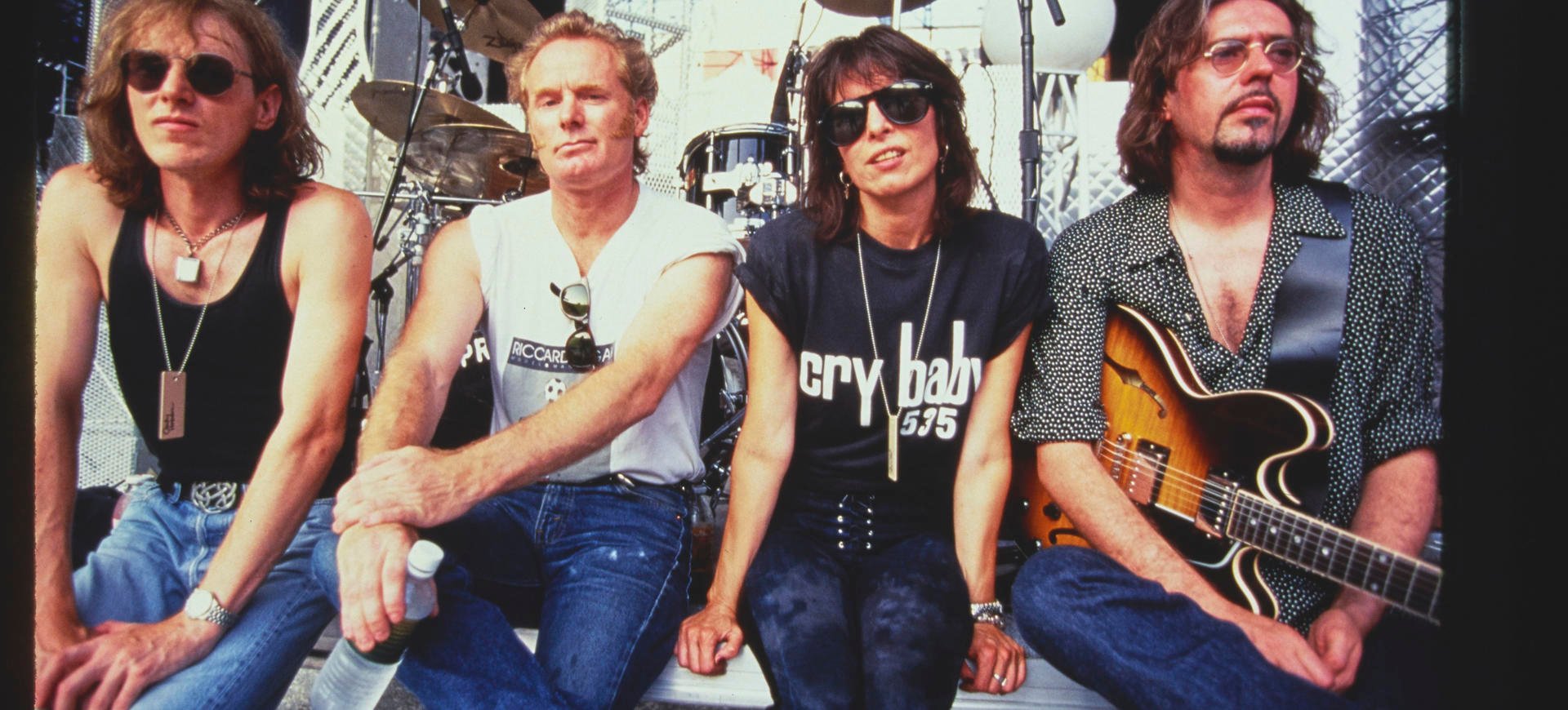
Chrissie Hynde unplugs the Pretenders and surrounds herself with a string quartet
“The Isle of View” — say it out loud — collects the televised acoustic concert the band recorded in May at a London studio, with the Duke Quartet wrapped around “Back on the Chain Gang” and “Hymn to Her”, and Damon Albarn on piano for one song. Hynde singing quietly proves those songs never depended on volume.
The Pretenders
Listen
Via YouTube
2000
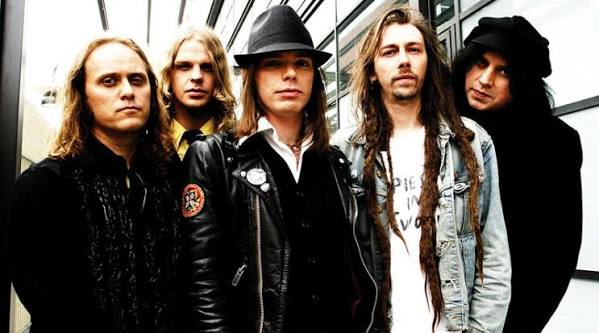
The Hellacopters swap noise for choruses and lose none of the fuel
The Swedes' fourth album, cut at Polar Studios in Stockholm and the first with Robert Dahlqvist on guitar. Where there used to be dirty garage and saturation there is now piano, backing vocals and rock and roll songs a young Rolling Stones might have signed. Europe got it in 2000; North America took a year and a half to notice.
The Hellacopters
Listen
Via YouTube
One ephemeris a day, one editorial a week. Zero spam, pure archive.