
Chapter 01 — Today in music
On a day like today October 17
1972
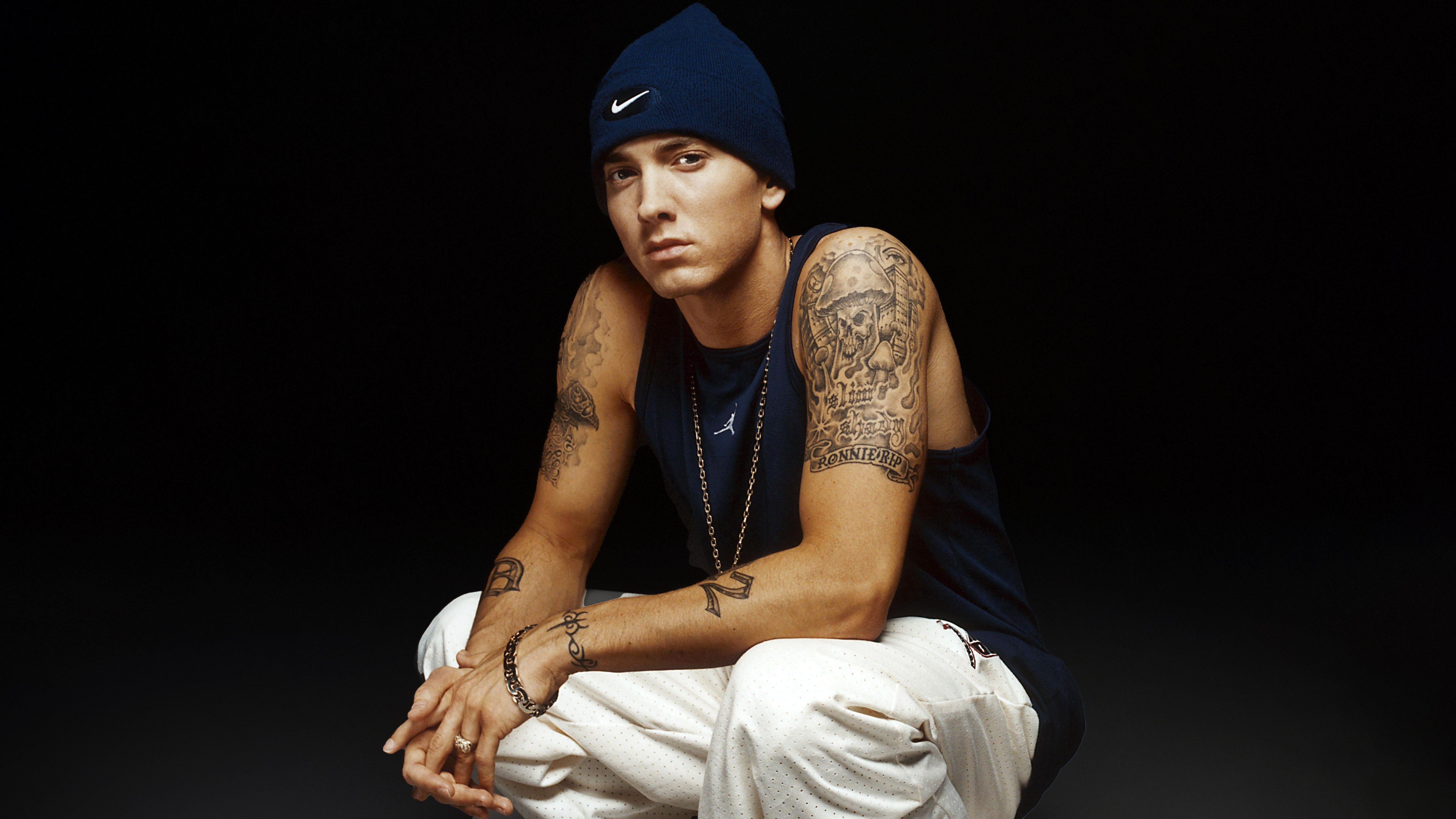
Eminem is born, the white kid hip-hop couldn't ignore
Marshall Mathers is born in St. Joseph, Missouri, raised in Detroit's rough neighborhoods and forged in freestyle battles. With “The Slim Shady LP” and “The Marshall Mathers LP” he became the best-selling artist of the 2000s, between scandals and unmatched technique. His story, filmed as “8 Mile”, redefined who was allowed to speak in rap.
Eminem
Listen
Via YouTube
1961
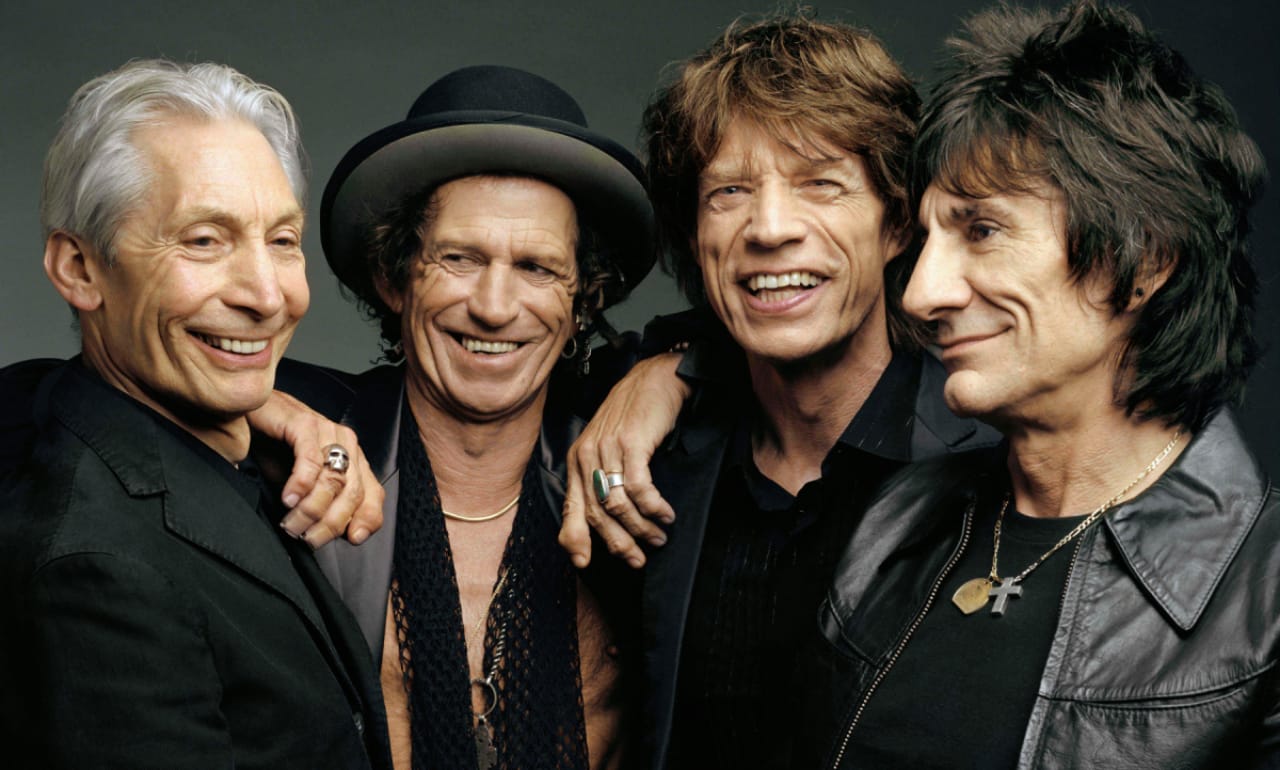
The Dartford platform meeting that turned into the Rolling Stones
Mick Jagger waits for his train carrying imported Chuck Berry and Muddy Waters records. Keith Richards, a childhood neighbour he had lost track of, spots them and walks over. No lightning bolt, no prophecy: just two suburban teenagers discovering they shared an expensive, unfashionable obsession. That conversation produced the longest-running band in rock.
The Rolling Stones
Mick Jagger
Keith Richards
Listen
Via YouTube
1962
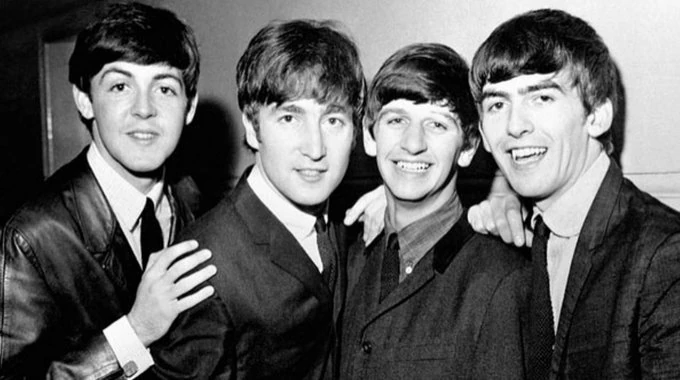
The Beatles make their television debut and nobody bothers to keep the tape
Granada puts them on its regional magazine show People and Places, broadcast live to the north of England alone: two songs, "Some Other Guy" and the brand-new "Love Me Do". As soon as it ends they drive back to Liverpool to play the Cavern that same night. The decade's most consequential TV debut went out live and was never recorded.
The Beatles
Listen
Via YouTube
1963
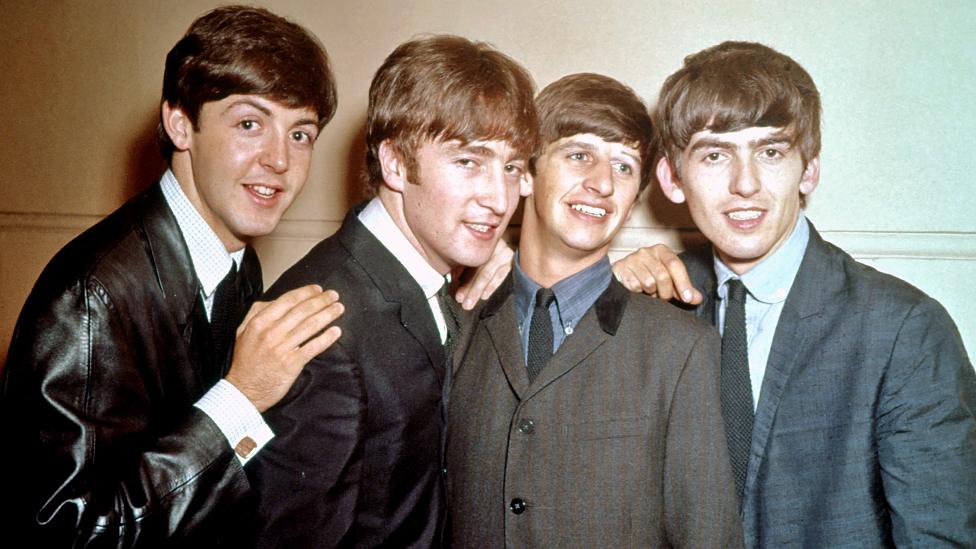
Seventeen takes and four tracks: how "I Want to Hold Your Hand" was made
In Studio Two at Abbey Road the Beatles break in their new four-track machine on the song that would open America to them; the B-side, "This Boy", comes from the same session. The extra tracks gave them room to stack voices and handclaps without swamping the rhythm. Two months later the single would detonate on the other side of the Atlantic.
The Beatles
Listen
Via YouTube
1967
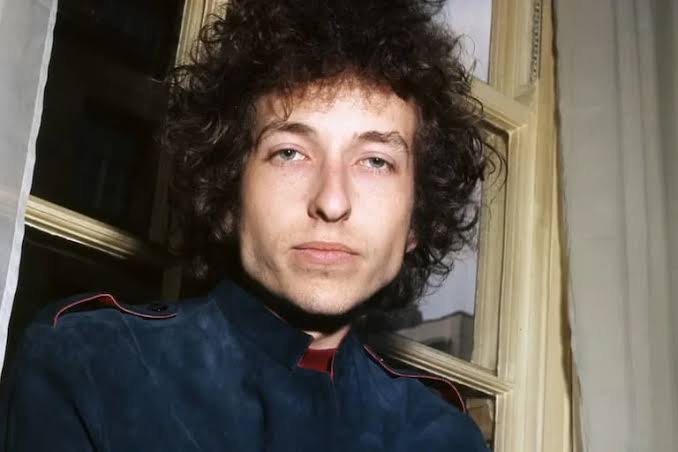
Dylan walks into Nashville and answers psychedelia with three musicians
Eighteen months after Blonde on Blonde, Dylan knocks out the first John Wesley Harding session in three hours at Columbia's Studio A. The whole album would take under twelve hours across three visits, with bass, drums and his own guitar. While the rest of 1967 piled on orchestras, mellotrons and studio effects, he stripped everything away.
Bob Dylan
Listen
Via YouTube
1968
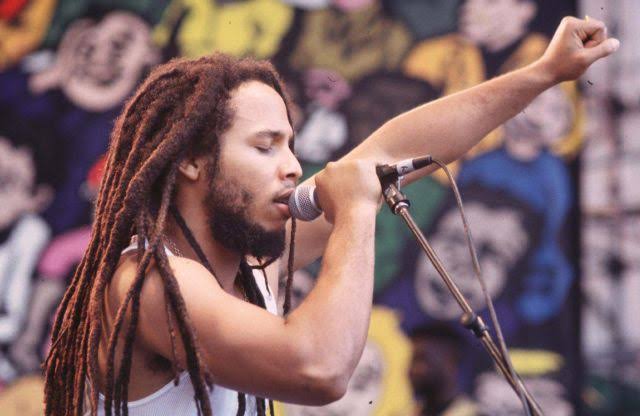
Ziggy Marley is born, the heir who made reggae's heaviest surname his own
David “Ziggy” Marley, firstborn of Bob and Rita Marley, is born in Kingston, Jamaica. Rather than living off his father's covers, he built a body of work of his own with the Melody Makers and eight solo Grammy awards. Carrying the Marley name and still sounding personal is perhaps his greatest artistic achievement.
Ziggy Marley
Listen
Via YouTube
1969
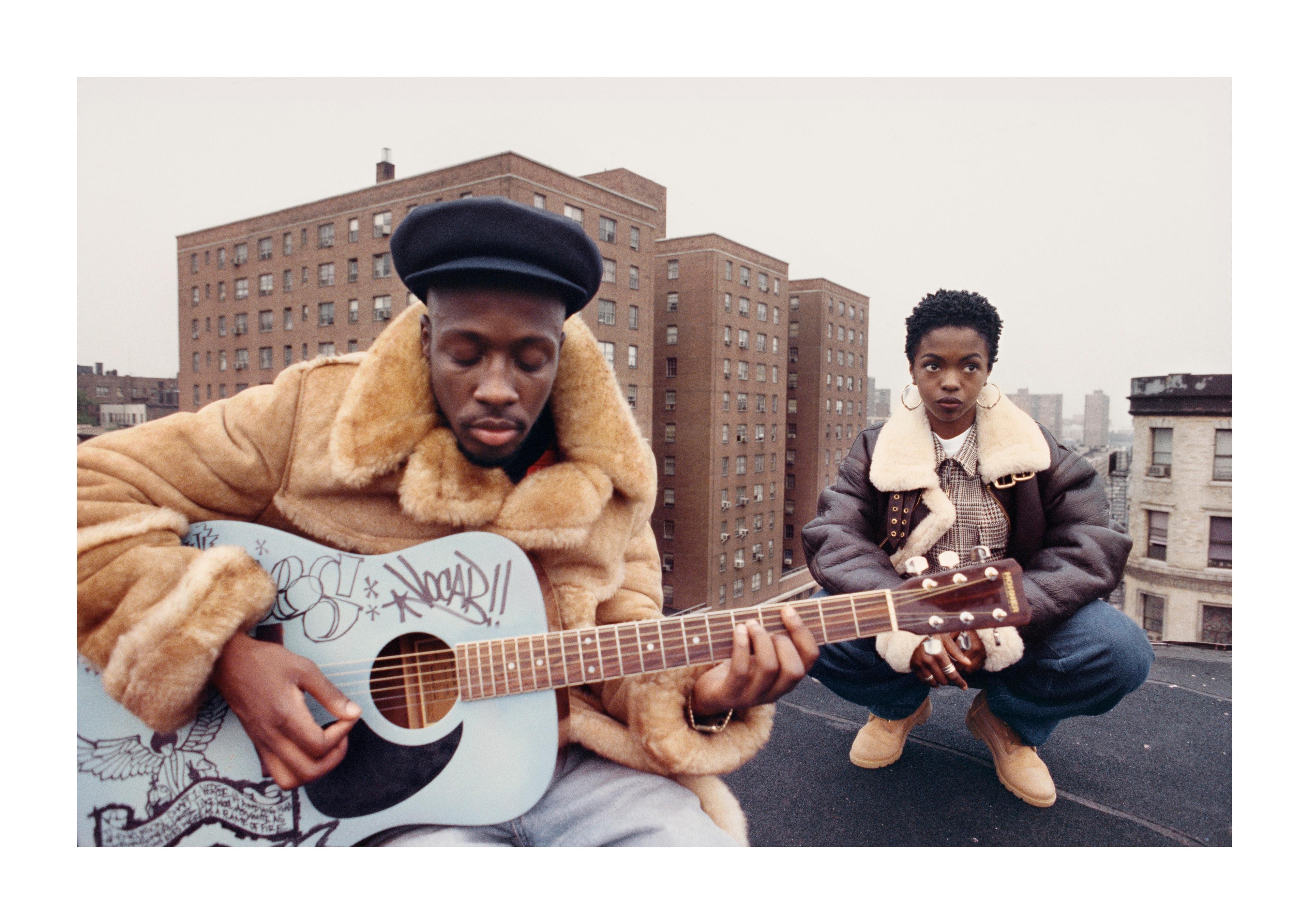
Wyclef Jean is born: the Haitian who became a presidential candidate in his own country
On October 17, 1969, Wyclef Jean was born near Port-au-Prince, son of a pastor who moved the family to New York when he was nine. With the Fugees he recorded "The Score", one of the best-selling hip-hop albums in history, crossing rap with reggae, soul and acoustic guitar. In 2010, after the Haitian earthquake, he ran for the country's presidency; he was rejected for failing the residency requirement.
Wyclef Jean
Fugees
Listen
Via YouTube
1969
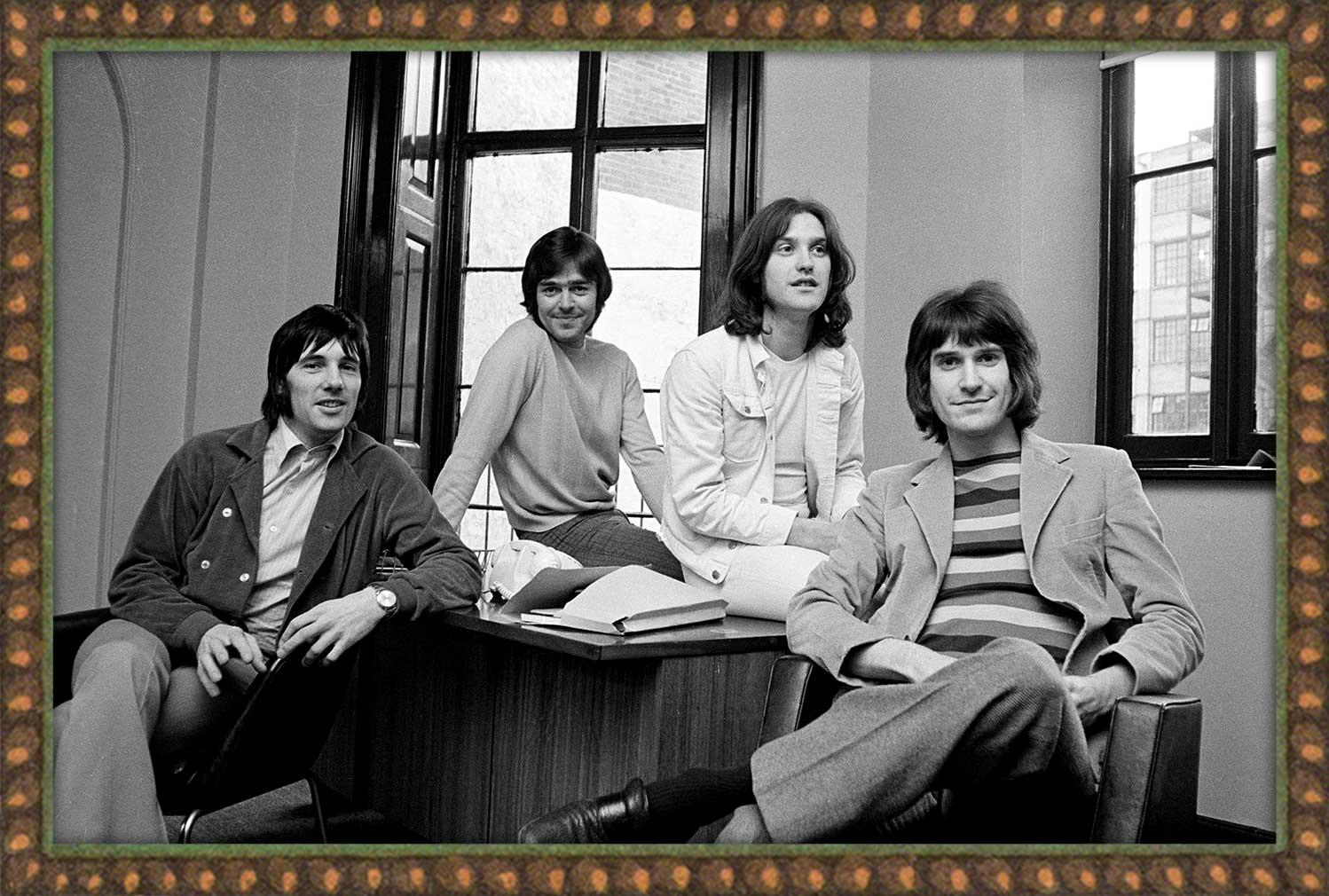
The Kinks set foot in America again after four years of union exile
The American musicians' union had shut the country to them in 1965, after a tour full of brawls and unpaid fees. With the ban lifted, they reappear at New York's Fillmore East, opening for Spirit. They lost four years of the market that decided everything, and Ray Davies spent the exile writing the most stubbornly English records of his career.
The Kinks
Listen
Via YouTube
1976
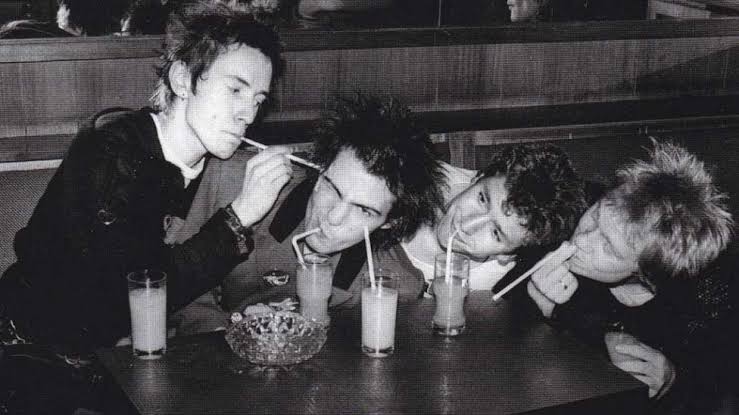
The Sex Pistols record "Anarchy in the U.K." and sign their own dismissal
Chris Thomas takes them into Wessex Studios and does the opposite of what the legend demands: he stacks guitar layers into a huge, clean wall of sound. The single came out in November, stalled at number 38, and led straight to the televised scandal that cost them their deal. EMI dropped them in January; it was the only thing they ever released there.
Sex Pistols
Listen
Via YouTube
1977
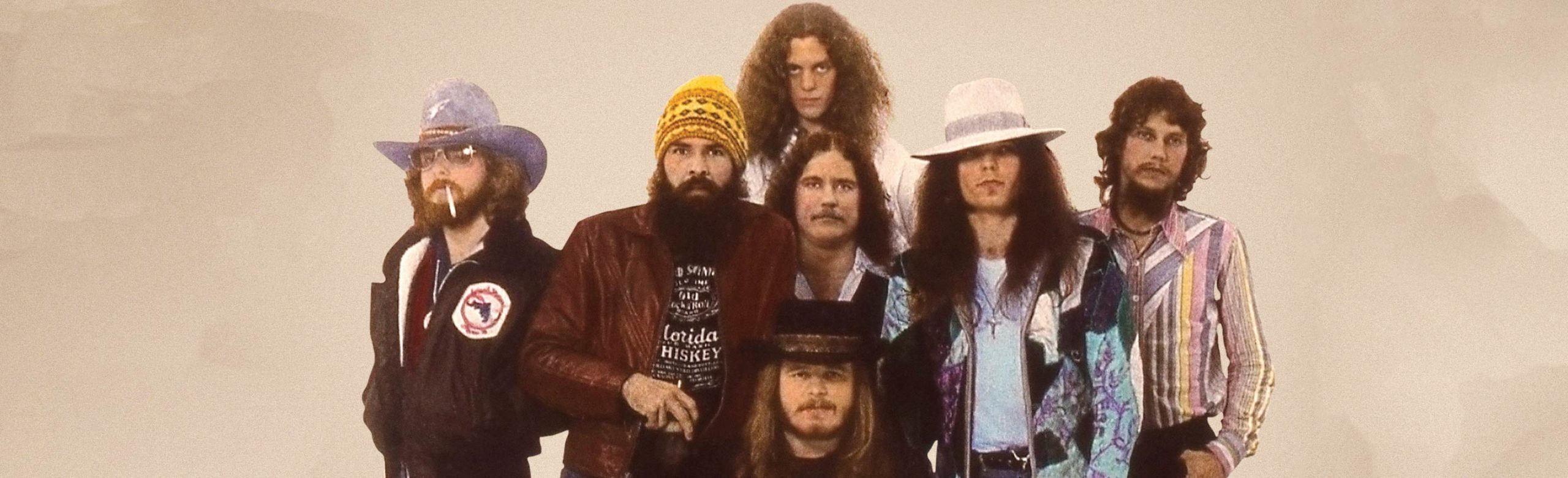
Lynyrd Skynyrd release Street Survivors three days before the crash
The album reaches shops with the band engulfed in flames on the sleeve. Seventy-two hours later the plane carrying them to their next show goes down in Mississippi, killing Ronnie Van Zant, Steve Gaines and Cassie Gaines. At the request of Gaines's widow, MCA withdrew the cover and replaced it with a plain black background that lasted thirty years.
Lynyrd Skynyrd
Listen
Via YouTube
1980
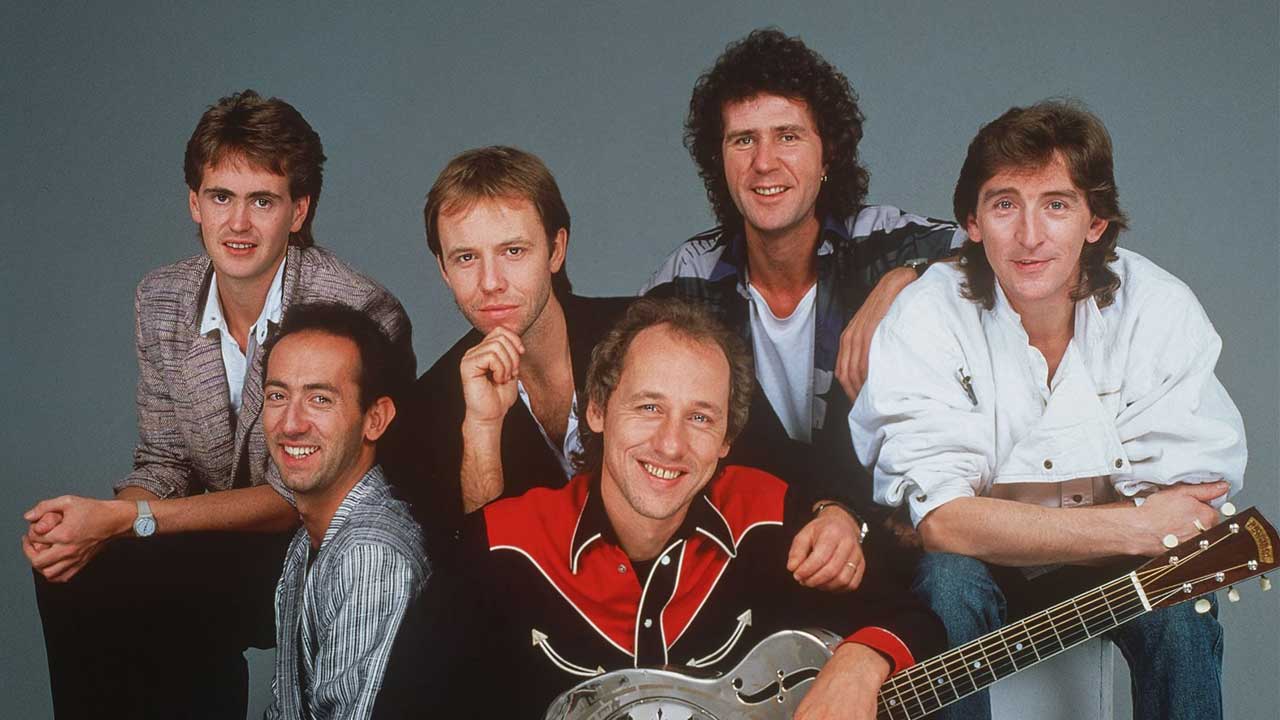
Dire Straits hire an E Street Band pianist and change scale
Mark Knopfler called Jimmy Iovine because he liked the way "Because the Night" sounded, and the producer brought him Roy Bittan. With that piano behind them, Making Movies leaves the dry pulse of the first two albums and allows itself the long breath of "Romeo and Juliet". Midway through the sessions, David Knopfler quit after arguing with his brother.
Dire Straits
Roy Bittan
Listen
Via YouTube
1988
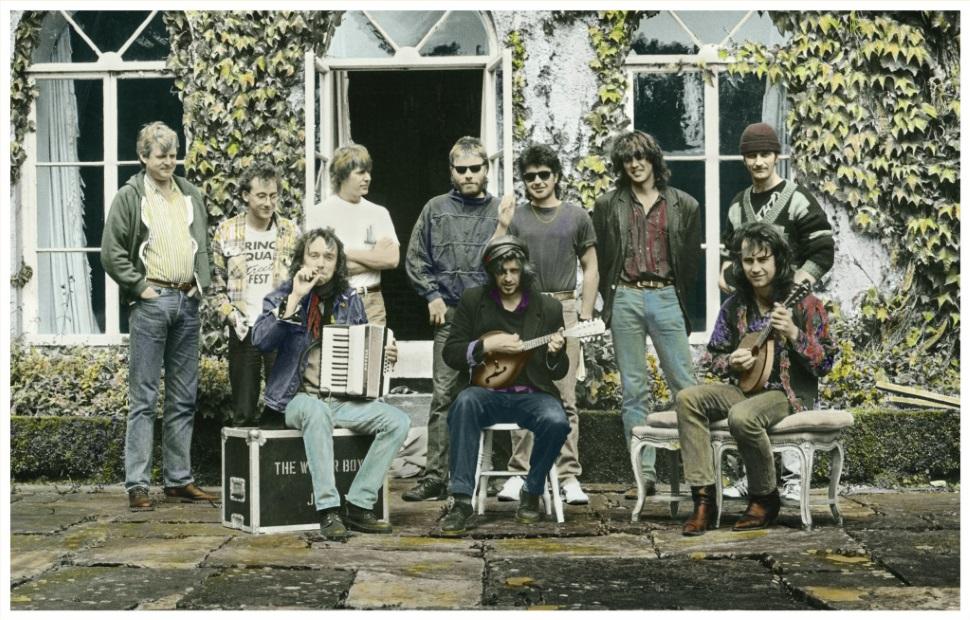
The Waterboys trade the "big music" for an Irish fiddle
Mike Scott dismantles the grandiose sound that had made his name and goes off to record between Dublin and a house in Galway, with Steve Wickham on fiddle. The result was their best-selling album and the only one where a Yeats poem, country and gospel share a side. They had material for three records and no idea where to take it.
The Waterboys
Mike Scott
Steve Wickham
Listen
Via YouTube
2000
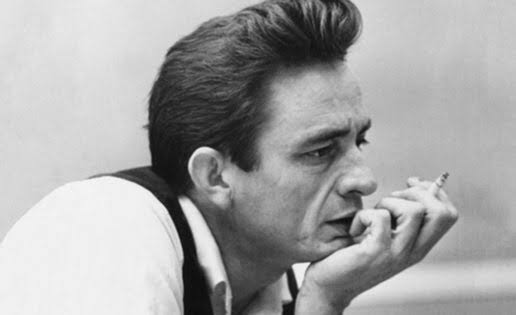
Johnny Cash records with a broken voice and makes the damage the point
The third instalment of the Rick Rubin sessions, made between bouts of pneumonia and hospital stays. His voice barely reaches the notes, and that is exactly why it works: U2's "One", Tom Petty's "I Won't Back Down" and Nick Cave's "The Mercy Seat" sound like other people's wills that Cash claims as his own. He had three years left.
Johnny Cash
Rick Rubin
Listen
Via YouTube
1909
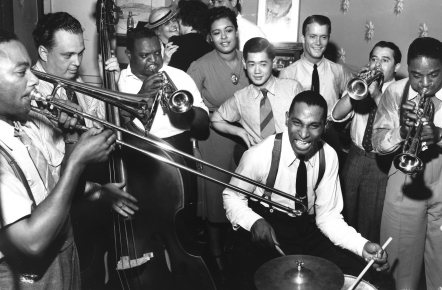
Cozy Cole is born, who sold a million copies of a drum solo
On October 17, 1909, Cozy Cole was born in New Jersey, drummer in the orchestras of Cab Calloway and Louis Armstrong. In 1958 he recorded "Topsy Part 2", an instrumental that is essentially a three-minute drum solo with horns in the background. Against all odds it sold more than a million copies and reached number three: the only time a drum solo has been a mass commercial hit.
Cozy Cole
Cab Calloway
Listen
Via YouTube
1933
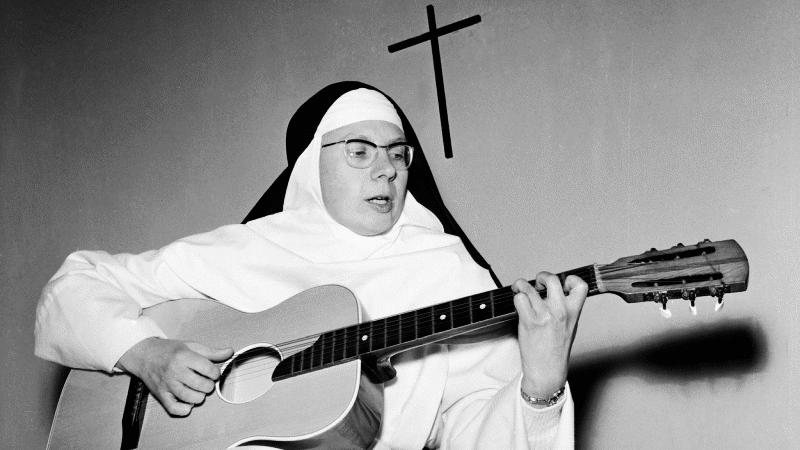
The Singing Nun is born, who topped the American chart singing in French
On October 17, 1933, Jeanne Deckers was born in Belgium. She entered a Dominican convent and recorded some guitar songs for the community. One of them, "Dominique", reached number one in the United States in 1963: the only time a French-language song has done so. The money went to the order. She left the habit, ended up in debt to the tax authorities and took her own life alongside her partner in 1985.
The Singing Nun
Listen
Via YouTube
1957
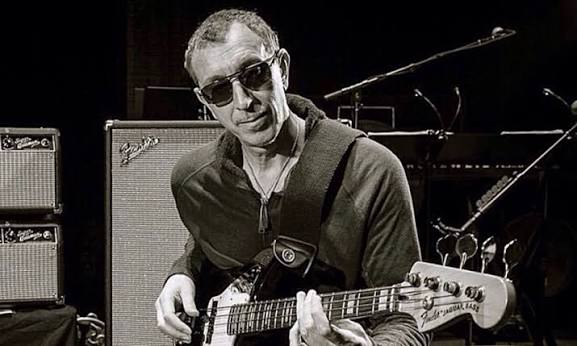
Pino Palladino is born: the bassist who completely changed style mid-career
On October 17, 1957, Pino Palladino was born in Cardiff. In the eighties he became famous for a slippery, singing fretless bass sound heard on dozens of hits of the era. In 2000 he did the opposite: on D'Angelo's "Voodoo" he played deliberately behind the beat, dragging, and that lag defined the sound of neo soul. He also replaced John Entwistle in The Who after his death.
Pino Palladino
D'Angelo
The Who
Listen
Via YouTube
1969
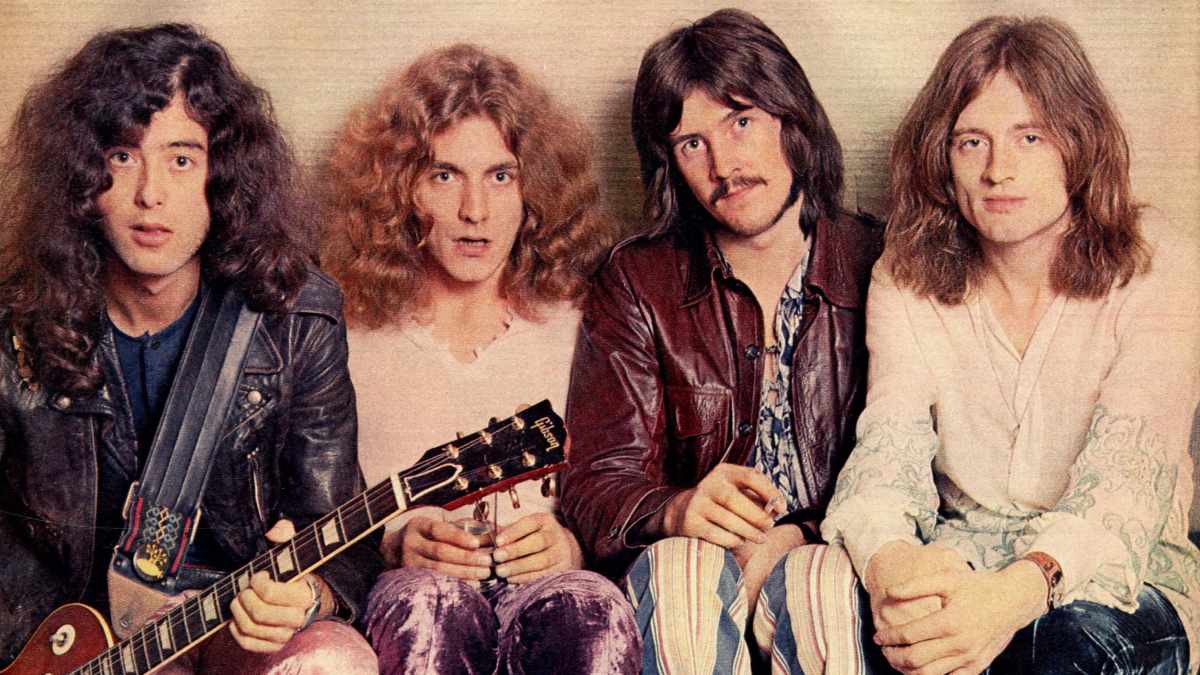
Led Zeppelin walk into Carnegie Hall and sell it out twice in one night
The hall had been closed to rock for years after earlier crowds wrecked it. Led Zeppelin reopen it with two shows on the same day, at half past eight and at midnight, both sold out and both scalped at double face value. Five days later Led Zeppelin II arrived: they reached the temple just before they stopped needing its permission.
Led Zeppelin
Listen
Via YouTube
1972
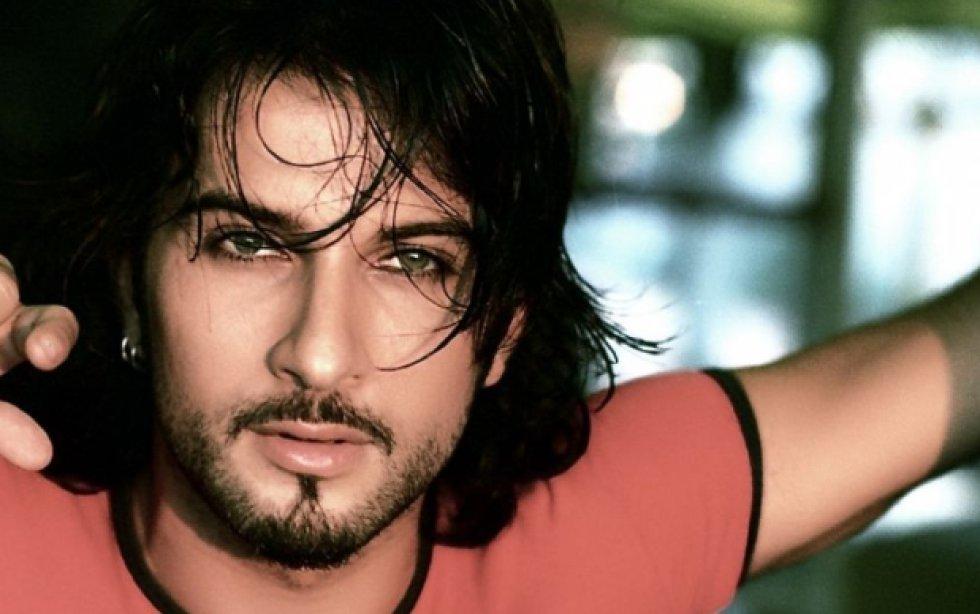
Tarkan is born, whose kissing song was sung across half of Europe without being understood
On October 17, 1972, Tarkan Tevetoğlu was born in Germany, son of Turkish migrant workers. He returned to Turkey as a teenager and became the country's biggest pop star. In 1997 he recorded "Şımarık", a song with a kissing sound in the chorus that became a hit in France, Belgium and much of Latin America, sung phonetically by people who did not understand a word of Turkish.
Tarkan
Listen
Via YouTube
1980
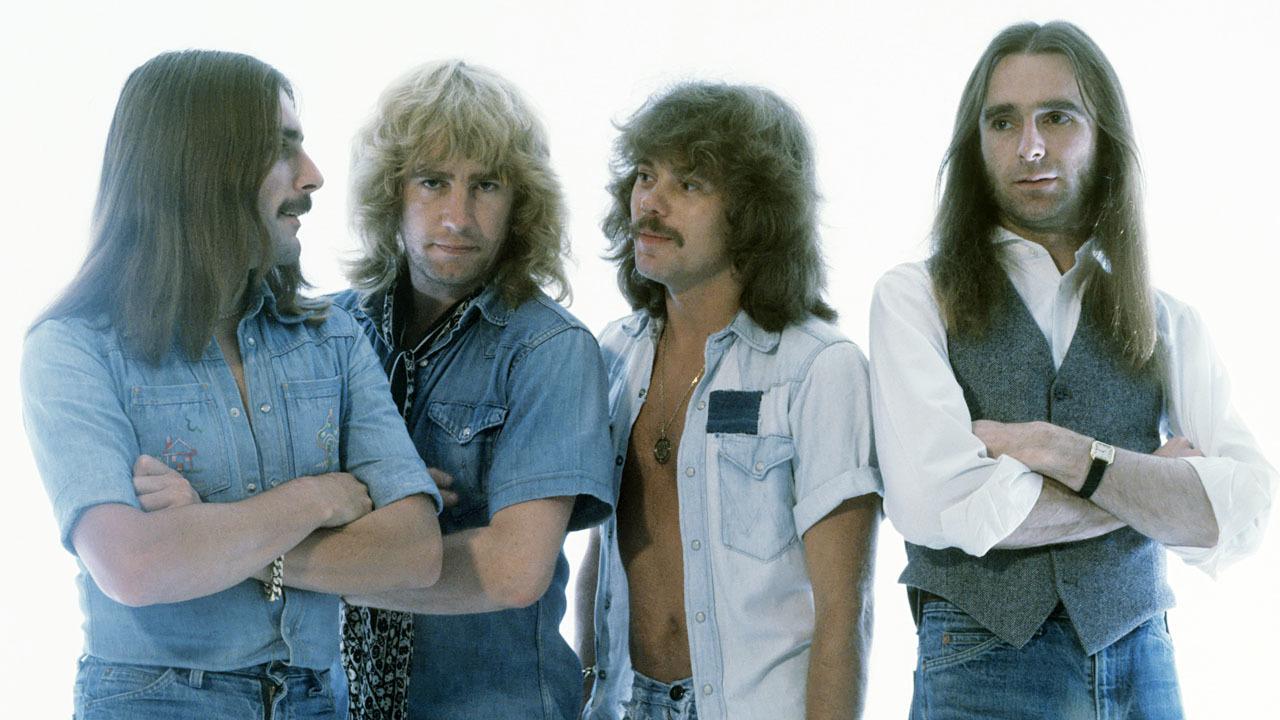
Status Quo release half of what they recorded and save the rest for next year
The Dublin sessions produced two full albums. The first, Just Supposin', went straight in at number four in Britain with the usual scheme: twelve bars, three chords and no attempt to hide it. The other half waited until 1981 under the title Never Too Late. Few bands have managed the virtue of never changing with such commercial discipline.
Status Quo
Listen
Via YouTube
1987
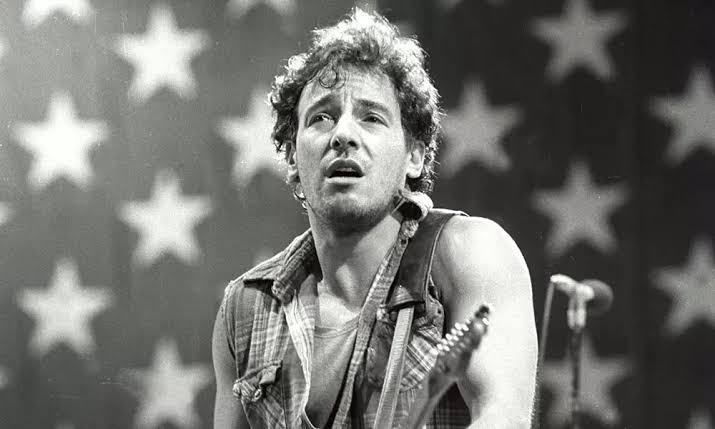
Tunnel of Love tops Britain with Springsteen narrating his own divorce
The UK chart dated 17 October 1987 puts it at number one. After the stadiums and the flags of Born in the U.S.A., Springsteen recorded largely alone, with drum machines and synthesisers, an album about a marriage coming apart. An audience that had come to shout choruses found private doubts delivered in a low voice instead.
Bruce Springsteen
Listen
Via YouTube
1992
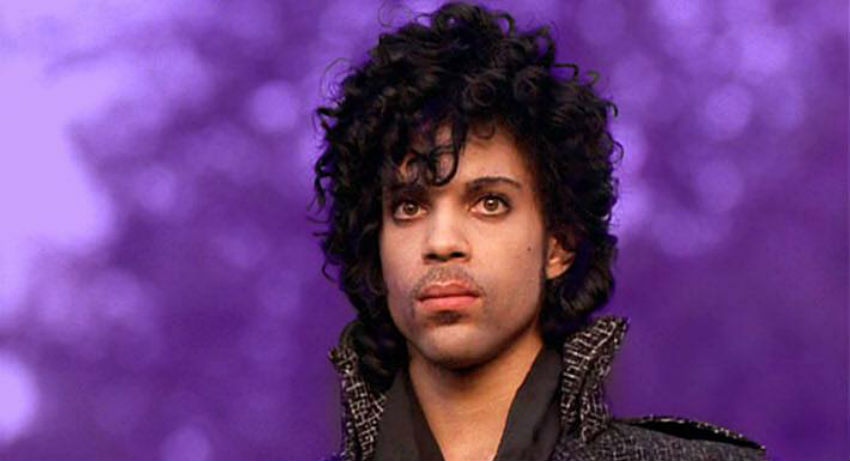
The album with the unpronounceable symbol goes to number one in Britain
The chart dated 17 October 1992 crowns the record Prince titled with a sign nobody could say out loud. A year later he would adopt that same symbol as his own name in order to fight Warner over control of his catalogue and the commercial use of his surname. The graphic joke was the opening move in a contractual war.
Prince
The New Power Generation
Listen
Via YouTube
2005
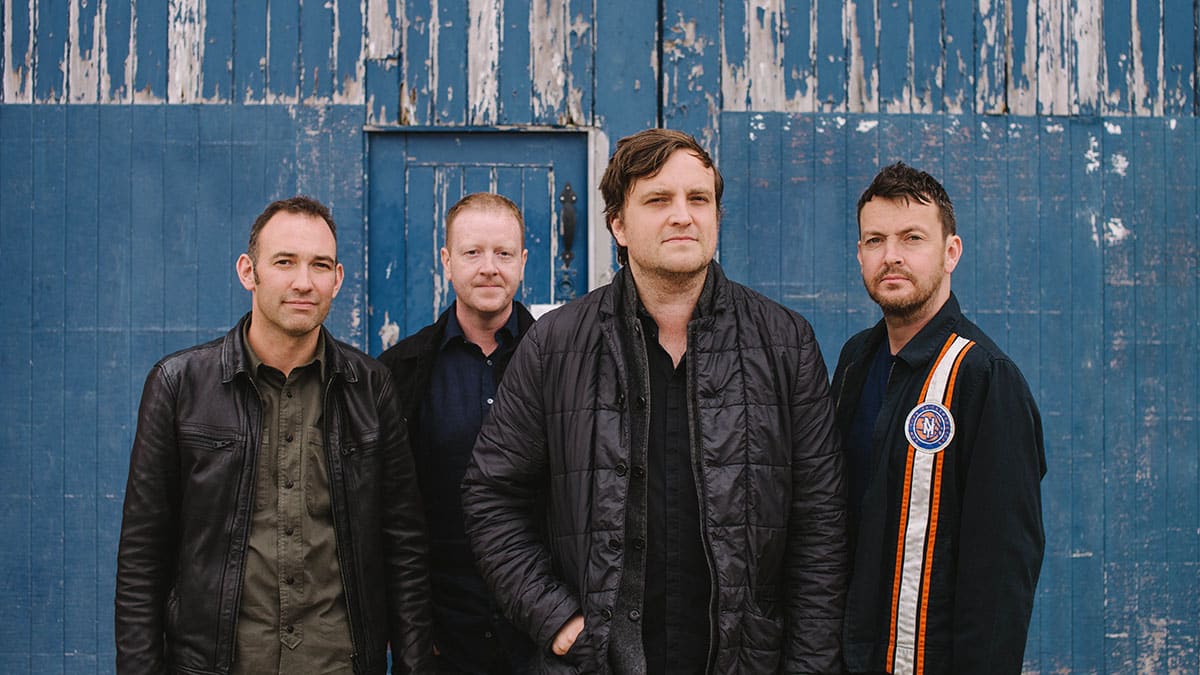
Starsailor turn the guitars up as late Britpop was fading out
The Chorley band's third album, produced by Rob Schnapf and recorded in barely two months. They leave behind the piano ballad that made their name and harden the sound, hoping to shake off the sensitive-band label they had carried since the debut. It reached number thirteen in Britain: enough to carry on, not enough to change the conversation.
Starsailor
Listen
Via YouTube
2008
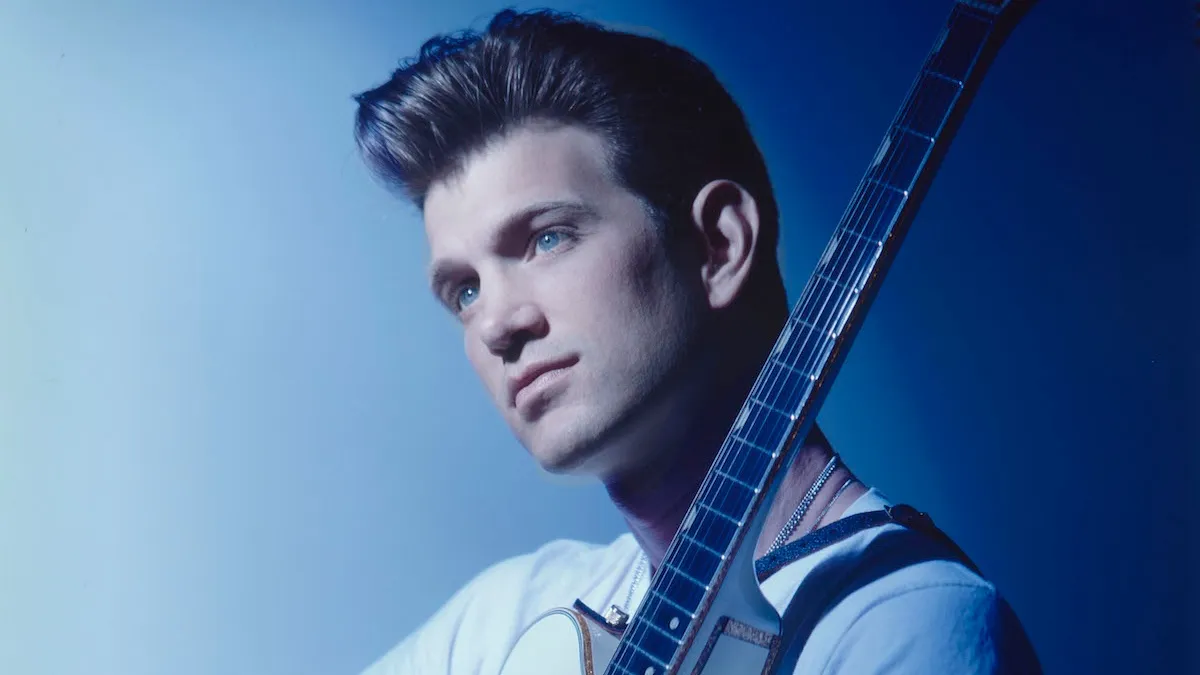
Chris Isaak puts out an Australian live album that sat two years in a drawer
The concert was taped in November 2006 and took almost two years to appear. Since the eighties Isaak has defended a formula immune to fashion: fifties reverb, a crooner's voice and a band whose line-up barely moves. Live, the running jokes between songs are as much part of the set as "Wicked Game" itself.
Chris Isaak
Listen
Via YouTube
One ephemeris a day, one editorial a week. Zero spam, pure archive.