
The Guess Who
The Canadians who put an anti-United States song at number one in the United States
By Rebobinados · Published on September 23, 2026
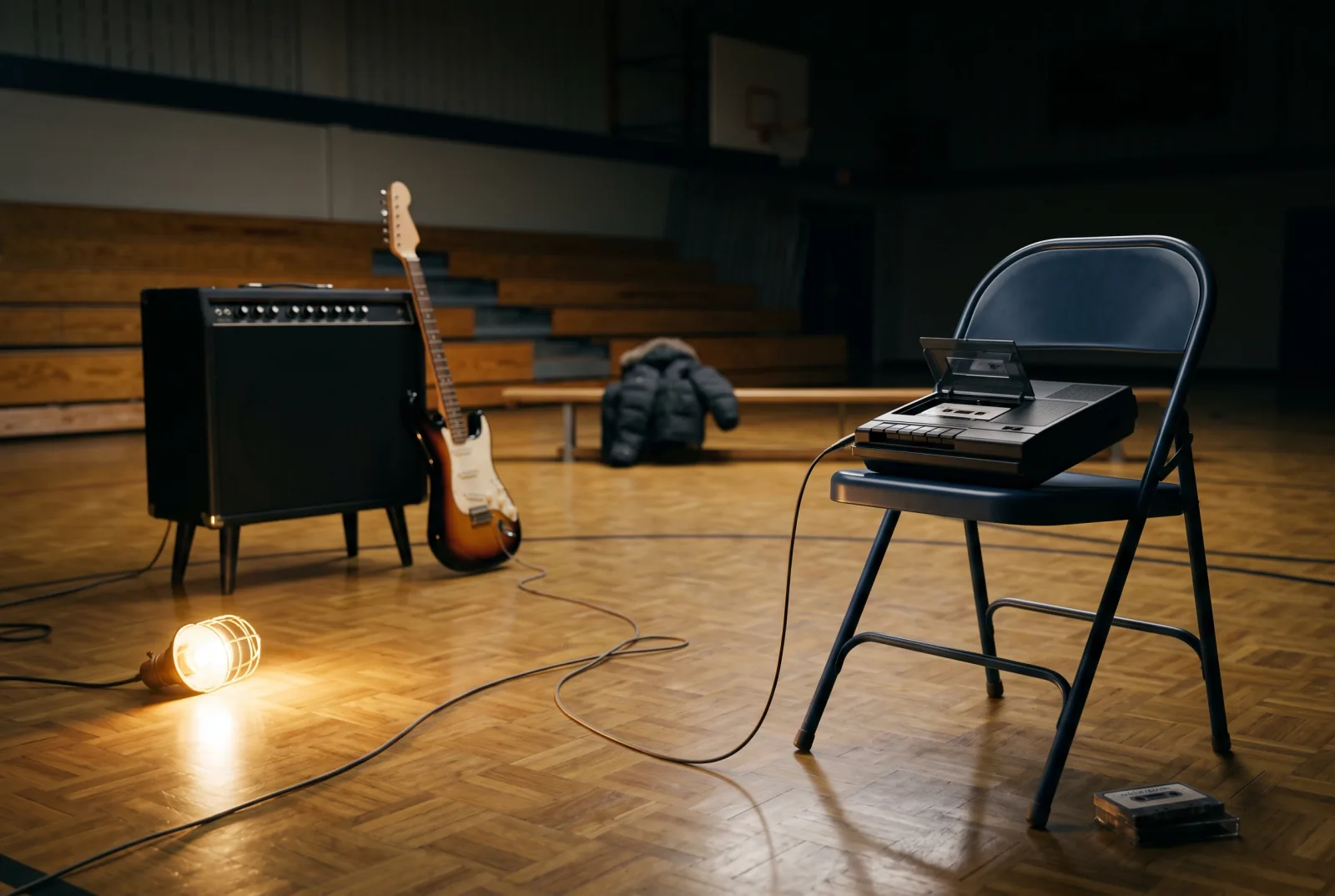
Ilustración: Rebobinados
In May 1970, for the first time in history, a song by a Canadian band reached number one on the most important chart in the United States. The song was called "American Woman", and there lies the delicious irony: it was, to a large extent, a song that sang to the United States with a raised eyebrow, and it was the United States itself that put it at the very top. The outsiders got there first, and they got there saying something uncomfortable.
From Winnipeg to the world
The Guess Who came from Winnipeg, a Canadian city far from everything, with Burton Cummings on vocals and Randy Bachman on guitar — the same Bachman who would later found Bachman-Turner Overdrive. Before "American Woman" they had already scored with "These Eyes" and "No Time", with that melodic, powerful sound that made them the first great Canadian rock band to genuinely break into the giant market to the south.
That a group from Winnipeg beat every local band in the race to the American number one says something about the talent that was there. In rock, Canada was the permanent shadow of its noisy neighbour. The Guess Who were the ones who proved that you could reach the summit from the north as well, and reach it saying what you thought on top of that.
The riff that came out of nowhere
The best thing about "American Woman" is how it was born, and it is one of those stories that only happen live. The riff wasn't written in a studio: Randy Bachman improvised it in the middle of a concert, in a hall in Ontario, out of nowhere, while they were jamming. Cummings joined in making up the lyric as he went, right there, in front of the audience. The band had the song neither recorded nor written down. Somebody in the crowd, luckily, had a home tape recorder, and from that bootleg tape the band later reconstructed what had come out on its own that night.
Think about it: one of the most recognisable riffs in rock exists today because an anonymous spectator pressed record. The song was invented in the air and almost lost in the air; a smuggled tape saved it. Greatness sometimes hangs by a thread that fine.
What it said, and the White House myth
What "American Woman" actually means was never agreed on, not even inside the band. Bachman described it as an anti-war song, born of the fear of the Vietnam draft right there on the border; Cummings has said it wasn't really about politics. That ambiguity is part of its strength: everyone hears what they want to hear.
And there is a famous legend worth telling properly. The story goes that when the band was invited to play at the White House, in 1970, they were asked not to play "American Woman" because of its awkward lyric. It sounds perfect, but Cummings himself denied it: according to him, the idea of not playing it came from the band, and the tale of the ban was cooked up by their manager as a publicity stunt. Which means that even the juiciest anecdote about the song is, most likely, marketing. Very much of its time.
What to remember
The Guess Who were the first Canadian band to reach number one in the United States, and they did it with "American Woman", a song with an uncomfortable reading that the very country it pointed at turned into a hit. The riff was improvised at a concert and survived thanks to a spectator's bootleg tape. And the famous White House ban was, almost certainly, a publicity invention.
Remember it this way: the northerners got to the southern summit first, with a song improvised on an ordinary night and rescued by an anonymous tape recorder. Sometimes great history starts with somebody in the audience pressing a button.
Sources
The Guess Who, Canadian rock band formed in Winnipeg, with Burton Cummings (vocals) and Randy Bachman (guitar) among its main figures, alongside Jim Kale (bass) and Garry Peterson (drums). "American Woman", released as a single in March 1970, reached number one on the Billboard Hot 100 for three weeks from 9 May 1970, becoming the first song by a Canadian band to top that chart. The riff and the lyric were improvised during a concert in Ontario and were reconstructed from a home recording made by a member of the audience. On its meaning there are diverging accounts from the members themselves: Bachman described it as an anti-war song linked to the Vietnam draft, while Cummings has denied any political intention. The band was invited to play at the White House on 17 July 1970; the version according to which they were asked not to perform "American Woman" was denied by Cummings, who attributed it to a publicity stunt by their manager. Earlier they had hits such as "These Eyes" and "No Time"; Bachman would later found Bachman-Turner Overdrive. Profile compiled for Rebobinados with fact-checking; interpretations of the meaning of the work are offered as the author's reading. No song lyrics are reproduced, for copyright reasons. Information drawn from Wikipedia, Uncut, CBC, Ultimate Classic Rock and other coverage.
Keep rewinding
00s
garage
The White Stripes
The surname was the drummer's
They said they were brother and sister: Jack repeated it in interviews as "the two youngest of ten". In fact they had married on 21 September 1996 and divorced in March 2000, and when the press exposed it in 2001 they carried on insisting. And the surname was hers: Jack was born John Anthony Gillis and took Meg's when they married.
60s
garage
The Velvet Underground
Thirty thousand bands
Almost nobody bought them, and half the rock that followed came out of them. Brian Eno's line sums it up, even if the figure he quotes is not quite right.
00s
garage
The Strokes
A small amplifier
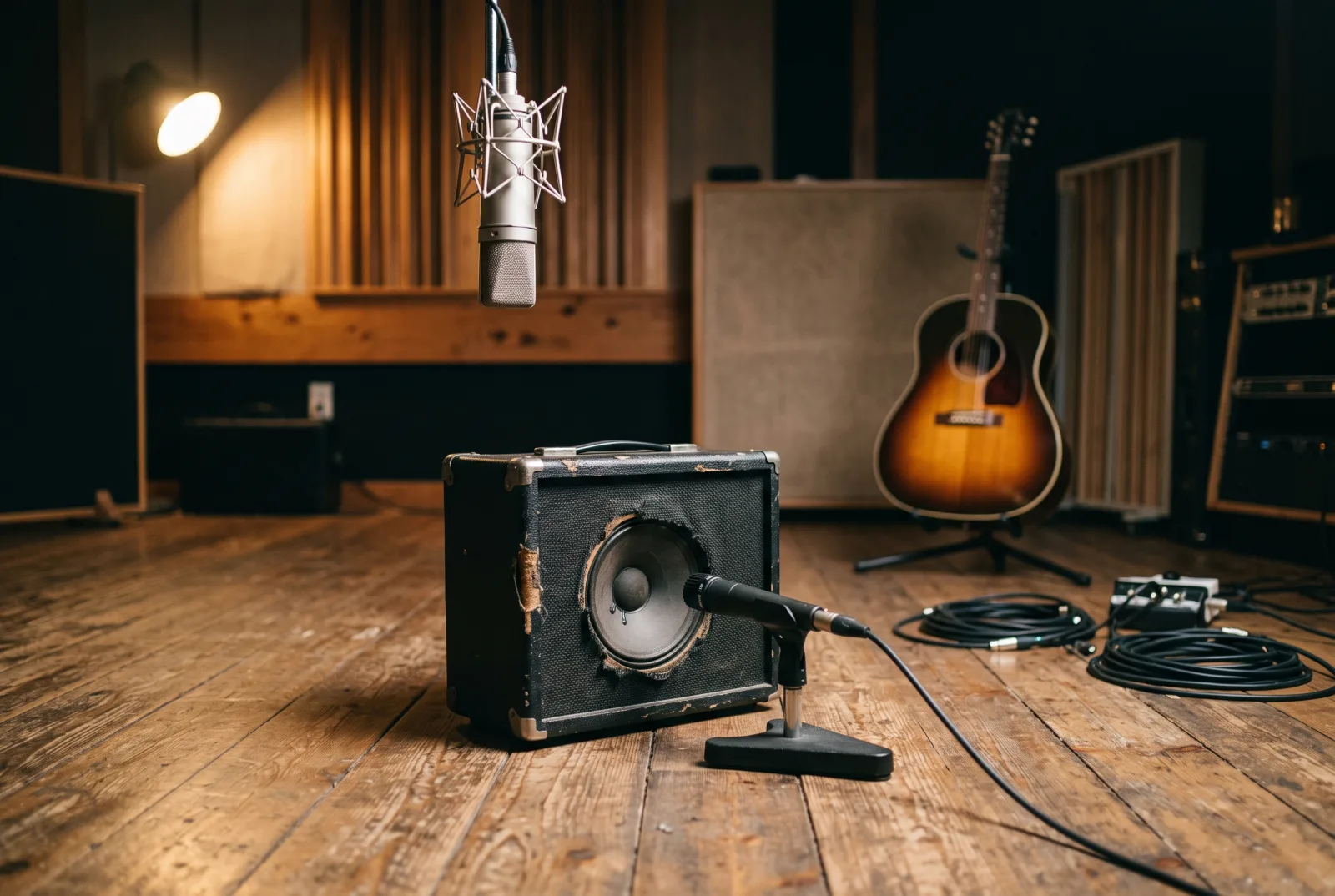
In 2001 they sounded revolutionary by sounding old. They recorded the vocals through a cheap practice amp on purpose, leaving the good gear unused.
Rewind with us
Comments · 0
No one has commented yet. Open the conversation.