
Chapter 02 — Decades
70sThe excess
Articles from the 70s
70s
folk
Florcita Motuda
Forty-nine years without a reissue
With "Brevemente… geeente" he won the best Chilean performer prize at Viña 1977, and he won it in the international competition because the folk one was not held that year. The album that contains it, released in 1977 on APRI —Antonio Prieto's label—, spent 49 years without a reissue: never on CD or streaming until it came back on vinyl in April 2026 and on digital on 11 July, the day he returned to the stage. The record for the longest title at the OTI is his, but it is from 1978 and not 1998.
70s
progresivo
Jean-Michel Jarre
Twenty-five times in his whole life
His father was Maurice Jarre, three Oscars for "Lawrence of Arabia", "Doctor Zhivago" and "A Passage to India", and he left home when the son was 5: "we saw each other twenty or twenty-five times in our whole lives". *Oxygène* came out in December 1976, recorded in the former kitchen of his flat with a broken Mellotron, and sold some 18 million. Of his father's inheritance he received nothing: the European Court of Human Rights dismissed the case on 15 February 2024.
70s
folk
Piero
The old man wasn't his
Piero sang "Mi viejo" in 1969, but the words are José Tcherkaski's and the father it portrays was his own: Mario Tcherkaski, a Russian street hawker who died at 52, eight years before the song. CBS released it with Father's Day in mind after several labels turned it down, and the first pressing passed 600,000 copies. Piero died on 7 October 2026, aged 81.
70s
disco dance
Kraftwerk
Twenty-seven years over two seconds
In 1997 Moses Pelham took two seconds of "Metall auf Metall" for a Sabrina Setlur song. Ralf Hütter and other members of Kraftwerk sued in 1999 in their personal capacity: 27 years, Germany's Bundesverfassungsgericht, two CJEU judgements and one repealed article later, the Bundesgerichtshof ruled against them on 3 September 2026. Florian Schneider died in 2020 while still a main plaintiff. For "Planet Rock", Tommy Boy had settled at a dollar a copy.
70s
blues rock
Keith Richards
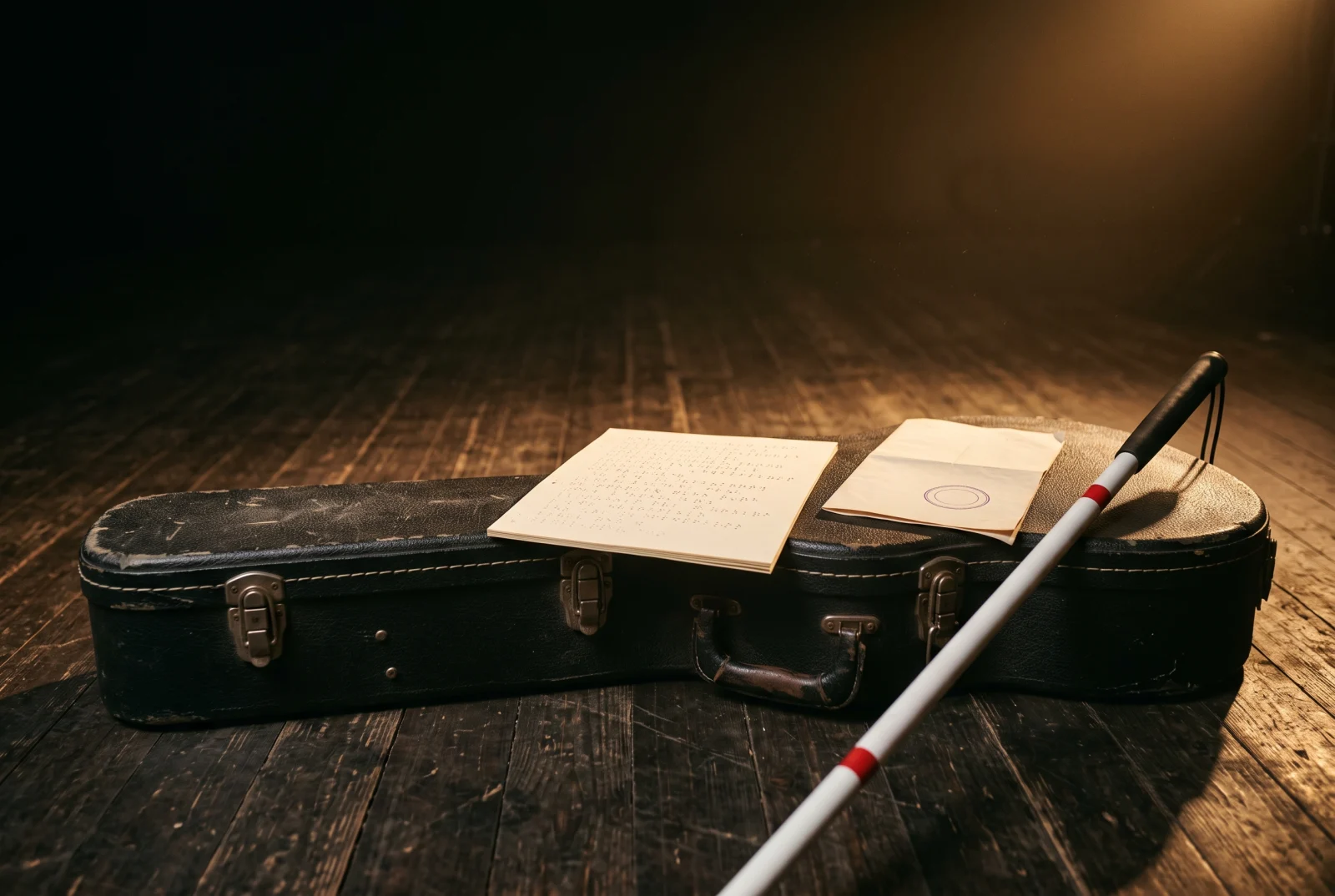
The sentence was to play for the blind
The Royal Canadian Mounted Police found 22 grams of heroin in his Toronto suite on 27 February 1977, on a trafficking charge that carried exposure to a life sentence. On 24 October 1978 Judge Lloyd Graburn kept him out of prison with an extraordinary condition: a benefit concert for the Canadian National Institute for the Blind. He complied on 22 April 1979 in Oshawa, with two shows that some 1,400 blind people got into free.
70s
progresivo
Roger Hodgson
The two wrists and the broken pact
"Dreamer" and "Breakfast in America" are his, written at nineteen, even though they are attributed to Rick Davies. In 1983 he left Supertramp with a verbal pact that Davies broke five years later, and in 1987 he fell from a loft and broke both wrists: he was told he would never play again. Davies died on 6 September 2025, at the age of 81.
70s
folk
Willie Nelson
Fifty dollars and sixteen million
He sold "Family Bible" for fifty dollars and lost it; "Hello Walls", nine weeks at country no. 1 in 1961, was what turned him into a national songwriter. On 9 November 1990 the IRS seized assets in six states: it claimed 32 million, assessed 16.7 and closed a settlement for some 9 on 2 February 1993. He paid it with a double album sold on television at 19.95 dollars.
70s
punk
Elvis Costello
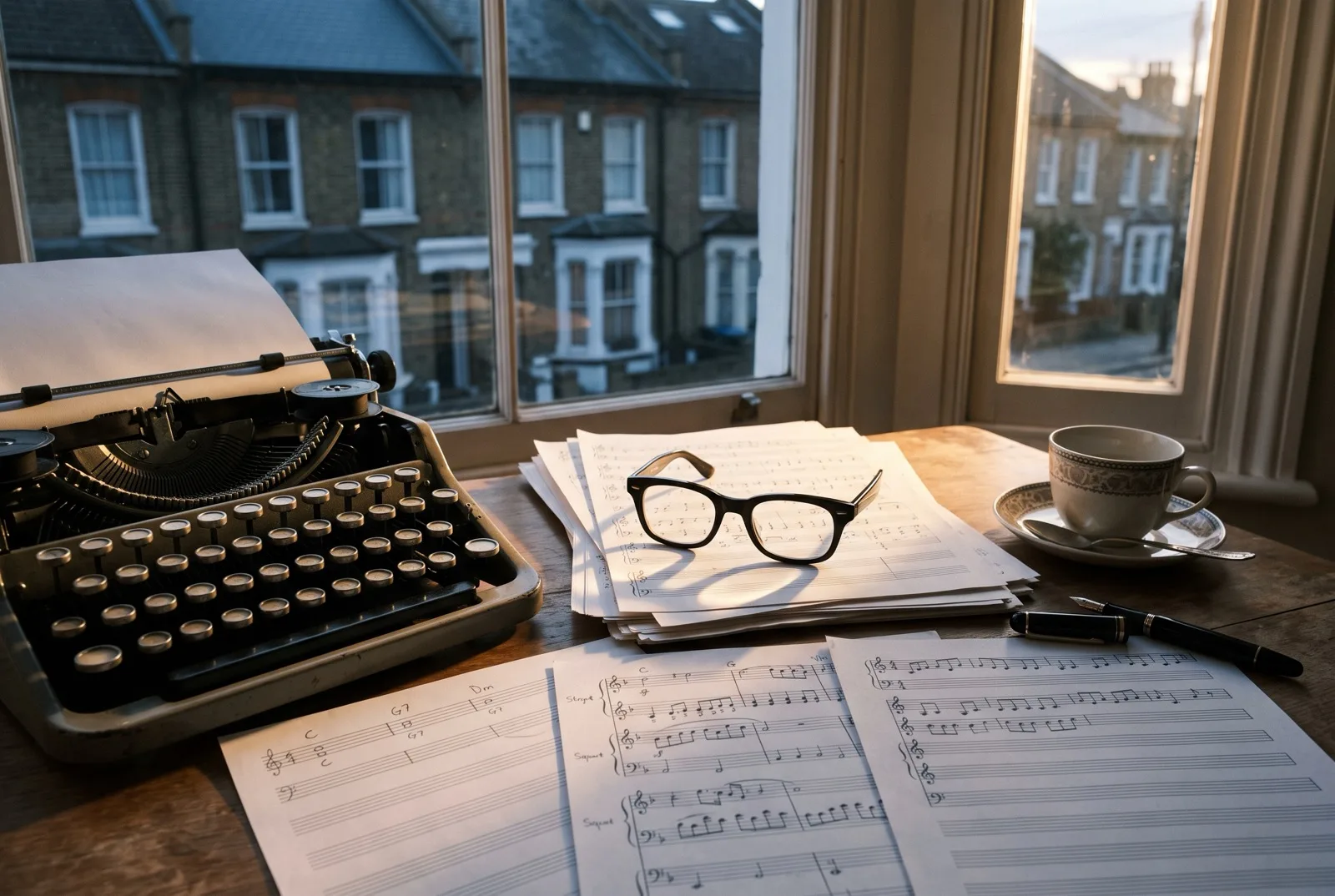
The nerd who refused to be pigeonholed
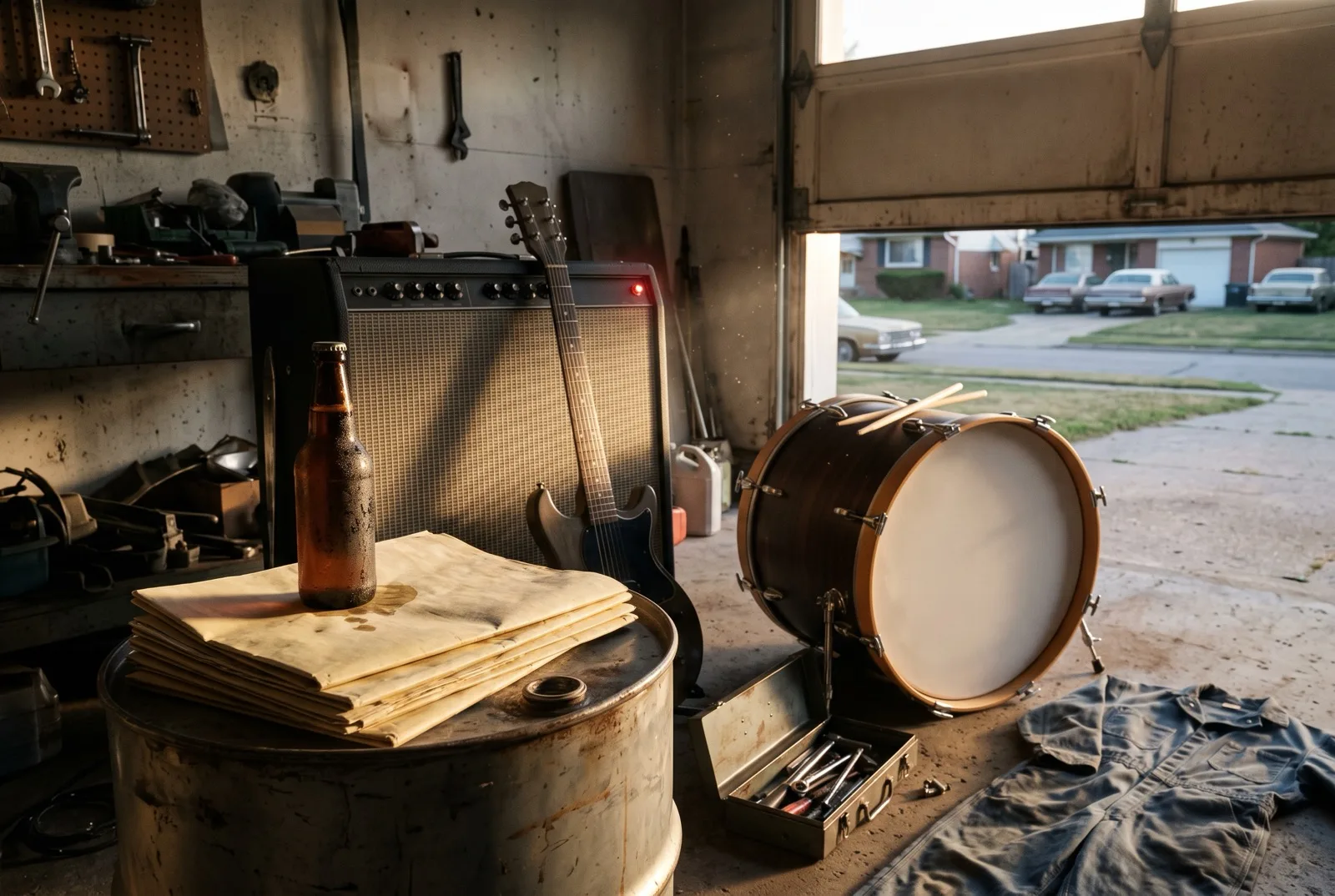
He looked like a bank clerk in thick-framed glasses, and he had the sharpest pen in new wave. Then he recorded country, a string quartet, an album with Bacharach, and even a ballet for the London Symphony.
70s
hard rock
Grand Funk Railroad
Seventy-two hours
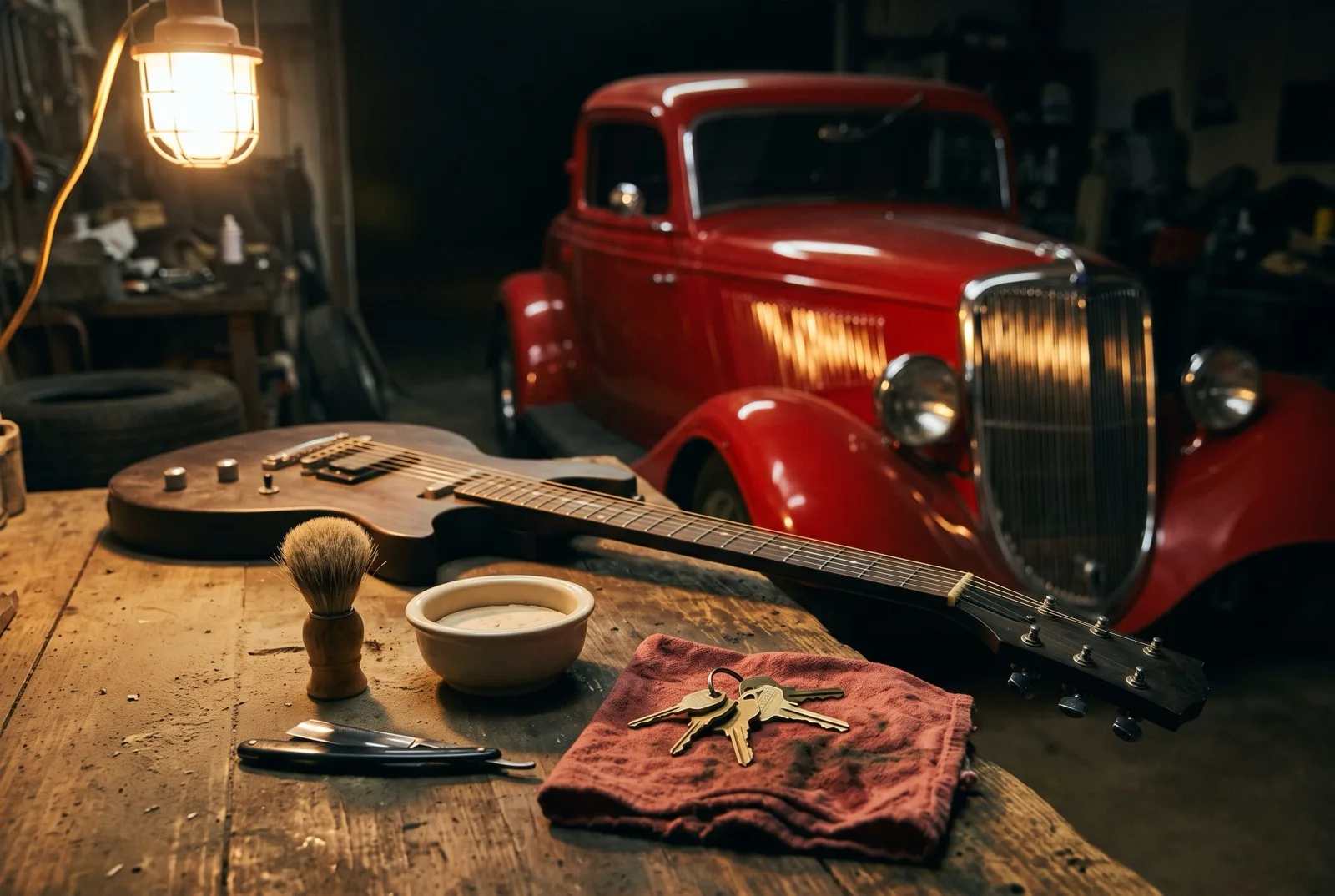
The fifty-five thousand tickets for their Shea Stadium concert sold out in seventy-two hours. The Beatles, in that same stadium, had taken weeks. Meanwhile, the critics tore them apart without mercy.
70s
blues rock
ZZ Top
The razor they never used
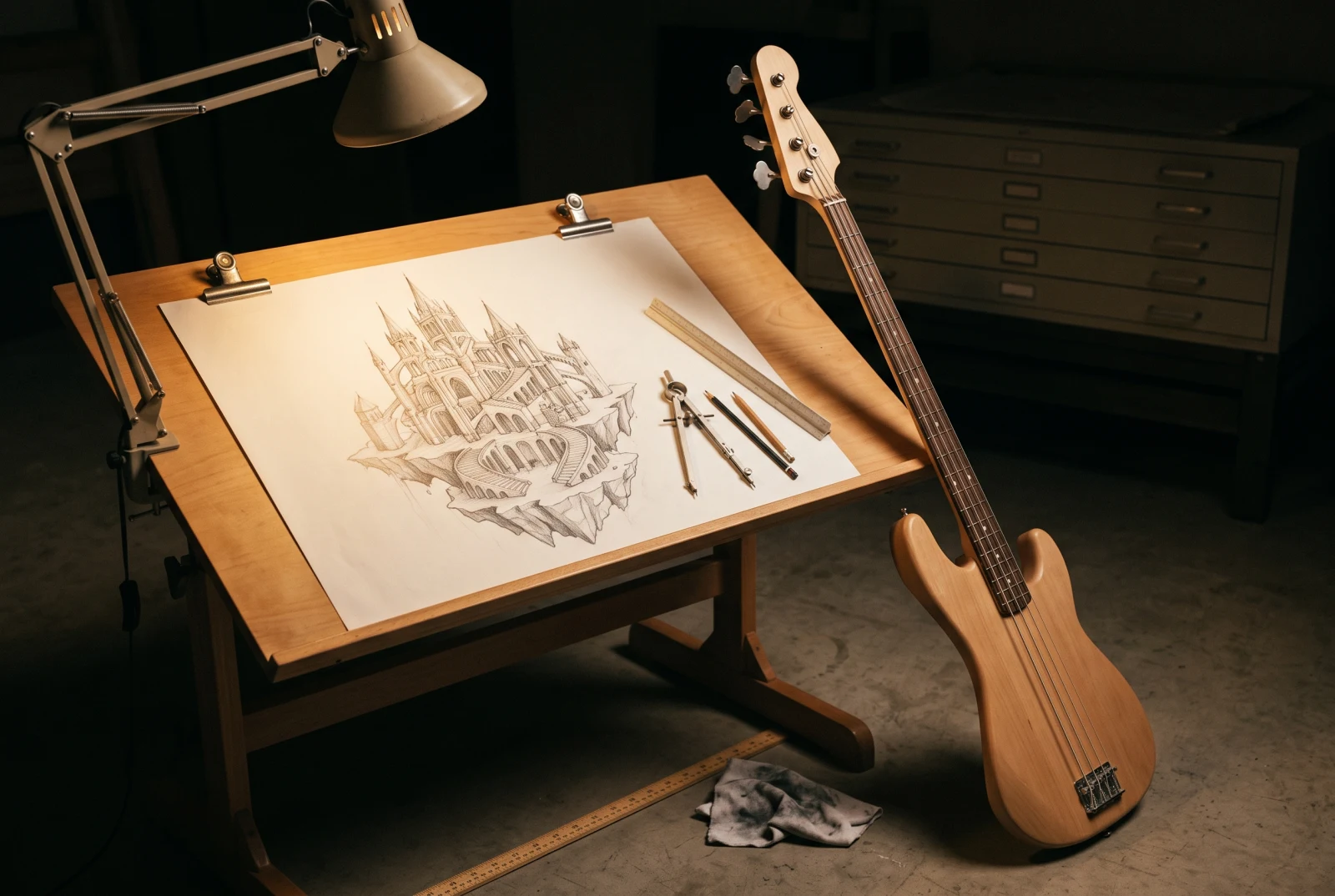
Gillette offered them a million dollars each to shave their beards for a commercial, and they said no. Half a century with the same line-up, a red 1933 hot rod, and the Hendrix anecdote everyone repeats that never happened.
70s
progresivo
Yes
The cathedrals and the borrowed name
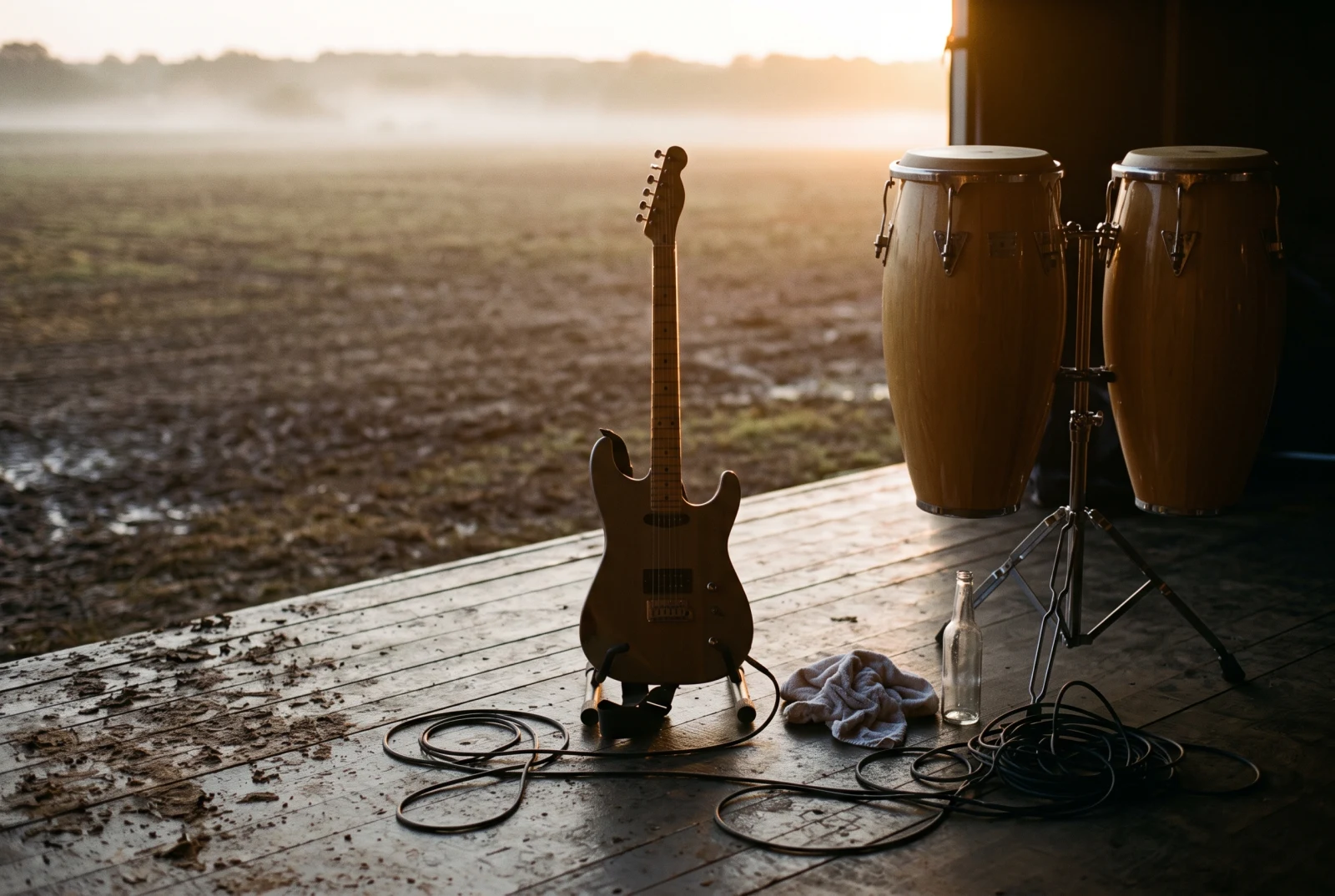
The only American number one credited to Yes, "Owner of a Lonely Heart", was strictly speaking recorded by a different band: Chris Squire, Alan White, Tony Kaye and guitarist Trevor Rabin had put together a group called Cinema, and in June 1983 Atlantic executives suggested they call it Yes. Jon Anderson joined once the album was well under way.
70s
blues rock
Santana
They played before they had a record
Santana played Woodstock on 16 August 1969, two weeks before their first album came out. The band was named that way for paperwork reasons: the musicians union required a registered name and a designated leader. And on "Black Magic Woman" and "Oye Como Va" the singer is not Carlos but organist Gregg Rolie, who left in 1972 to found Journey.
70s
hard rock
Foreigner
The question the whole world asked
"I Want to Know What Love Is" was written by Mick Jones alone, and sung by Lou Gramm, who has spent years publicly disputing how the band credits were shared out. When Foreigner entered the Rock and Roll Hall of Fame in October 2024, Jones watched from home and Gramm sang a single song.
70s
pop
Billy Joel
The pianist who stayed in the bar
Before "Piano Man", Billy Joel spent six months playing a Los Angeles bar under the false name Bill Martin, after two suicide attempts and a voluntary stay in a psychiatric hospital. The song that defined him for good is, at bottom, a report on the regulars of that room — the method was ready from the start.
70s
pop
The Carpenters
The warmest voice in pop, and the drummer hidden behind it
The warmest voice in pop belonged to someone who felt, deep down, like a drummer. The industry moved her out from behind the drums to put her up front, and she missed them always. What sounded easy was a goldsmith's work.
70s
pop
Gilbert O'Sullivan
The softest balladeer in pop changed the rules for all of music
He wrote one of the most melancholy songs in pop and seemed the last person you would call a revolutionary. But when a rapper used a piece of it without authorisation, he sued, and the ruling he won in 1991 put a price on every sample in the world.
70s
punk
Iggy Pop
The godfather who outlived them all
He invented a way of being on a stage that all of rock later copied, arrived far too early with The Stooges and ended up sunk in drugs. He was saved by a friend who took him to Berlin, and out of that shared life came his best work.
70s
hard rock
Deep Purple
The smoke was real
The riff half the world learns first came from watching a casino burn across a Swiss lake. The lyrics describe, literally, what happened that afternoon.
70s
disco dance
Boney M.
The voice was in another room
A hundred million records, and of the four people on stage, two never sang on the recordings. The deep voice belonged to the German producer.
70s
punk
Joy Division
The bass up front
Two years, two albums, and the birth of the sound of modern melancholy. Ian Curtis died on the eve of the trip that was going to make them in America.
70s
hard rock
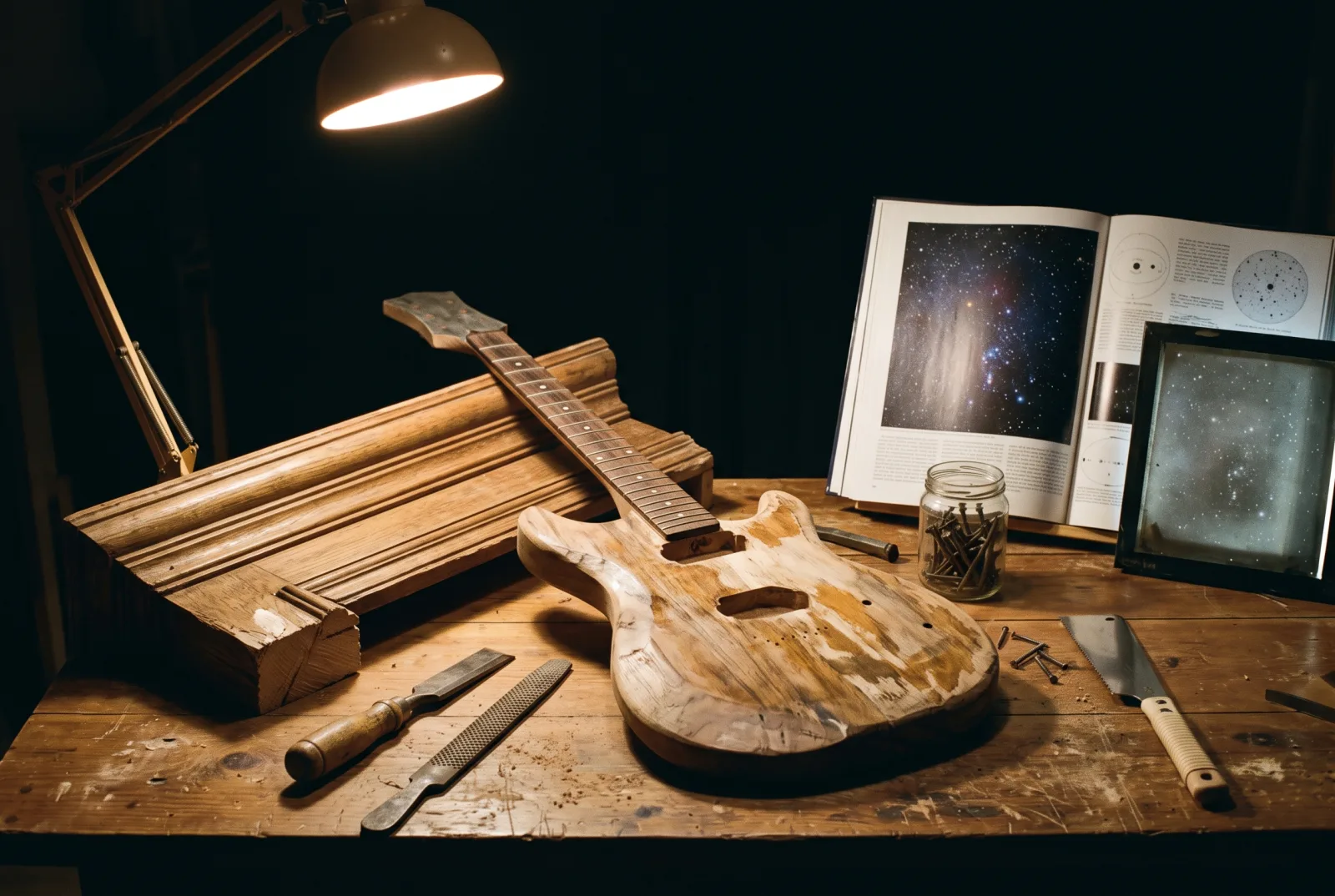
Queen
The guitar his father built
Brian May built by hand, with his father and with a neck carved from a fireplace mantel, the instrument Queen recorded almost everything on. He also holds a doctorate in astrophysics.
70s
disco dance
Eruption
British, Caribbean, and German disco stars
"One Way Ticket" plays at every eighties party and almost nobody knows who sings it: a group of Britons of Caribbean descent who were not taking off at home and who triumphed in Germany, signed by Boney M's producer. Their singer ended up as the legal owner of the name.
70s
pop
Barbra Streisand
She changed nothing, and she won everything
She was asked for a different surname, a different nose and a different character, and she said no to all three. She then won two Oscars, and with "Yentl" she became the first woman to produce, direct, co-write and star in a film for a major Hollywood studio.
70s
disco dance
KC and the Sunshine Band
Miami's joy machine
Four bars of any of their songs and the dance floor fills up by itself, half a century later. Behind that mass-produced joy there was a Miami sound made of horns and funk, and a band of black and white musicians playing together in the South of the seventies.
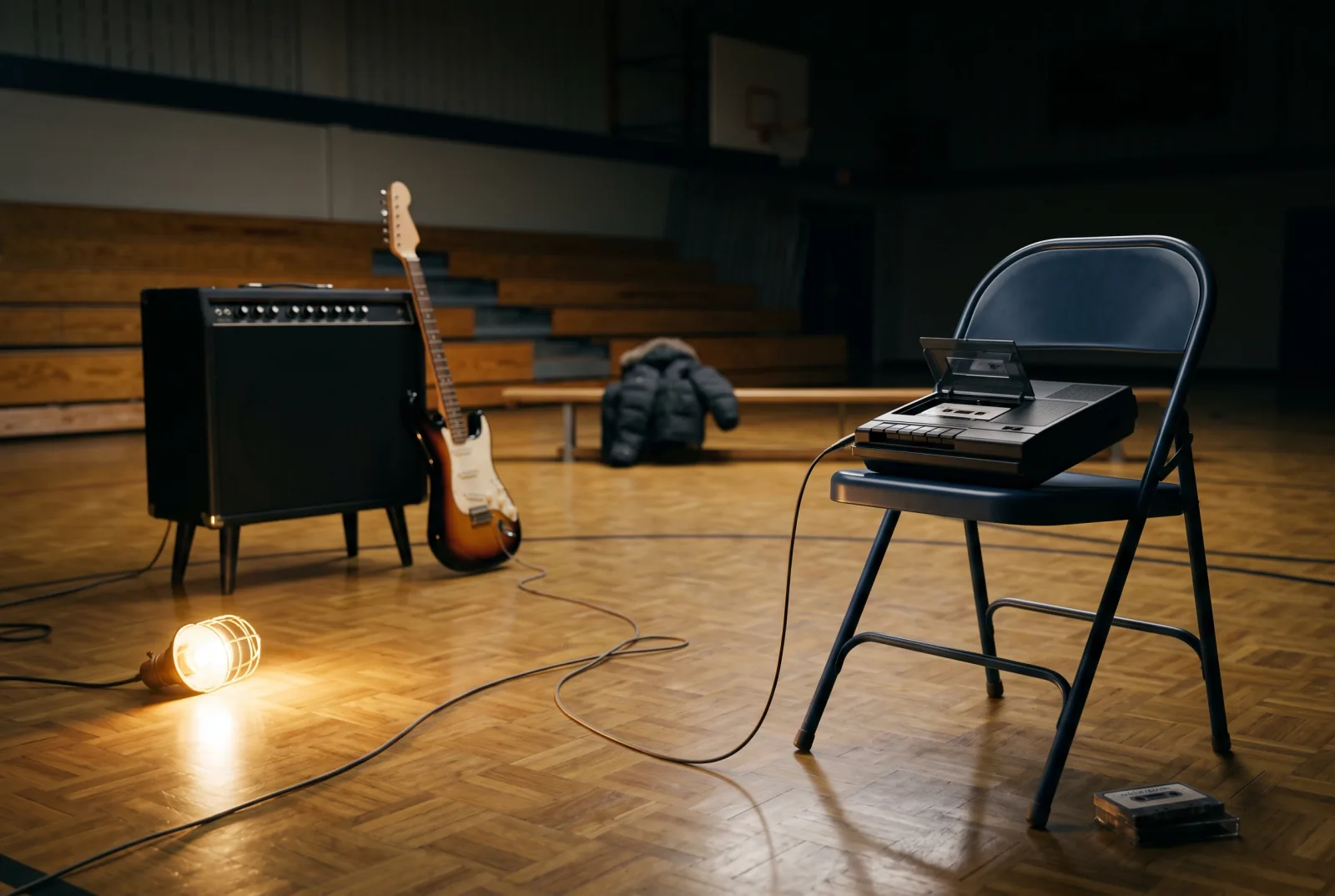
70s
garage
The Guess Who
The Canadians who put an anti-United States song at number one in the United States
The riff was improvised one night in Ontario and exists only because somebody in the crowd had a home tape recorder. With that song, awkward for the country it pointed at, a band from Winnipeg reached the American summit before anyone else.
70s
soul
Roberta Flack
The voice that turned silence into power
She sang quietly, almost whispering, in a soul that rewarded the shout, and with that she won the Grammy for record of the year twice in a row: nobody had done it before. ALS took from her at the end exactly that, the voice.
70s
folk
Cat Stevens
Letting it all go
Twice he came close to dying, and twice he changed. At the height of his fame he auctioned his guitars and walked away, and came back to sing twenty-eight years later.
70s
pop
Luis Alberto Spinetta
Born a poet
He wrote a masterpiece at fifteen and recorded it seventeen years later. And he stopped playing his best-loved song for a reason almost nobody gets right.
70s
pop
B.J. Thomas
The voice that put optimism into the rain
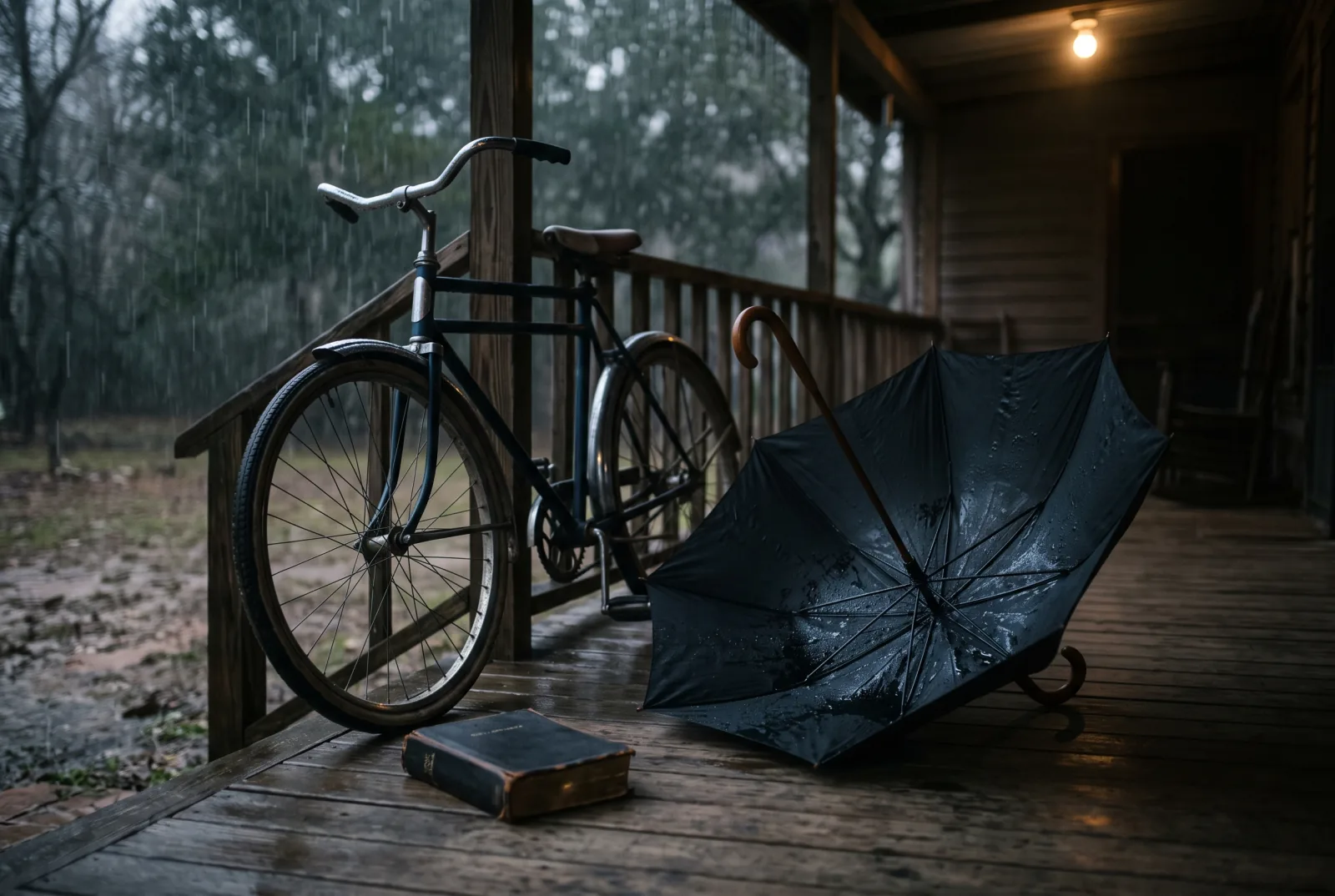
An effortless Texan voice held up the song Bacharach wrote for "Butch Cassidy" and that took home the Oscar. Then came the original that the Swedish ooga-chaka ended up burying, and a whole second career singing about his faith.
70s
disco dance
Donna Summer
The queen of disco who invented the future
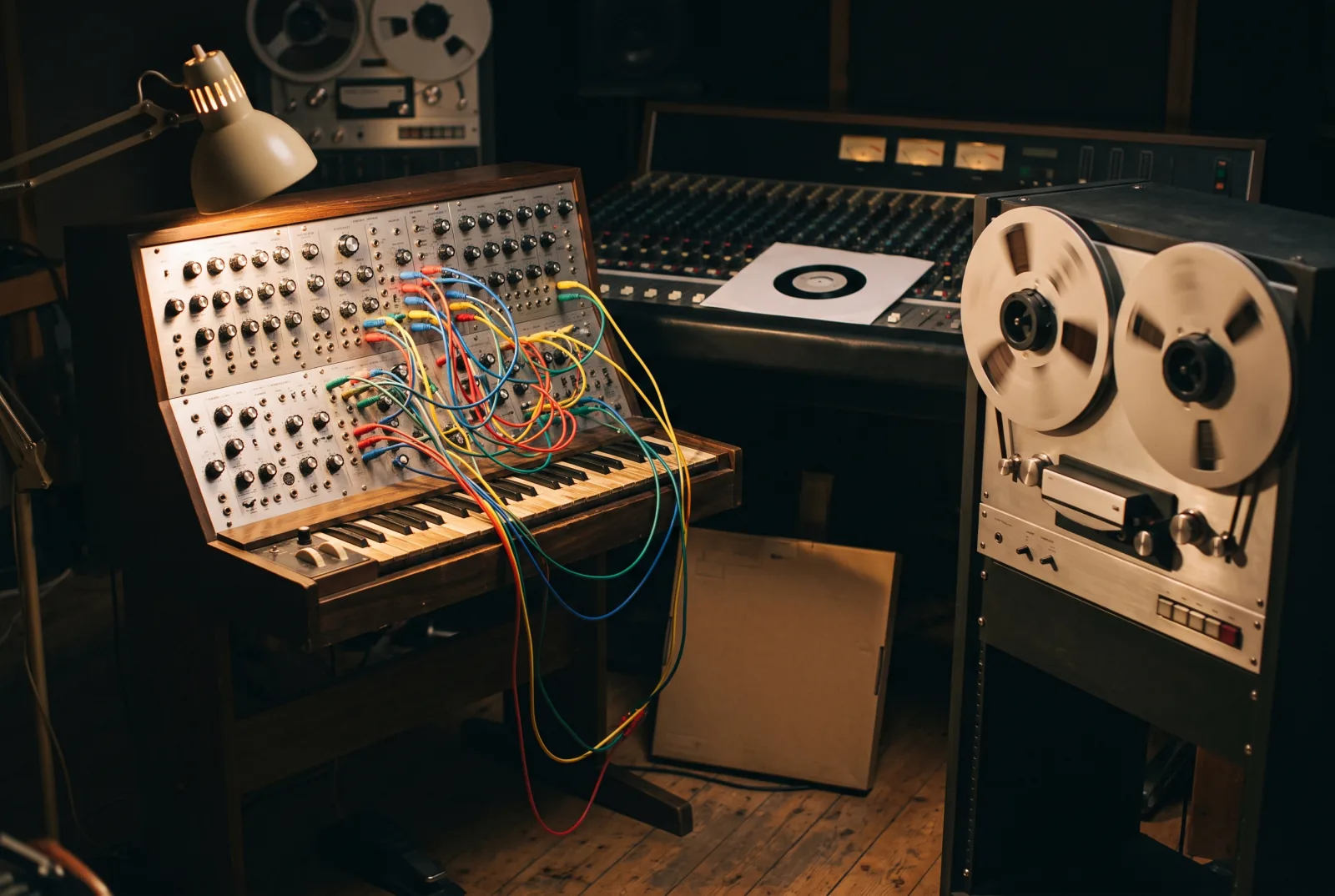
In 1977, a synthesiser and a repetitive pulse were enough to push dance music half a century ahead: "I Feel Love", with Giorgio Moroder. They crowned her queen of a fashion many had given up for dead, and she had founded everything that would play in clubs afterwards.
70s
folk
Carole King
She wrote half a decade of other people's hits before singing her own
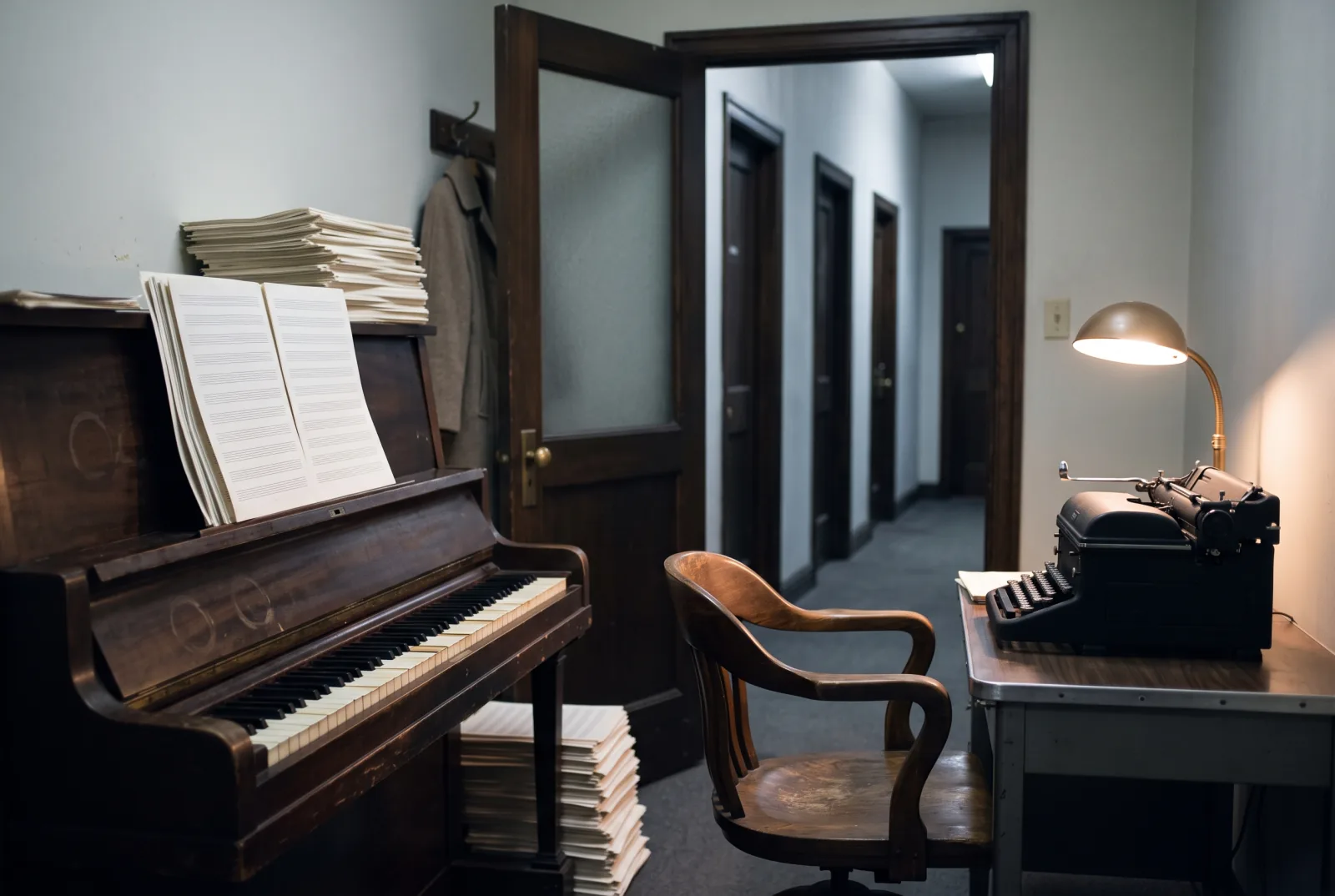
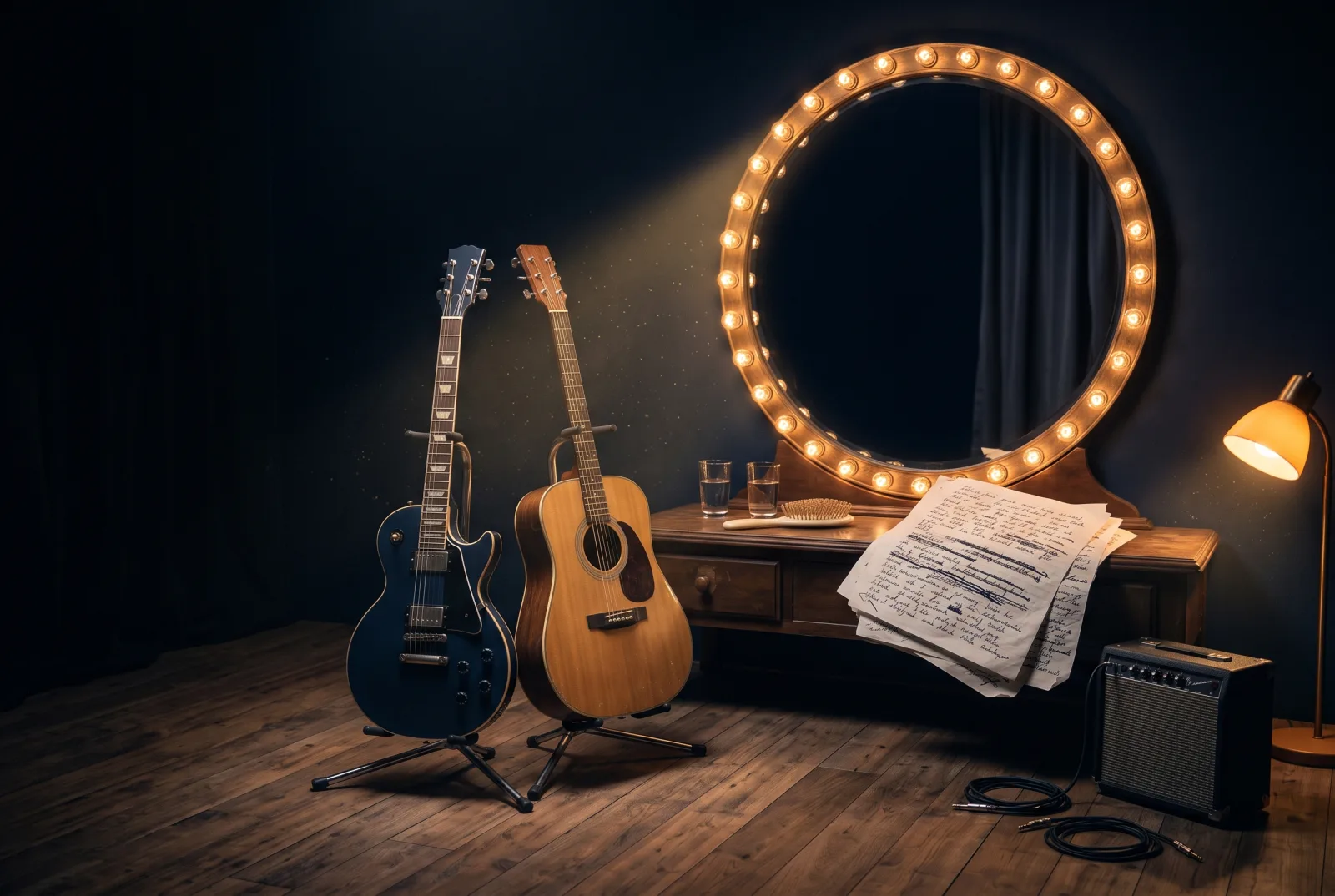
She spent the sixties shut away in a Brill Building office writing hits for other people's mouths: the Shirelles, Little Eva, Aretha Franklin. In 1971 she sat down at the piano to sing them herself and made "Tapestry", one of the best-selling records in history.
70s
pop
Kiki Dee
The friend who gave Elton John his first number one at home
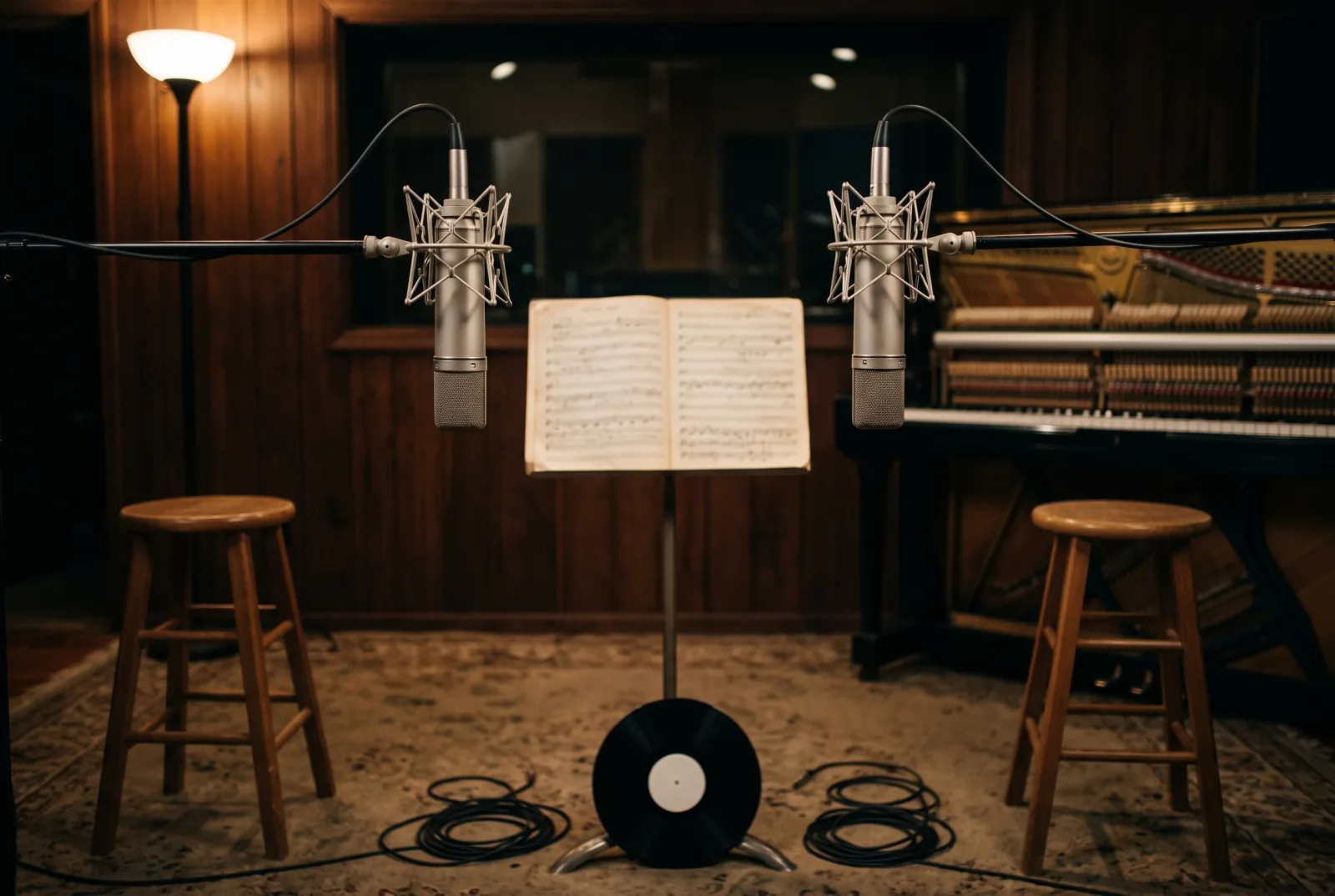
She was the first British singer signed by Motown and already had a hit of her own, "I've Got the Music in Me", when the 1976 duet came along. What she put into it was not gratitude: it was the British number one Elton John was still missing.
70s
soul
The Jackson 5
Four number ones in a row, and a boy who changed everything
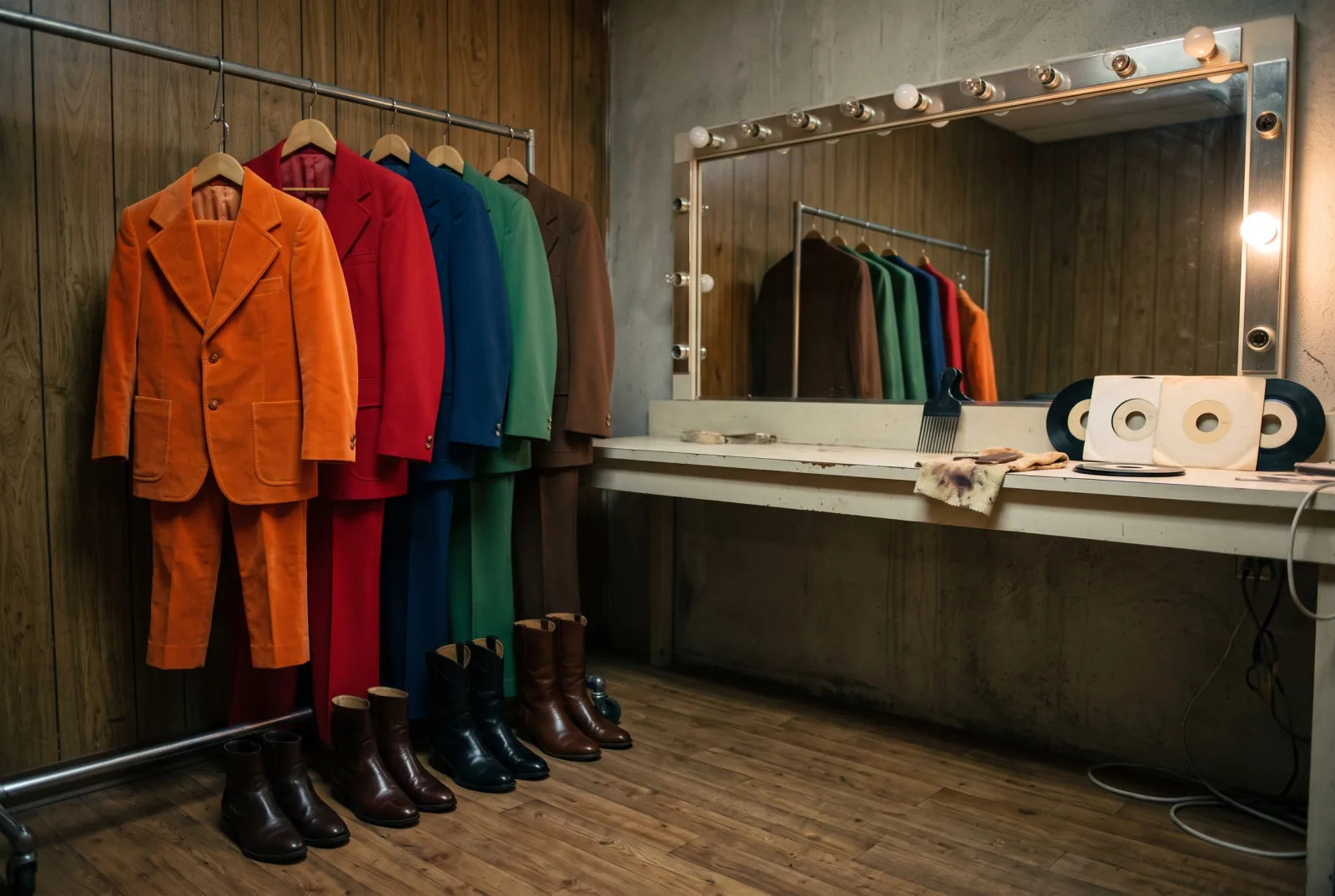
Out of an industrial town in Indiana, in 1969, came five brothers in colourful suits with split-second choreographies who did something no group had managed before: topping the Hot 100 straight out of the gate, without a single miss. Out front, a boy of eleven.
70s
pop
Chicago
They put a horn section into rock, and were hiding a guitar genius
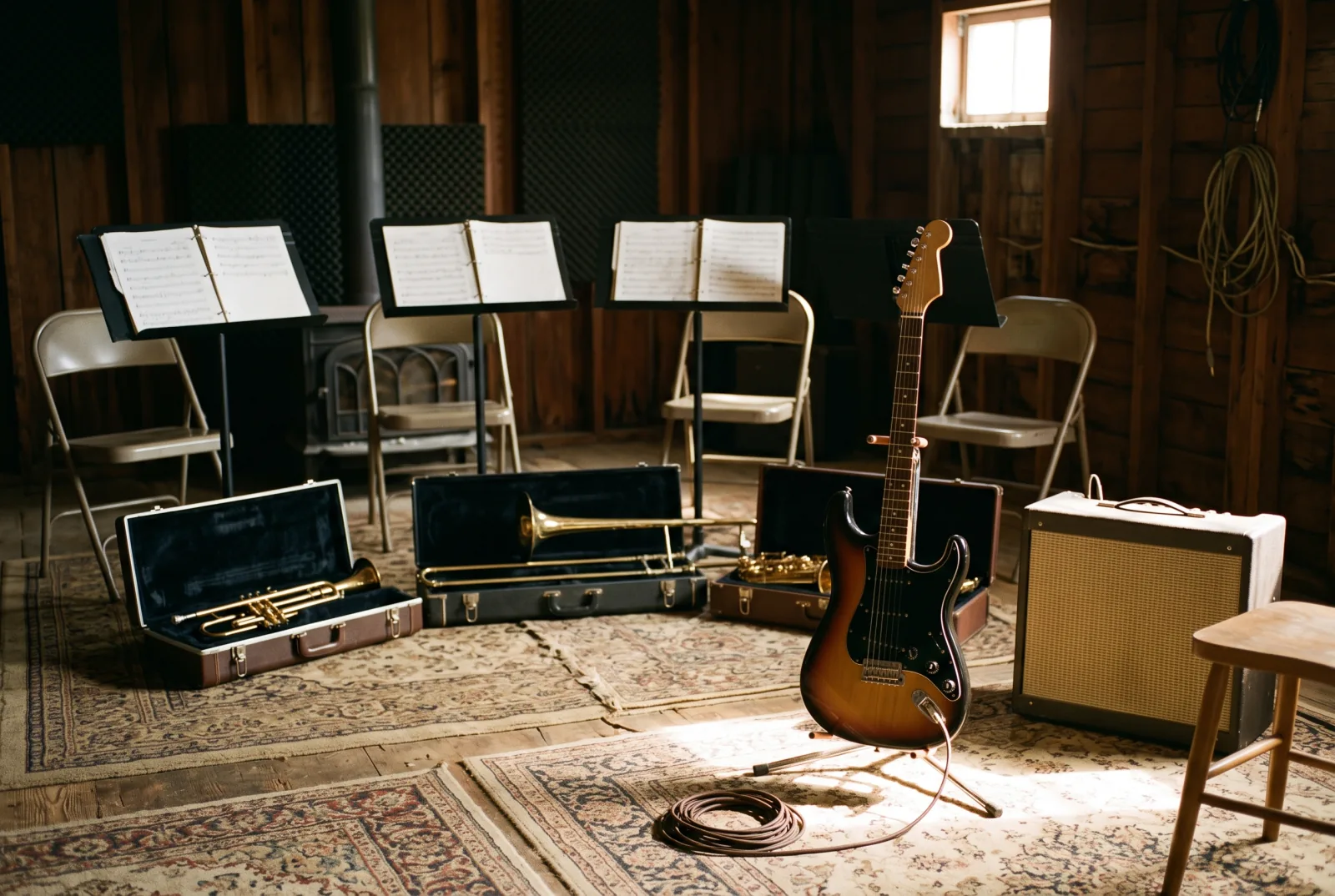
They put trumpets, trombones and saxophones at the centre of a rock band and sold millions with that strange formula. But in their early years they were hiding something else: a guitarist whom Jimi Hendrix considered better than himself, dead at thirty-one from an accidental gunshot.
70s
hard rock
Heart
They kicked the door open
Two sisters played serious hard rock in the seventies, when that world belonged to men. And «Barracuda», one of the angriest riffs in history, came out of fury at a business that only wanted to look at their bodies.
70s
pop
Fleetwood Mac
The album made from their own ruins
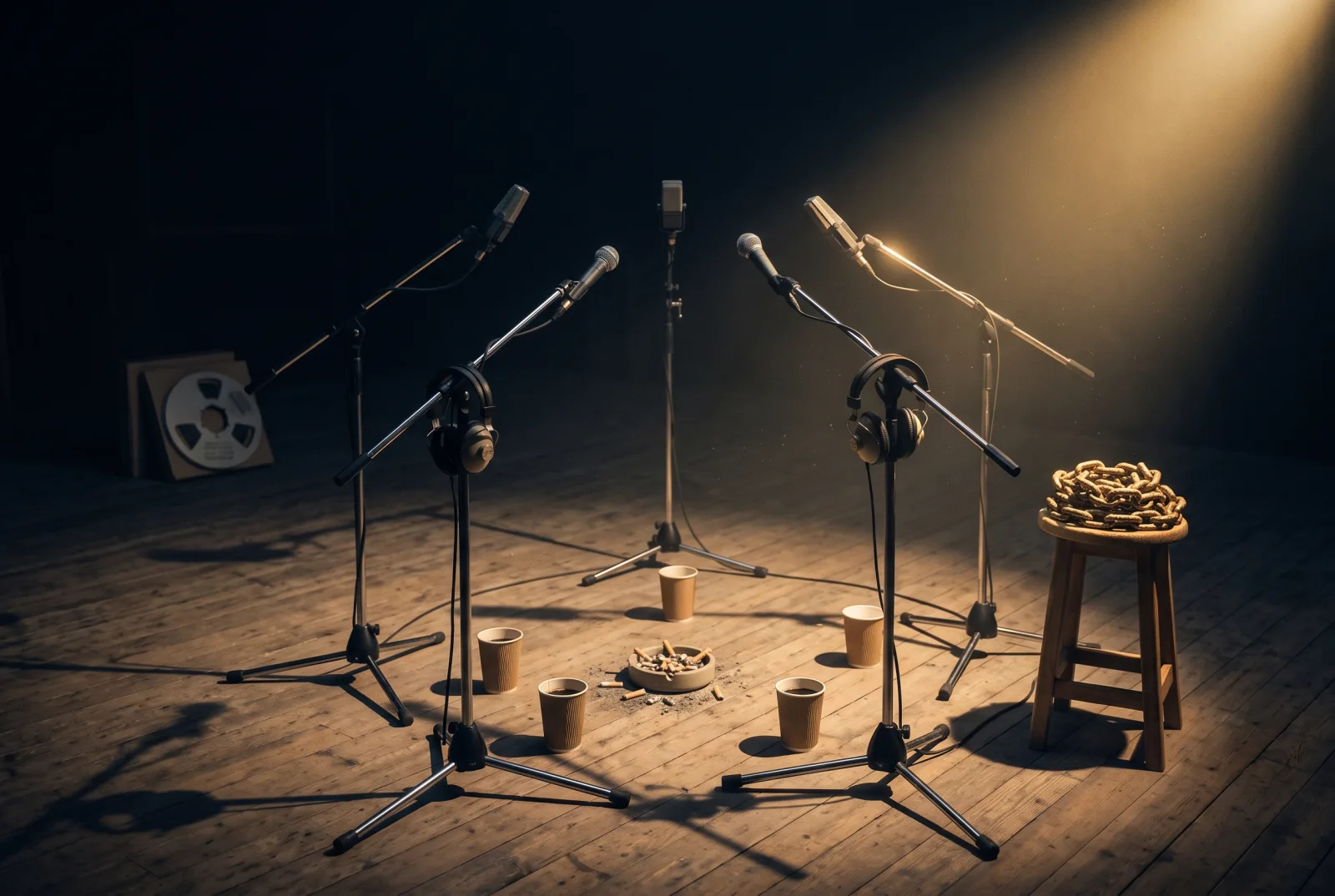
Five people whose relationships were all falling apart at once shut themselves in a studio and, instead of killing each other, made «Rumours». They sang their break-ups at one another, in the same room, harmonising perfectly on songs about leaving.
70s
punk
The Ramones
The brothers who weren't
Four guys from Queens who were not even related took the same fake surname, played very fast and very short, and never cracked the top 40 at home. They are probably the most influential band almost nobody bought.
70s
punk
Sex Pistols
Two and a half years
They lasted two and a half years and released a single album. In that short spell they terrified a nation, rearranged British culture and set a generation free. And in Sid Vicious they left a warning about how fast the flame consumes those who become its symbol.
70s
hard rock
Jimmy Page
The architect
He was not just Led Zeppelin's guitarist: he was their producer and their sound designer. He moved the microphone away from the instrument to record the whole room, stacked armies of guitars, and left behind a building that all of hard rock still works inside.
70s
progresivo
Rush
They never made themselves easy
Three Canadians who for forty years played exactly what they wanted, with no concessions to radio, and who in return got the fiercest loyalty in rock. At the centre, a drummer who was also a reader and a writer, and who survived the unsurvivable.
70s
progresivo
King Crimson
The experiment that never stopped
They invented progressive rock with a 1969 album and then spent fifty years refusing to repeat it. Robert Fripp dissolved and rebuilt the band every time it threatened to get comfortable, like someone running an experiment again from scratch.
70s
pop
Camilo Sesto
Do you want to be my lover?
It is easy to file him away as the schmaltzy balladeer. Behind that voice there was a songwriter and a producer who bankrolled «Jesus Christ Superstar» out of his own pocket in a Spain just emerging from Franco. And a whole songbook about loves that could not be named.
70s
hard rock
Robert Plant
He never became his own statue
At twenty-three he was the voice of Led Zeppelin and could have lived off that forever. He turned down the most lucrative reunion tour in the world and won the album of the year Grammy with a whispered record. He honoured his band by refusing to embalm it.
70s
metal
Ozzy Osbourne
The throne and the farewell
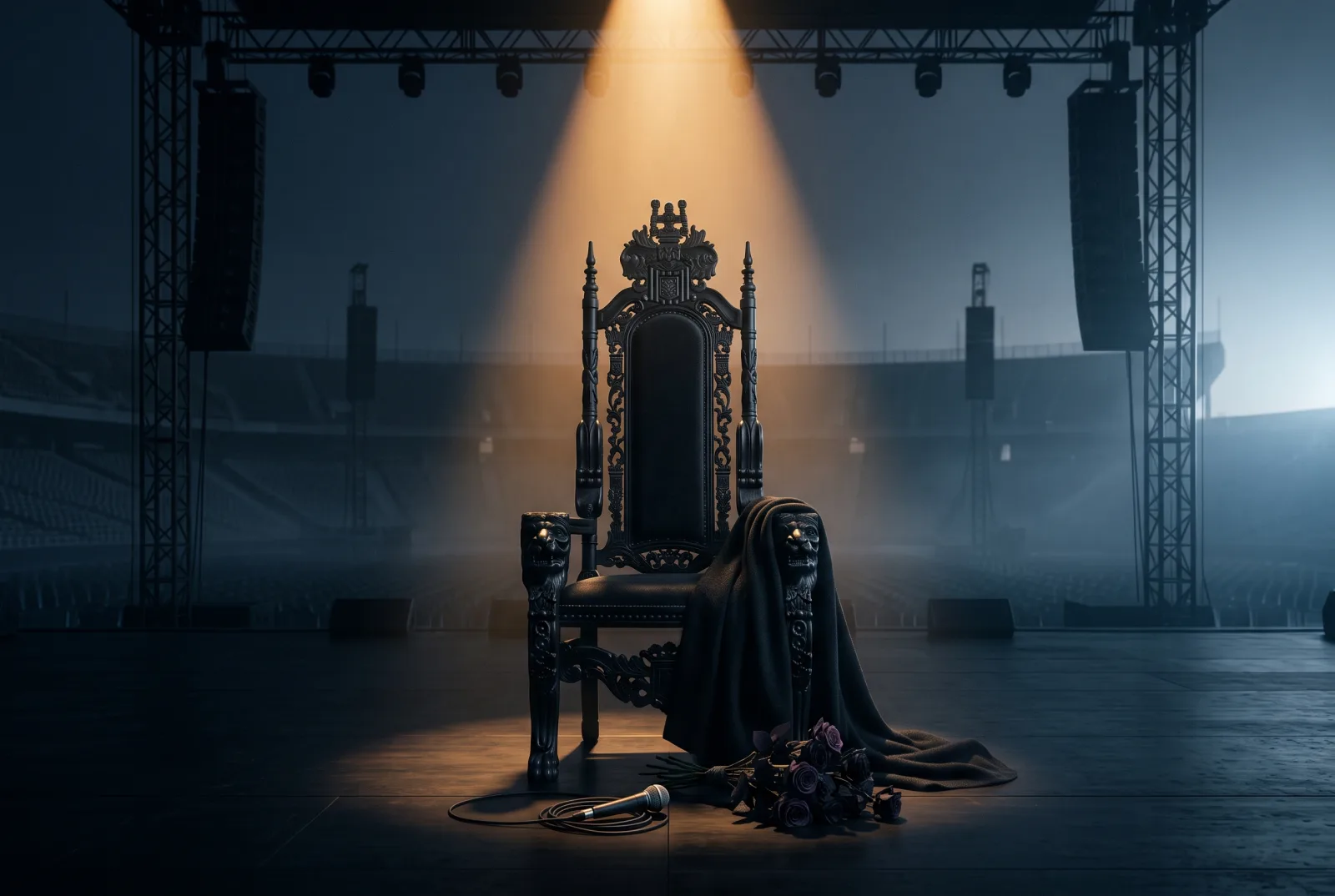
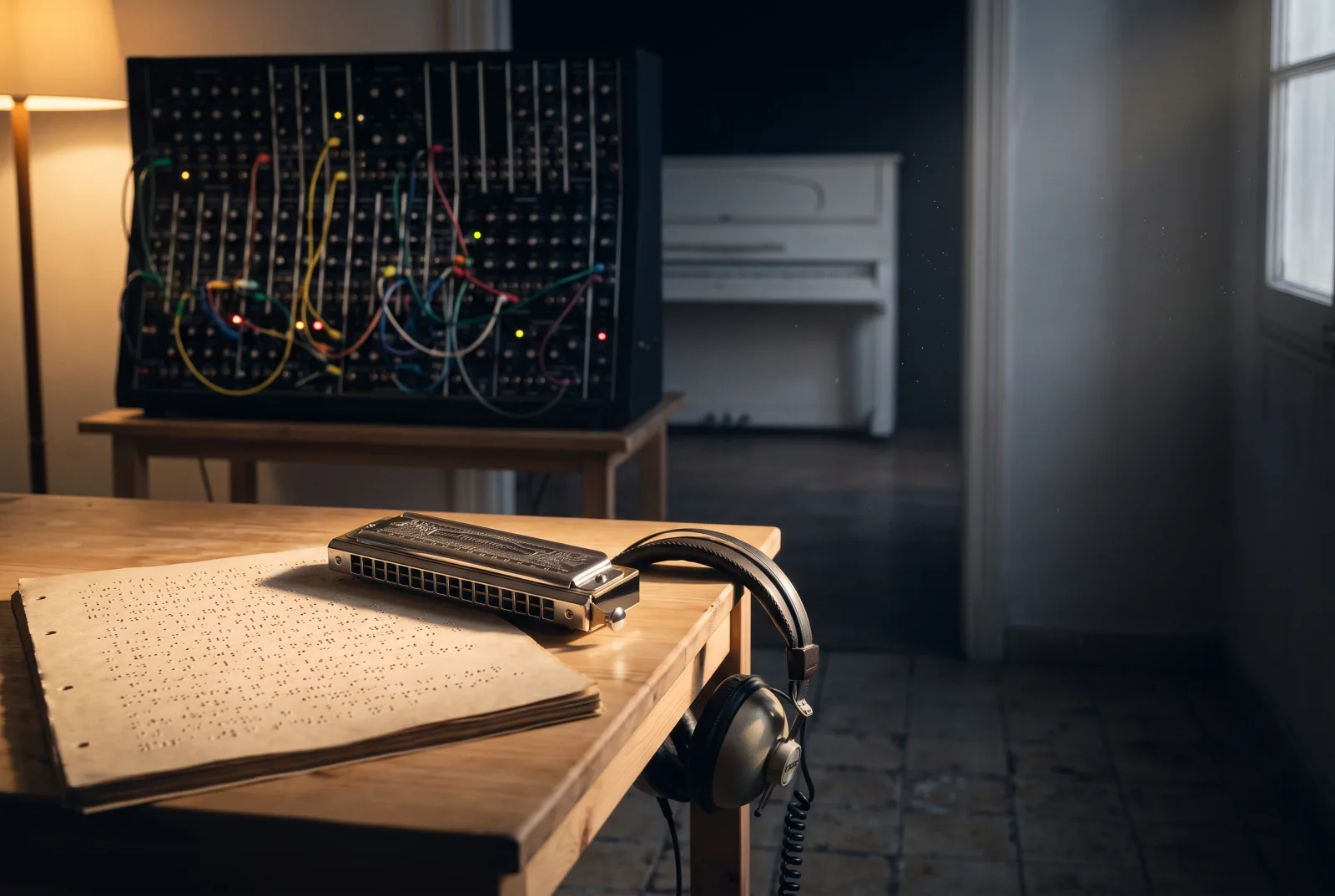
He sang his last concert seated on a throne, in the city where he had invented heavy metal, while half the scene came to bow before him. Seventeen days later he died. Beneath the Prince of Darkness there was a sweet, funny, broken man.
70s
soul
Stevie Wonder
He took the wheel
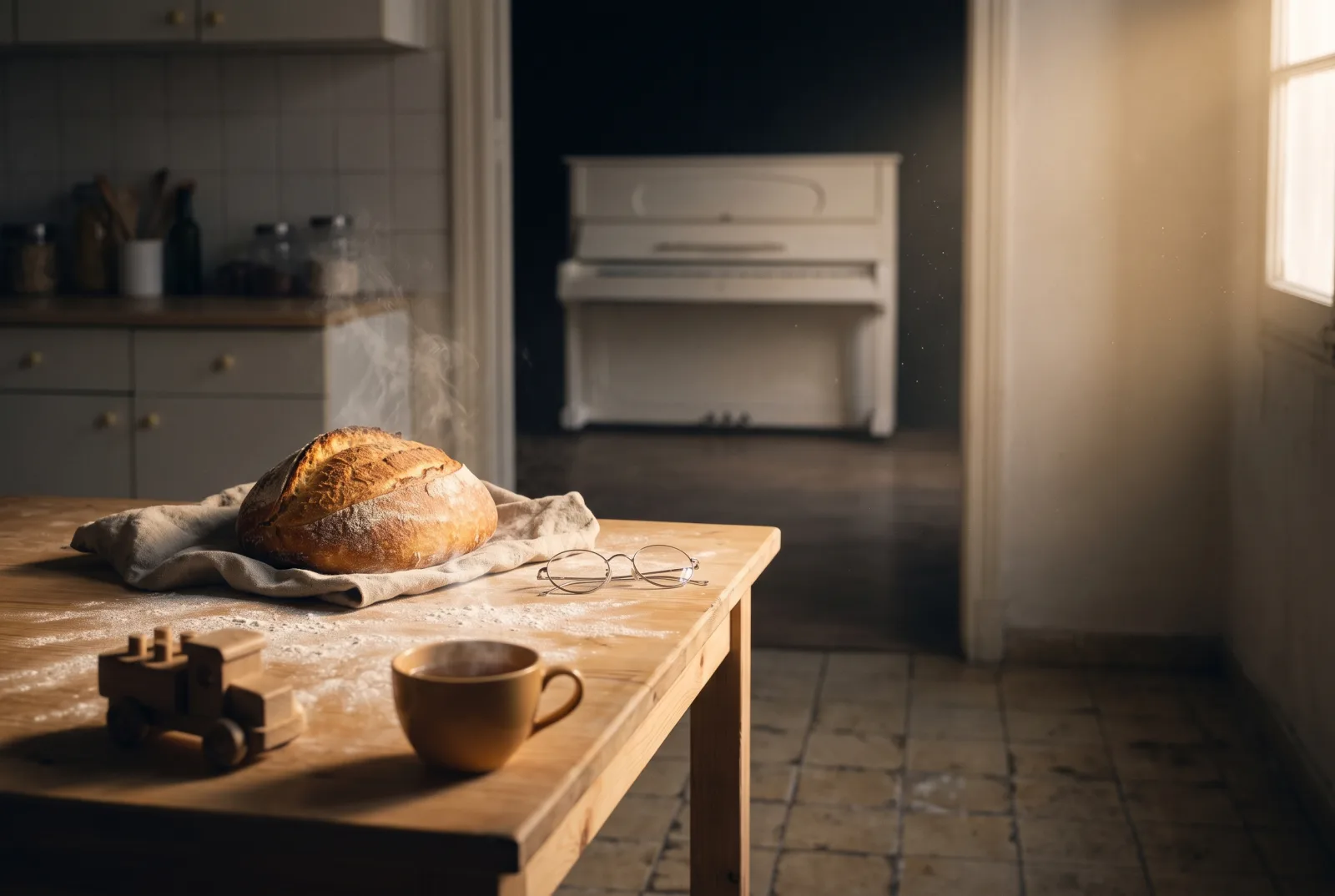
Blind since the incubator, number one at thirteen, and at twenty-one he demanded total control of his music from Motown. Stevie Wonder survived a coma, got a country to honour Martin Luther King and is the bright counterexample to geniuses devoured by their own myth.
70s
pop
John Lennon
A difficult man's prayer
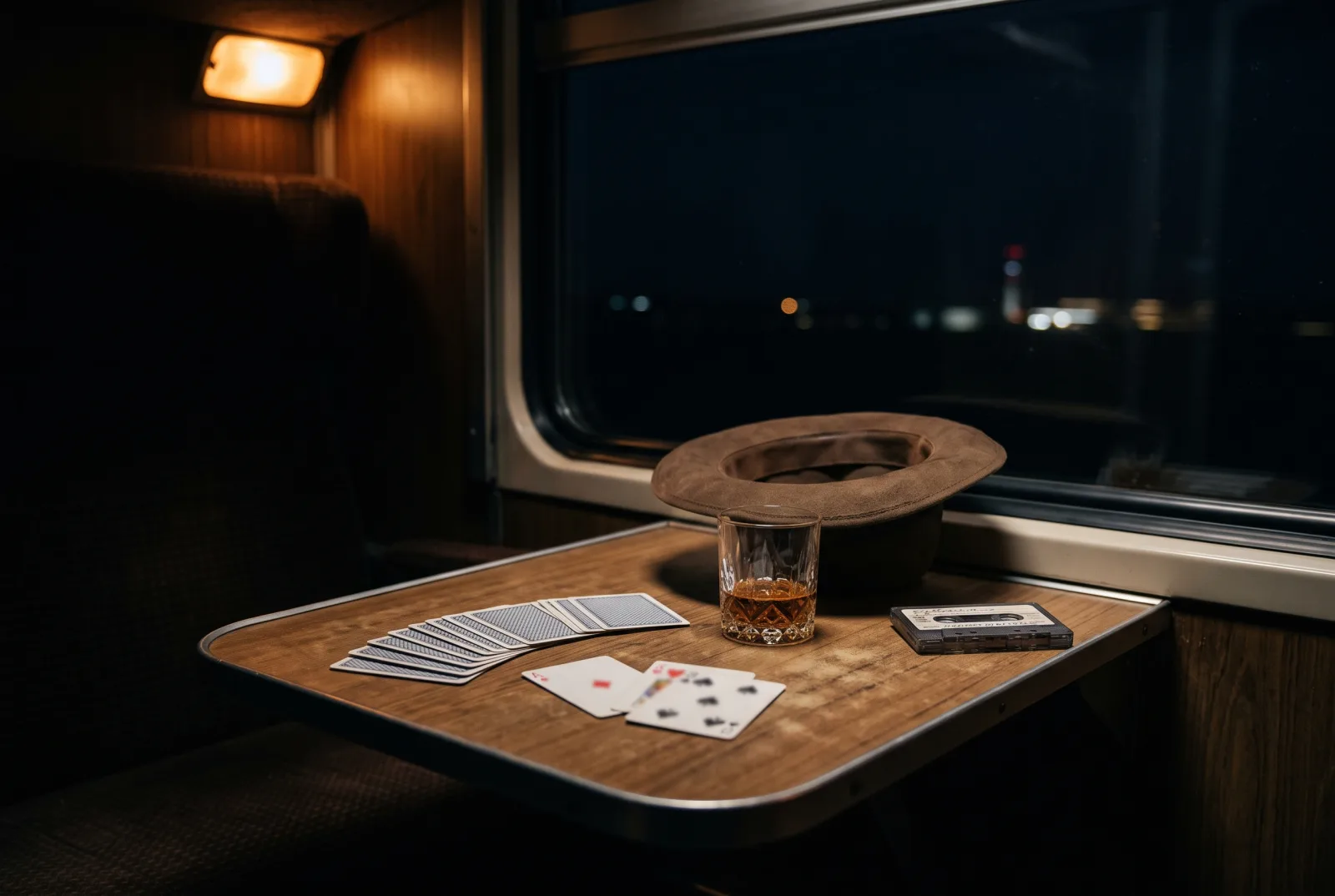
The boy whose life Elvis set alight ended up burying his idol in a single sentence. John Lennon made a generation dream of peace while fighting his own violence, learned late how to be a father and died by the most senseless violence of all.
70s
pop
Kenny Rogers
Somebody else wrote the song
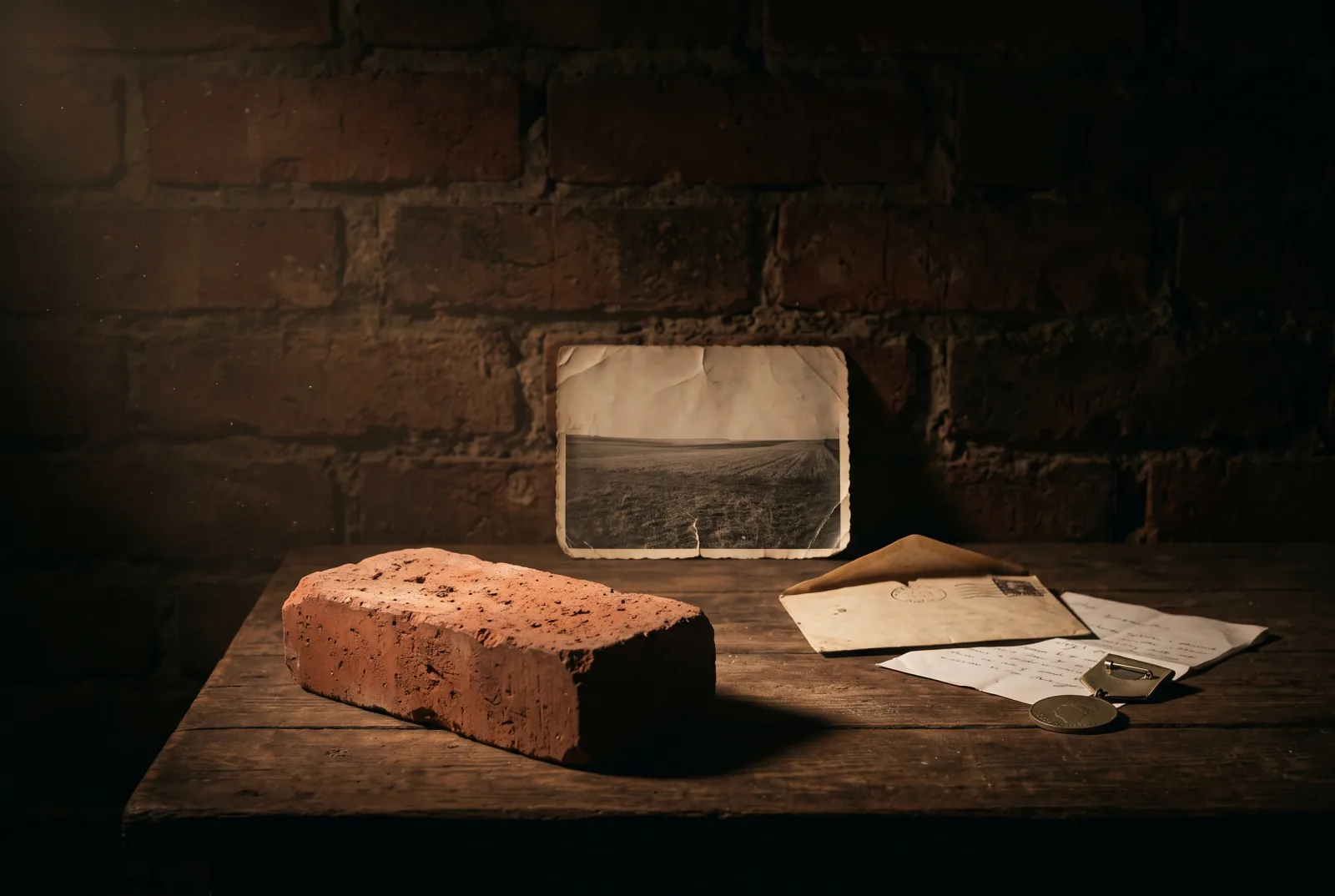
"The Gambler" belongs to Don Schlitz, who wrote it at twenty-three and spent two years hawking it around Nashville. He died on 16 April 2026. A whole philosophy was built on that song.
70s
progresivo
Roger Waters
The man who divides, pleading for empathy
His father died at Anzio when he was five months old, and his grandfather in the First World War. Out of that absence came «The Wall», rock's finest metaphor for the walls we build. The man who wrote it ended up building a few of his own, and today he splits a room in two.
70s
hard rock
KISS
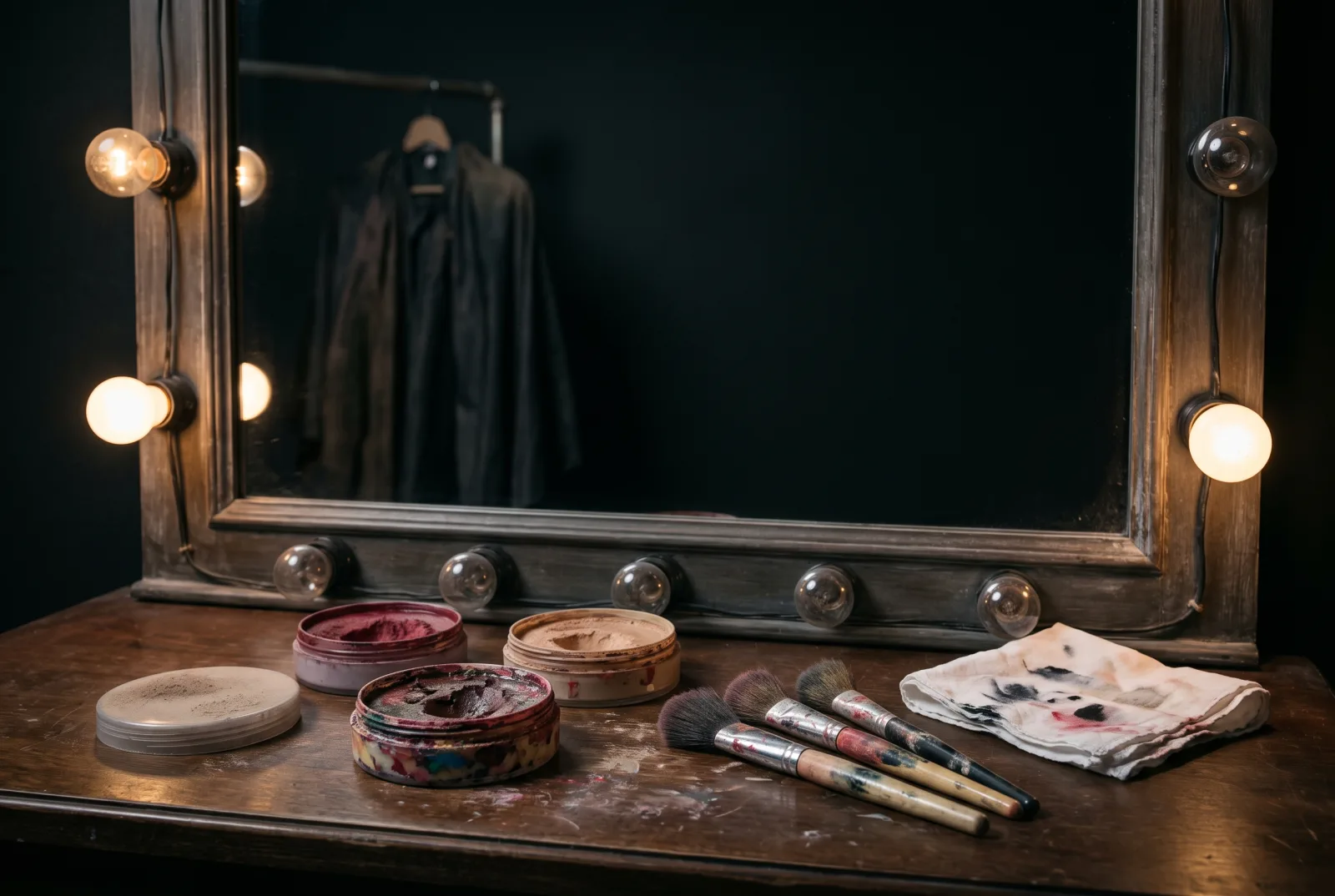
Somebody else wears the makeup
On 2 December 2023 they played for the last time, and four digital avatars came out to replace them. Two of the four founders had spent decades watching others go on wearing their painted faces.
70s
soul
Diana Ross
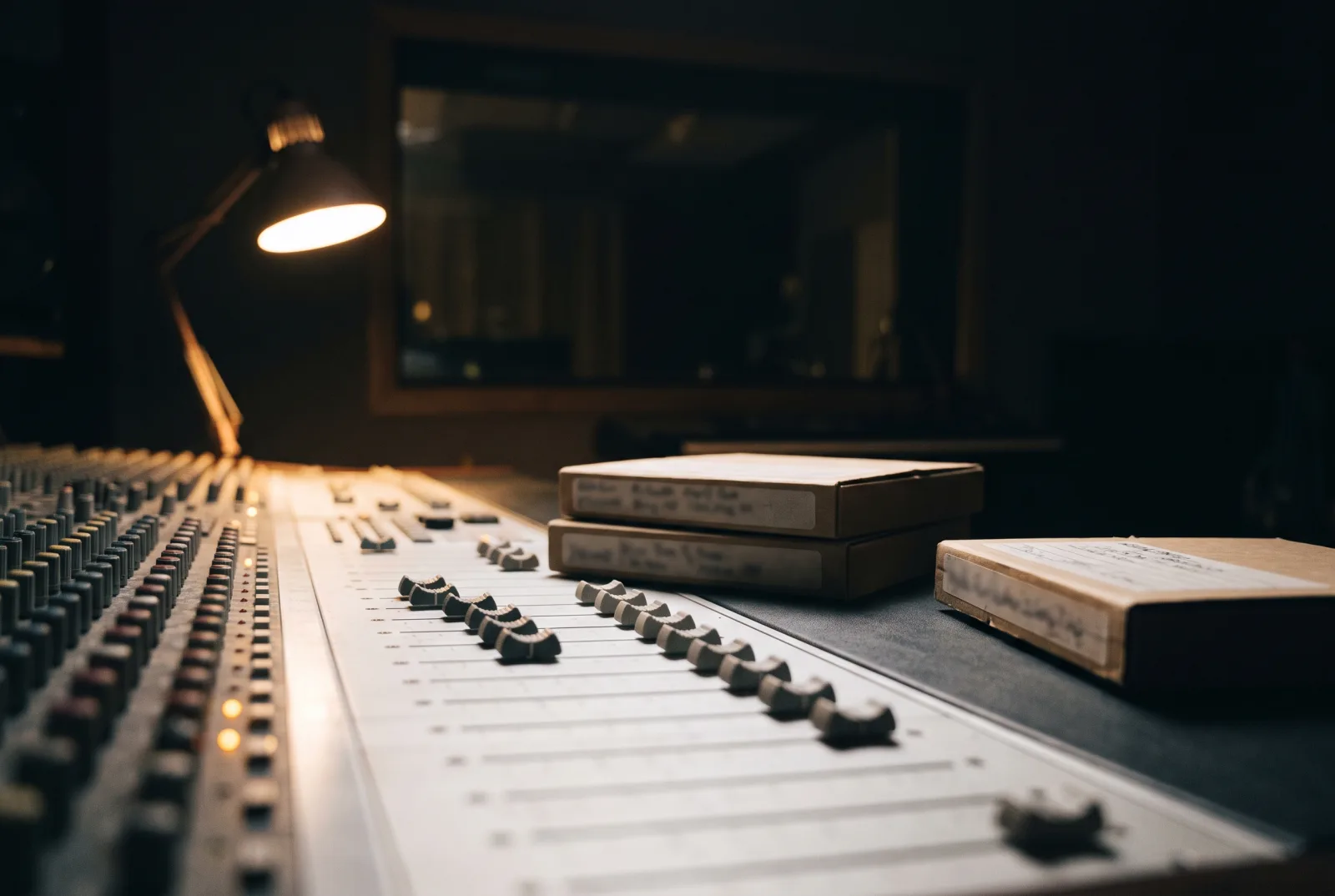
The one who ran the mix
Nile Rodgers and Bernard Edwards handed her a finished album. She remixed the whole thing without consulting them, they nearly pulled their names off it, and her version became her biggest solo hit.
70s
funk
Earth, Wind & Fire
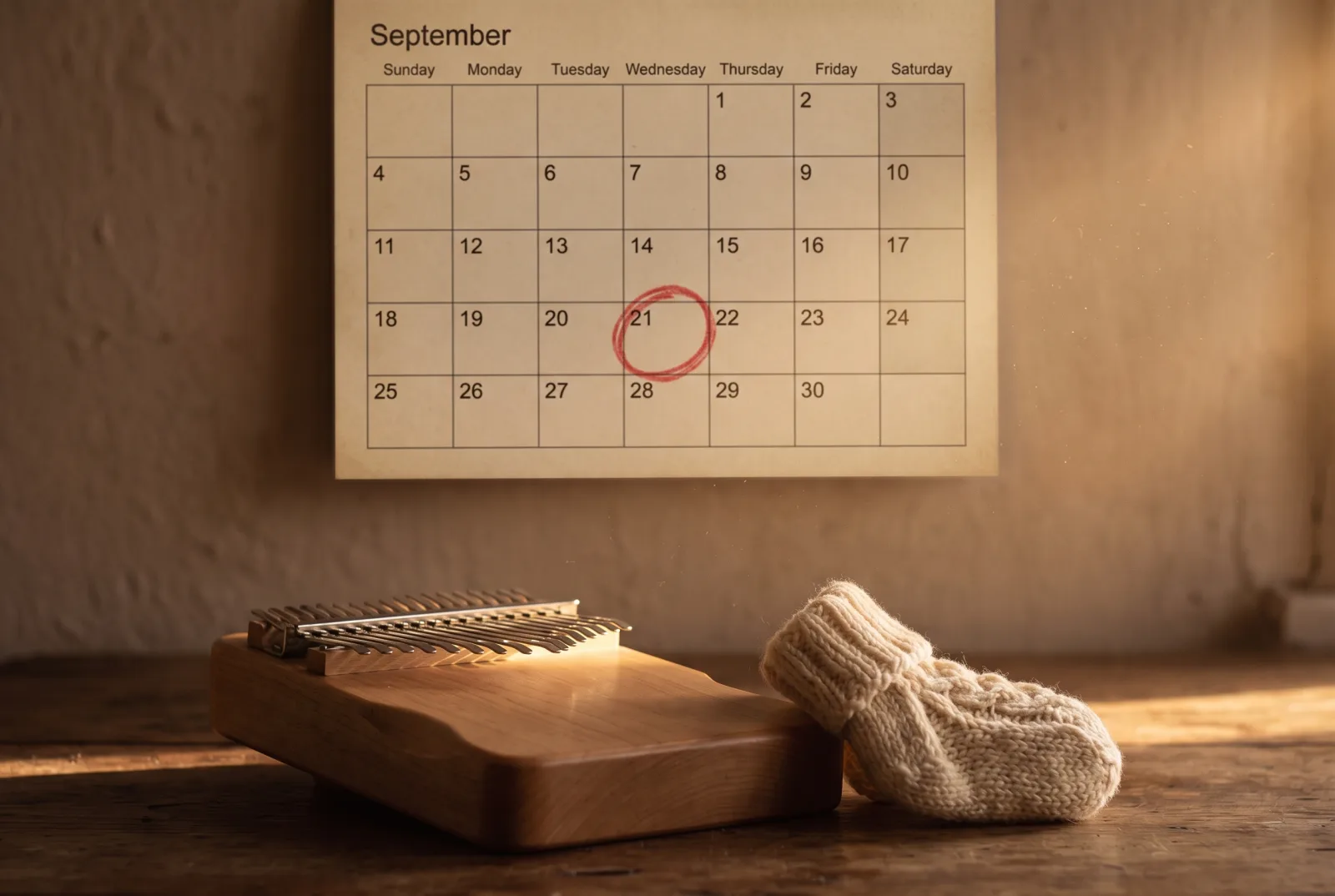
The date did mean something
For forty years the answer was that 21 September meant nothing, that it simply sounded good. In 2019 Maurice White's widow revealed it was their son's due date.
70s
pop
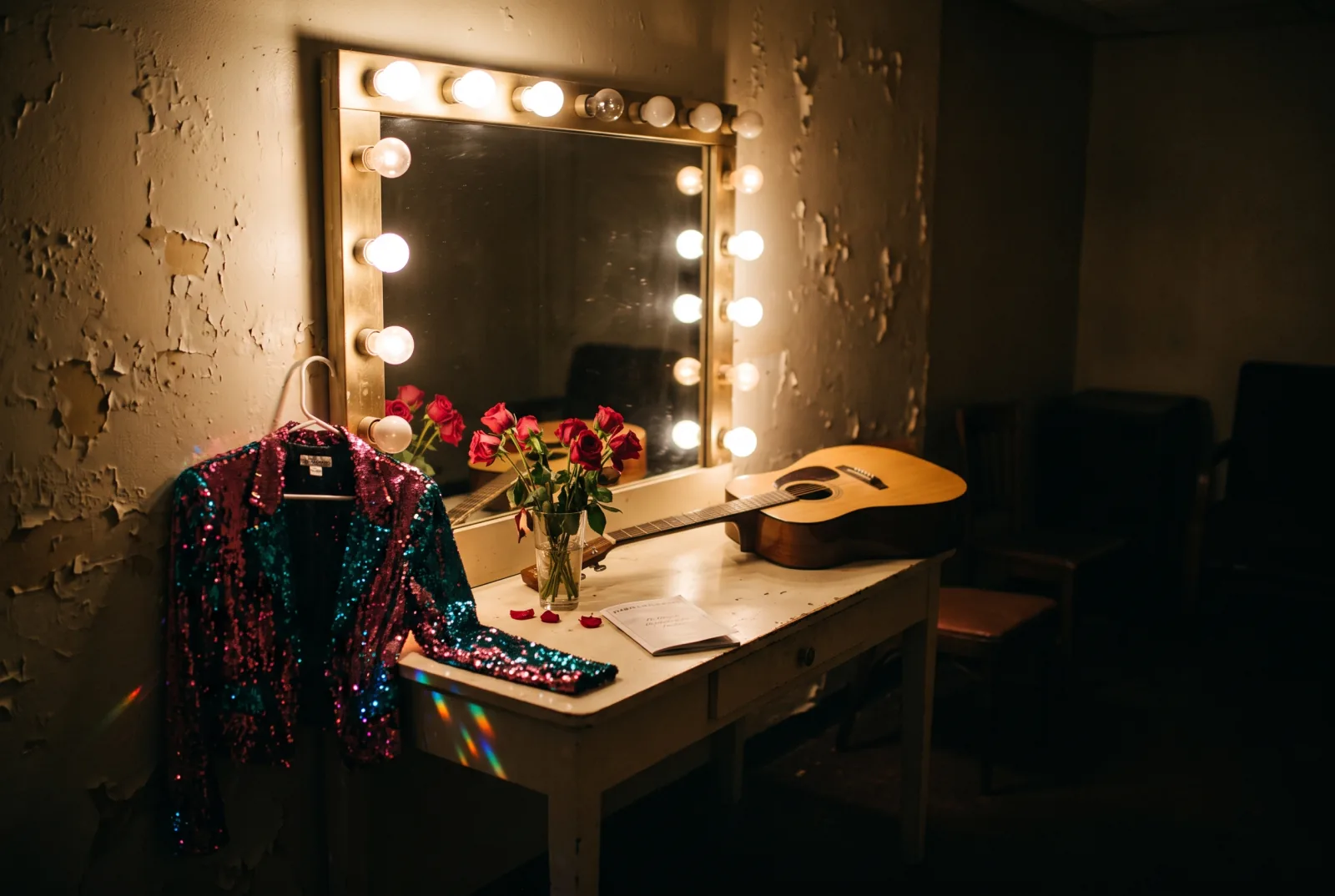
ABBA
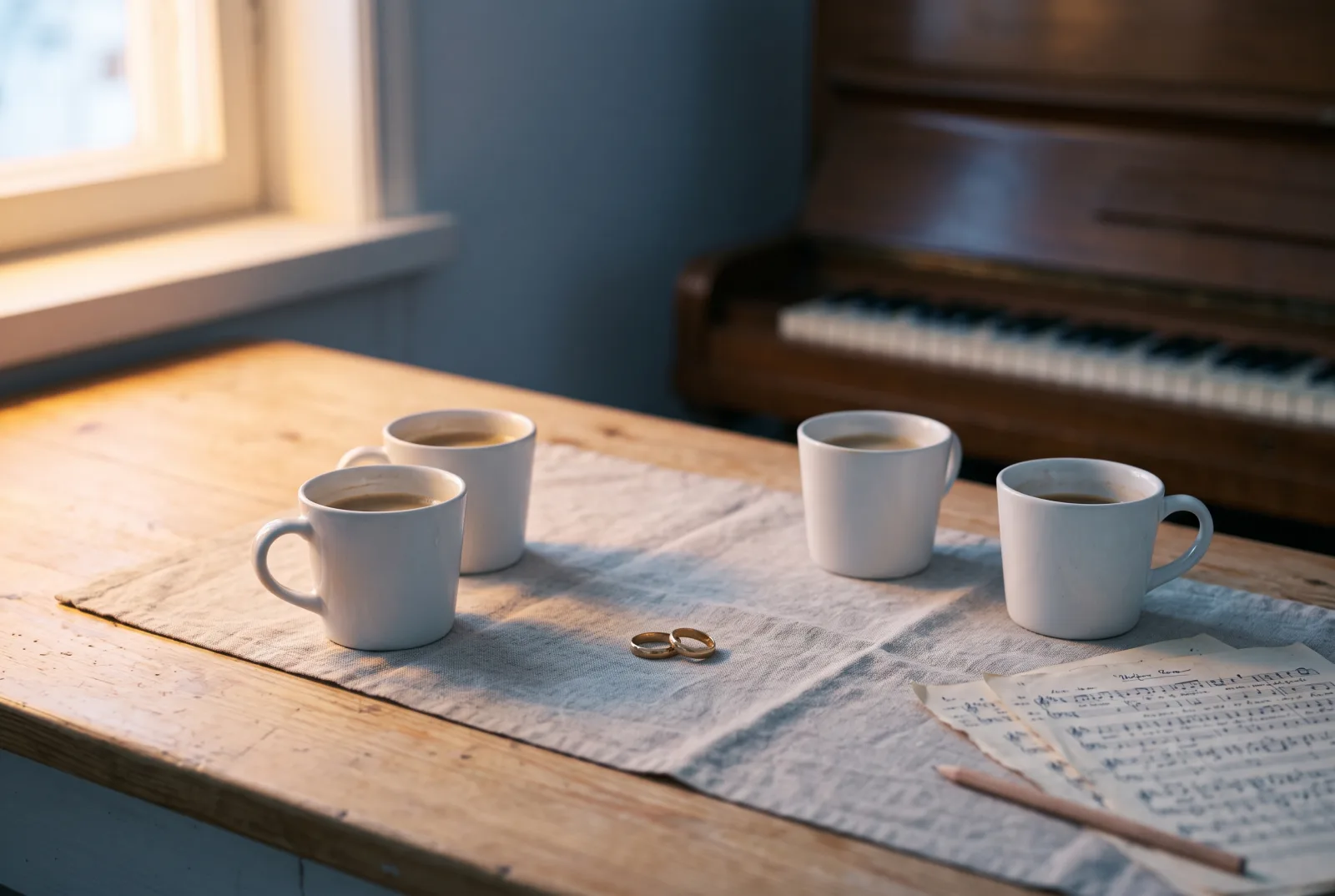
The divorce the song does not tell
Björn has expressly denied that "The Winner Takes It All" is his divorce. What is true is the calendar: they separated in January 1979 and kept working together for three more years.
70s
pop
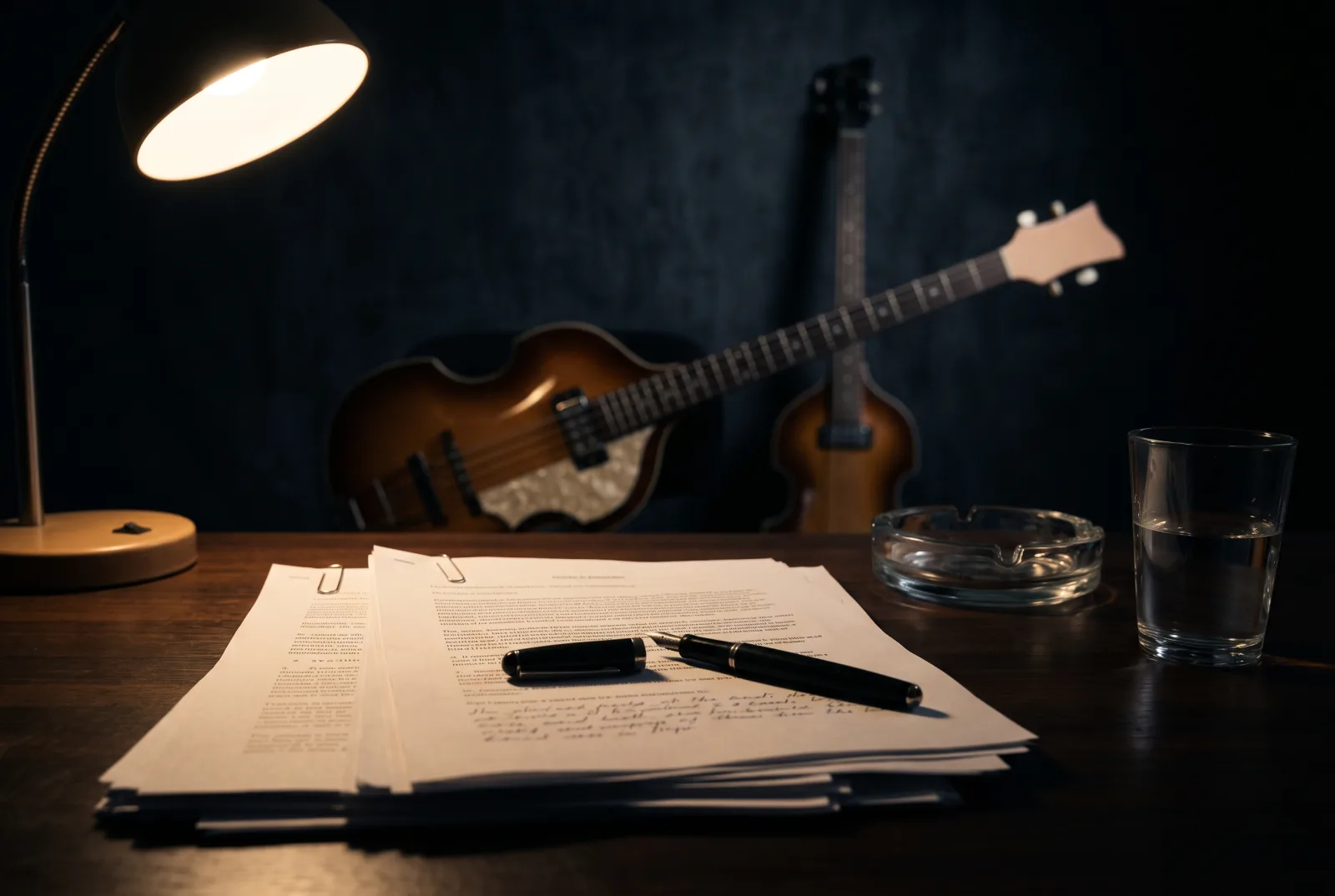
Juan Gabriel
What is visible needs no asking
A boy placed in a juvenile home in Ciudad Juárez took his abandonment, his poverty and his loneliness and left them out there for anyone to use. That is why «Amor Eterno» stopped being his grief and became the place where a whole continent puts its own.
70s
pop
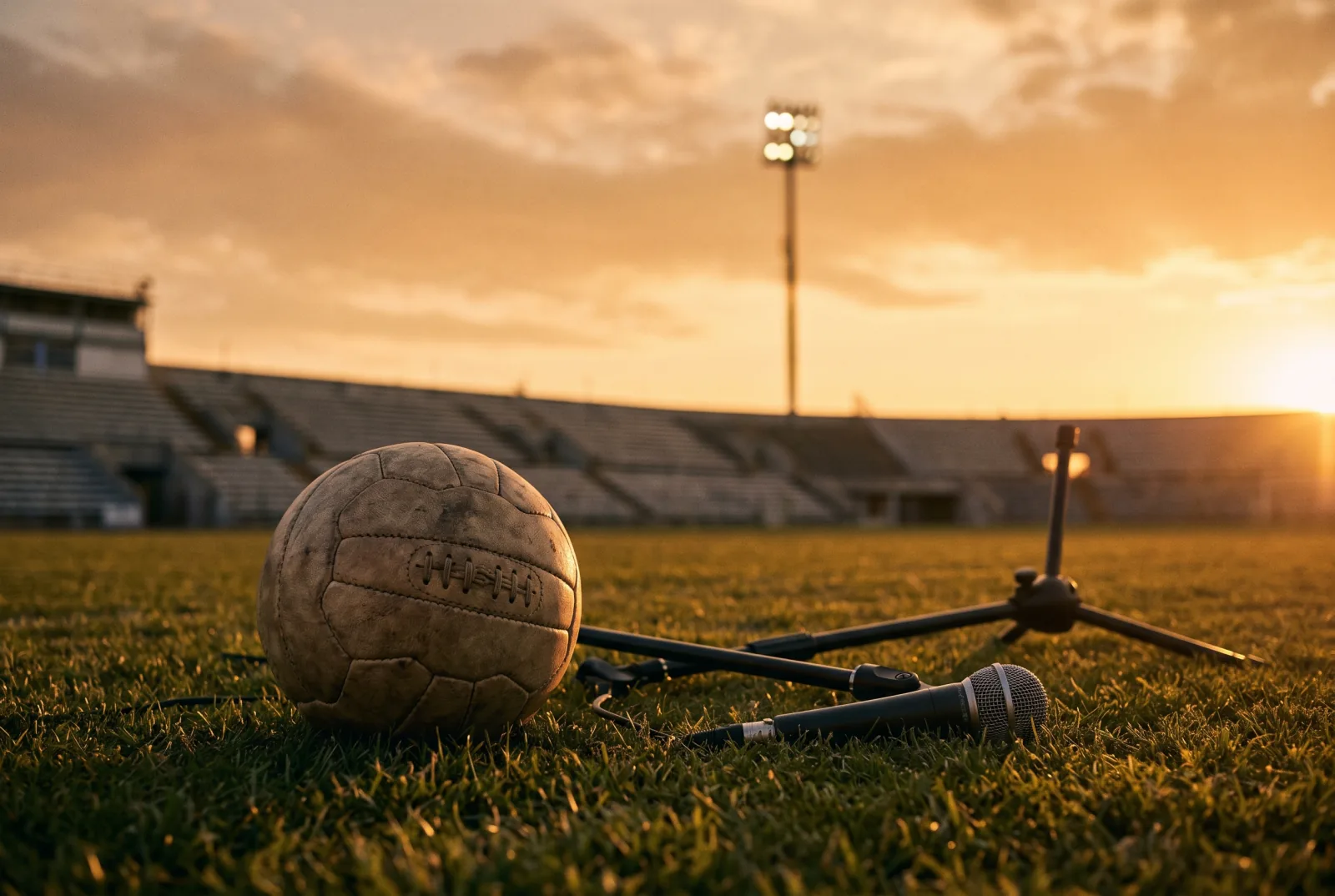
Paul McCartney
The lawsuit nobody understood
On 31 December 1970 he sued his three closest friends. Not to break up the band: to get the catalogue out of hands he did not trust. And he did reconcile with Lennon.
70s
blues rock
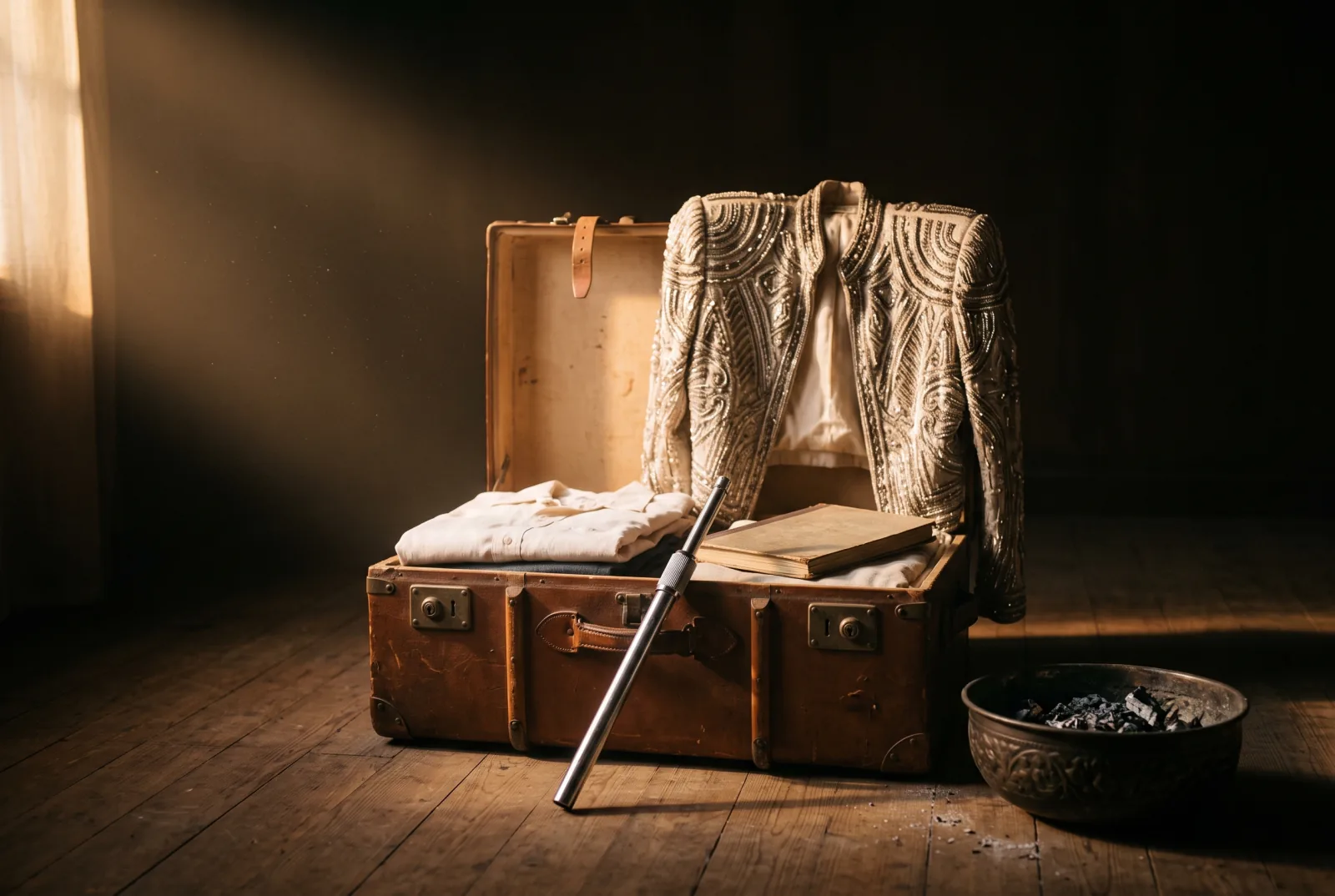
Rod Stewart
Ordinary, everyday joy
On 7 March 1989 he opened with «Hot Legs» at the Estadio Nacional in Santiago, before seventy thousand people, and almost certainly had no idea where he was standing. Handing out ordinary joy was his trade, and it turned out to be exactly what that place needed.
70s
hard rock
Freddie Mercury
The teeth he never had fixed
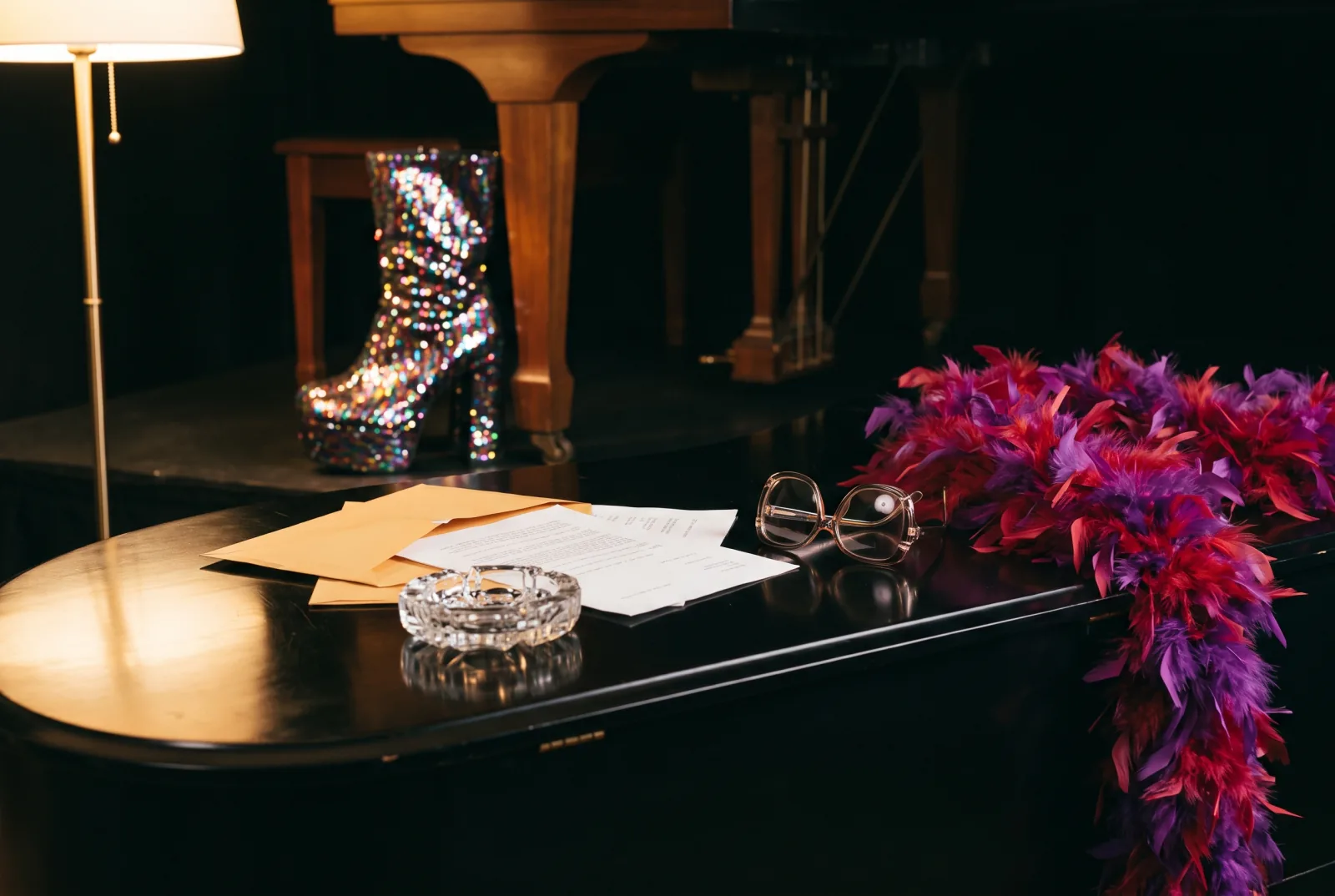
He was born with four extra incisors and was mocked for them at boarding school. He could have paid for the correction a thousand times over and never did, convinced that mouth was part of his voice. The strangeness that embarrassed him was also his gift.
70s
pop
Elton John
An envelope of lyrics from a stranger
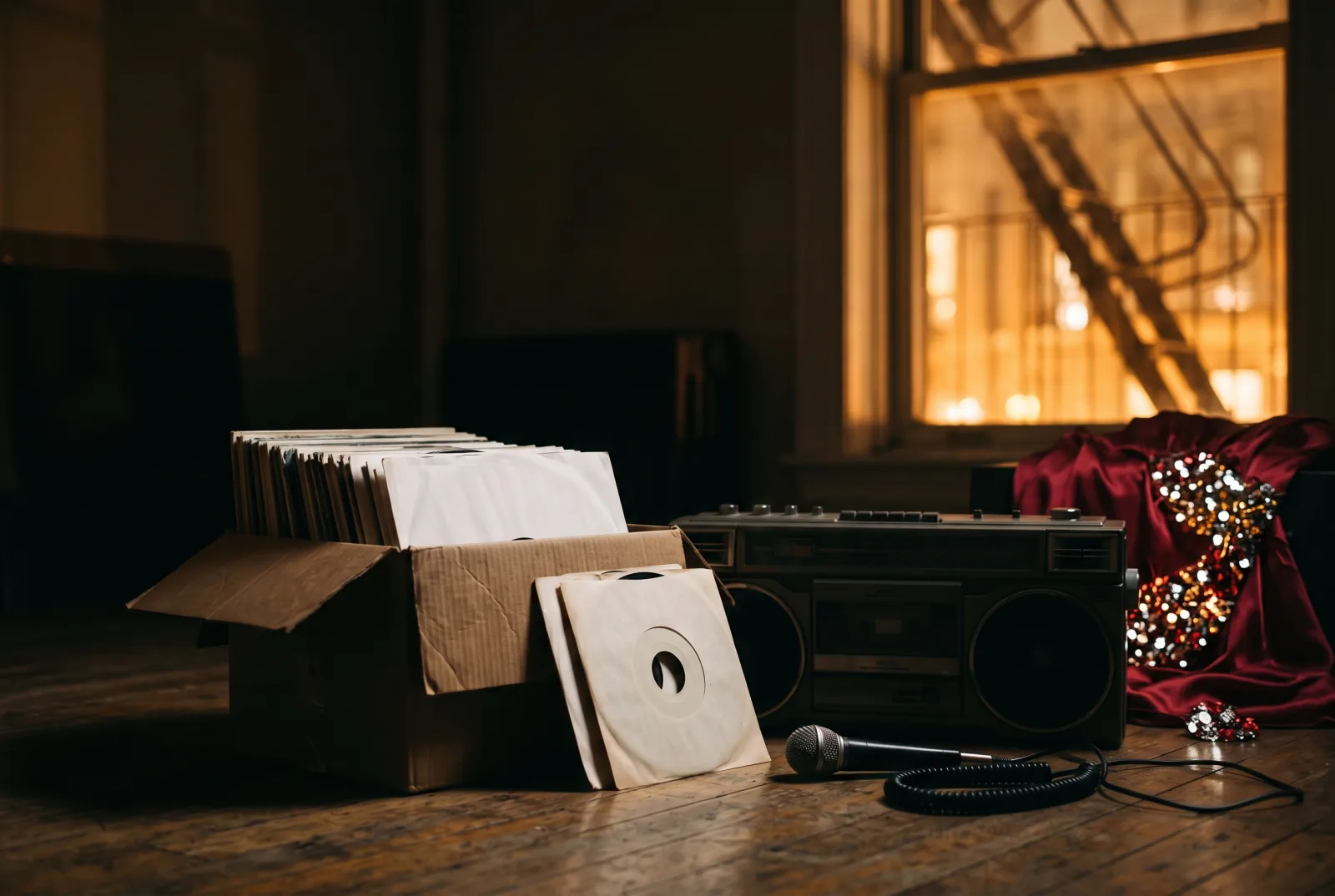
In 1967 a shy boy called Reginald Dwight failed an audition, and on his way out was handed a sealed envelope of lyrics by another applicant they were not going to sign either. Almost sixty years on, Elton John and Bernie Taupin still write that way, apart.
70s
punk
Debbie Harry
You are supposed to be dead
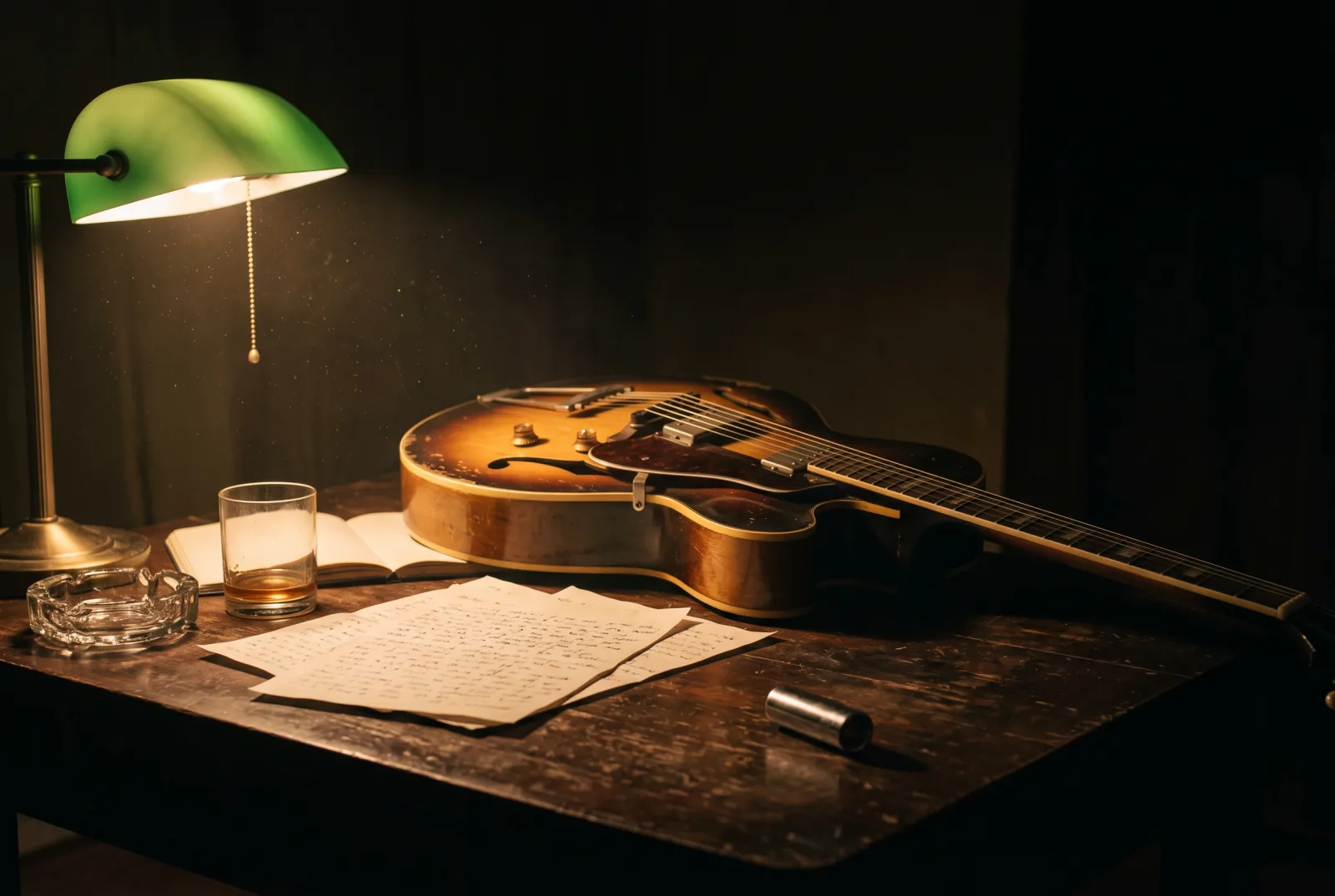
New York truckers shouted «Hey, Blondie» at her and she turned the insult into her band's name. Punk, disco, reggae and the first number one with rap: Debbie Harry stood at every crossing, took ownership of her own image and, unlike so many of her scene, survived.
70s
blues rock
Eric Clapton
The only way he had of saying it
Eric Clapton fell in love with his best friend's wife and could tell nobody, so he wrote «Layla». Thirty years later he lost his four-year-old son and wrote «Tears in Heaven». The guitar was not his trade: it was the only place he could say what he could not say any other way.

70s
pop
Olivia Newton-John
The two Sandys
The final transformation in "Grease" worked because it wasn't only the character's: it was hers. And thirty years later she repeated the gesture with something far more serious.
70s
pop
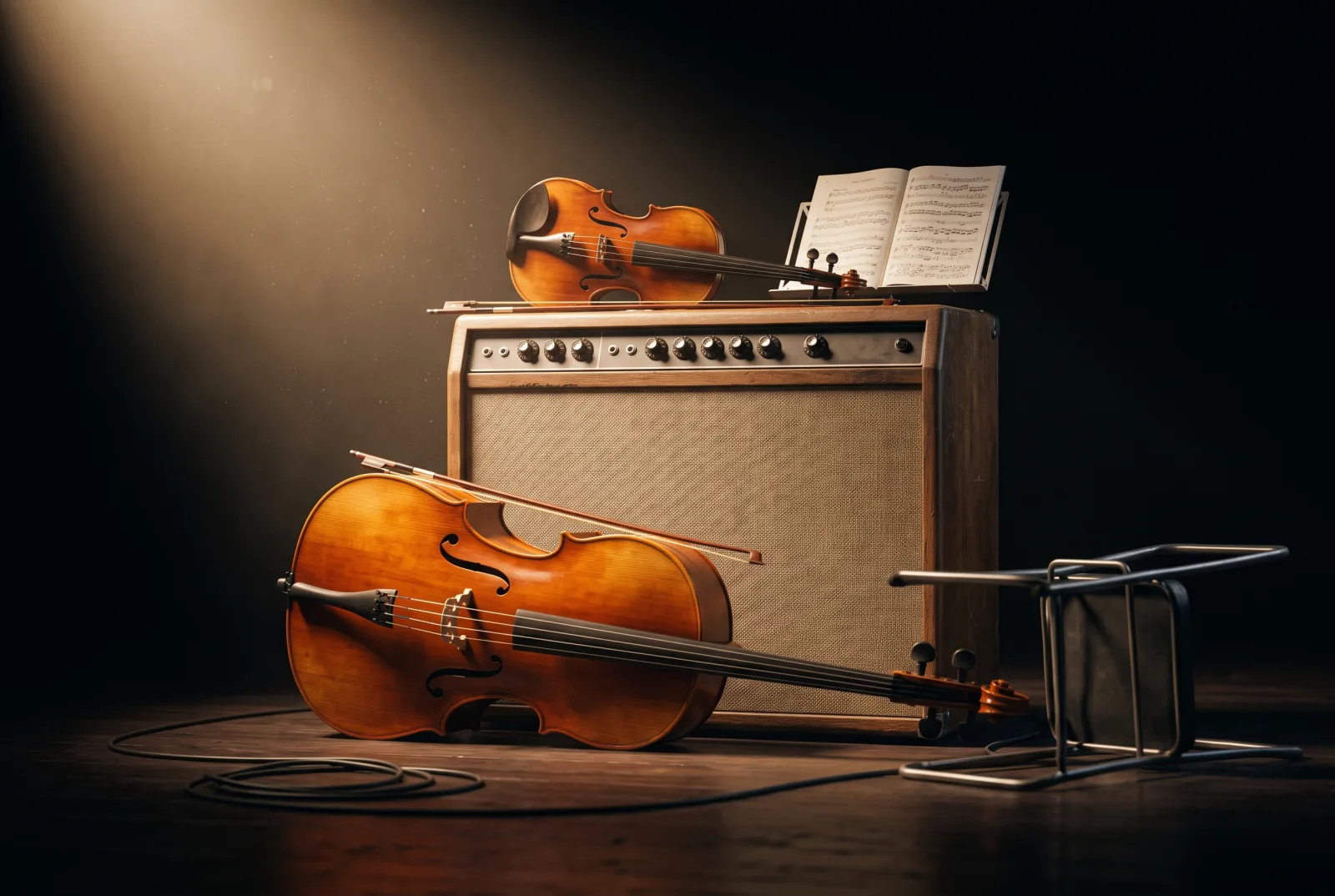
Eagles
The door that opens
They built their fame singing the Californian paradise and wrote their masterpiece about its underside: a place you can leave and never manage to get out of.
70s
progresivo
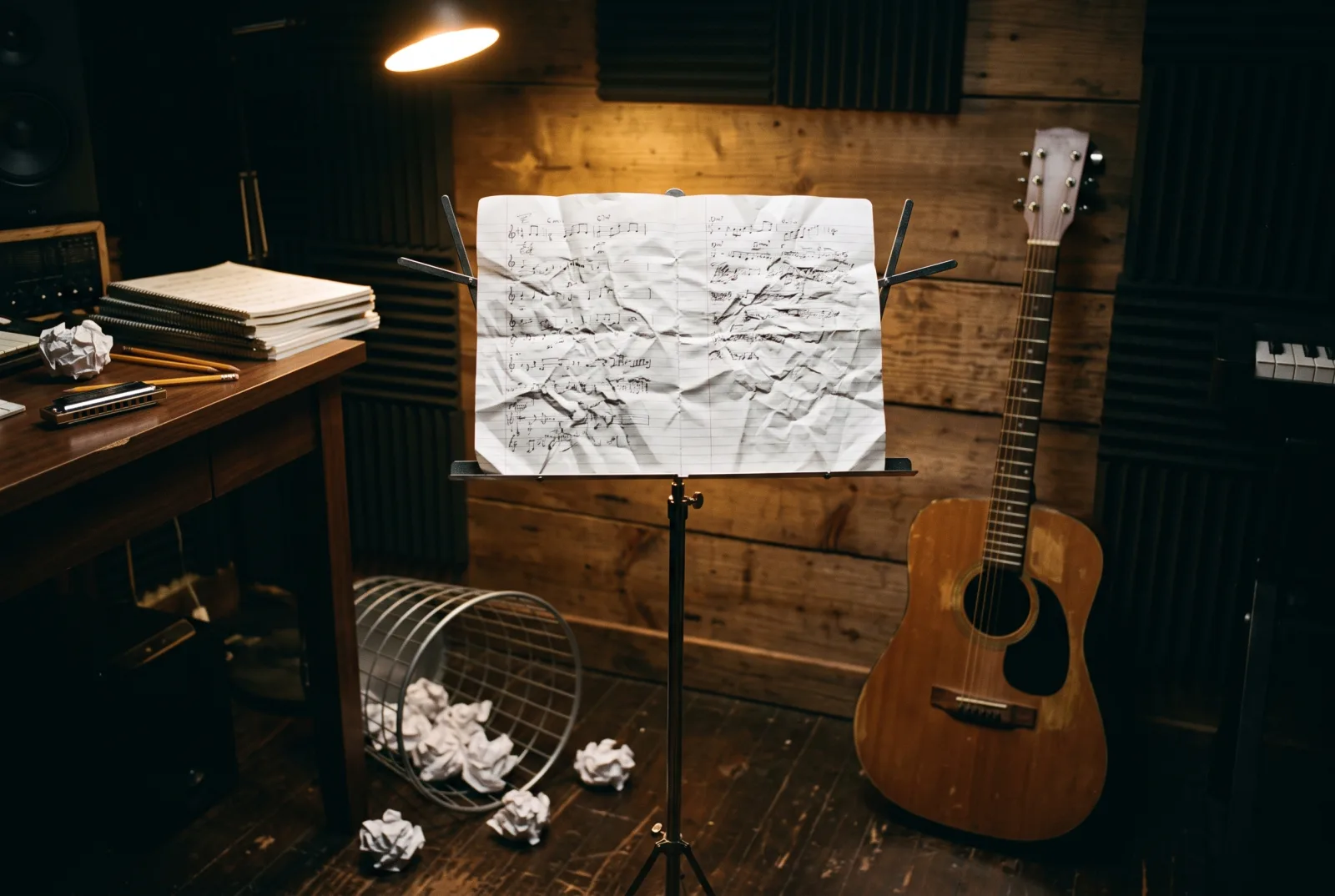
Electric Light Orchestra
The chosen disciple
When the surviving Beatles wanted to finish some Lennon recordings, they called Jeff Lynne. The boy who had built a whole band to get closer to them.
70s
folk
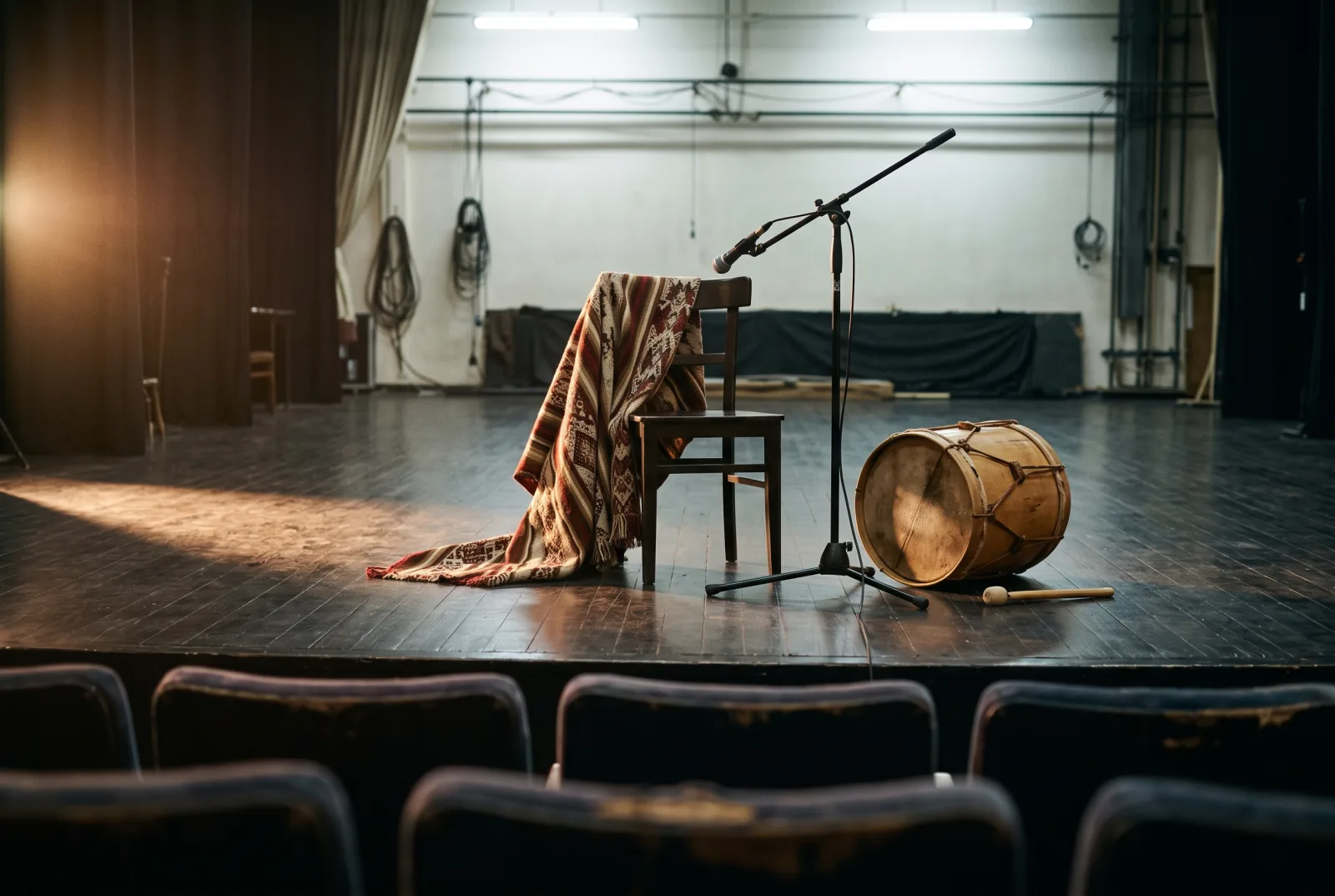
León Gieco
The sheet that was saved
The most sung song of his life had been cut and the album was finished. It was saved by a bandoneon player who walked into the wrong studio.
70s
folk
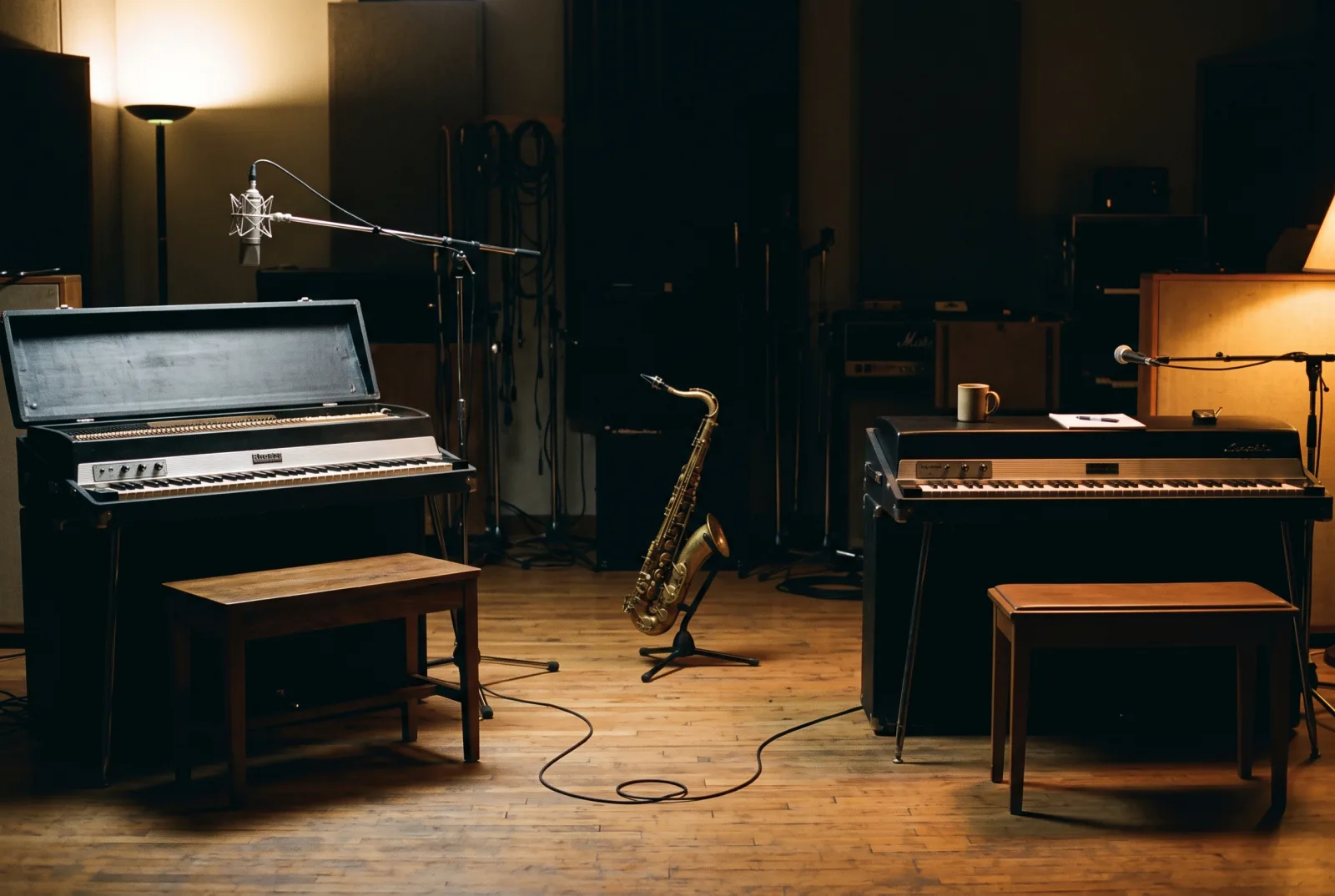
Mercedes Sosa
The poncho on the chair
They arrested her mid-performance, in front of the audience, in a small hall in La Plata. They took away the three hundred people listening to her as well.
70s
progresivo
Supertramp
Two voices taking turns
Two opposite writers who almost never wrote together and credited everything jointly. Heaven and earth taking turns at the microphone, album after album.
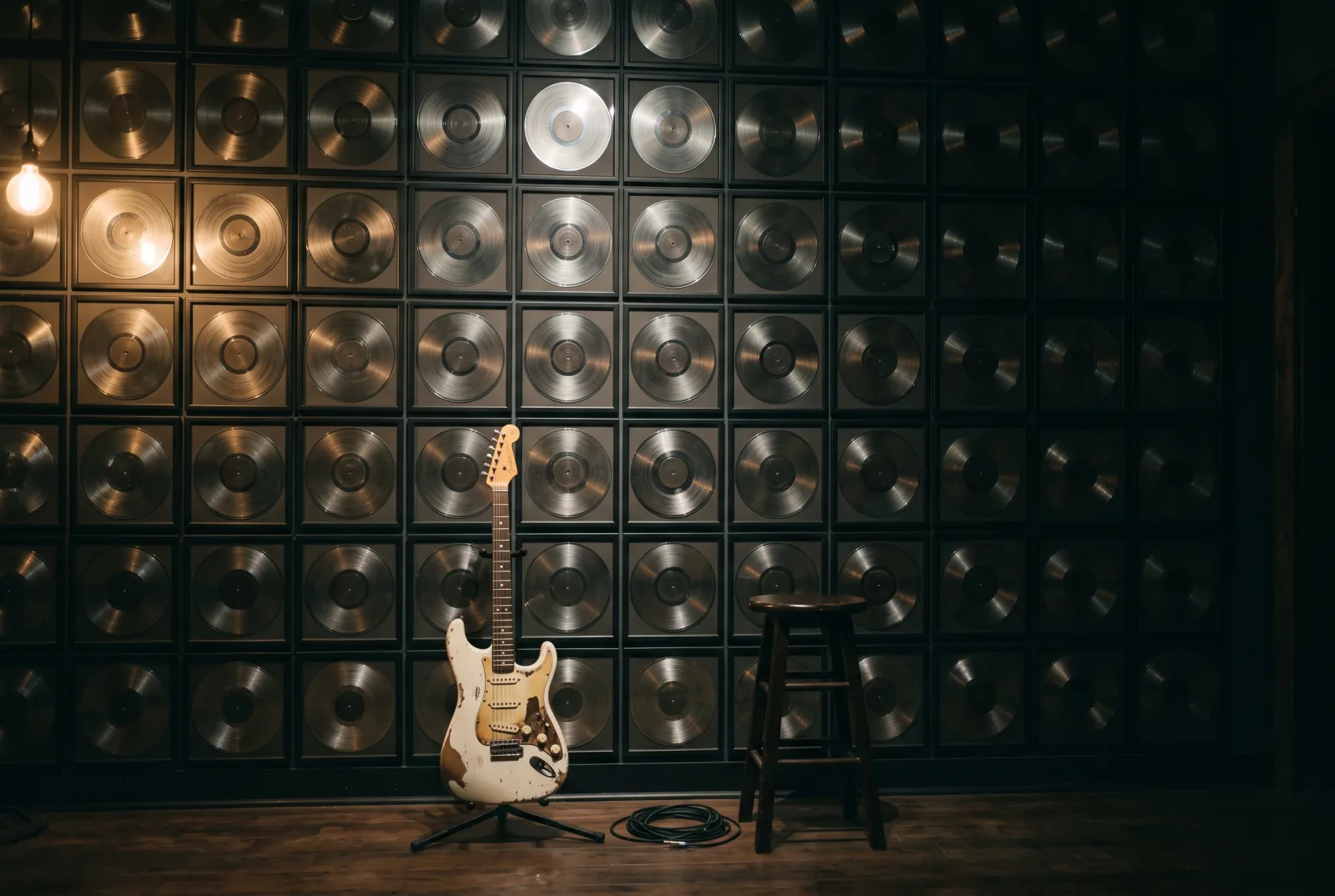
70s
funk
Nile Rodgers
The hand you'd recognise
He is on so many hits it is hard to believe it is one person, and almost nobody would recognise his face. The invisible architect of the groove.
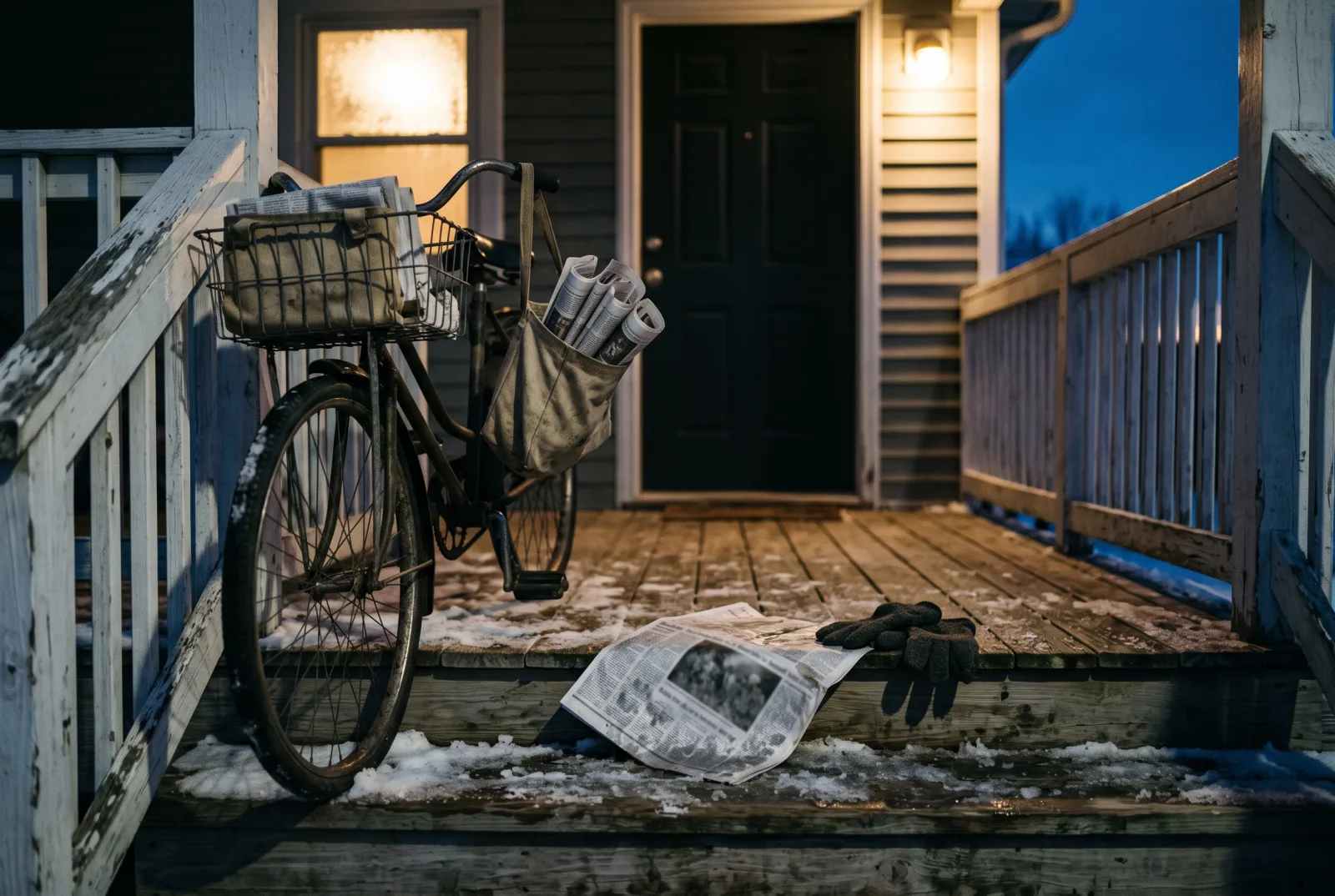
70s
folk
Don McLean
The paper boy
He was thirteen and delivering papers when he cut the bundle open and read on the front page that his idols were dead. Twelve years later he wrote «American Pie».
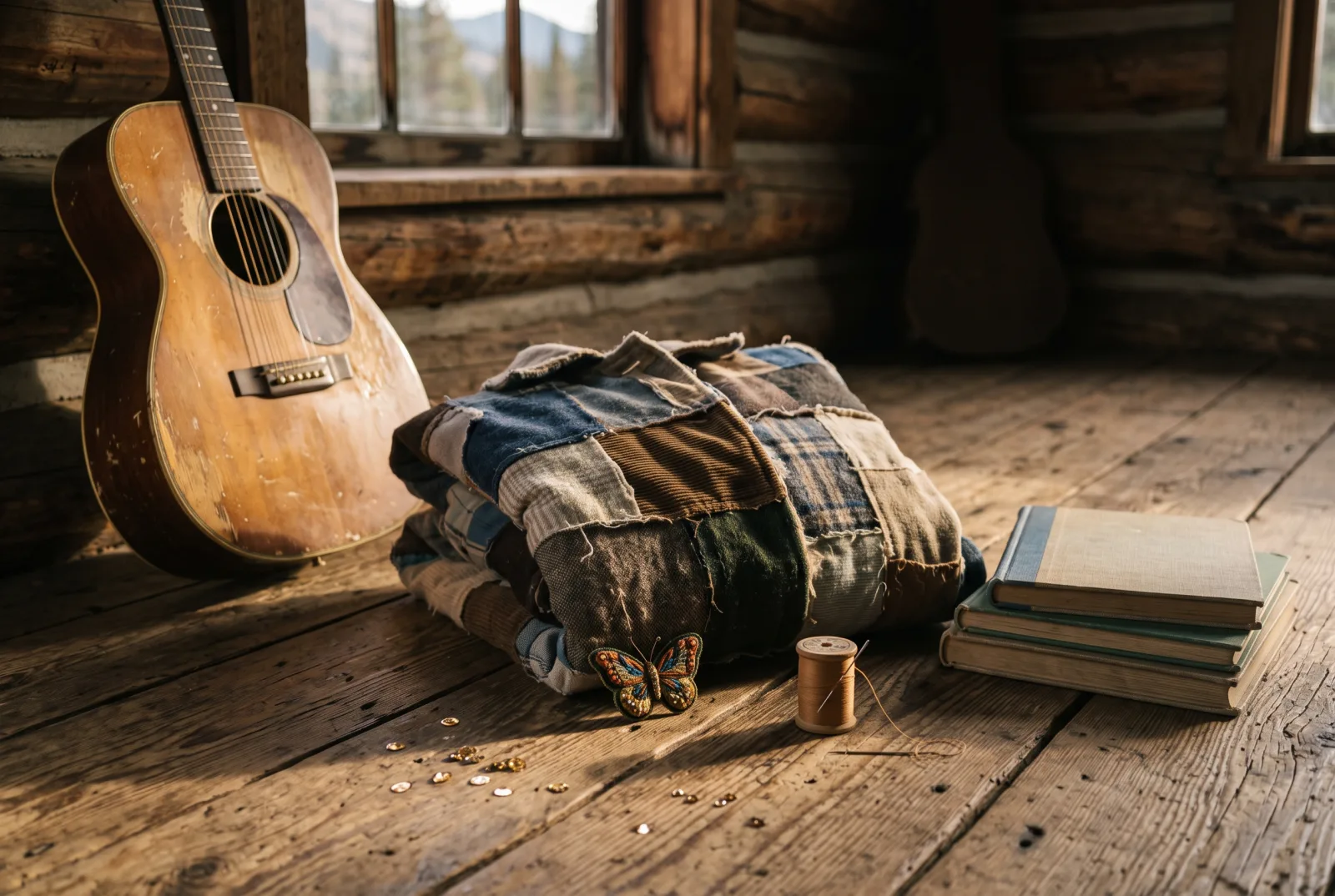
70s
pop
Dolly Parton
Underneath the Sequins
Dolly Parton has died, the one who looked the most artificial and was the most true. Underneath the wigs, the nails and the impossible make-up there was a colossal songwriter and a razor-sharp businesswoman: the one who at twenty set up her own publishing company to own her songs, the one who said no to Elvis and cried all night, and the one who twenty years later made enough from that very song to buy Graceland.
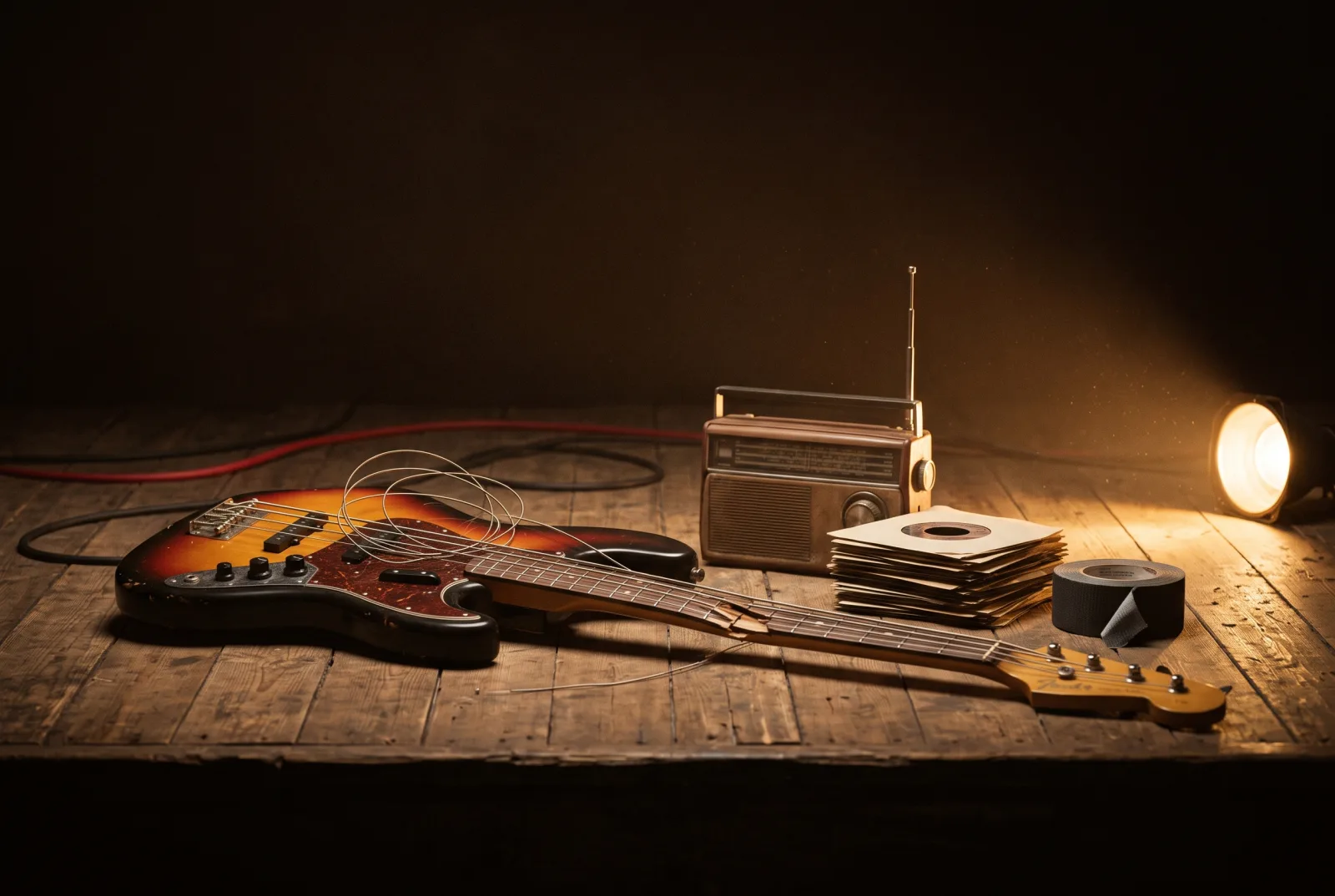
70s
punk
The Clash
The Punk That Believed
The Clash, or why rage with a cause lasts longer than rage on its own. While punk shut itself inside "no future", they believed in something, and that faith made them the most curious and generous of them all: reggae, ska, soul and even newborn rap. "London Calling", "Sandinista!", the song that ended up written on a bomb and the one that hit number one when the band no longer existed.
Series
A History of Chilean Rock · Chapter 8: The Underground Resistance
The late seventies: while the world dances to forget, Chile sings quietly so as not to disappear. The Canto Nuevo and its coded lyrics, the semi-clandestine peñas, the Café del Cerro, and a community that recognised itself in a low voice under the eye of the secret police. It took more courage to whisper in the Chile of 1978 than to shout on any free street corner in the world.
Series
A History of Chilean Rock · Chapter 7: Exile and Silence
1976-77: while London and New York shout their rage in freedom, Chile's voice sings from far away. The cultural blackout, Inti-Illimani and Quilapayún caught on tour in Europe by the coup and condemned to fifteen years of exile, the concerts pressed against the border, and «Alturas de Machu Picchu» recorded in France. Chilean music that sounded freer in Rome than in Santiago.
Series
A History of Chilean Rock · Chapter 6: The 11th of September
1973: the country that was singing its future wakes up in silence. The coup, La Moneda bombed, the National Stadium turned into a detention centre, and Víctor Jara's hands. The Nueva Canción wiped off the dial, its musicians dead, imprisoned or in exile. A whole country lowered its voice —but they didn't manage to kill the songs.
Series
A History of Chilean Rock · Chapter 5: The Chilean Road
1970: while the world comes down from its dream —the Beatles split, Hendrix and Joplin die— Chile begins its own. Allende reaches government through the vote, the Nueva Canción becomes the soundtrack of an era, and rock is left under suspicion. A country that sang its future out loud, with all its light and all its cracks.
Opinion
To Be a Rocker Is to Live Without Fear
Why Víctor Jara, who never played rock, embodied its essence more than almost anyone. If what is essential to rock is the attitude and not the guitar, the question turns around: it isn't what Jara has to do with rock, but how many rockers deserve the name. On power that fears a singer, tenderness that doesn't kneel, and the bond that can't be seized.
70s
hip hop
What's the Difference Between Rap and Hip-Hop?
The answer almost everyone gets wrong, and why getting it right changes how you hear half a century of music. The four elements, the 1973 Bronx party, and the KRS-One line that settles it: rap is something you do, hip-hop is something you live.
70s
hard rock
How Much Rock Owes Nikola Tesla
Without alternating current there's no electric guitar, no amplifier, no stadium. The full chain running from the induction motor to the distorted roar, what Hendrix knew, and the game of imagining which bands would survive a world without Tesla.
70s
pop
David Bowie: The Perfect Amalgam of Rock and Pop
How the chameleon turned the distance between the rebellious and the popular into his own territory. From Ziggy Stardust to the Berlin Trilogy and the Trojan horse of "Let's Dance": the story of the artist who refused to choose, and why nobody has fused them like him since.
70s
funk
A History of Funk: The Music That Bet Everything on Rhythm
From James Brown to today: how a single drum accent changed popular music forever. The discovery of "the one", Sly Stone's explosion, George Clinton's cosmic mythology, and why almost everything you dance to —from hip-hop to pop— owes funk something.

70s
progresivo
Is This Progressive Rock?
Eight famous songs and bands that confuse everyone, settled one by one. "Stairway to Heaven" is not; Radiohead is, though it cost them to admit it; and so are Los Jaivas, however hard the genre's official map tries not to look south.
70s
progresivo
What Progressive Rock Is (and Isn't)
The definitive guide to the most ambitious and most misunderstood genre in rock history. The seven markers that really define it, its forgotten subgenres —from Canterbury to zeuhl— and why calling punk "progressive" confuses a thing with what came to destroy it.
Editorial
The Voice Buried in a Cassette
In the late seventies, John Lennon recorded a demo in his apartment where his voice ended up welded to the piano. For nearly thirty years, separating them was impossible. In 2023 a machine managed it, and the last Beatles song was born. That same year, another machine manufactured a Drake duet that never existed. Same technology, one line between them.
70s
punk
Punk: Three Chords and the Truth
From CBGB to the burning London of '77: punk wasn't a genre but a redistribution of power. The Ramones recorded their debut for six thousand dollars and proved the budget was never the problem.
70s
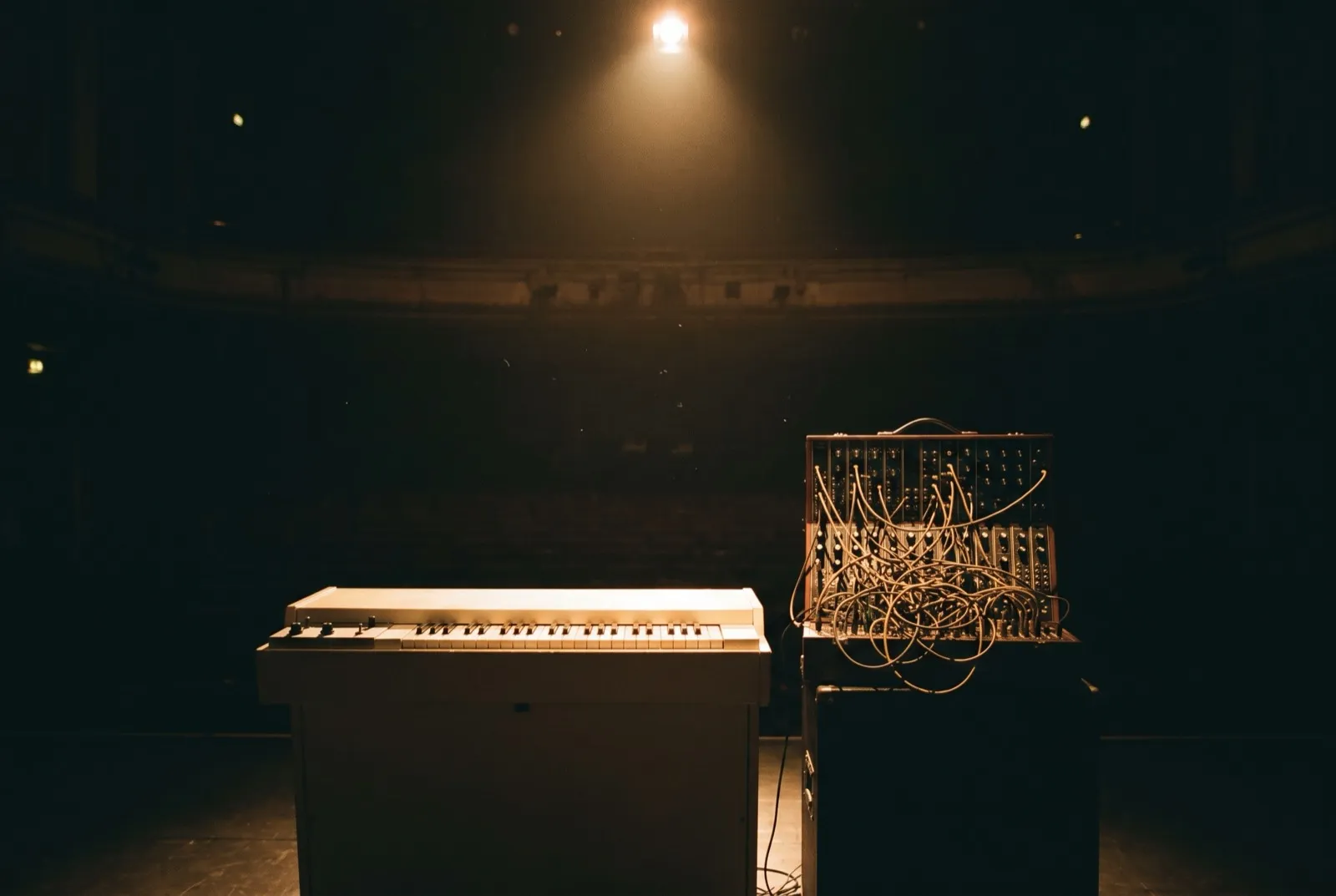
progresivo
Progressive Rock: Ambition Without Limits
From King Crimson in 1969 to punk's hammer blow in 1976: prog believed a song could aspire to anything. Masterpieces and monuments to ego, often on the same record. A defence without nostalgia.

70s
hard rock
Hard Rock: The Decade of Excess
Private jets, record-breaking stadiums and riffs carved in marble: in the seventies rock became an empire. The glory, the bill, and the box-office split Peter Grant imposed that every touring musician still lives off.