
Garage Rock: The Eternal Return
By Rebobinados · Published on July 12, 2026
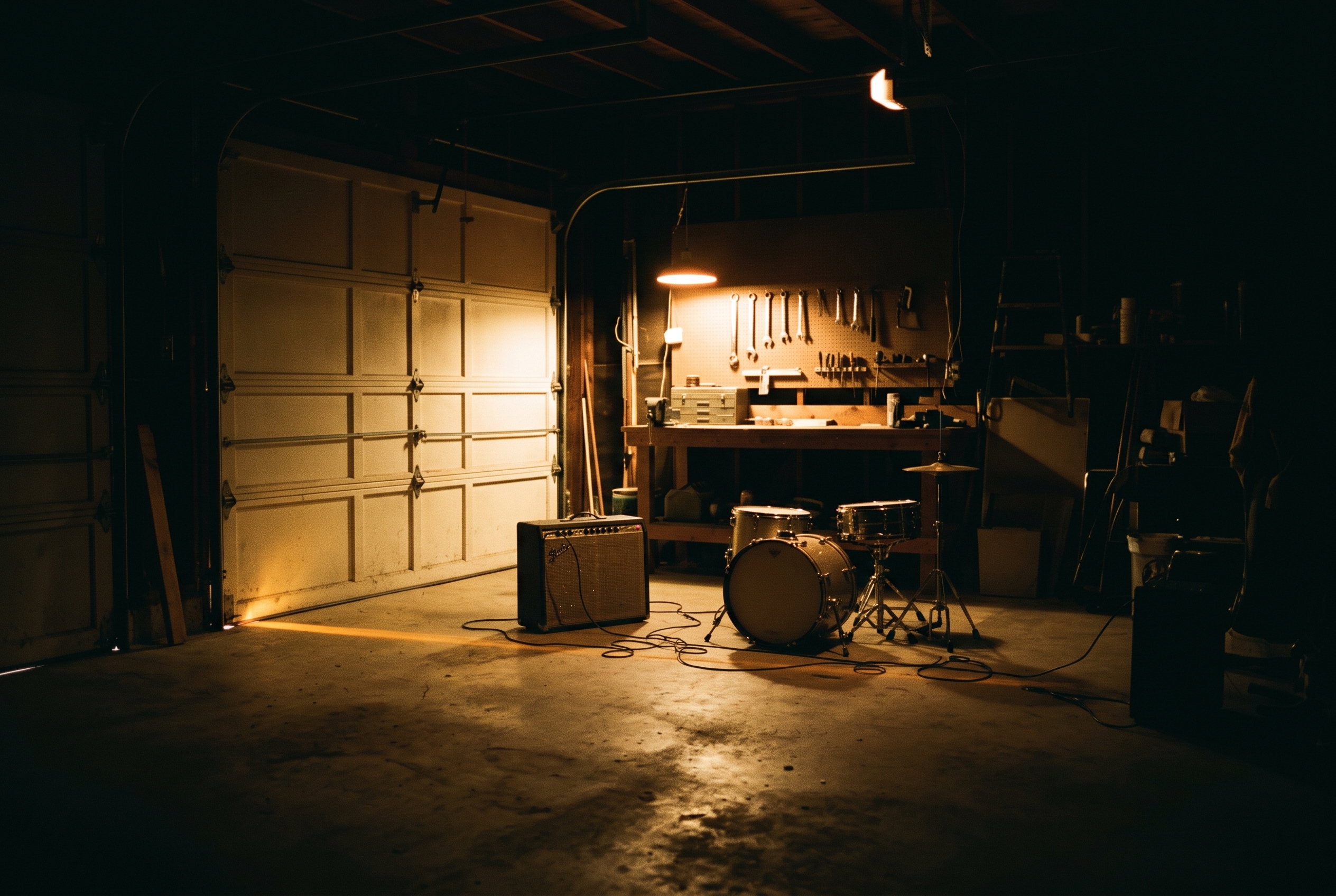
Ilustración: Rebobinados
In 2001, while the industry was betting on nu metal and factory pop, five New Yorkers in second-hand jackets recorded a 36-minute album that sounded as if the previous thirty years hadn't happened. The Strokes' Is This It invented nothing. And that is precisely why it changed everything.
A genre that never quite dies
To understand the revival you have to rewind to the origin. Garage rock was born in the mid-sixties, when thousands of American teenage bands tried to copy the Beatles and the Stones with more enthusiasm than technique: The Sonics, The Seeds, ? and the Mysterians. Most vanished without trace, until in 1972 the critic and future Patti Smith guitarist Lenny Kaye rescued them on the compilation Nuggets. That story — and the reason Kaye called that music punk rock four years before punk existed — we tell in full in What Is Garage Rock?.
What matters here is that Nuggets became a sacred text: proof that enthusiastic clumsiness could be more electric than virtuosity. The punks of 1977 studied it closely. And so did the kids of 2001.
New York, again
The Strokes emerged from the Lower East Side with a clear manual: short songs, interlocking guitars, deliberately dry production by Gordon Raphael, and an aesthetic that quoted Television and the Velvet Underground without apology.
That "deliberately dry" deserves explaining, because it's the heart of the matter. They recorded in a basement on modest equipment and gave up almost everything nineties production treated as compulsory: no layering, no wide reverb, the vocal compressed until it sounded like it was coming down a phone line. It sounded old on purpose, and that was the argument. After a decade of records that cost fortunes, austerity was the novelty.
The British press, with the NME leading, declared them saviours of rock before the album was even out. And they weren't alone: it was a wave coordinated by coincidence. The Hives from Sweden, The Vines from Australia, The Libertines in London. The media packaged it as "the The bands", a lazy headline for a real phenomenon.
Detroit and the formula of two
The other half of the story was in Detroit. The White Stripes — Jack and Meg White, guitar and drums, red and white — had spent since 1997 proving that two people were enough. The restriction was the method: no bass, no second guitar, no safety net. White Blood Cells (2001) made them famous, helped by the video for "Fell in Love with a Girl" that Michel Gondry built out of Lego bricks.
But their goal from the halfway line came in 2003: the riff of "Seven Nation Army", recorded with a guitar run through an octave pedal to sound like a bass, ended up chanted in every football stadium on the planet. Rarely has something so raw travelled so far, and there's a delicious irony in the century's most universal sporting anthem being played by a duo that refused to have a bassist.
Revival or mirage?
Let's be honest about the usual criticism: the revival was also a marketing operation, with photogenic bands signed in a hurry and a bubble that deflated around 2005. Many of those groups didn't survive their second album.
And the cycle was brutally short. Grunge had had years to grow in the dark before the industry found it; these bands were discovered, crowned and discarded in under five years, with the British music press accelerating the cycle for sport. It was the first revival to happen at internet speed.
And yet the balance is positive. The garage rock of the 2000s repatriated an idea rock had forgotten in the overproduced nineties: that a two-minute song recorded almost live can be worth more than a year in the studio.
The eternal return
Here is this house's thesis: garage isn't a genre, it's a reflex. Every time rock becomes too professional, too polished, too expensive, a new generation rediscovers that all you need is three chords, a cheap amplifier and something to say. It happened in 1966, it happened in 1977, it happened in 2001.
That mechanism — why it repeats, and why always from a basement — we take apart in From the Garage to the Stadium. And if you want to start with the bands at the beginning, the ones Kaye rescued from oblivion, they're in Ten Garage Rock Bands You Have to Hear.
It will happen again: it's probably already happening in some garage that doesn't have a name yet.
Keep rewinding
00s
garage
The White Stripes
The surname was the drummer's
They said they were brother and sister: Jack repeated it in interviews as "the two youngest of ten". In fact they had married on 21 September 1996 and divorced in March 2000, and when the press exposed it in 2001 they carried on insisting. And the surname was hers: Jack was born John Anthony Gillis and took Meg's when they married.
60s
garage
The Velvet Underground
Thirty thousand bands
Almost nobody bought them, and half the rock that followed came out of them. Brian Eno's line sums it up, even if the figure he quotes is not quite right.
00s
garage
The Strokes
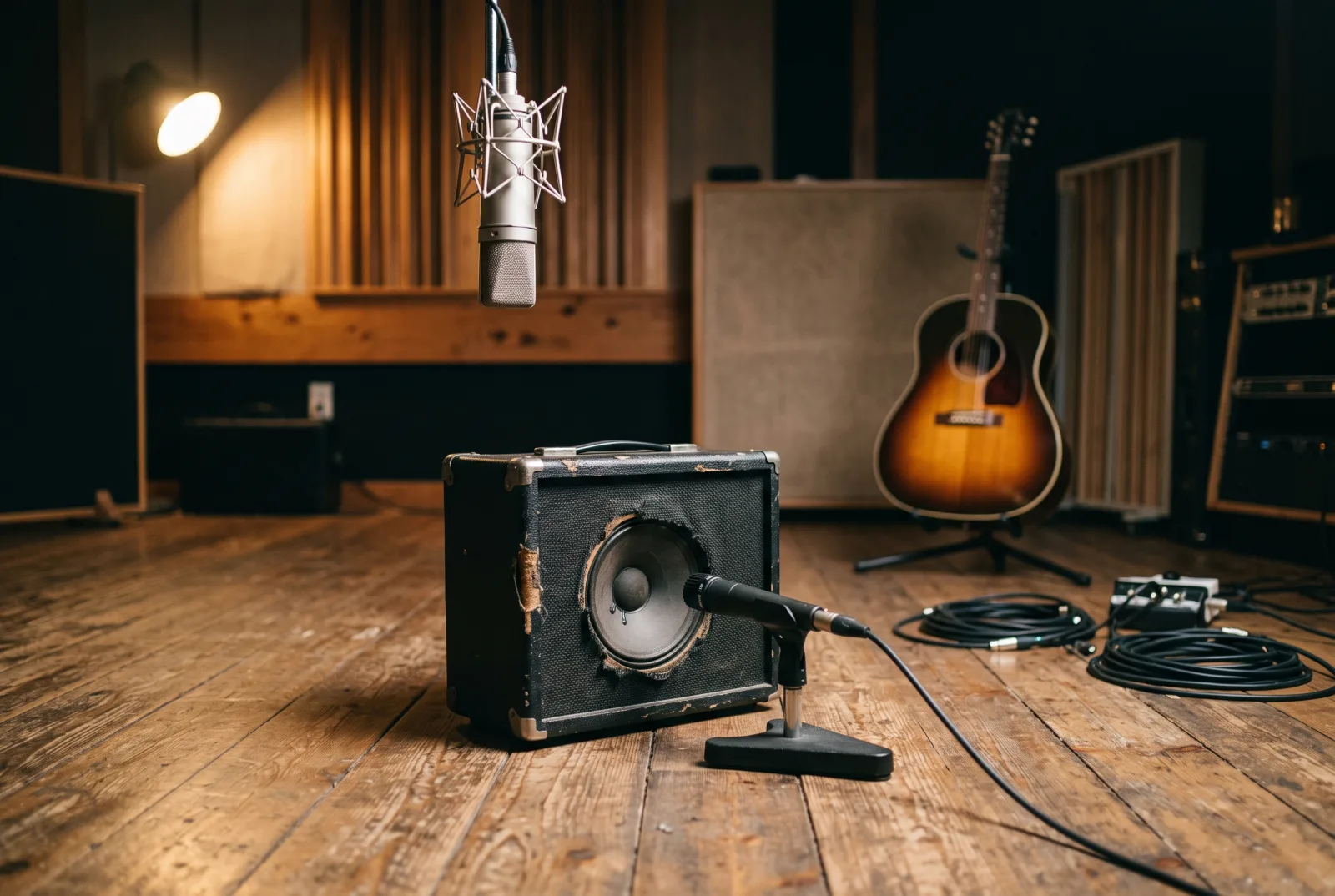
A small amplifier
In 2001 they sounded revolutionary by sounding old. They recorded the vocals through a cheap practice amp on purpose, leaving the good gear unused.
Rewind with us
Comments · 0
No one has commented yet. Open the conversation.