
Chapter 03 — Rhythms
Disco & Dance
70s–80s
Disco wasn't just glitter and mirror balls: it was born in the Black, Latino and gay clubs of New York as a space of freedom when there were few. Donna Summer moaned over Giorgio Moroder's synths, Chic turned Bernard Edwards' bass into a language, and the Bee Gees defined an era with 'Saturday Night Fever'. When they burned records shouting 'disco sucks', disco won anyway — it became house, techno, and every dance floor since.
Key exponents
Donna Summer
1975–1979
The Queen of Disco: 'I Feel Love' with Moroder opened the door to all electronic dance music.
Chic
1977–1979
Nile Rodgers and Bernard Edwards: rhythmic elegance that half of hip-hop would later sample.
Bee Gees
1977–1979
With 'Saturday Night Fever' they made the whole planet dance in falsetto.
Keep rewinding
90s
disco dance
Era
The fake Latin was written by an expert witness
The pseudo-Latin lyric of "Ameno" is co-credited to Guy Protheroe, director of the English Chamber Choir, who also sings it and is a forensic musicologist: the expert witness The New York Times profiled on 11 October 2016 as the man they call when two tunes sound alike. And Era was not born in a studio: the choral piece from "Les Visiteurs" (27 January 1993) reappeared on the first album, recorded with what the film paid for.
90s
disco dance
Enigma
The same mistake twice
The Munich choir's suit over the Gregorian chants on "Sadeness" was closed with a settlement in August 1991, a public apology from Virgin included. "Return to Innocence" came out in December 1993 with the chant of an Amis couple from Taitung recorded solely for cultural preservation: Difang and Igay Duana found out because some friends heard their voices on the radio, sued in California with the International Olympic Committee among the defendants and settled in July 1999.
80s
disco dance
Modern Talking
Half the duo went on at Viña del Mar
In February 1988 the Quinta Vergara announced Modern Talking, but only Thomas Anders walked onto the stage: the contract predated the 1987 break-up. And the duo was never two. The falsetto of the chorus was sung by Rolf Köhler, Michael Scholz, Detlef Wiedeke and Birger Corleis, without appearing in any credits, while Dieter Bohlen mouthed along. They sued in Berlin and collected one hundred thousand marks in 2001, but the case was about samples: no court ever ruled on who sang what.

70s
disco dance
Kraftwerk
Twenty-seven years over two seconds
In 1997 Moses Pelham took two seconds of "Metall auf Metall" for a Sabrina Setlur song. Ralf Hütter and other members of Kraftwerk sued in 1999 in their personal capacity: 27 years, Germany's Bundesverfassungsgericht, two CJEU judgements and one repealed article later, the Bundesgerichtshof ruled against them on 3 September 2026. Florian Schneider died in 2020 while still a main plaintiff. For "Planet Rock", Tommy Boy had settled at a dollar a copy.
80s
disco dance
New Order
The four records inside "Blue Monday"
"Blue Monday" (7 March 1983) is assembled from pieces of four other people's records: Klein + M.B.O., Sylvester, Donna Summer and Kraftwerk. It is the best-selling twelve-inch in history in the United Kingdom only, it reached no. 9 and it never entered the Hot 100. In November 2026 they return to Chile at Primavera Sound Santiago, without Morris or Gilbert.
90s
disco dance
Moloko
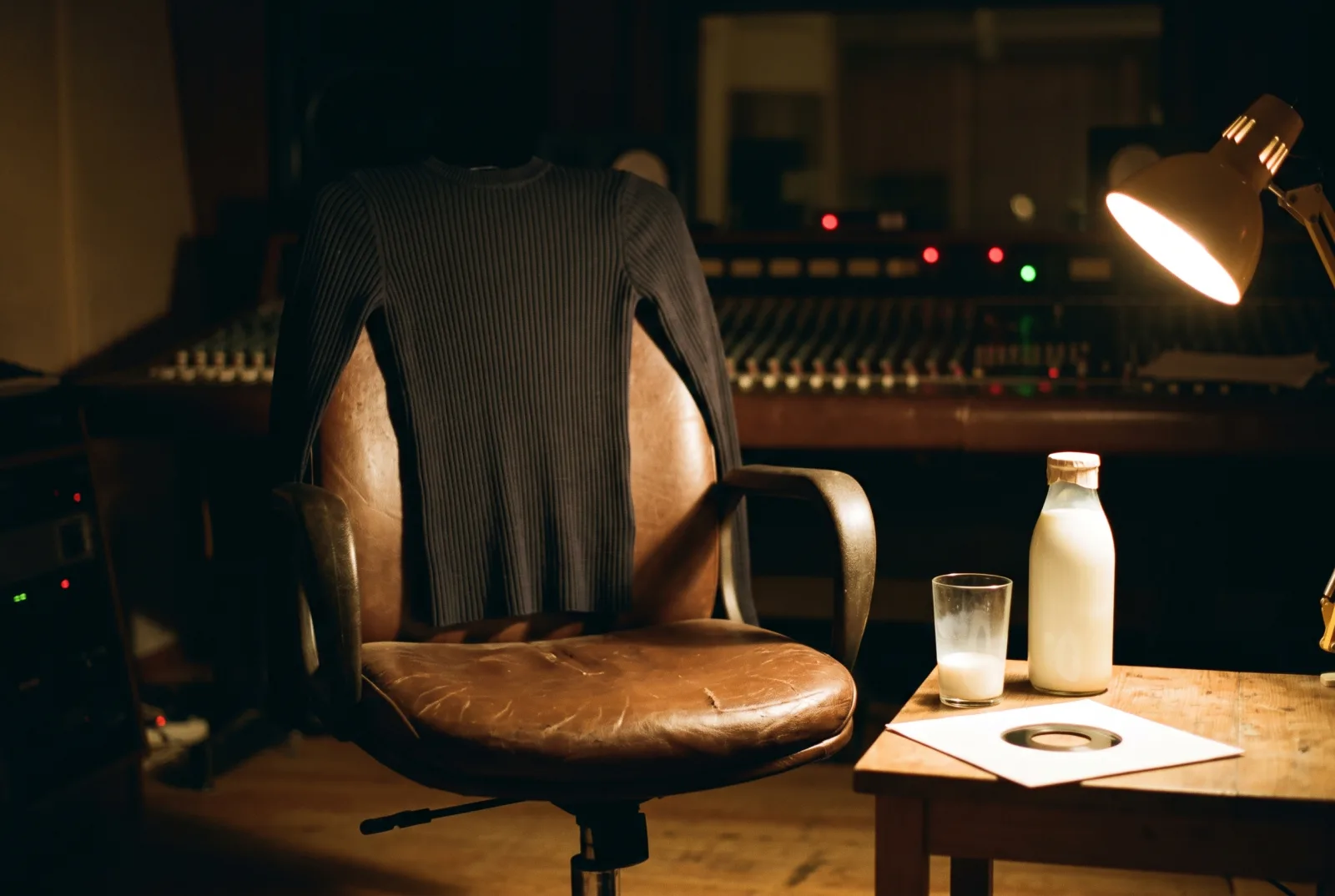
The tight sweater was the title
Moloko formed in Sheffield in 1994, when Róisín Murphy approached Mark Brydon at a party with a line about her tight sweater: that line gave its title to their first album. "Sing It Back" reached No. 45 as the original single in 1999 and No. 4 with Boris Dlugosch's remix; their biggest chart success is "The Time Is Now", No. 2 in the United Kingdom.
70s
disco dance
Boney M.
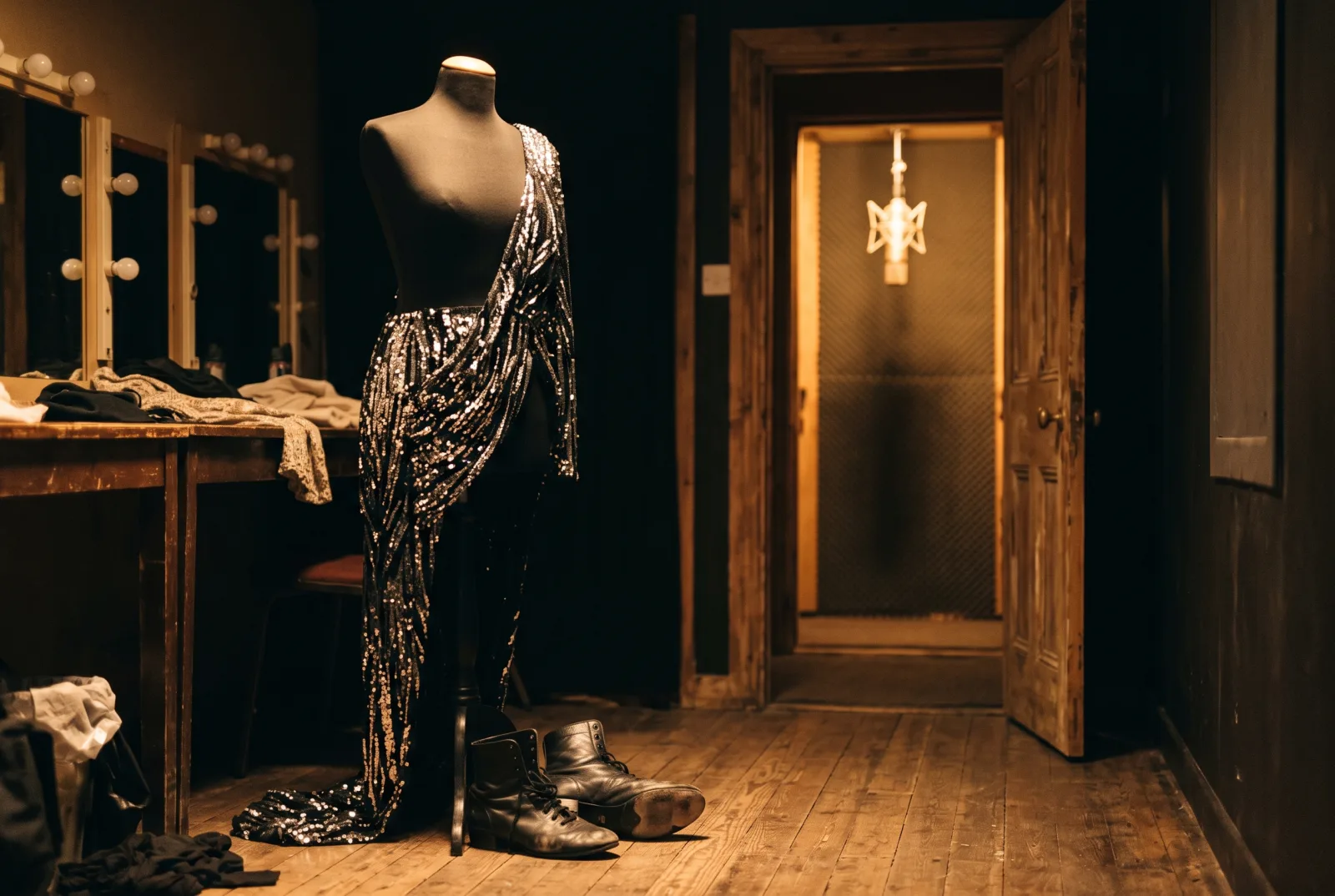
The voice was in another room
A hundred million records, and of the four people on stage, two never sang on the recordings. The deep voice belonged to the German producer.

70s
disco dance
Eruption
British, Caribbean, and German disco stars
"One Way Ticket" plays at every eighties party and almost nobody knows who sings it: a group of Britons of Caribbean descent who were not taking off at home and who triumphed in Germany, signed by Boney M's producer. Their singer ended up as the legal owner of the name.
70s
disco dance
KC and the Sunshine Band
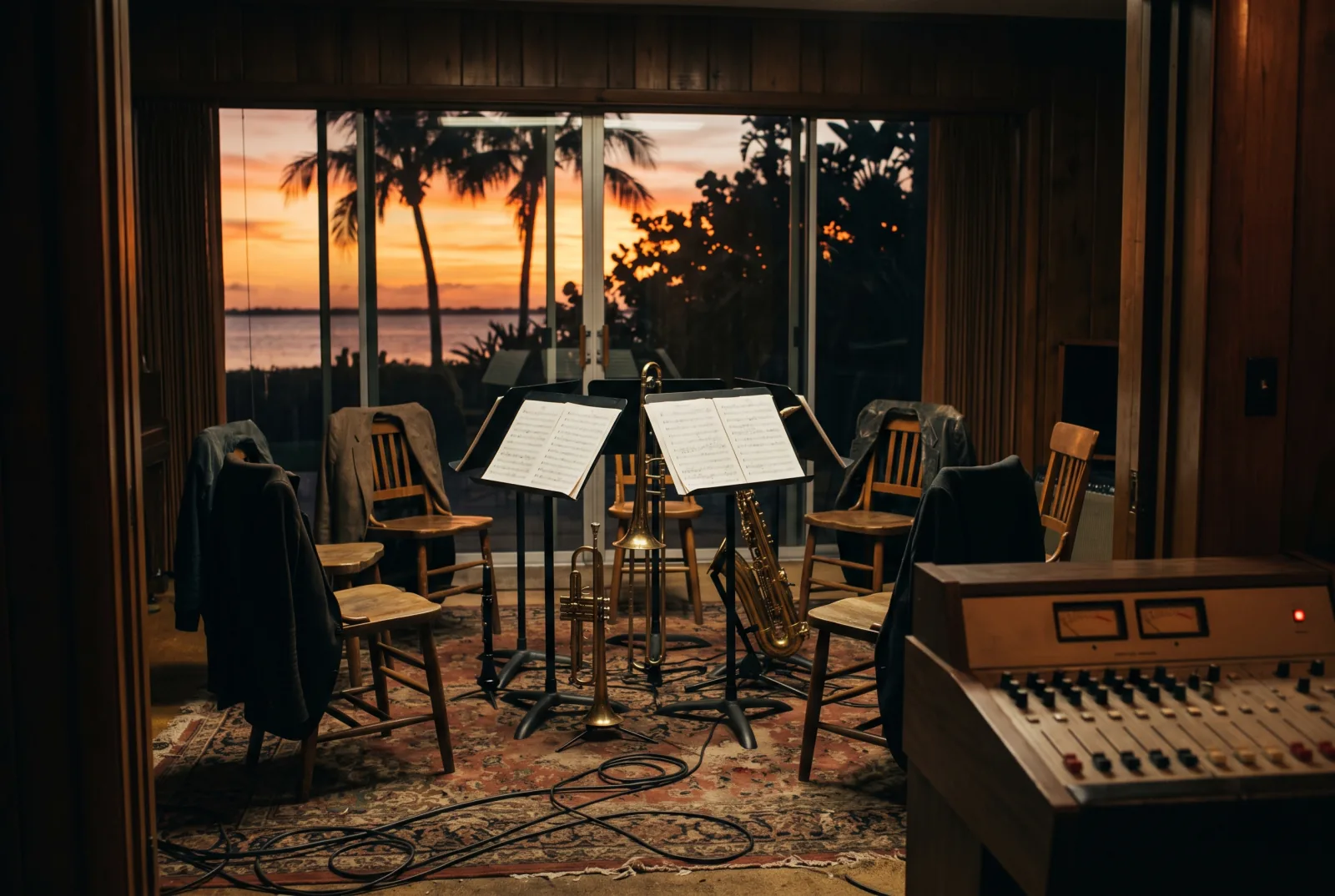
Miami's joy machine
Four bars of any of their songs and the dance floor fills up by itself, half a century later. Behind that mass-produced joy there was a Miami sound made of horns and funk, and a band of black and white musicians playing together in the South of the seventies.
90s
disco dance
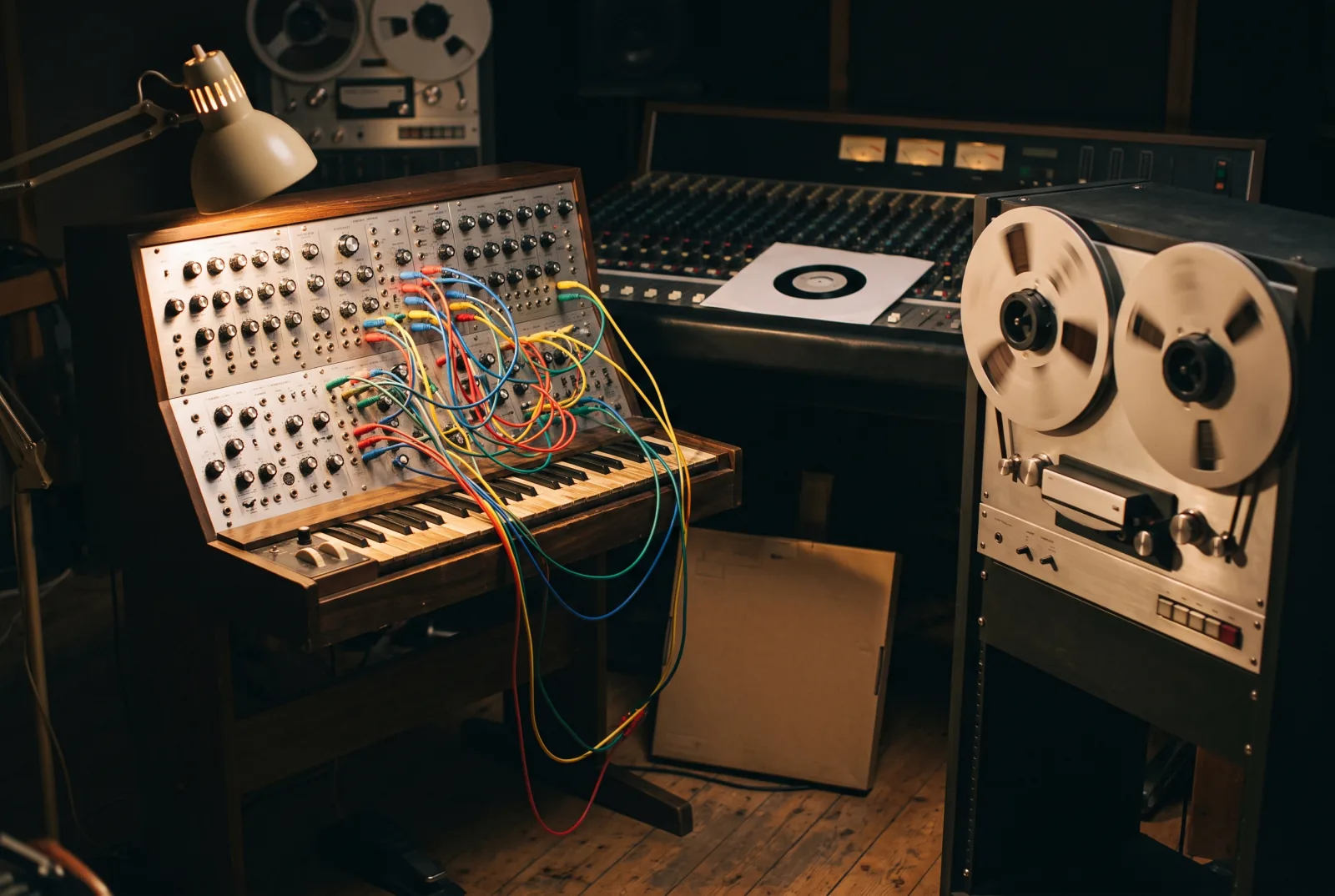
The Prodigy
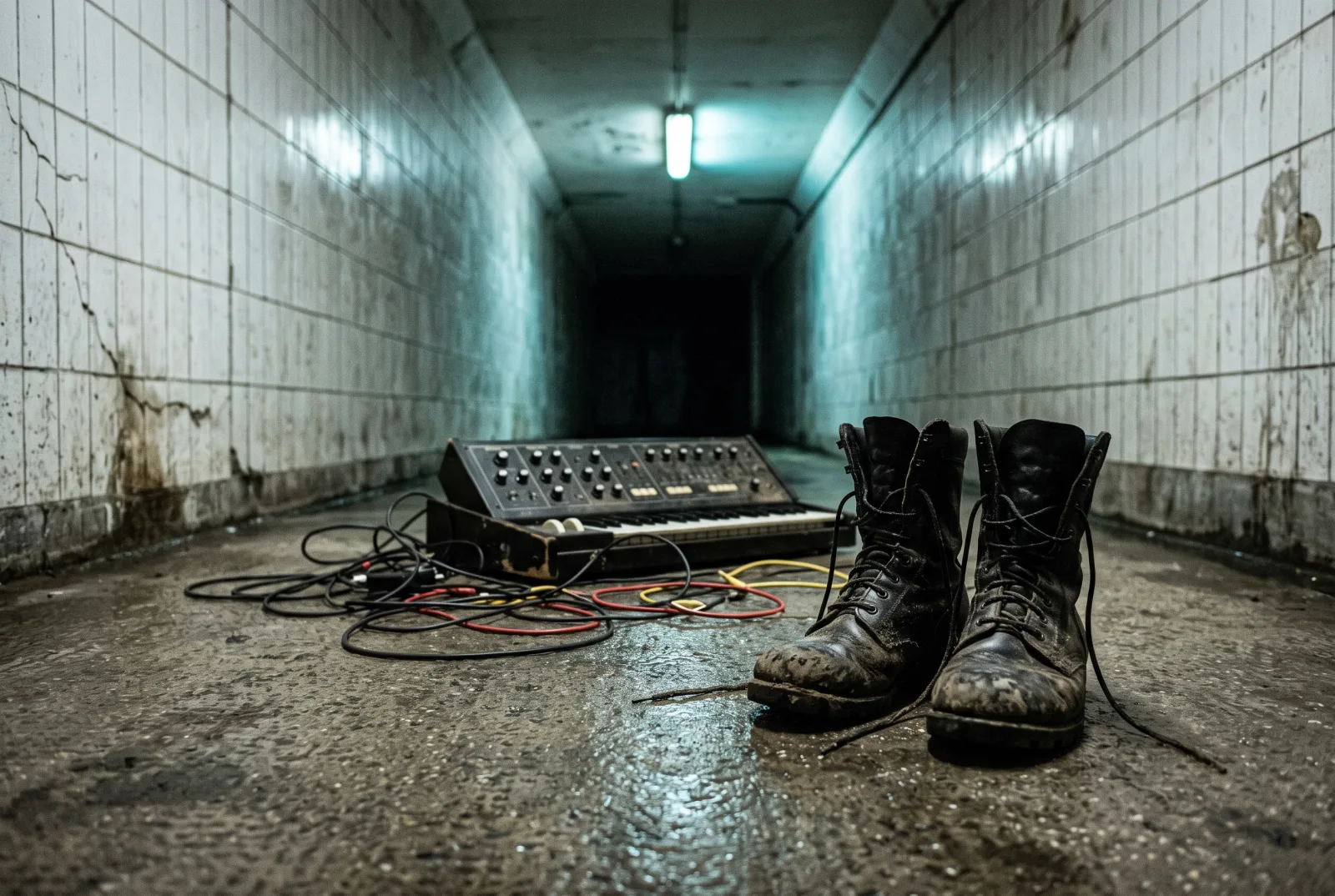
The dancer who took the mic
The man who wrote everything stayed at the back, invisible. The ones people thought were the band had joined as dancers. And the ending is almost always told wrong.
70s
disco dance
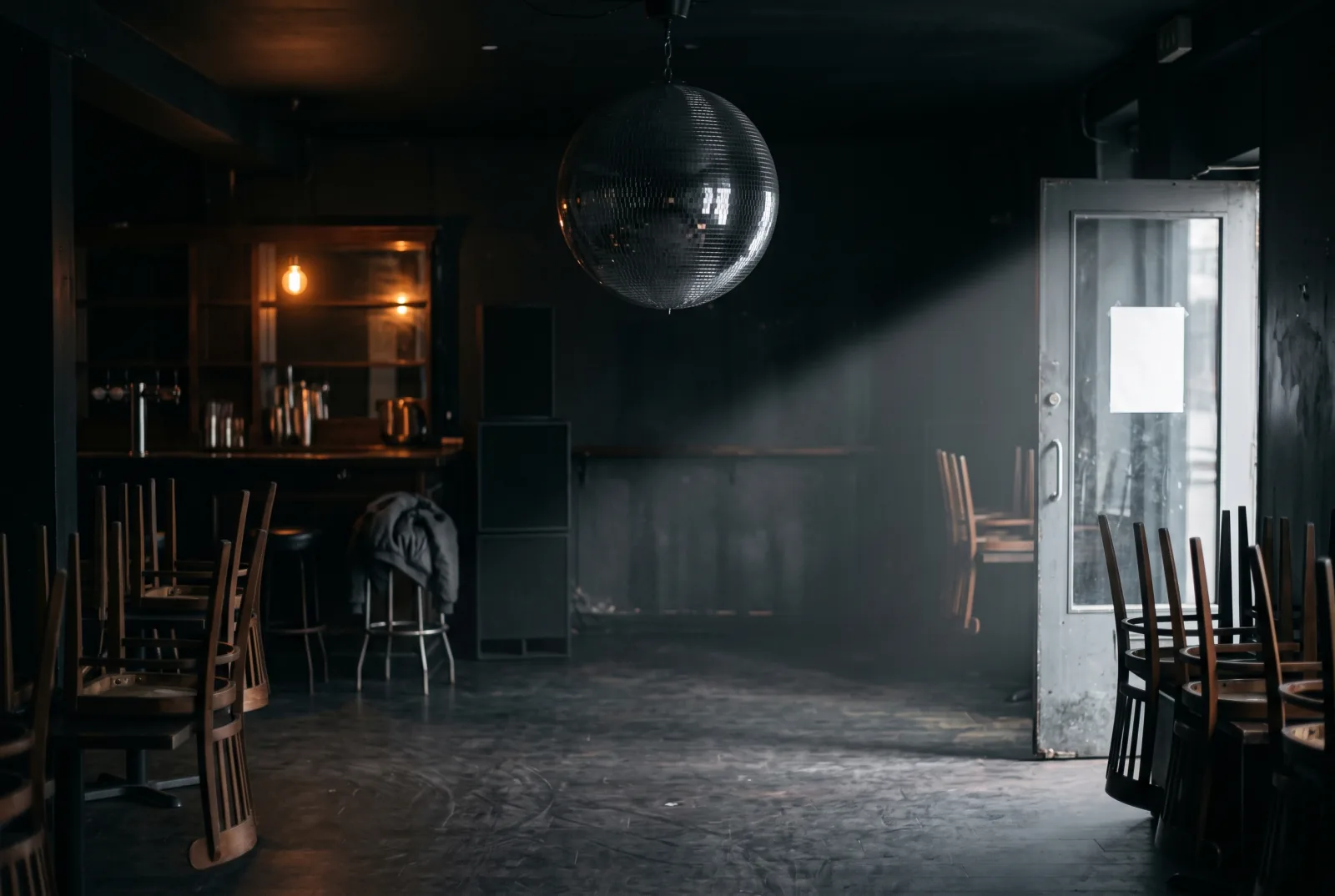
Donna Summer
The queen of disco who invented the future
In 1977, a synthesiser and a repetitive pulse were enough to push dance music half a century ahead: "I Feel Love", with Giorgio Moroder. They crowned her queen of a fashion many had given up for dead, and she had founded everything that would play in clubs afterwards.
10s
disco dance
Dua Lipa
She put out an album for dancing just as the whole world locked itself in
It came out at the end of March 2020, when the clubs had just closed and parties were banned: a disco revival album meant for dance floors that no longer existed. It looked like a calendar mistake and ended up being the soundtrack of the lockdown.
90s
disco dance
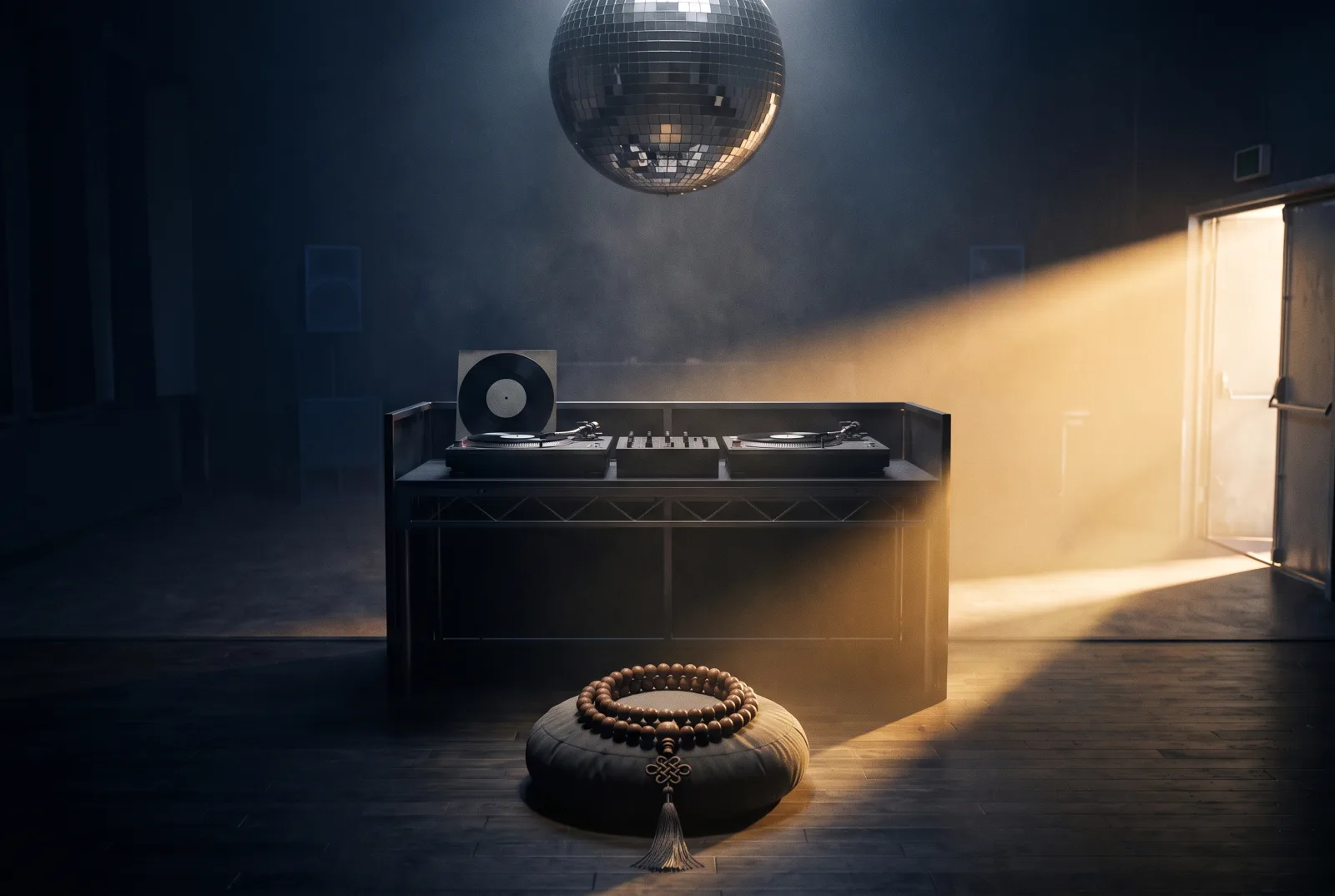
Faithless
The dance floor as a church
In a decade of hedonistic dance music, a practising Buddhist stood before a crowd and spoke to it about healing and belonging. Maxi Jazz compared the club to a church and turned the night's escape into a rite: dancing together as a way of healing.
00s
disco dance
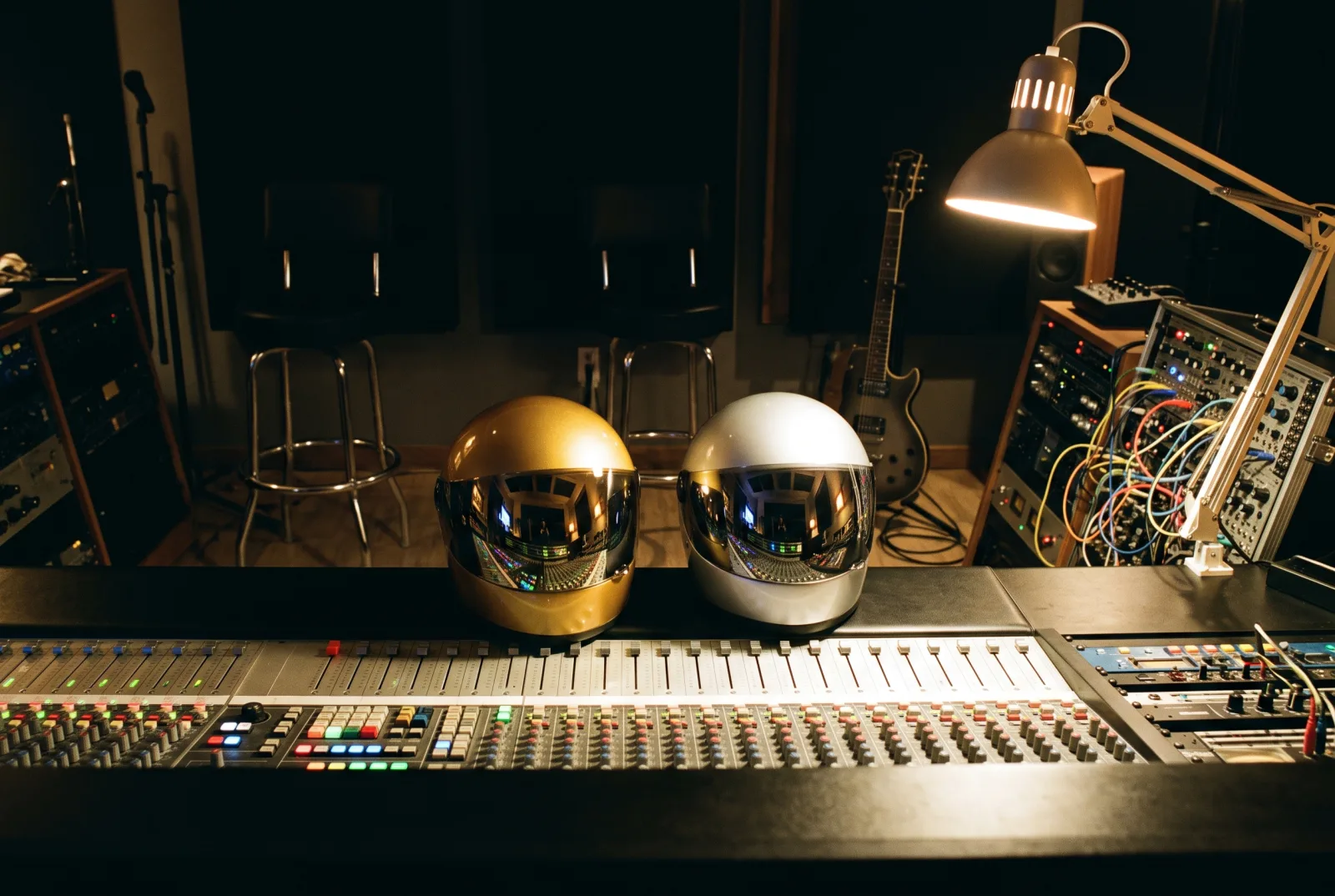
Daft Punk
Hiding so you'll be seen
They became two of the most famous musicians on the planet without ever showing their faces, and could buy bread without anyone looking twice.