
Chapter 03 — Rhythms
Blues Rock
50s–60s
It all began when the rural blues of the Mississippi Delta got plugged into an amplifier. In 1950s Chicago, Muddy Waters and Howlin' Wolf turned the field lament into urban electricity, and a generation of young Brits —Clapton, Page, Beck— borrowed that sound and gave it back to the world multiplied by ten. Blues rock is not just a genre: it is the bridge everything that came after walked across. At Rebobinados we say it plainly: without this music, rock as we know it does not exist. Every Cream riff, every Yardbirds solo, is an open conversation with Robert Johnson and the Mississippi. Listening to blues rock today means hearing the naked root: raw, electric and still very much alive.
Key exponents
Cream
1966–1968
The first supergroup in history: Clapton, Bruce and Baker pushed electric blues to the edge of improvisation.
The Yardbirds
1963–1968
The ultimate guitar school: Clapton, Beck and Page all passed through its ranks before changing rock forever.
John Mayall & the Bluesbreakers
1963–2008
The nursery of British blues: Mayall trained Clapton, Peter Green and Mick Taylor in his band-school.
Stevie Ray Vaughan
1978–1990
The Texan who resurrected electric blues in the eighties with a Stratocaster and superhuman intensity.
Keep rewinding
50s
blues rock
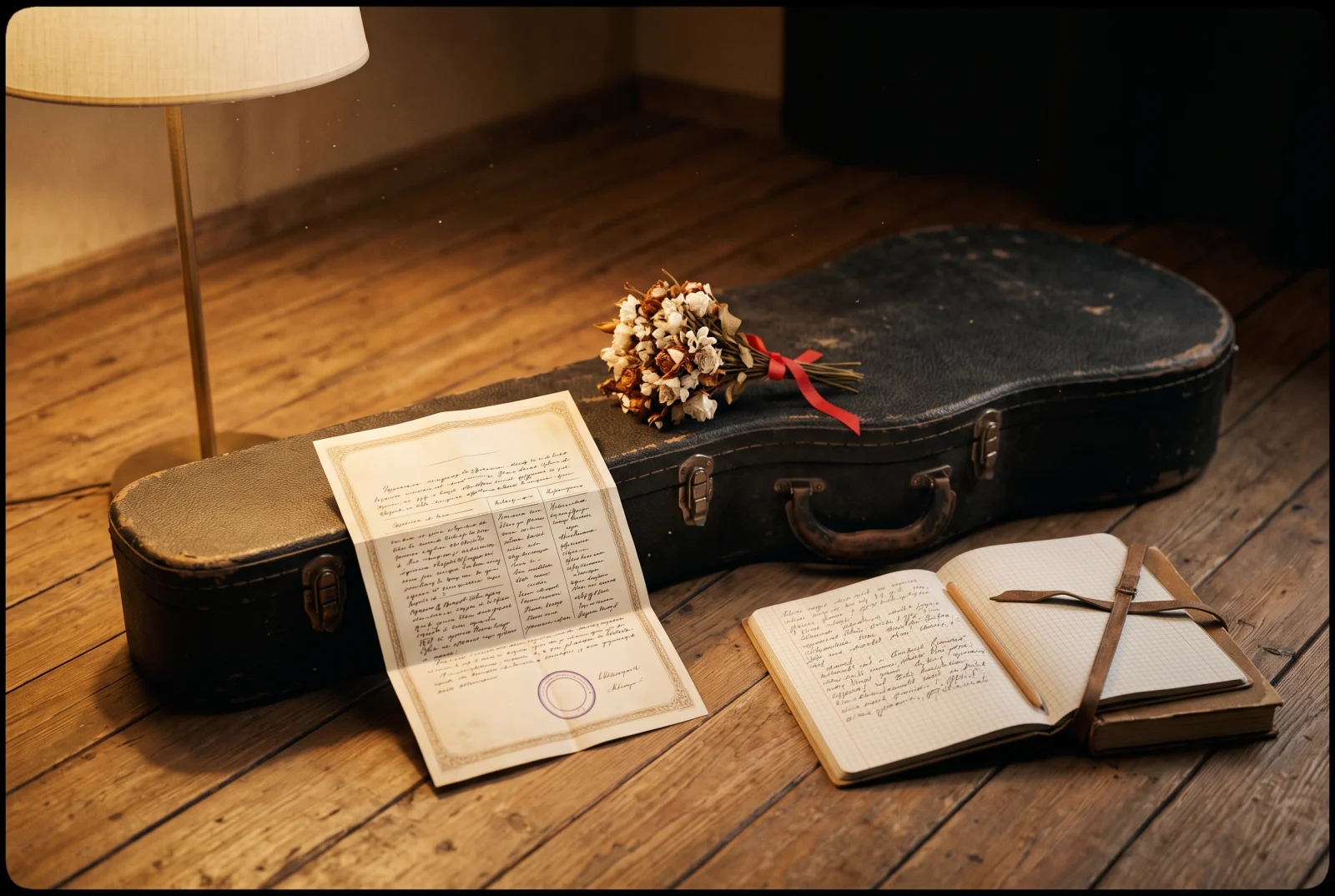
Jerry Lee Lewis
He married his bass player's daughter
He married on 12 December 1957 in Hernando, Mississippi, Myra Gale Brown, aged 13, the daughter of J.W. Brown, his first cousin and bass player; he was 22 and still married to another woman, and the ceremony had to be repeated on 4 June 1958. The scandal did not break then, but on 22 May 1958 at Heathrow. And his two anthems are not his: "Great Balls of Fire" is credited to Otis Blackwell and Jack Hammer, and "Whole Lotta Shakin' Goin' On" was recorded first by Big Maybelle in 1955.
90s
blues rock
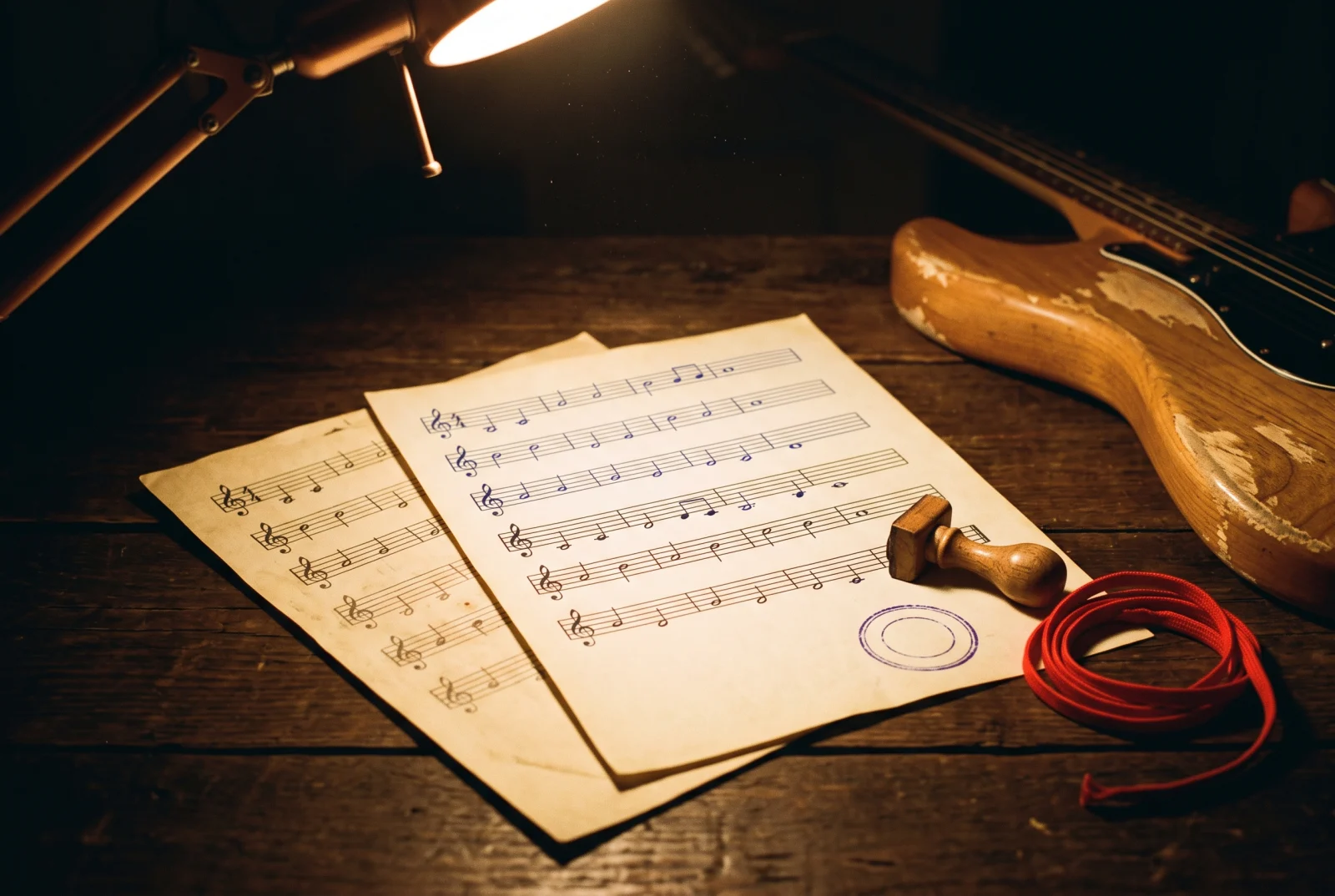
Gary Moore
A German court took his blues away
On 3 December 2008 a Munich court ruled that the solo in "Still Got the Blues" was too close to "Nordrach", a 1974 track by the German group Jud's Gallery. The 1990 album had been his rebirth: no. 13 in the United Kingdom, no. 83 on the Billboard 200 and the only single of his entire career on the Hot 100. Before that he had joined and left Thin Lizzy three times and walked off the tour in Oakland, on 4 July 1979.
70s
blues rock
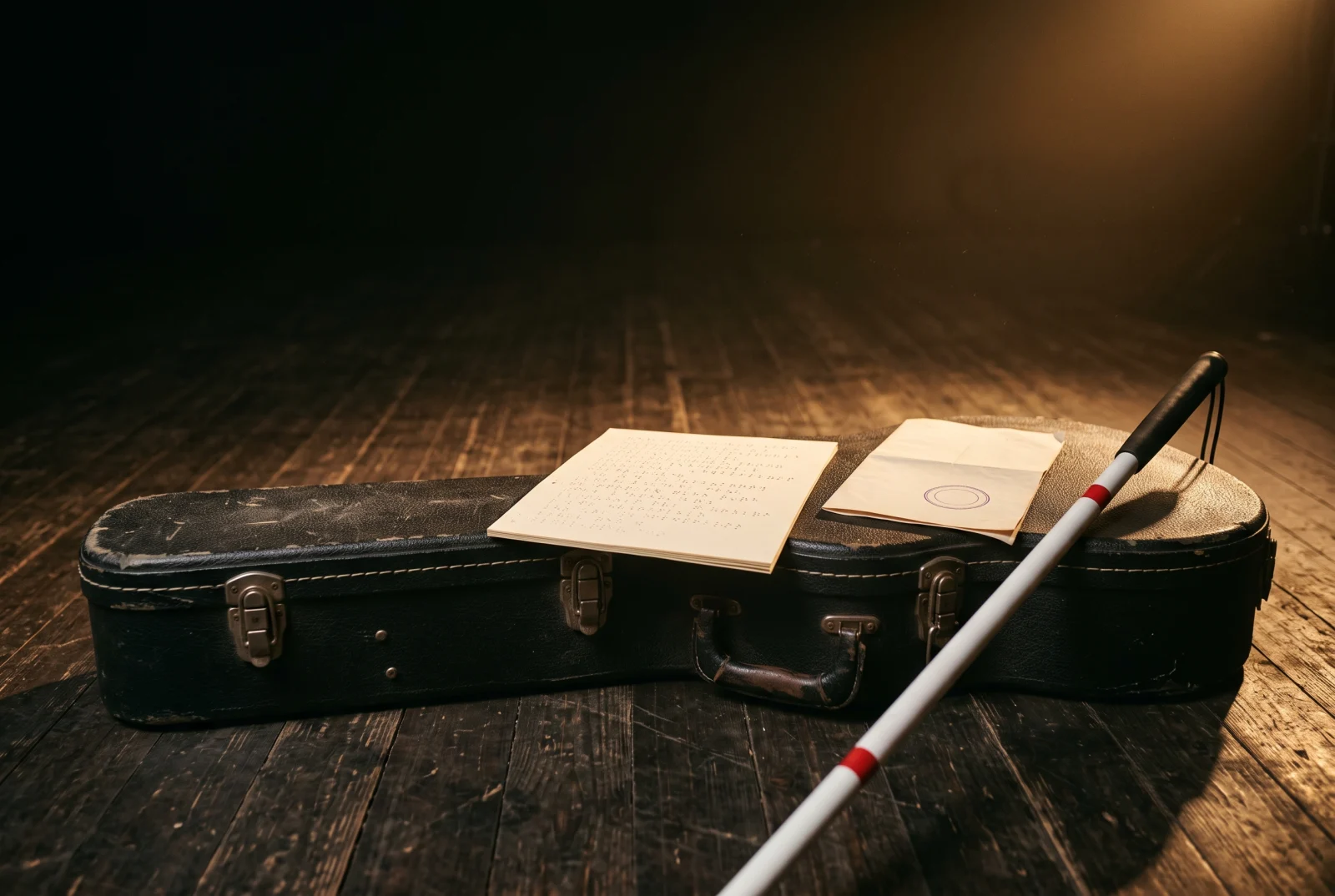
Keith Richards
The sentence was to play for the blind
The Royal Canadian Mounted Police found 22 grams of heroin in his Toronto suite on 27 February 1977, on a trafficking charge that carried exposure to a life sentence. On 24 October 1978 Judge Lloyd Graburn kept him out of prison with an extraordinary condition: a benefit concert for the Canadian National Institute for the Blind. He complied on 22 April 1979 in Oshawa, with two shows that some 1,400 blind people got into free.
70s
blues rock
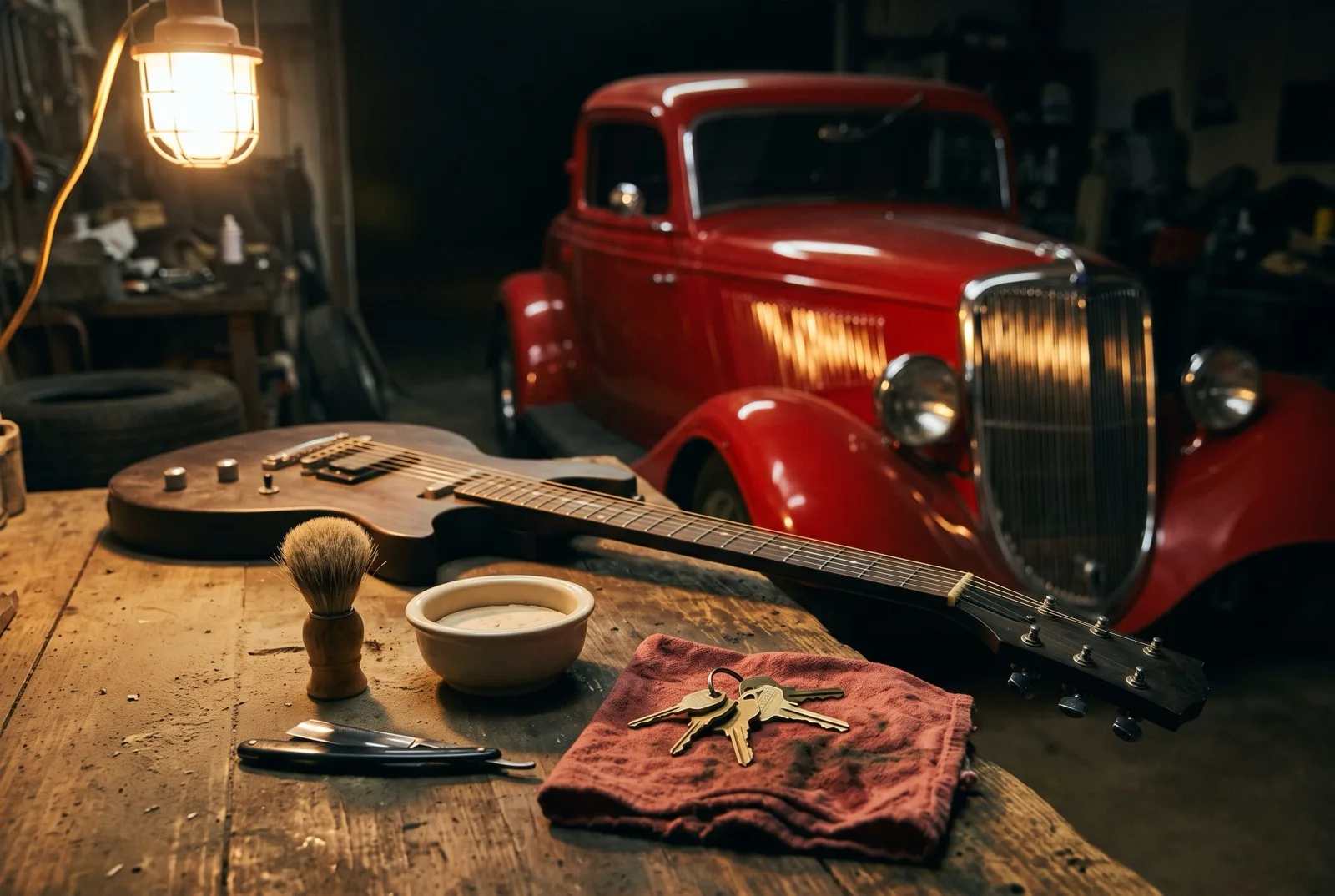
ZZ Top
The razor they never used
Gillette offered them a million dollars each to shave their beards for a commercial, and they said no. Half a century with the same line-up, a red 1933 hot rod, and the Hendrix anecdote everyone repeats that never happened.
70s
blues rock
Santana
They played before they had a record
Santana played Woodstock on 16 August 1969, two weeks before their first album came out. The band was named that way for paperwork reasons: the musicians union required a registered name and a designated leader. And on "Black Magic Woman" and "Oye Como Va" the singer is not Carlos but organist Gregg Rolie, who left in 1972 to found Journey.
80s
blues rock
Dire Straits
The teacher without a pick
A quiet man who played with bare fingers and told stories about ordinary people. And who, with a single album, pushed the whole world towards the compact disc.
60s
blues rock
B.B. King
One single note
He taught the world that one note, well played, says more than a speech. And he ran back into a burning hall for his guitar, with an ending almost nobody tells.
60s
blues rock
The Rolling Stones
Sixty years, and the heart that stopped beating
Behind the wildest band in the world sat the calmest man: a drummer who loved jazz, hated touring and did it anyway for half a century. When he died, in 2021, the ones left behind made a record with his drumming inside it.
60s
blues rock
Janis Joplin
The hole where her voice should have gone
When they finished Pearl there was a song with the backing track recorded, waiting for her vocal the next day. Nobody sang it. The album came out with those three minutes as an instrumental: a band playing around a silence. It is the best portrait of what was lost, and she left it recorded by accident.
80s
blues rock
Bruce Springsteen
The president mentioned my name
Reagan never used "Born in the U.S.A.": his campaign sounded out Springsteen's people and was turned down. He only name-checked him. The answer came two nights later, as a song about a jailed worker.
50s
blues rock
Little Richard
The man who never collected on the scream
"Tutti Frutti" changed music and left him almost nothing. A white cover outsold it, in 1959 he signed away his royalties, and half the lyric was written by a woman almost nobody names.
60s
blues rock
The Animals
One name on the label
"The House of the Rising Sun" belongs to nobody: it is traditional and in the public domain. But whoever signs the arrangement collects, and the label carries one name out of five.
60s
blues rock
Creedence Clearwater Revival
Second place five times over
They never had a number one. Five times they reached number two and five times they stayed there, and what blocked them were songs with their own entries in this very collection.

70s
blues rock
Rod Stewart
Ordinary, everyday joy
On 7 March 1989 he opened with «Hot Legs» at the Estadio Nacional in Santiago, before seventy thousand people, and almost certainly had no idea where he was standing. Handing out ordinary joy was his trade, and it turned out to be exactly what that place needed.
70s
blues rock
Eric Clapton
The only way he had of saying it
Eric Clapton fell in love with his best friend's wife and could tell nobody, so he wrote «Layla». Thirty years later he lost his four-year-old son and wrote «Tears in Heaven». The guitar was not his trade: it was the only place he could say what he could not say any other way.
50s
blues rock
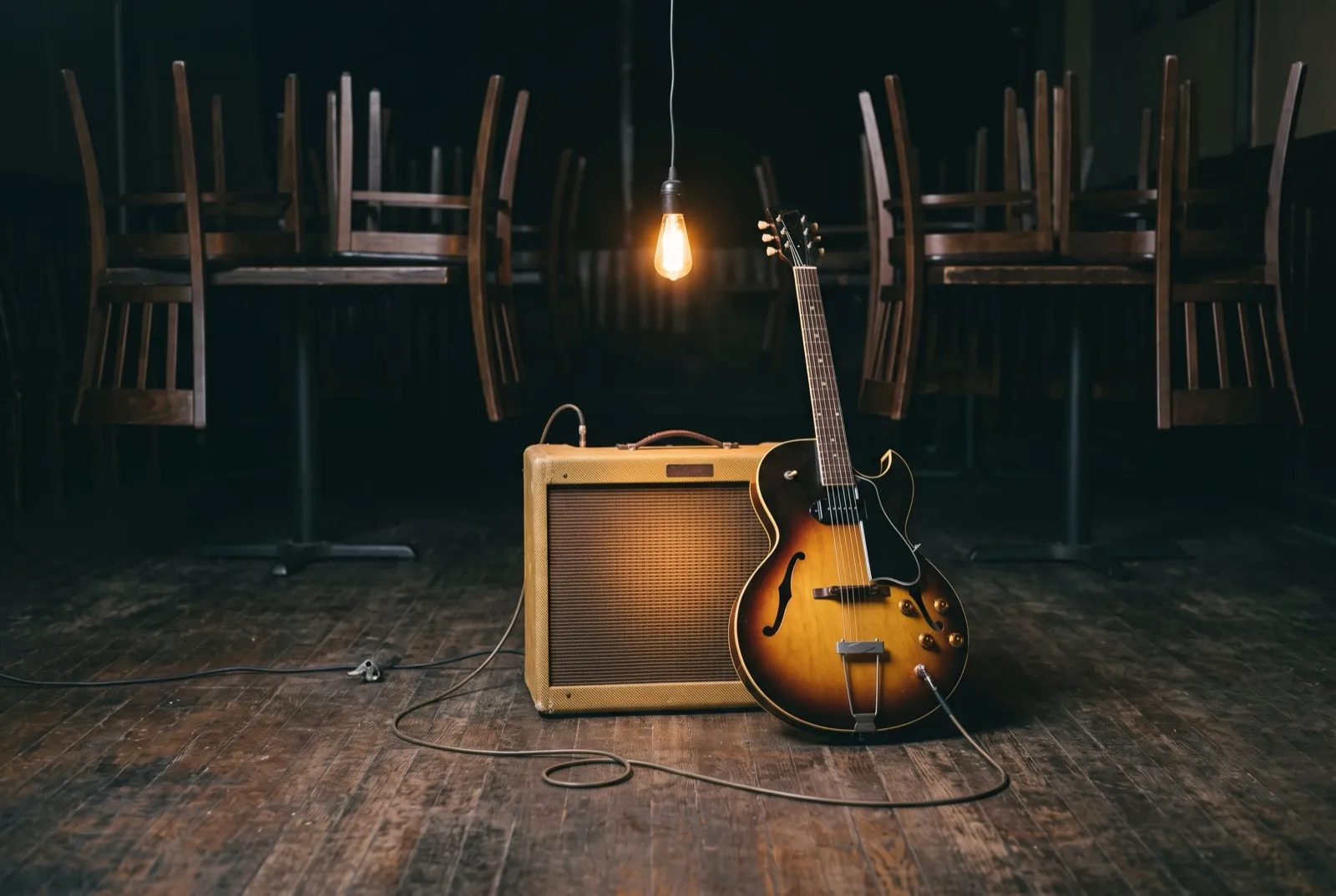
Chuck Berry
The song that went to space
He put the pieces of rock and roll together and gave it a language. And of the whole genre, humanity chose one song of his to send to the stars.
50s
blues rock
The Day the Blues Went Electric
Chicago in the fifties: Muddy Waters plugs in his guitar to be heard over the bar, and everything follows from there. The story of rock's real big bang, and of the debt to Big Mama Thornton and Sister Rosetta Tharpe that was never settled.