
Chapter 03 — Rhythms
Punk
70s–80s
By 1976 rock had grown fat, slow and rich, and a handful of kids from New York and London decided to burn it all down. Punk was a necessary demolition: two-minute songs, three chords learned that same afternoon, and the conviction that anyone could get on a stage. The Ramones brought the speed, the Sex Pistols the scandal, and The Clash the political conscience. At Rebobinados we are not neutral: punk was the most important act of hygiene in rock history. It was not a musical genre but a question —who is this music for?— and its answer still stands. Every time rock gets complacent, the ghost of '77 comes knocking at the door again.
Key exponents
Ramones
1974–1996
Four guys from Queens in leather jackets who invented punk in two-minute songs.
Sex Pistols
1975–1978
They lasted three years and one album, enough to terrify England and change music forever.
The Clash
1976–1986
'The only band that matters': they took punk from nihilism to political commitment and every possible genre.
Dead Kennedys
1978–1986
Jello Biafra's fierce satire turned Californian punk into a sharpened political weapon.
Keep rewinding
80s
punk
Billy Idol
His two anthems failed when they came out
"Rebel Yell" came out on 12 January 1984 and reached no. 46 on the Hot 100 and no. 62 in the United Kingdom; "White Wedding" got no further than no. 36 and did not chart in the United Kingdom in 1982. The two of them only reached no. 6 in Britain in the 1985 reissues, and "Dancing with Myself" never entered the Hot 100. His only no. 1 was a live "Mony Mony" from 1987 that knocked off Tiffany, whose hit was another Tommy James cover.
90s
punk
Fiskales Ad-Hok
The world tour started with them
On 13 September 1992 the Ramones made their debut in Chile, at the Velódromo, the cycling arena inside the Estadio Nacional grounds, and that date was not just another stop: it was the first night of the Mondo Bizarro world tour. It was opened by Fiskales Ad-Hok, a band from the Santiago underground born in 1986 and still without a record. Then came their own label C.F.A. in 1997, "Fiesta" (November 1998) at number 42 in Rolling Stone Chile, and the indefinite hiatus of February 2025.
00s
punk
Avril Lavigne
Six years with no album
Between her 2013 album and Head Above Water, of 15 February 2019, Avril Lavigne released no records because she was seriously ill with Lyme disease: diagnosed in December 2014, she told it on the cover of People in April 2015. The comeback album is about that, and Love Sux (2022) returned her to pop-punk on Travis Barker's label.
00s
punk
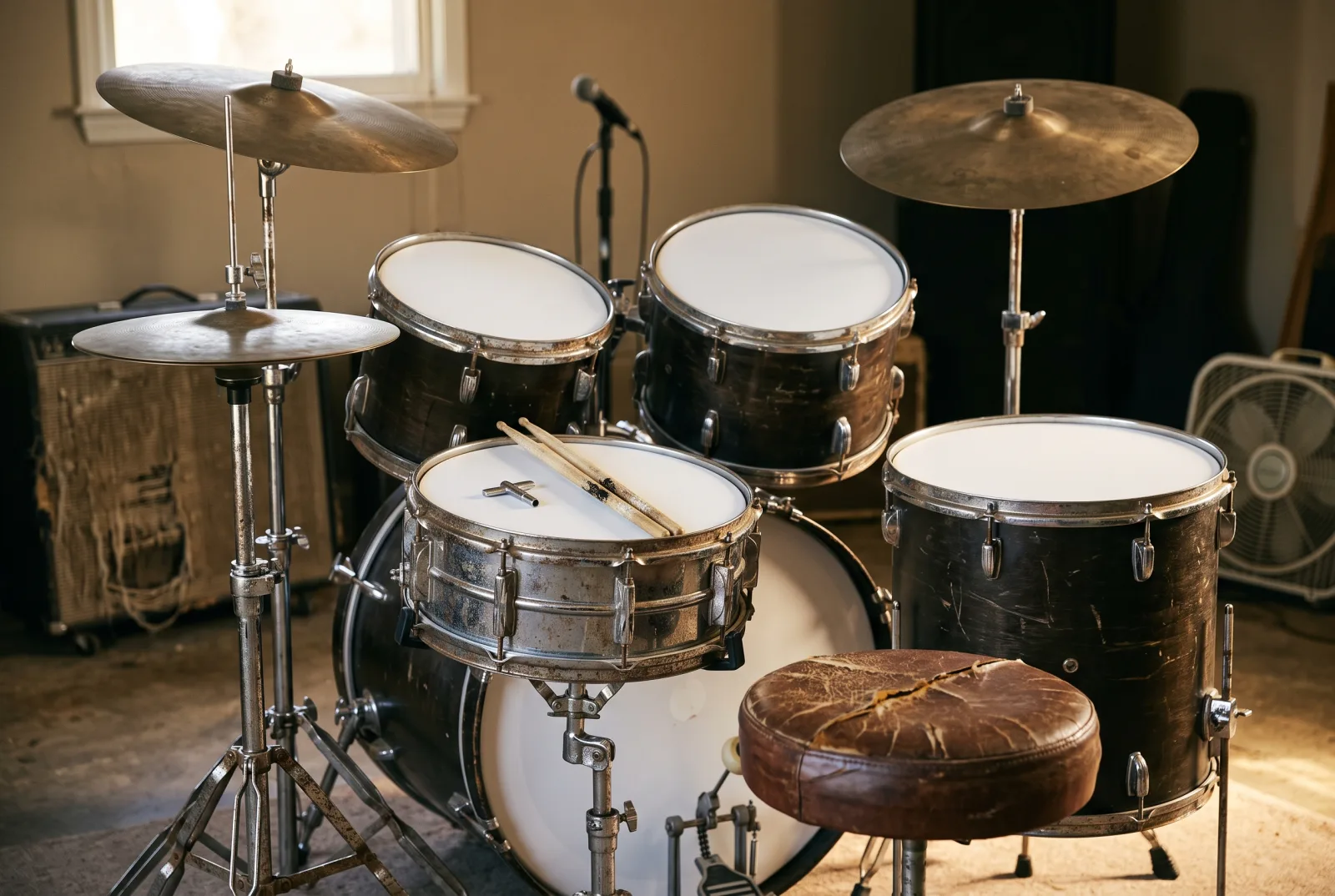
Panic! at the Disco
The exclamation mark came back when the one who hated it left
Ryan Ross wrote the lyrics and the concept of Panic! at the Disco's first two albums and left on 6 July 2009; days later the exclamation mark he had had removed on Pretty. Odd. returned to the name. From April 2015 Brendon Urie was the only official member, and the project closed on 10 March 2023 in Manchester.
00s
punk
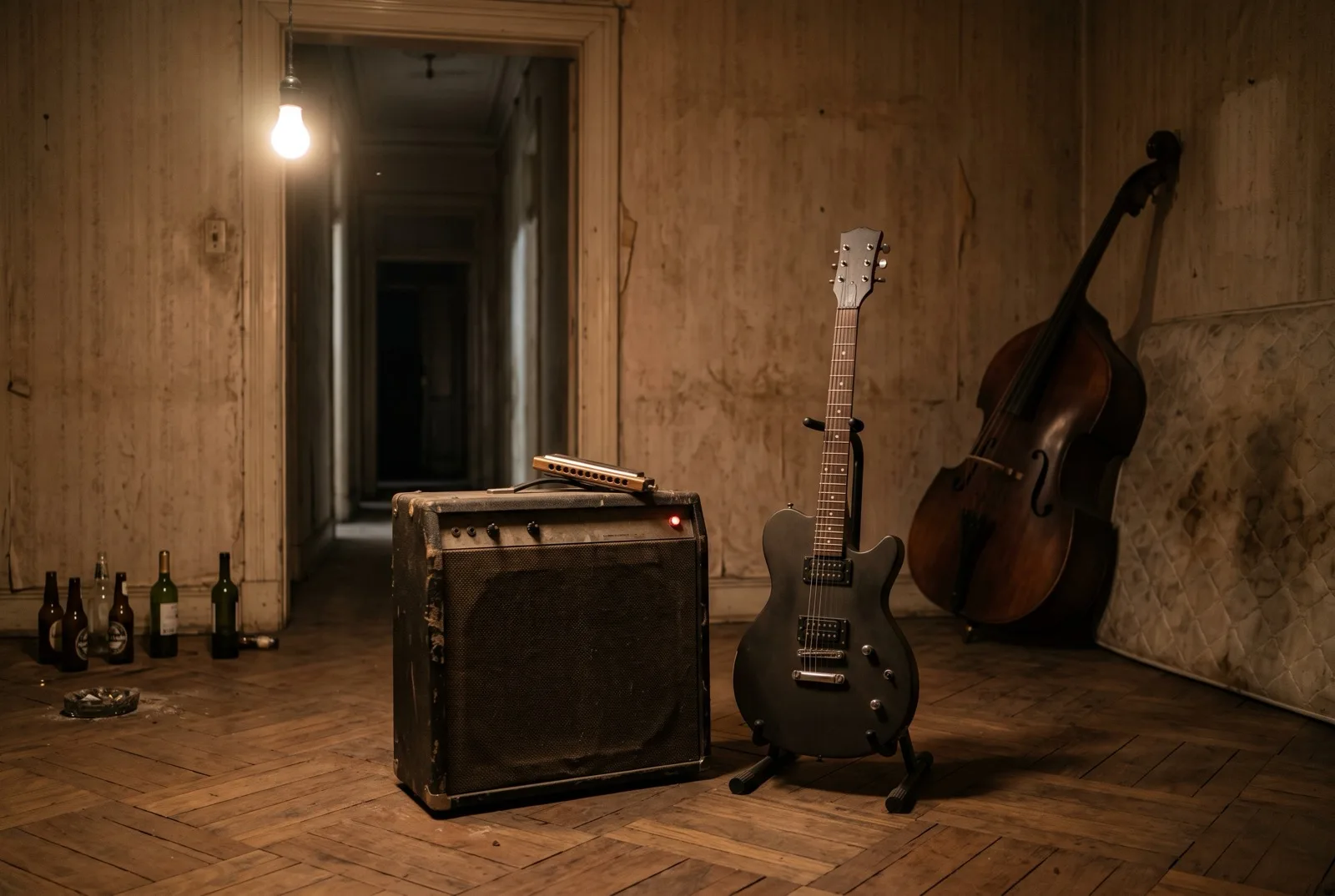
Paramore
The drummer who came back six years later
Hayley Williams signed with Atlantic on her own in 2003 and the rest of Paramore with a subsidiary: in December 2010 the Farro brothers left, accusing the label of having manufactured a product. Zac Farro returned as official drummer on 2 February 2017, and with him came After Laughter and the group's three Grammys.
90s
punk
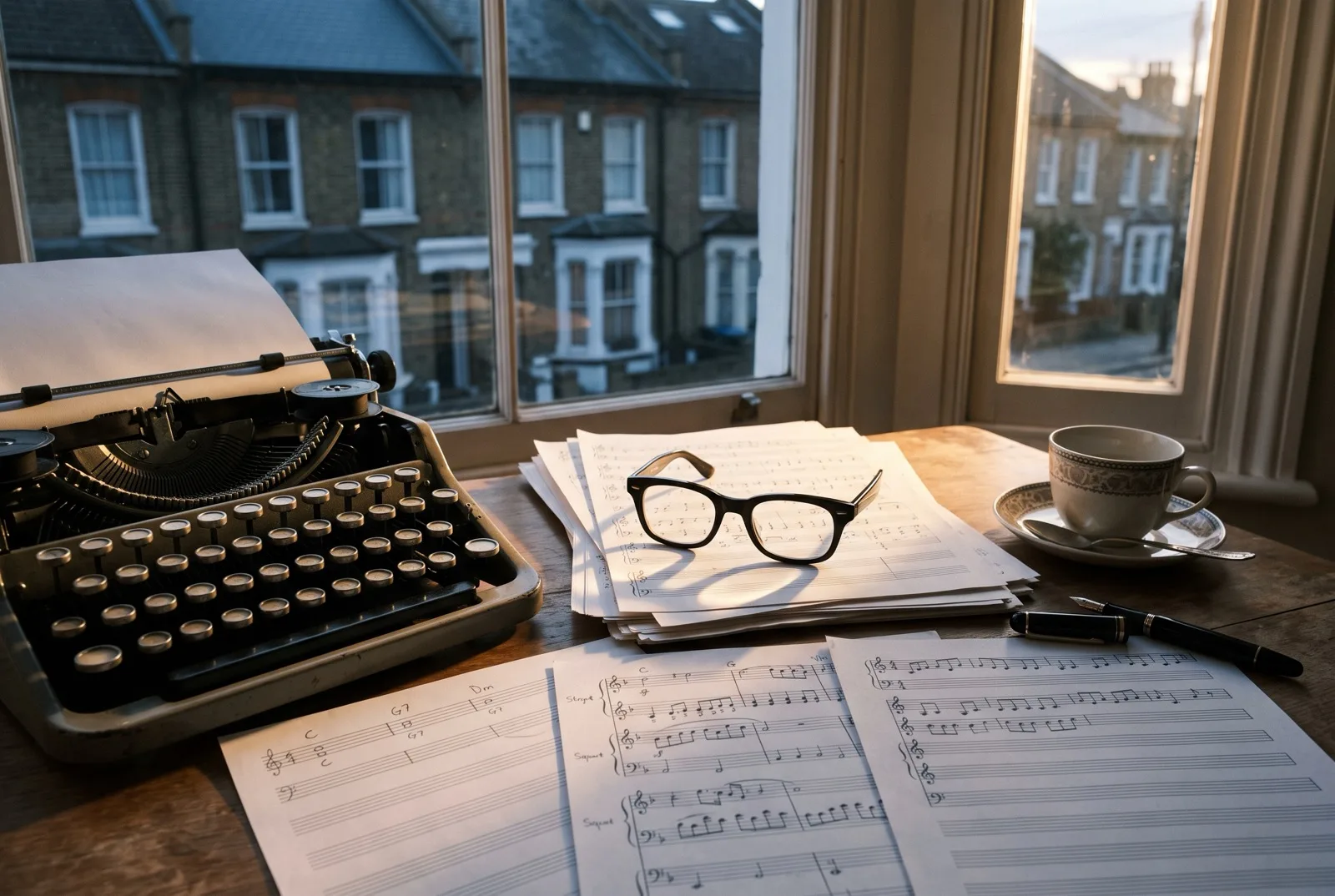
Los Peores de Chile
The old house on Avenida España
They incubated for more than a year and a half in an old house in Santiago, and everything came out of there: the humour, the cheek, and a mix of punk, pop, blues and rockabilly that sounded like nothing else. Out front was Pogo Carneyro.
70s
punk
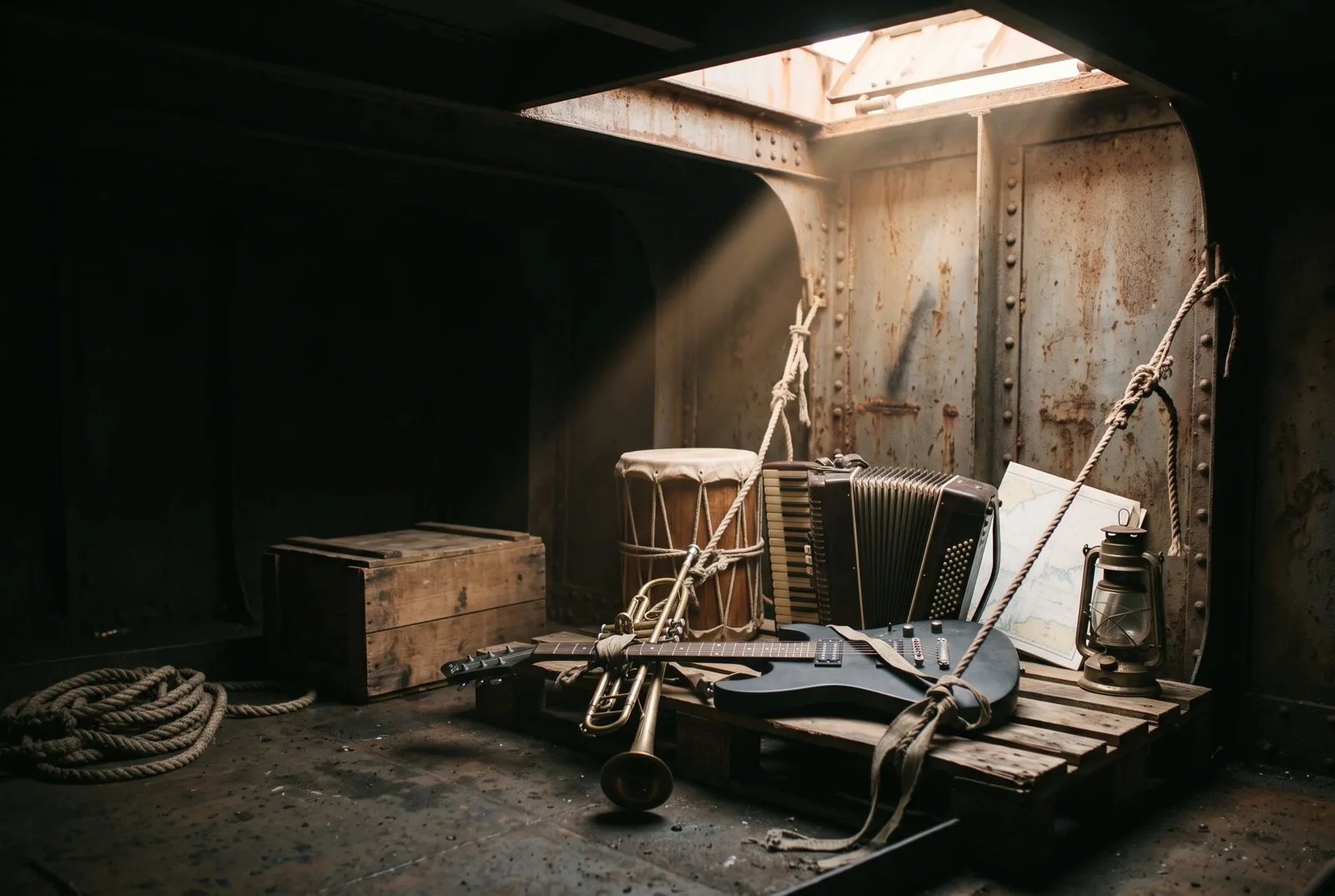
Elvis Costello
The nerd who refused to be pigeonholed
He looked like a bank clerk in thick-framed glasses, and he had the sharpest pen in new wave. Then he recorded country, a string quartet, an album with Bacharach, and even a ballet for the London Symphony.
90s
punk
Mano Negra
The train where they broke apart
It is often said that the train tour through Colombia wore them down. It did not wear them down: it broke them, right there. On reaching Aracataca, almost the whole band quit and went back to France, and Manu Chao carried on to Bogotá with an incomplete line-up.
90s
punk
Chumbawamba
The manifesto everyone sang without knowing it
Behind "Tubthumping" was an anarchist collective from Leeds with fifteen years of activism behind it, which had taken part in a 1989 compilation called "Fuck EMI" and then signed to EMI in 1997. It turned down Nike's 1.5 million dollars and, when it did take General Motors money, split it between two organisations that were investigating General Motors.

70s
punk
Iggy Pop
The godfather who outlived them all
He invented a way of being on a stage that all of rock later copied, arrived far too early with The Stooges and ended up sunk in drugs. He was saved by a friend who took him to Berlin, and out of that shared life came his best work.
70s
punk
Joy Division
The bass up front
Two years, two albums, and the birth of the sound of modern melancholy. Ian Curtis died on the eve of the trip that was going to make them in America.
80s
punk
Joan Jett
Every label turned her down, so she founded her own
More than twenty record companies rejected her first solo album: a woman with a Gibson, they said, did not sell. She set up her own label, released what nobody wanted herself, and in 1982 spent seven weeks at number one with a cover of a song by The Arrows.
90s
punk
Ska-P
Protest turned carnival
They solved the old problem of the protest song: they wrapped the harshest criticism in the most joyful music. You leave one of their gigs hoarse, happy, and with questions rattling around.
10s
punk
Pierce the Veil
The photo was never the band
Two brothers recorded the founding album, the most shouted-back collaboration was put together by email, the number ones are co-signed by a friend from kindergarten, and the comeback was saved by the drummer of their favourite band.
70s
punk
The Ramones
The brothers who weren't
Four guys from Queens who were not even related took the same fake surname, played very fast and very short, and never cracked the top 40 at home. They are probably the most influential band almost nobody bought.
70s
punk
Sex Pistols
Two and a half years
They lasted two and a half years and released a single album. In that short spell they terrified a nation, rearranged British culture and set a generation free. And in Sid Vicious they left a warning about how fast the flame consumes those who become its symbol.
90s
punk
The Offspring
The punk who earned a doctorate
The singer of one of the best-selling punk bands in history defended a doctoral thesis on the HIV genome. He had abandoned the PhD in 1994 and came back twenty-three years later to finish it.
90s
punk
Blink-182
What aged badly was the mockery
In 2015 the guitarist left the band to devote himself to UFOs and everyone laughed. Four years later, the Pentagon declassified the three videos his company had released.
90s
punk
Green Day
Nobody reads the titles
The song they play at graduations, weddings and funerals is called «Good Riddance». The friendly title everyone uses goes in brackets. It is the subtitle.
80s
punk
Robert Smith
A house for the sad
The Cure could be the most desolate band on Earth and write the brightest pop, sometimes on the same record. Robert Smith never resolved that contradiction because resolving it would have been a lie: he gave sadness dignity and joy permission, in the same voice, apologising for neither.
70s
punk
Debbie Harry
You are supposed to be dead
New York truckers shouted «Hey, Blondie» at her and she turned the insult into her band's name. Punk, disco, reggae and the first number one with rap: Debbie Harry stood at every crossing, took ownership of her own image and, unlike so many of her scene, survived.
00s
punk
El Macha
The Party and the Sorrow
Aldo "el Macha" Asenjo, or why some tributes cannot wait. A punk who missed home during a European winter came back with cumbia under his arm and gave Chile back its right to have a good time. And with the sad project, the bolero one, he filled the Estadio Nacional.
80s
punk
Luca Prodan
The One Who Crossed the Ocean
Luca Prodan, or how a photograph of some hills saved a life and founded a voice. He went to the same Scottish boarding school as the future King of England and died at thirty-four in a rented room in San Telmo. In between, five hurried years in which he gave southern rock the real thing, first hand.
70s
punk
The Clash
The Punk That Believed
The Clash, or why rage with a cause lasts longer than rage on its own. While punk shut itself inside "no future", they believed in something, and that faith made them the most curious and generous of them all: reggae, ska, soul and even newborn rap. "London Calling", "Sandinista!", the song that ended up written on a bomb and the one that hit number one when the band no longer existed.
70s
punk
Punk: Three Chords and the Truth
From CBGB to the burning London of '77: punk wasn't a genre but a redistribution of power. The Ramones recorded their debut for six thousand dollars and proved the budget was never the problem.