
Chapter 03 — Rhythms
Soul / R&B
60s–70s
Soul was born when Black church music fell in love with the earthly world — gospel fervor in the service of desire, tenderness, and, when needed, protest. Aretha demanded R-E-S-P-E-C-T, Marvin Gaye asked 'What's Going On', and Otis Redding left his whole soul in every take. Soul is the emotional root of nearly everything that followed.
Key exponents
Aretha Franklin
1967–1972
The Queen of Soul: a voice that turned any song into her own gospel.
Marvin Gaye
1971–1973
With 'What's Going On' he made soul a record of social conscience without losing its sensuality.
Otis Redding
1965–1967
Stax soul laid bare: pure intensity until his death at 26.
Keep rewinding

00s
soul
Duffy
She told it first
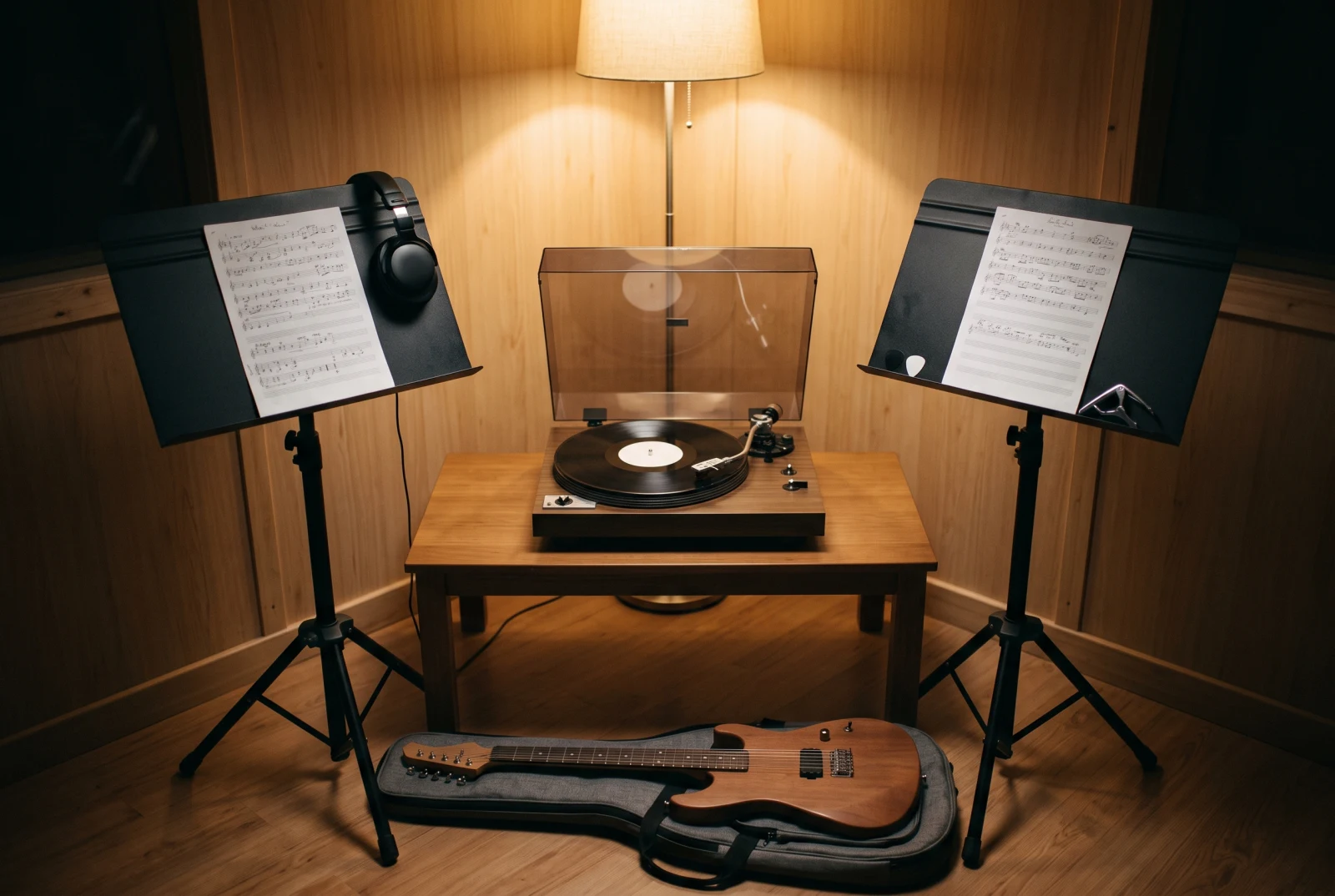
Rockferry (2008) was the best-selling album of the year in the United Kingdom, with 1,685,000 copies, three BRITs in 2009 and the Grammy for Best Pop Vocal Album. In 2020 Duffy told it herself, before anybody else, that she was drugged, held captive and raped. And it is not an epilogue: a new song in 2024, a Disney+ documentary announced in 2025 and a signing with TaP Management in 2026.
80s
soul
Hall & Oates
The craft they called a guilty pleasure
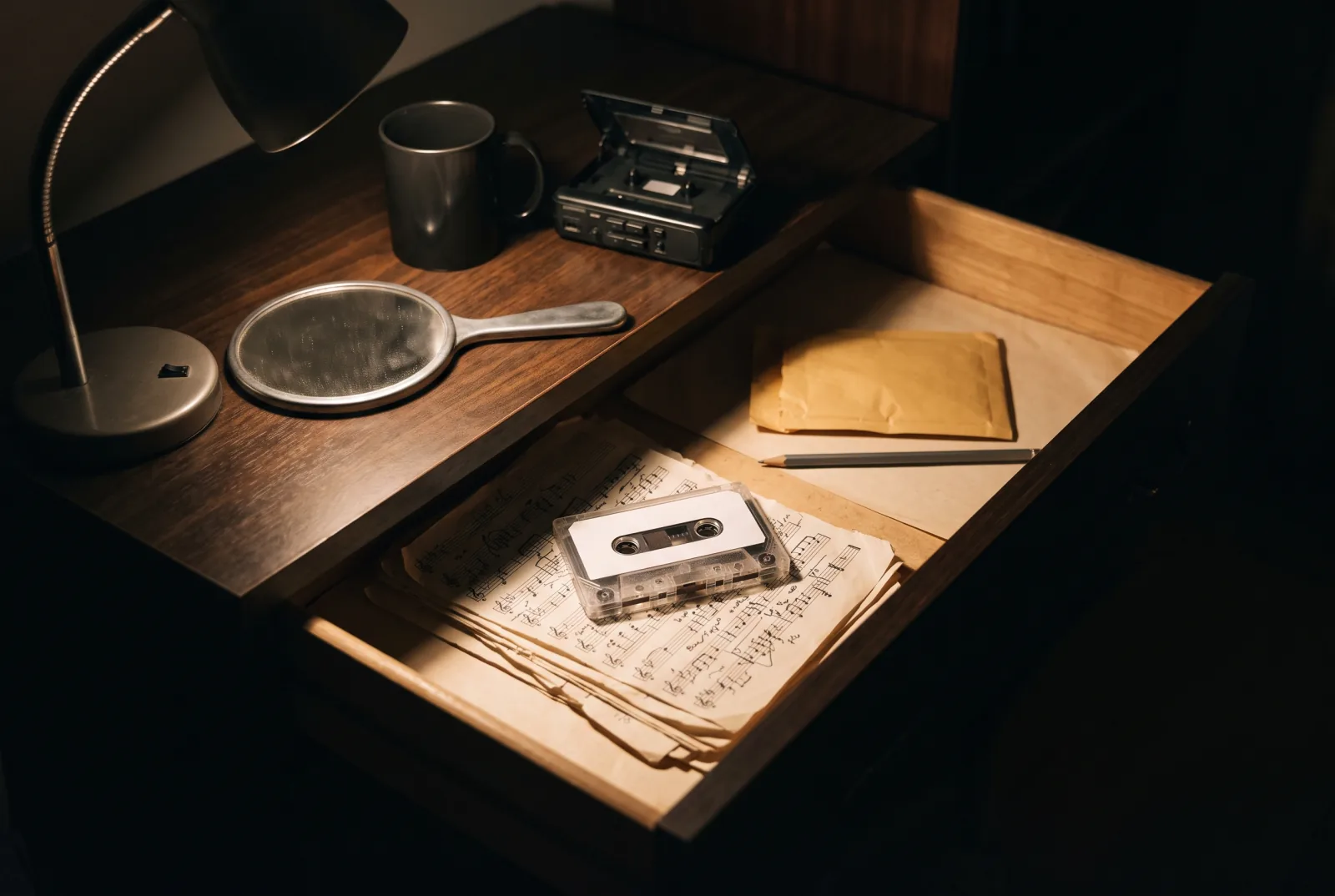
Daryl Hall and John Oates put six songs at number one in the United States, and Billboard named them the most successful duo in Hot 100 history — a measure of chart performance, not of records sold. They met in Philadelphia in 1967 and ended up in a Nashville court in 2023, over the sale of the company that held their name and royalties.
90s
soul
Seal
The song that embarrassed him, and the scars he never hid
The song that won the Grammy for record of the year sat in a drawer for years because its author thought it was bad and was embarrassed to show it: it took a producer who believed in it more than he did. With the scars on his face he did the opposite: he never covered them.

80s
soul
Dionne Warwick
The voice at the centre of a family and of a cause
The voice that made the impossible songs of Bacharach and David sound easy, and also the one that called on Elton John, Stevie Wonder and Gladys Knight to raise money against AIDS in 1985, when almost nobody wanted to talk about it. Her cousin was Whitney Houston.

70s
soul
Roberta Flack
The voice that turned silence into power
She sang quietly, almost whispering, in a soul that rewarded the shout, and with that she won the Grammy for record of the year twice in a row: nobody had done it before. ALS took from her at the end exactly that, the voice.
60s
soul
Aretha Franklin
She took the song away
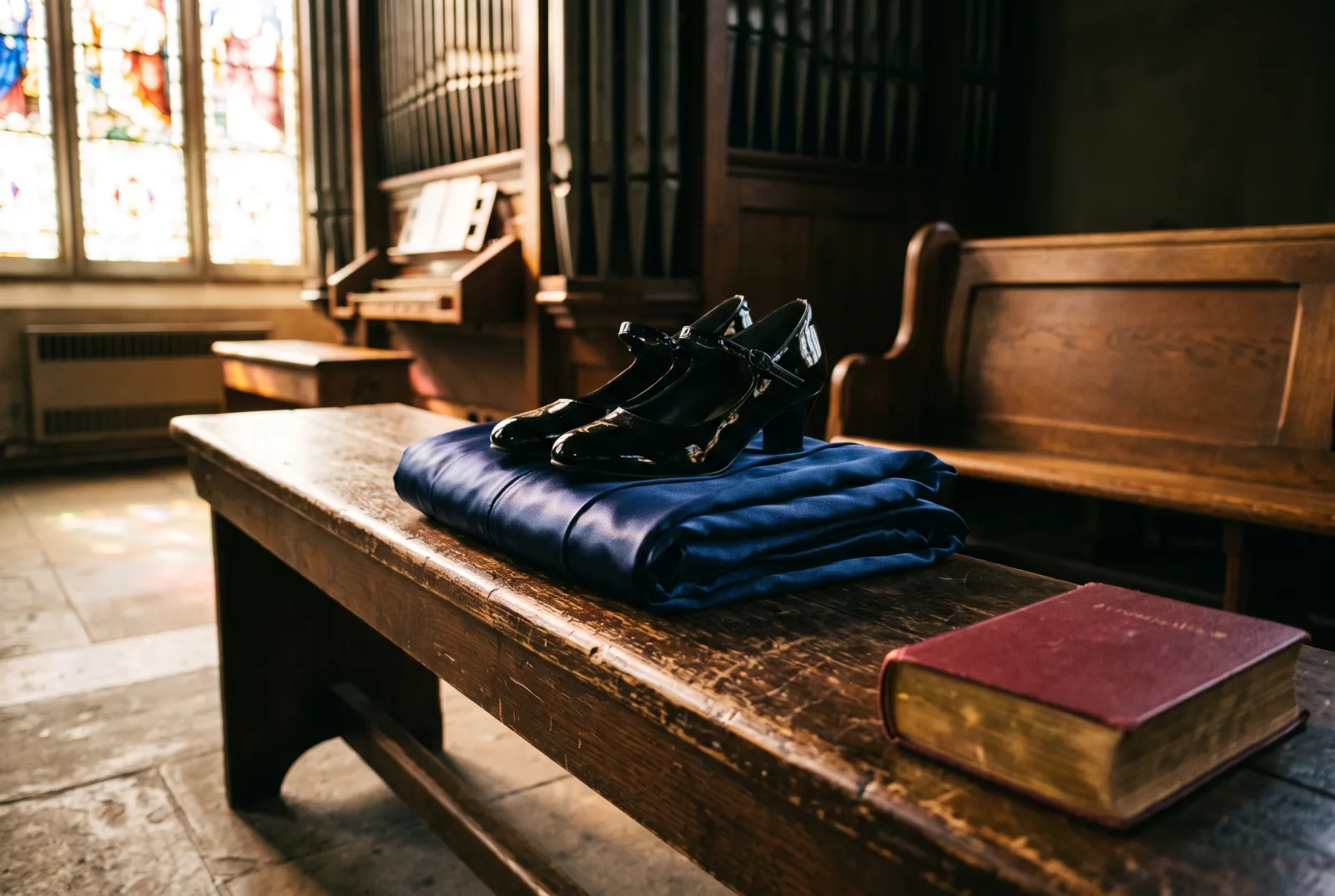
She took a man's song and turned it into the anthem of women and of civil rights. Its own author admitted it, on stage, with resignation and humour.

50s
soul
Ray Charles
The church and the bar
He took two worlds separated by a wall — gospel and the blues — and fused them. Out of that mixture, which many called blasphemy, came soul.

80s
soul
Tina Turner
She left with almost nothing at thirty-seven, and came back a queen at forty-four
In 1976 she left her husband and with him the band, the commercial name and the security, escaping a marriage marked by abuse. Eight years later, at forty-four, "Private Dancer" made her the biggest star on the planet.

80s
soul
Billy Ocean
From Trinidad to the world, with a velvet voice
He was a tailor and worked in a car factory before the world surrendered to his voice: the first hit came in 1976 and the American number one only in 1984, with "Caribbean Queen". He sang that the tough get going after having done it himself.
00s
soul
Alicia Keys
The classically trained pianist who swept the Grammys at twenty-one
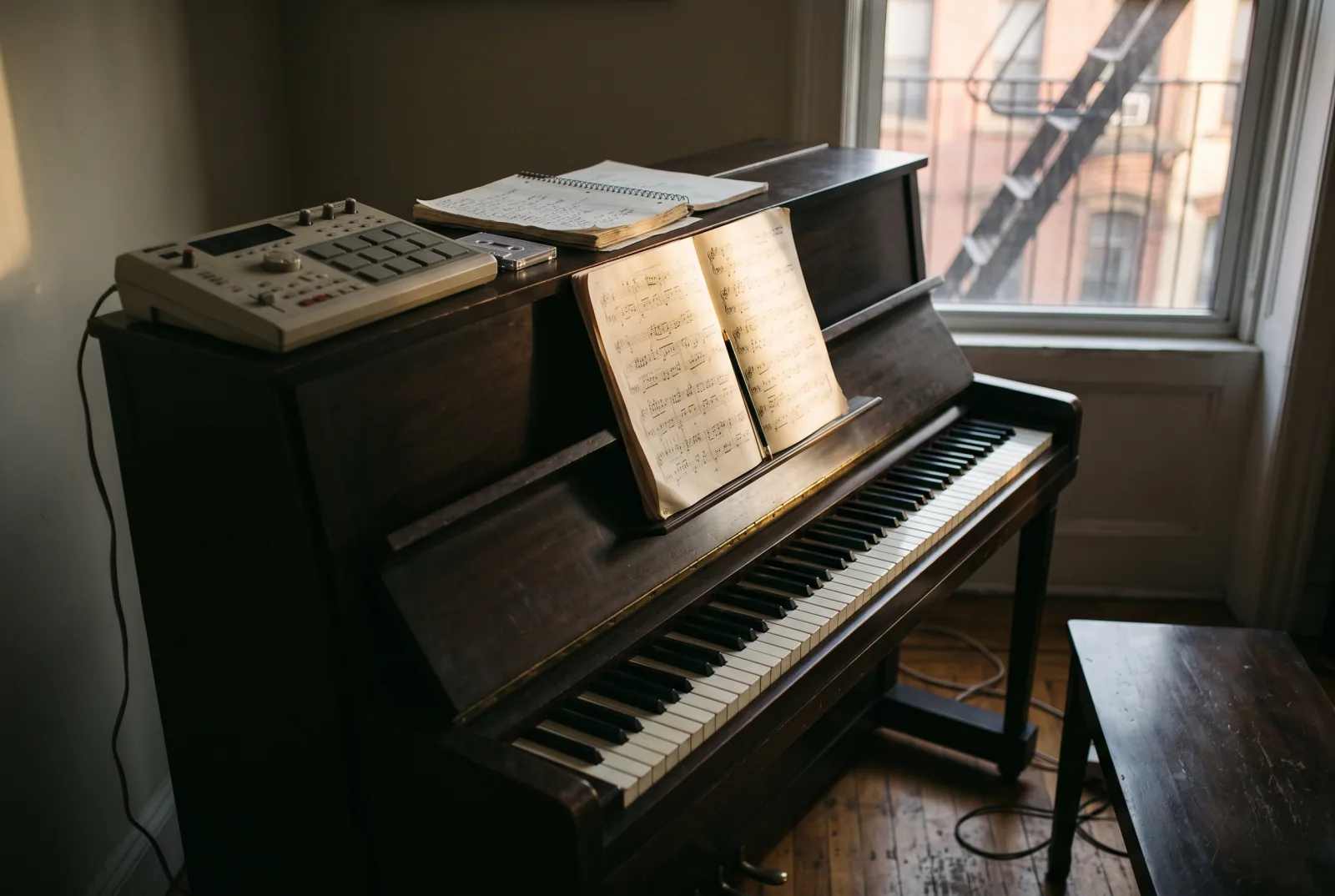
She arrived in 2001, when pop was lip-syncing and choreography, with a real piano, classical training and songs of her own. At twenty-one she took home five awards on her first Grammy night; years later she decided to appear in public without make-up.

70s
soul
The Jackson 5
Four number ones in a row, and a boy who changed everything
Out of an industrial town in Indiana, in 1969, came five brothers in colourful suits with split-second choreographies who did something no group had managed before: topping the Hot 100 straight out of the gate, without a single miss. Out front, a boy of eleven.
00s
soul
Amy Winehouse
The whole truth
She wrote about her own life with raw frankness, and people loved her for it. Then, when that truth became hard to look at, a whole country consumed her agony in slow motion. People who are drowning are helped, not watched.

80s
soul
Lionel Richie
The world's tenderness
Some artists give the world their pain; he gave it his tenderness. The saxophone player from a small Alabama town wrote a number one song every year for nine straight years, and today, in his seventies, he is loved more than at his peak.

70s
soul
Stevie Wonder
He took the wheel
Blind since the incubator, number one at thirteen, and at twenty-one he demanded total control of his music from Motown. Stevie Wonder survived a coma, got a country to honour Martin Luther King and is the bright counterexample to geniuses devoured by their own myth.

90s
soul
Simply Red
A credit given away
"Holding Back the Years" is signed by two people. Hucknall has said the second did not co-write it: he gave him the credit to remember the good times. It has been paying out for forty years.

70s
soul
Diana Ross
The one who ran the mix
Nile Rodgers and Bernard Edwards handed her a finished album. She remixed the whole thing without consulting them, they nearly pulled their names off it, and her version became her biggest solo hit.
60s
soul
Ben E. King
From psalm to plea
He took a church hymn and some verses from Psalm 46 and turned them into something you can say to another person. Seven million broadcasts later, it isn't his any more.

60s
soul
Etta James
The suitcase by the door
She gave the world the song of love fulfilled from a life that was exactly the opposite. That's why it rings true: she sang it from the side of the lack.
50s
soul
The Platters
The crack in the wall
In a country with charts segregated by race, they recorded no protest songs: they recorded love ballads so perfect nobody could file them away. And they got there first.

10s
soul
Michael Kiwanuka
The Name in Capitals
Michael Kiwanuka, or why what they tell you to erase is usually the best thing you have. The industry asked him to swap his surname for a more commercial one; the doubt nearly drove him out of music and he binned an entire album. He came back titling the next one with that very surname, enormous and in capitals on the sleeve, and won the Mercury Prize. On the faith that held him up and the name that was never the problem.