
Chapter 03 — Rhythms
Indie
80s–00s
Indie names a way of working before it names a way of sounding: tiny labels, records made with whatever was at hand, boxes of vinyl sold out of the boot of a car. Out of that came things with nothing in common — Sonic Youth's tuned noise, the trembling guitars of The Smiths, Pavement's half-finished songs — united only by having happened far from the major labels' offices. Our thesis: the day indie became a genre with a recognisable uniform, it stopped being indie. What matters about this music is not how it sounds but what it proved: that a record can exist without anyone's authorisation.
Key exponents
The Smiths
1982–1987
Johnny Marr weaving guitars while Morrissey sang about shyness as if it were a cause.
Sonic Youth
1985–1992
Invented tunings and screwdrivers under the strings: noise turned into method.
Pixies
1987–1991
Quiet and scream, calm and explosion: the formula Cobain admitted he copied.
Pavement
1992–1999
Going out of tune on purpose until it sounds better than in tune. Nobody did it with more grace.
Keep rewinding
90s
indie
Portishead
A short film got them the record deal
Before the record they shot *To Kill a Dead Man*, eleven minutes of film noir written by the three of them: Geoff Barrow plays a sniper and Beth Gibbons a widow. That soundtrack got them the record deal, and the cover of *Dummy* is a still from the short. The rest is told wrong too: *Dummy* sold 3,600,000 copies and won the 1995 Mercury ahead of Oasis, Tricky and PJ Harvey. Three records in fourteen years, and eighteen without a fourth.
00s
indie
Peter Bjorn and John
The whistle was provisional
Björn Yttling whistled the melody of "Young Folks" as a placeholder, only so as not to forget it, and they decided to keep it. The single came out on 7 August 2006, with Victoria Bergsman as guest, and it was not no. 1 anywhere: no. 13 in the United Kingdom, no. 9 in Finland. Live it is whistled by Peter Morén, and the trio never broke up: nine albums.
00s
indie
Florence + the Machine
The catharsis had a name
The band formed in London in 2007 and "the Machine" comes from the keyboard player Isabella Summers. Florence Welch has said that she stopped eating at seventeen and that she stopped drinking around 2014: the catharsis in her music has a concrete content. She has five British number ones, the last with Everybody Scream (31 October 2025), nominated for the 2026 Mercury.
90s
indie
PJ Harvey
The only one to win it twice
She won the Mercury Prize in 2001 for Stories from the City, Stories from the Sea and in 2011 for Let England Shake: nobody else has won it twice in more than three decades of the prize. With the first she was also the first woman to take it as a solo artist. She has four Mercury nominations, eight Grammy nominations without a single award and an MBE in 2013.
00s
indie
The Temper Trap
Two and a half weeks before the film
The film did not discover "Sweet Disposition". It was released in Australia on 16 September 2008 and was No. 14 on ARIA; it entered the British chart on 15 August 2009 and (500) Days of Summer opened in the United Kingdom on 2 September, two and a half weeks later. Its peak was No. 6, on 17 October 2009.
00s
indie
Snow Patrol
Number six and the most-played of the century
"Chasing Cars" is, according to the PPL's 2019 count, the most-played recording of the twenty-first century in the United Kingdom, and it was never No. 1: it stalled at No. 6 in Britain and No. 5 on the Hot 100. Behind it were seven years without a record because Gary Lightbody stopped drinking only when a doctor told him that either he stopped or he would die.
00s
indie
Kings of Leon
Two generations and the same bottle
Ivan Leon Followill left the Pentecostal ministry in 1997 because of alcohol and after divorcing. Fourteen years later, on 29 July 2011, Caleb walked off halfway through the Dallas concert and did not come back: on 1 August the rest of the tour fell. The statement spoke of vocal exhaustion and Jared of bigger problems in the band; both versions were true.
00s
indie
The Killers
Five hundred weeks without a number one
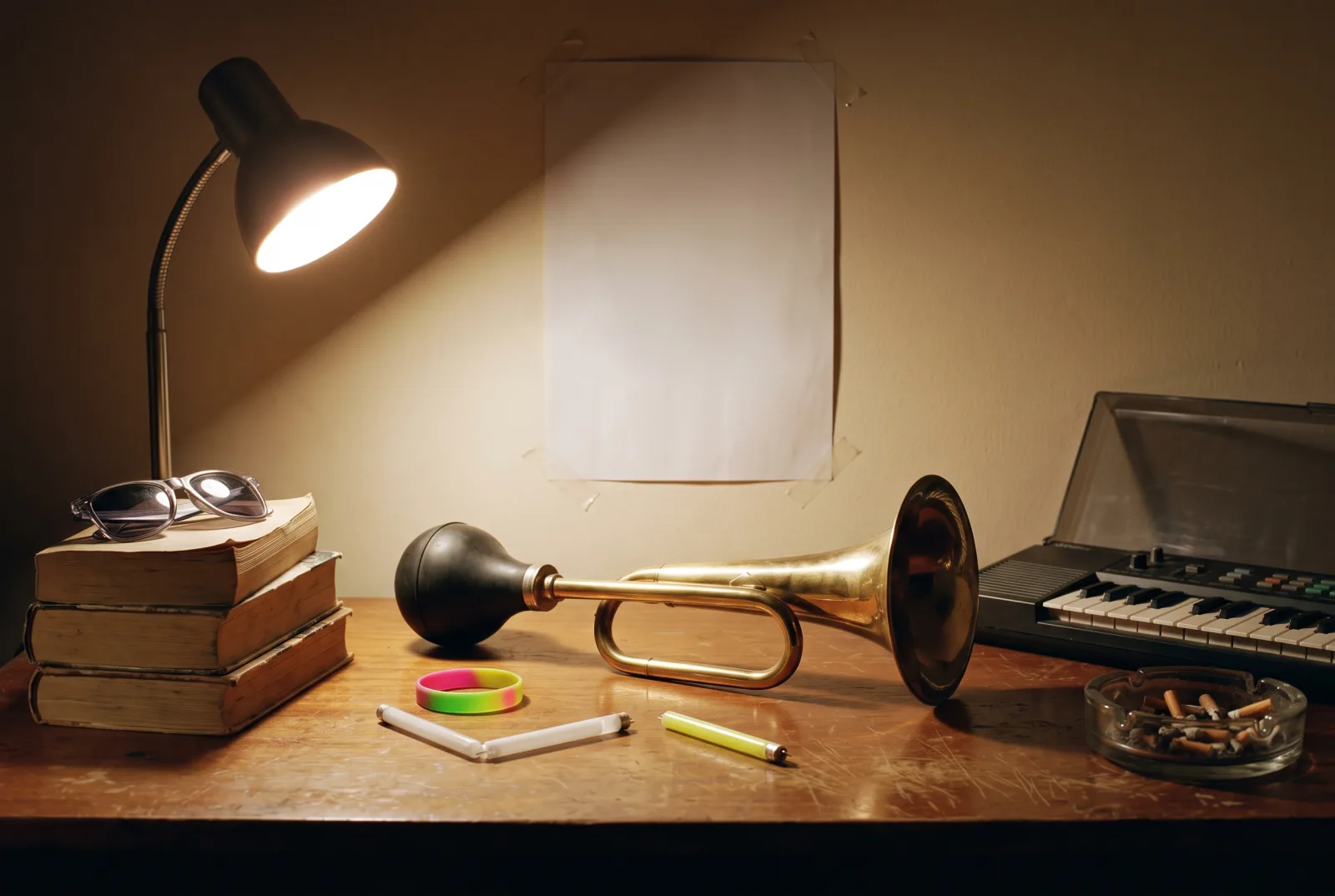
"Mr. Brightside" did not come from Brandon Flowers: the riff is Dave Keuning's, recorded on a four-track cassette. The song entered the Official Singles Chart on 5 June 2004 straight in at no. 10 and never climbed above it, but it has accumulated more than 520 weeks on the chart as of October 2026. It is the most successful single in British history never to reach no. 1.
00s
indie
Klaxons
The joke that won the Mercury
"Nu rave" was not invented by the press: it was invented by the bassist Jamie Reynolds as a joke to get the media talking about something that did not exist, and the spelling came from a poster that said "neu rave" after krautrock. With that joke they won the 2007 Mercury ahead of Back to Black; afterwards the label rejected their second album and in 2015 they went on indefinite hiatus.
00s
indie
Kasabian
The statement came a day early
Kasabian announced Tom Meighan's departure on 6 July 2020 as a "mutual agreement" and "personal issues". The following day he pleaded guilty to assault by beating against his partner, Vikki Ager, and received 200 hours of unpaid work within an 18-month community order. With Pizzorno singing, the band now has eight consecutive number ones in the United Kingdom.
00s
indie
Arctic Monkeys
The MySpace was made by the fans
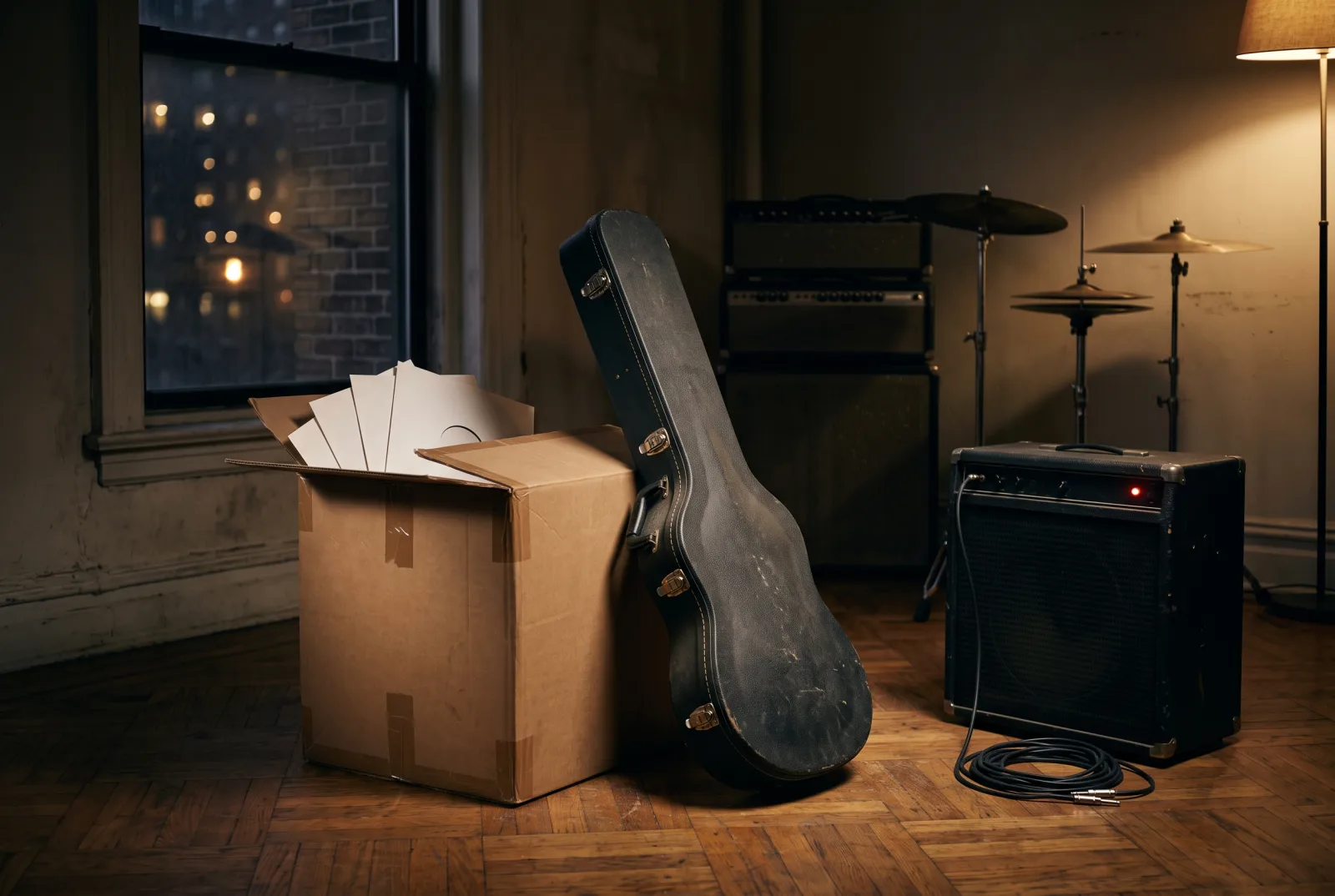
They uploaded nothing to the internet: they gave away CD-Rs with eighteen demos at their concerts and the fans did the rest, including the MySpace profile — the band did not know what MySpace was. Their debut sold 363,735 copies in January 2006, a record Susan Boyle broke in 2009 with 411,820. The bass on that album was played by Andy Nicholson, not Nick O'Malley.
00s
indie
Interpol
The bass that left before the record
Interpol was not led by Paul Banks: the guitarist Daniel Kessler founded it in 1997 and it never had a main songwriter. The melodic bass everyone praises was Carlos Dengler's, who recorded the self-titled album and left on 9 May 2010, before it came out on 7 September. The comparison with Joy Division was not a lineage: it was a label the band rejected.
90s
indie
The La's
The record the band never accepted
Go! Discs got tired of waiting and released, in 1990, tapes that The La's considered demos. It was not only Lee Mavers who disowned the record: the whole band did, and bassist John Power left on 13 December 1991. Inside it was "There She Goes", which has been playing on radio, in films and in adverts for more than thirty years.
90s
indie
EMF
The number one came out of the forest
EMF came out of Cinderford, a small town in the Forest of Dean, and reached number one in the United States with "Unbelievable" in July 1991. The Andrew Dice Clay sample that defines the song cost them nothing: Ian Dench ran into Rick Rubin in a Los Angeles bar, sent a fax the next morning and got the licence for free.
80s
indie
The Smiths
The other half of the genius
Five years, a partnership compared to Lennon and McCartney's, and a lawsuit settled under an 1890 partnership act because there was no contract.
10s
indie
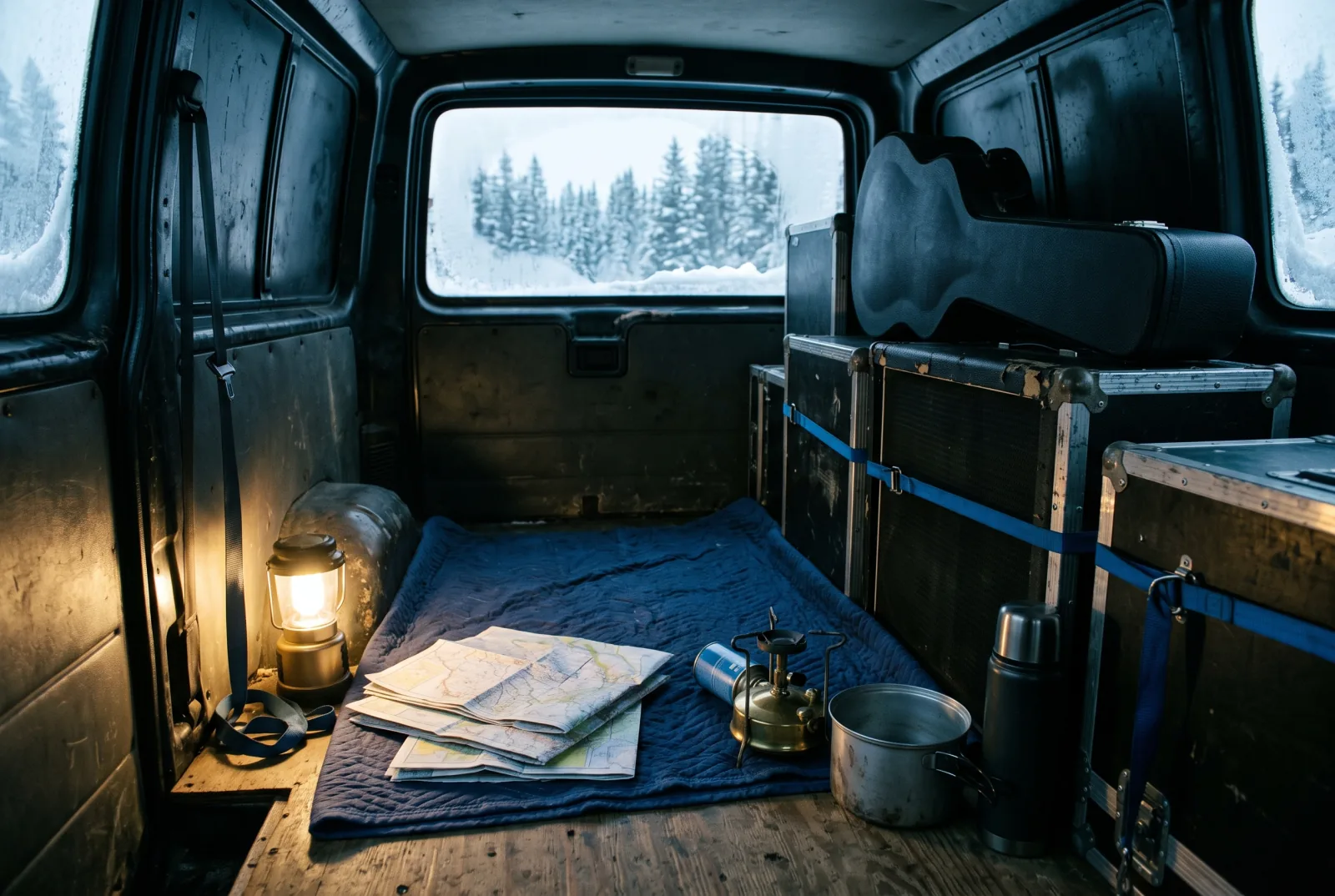
Imagine Dragons
The band the critics scorned, and the singer who fought for the kids who were suffering
The critics use them as an easy target and the stadiums sing them from end to end: "Radioactive" set a record for longevity on the United States charts. What gets told least is what Dan Reynolds, raised a Mormon, did with that fame for LGBTQ kids.
10s
indie
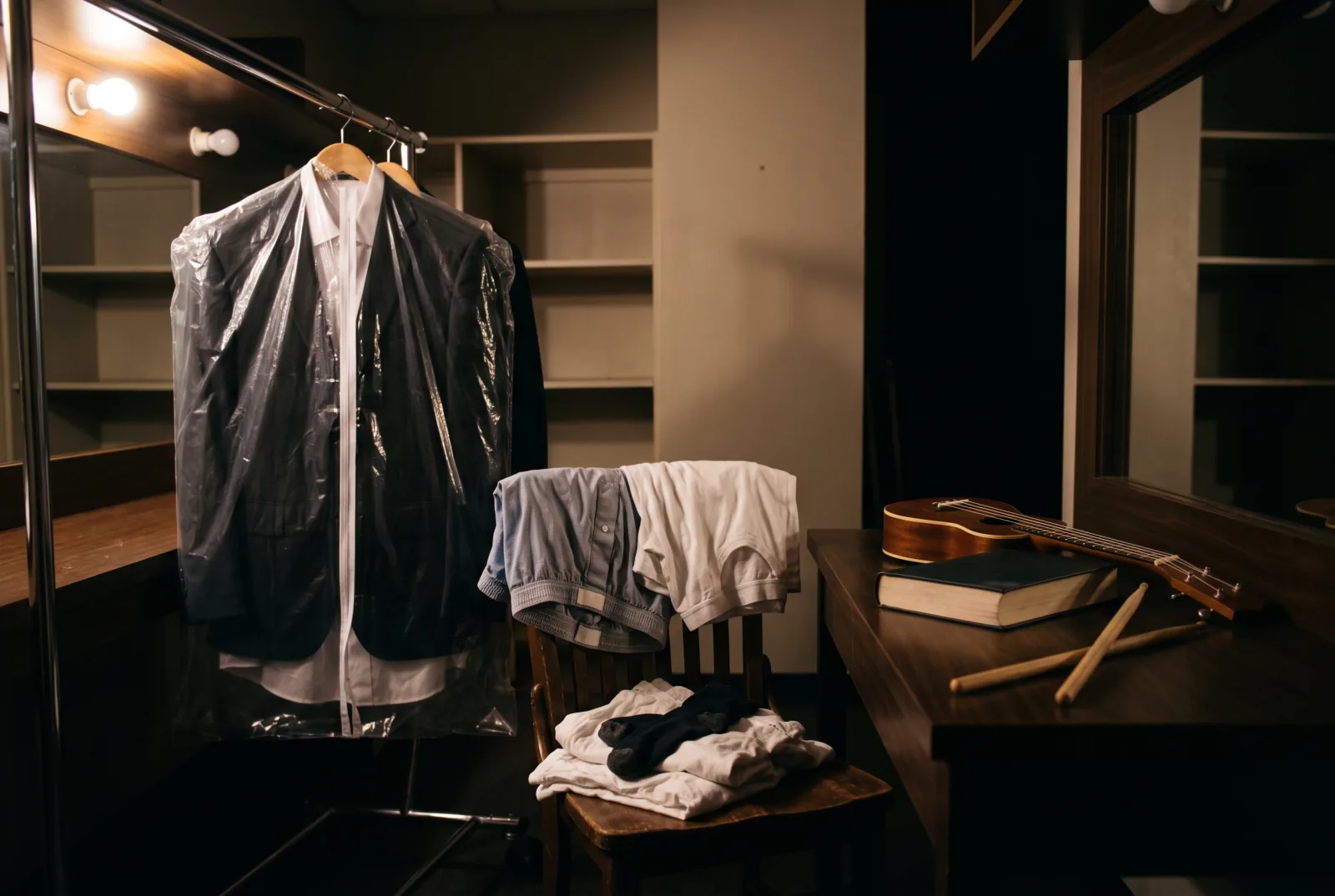
Portugal. The Man
Ten years of silent work, and all at once a song that conquered the world
Before the walking bass of "Feel It Still" there were more than ten years of albums that did not sell and small stages, starting in Wasilla, Alaska. The Grammy came in 2018, and the band went on using the microphone for the causes that mattered to it.
10s
indie
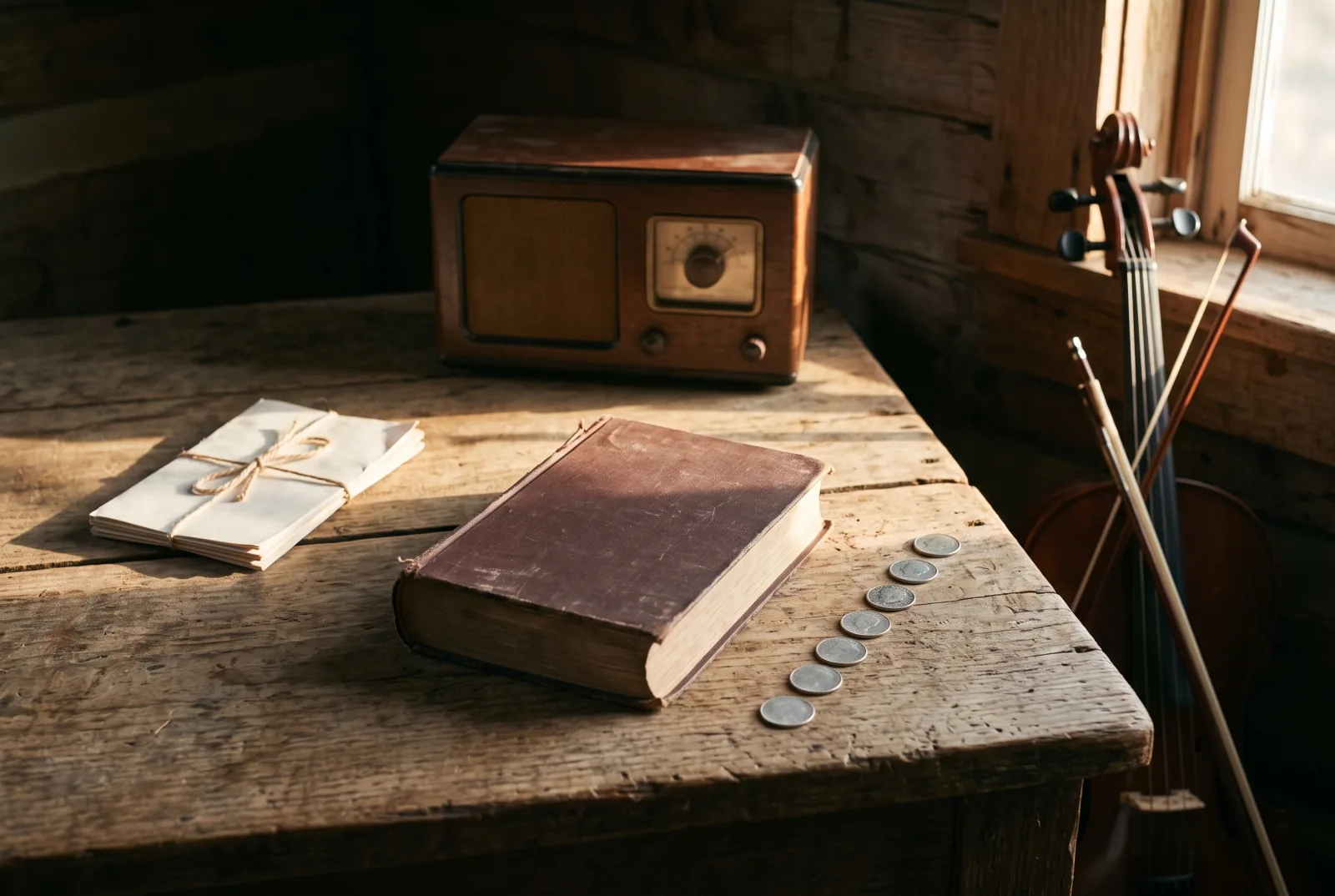
Twenty One Pilots
Two guys from Ohio who kept a promise in their underwear
Years before winning anything, Tyler Joseph promised that if he was ever handed a Grammy he would collect it in his underwear. In 2017 he walked on stage and kept his word. The duo's name comes from an Arthur Miller play about moral responsibility.
90s
indie
Sixpence None the Richer
The most secular song of the year was made by a Christian band, and the name explains it all
The pop kiss of an entire generation was recorded by a Christian band from a small Texas town, with a name taken from a C.S. Lewis parable about a present bought with someone else's money. While the song was playing all over the planet, their label fell apart on top of them and they spent years unable to release anything.
00s
indie
The xx
Silence as an instrument
While pop competed to sound bigger, they turned the volume down. And their most recognisable song was never a chart hit: it peaked at number one hundred and twenty-nine.
90s
indie
James
An anthem for sitting down
When every stadium anthem called for jumping, they wrote one that invites you to sit. And their singer joined the band as a dancer.
90s
indie
Tori Amos
The piano as a confessional
A child prodigy who lost her scholarship for refusing to repeat dead masters, and who years later sang a cappella, without a single metaphor to protect her, about what had happened to her. With that she gave thousands of people permission to name their own.
90s
indie
Counting Crows
Fame cured nothing
He wrote a cheerful song about dreaming of being famous and curing loneliness that way. He got exactly that, found out it was a lie, and had the courage to say so.
00s
indie
Coldplay
They chose to be enormous
They went from four shy students with melancholy songs to an anthem machine with confetti and light-up wristbands. That journey explains why they inspire so much love and so much rejection at once.
00s
indie
Keane
Rock without guitars
They became one of the biggest bands of the 2000s without a single six-string guitar. And they are childhood friends who came through fame, and an addiction that nearly broke them, together.
80s
indie
U2
Nobody gets left behind
The same four men since day one, almost fifty years without a single line-up change. Behind the guitars that sound like cathedrals there is something simpler: they looked after each other.
00s
indie
Gorillaz
The band that doesn't exist
Behind the four cartoon characters sits one of the most serious ideas in modern pop. With no human face out front, that band could be anything and could call on anyone: the mask did not hide the artist, it set him free.
90s
indie
Alanis Morissette
The door kicked open
She had been the perfect teenage product, and she chose to destroy that image in order to sing her rage unfiltered. It was a rebellion against herself. And when the world expected her to repeat the trick forever, she went looking for something else.
90s
indie
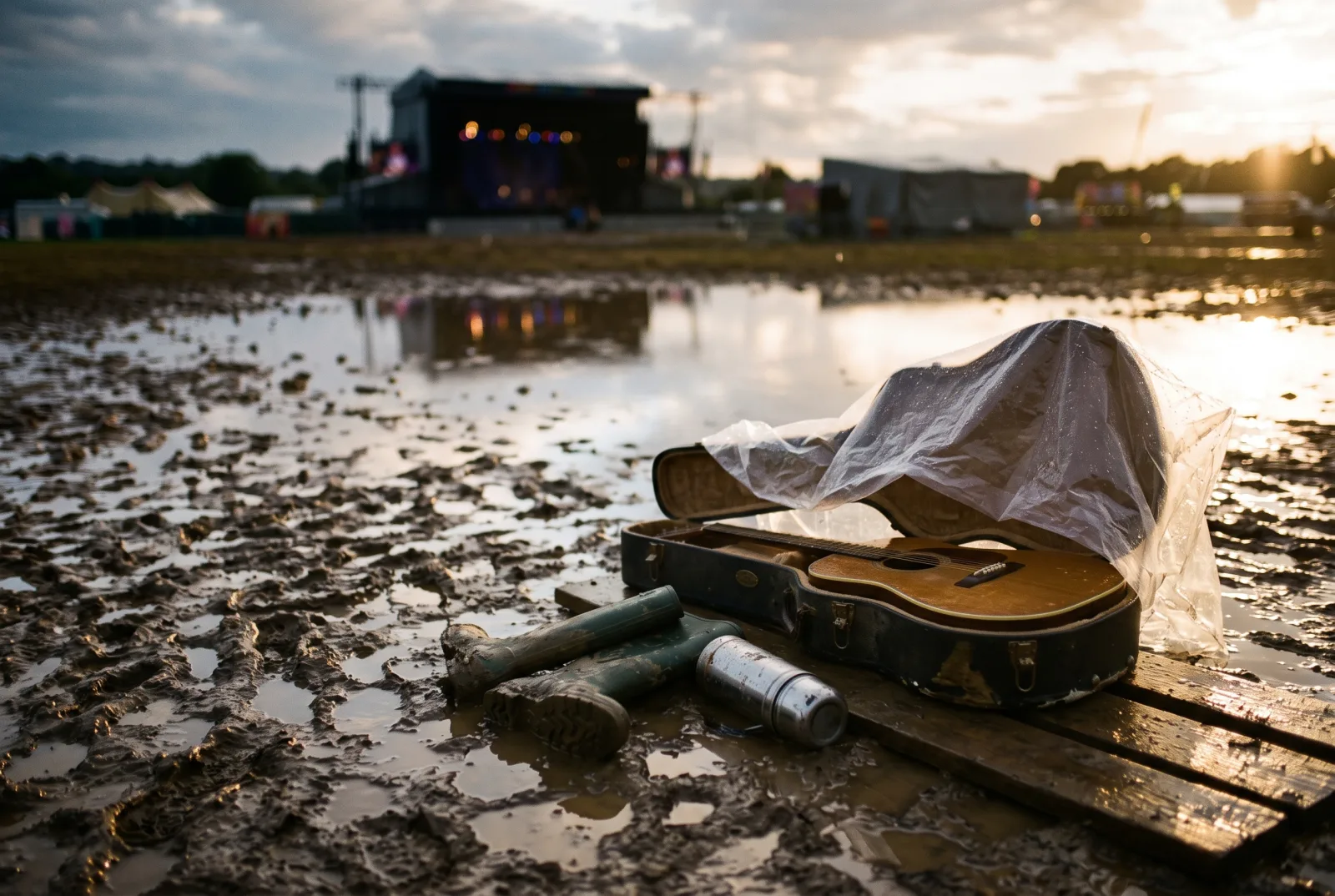
Travis
The door under the rain
Four Scots who were never the most famous, but drew the map that Coldplay and Keane would follow. And wrote the song that, legend says, made it rain at Glastonbury.
90s
indie
Weezer
The album that humiliated him
Rivers Cuomo laid himself completely bare on «Pinkerton», and the world punished him for it: it flopped, the critics tore it apart, he withdrew for years. Two decades later that same album was his most loved work and the blueprint of a whole generation's feelings.
90s
indie
The Smashing Pumpkins
Cathedrals made of sadness
While alternative rock was sneering at excess, Billy Corgan went the other way: layer upon layer of guitars, until he had built cathedrals of sound. The same obsessive control that drove away every one of his bandmates was what made that music take flight.
90s
indie
Plastilina Mosh
One from the conservatory, one from noise
«Aquamosh» was not produced by any Beastie Boy. The error comes from a surname in the credits: Marks, who was Grace Marks, from another band. Beck's producers recorded it.
80s
indie
Morrissey
The two truths
The same person who made millions of lonely people feel seen ended up, decades later, saying things that drove many of those same followers away. Remembering him properly means holding both at once, without sweeping either under the carpet.
00s
indie
Franz Ferdinand
The stall was the only deliberate part
«Take Me Out» is not two songs stuck together: it is one, assembled backwards on purpose. The part that sounds like a mistake is the only one that was fully planned.
90s
indie
Dolores O'Riordan
The voice of a country
She did not hide her accent: she made it sound like an instrument. When a bombing killed two children in Warrington, the voice of The Cranberries went home and wrote «Zombie», still playing wherever someone is sick of war.
90s
indie
Brian Molko
The outsider
He grew up moving from country to country, always the new, odd kid at school. In the middle of beer-and-football Britpop, Brian Molko turned up with eyeliner, a high voice and an undramatic bisexuality, and with Placebo he built a loud home for everyone who did not fit in.
90s
indie
Thom Yorke
He heard this world coming
He was born with his left eye paralysed and at school he was the odd one. In the nineties, when the internet was barely starting, he was already singing the anxiety and connected loneliness that screens would make everybody's daily life twenty years later.
90s
indie
Sinéad O'Connor
She was right
On 3 October 1992 she tore up a photograph of the Pope on television to denounce child abuse in the Church. The world tore her apart for saying it. Years later, country after country, it turned out she was right. They booed her in life; history proved her right.
90s
indie
R.E.M.
The graceful exit
Michael Stipe sent Kurt Cobain a plane ticket that was not about making a record: it was an excuse to get him out of his house. Cobain never used it. Seventeen years later R.E.M. did the opposite and left the party in time, with no fights and no lawsuits. Two friends, two opposite ways of finishing.