
Chapter 03 — Rhythms
Metal
70s–80s
Metal was born in Birmingham, a city of foundries, when Black Sabbath decided rock should sound like the end of the world. An industrial accident that maimed Tony Iommi's fingers forced him to tune lower, and from that misfortune came the heaviest sound ever recorded. From then on the genre knew only one direction: faster, darker, more extreme. We defend metal from its caricatures: behind the volume lies an almost classical rigor and a global community no other genre has built. From Judas Priest to Iron Maiden and Metallica, metal is proof that the music most despised by critics can be the most loyal to its audience. Fifty years on, it still asks no one's permission.
Key exponents
Black Sabbath
1968–2017
The founding fathers: with their 1970 debut they invented heavy metal in forty minutes of darkness.
Judas Priest
1969–presente
They gave metal its leather-and-studs uniform and its twin guitars: the genre owes them its entire aesthetic.
Iron Maiden
1975–presente
Galloping bass, historical epics and Eddie: the British machine that took metal to five continents.
Metallica
1981–presente
From garage thrash to stadiums: the band that made metal the most massive genre on the planet.
Keep rewinding
10s
metal
Bring Me the Horizon
Twenty years to get back to the scream
Bring Me the Horizon started in 2006 with a deathcore record and their turn did not happen in 2013: the leap to metalcore was in September 2008 and the synthesisers and clean vocals arrived in October 2010. Jordan Fish, eleven years in the band, was the one who put in the electronics. On 10 July 2026 they re-recorded that first record for its twentieth anniversary, with Oli Sykes back on the guttural scream.
00s
metal
Staind
The sleeve that nearly cost them everything
In October 1997, Fred Durst tried to pull Staind off the bill at the Webster Theatre in Hartford over the sleeve of their home-made record; then he listened to them and signed them. In 2001, Break the Cycle debuted at number one on the Billboard 200 and "It's Been Awhile" spent sixteen weeks at number one on the Modern Rock. Jon Wysocki, founding drummer, died on 18 May 2024.

90s
metal
Marilyn Manson
The lawsuit he withdrew while paying
The triad of Antichrist Superstar, Mechanical Animals and Holy Wood, and a file that is still open: two out-of-court settlements, one sworn retraction, the prosecutor's office that ruled out charges in January 2025 on statute-of-limitations grounds, the defamation suit he withdrew while paying 327,000 dollars and a jury trial set for November 2027.
00s
metal
Deftones
The record they left in the drawer
Formed in Sacramento in 1988, years before nu-metal, it won its only Grammy with White Pony in 2001, for "Elite". When Chi Cheng showed signs of consciousness after the 2008 accident, the band shelved Eros and recorded Diamond Eyes in its place. Cheng died of a cardiac arrest on 13 April 2013.
00s
metal
Sinergia
The song everyone misread
Almost all of Chile heard "Mujer Robusta" as a joke. The band says the opposite: it is a vindication, and they have stopped radio stations using it mockingly. Even the name of their genre was given to them from outside.
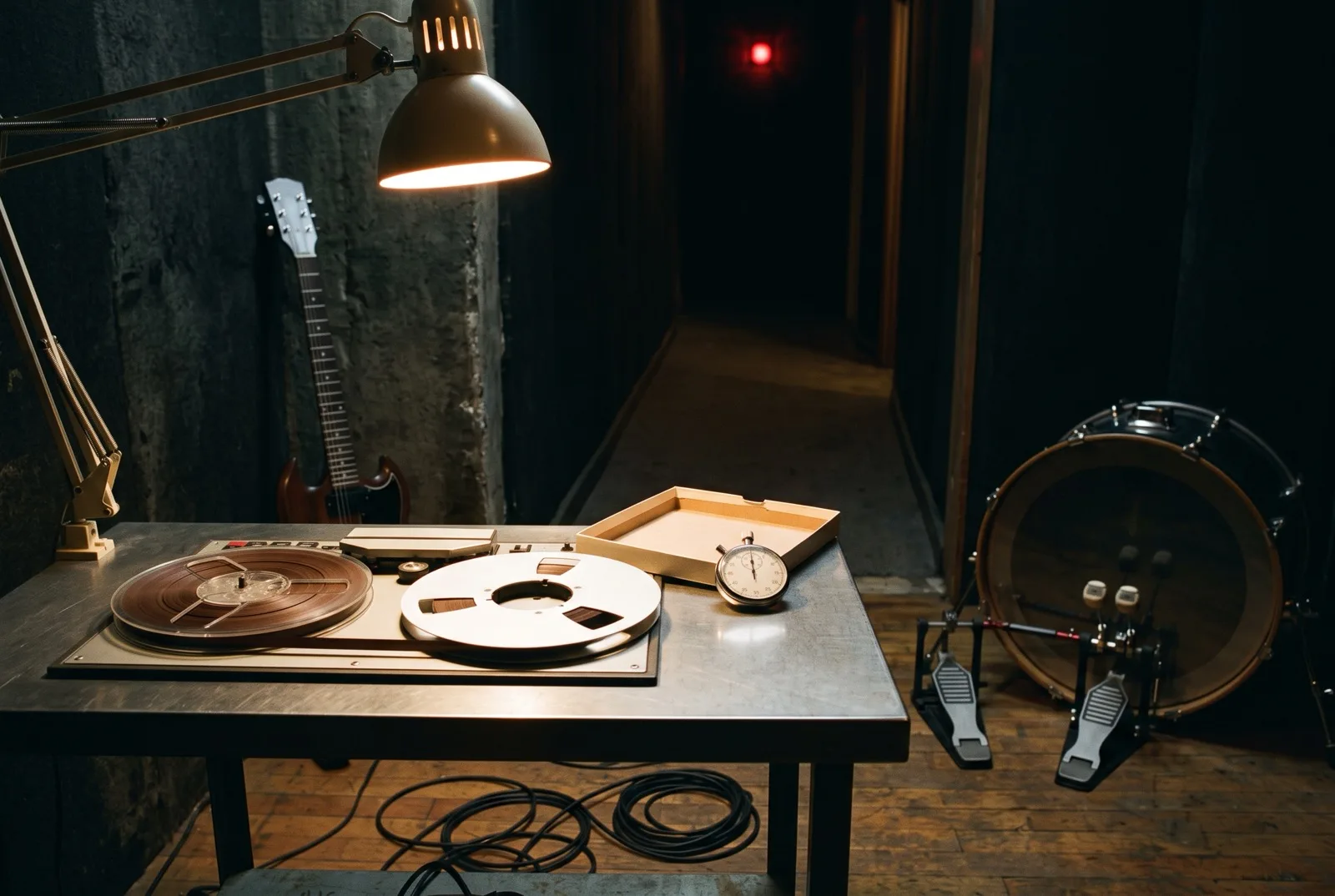
80s
metal
Slayer
Half an hour without concessions
"Reign in Blood" runs twenty-eight minutes and fifty-five seconds, fits on one side of a cassette and changed metal for good. When the producer questioned its brevity, the band shrugged. And its bassist and singer was born in Viña del Mar.
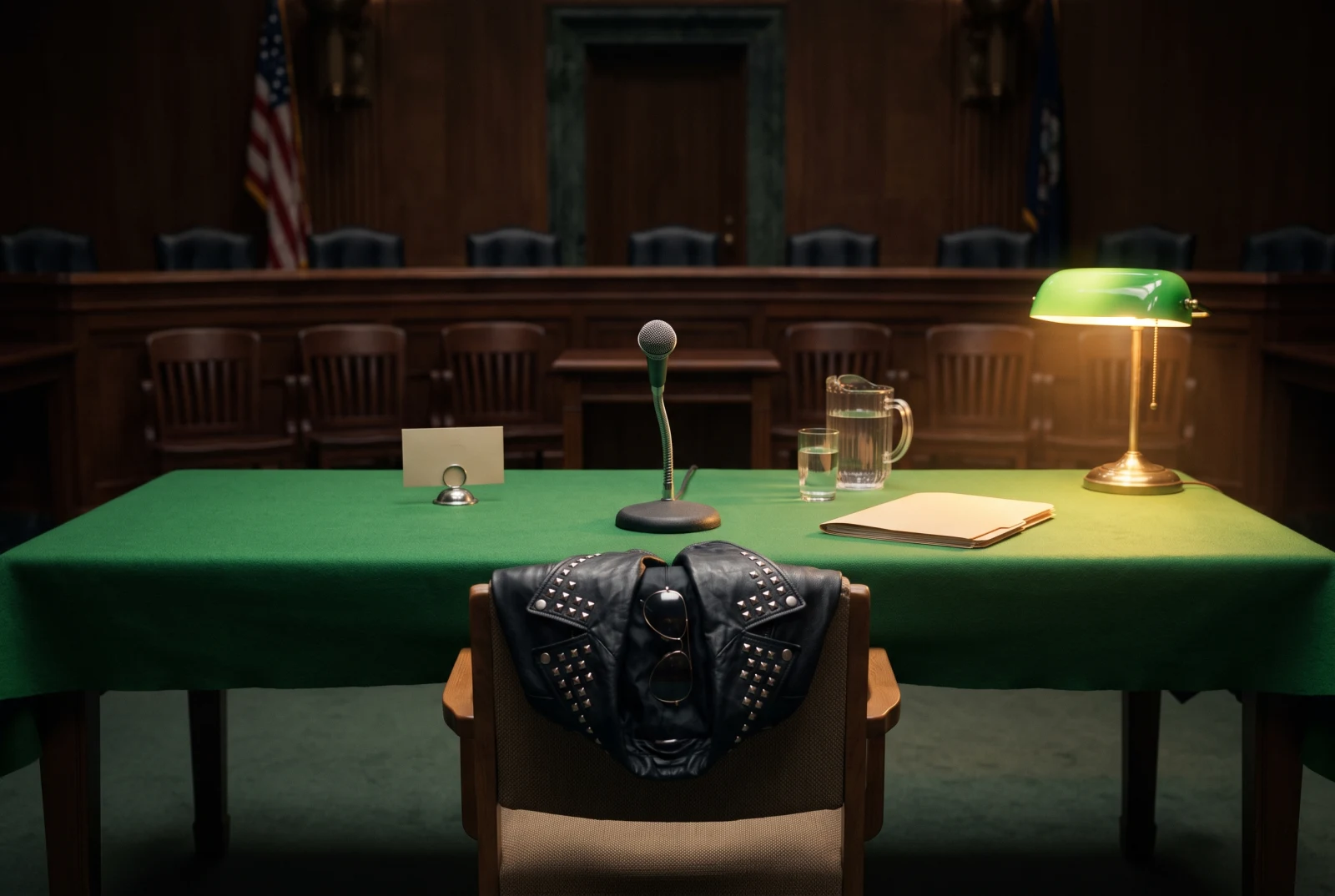
80s
metal
Twisted Sister
The most sensible man in the room
The PMRC put "We're Not Gonna Take It" on its list of fifteen flagged songs, marked with a "V" for violence. On 19 September 1985 Dee Snider walked into the Senate in his usual hair and clothes, testified that he did not smoke, drink or take drugs, and dismantled the accusation. Six weeks later the "Parental Advisory" sticker arrived anyway.
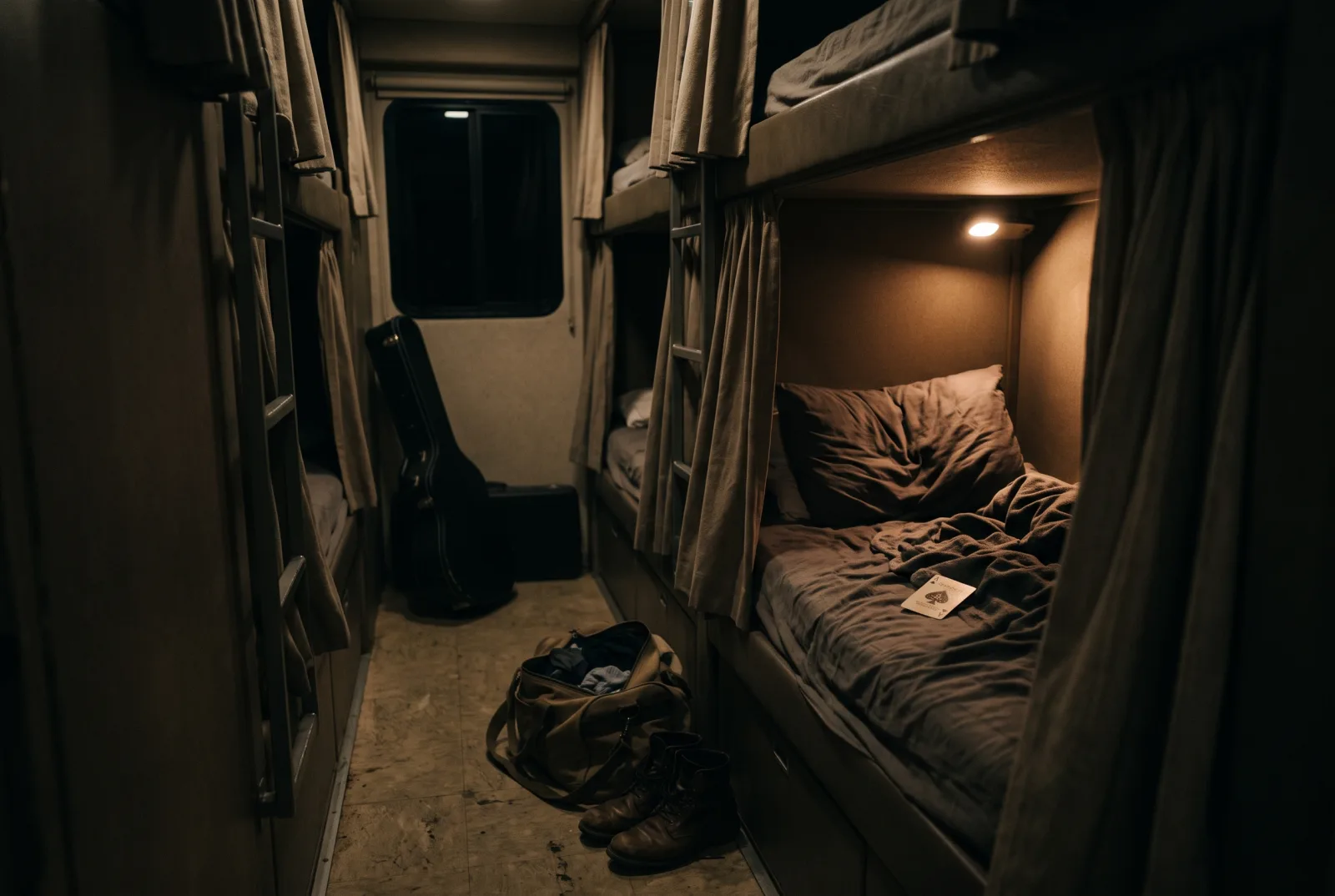
80s
metal
Metallica
The card that chose
They drew cards to divide up the tour bus bunks. Cliff Burton won, took Kirk Hammett's bed, and that morning the bus went off a Swedish road.
90s
metal
Tom Morello
Six strings and a cause
The son of a Kenyan insurgent and an American activist, a Harvard graduate, he chose the guitar over politics because it spoke to more people. And he carries Víctor Jara wherever he goes.
90s
metal
Rage Against the Machine
Intelligent rage
They turned political fury into a mass phenomenon without diluting a drop of it, and faced head-on the contradiction of shouting against the system from the system's biggest label.
90s
metal
Rammstein
The art of provocation
Six East Germans fill stadiums across five continents singing in a language almost none of their fans understand. And they make an art of provoking while knowing almost nobody will understand them.
90s
metal
Mägo de Oz
Tilting at windmills
They crossed heavy metal with the Celtic fiddle and put Don Quixote into a song that a whole stadium sings back. A mixture that on paper should not work, and that half of Latin America took as its own.
90s
metal
Tool
In praise of patience
They make fifteen-minute labyrinths, give barely any interviews and take thirteen years between albums. And they still fill stadiums, because they decided the audience would come to them and not the other way round.
00s
metal
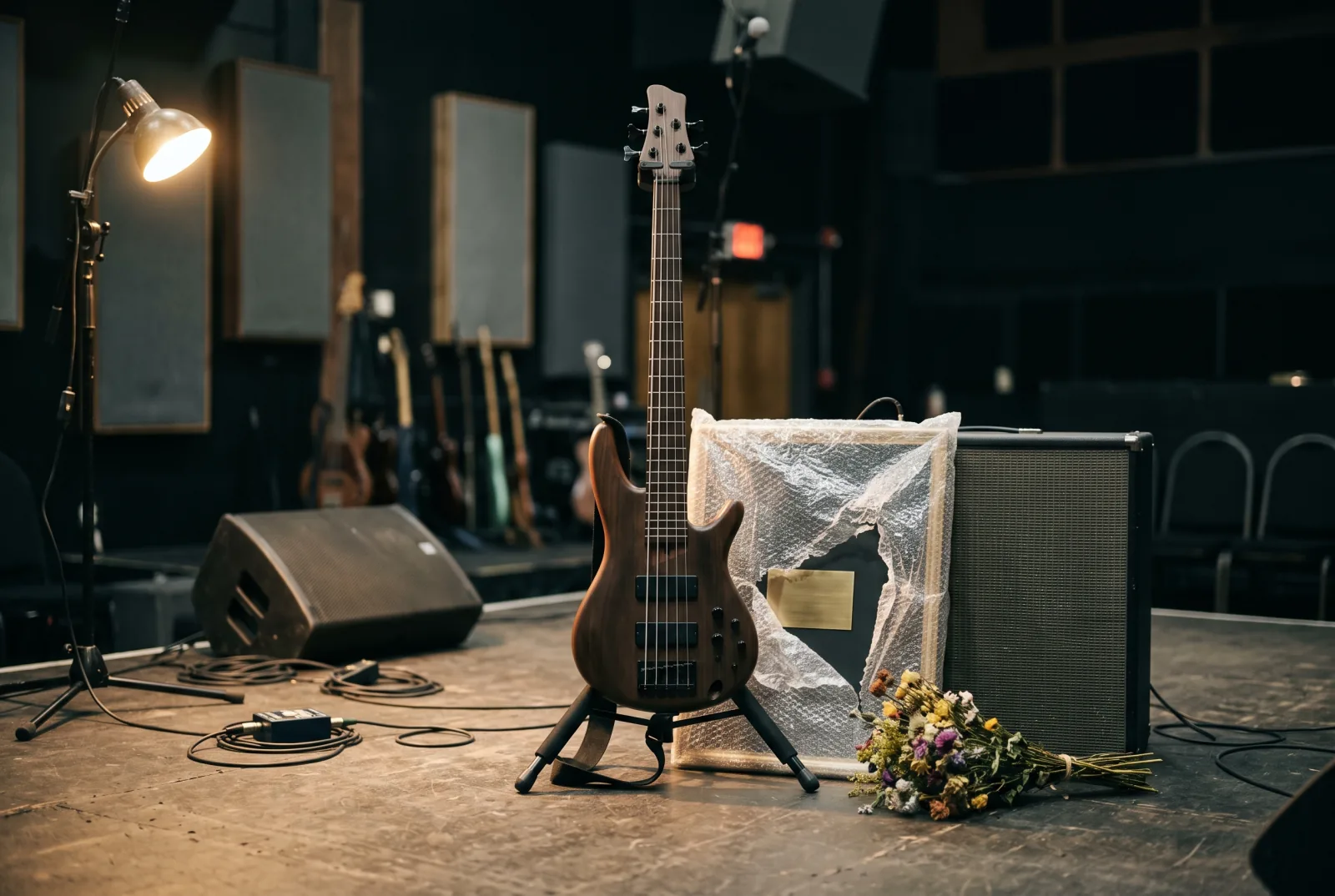
Limp Bizkit
The heartbeat that arrived eleven days late
«Break Stuff» never entered the US singles chart. Twenty-five years later it topped the hard rock chart, eleven days after the death of the bassist who played it — and no academy put it there. People did.
00s
metal
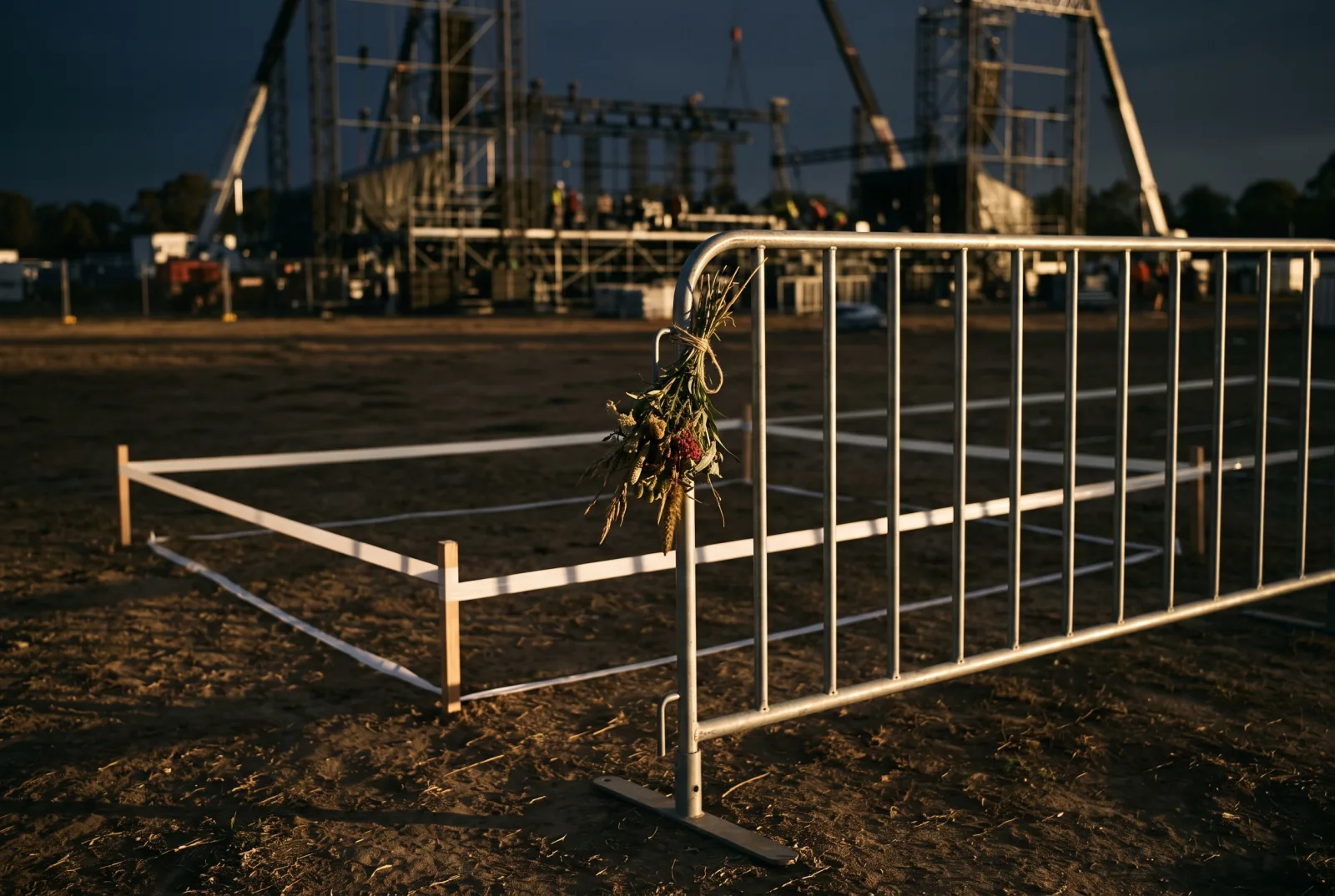
Limp Bizkit
The barrier the band asked for and was refused
Jessica Michalik was sixteen. A coroner spent twenty-one months finding out why she died, and her report points at the organisers: they had ignored a safety recommendation and refused the band the barrier it requested in writing.
70s
metal
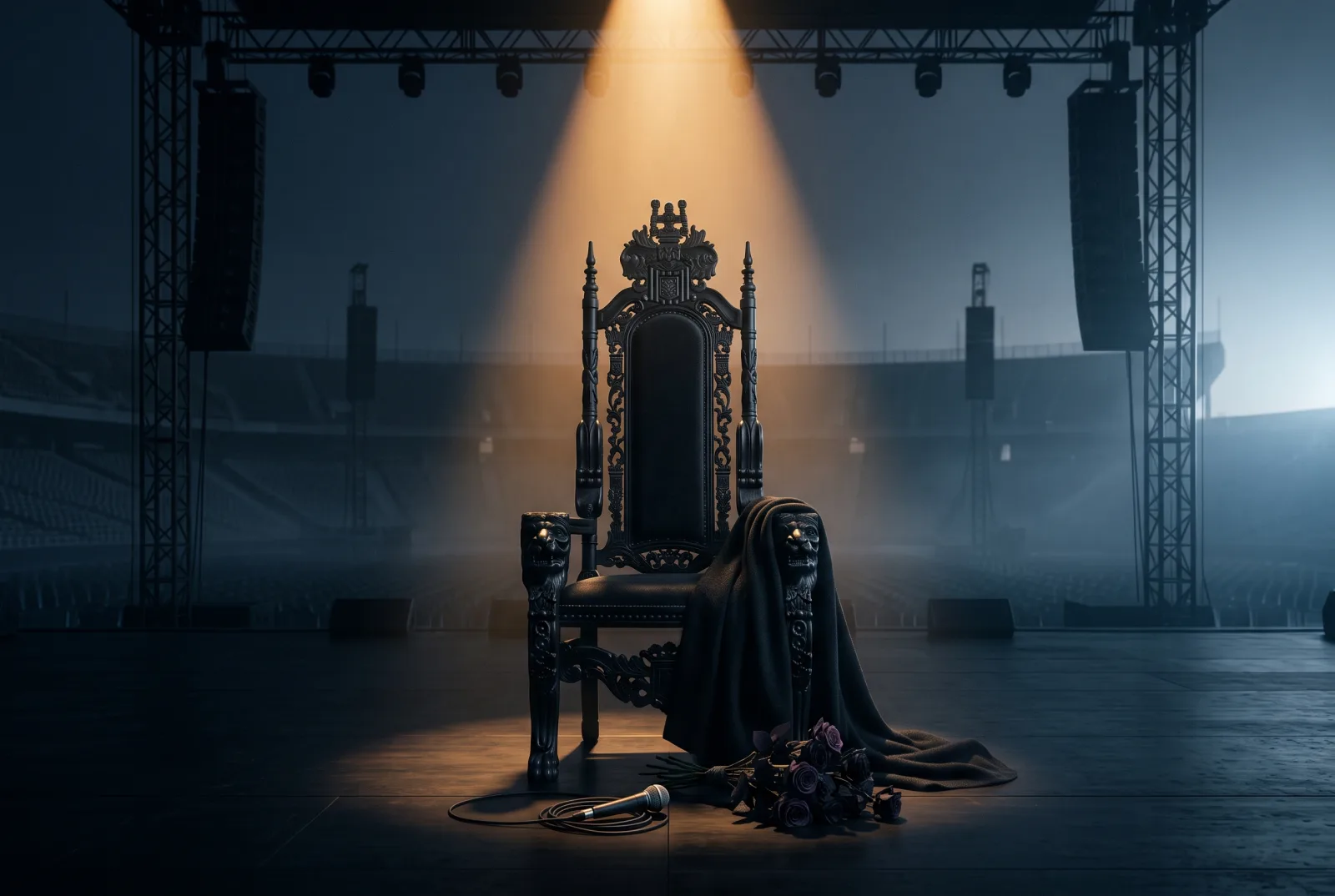
Ozzy Osbourne
The throne and the farewell
He sang his last concert seated on a throne, in the city where he had invented heavy metal, while half the scene came to bow before him. Seventeen days later he died. Beneath the Prince of Darkness there was a sweet, funny, broken man.
00s
metal
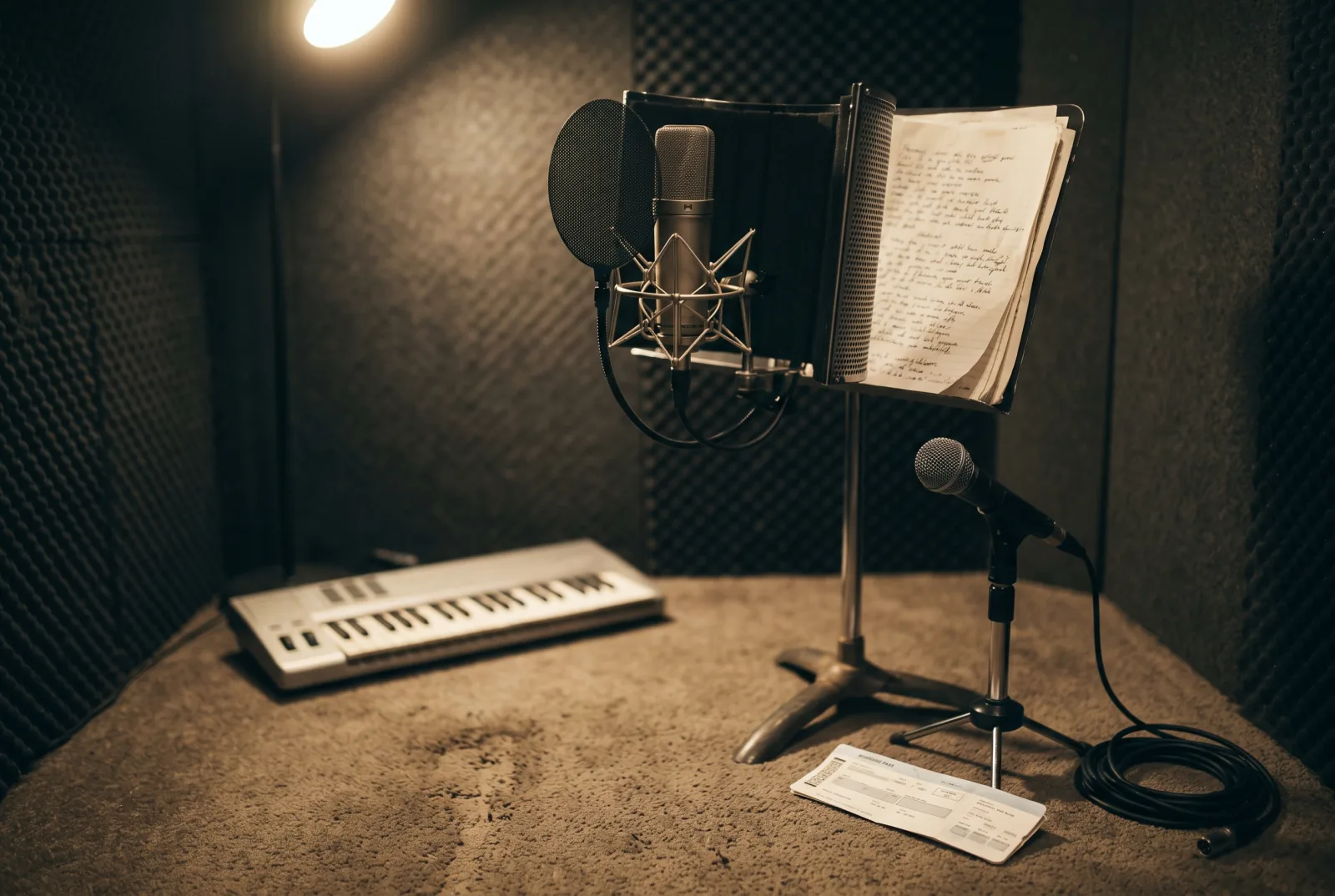
Evanescence
The voice the label imposed on her
The male voice on «Bring Me to Life» was not an artistic idea: it was a commercial condition. Amy Lee wrote the words that man sings, and he is not among the song's writers.

00s
metal
System of a Down
They only sing when there is something to say
«Chop Suey!» was called «Suicide». The label said no, and the band split the word in two without changing a comma of the truth. They have gone twenty-one years without an album, and the silence is also a way of speaking.
90s
metal
Korn
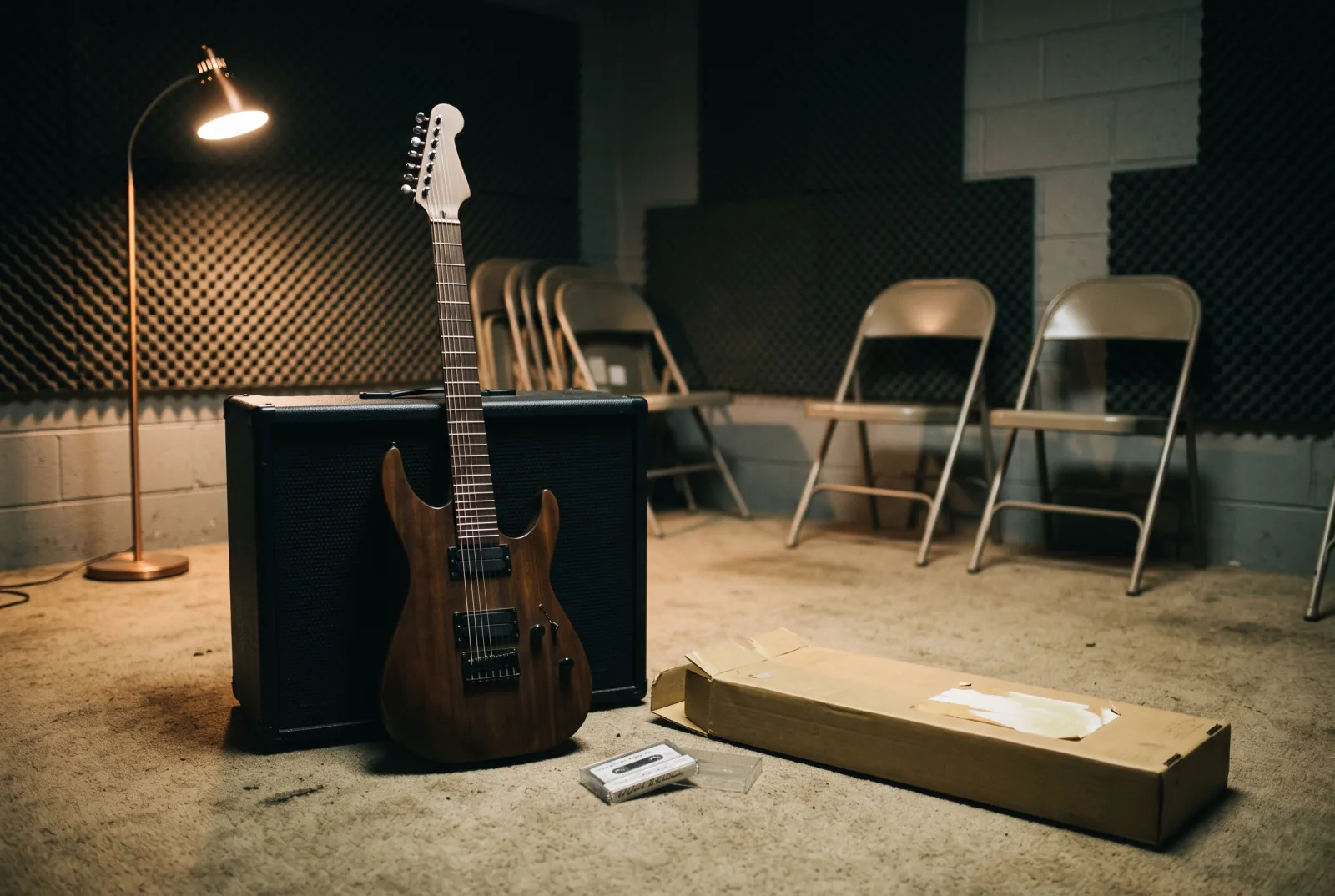
A failed guitar and a brand-new genre
The seven-string guitar was designed for playing higher and sold so badly they stopped making it. Korn tuned it down, stayed on the low string, and founded nu metal with it.
80s
metal
Motörhead
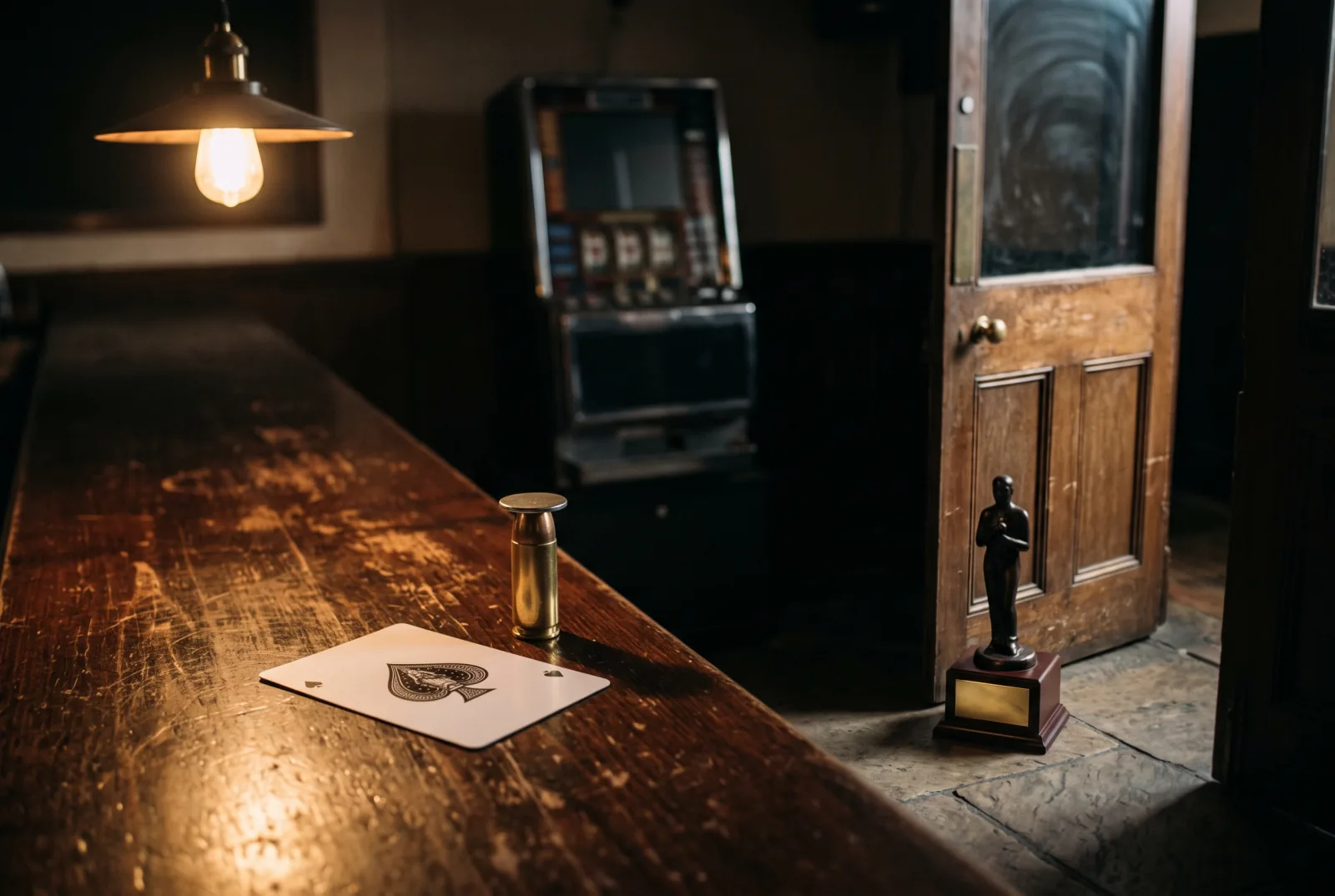
A pity prize and a fruit machine
Motörhead won one Grammy in forty years, and it was for a cover of a Metallica song. Lemmy called it a pity prize. Today his ashes travel in urns, and one of them ended up inside a fruit machine.
90s
metal
Slipknot
They erased their faces so you would look at the music
For twenty-five years people hunted for the secret system behind Slipknot's numbers. There is no system: they handed them out arguing, out of superstition, a joke about infinity and self-deprecation.

80s
metal
Pantera
They burned what was already working
Pantera have nine albums and the platforms carry five. The four missing ones are glam, with spandex and hairspray, and they did not vanish out of shame: the band stopped caring once it found out who it was.
00s
metal
Chester Bennington
So that no one would be alone
He screamed his pain and then whispered it, in the same song. Chester Bennington sang abuse, addiction and depression from the inside, and a whole generation felt that someone understood them. He helped many to keep going; he could not do it for himself.
80s
metal
Iron Maiden
The show a bishop stopped
In June 1992 a bishop called them a satanic group on Chilean national television. Nineteen days later the concert was cancelled. Thirty years on they are the foreign band with the largest audience in Chile.
80s
metal
Metal: From the Underground to the Stadium
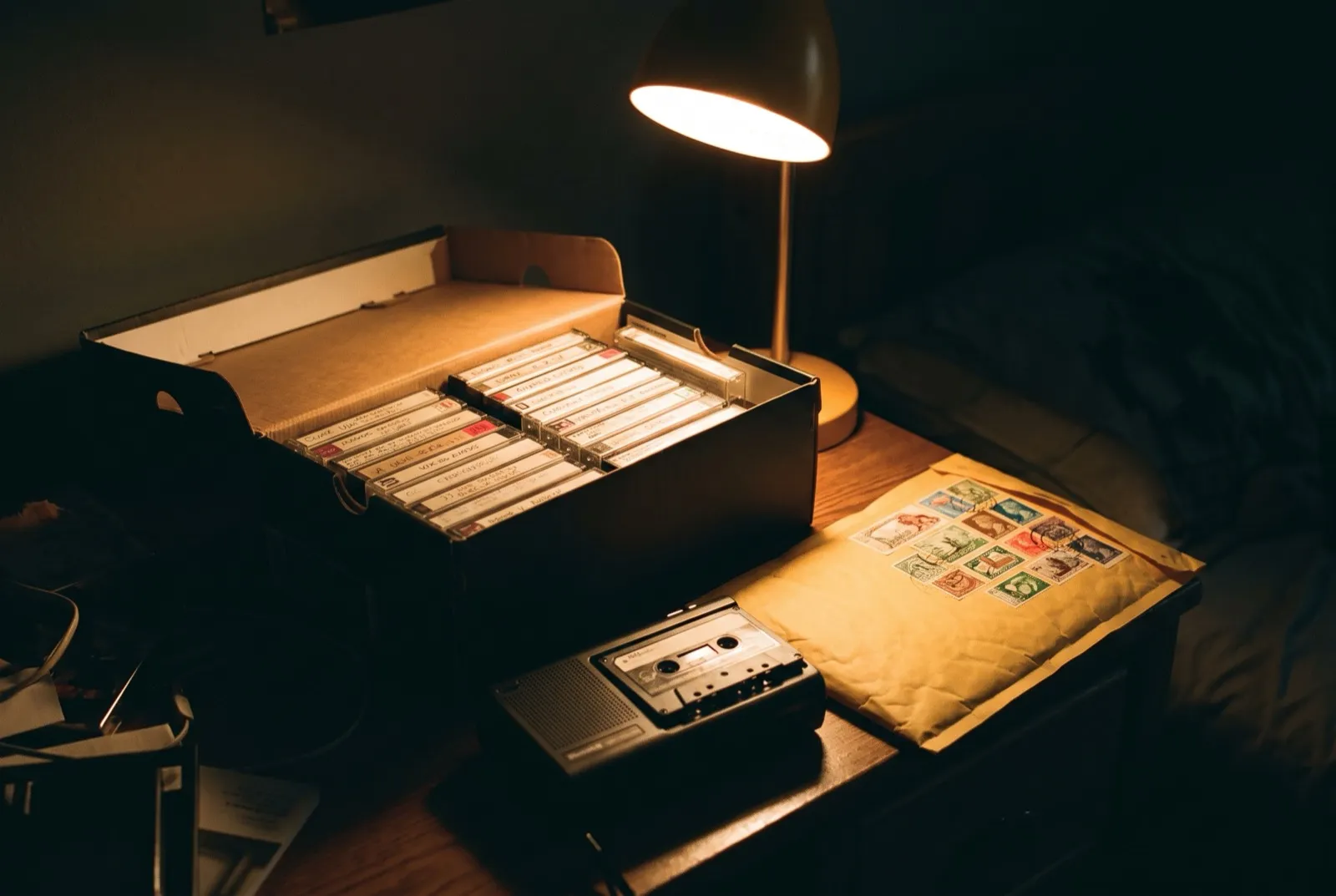
From cassettes traded by post to a Moscow airfield in 1991: how metal built its empire without radio or permission. NWOBHM, tape trading, the thrash Big Four and a crowd figure nobody managed to count.