
Chapter 03 — Rhythms
Folk
60s–70s
Folk is the only genre where the author can be nobody: melodies passed mouth to mouth for centuries until someone recorded them. In the sixties that inheritance met politics and the coffee houses of Greenwich Village, and a single guitar was enough to talk about war, racism and coal mines. Later Fairport Convention plugged English ballads into amplifiers and the tradition kept walking. Our thesis: folk is not museum music. It is proof that a well-made song outlives its era, its author and the fashion that buried it. Everything else passes; this stays.
Key exponents
Bob Dylan
1962–1965
He borrowed the tradition, filled it with his own images and then plugged it in.
Joan Baez
1960–1968
A soprano voice and a protester's record: she sang at Selma and in Washington.
Fairport Convention
1969–1971
They electrified seventeenth-century English ballads and founded British folk rock.
Keep rewinding
70s
folk
Florcita Motuda
Forty-nine years without a reissue
With "Brevemente… geeente" he won the best Chilean performer prize at Viña 1977, and he won it in the international competition because the folk one was not held that year. The album that contains it, released in 1977 on APRI —Antonio Prieto's label—, spent 49 years without a reissue: never on CD or streaming until it came back on vinyl in April 2026 and on digital on 11 July, the day he returned to the stage. The record for the longest title at the OTI is his, but it is from 1978 and not 1998.
00s
folk
Natalia Lafourcade
Where it said pumpkin she put flowers
The story says she rescued the son jarocho with reverence on *Un Canto por México*, but "La Bruja" is not on that record: she recorded it on *Cancionera*, on 24 April 2025, and rewrote the lyric. Where the son turns the man into a pumpkin, she sings that she filled him with flowers: "a cancionera is a kind of sorceress". Twenty Latin Grammys, a house rebuilt in Jáltipan and a harpsichordist father who left Chile two days after the coup.
70s
folk
Piero
The old man wasn't his
Piero sang "Mi viejo" in 1969, but the words are José Tcherkaski's and the father it portrays was his own: Mario Tcherkaski, a Russian street hawker who died at 52, eight years before the song. CBS released it with Father's Day in mind after several labels turned it down, and the first pressing passed 600,000 copies. Piero died on 7 October 2026, aged 81.
70s
folk
Willie Nelson
Fifty dollars and sixteen million
He sold "Family Bible" for fifty dollars and lost it; "Hello Walls", nine weeks at country no. 1 in 1961, was what turned him into a national songwriter. On 9 November 1990 the IRS seized assets in six states: it claimed 32 million, assessed 16.7 and closed a settlement for some 9 on 2 February 1993. He paid it with a double album sold on television at 19.95 dollars.
80s
folk
Gipsy Kings
The upside-down guitar
Romani families born in France who took flamenco rumba worldwide, singing in Spanish and Caló, and playing right-handed guitars turned upside down.
70s
folk
Cat Stevens
Letting it all go
Twice he came close to dying, and twice he changed. At the height of his fame he auctioned his guitars and walked away, and came back to sing twenty-eight years later.
60s
folk
José Feliciano
The slow fire
He turned a Doors song inside out until it was his, and paid dearly for singing the anthem his own way. Time proved him right on both counts.
70s
folk
Carole King
She wrote half a decade of other people's hits before singing her own
She spent the sixties shut away in a Brill Building office writing hits for other people's mouths: the Shirelles, Little Eva, Aretha Franklin. In 1971 she sat down at the piano to sing them herself and made "Tapestry", one of the best-selling records in history.
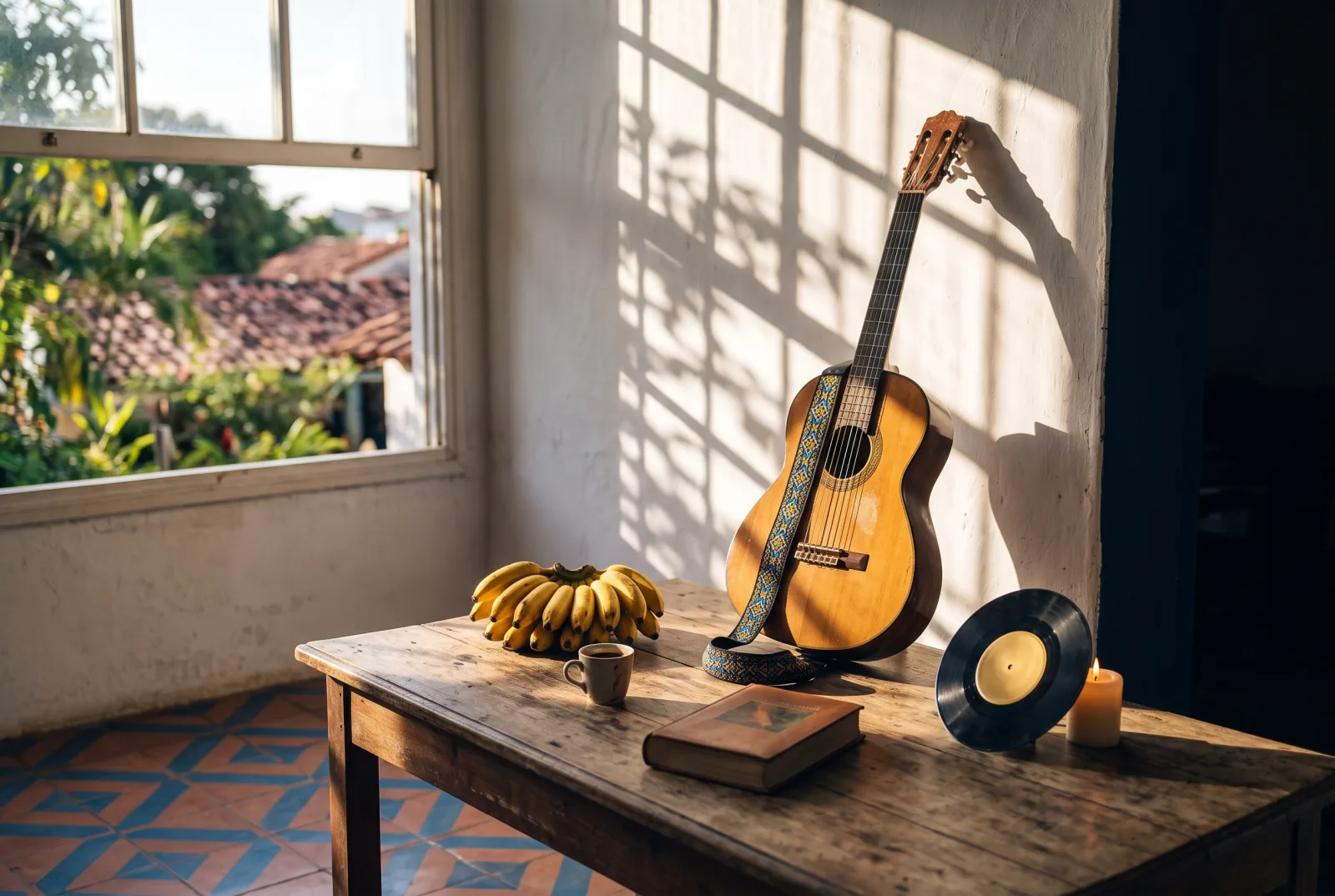
60s
folk
Caetano Veloso
Devouring the world
Tropicália said something deeply subversive without shouting a single slogan: that Brazil could open itself to the whole world and still be Brazil. For that idea he was jailed and exiled.
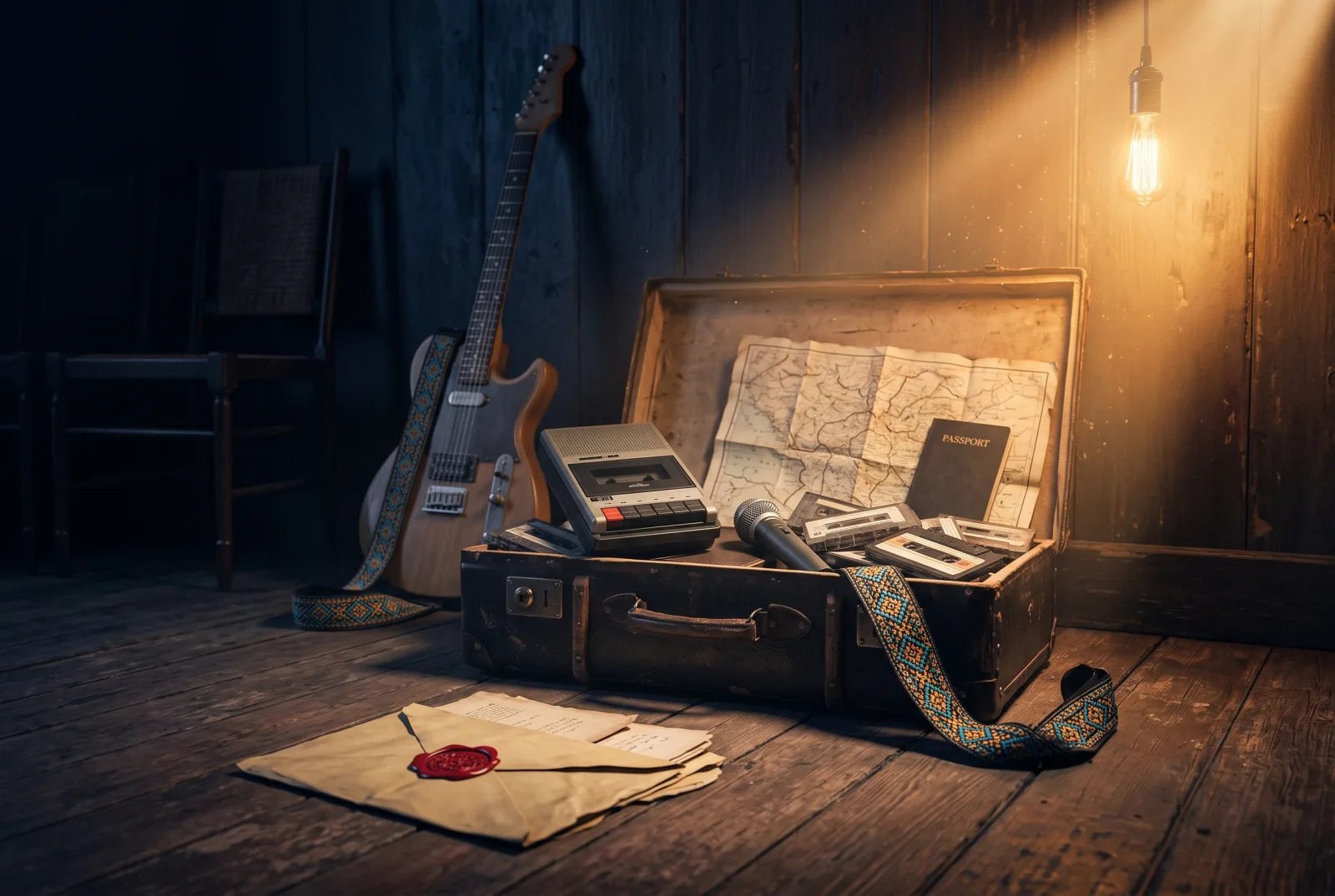
90s
folk
Manu Chao
Belonging nowhere
He sells millions and records his albums alone, on a laptop, sleeping wherever he lands. The son of Spanish exile in Paris, he turned being from nowhere into being from everywhere.
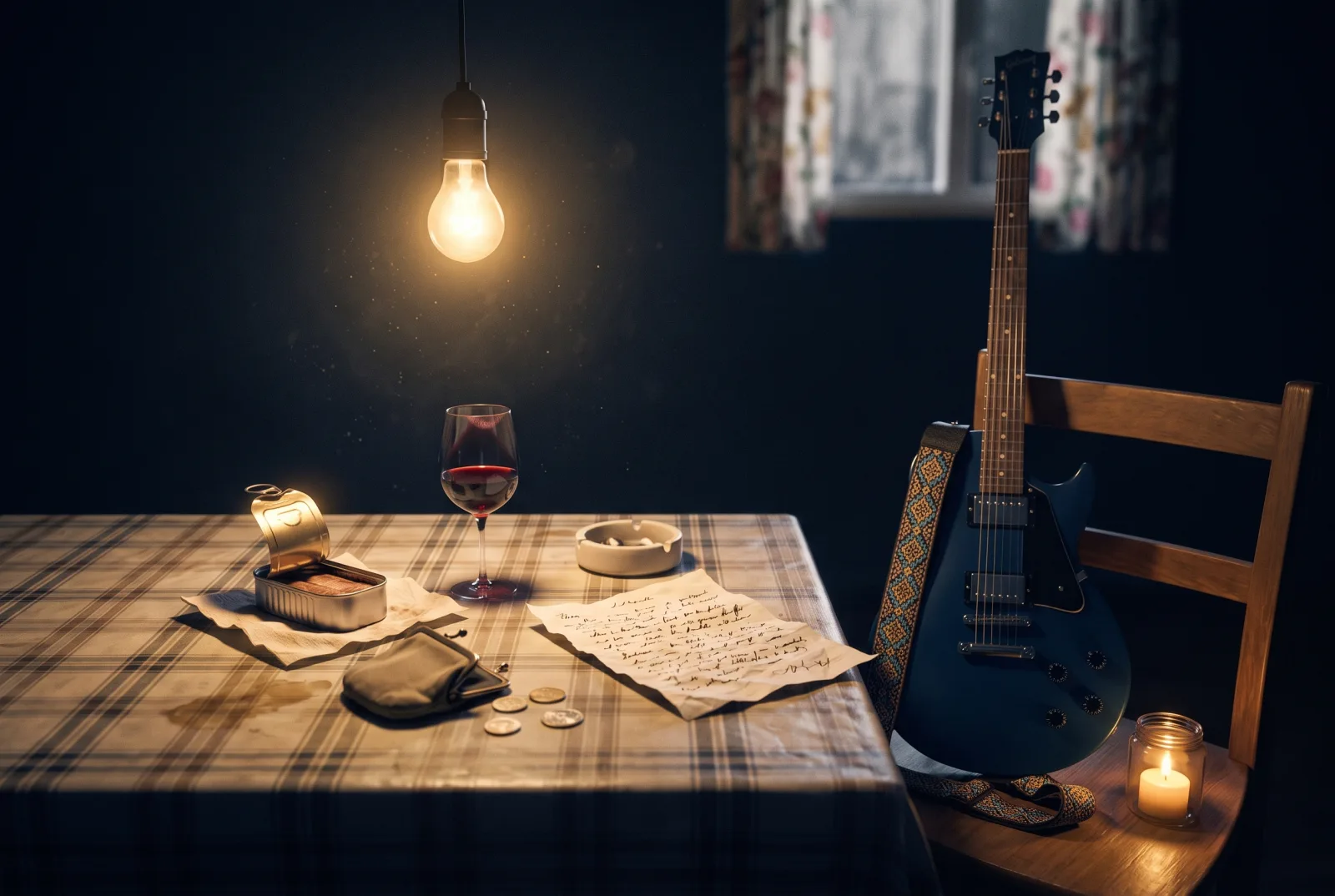
00s
folk
La Cabra Mecánica
The shopping list
Lichis wrote the tenderest love song of his generation from a poor man's kitchen, among the discount tuna and the grease stains. His gift was looking at the people nobody looks at and finding the poetry in them.
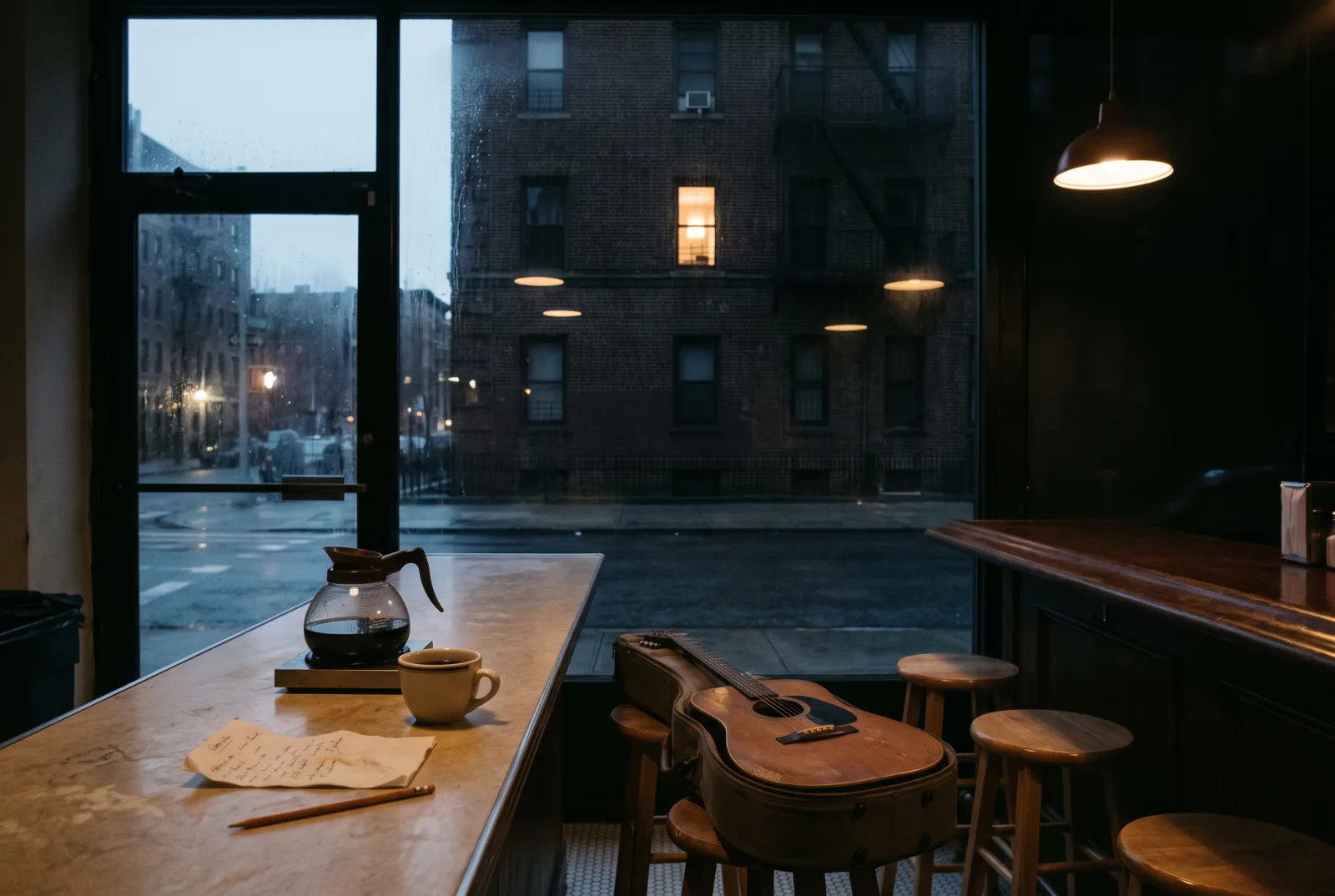
80s
folk
Suzanne Vega
The voice that tuned the MP3
She put child abuse inside a pop hit and made it impossible to ignore. And she lent her voice, without knowing it, to the technology you listen to all your music on today.
60s
folk
The Mamas and the Papas
The lie in the obituary
The ham sandwich joke did not spread on its own: Cass Elliot's manager invented it and dictated it to a journalist. She admitted it in 2020, forty-six years later.
60s
folk
Simon & Garfunkel
The drums nobody asked for
They had split in 1965, before they were anybody. A producer took the tape and overdubbed drums onto it without telling them, and that record went to number one. They had to get back together.
00s
folk
Gustavo Santaolalla
One single note
He won the Oscar two years running by putting in the bare minimum: a string, a long silence, another string. And he produced half of Spanish-language rock unseen.
80s
folk
Tracy Chapman
The second time out
At Wembley in 1988 she had a short afternoon set and her day was already over. Then Stevie Wonder had technical problems and they sent her back on stage, alone with a guitar, in front of the whole world. That unplanned second appearance changed her life.
80s
folk
Mauricio Redolés
Speaking Chilean
His first stage was one of the dictatorship's prisons. Twenty-two months inside, ten years of exile in London and a return to the same house in the Yungay neighbourhood he had left. Out of that came the poet-rocker who taught Chilean rock to speak the way we speak.
90s
folk
Joaquín Sabina
He was born three times
The son of a police inspector, he threw a Molotov cocktail in Granada and left Spain on another man's borrowed passport. Ten years in London, a return, a stroke, and a body of work that gave millions the words for what they could not name.
70s
folk
León Gieco
The sheet that was saved
The most sung song of his life had been cut and the album was finished. It was saved by a bandoneon player who walked into the wrong studio.
70s
folk
Mercedes Sosa
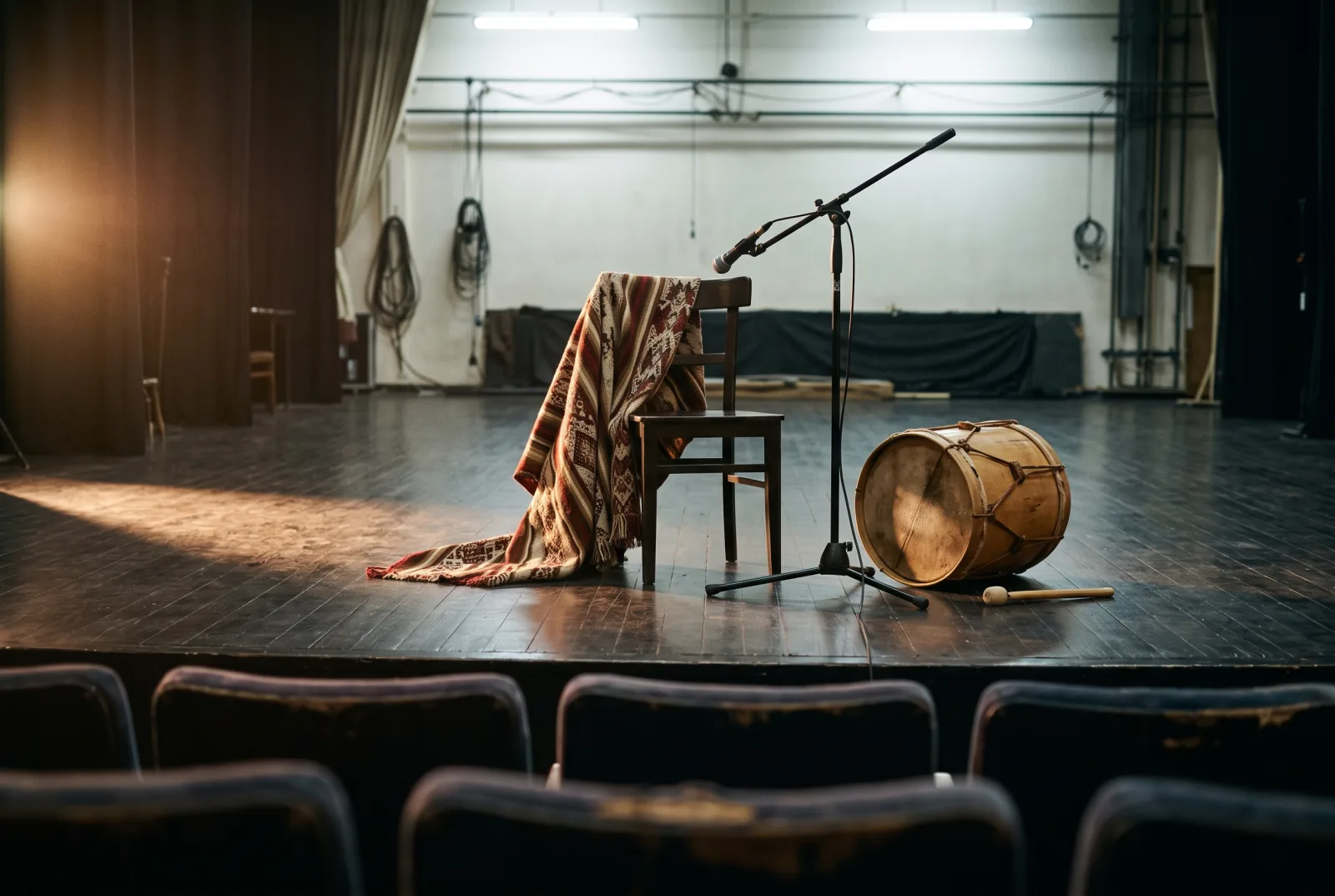
The poncho on the chair
They arrested her mid-performance, in front of the audience, in a small hall in La Plata. They took away the three hundred people listening to her as well.
70s
folk
Don McLean
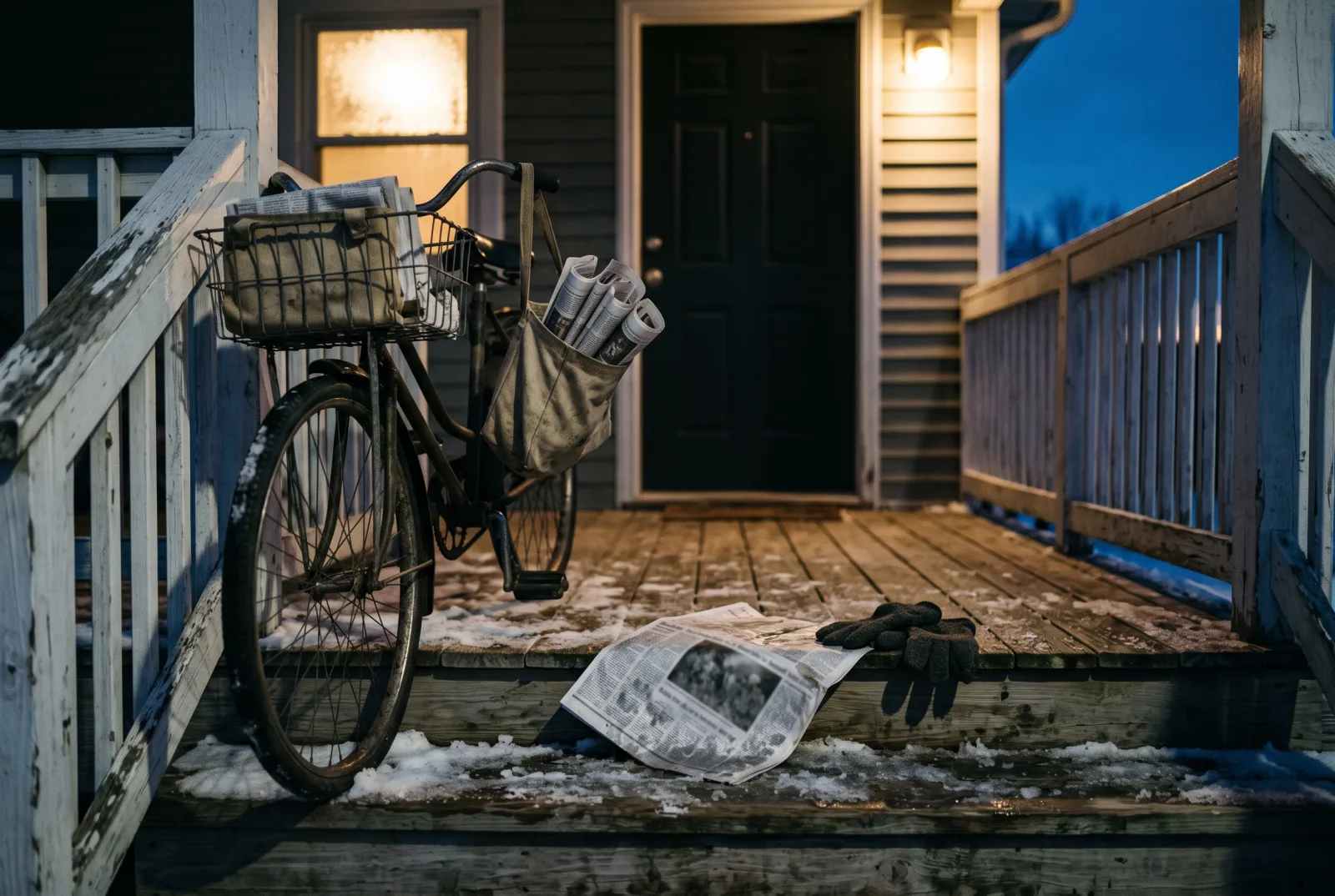
The paper boy
He was thirteen and delivering papers when he cut the bundle open and read on the front page that his idols were dead. Twelve years later he wrote «American Pie».