
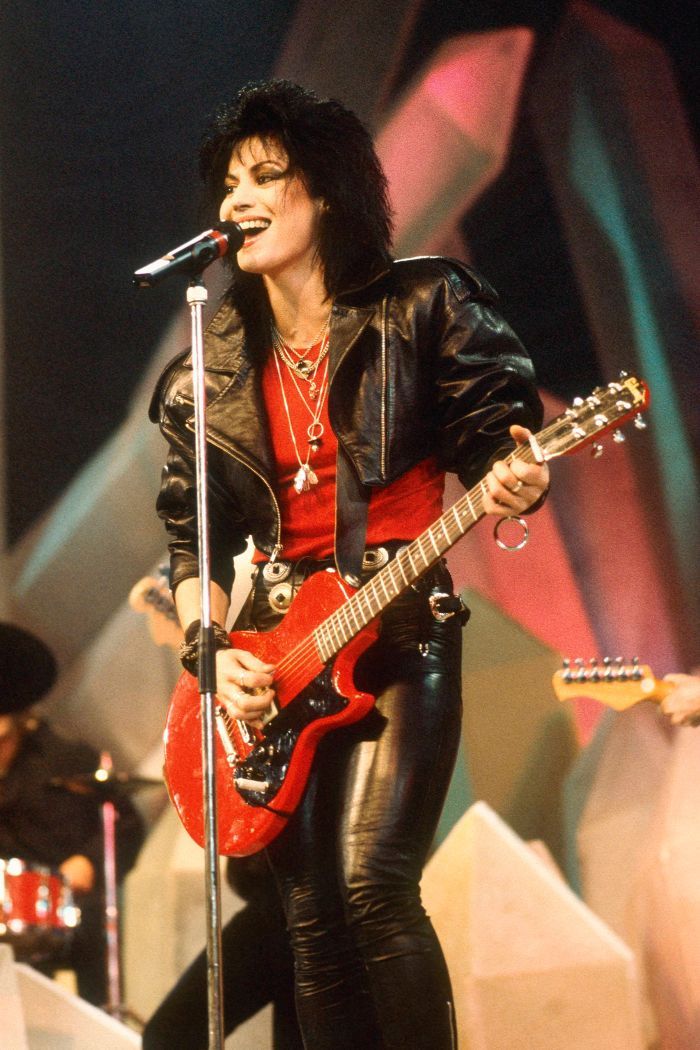
Joan Jett, rebobinado
A logbook that plays out loud
The livingmemoryof music.
Decade by decade, record by record. We rewind rock history to understand what plays today — with a point of view, not museum nostalgia.
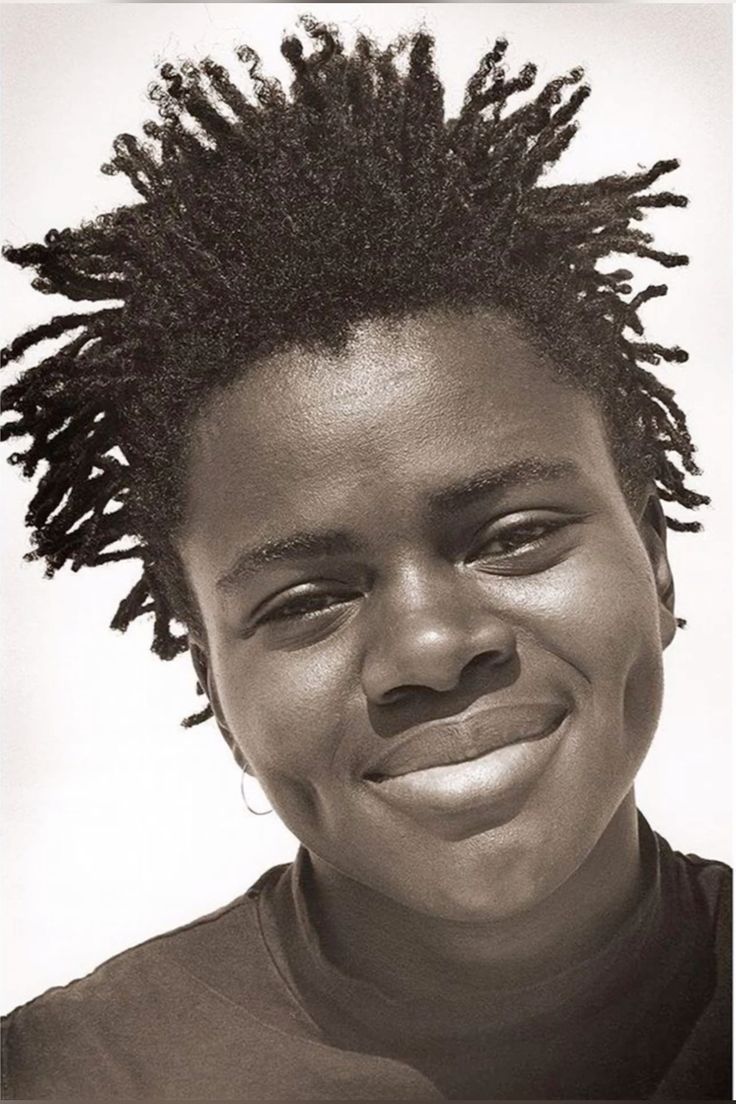
Tracy Chapman, rebobinado
Scroll to rewind
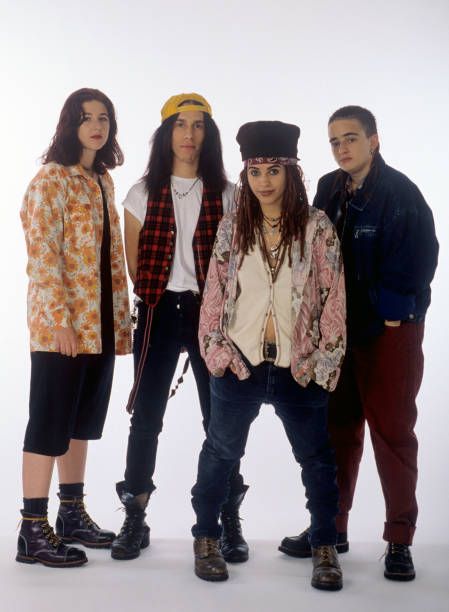
12A ▸ 4 Non Blondes
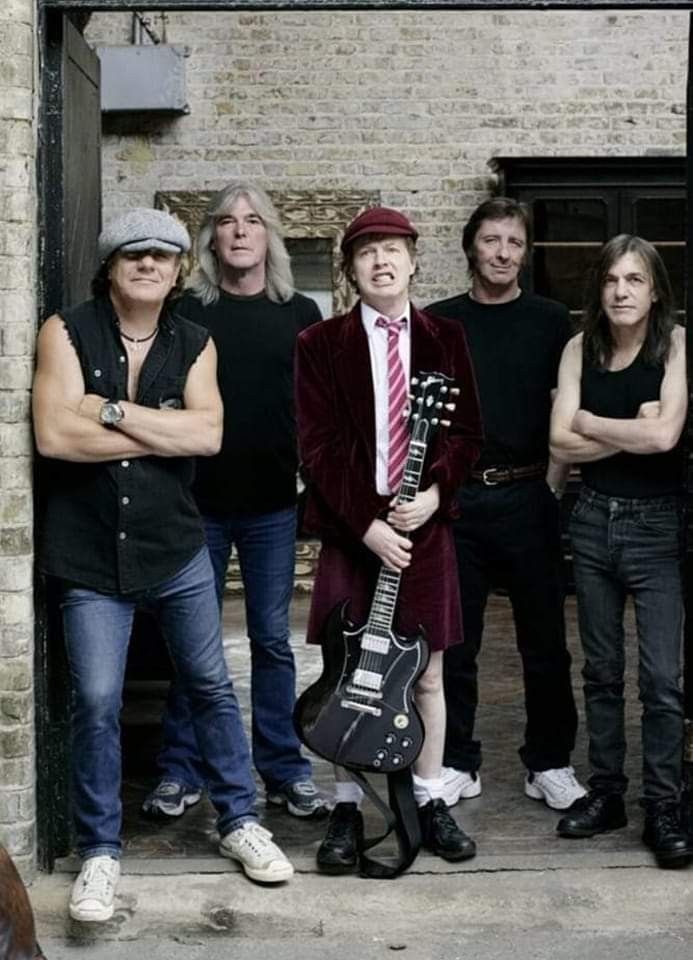
13A ▸ AC/DC
14A ▸ Amy Winehouse
15A ▸ Arcade Fire
16A ▸ Beatles
17A ▸ Bee Gees

18A ▸ Björk
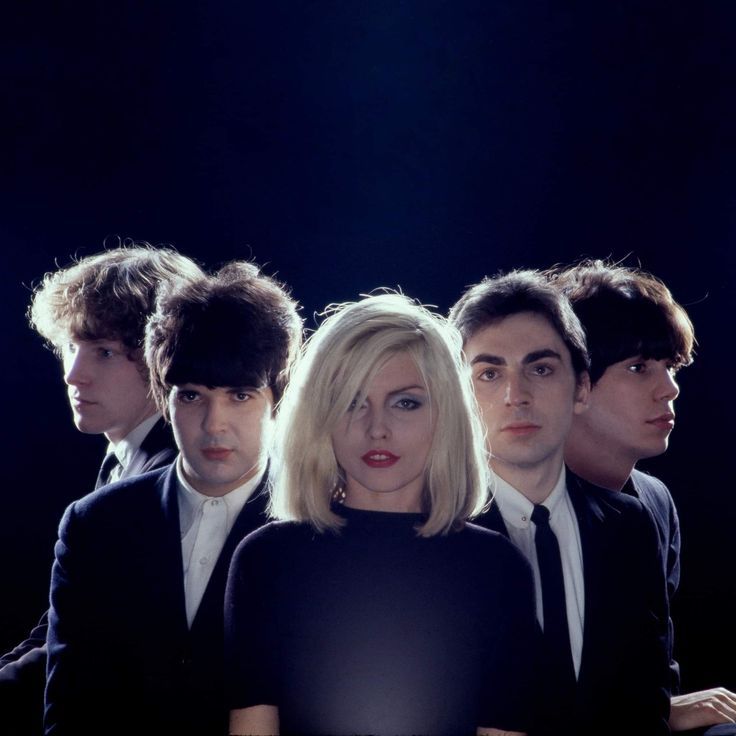
19A ▸ Blondie
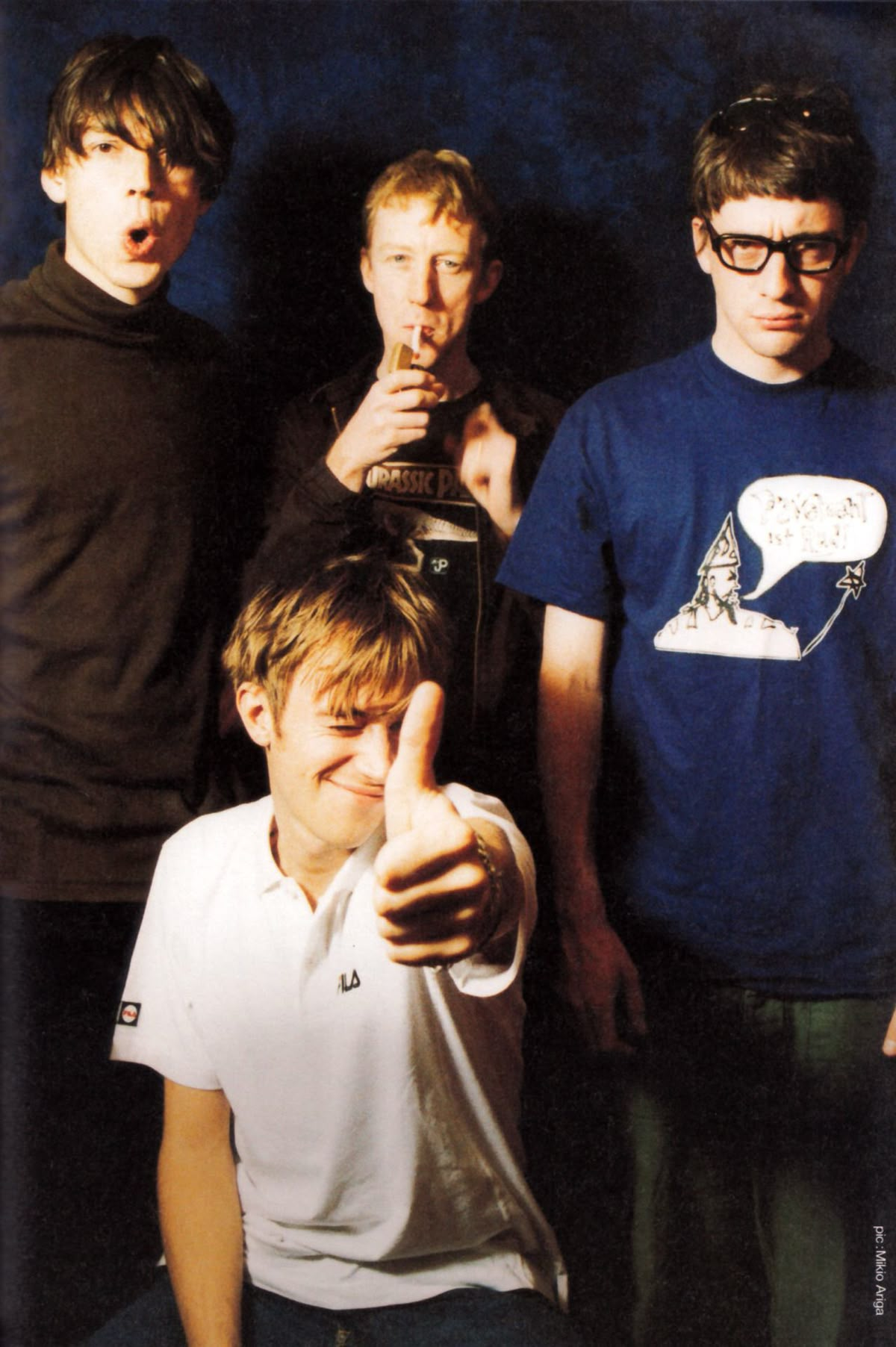
20A ▸ Blur
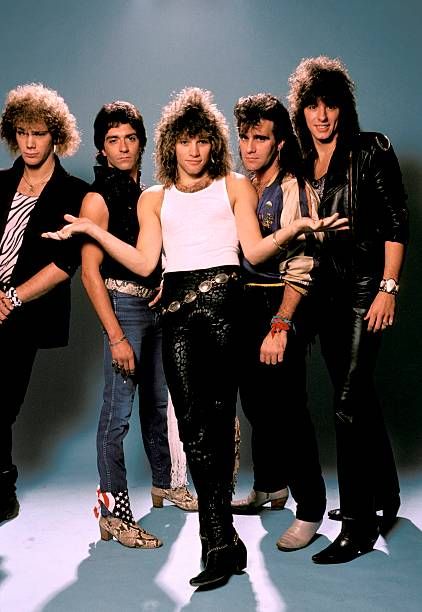
21A ▸ Bon Jovi
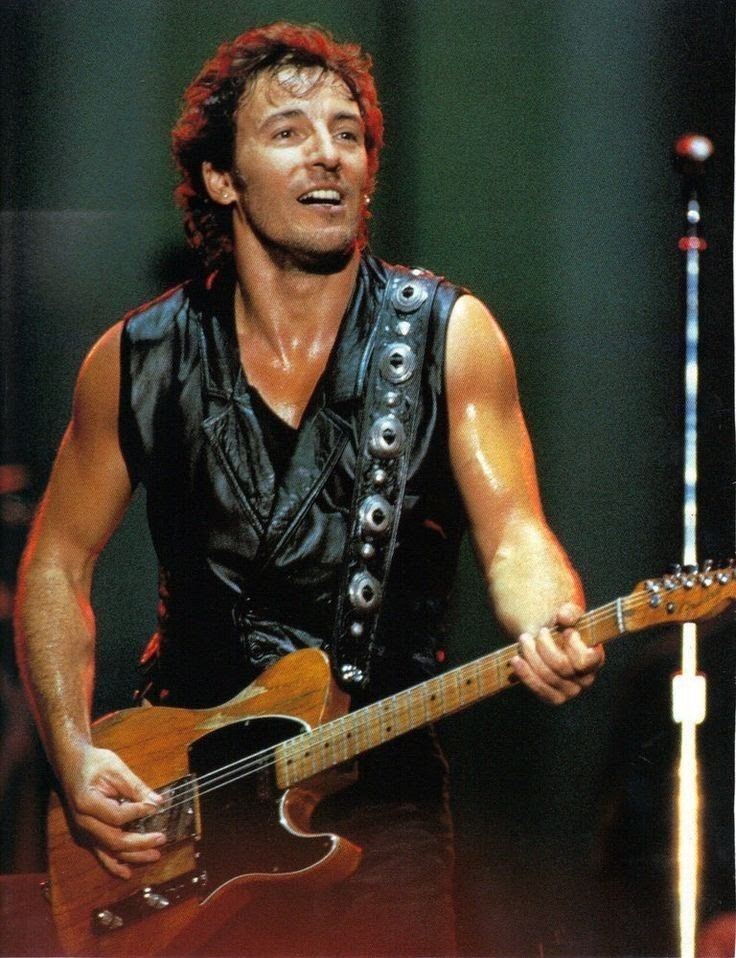
22A ▸ Bruce Springsteen
23A ▸ Bryan Adams
24A ▸ Chuck Berry
25A ▸ Coolio
26A ▸ Cyndi Lauper
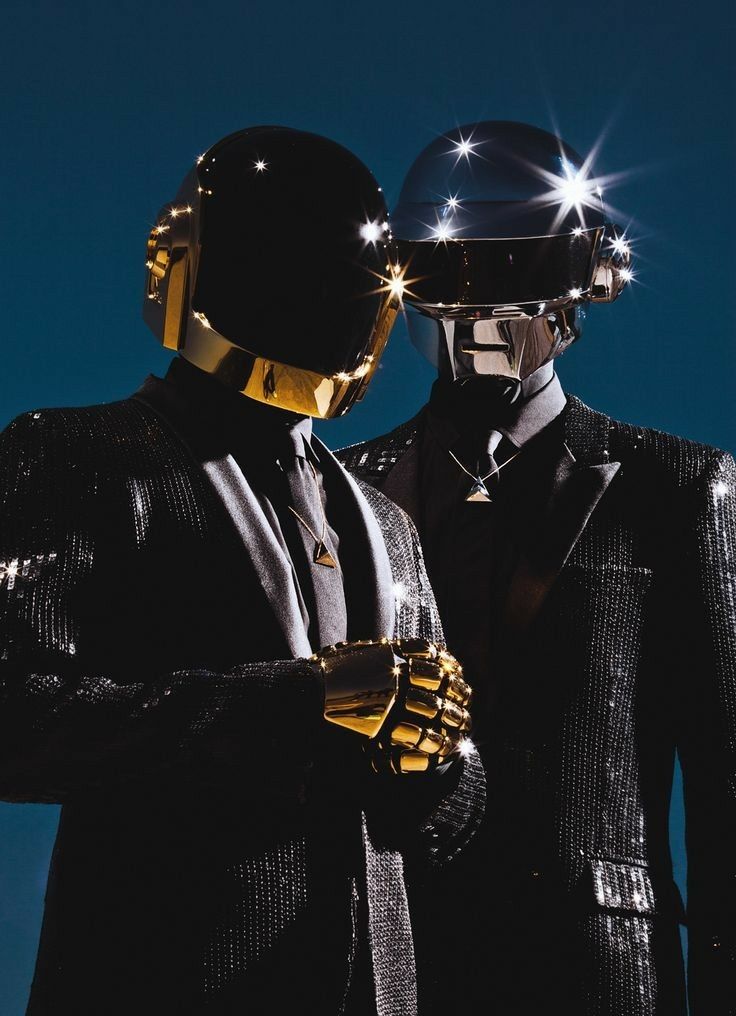
27A ▸ Daft Punk
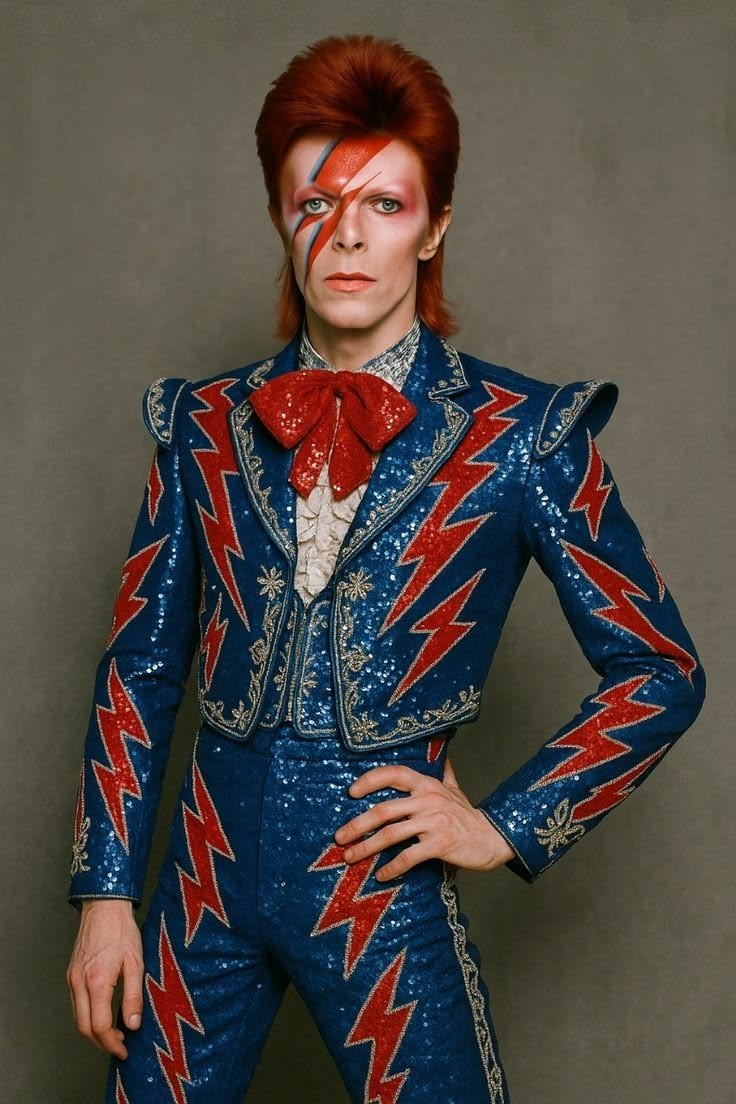
28A ▸ David Bowie
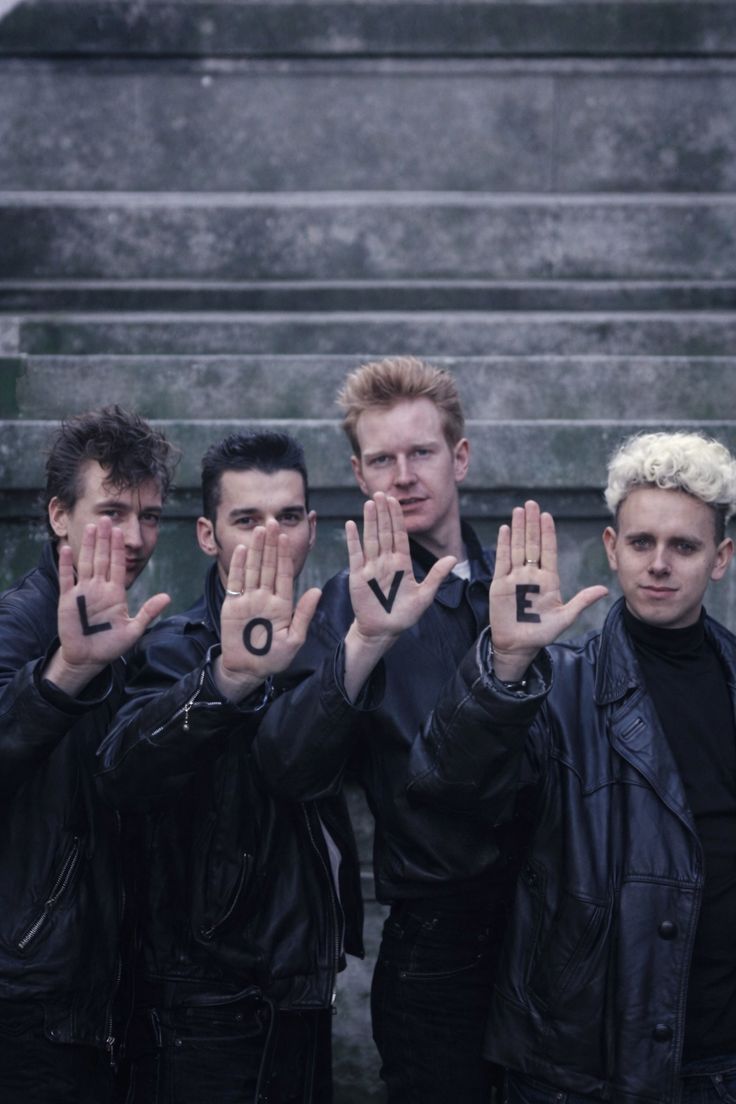
29A ▸ Depeche Mode
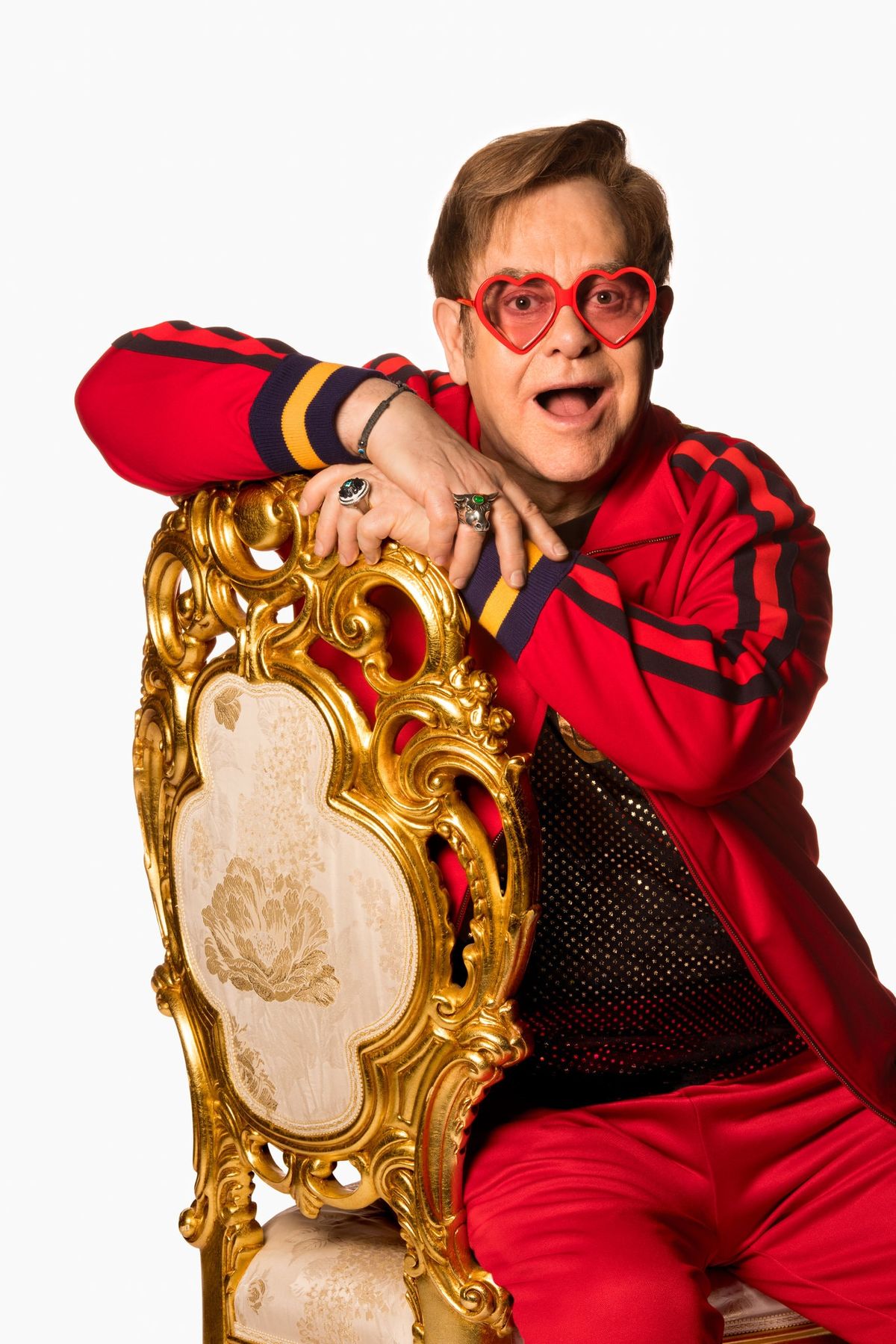
30A ▸ Elton John
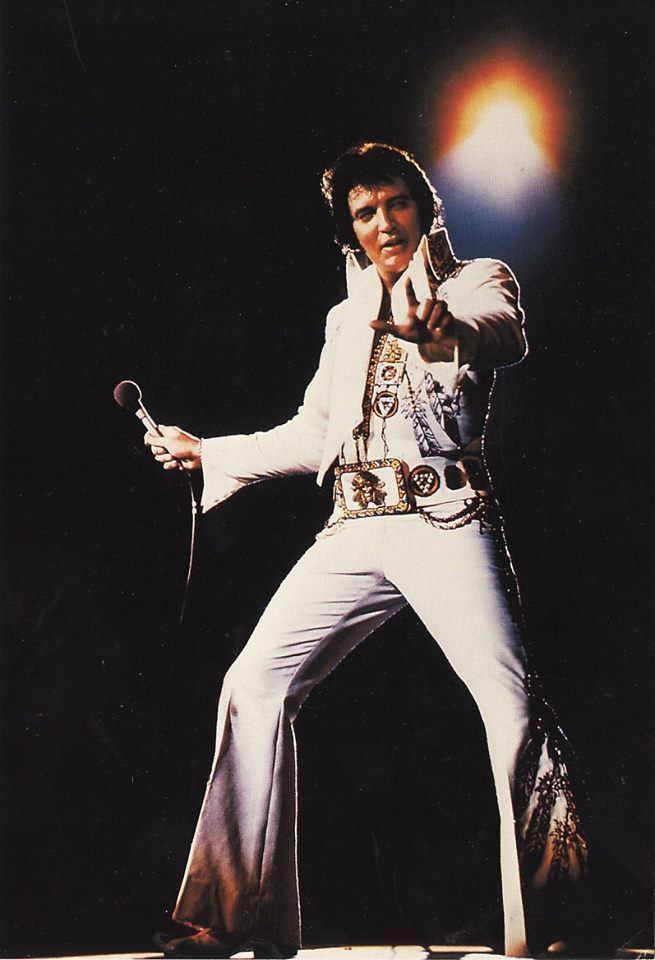
31A ▸ Elvis
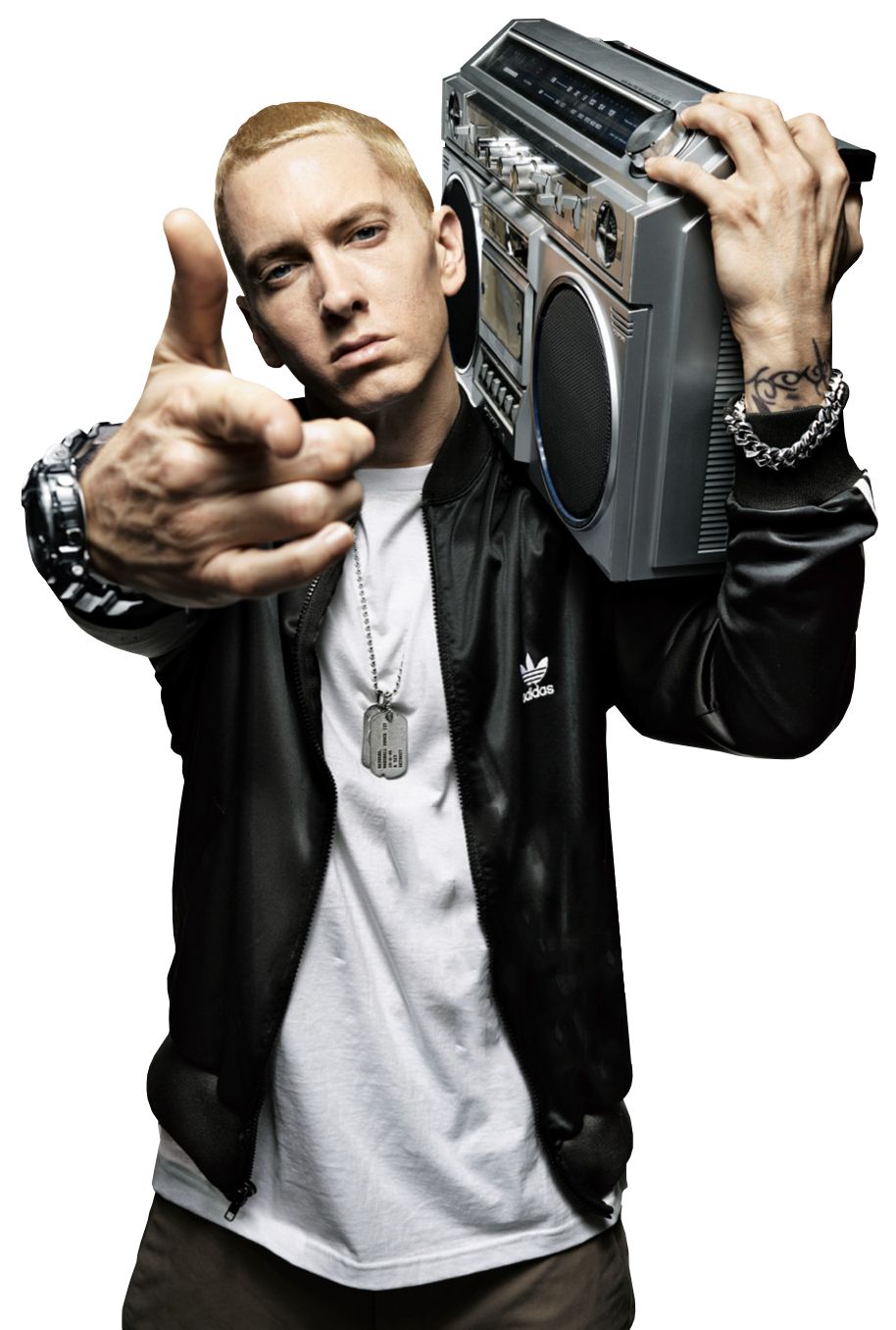
32A ▸ Eminem
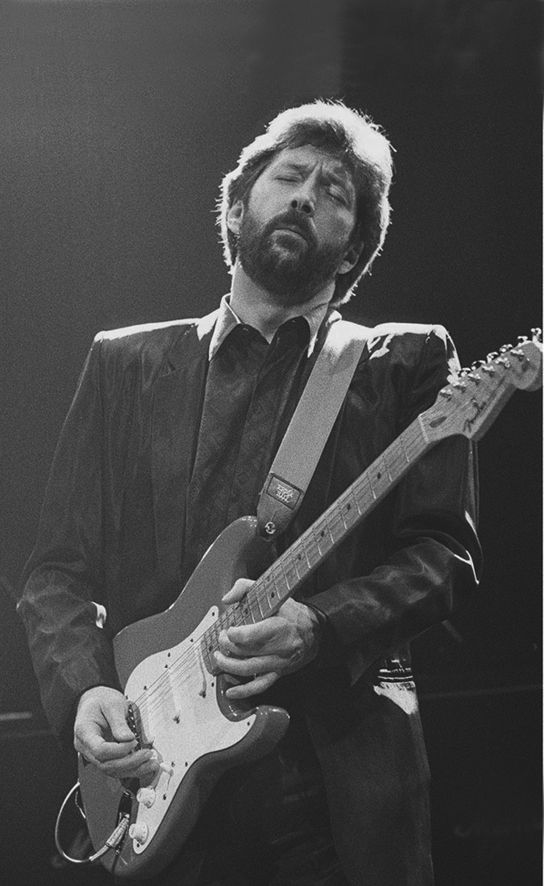
33A ▸ Eric Clapton
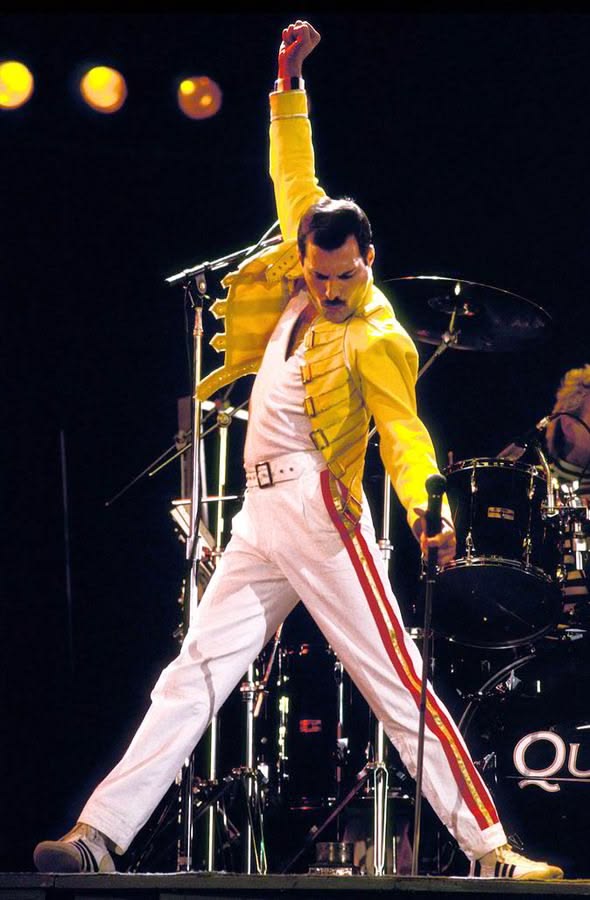
34A ▸ Freddie Mercury
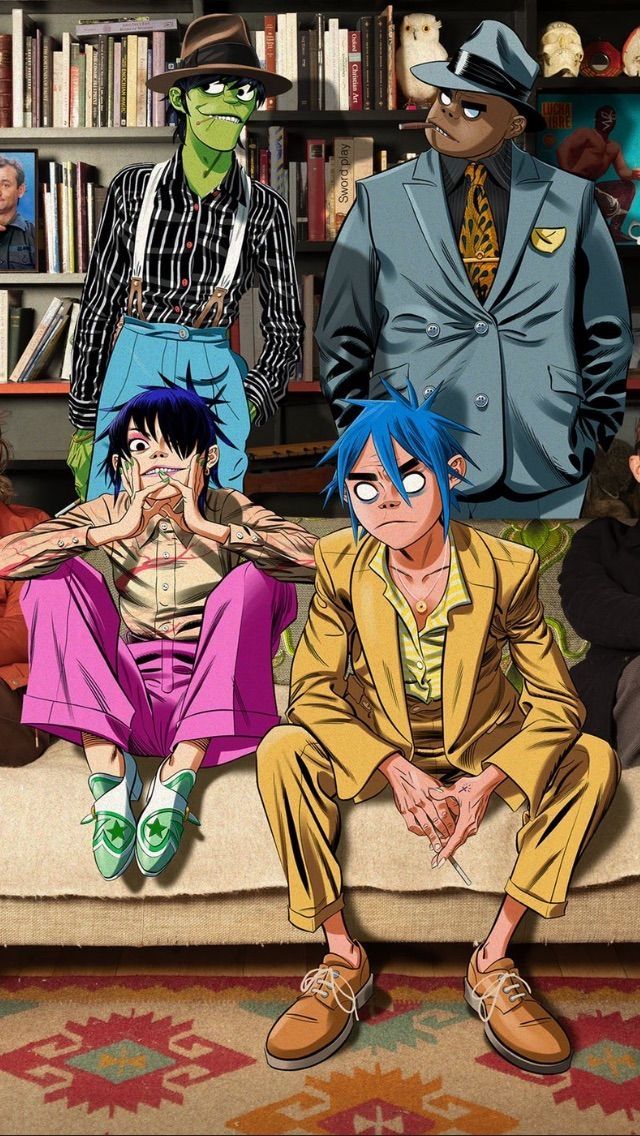
35A ▸ Gorillaz
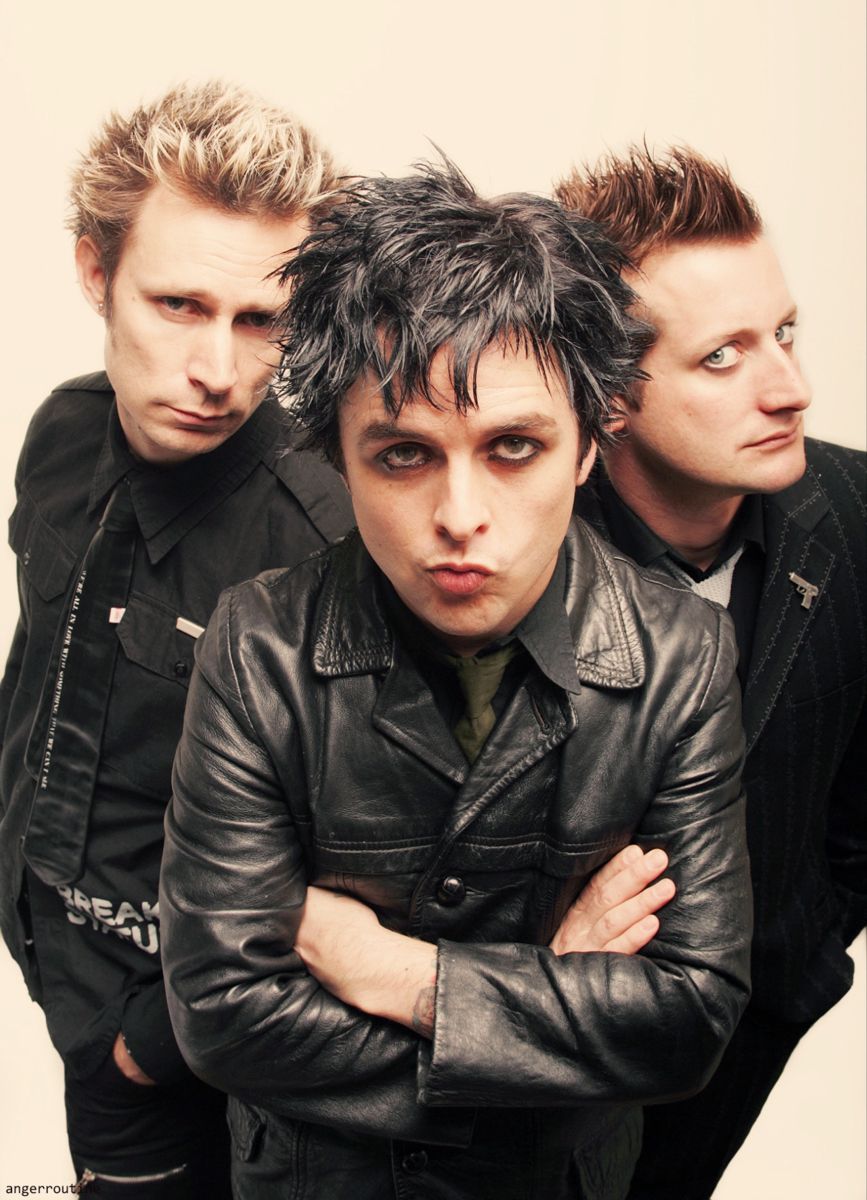
36A ▸ Green Day
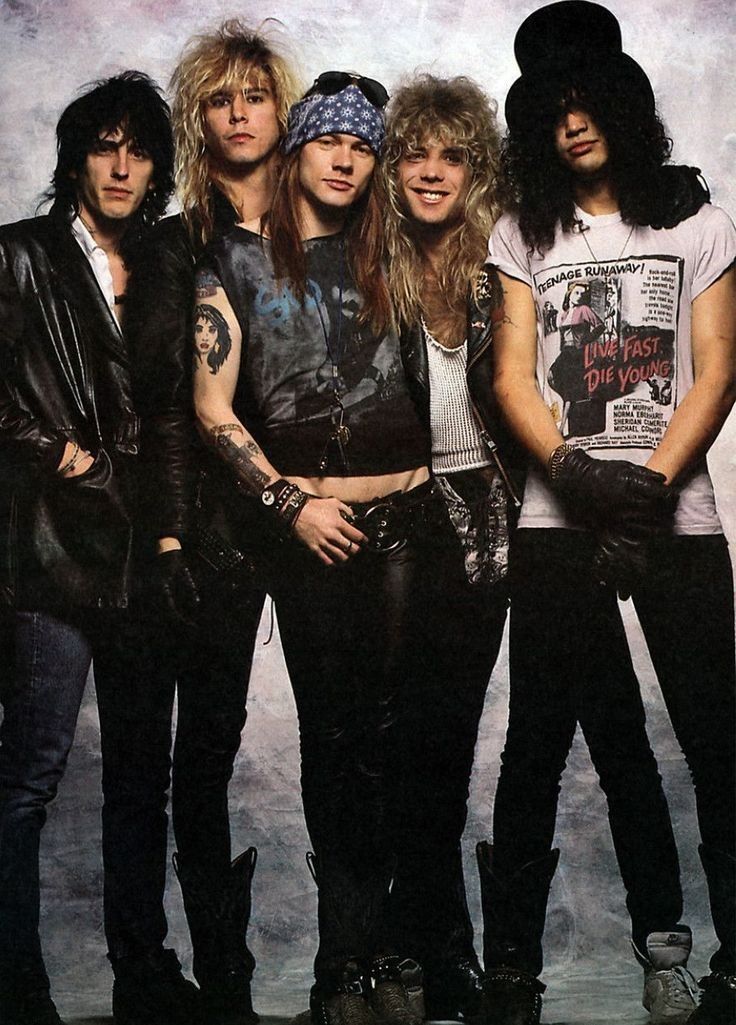
37A ▸ Guns N' Roses

38A ▸ Heart
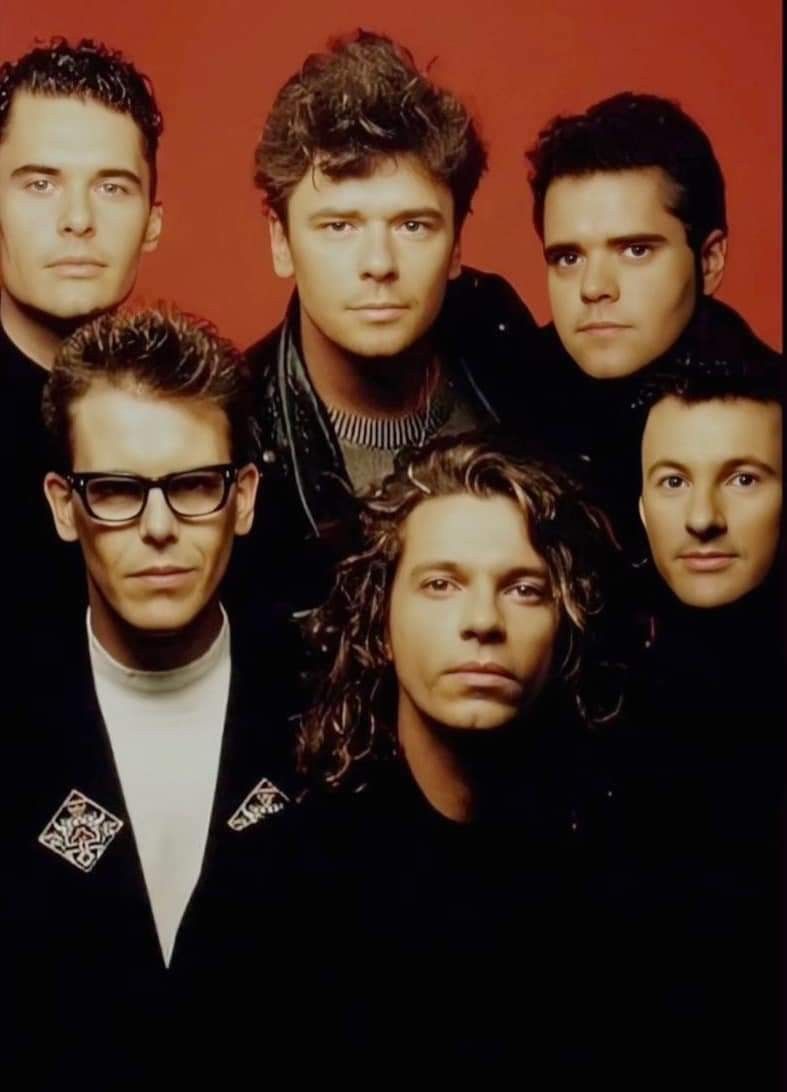
39A ▸ INXS
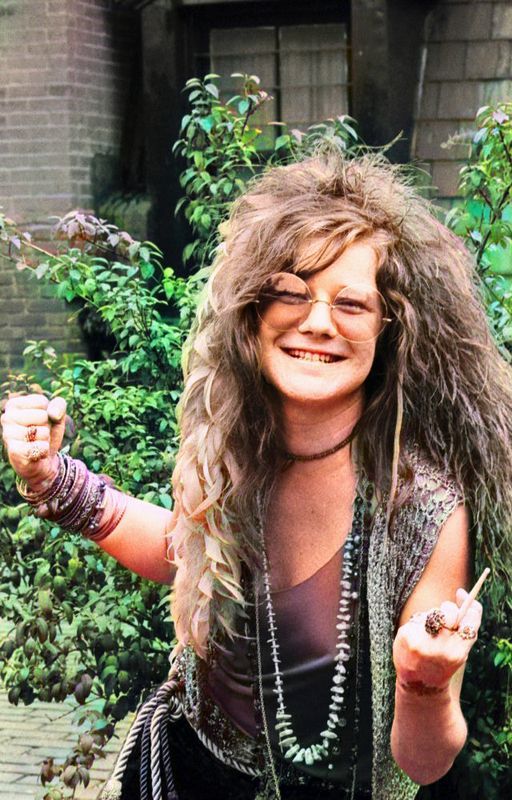
40A ▸ Janis Joplin
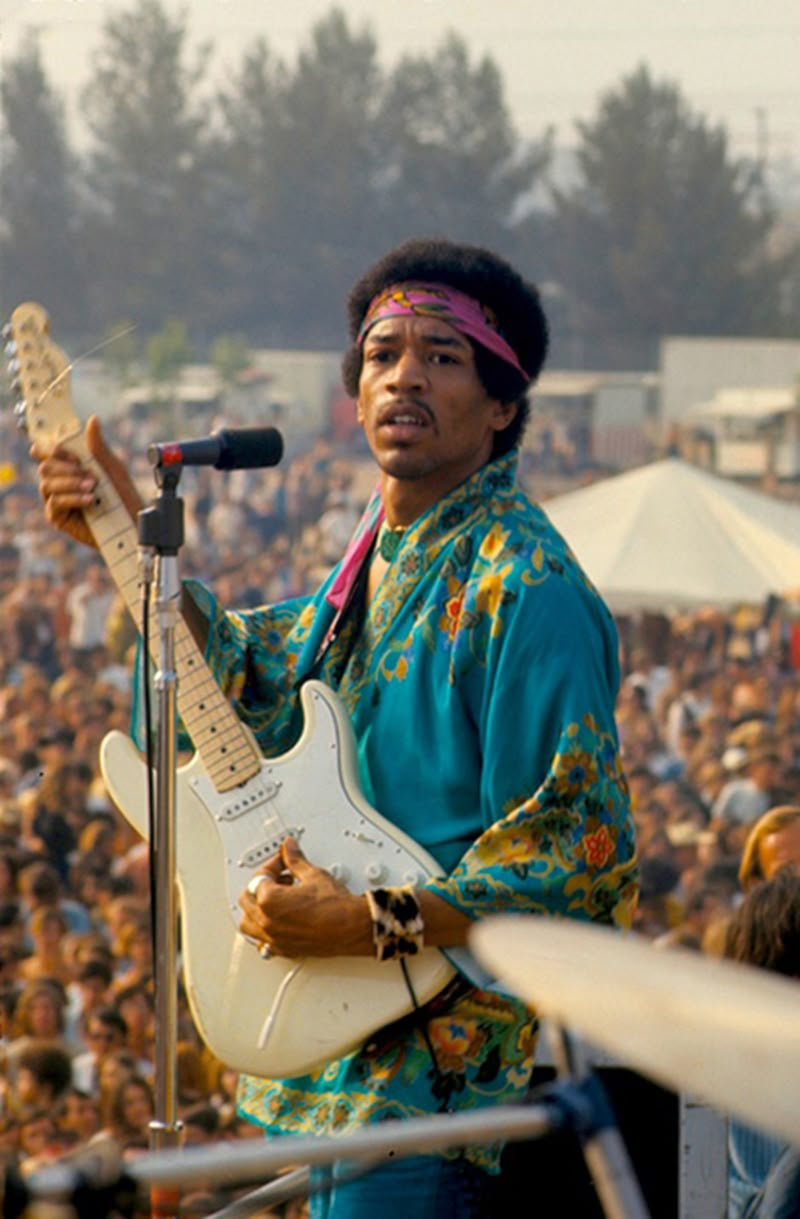
41A ▸ Jimi Hendrix
42A ▸ Joan Jett
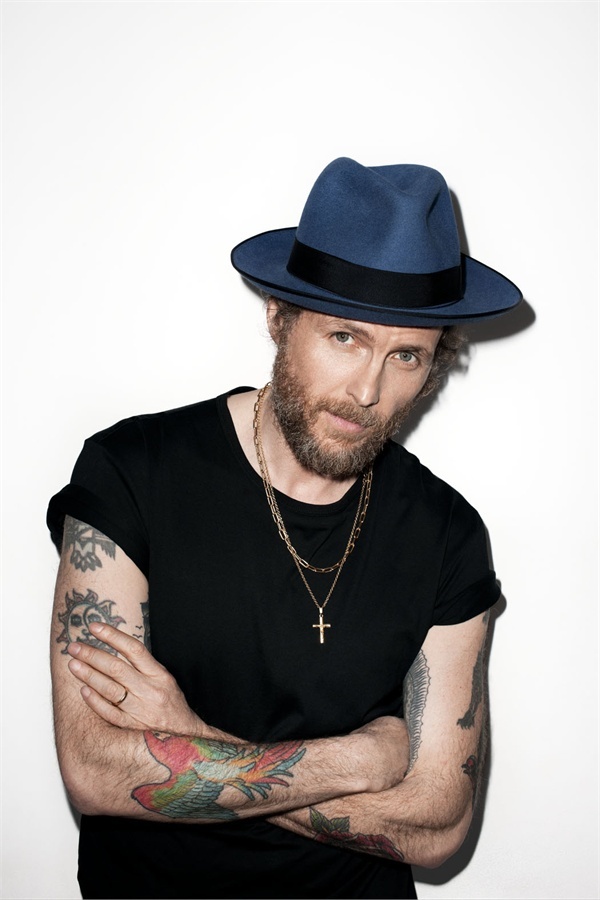
43A ▸ Jovanotti
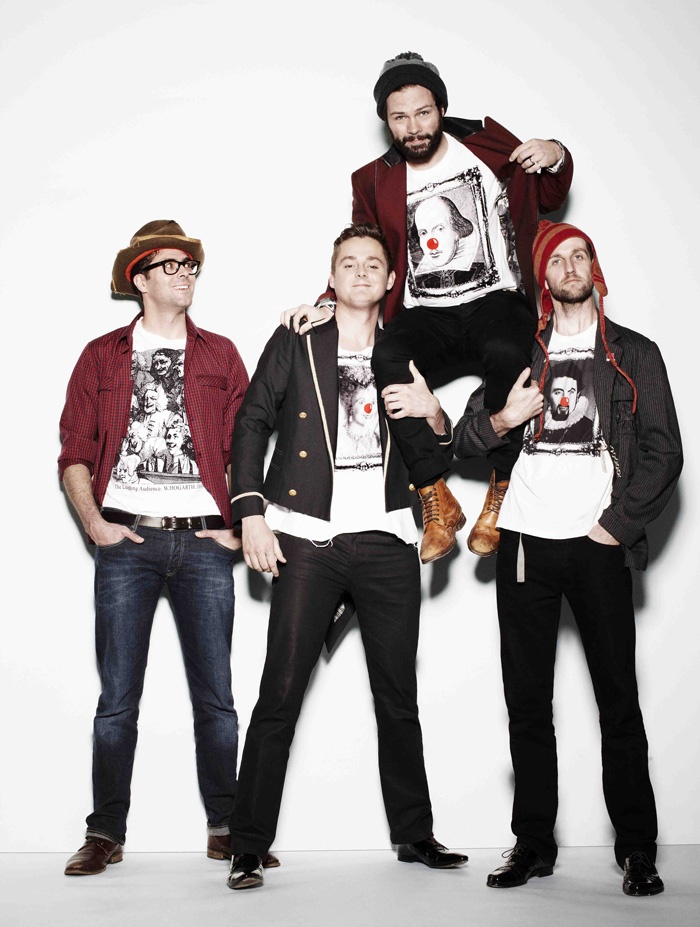
44A ▸ Keane
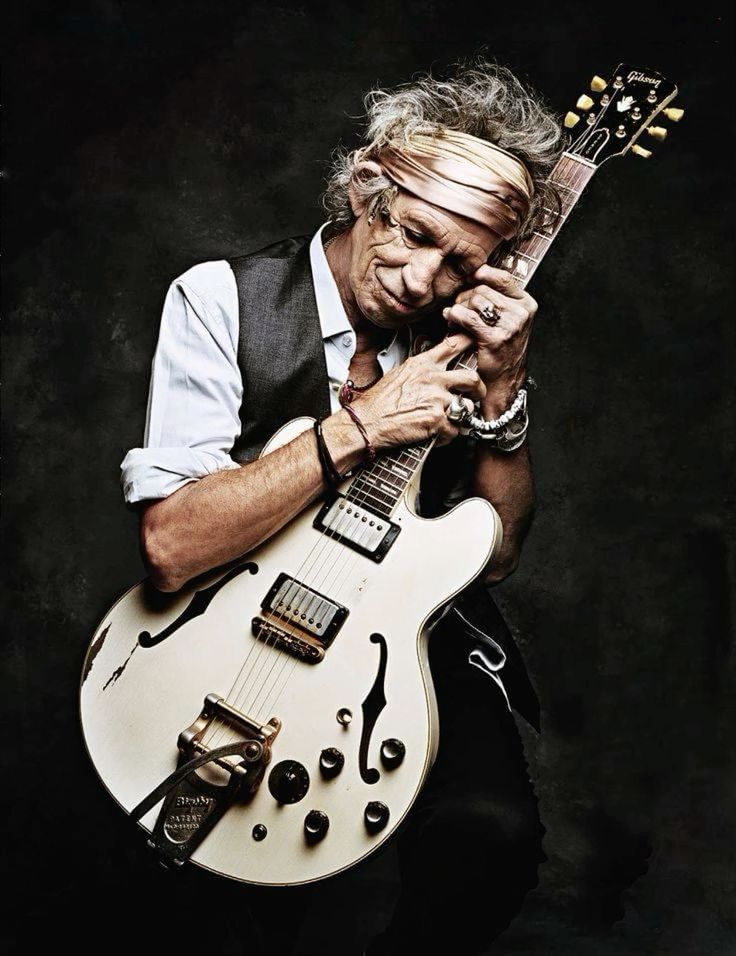
45A ▸ Keith Richards
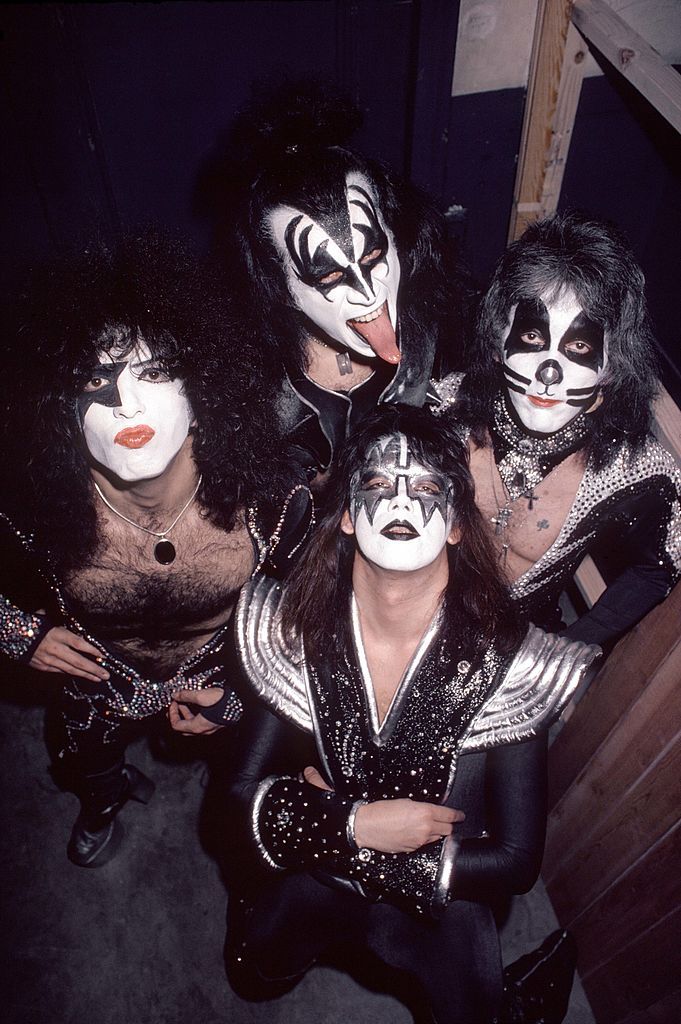
46A ▸ KISS
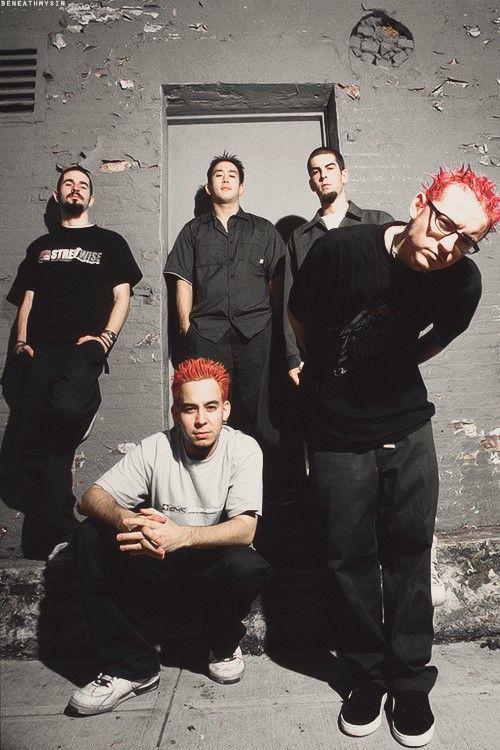
47A ▸ Linkin Park
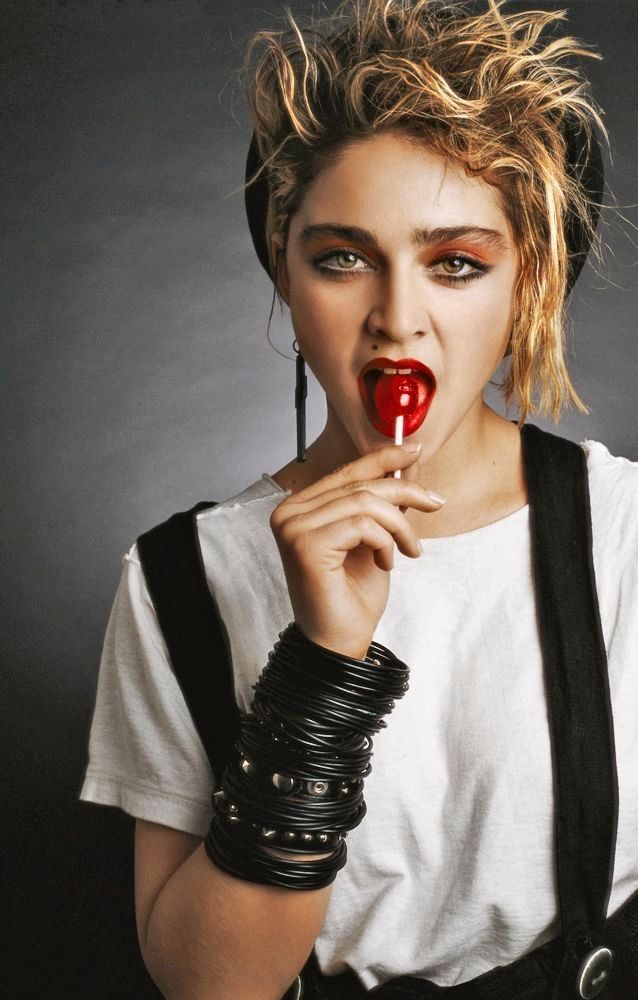
48A ▸ Madonna
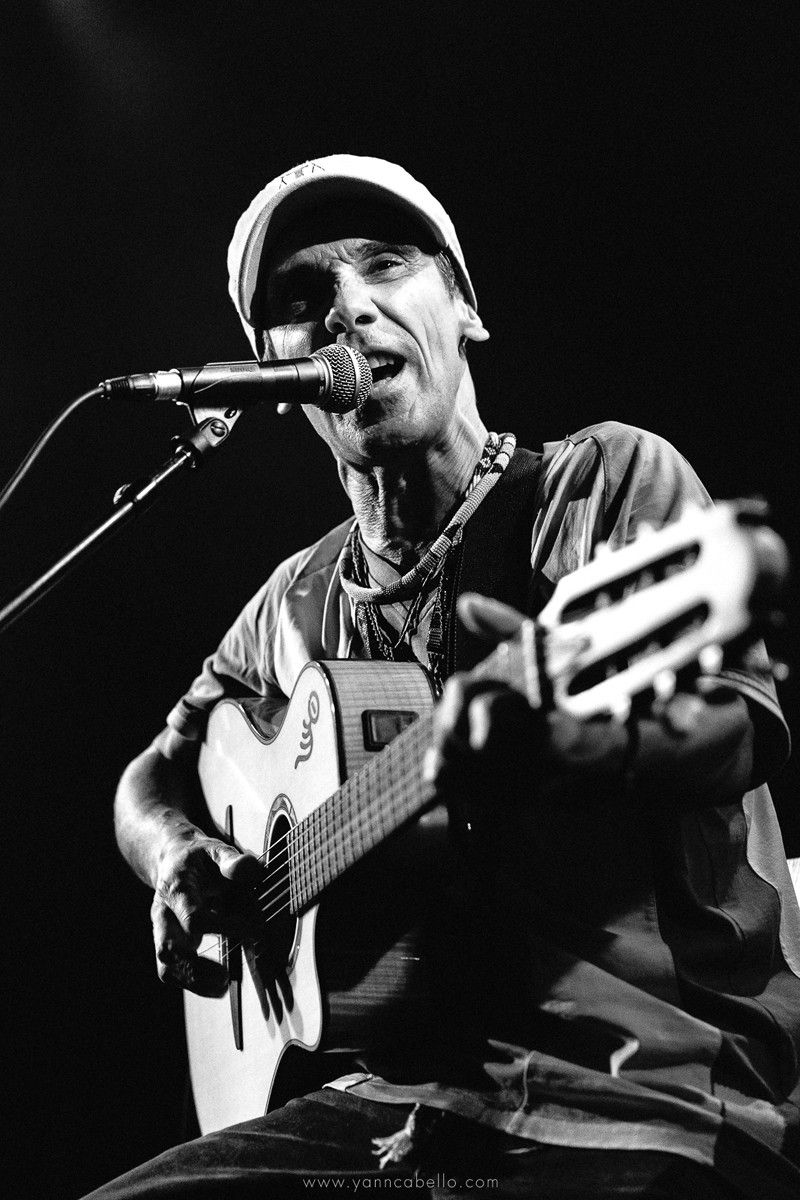
49A ▸ Manu Chao
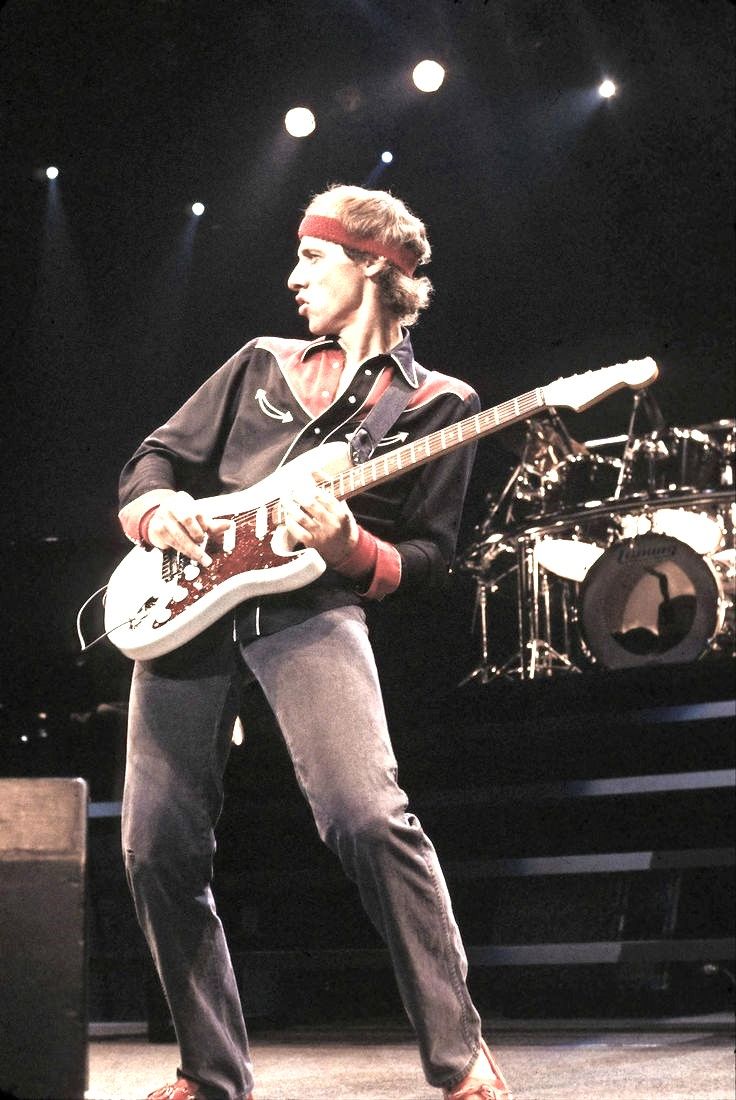
50A ▸ Mark Knopfler
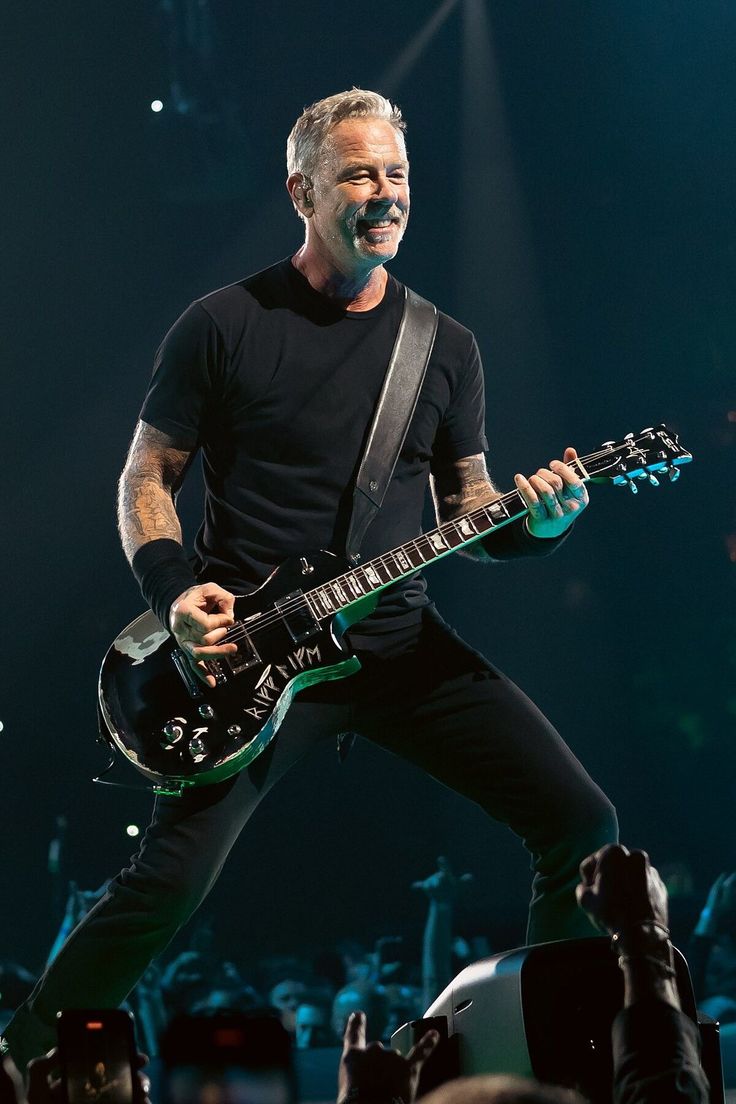
51A ▸ Metallica
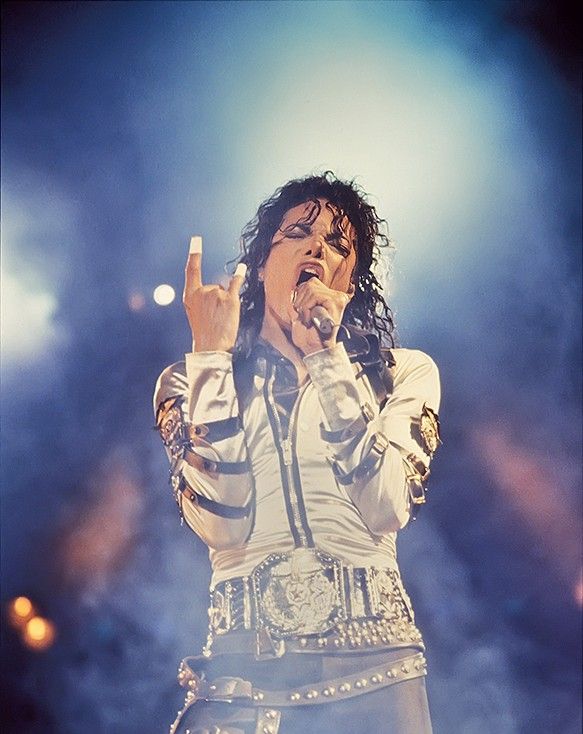
52A ▸ Michael Jackson
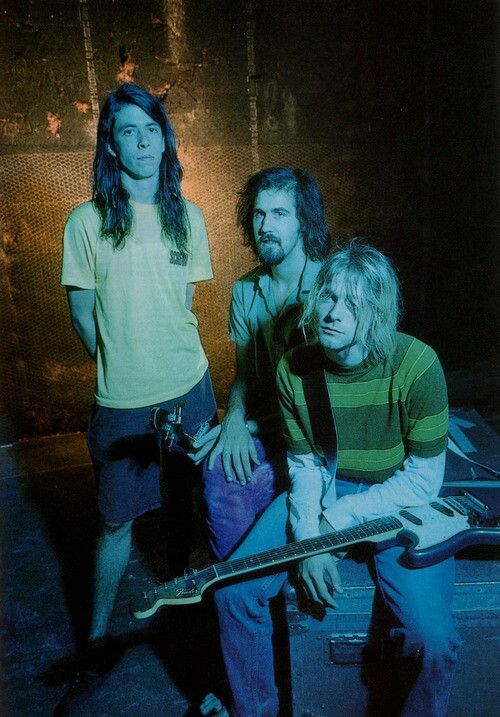
53A ▸ Nirvana
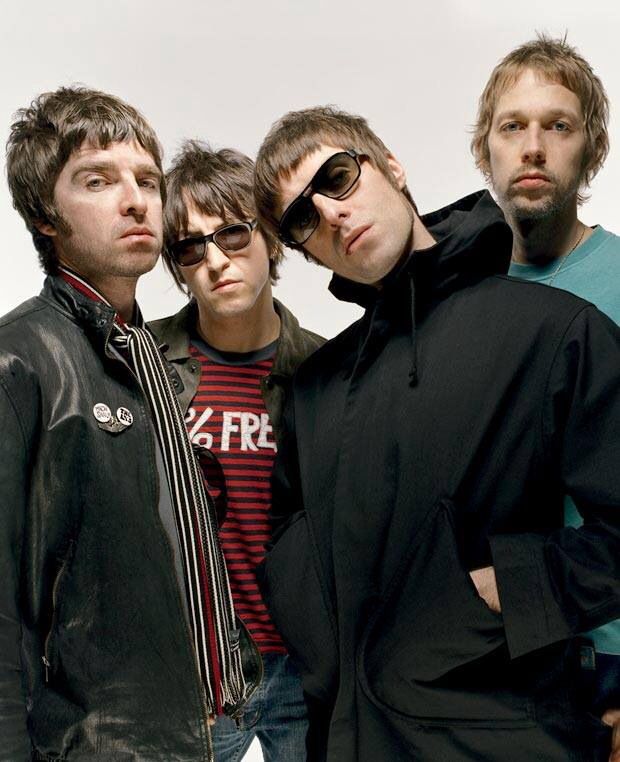
54A ▸ Oasis
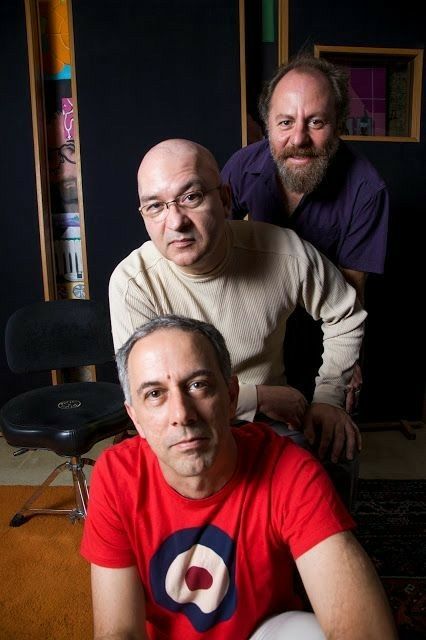
55A ▸ Os Paralamas do Sucesso
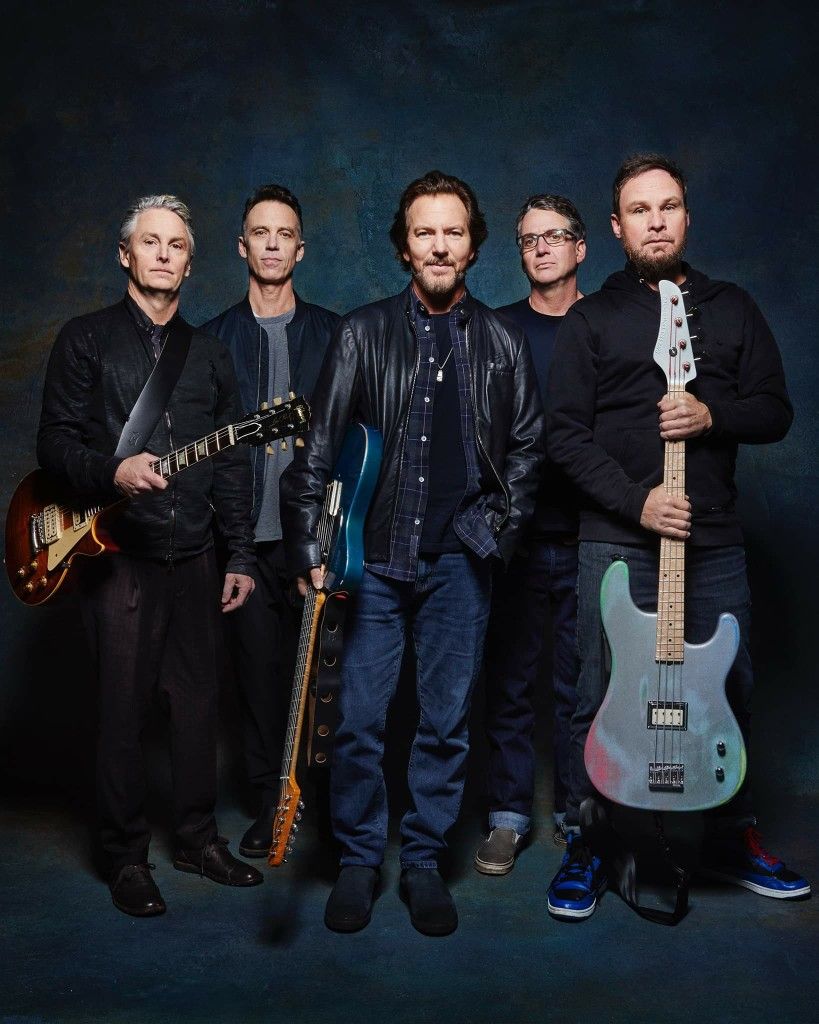
56A ▸ Pearl Jam
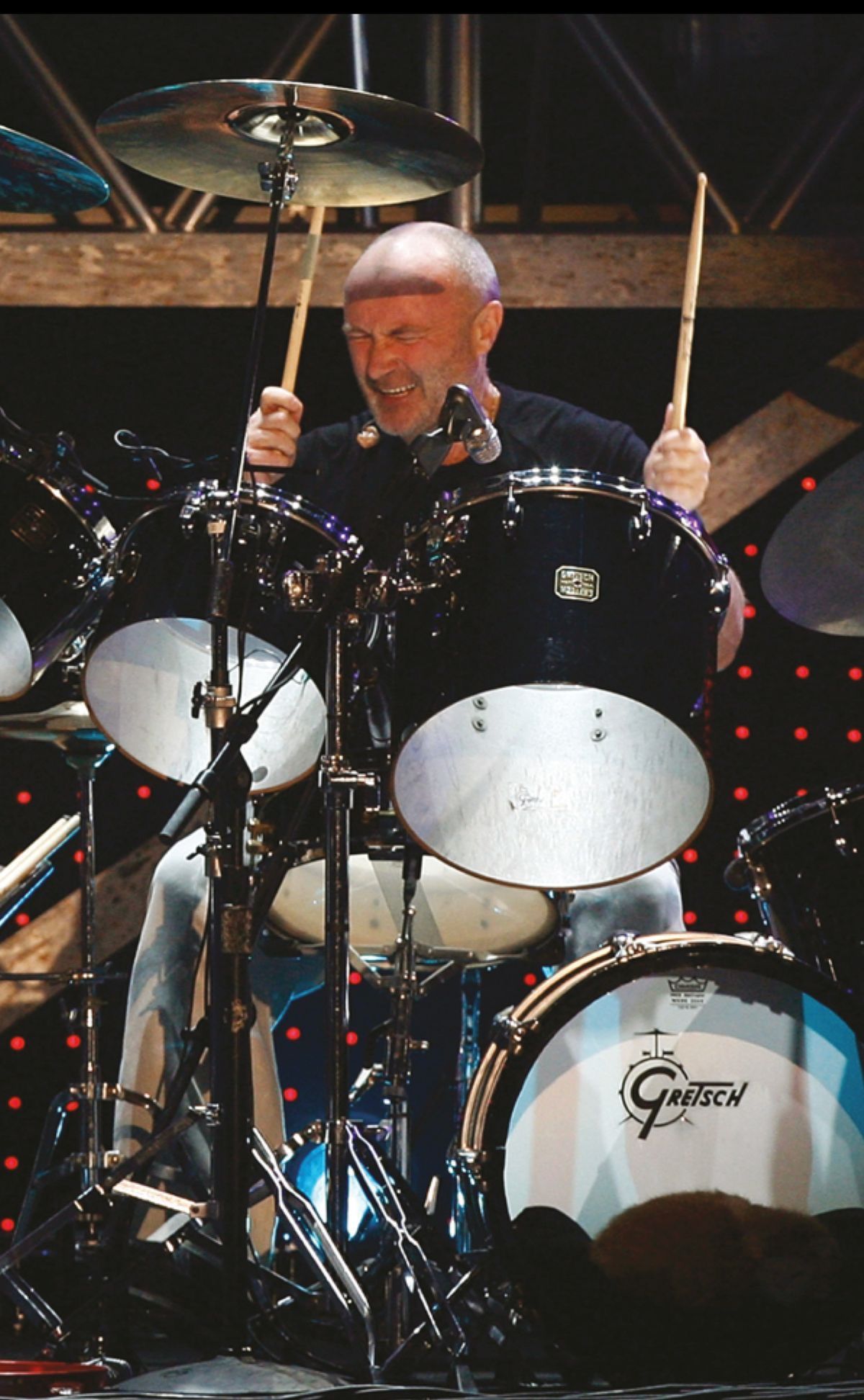
57A ▸ Phil Collins
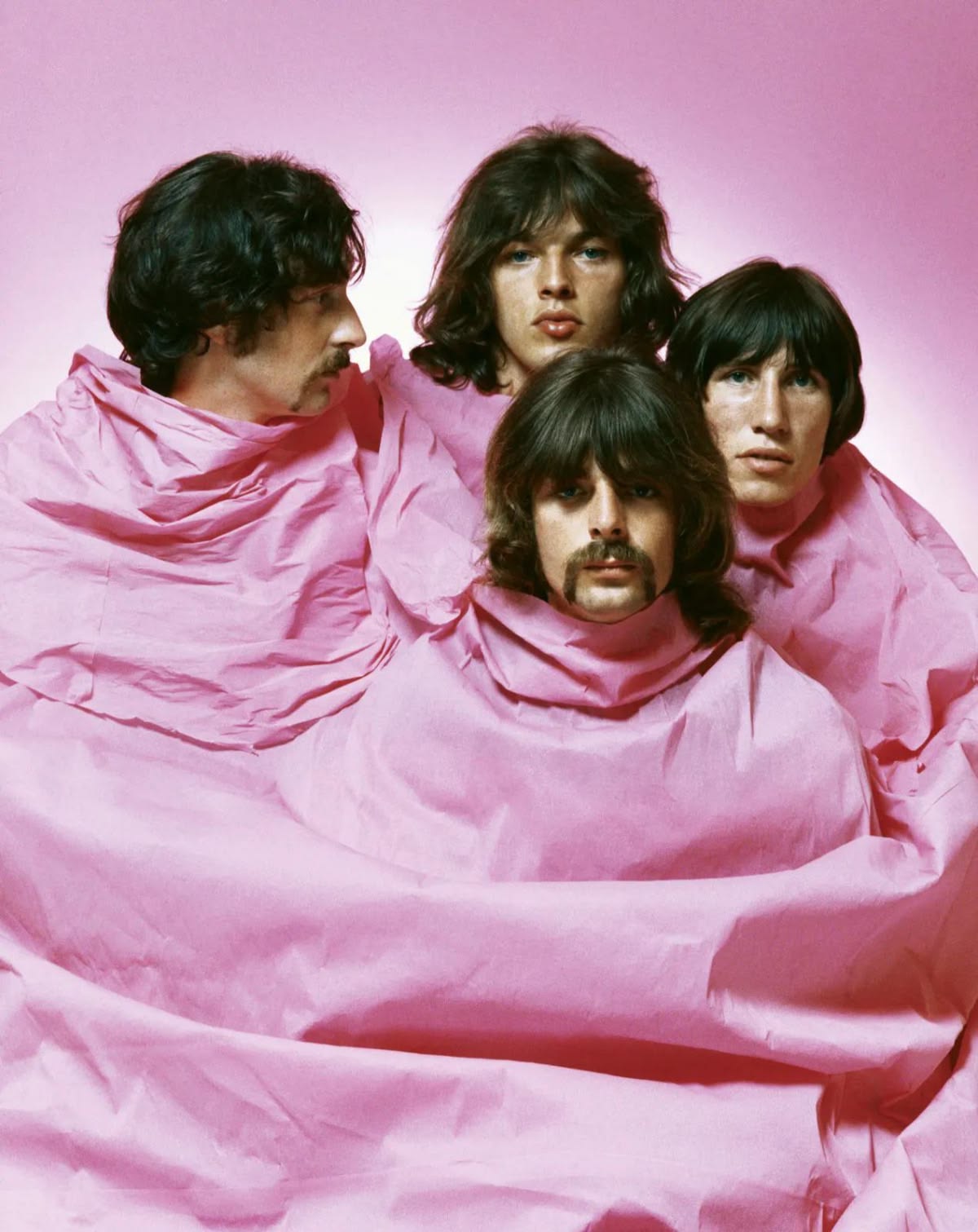
58A ▸ Pink Floyd
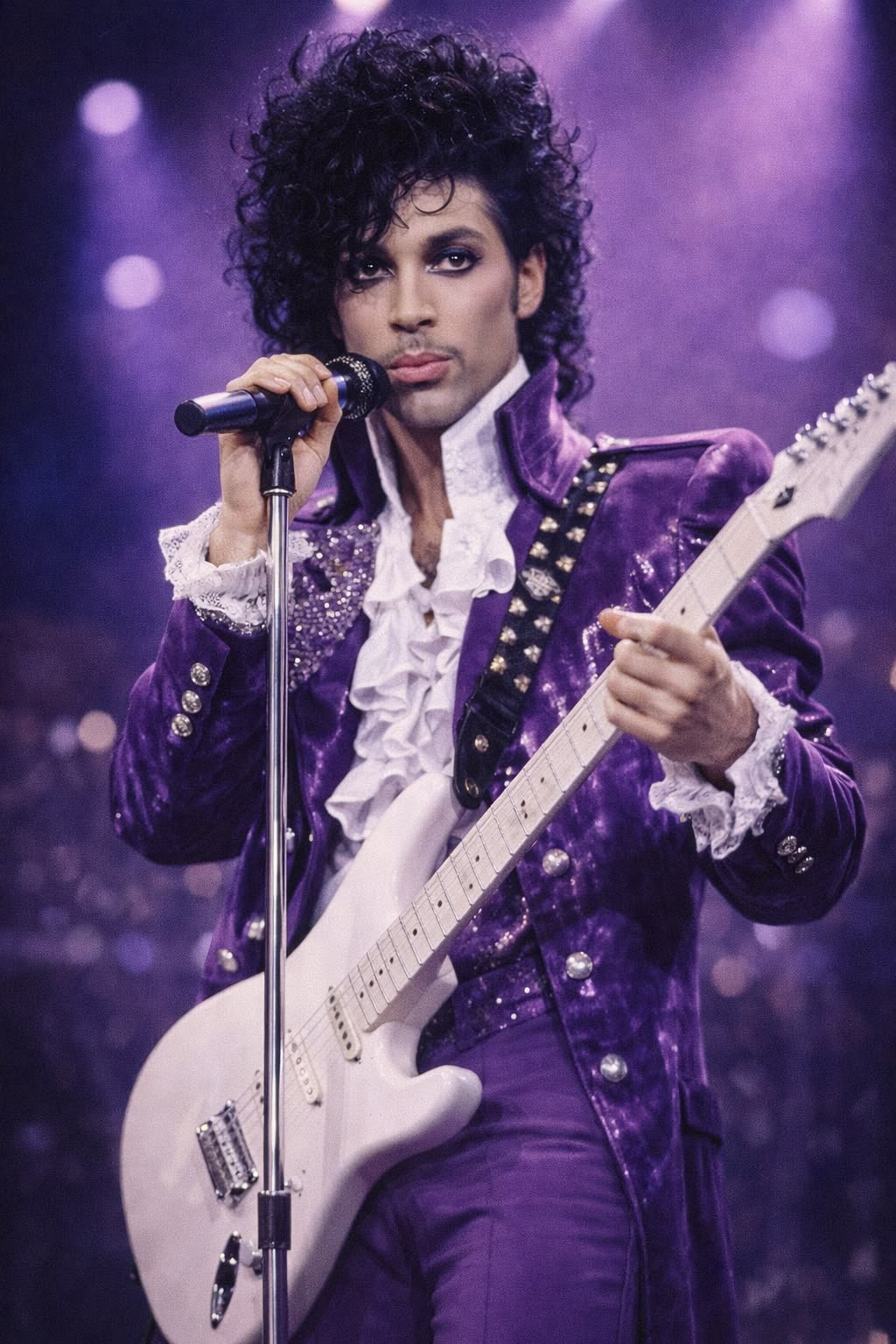
59A ▸ Prince
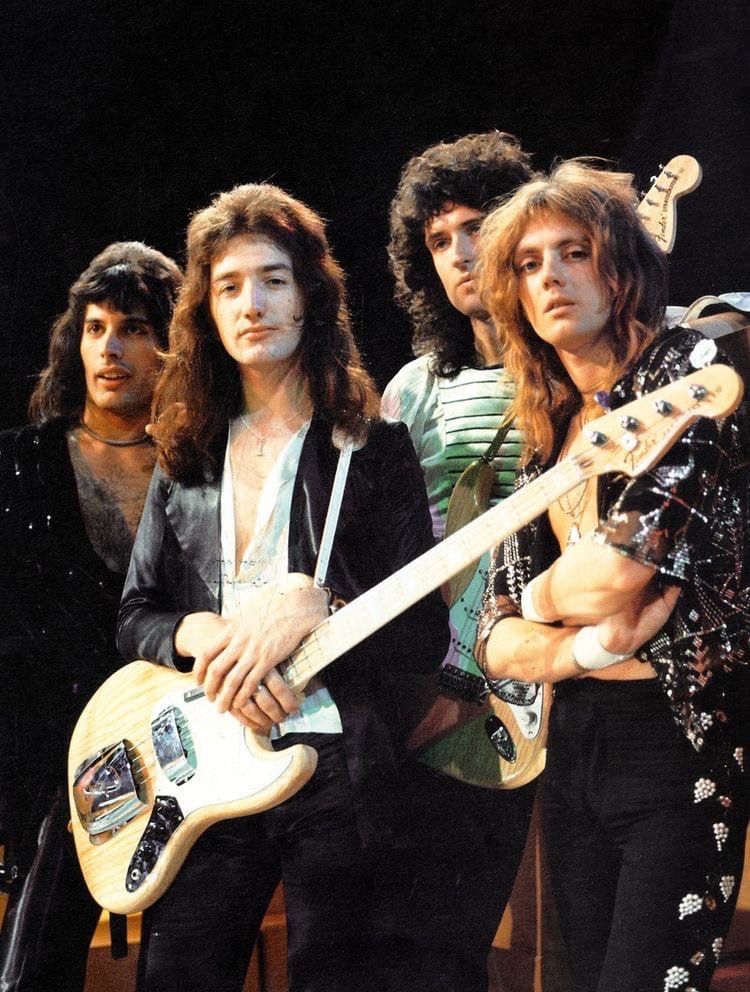
60A ▸ Queen
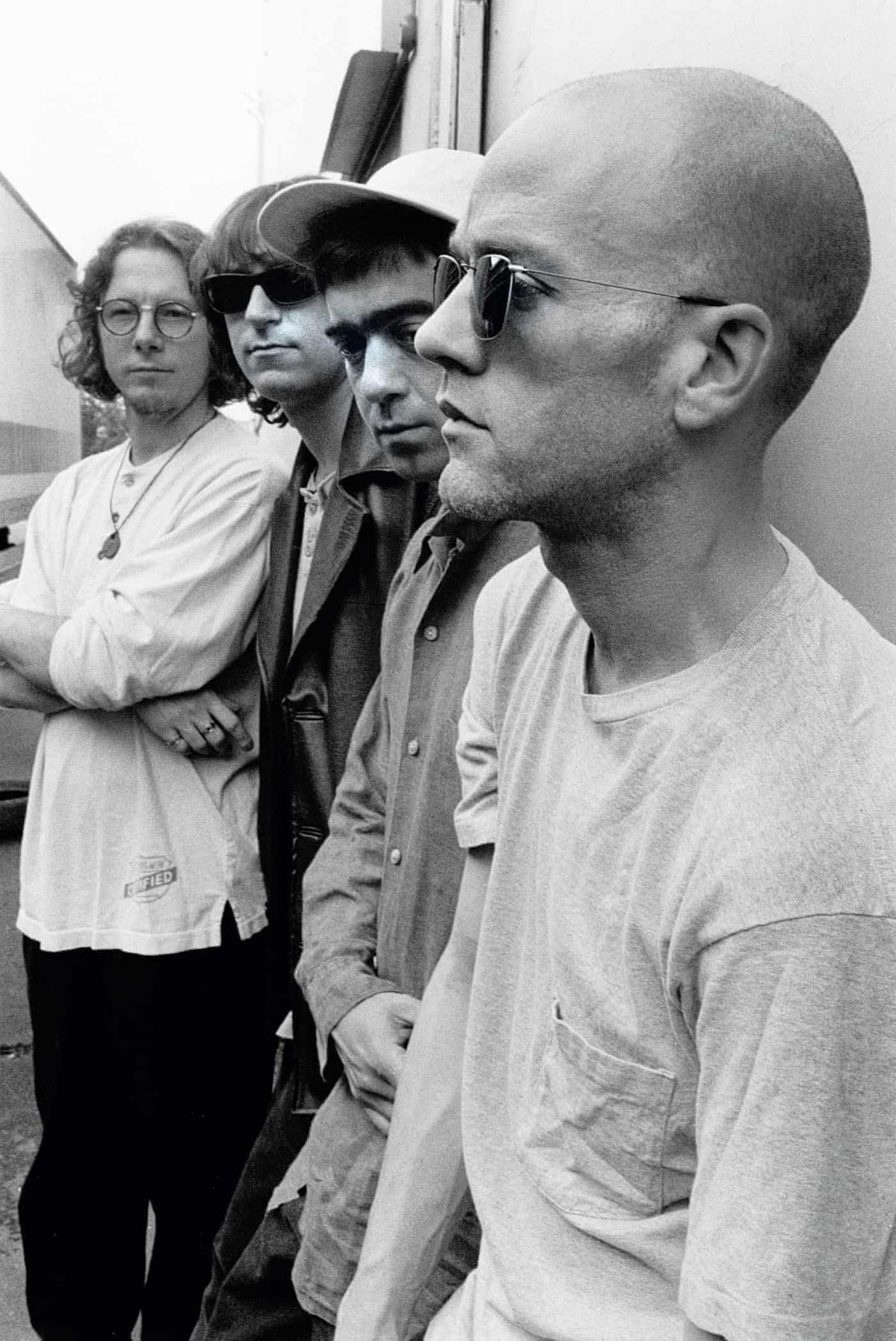
61A ▸ R.E.M.
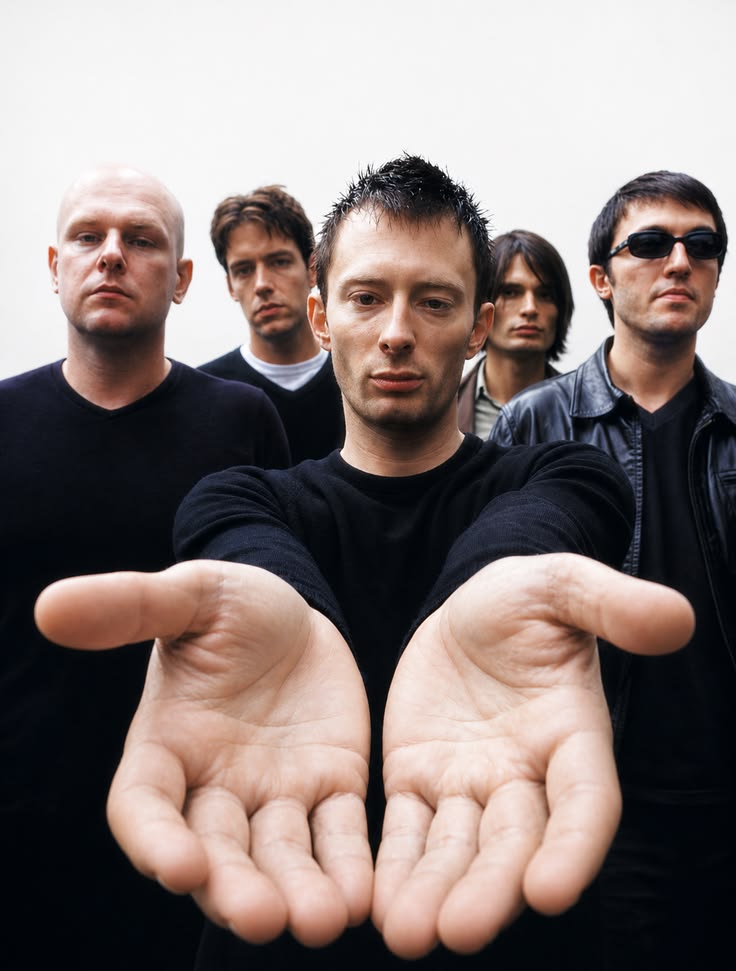
62A ▸ Radiohead
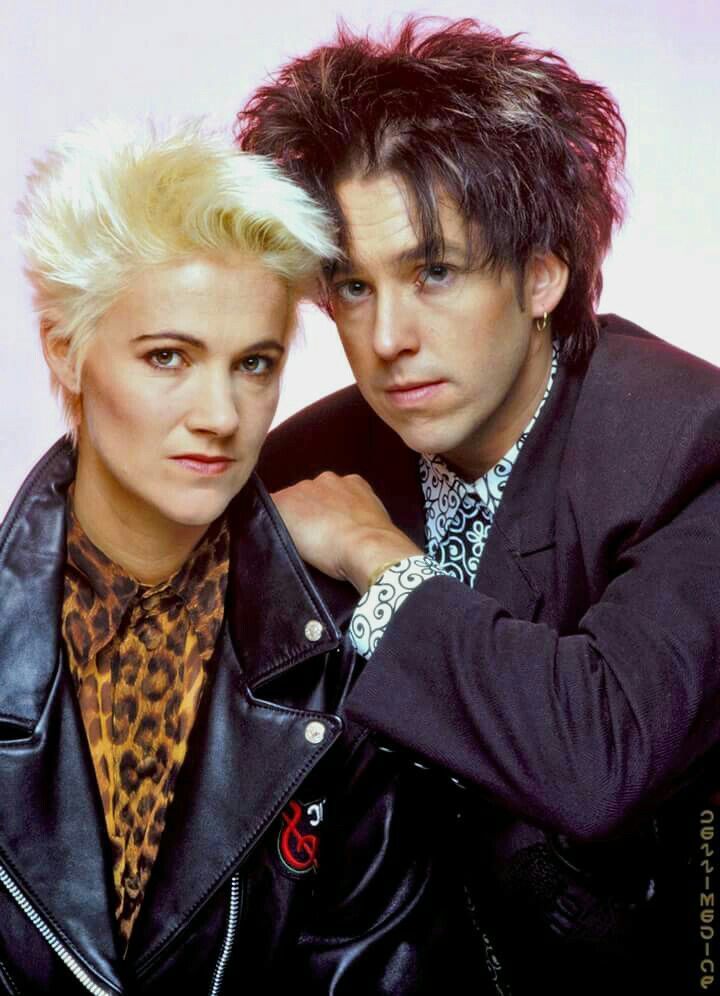
63A ▸ Roxette
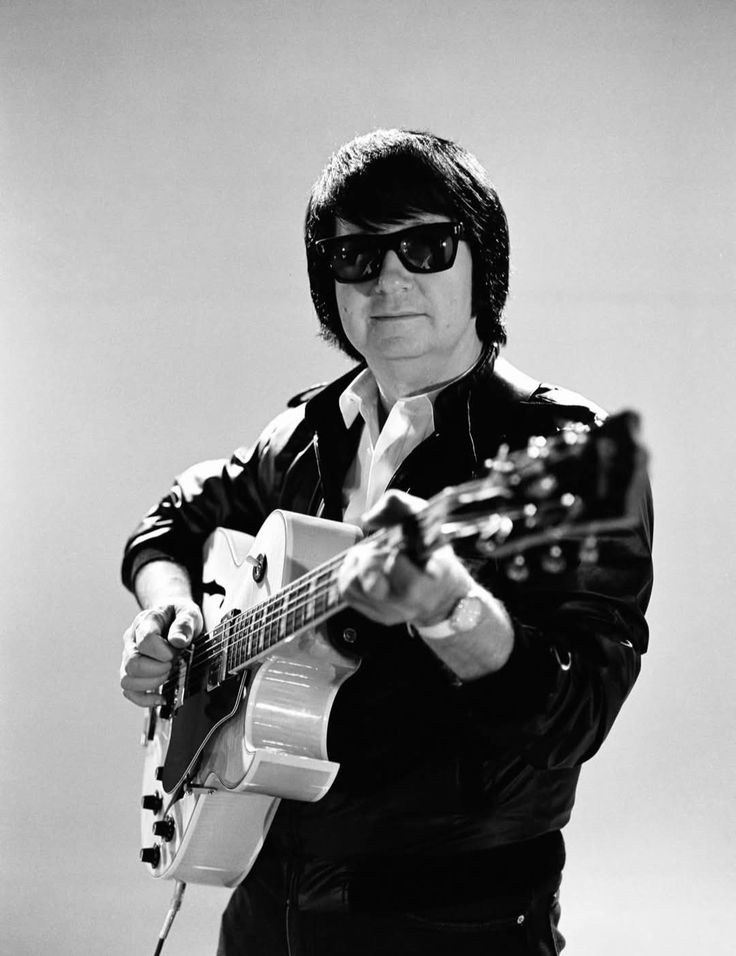
64A ▸ Roy Orbison
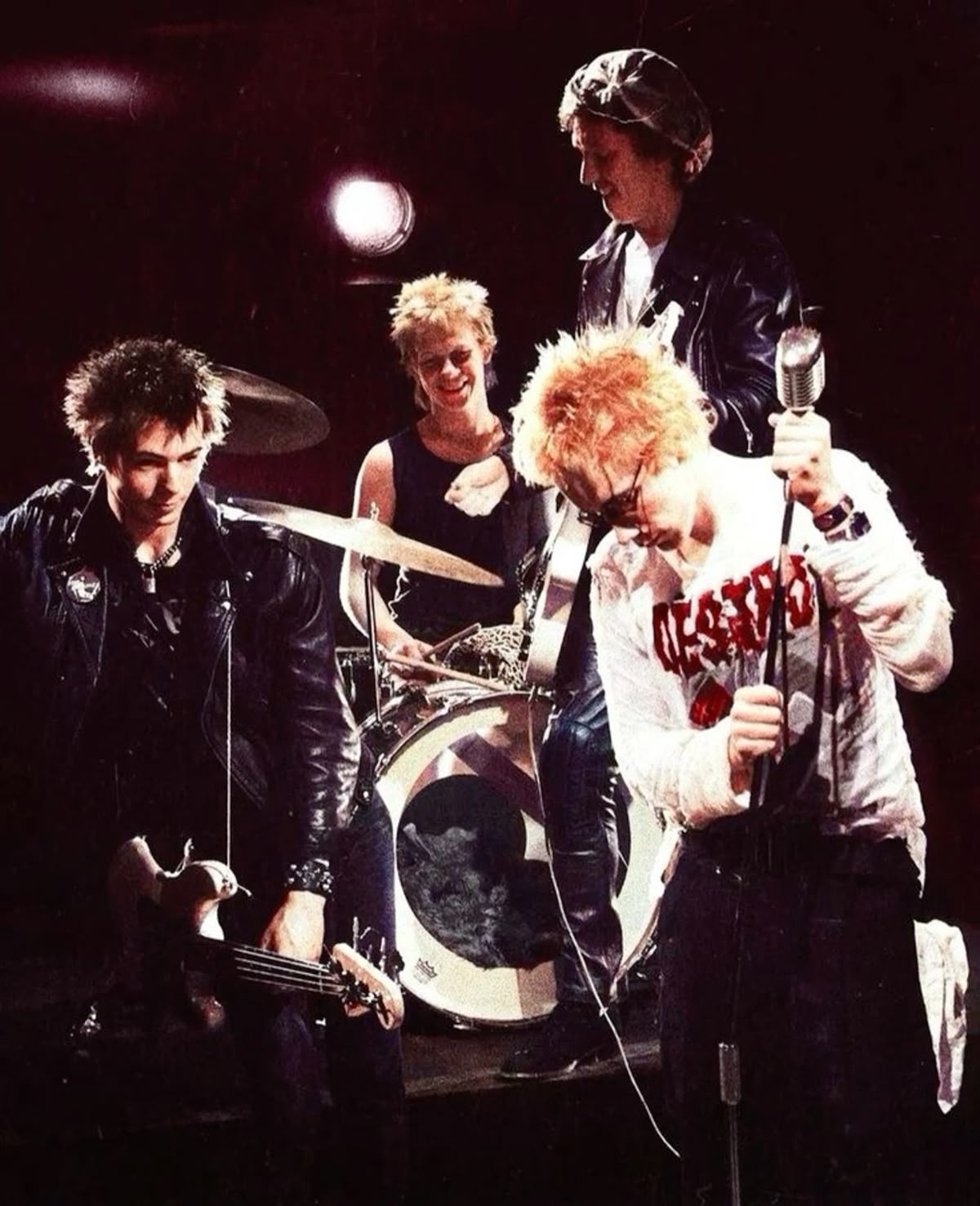
65A ▸ Sex Pistols
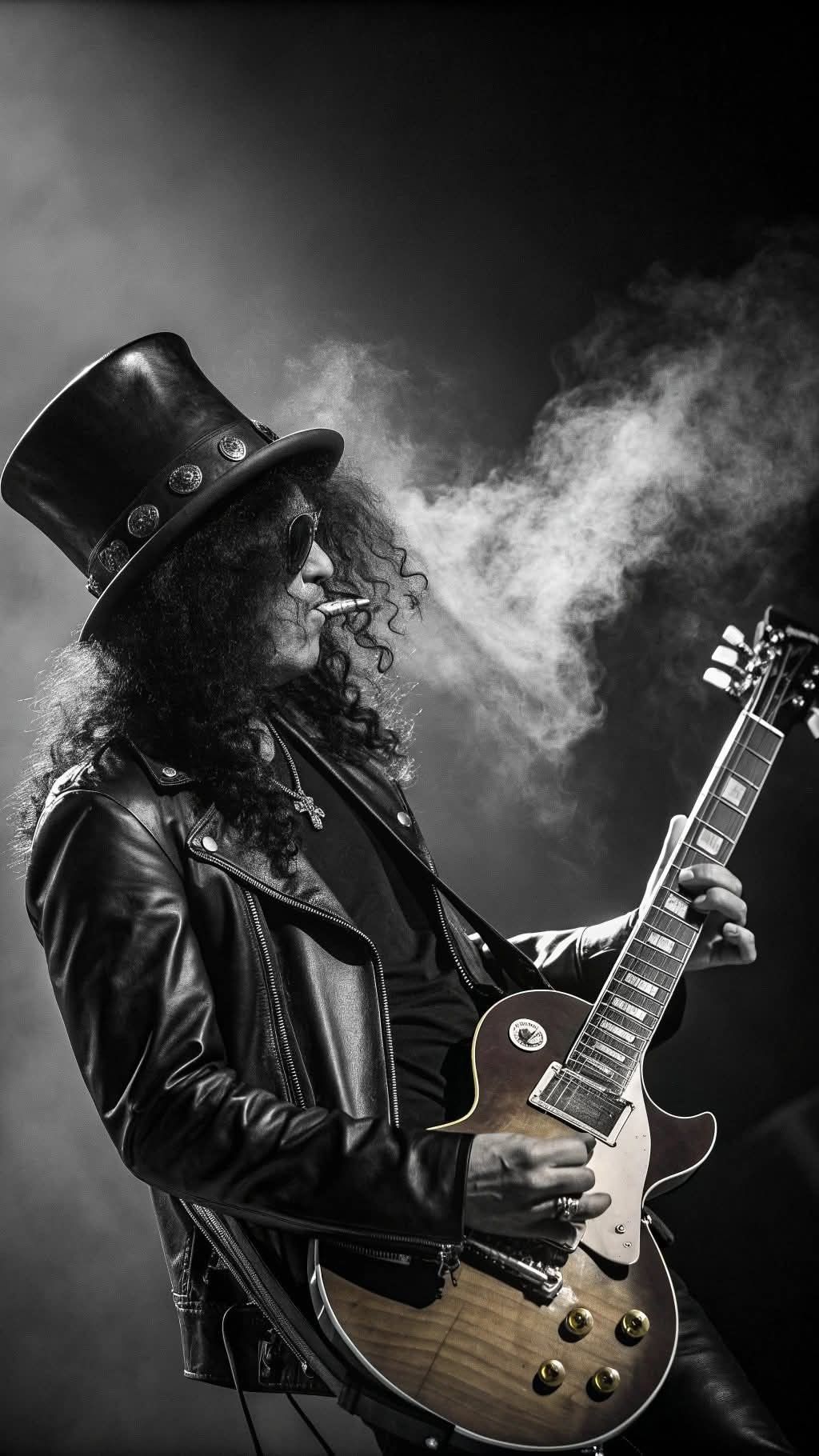
66A ▸ Slash
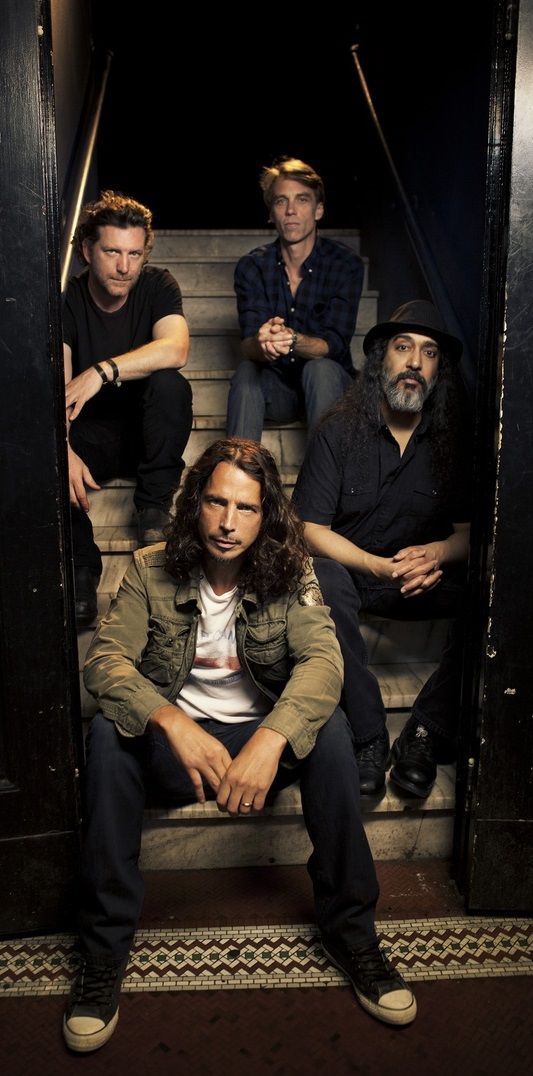
67A ▸ Soundgarden
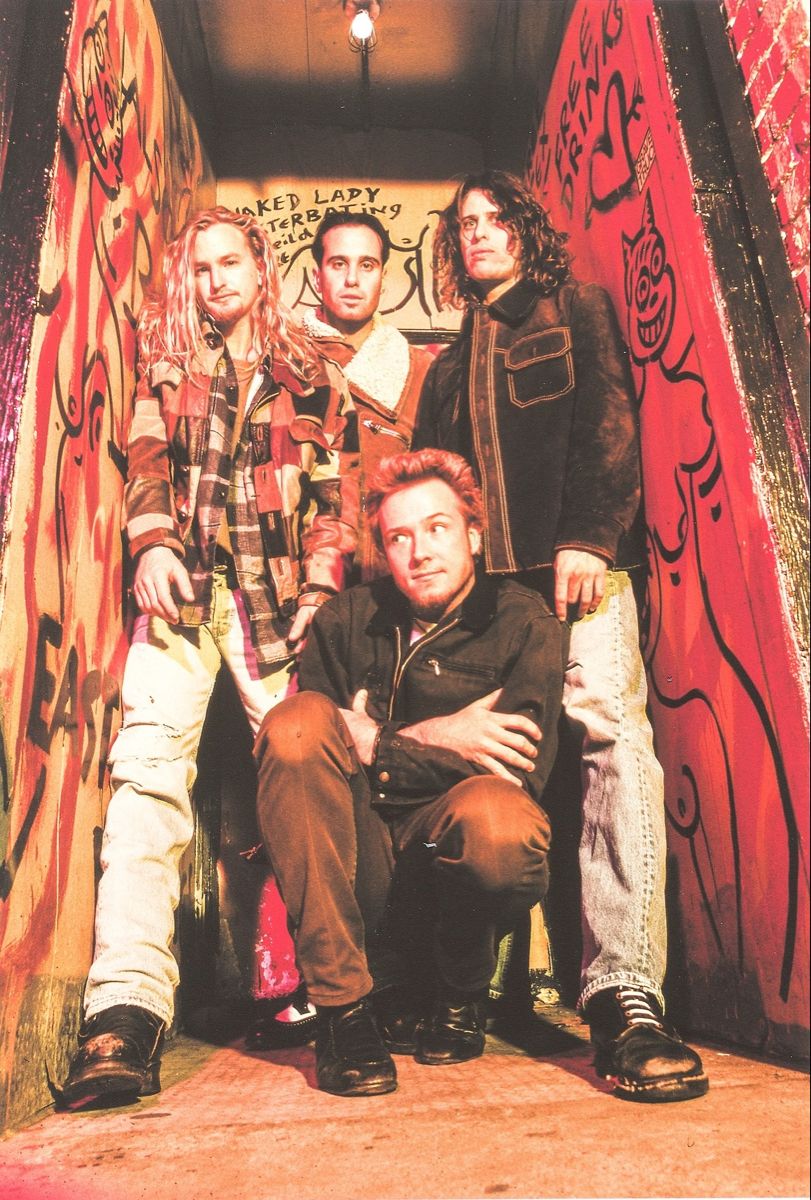
68A ▸ Stone Temple Pilots
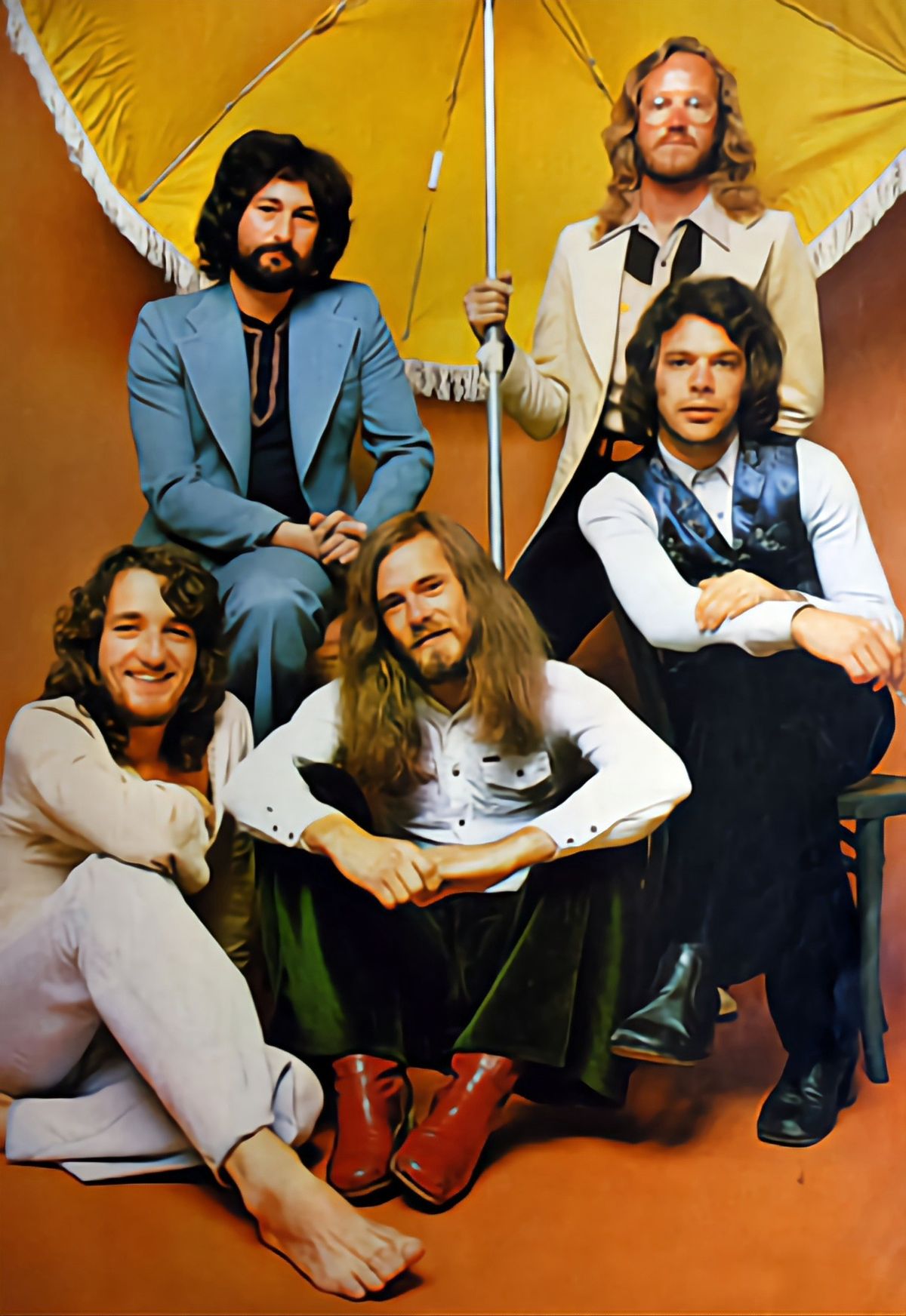
69A ▸ Supertramp
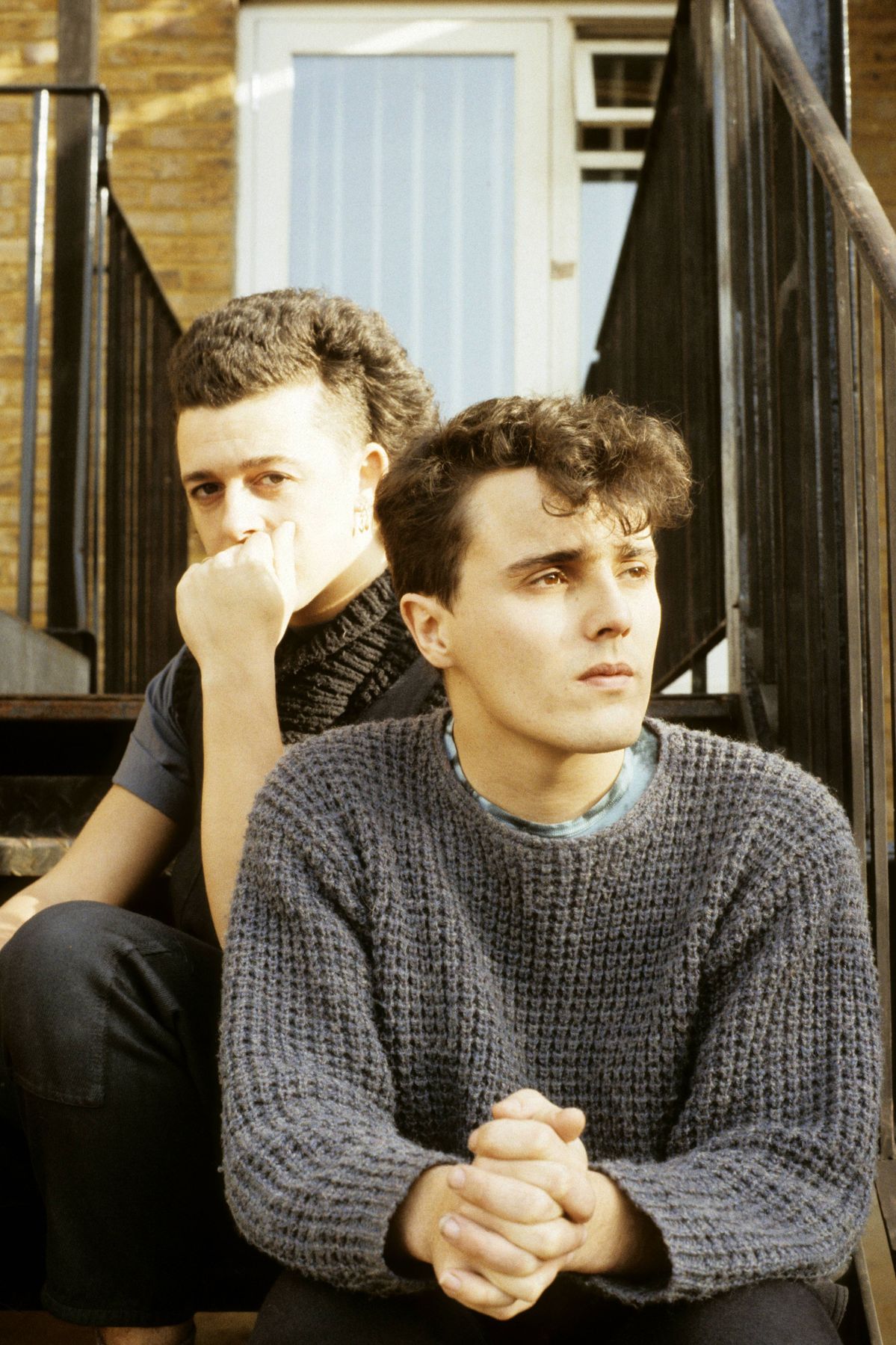
70A ▸ Tears for Fears
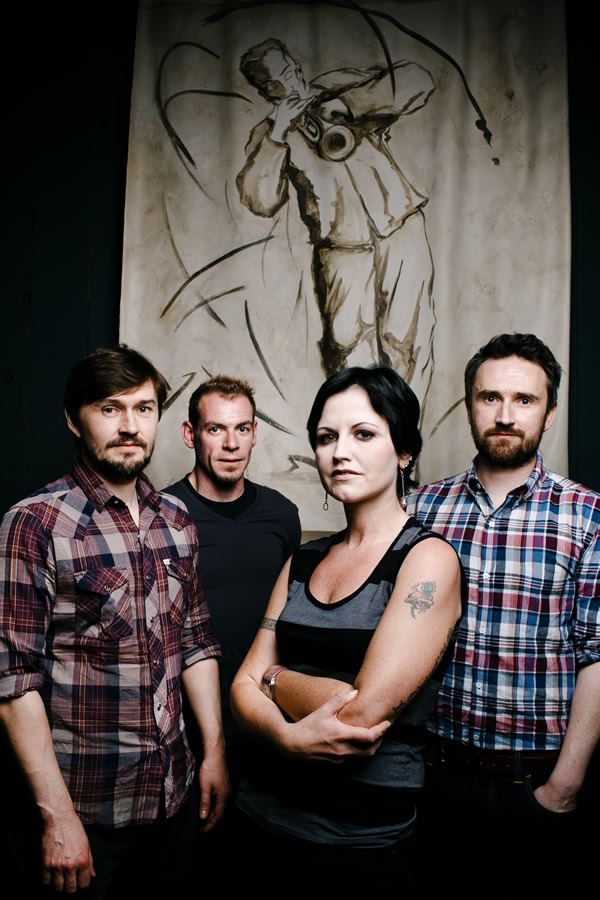
71A ▸ The Cranberries
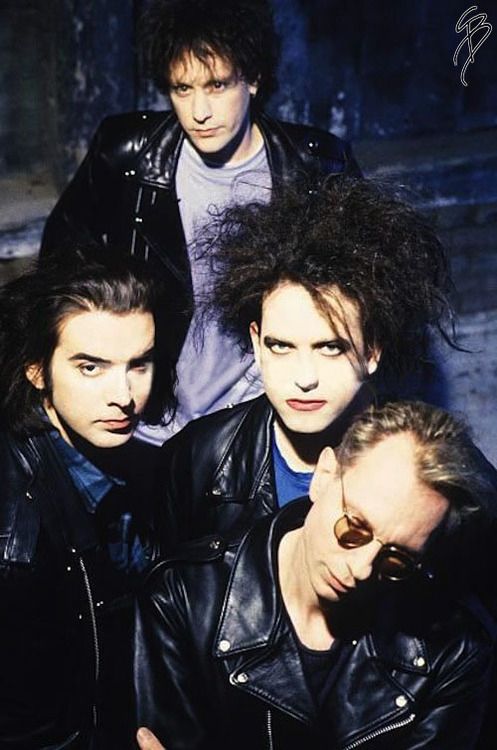
72A ▸ The Cure
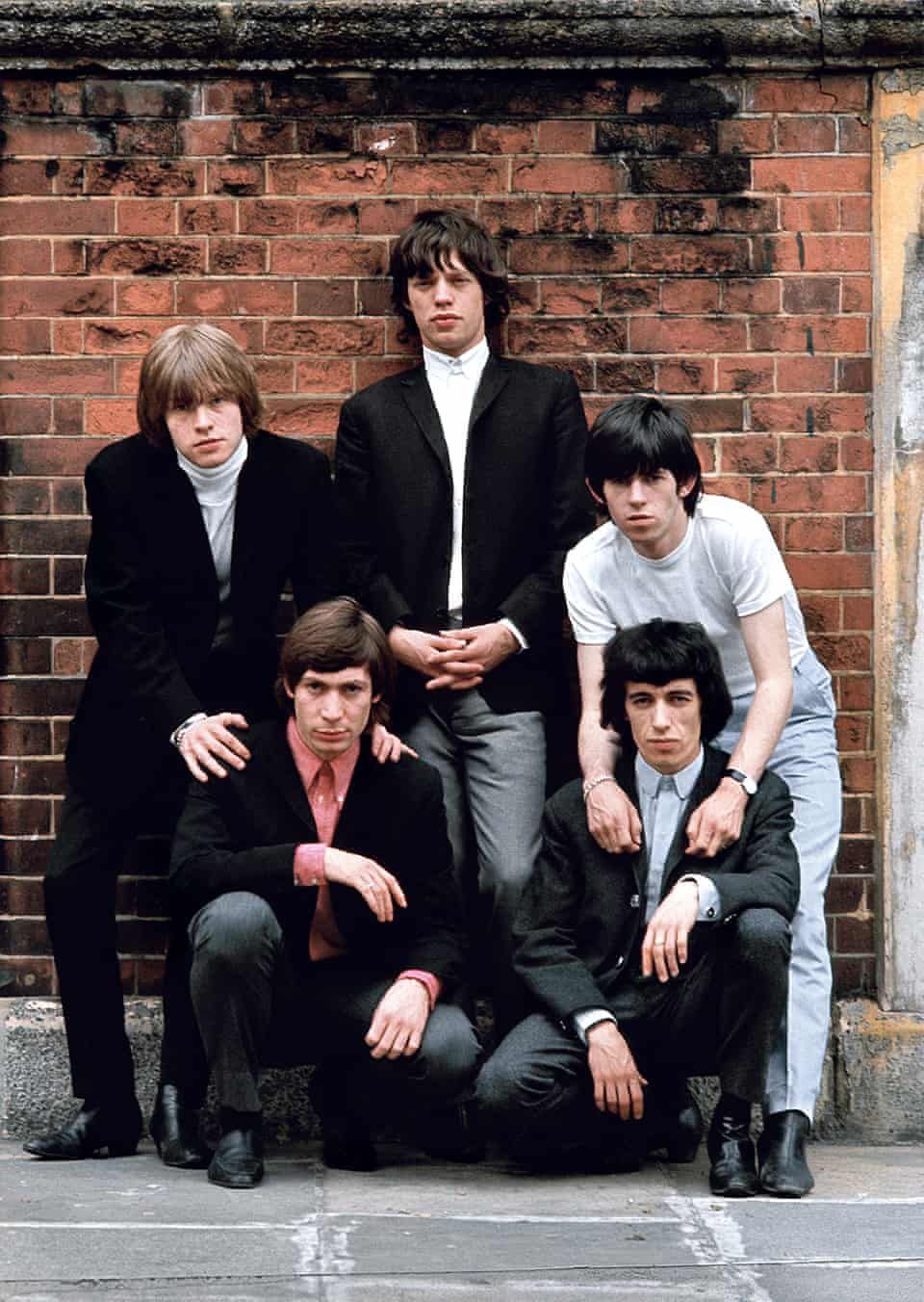
73A ▸ The Rolling Stones
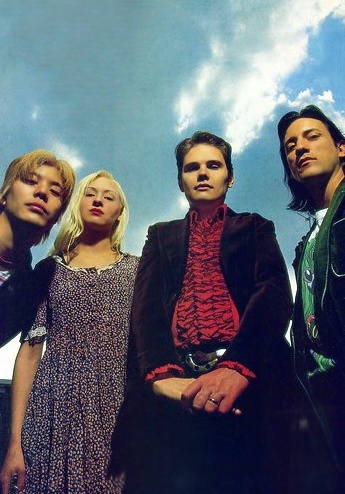
74A ▸ The Smashing Pumpkins
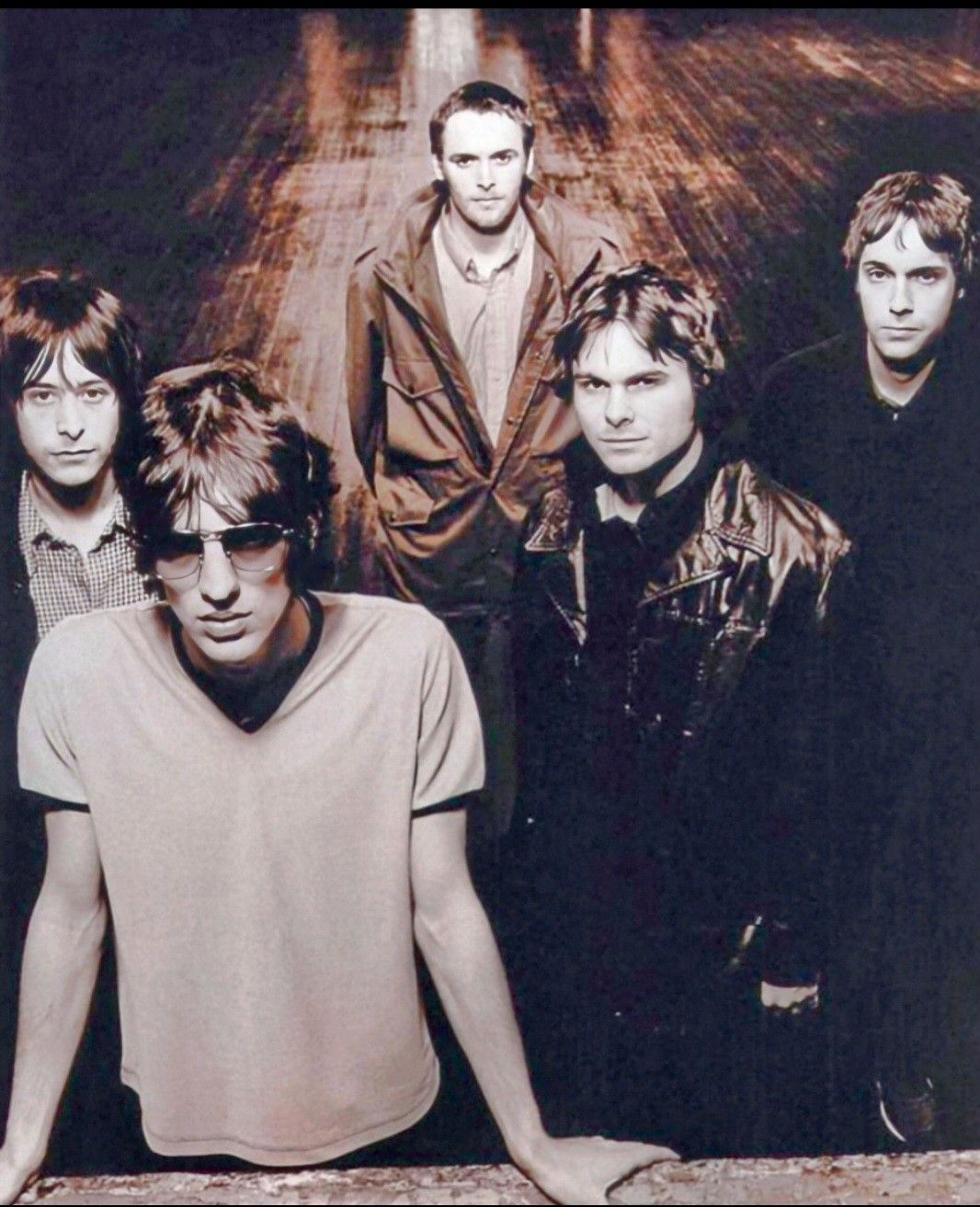
75A ▸ The Verve
76A ▸ Tracy Chapman
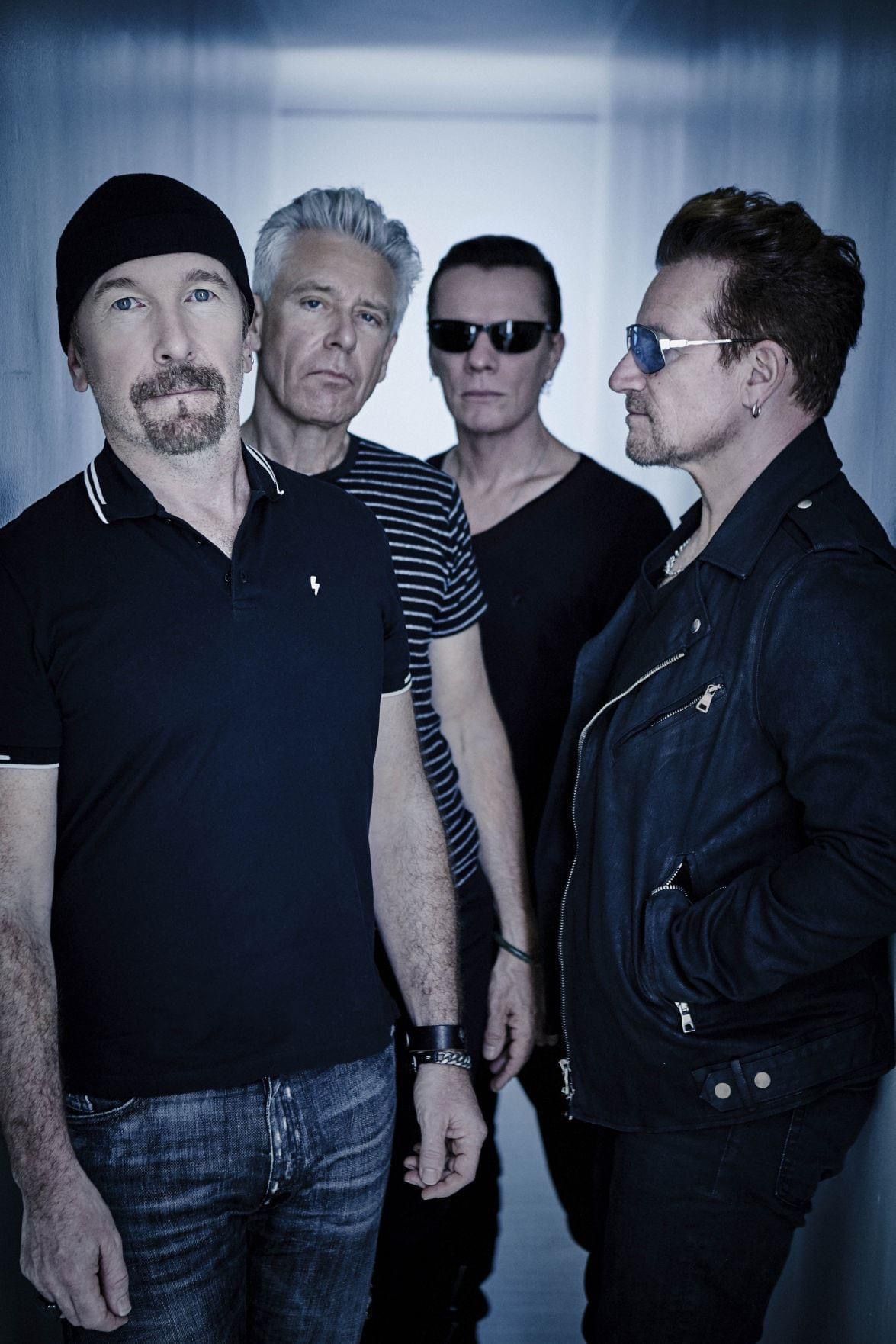
77A ▸ U2
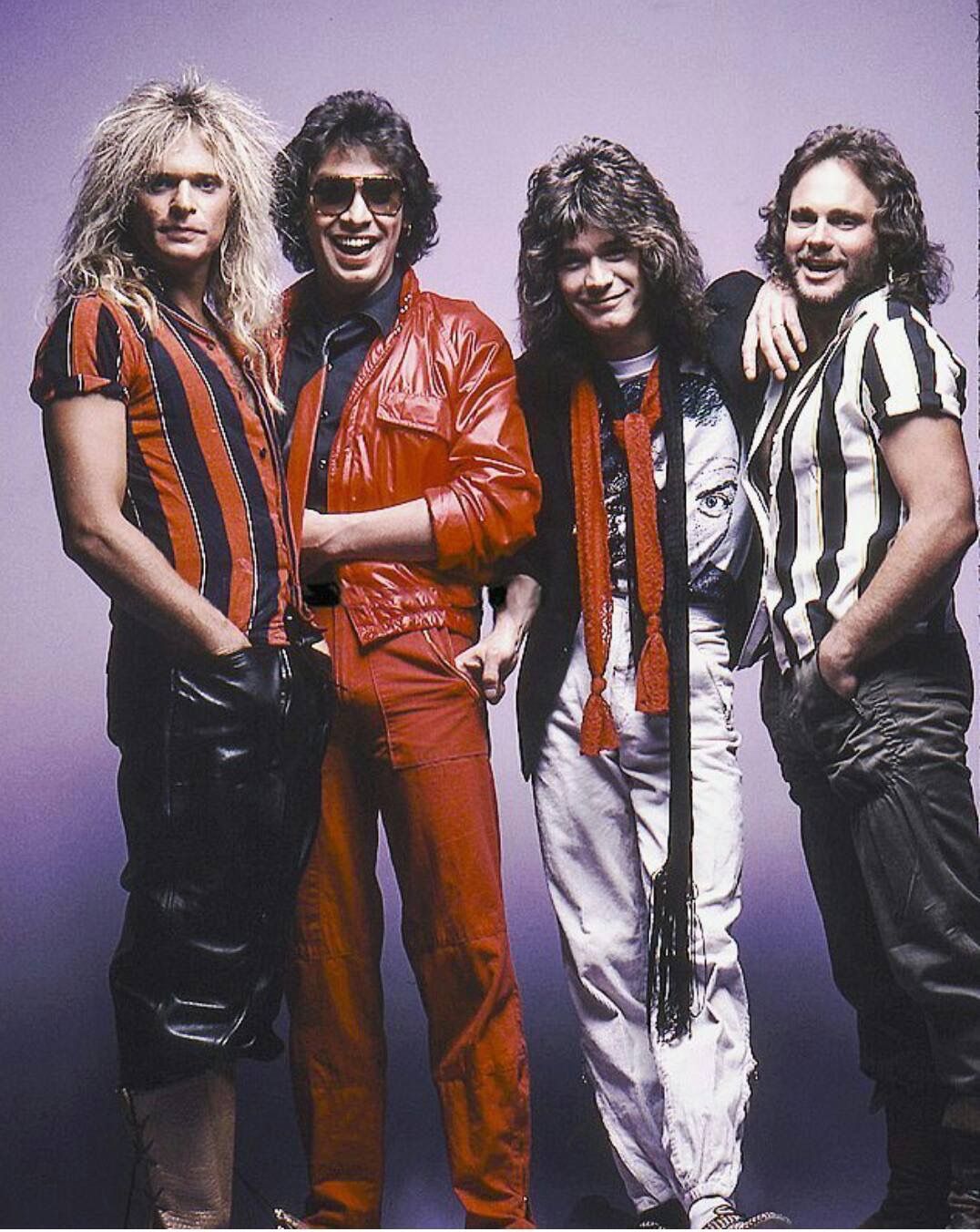
78A ▸ Van Halen
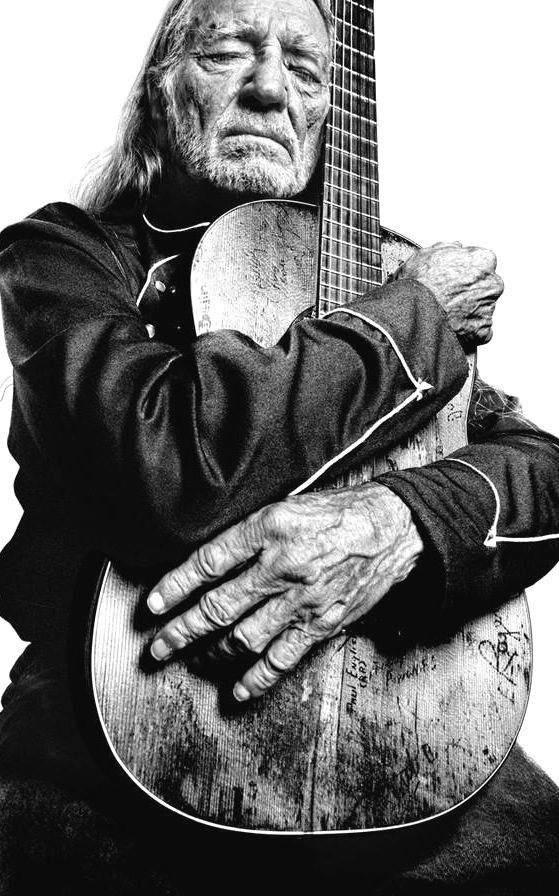
79A ▸ Willie Nelson
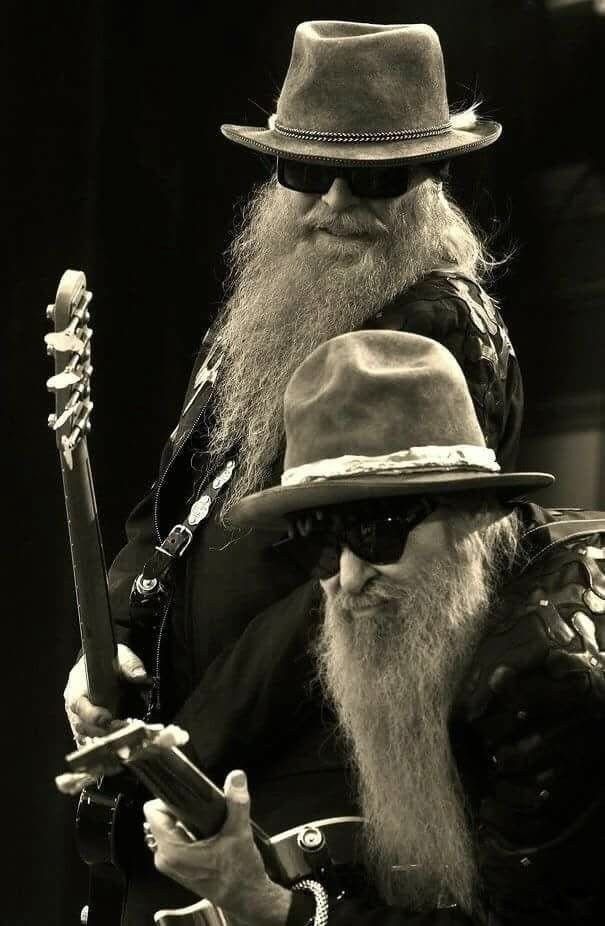
80A ▸ ZZ Top
12A ▸ 4 Non Blondes
13A ▸ AC/DC
14A ▸ Amy Winehouse
15A ▸ Arcade Fire
16A ▸ Beatles
17A ▸ Bee Gees
18A ▸ Björk
19A ▸ Blondie
20A ▸ Blur
21A ▸ Bon Jovi
22A ▸ Bruce Springsteen
23A ▸ Bryan Adams
24A ▸ Chuck Berry
25A ▸ Coolio
26A ▸ Cyndi Lauper
27A ▸ Daft Punk
28A ▸ David Bowie
29A ▸ Depeche Mode
30A ▸ Elton John
31A ▸ Elvis
32A ▸ Eminem
33A ▸ Eric Clapton
34A ▸ Freddie Mercury
35A ▸ Gorillaz
36A ▸ Green Day
37A ▸ Guns N' Roses
38A ▸ Heart
39A ▸ INXS
40A ▸ Janis Joplin
41A ▸ Jimi Hendrix
42A ▸ Joan Jett
43A ▸ Jovanotti
44A ▸ Keane
45A ▸ Keith Richards
46A ▸ KISS
47A ▸ Linkin Park
48A ▸ Madonna
49A ▸ Manu Chao
50A ▸ Mark Knopfler
51A ▸ Metallica
52A ▸ Michael Jackson
53A ▸ Nirvana
54A ▸ Oasis
55A ▸ Os Paralamas do Sucesso
56A ▸ Pearl Jam
57A ▸ Phil Collins
58A ▸ Pink Floyd
59A ▸ Prince
60A ▸ Queen
61A ▸ R.E.M.
62A ▸ Radiohead
63A ▸ Roxette
64A ▸ Roy Orbison
65A ▸ Sex Pistols
66A ▸ Slash
67A ▸ Soundgarden
68A ▸ Stone Temple Pilots
69A ▸ Supertramp
70A ▸ Tears for Fears
71A ▸ The Cranberries
72A ▸ The Cure
73A ▸ The Rolling Stones
74A ▸ The Smashing Pumpkins
75A ▸ The Verve
76A ▸ Tracy Chapman
77A ▸ U2
78A ▸ Van Halen
79A ▸ Willie Nelson
80A ▸ ZZ Top
Chapter 01 — Today in music
On a day like today October 21
1925
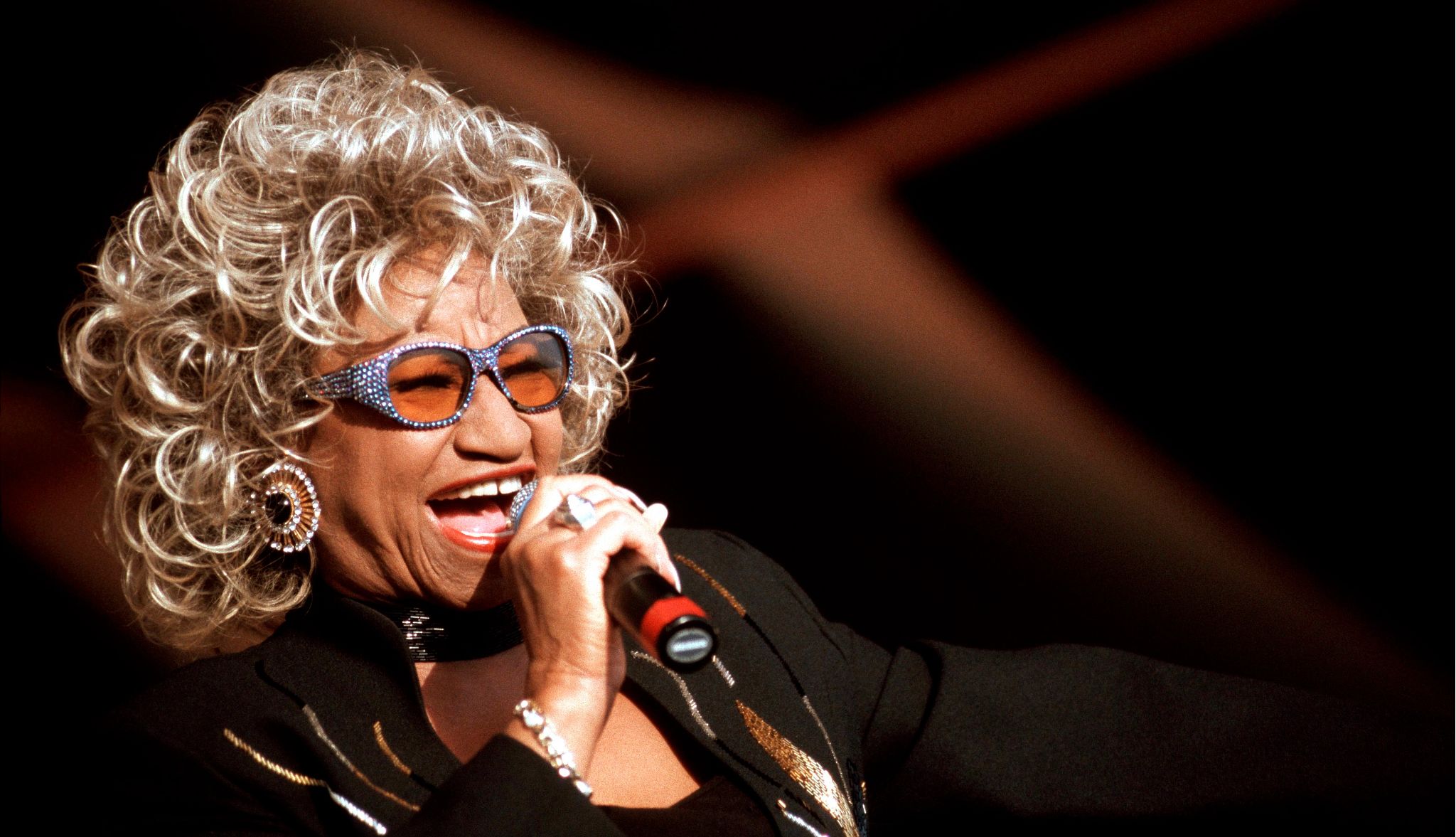
Celia Cruz is born: the queen of salsa who could never return to Cuba
On October 21, 1925, Úrsula Hilaria Celia de la Caridad Cruz Alfonso was born in Havana, one of fourteen siblings and cousins raised in the same house. She was training to be a teacher when she joined La Sonora Matancera as a singer. She left Cuba on tour in 1960 and the government never let her return, not even when her mother died. From exile she turned her cry of "¡azúcar!" into the trademark of an entire continent.
Celia Cruz
La Sonora Matancera
Listen
Via YouTube
Also on this day
1941
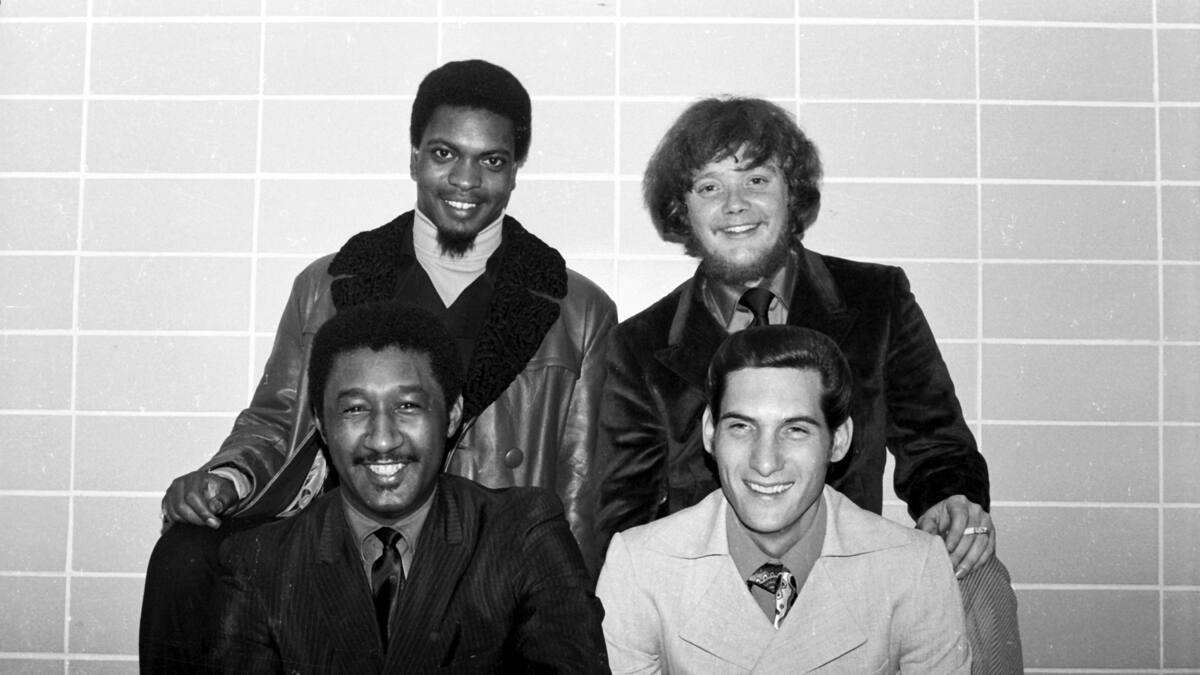
Steve Cropper is born: the guitarist who played as little as possible and exactly enough
On October 21, 1941, Steve Cropper was born in Missouri, guitarist with Booker T. & the M.G.'s, the Stax house band: two Black musicians and two white ones playing together in segregated 1960s Memphis. His style was the opposite of showing off: short chords, counted notes, all the space left for the singer. He co-wrote "In the Midnight Hour", "Knock on Wood" and "(Sittin' On) The Dock of the Bay".
Steve Cropper
Booker T. & the M.G.'s
Otis Redding
Listen
Via YouTube
1957
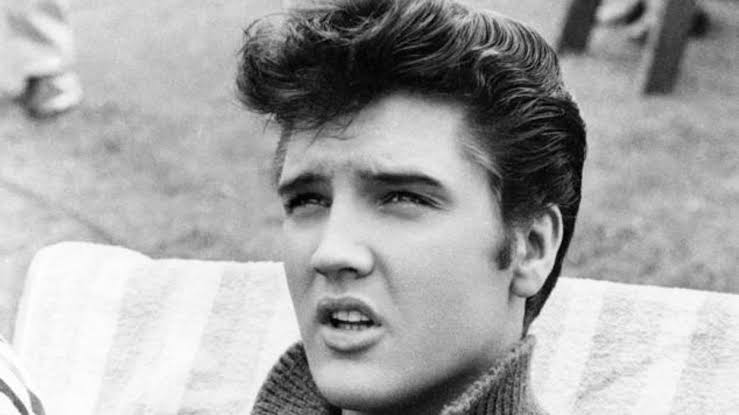
Jailhouse Rock hits number one and stays for seven weeks
The Best Sellers in Stores chart dated 21 October 1957 crowned Elvis Presley with Jailhouse Rock, written by Jerry Leiber and Mike Stoller for the film of the same name. It held on for seven weeks, trading places with the Everly Brothers, and repeated the trick in Britain early in 1958. This is Elvis at his most electric, still untamed.
Elvis Presley
Jerry Leiber
Mike Stoller
Listen
Via YouTube
Freshly rewound
Latest from the archive
Music's memory doesn't keep itself: someone has to rewind it. Here are the rewound stories of:




Chapter 02 — Decades
Pick your decade
The backbone of this archive: seven decades that changed the way we listen.
12A ▸ 4 Non Blondes
13A ▸ AC/DC
14A ▸ Amy Winehouse
15A ▸ Arcade Fire
16A ▸ Beatles
17A ▸ Bee Gees
18A ▸ Björk
19A ▸ Blondie
20A ▸ Blur
21A ▸ Bon Jovi
22A ▸ Bruce Springsteen
23A ▸ Bryan Adams
24A ▸ Chuck Berry
25A ▸ Coolio
26A ▸ Cyndi Lauper
27A ▸ Daft Punk
28A ▸ David Bowie
29A ▸ Depeche Mode
30A ▸ Elton John
31A ▸ Elvis
32A ▸ Eminem
33A ▸ Eric Clapton
34A ▸ Freddie Mercury
35A ▸ Gorillaz
36A ▸ Green Day
37A ▸ Guns N' Roses
38A ▸ Heart
39A ▸ INXS
40A ▸ Janis Joplin
41A ▸ Jimi Hendrix
42A ▸ Joan Jett
43A ▸ Jovanotti
44A ▸ Keane
45A ▸ Keith Richards
46A ▸ KISS
47A ▸ Linkin Park
48A ▸ Madonna
49A ▸ Manu Chao
50A ▸ Mark Knopfler
51A ▸ Metallica
52A ▸ Michael Jackson
53A ▸ Nirvana
54A ▸ Oasis
55A ▸ Os Paralamas do Sucesso
56A ▸ Pearl Jam
57A ▸ Phil Collins
58A ▸ Pink Floyd
59A ▸ Prince
60A ▸ Queen
61A ▸ R.E.M.
62A ▸ Radiohead
63A ▸ Roxette
64A ▸ Roy Orbison
65A ▸ Sex Pistols
66A ▸ Slash
67A ▸ Soundgarden
68A ▸ Stone Temple Pilots
69A ▸ Supertramp
70A ▸ Tears for Fears
71A ▸ The Cranberries
72A ▸ The Cure
73A ▸ The Rolling Stones
74A ▸ The Smashing Pumpkins
75A ▸ The Verve
76A ▸ Tracy Chapman
77A ▸ U2
78A ▸ Van Halen
79A ▸ Willie Nelson
80A ▸ ZZ Top
Chapter 03 — Rhythms
The rhythms that matter
Beyond rock: the genres that fed it and the ones it spawned. Each card leads to its key exponents.
Key exponents
Cream
1966–1968
The first supergroup in history: Clapton, Bruce and Baker pushed electric blues to the edge of improvisation.
The Yardbirds
1963–1968
The ultimate guitar school: Clapton, Beck and Page all passed through its ranks before changing rock forever.
John Mayall & the Bluesbreakers
1963–2008
The nursery of British blues: Mayall trained Clapton, Peter Green and Mick Taylor in his band-school.
Stevie Ray Vaughan
1978–1990
The Texan who resurrected electric blues in the eighties with a Stratocaster and superhuman intensity.
Key exponents
The Doors
1965–1973
Jim Morrison and company turned rock into shamanic theater: dark poetry over hypnotic organs.
Jefferson Airplane
1965–1972
Grace Slick's voice on 'White Rabbit' defined the sound of San Francisco and the Summer of Love.
Grateful Dead
1965–1995
Thirty years of endless improvisation: the band that turned the concert into a communal ritual.
13th Floor Elevators
1965–1969
The Texas pioneers who coined the term 'psychedelic rock' before anyone else, with Roky Erickson up front.
Key exponents
Led Zeppelin
1968–1980
The biggest band of the seventies: Page, Plant, Jones and Bonham built the mold for stadium rock.
Deep Purple
1968–1976
The 'Smoke on the Water' riff and the virtuosity of Blackmore and Lord defined classic hard rock.
AC/DC
1973–presente
The Australians who boiled rock down to its essence: granite riffs and zero compromise across five decades.
Aerosmith
1970–2024
Boston's 'Toxic Twins' mixed blues, glamour and danger to create American hard rock par excellence.
Key exponents
Ramones
1974–1996
Four guys from Queens in leather jackets who invented punk in two-minute songs.
Sex Pistols
1975–1978
They lasted three years and one album, enough to terrify England and change music forever.
The Clash
1976–1986
'The only band that matters': they took punk from nihilism to political commitment and every possible genre.
Dead Kennedys
1978–1986
Jello Biafra's fierce satire turned Californian punk into a sharpened political weapon.
Key exponents
Black Sabbath
1968–2017
The founding fathers: with their 1970 debut they invented heavy metal in forty minutes of darkness.
Judas Priest
1969–presente
They gave metal its leather-and-studs uniform and its twin guitars: the genre owes them its entire aesthetic.
Iron Maiden
1975–presente
Galloping bass, historical epics and Eddie: the British machine that took metal to five continents.
Metallica
1981–presente
From garage thrash to stadiums: the band that made metal the most massive genre on the planet.
Key exponents
King Crimson
1968–2021
Robert Fripp founded and re-founded the band across five decades: each incarnation redefined what 'progressive' means.
Yes
1968–presente
Luminous virtuosity and cosmic suites: 'Close to the Edge' remains the genre's technical peak.
Genesis
1967–2022
With Peter Gabriel dressed as a flower and Phil Collins on drums, they turned prog into surrealist theater.
Emerson, Lake & Palmer
1970–1998
The trio that stabbed Hammond organs on stage and turned Mussorgsky into stadium rock.
Key exponents
Nirvana
1987–1994
Three albums were enough: Kurt Cobain turned teenage anguish into the cultural phenomenon of the nineties.
Pearl Jam
1990–presente
Seattle's survivors: thirty years turning integrity into a career and stadiums into gatherings.
Soundgarden
1984–2017
Chris Cornell's impossible voice over leaden riffs: the link between Zeppelin and Seattle.
Alice in Chains
1987–presente
Staley and Cantrell's ghostly harmonies gave grunge its darkest, most painful side.
Key exponents
The Sonics
1960–1968
The wild men of Tacoma: their 1965 'Here Are The Sonics' is the rawest record of its decade.
The Kingsmen
1959–1968
They recorded 'Louie Louie' in one take for 50 dollars, and the FBI spent two years investigating the lyrics.
The Seeds
1965–1972
Sky Saxon and his 'Pushin' Too Hard': two chords out of Los Angeles that anticipated punk by a decade.
The Standells
1962–1970
'Dirty Water' gave Boston an eternal anthem and gave garage its neighborhood bad-boy attitude.
Key exponents
The Smiths
1982–1987
Johnny Marr weaving guitars while Morrissey sang about shyness as if it were a cause.
Sonic Youth
1985–1992
Invented tunings and screwdrivers under the strings: noise turned into method.
Pixies
1987–1991
Quiet and scream, calm and explosion: the formula Cobain admitted he copied.
Pavement
1992–1999
Going out of tune on purpose until it sounds better than in tune. Nobody did it with more grace.
Key exponents
Blur
1993–1997
Damon Albarn painting portraits of the English middle class over a funfair synth.
Oasis
1994–1997
Two brothers from Manchester fighting in public and writing anthems in between.
Pulp
1994–1998
Jarvis Cocker had waited fifteen years; when his turn came, he wrote «Common People».
Suede
1992–1996
They got there before everyone else, with glam, ambiguity and suburban London.
Chapter 03 — Beyond rock
Music with history that isn't rock
The century's pop pulse: soul, funk, disco, hip-hop and more. Same memory, different roots.
Key exponents
Michael Jackson
1979–1991
From child prodigy to King of Pop: 'Thriller' is still the best-selling album ever.
Madonna
1983–1990
Reinvention as strategy: she made provocation a craft and the music video her canvas.
ABBA
1974–1982
Swedish melancholy dressed as euphoria: perfect songs hiding a broken heart.
Key exponents
Aretha Franklin
1967–1972
The Queen of Soul: a voice that turned any song into her own gospel.
Marvin Gaye
1971–1973
With 'What's Going On' he made soul a record of social conscience without losing its sensuality.
Otis Redding
1965–1967
Stax soul laid bare: pure intensity until his death at 26.
Key exponents
James Brown
1965–1974
The Godfather of Soul who invented funk by moving the accent to the downbeat.
Sly & the Family Stone
1968–1971
A mixed, multiracial band fusing soul, rock and psychedelia into pure optimistic groove.
Parliament-Funkadelic
1975–1978
George Clinton's collective took funk into a cosmic, unhinged mythology.
Key exponents
Donna Summer
1975–1979
The Queen of Disco: 'I Feel Love' with Moroder opened the door to all electronic dance music.
Chic
1977–1979
Nile Rodgers and Bernard Edwards: rhythmic elegance that half of hip-hop would later sample.
Bee Gees
1977–1979
With 'Saturday Night Fever' they made the whole planet dance in falsetto.
Key exponents
Grandmaster Flash & the Furious Five
1979–1982
'The Message' took rap from the party to the social chronicle of the ghetto.
Public Enemy
1987–1990
Chuck D and a demolishing production: hip-hop as revolutionary pamphlet.
N.W.A
1988
Out of Compton, the gangsta rap that put street reality at the center of the debate.
Key exponents
Bob Marley & The Wailers
1973–1980
The global face of reggae: Rastafari message and melodies that circled the planet.
Toots & the Maytals
1968–1972
They named the genre with 'Do the Reggay' and a voice of pure soul fire.
Lee "Scratch" Perry
1973–1976
Eccentric studio genius: he invented dub and rewrote the rules of production.
Key exponents
Bob Dylan
1962–1965
He borrowed the tradition, filled it with his own images and then plugged it in.
Joan Baez
1960–1968
A soprano voice and a protester's record: she sang at Selma and in Washington.
Fairport Convention
1969–1971
They electrified seventeenth-century English ballads and founded British folk rock.
Chapter 04 — Editorial
Mon Laferte
She never fit the boxes
She made her generation's most listened-to heartbreak song without radio's help, won five Latin Grammys without repeating the same trick, and climbed twelve metres of scaffolding to paint what nobody draws.
By Rebobinados
Past editorials
00s
metal
Sinergia
The song everyone misread
Almost all of Chile heard "Mujer Robusta" as a joke. The band says the opposite: it is a vindication, and they have stopped radio stations using it mockingly. Even the name of their genre was given to them from outside.
Editorial
The Voice Buried in a Cassette
In the late seventies, John Lennon recorded a demo in his apartment where his voice ended up welded to the piano. For nearly thirty years, separating them was impossible. In 2023 a machine managed it, and the last Beatles song was born. That same year, another machine manufactured a Drake duet that never existed. Same technology, one line between them.
80s
pop
Federico Moura
Dancing at the Edge
Federico Moura, or why in a country governed by fear, dancing was also resistance. At first they threw oranges at him for making a seated rock scene dance. Nobody knew the dictatorship had torn a son from that family, and that his lightness was a chosen answer to the horror.
Opinion
Music as Crowd Control and a Tool of Normalisation
How music shapes, disciplines and sometimes liberates crowds. From the Nuremberg rallies to Adorno, Foucault and the supermarket's piped music: why what feels like the freest of experiences is also one of the most effective instruments of control there is.
70s
hip hop
What's the Difference Between Rap and Hip-Hop?
The answer almost everyone gets wrong, and why getting it right changes how you hear half a century of music. The four elements, the 1973 Bronx party, and the KRS-One line that settles it: rap is something you do, hip-hop is something you live.
00s
garage
The Rebobinados Manifesto: Why Rewind
There has never been so much music available, and it has never been so easy to listen to nothing. Against the algorithm's forgetting, this blog proposes listening backwards to understand what plays today. Rock's living memory, decade by decade. And an invitation: write with us.
← →
Chapter 05 — Community
This is written out loud
Latest comments


Rodrigo Aravena
Aug 14
Buen artículo, coincido que los últimos años de los 60' fueron el nacimiento de un género muy revolucionario y a la vez muy mal visto por la élites de la época, bandas como Cream, The Who, The Kinks y Led Zeppelin en Inglaterra Mountain al mando de Leslie West, Steppenwolf en Estados Unidos siguieron la senda de Buddy Guy, Freddy King y Albert Collins como tantos otros que dieron el puntapie inicial a la revolución cultural del rock de los 70.
hard rock la decada del exceso →

Federico An-der Fuhren
Jul 24
Para compartir: En un viaje a Irlanda conocí el Museo del Rock. Parte del recorrido incluye el afiche del concierto que Nirvana tenía programado para el día en que murió Kurt Cobain. Es una pieza cargada de nostalgia. Según relatan en el museo, Dave Grohl visitó el lugar y, al ver ese afiche, rompió en llanto. También cuentan que, tras conversar con el personal y el curador, reafirmó su decisión de seguir haciendo música. Lo que sí está documentado es que, durante un viaje por Irlanda tras la muerte de Kurt, Grohl vio a un joven haciendo dedo con una polera de Nirvana. Ese momento le hizo comprender que nunca podría dejar atrás lo que la banda había significado ni el legado que habían construido, y fue parte del proceso que lo llevó a volver a hacer música y, más tarde, a formar Foo Fighters. Mi voto es por Kurt, por lo que significó Nirvana en los 90 y por el legado que dejó al grunge y a la música hasta hoy.
27club →Write with us
Got a story about a record, a band, a scene? This space will grow with new voices.
Are you a creator?
Rebobinados isn’t only to read — it’s to create. Record with the looper —voice, drums, piano, guitar, bass—, build a beat in the 16-step groovebox (drums, bass and chords), all in your browser, free and install-free.
Share it on your socials and tag us. More tools for creators are coming.
Open the tools12A ▸ 4 Non Blondes
13A ▸ AC/DC
14A ▸ Amy Winehouse
15A ▸ Arcade Fire
16A ▸ Beatles
17A ▸ Bee Gees
18A ▸ Björk
19A ▸ Blondie
20A ▸ Blur
21A ▸ Bon Jovi
22A ▸ Bruce Springsteen
23A ▸ Bryan Adams
24A ▸ Chuck Berry
25A ▸ Coolio
26A ▸ Cyndi Lauper
27A ▸ Daft Punk
28A ▸ David Bowie
29A ▸ Depeche Mode
30A ▸ Elton John
31A ▸ Elvis
32A ▸ Eminem
33A ▸ Eric Clapton
34A ▸ Freddie Mercury
35A ▸ Gorillaz
36A ▸ Green Day
37A ▸ Guns N' Roses
38A ▸ Heart
39A ▸ INXS
40A ▸ Janis Joplin
41A ▸ Jimi Hendrix
42A ▸ Joan Jett
43A ▸ Jovanotti
44A ▸ Keane
45A ▸ Keith Richards
46A ▸ KISS
47A ▸ Linkin Park
48A ▸ Madonna
49A ▸ Manu Chao
50A ▸ Mark Knopfler
51A ▸ Metallica
52A ▸ Michael Jackson
53A ▸ Nirvana
54A ▸ Oasis
55A ▸ Os Paralamas do Sucesso
56A ▸ Pearl Jam
57A ▸ Phil Collins
58A ▸ Pink Floyd
59A ▸ Prince
60A ▸ Queen
61A ▸ R.E.M.
62A ▸ Radiohead
63A ▸ Roxette
64A ▸ Roy Orbison
65A ▸ Sex Pistols
66A ▸ Slash
67A ▸ Soundgarden
68A ▸ Stone Temple Pilots
69A ▸ Supertramp
70A ▸ Tears for Fears
71A ▸ The Cranberries
72A ▸ The Cure
73A ▸ The Rolling Stones
74A ▸ The Smashing Pumpkins
75A ▸ The Verve
76A ▸ Tracy Chapman
77A ▸ U2
78A ▸ Van Halen
79A ▸ Willie Nelson
80A ▸ ZZ Top
12A ▸ 4 Non Blondes
13A ▸ AC/DC
14A ▸ Amy Winehouse
15A ▸ Arcade Fire
16A ▸ Beatles
17A ▸ Bee Gees
18A ▸ Björk
19A ▸ Blondie
20A ▸ Blur
21A ▸ Bon Jovi
22A ▸ Bruce Springsteen
23A ▸ Bryan Adams
24A ▸ Chuck Berry
25A ▸ Coolio
26A ▸ Cyndi Lauper
27A ▸ Daft Punk
28A ▸ David Bowie
29A ▸ Depeche Mode
30A ▸ Elton John
31A ▸ Elvis
32A ▸ Eminem
33A ▸ Eric Clapton
34A ▸ Freddie Mercury
35A ▸ Gorillaz
36A ▸ Green Day
37A ▸ Guns N' Roses
38A ▸ Heart
39A ▸ INXS
40A ▸ Janis Joplin
41A ▸ Jimi Hendrix
42A ▸ Joan Jett
43A ▸ Jovanotti
44A ▸ Keane
45A ▸ Keith Richards
46A ▸ KISS
47A ▸ Linkin Park
48A ▸ Madonna
49A ▸ Manu Chao
50A ▸ Mark Knopfler
51A ▸ Metallica
52A ▸ Michael Jackson
53A ▸ Nirvana
54A ▸ Oasis
55A ▸ Os Paralamas do Sucesso
56A ▸ Pearl Jam
57A ▸ Phil Collins
58A ▸ Pink Floyd
59A ▸ Prince
60A ▸ Queen
61A ▸ R.E.M.
62A ▸ Radiohead
63A ▸ Roxette
64A ▸ Roy Orbison
65A ▸ Sex Pistols
66A ▸ Slash
67A ▸ Soundgarden
68A ▸ Stone Temple Pilots
69A ▸ Supertramp
70A ▸ Tears for Fears
71A ▸ The Cranberries
72A ▸ The Cure
73A ▸ The Rolling Stones
74A ▸ The Smashing Pumpkins
75A ▸ The Verve
76A ▸ Tracy Chapman
77A ▸ U2
78A ▸ Van Halen
79A ▸ Willie Nelson
80A ▸ ZZ Top
Chapter 06 — Manifesto
Why rewind
“The algorithm has a short memory. We don't. Rebobinados exists because every song playing today owes a debt to one that played before — and knowing that debt changes how you listen.”
We are not a museum. We are a logbook with a stance: we choose, we argue, we defend. If you want neutrality, the encyclopedia already exists.
The podcast
Elevados
Elevated conversations about the music that doesn't rewind itself.
Coming soon · Chapters here
Hosted by Cabra Chica Elevada
@cpls27Final chapter — The mail
Rewind with us
One ephemeris a day, one editorial a week. Zero spam, pure archive.