
Chapter 02 — Decades
60sThe revolution
Articles from the 60s
60s
hard rock
Steppenwolf
The motorcycle was a Ford Falcon
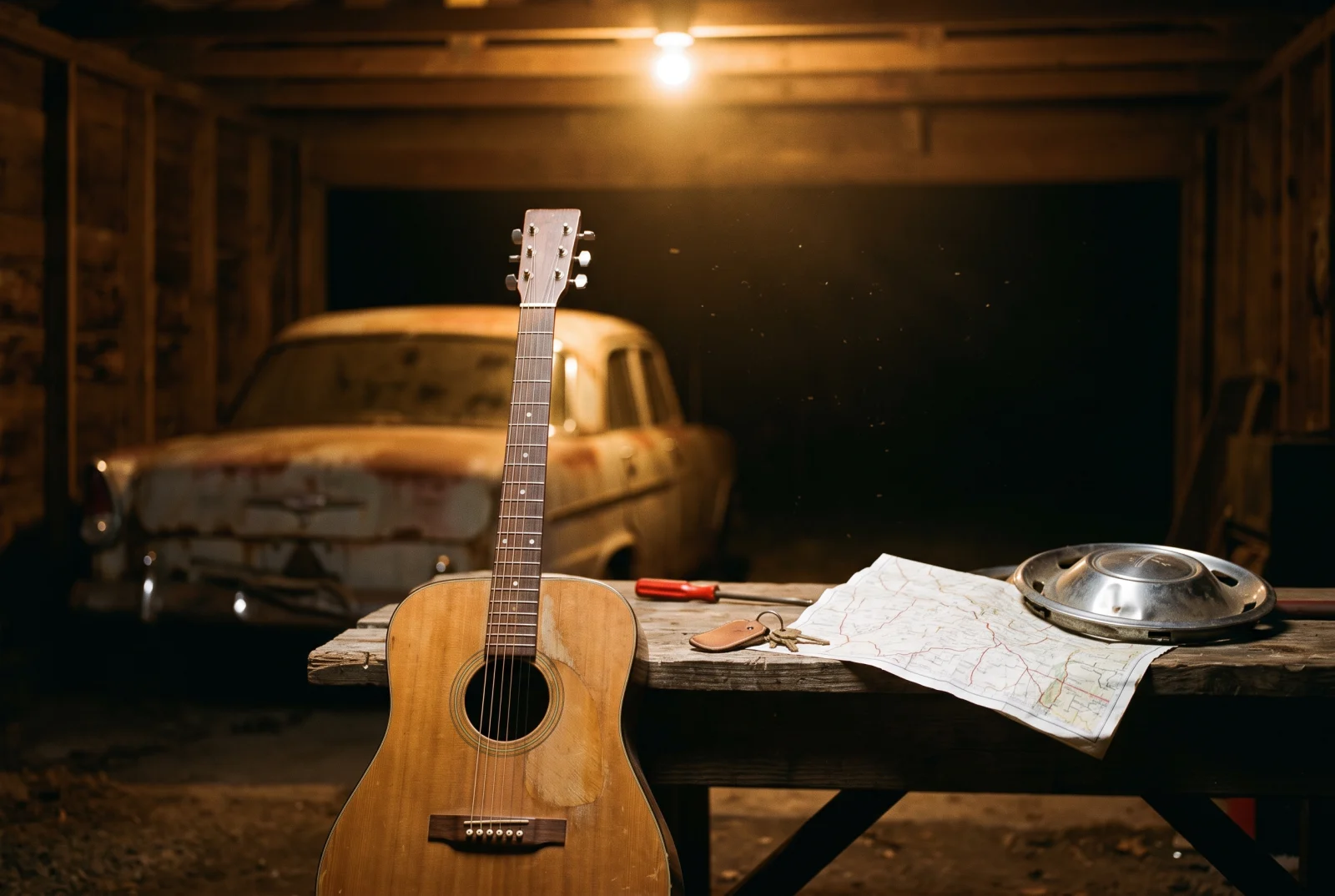
The century's biker anthem was not written by the band that sings it, and it was not about a motorcycle: Mars Bonfire wrote "Born to Be Wild" as a folk ballad about his battered Ford Falcon, and he had left the group in June 1967, before the name Steppenwolf existed. "The Pusher" is Hoyt Axton's, Easy Rider dropped it in as a temporary track, and the single stalled at no. 2 on the Hot 100 in 1968.
60s
pop
Charles Aznavour
They told him his voice was no good
The French press dismissed him as "a small man, a small singer". He stood five foot three, had an odd voice, and wrote more than a thousand songs. Even the "artist of the century" title attributed to him deserves a clarification.
60s
pop
The Beach Boys
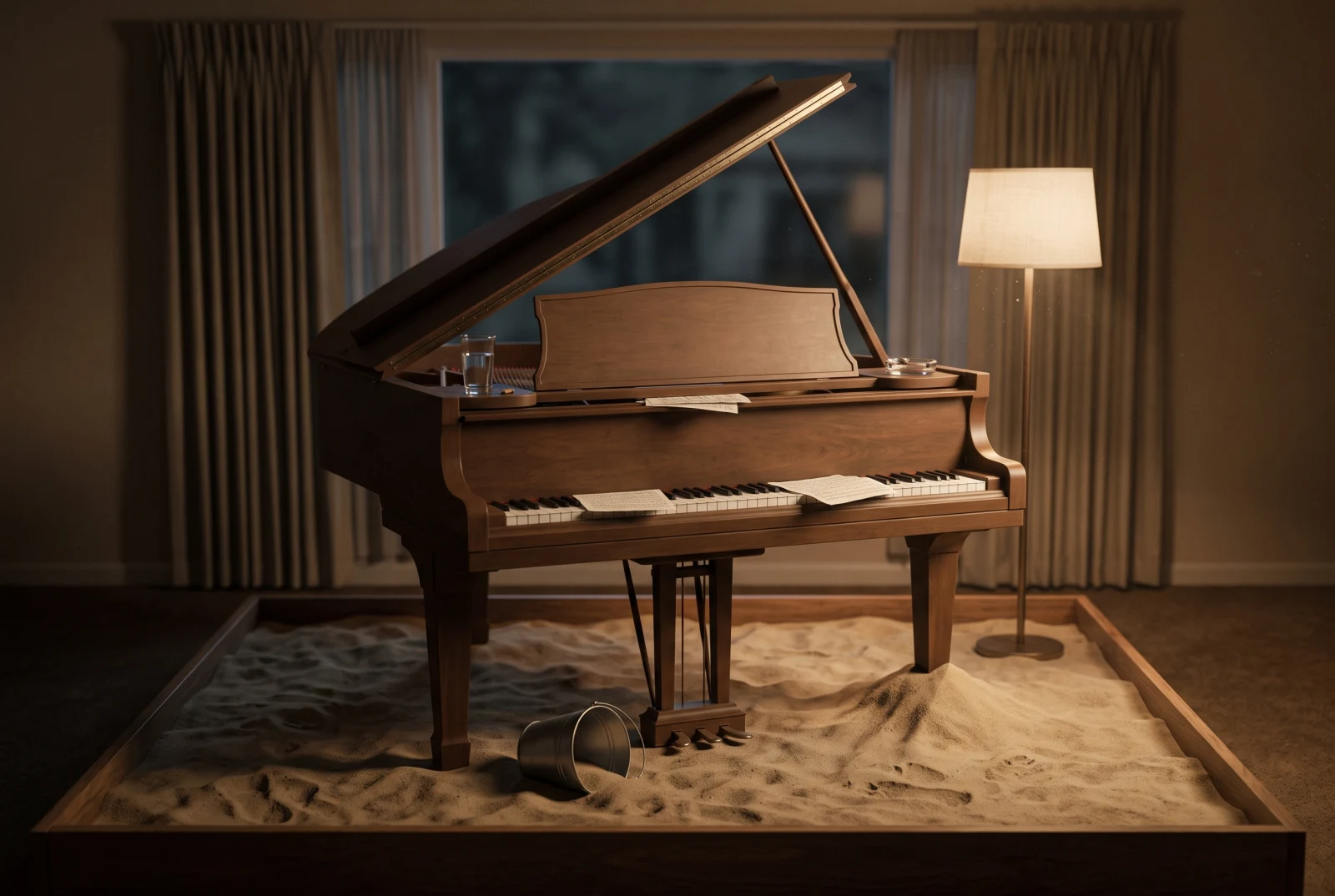
The piano inside the sandbox
In 1966 Brian Wilson had a sandbox built in his house and put the piano inside it, so he could write with his feet buried. The man who had sold the world the California summer needed to build himself a beach in the living room. The band last number one, "Kokomo" in 1988, was written by the founder of The Mamas and the Papas, and Brian had no part in it.
60s
garage
The Velvet Underground
Thirty thousand bands
Almost nobody bought them, and half the rock that followed came out of them. Brian Eno's line sums it up, even if the figure he quotes is not quite right.
60s
hard rock
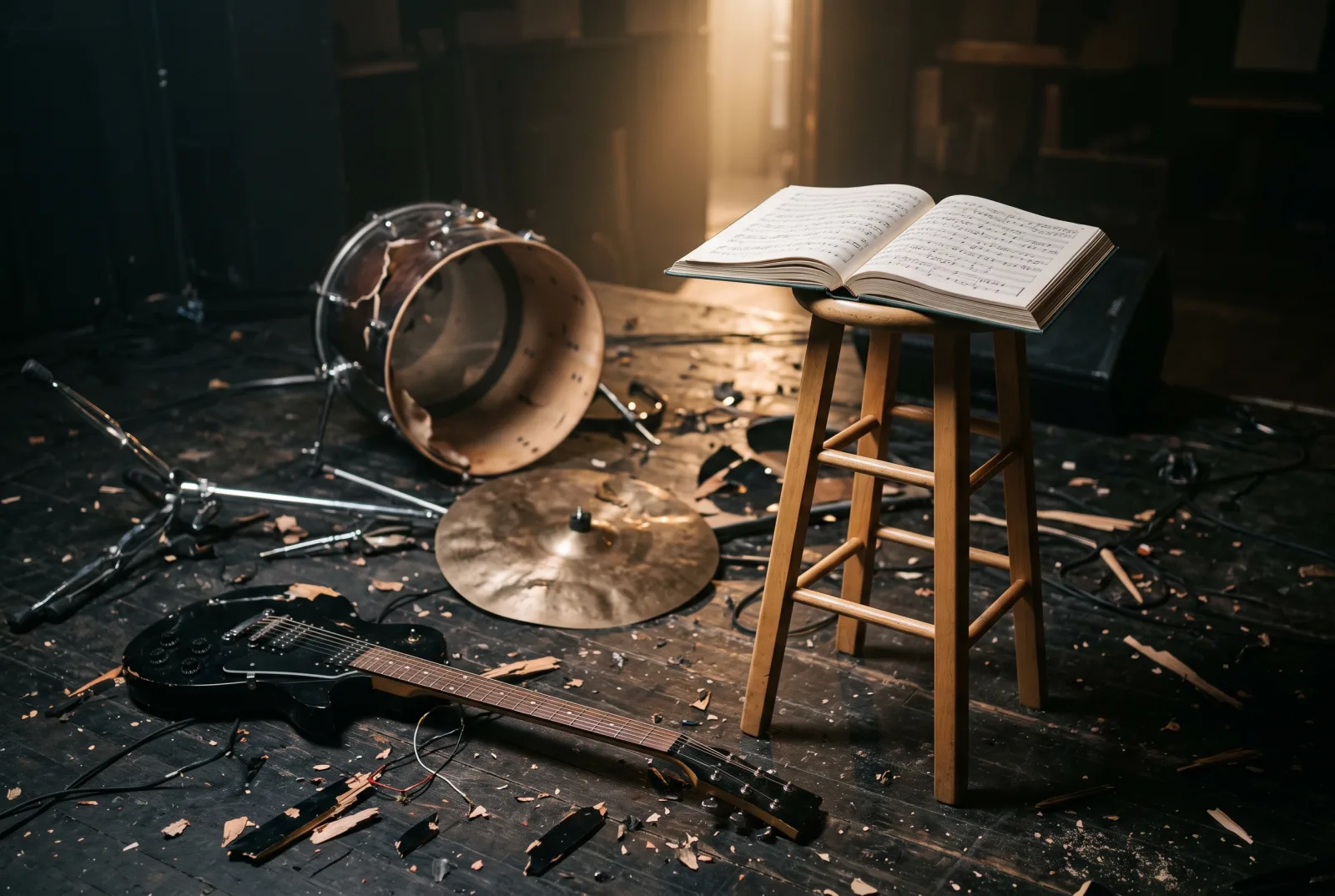
The Who
They smashed everything and wrote operas
They destroyed their instruments every night and at the same time pushed rock into telling long stories. That double nature is their genius.
60s
pop
Chubby Checker
They let go of each other's hands
He did not invent dancing apart, but he made it the norm. Since 1960, at any party on the planet, people dance the way he taught them.
60s
funk
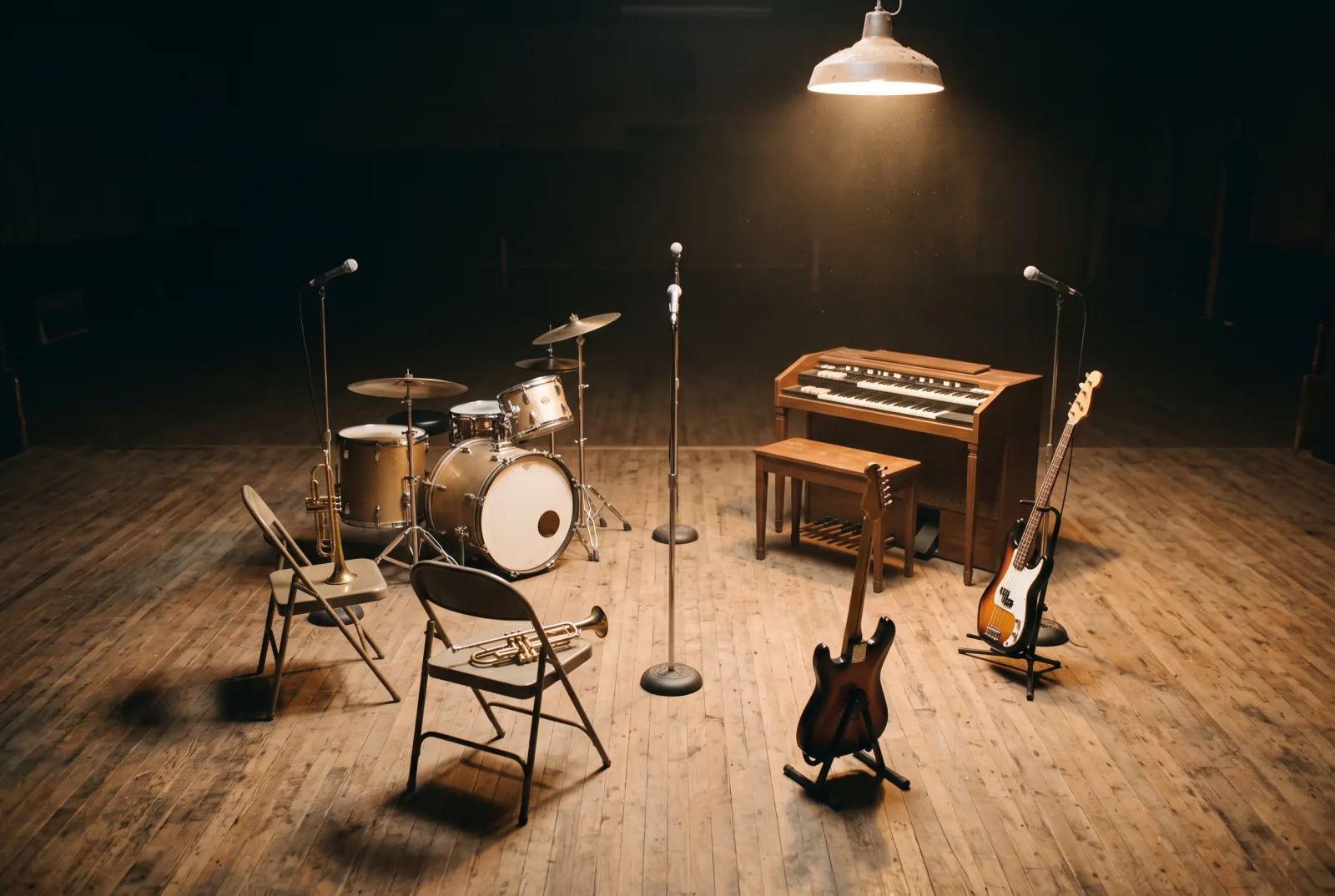
Sly Stone
Who gets on stage with you
He perfected the funk James Brown had invented, and in 1966 he put together a band of men and women, Black and white, when that was a political act.
60s
pop
The Hollies
The voices that split up and found each other again on a record
Two boys from Manchester learned to sing together, put a band together and split up in 1968, when one of them crossed the Atlantic to found a supergroup. The group that stayed behind kept piling up classics, and in 2023 the two voices braided themselves together again on a record.
60s
pop
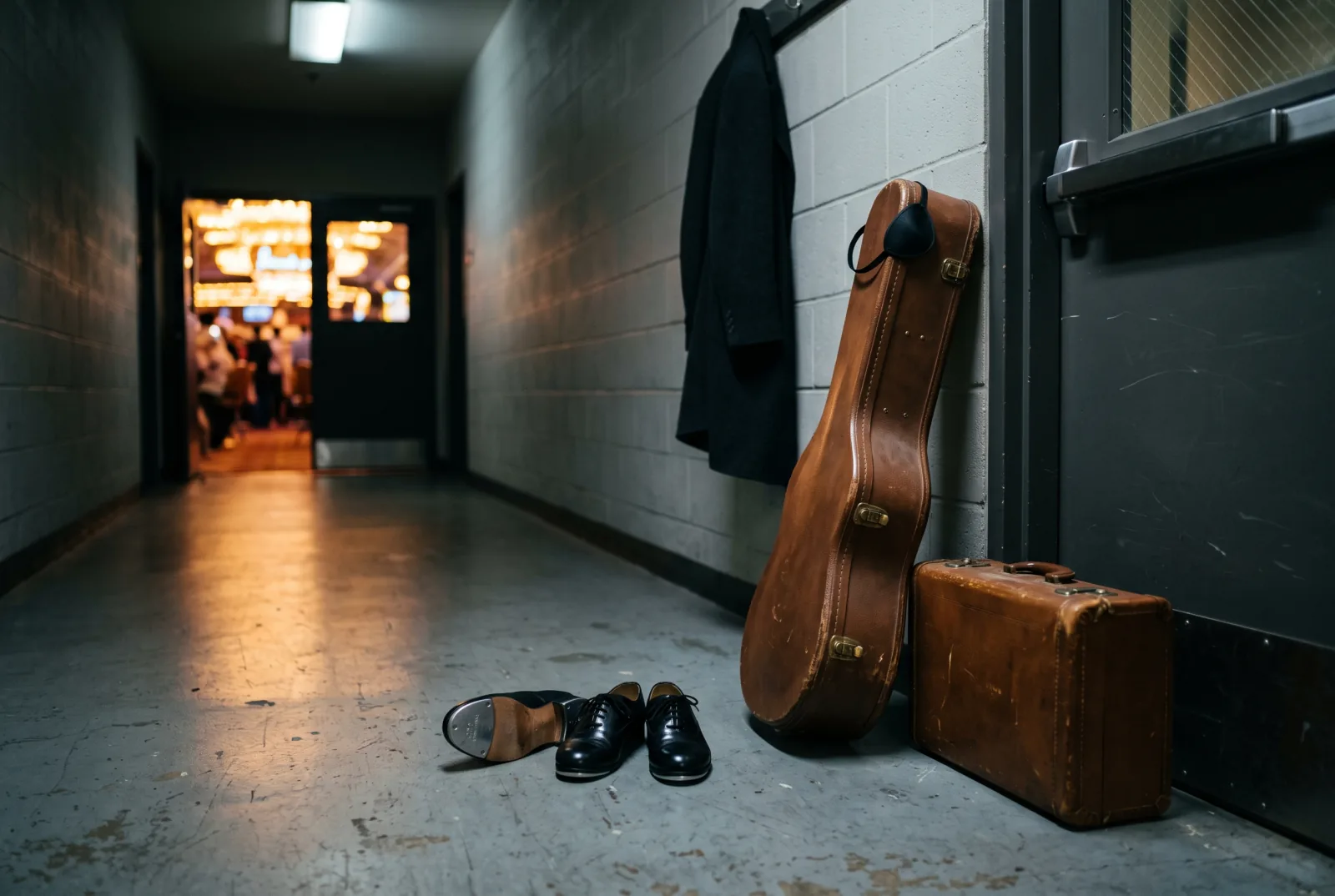
Sammy Davis Jr.
The total entertainer who carried the weight of the world while smiling
He sang, tap-danced, acted, did impressions of half a dozen stars and played several instruments, all in the same night. And he filled Las Vegas casinos that wouldn't let him stay there or come in through the front door.
60s
pop
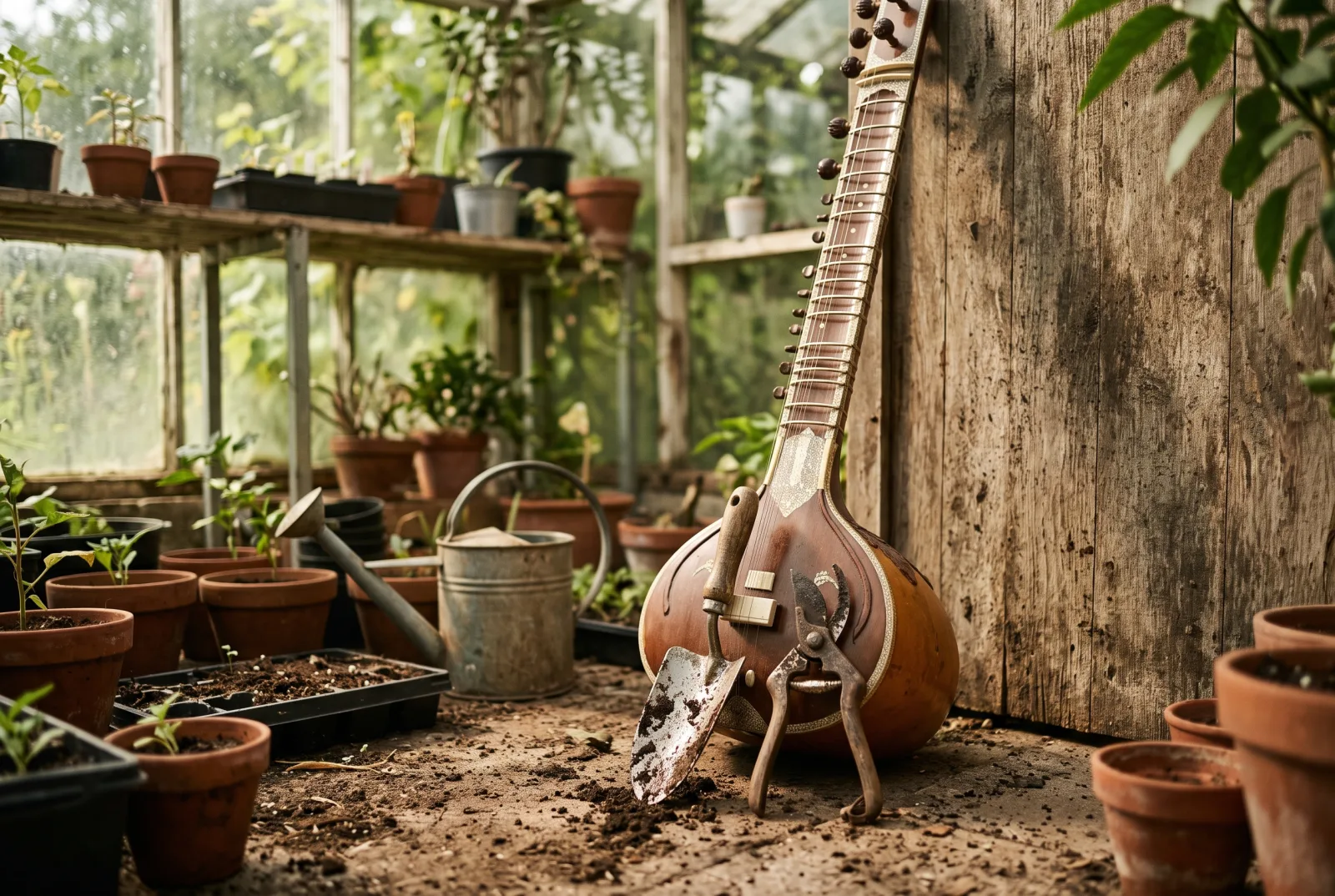
George Harrison
The one who waited his turn
They called him the quiet Beatle, but he wasn't quiet for lack of anything to say. He brought India to rock, gave the benefit concert its scale, and ended up owning the song that sank him.
60s
psicodelia
Jim Morrison
The poet and the carrier
He wanted to be a poet and the world made him a rock god. And the story of his father in the Gulf of Tonkin is always told wrong: what lies underneath is stranger and better.
60s
pop
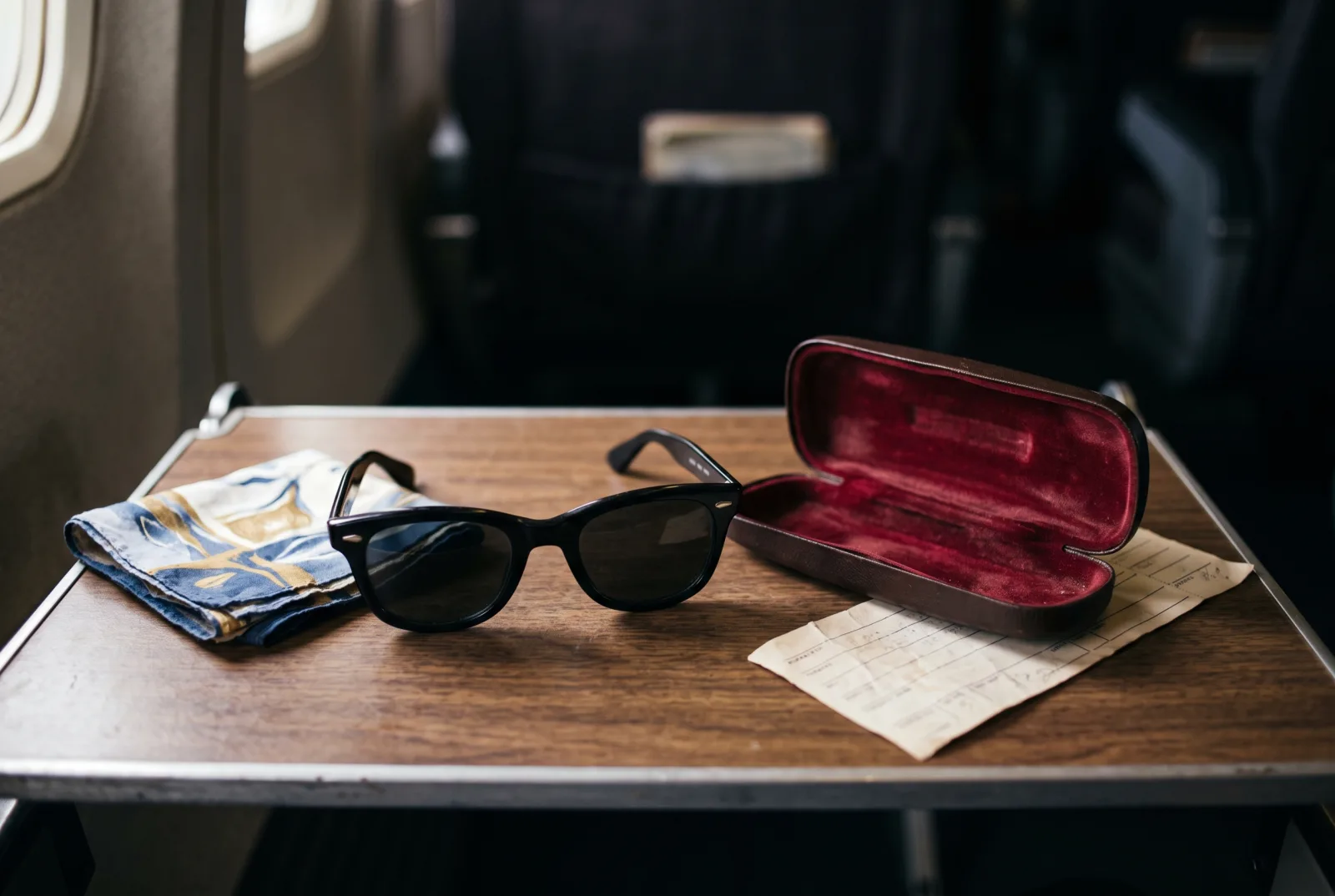
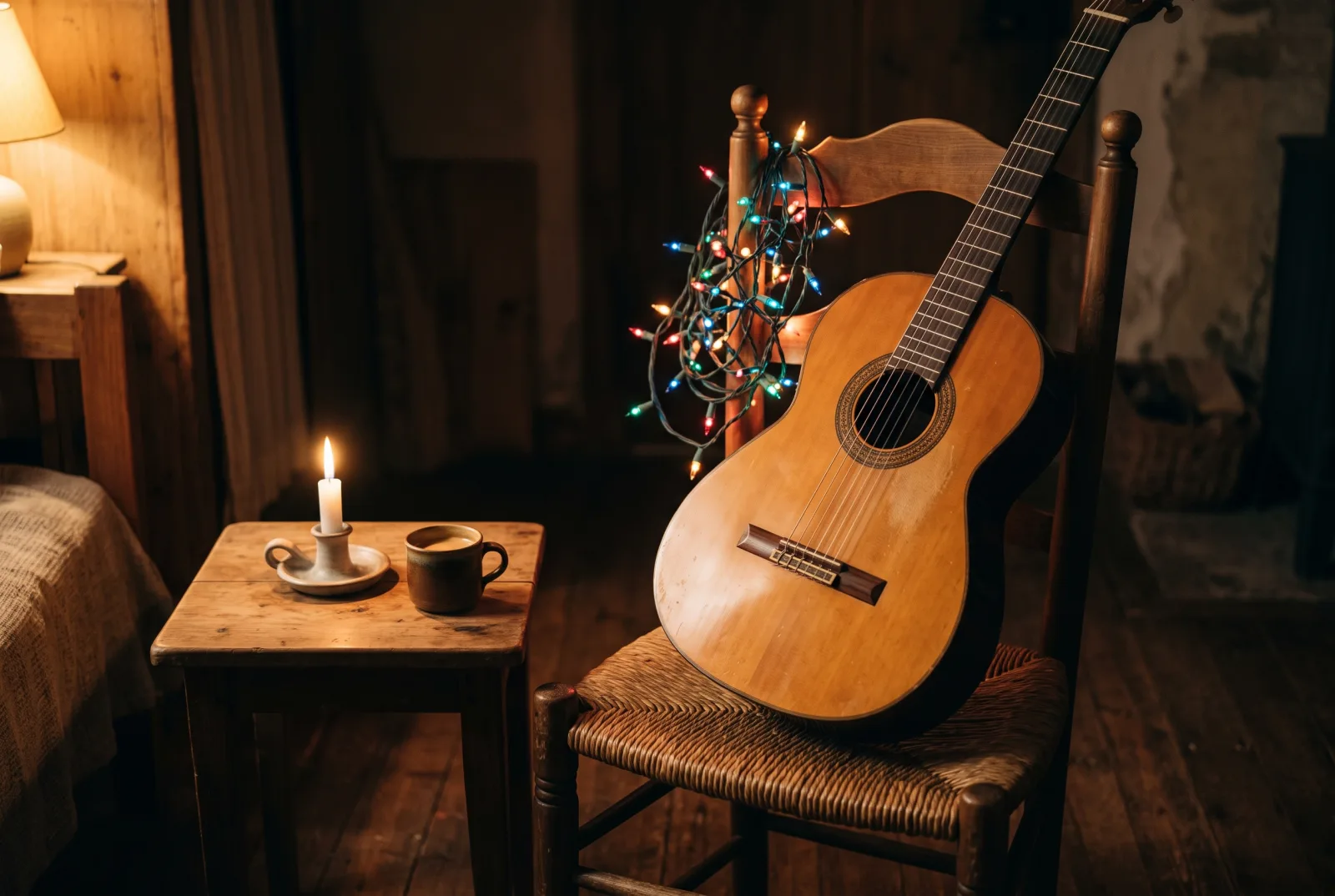
Roy Orbison
The glasses he left behind
The image that defined him for life came from something forgotten on a plane. And the man who sang sadness like nobody else lived it in a way that is hard to imagine.
60s
folk
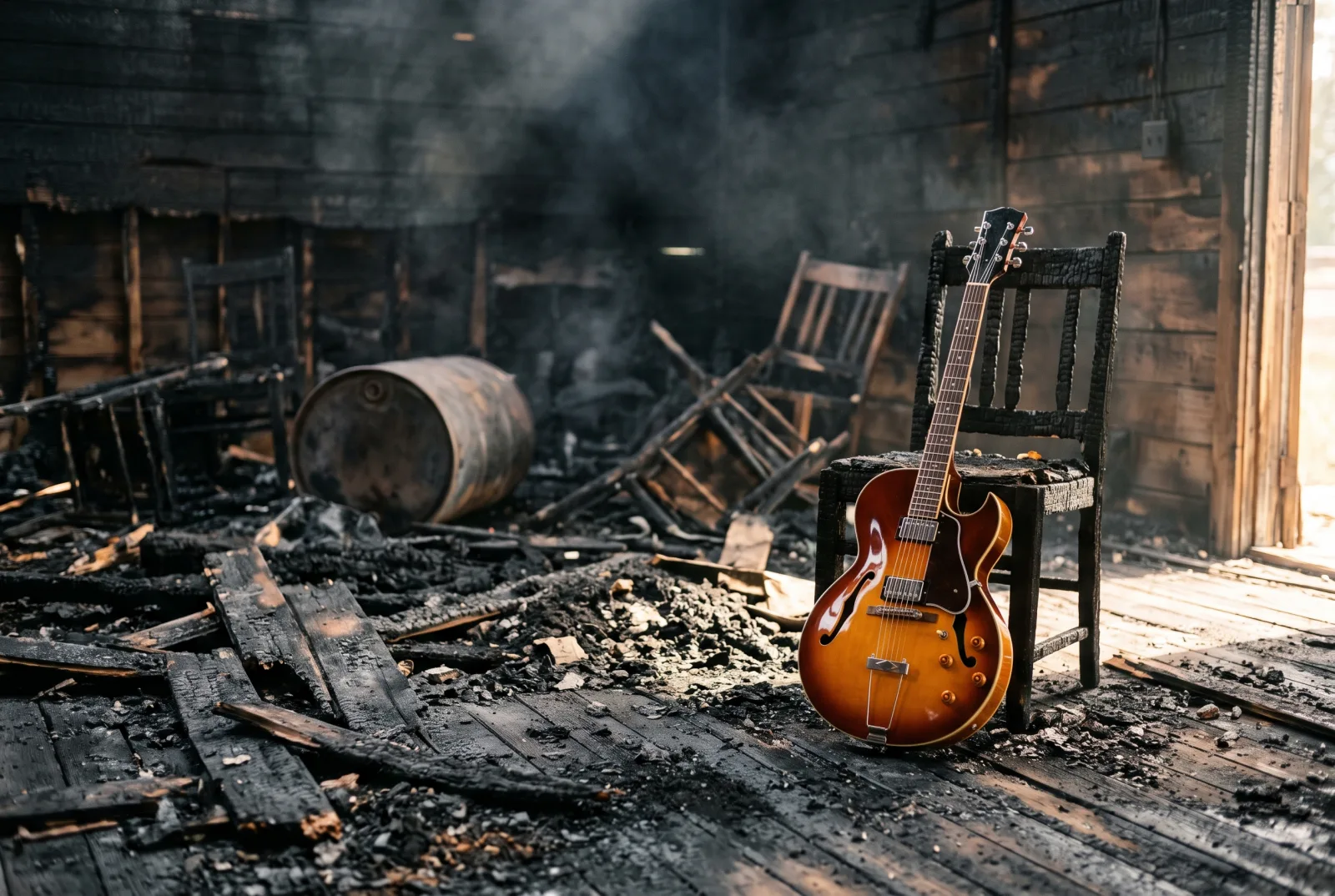
José Feliciano
The slow fire
He turned a Doors song inside out until it was his, and paid dearly for singing the anthem his own way. Time proved him right on both counts.
60s
blues rock
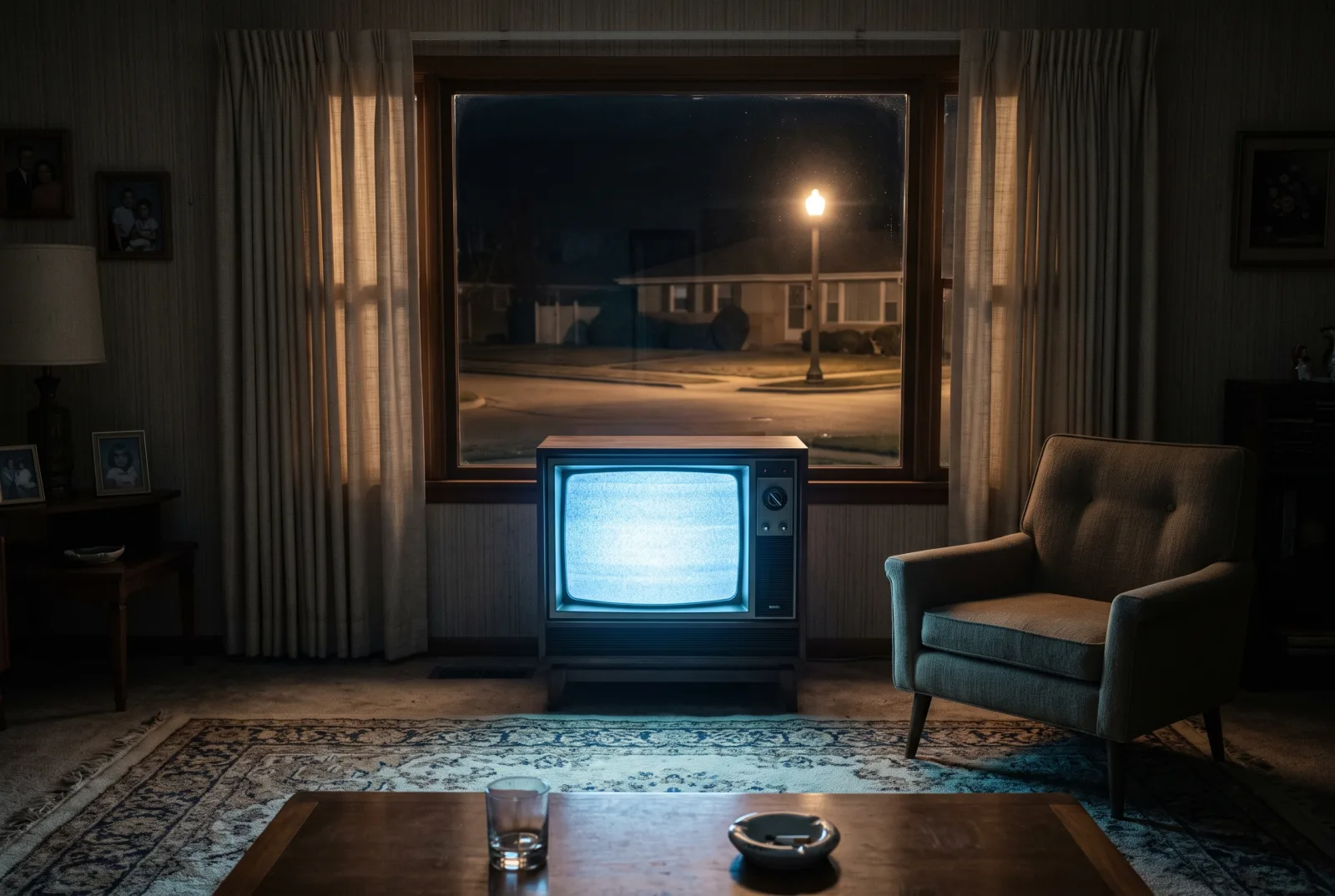
B.B. King
One single note
He taught the world that one note, well played, says more than a speech. And he ran back into a burning hall for his guitar, with an ending almost nobody tells.
60s
funk
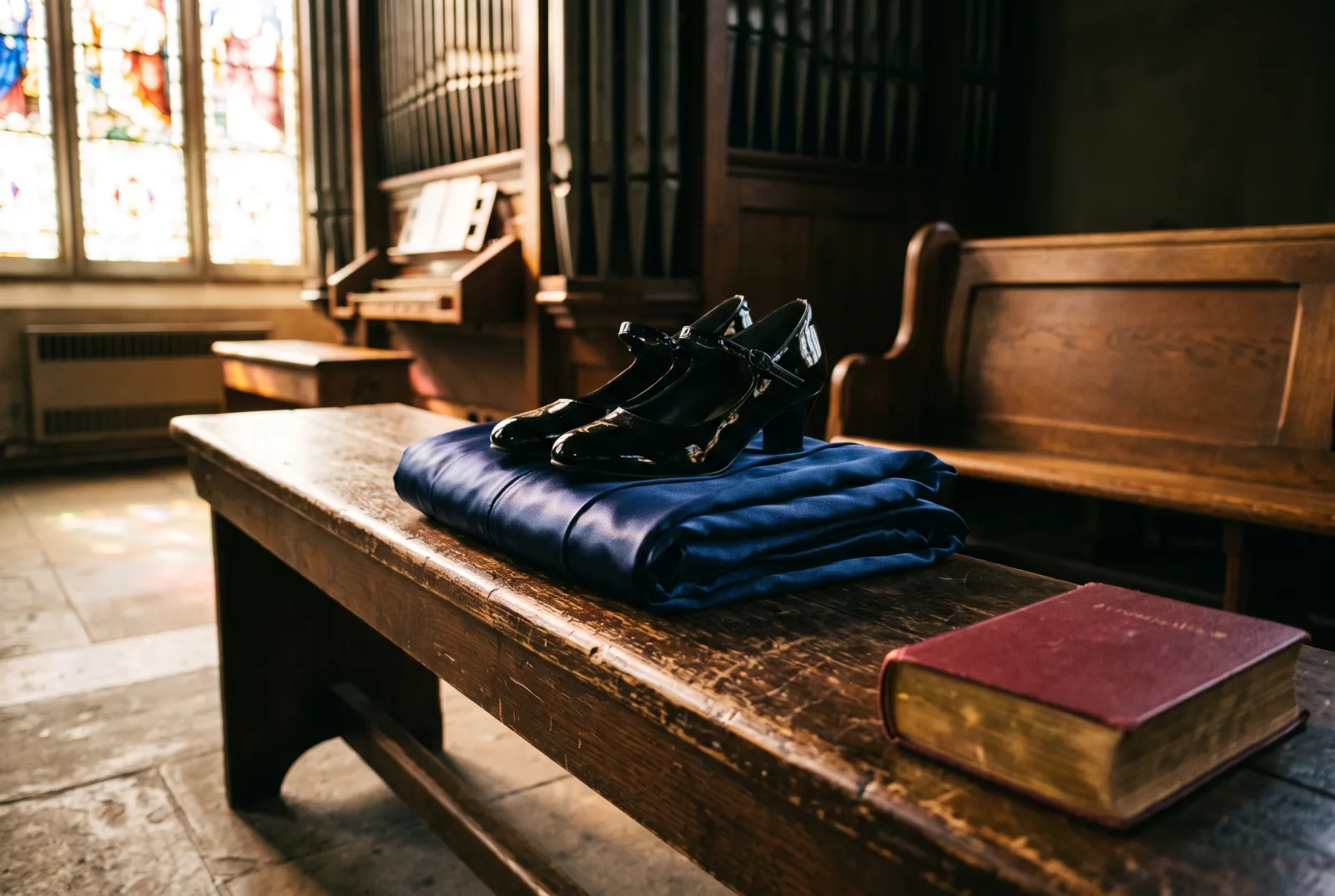
James Brown
The night Boston didn't burn
He invented funk by pushing the melody back and the rhythm forward. And the night after Martin Luther King was killed, his televised concert kept a whole city indoors.
60s
soul
Aretha Franklin
She took the song away
She took a man's song and turned it into the anthem of women and of civil rights. Its own author admitted it, on stage, with resignation and humour.
60s
garage
Shocking Blue
The Dutchmen who got there first
Four musicians from The Hague, three chords and a typo: the first American number one by a Dutch band was sung with a word that doesn't exist, over a folk melody already more than a century old.
60s
blues rock
The Rolling Stones
Sixty years, and the heart that stopped beating
Behind the wildest band in the world sat the calmest man: a drummer who loved jazz, hated touring and did it anyway for half a century. When he died, in 2021, the ones left behind made a record with his drumming inside it.
60s
folk
Caetano Veloso
Devouring the world
Tropicália said something deeply subversive without shouting a single slogan: that Brazil could open itself to the whole world and still be Brazil. For that idea he was jailed and exiled.
60s
blues rock
Janis Joplin
The hole where her voice should have gone
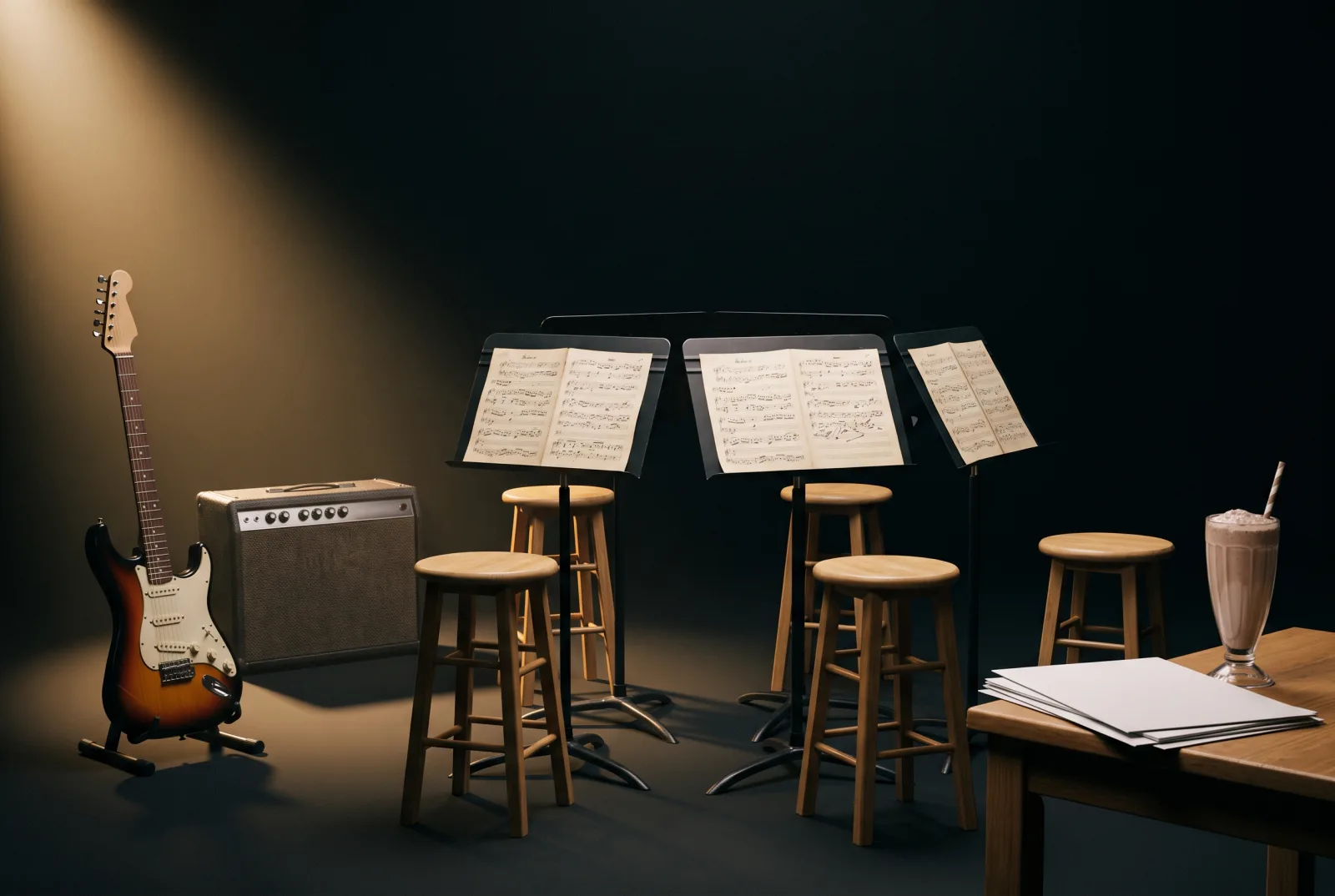
When they finished Pearl there was a song with the backing track recorded, waiting for her vocal the next day. Nobody sang it. The album came out with those three minutes as an instrumental: a band playing around a silence. It is the best portrait of what was lost, and she left it recorded by accident.
60s
pop
The Archies
The band that could not argue
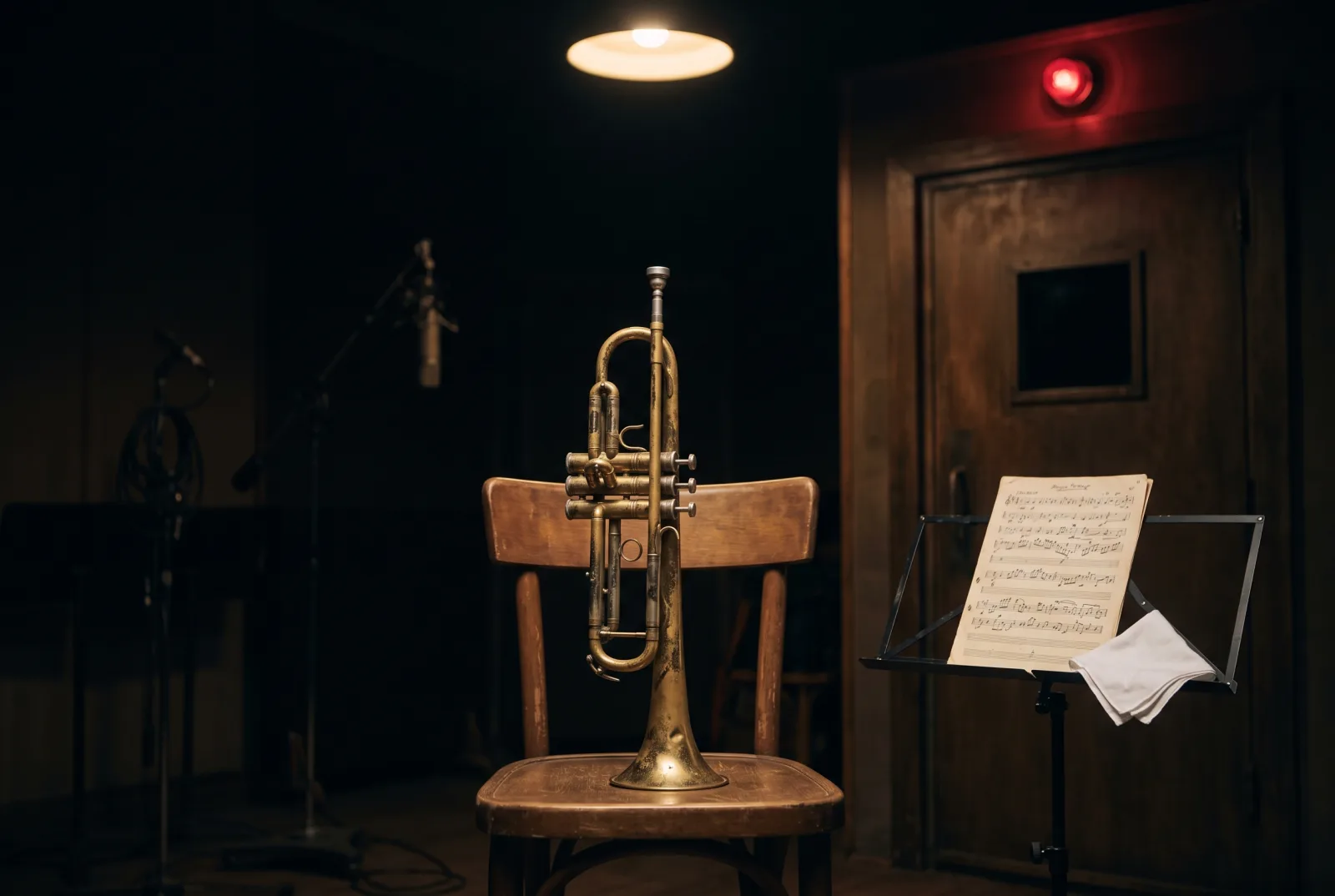
Don Kirshner had already built a television band and it had gone badly: the Monkees rebelled. His answer was impeccable in the cold sense of the word: the next one would be a cartoon.
60s
pop
Louis Armstrong
The boss who hated the song
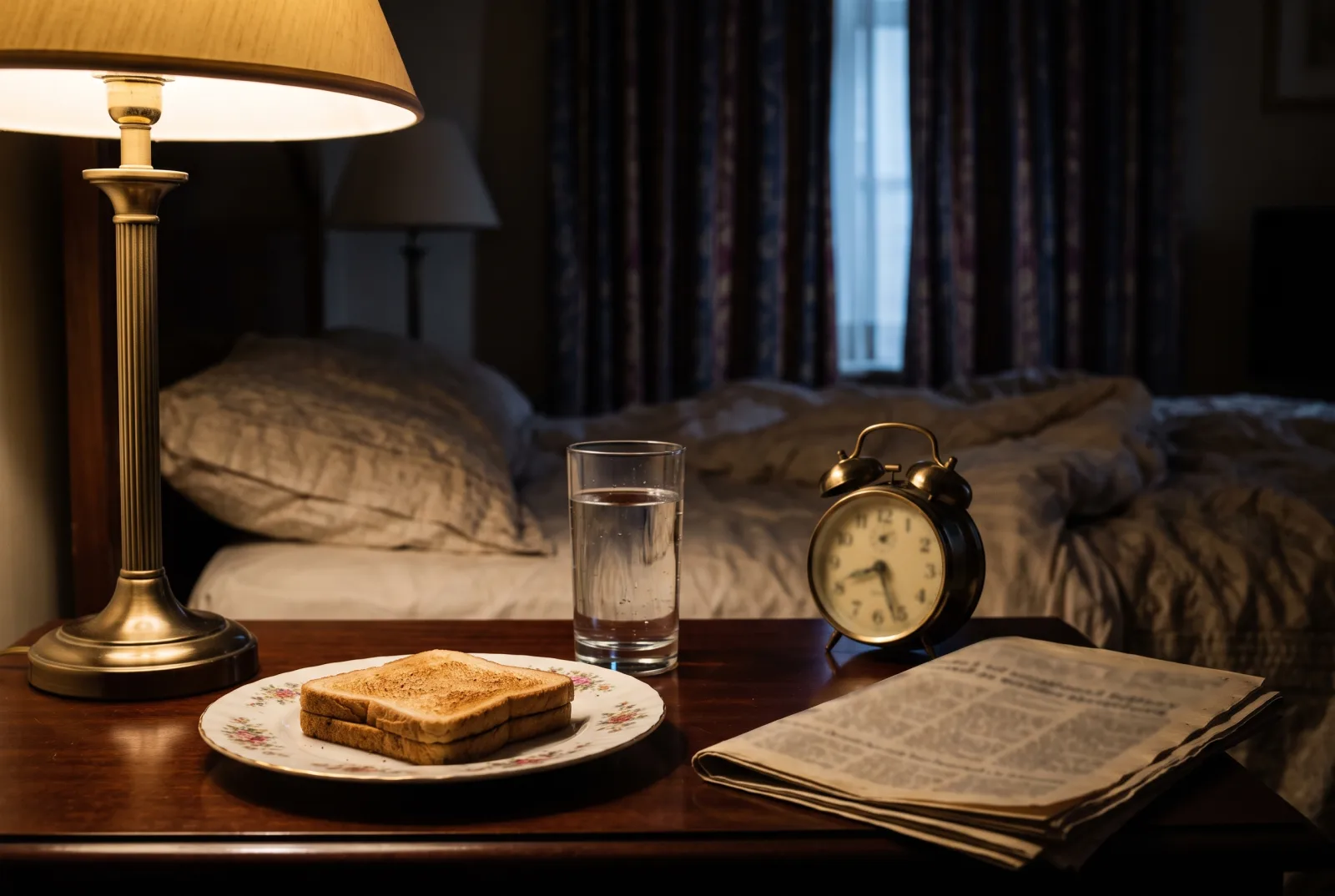
The label president thought it was rubbish. He tried to stop the session, was removed from the studio, and then took his revenge by not promoting it: "What a Wonderful World" sold under a thousand copies.
60s
folk
The Mamas and the Papas
The lie in the obituary
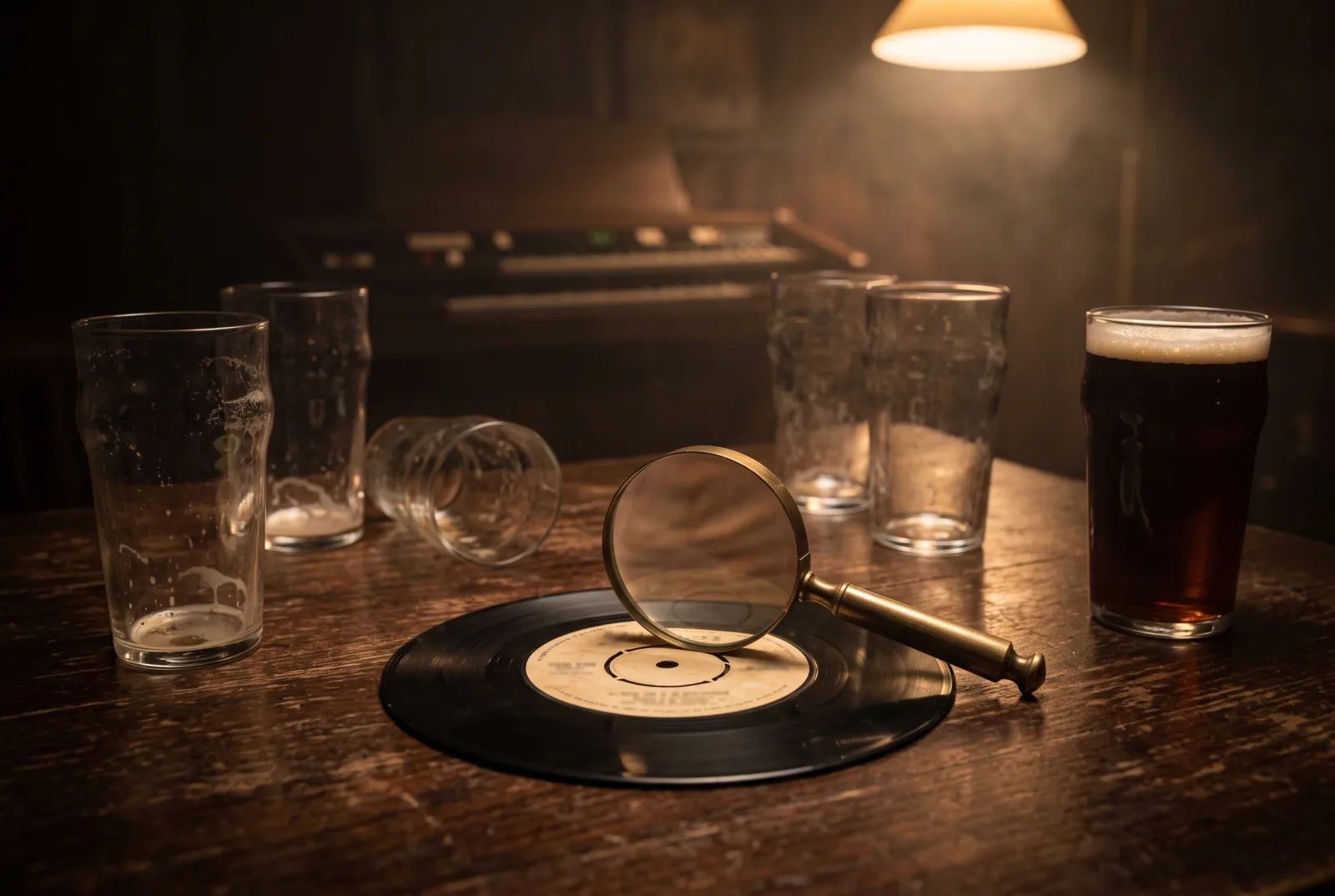
The ham sandwich joke did not spread on its own: Cass Elliot's manager invented it and dictated it to a journalist. She admitted it in 2020, forty-six years later.
60s
blues rock
The Animals
One name on the label
"The House of the Rising Sun" belongs to nobody: it is traditional and in the public domain. But whoever signs the arrangement collects, and the label carries one name out of five.
60s
folk
Simon & Garfunkel
The drums nobody asked for
They had split in 1965, before they were anybody. A producer took the tape and overdubbed drums onto it without telling them, and that record went to number one. They had to get back together.
60s
blues rock
Creedence Clearwater Revival
Second place five times over
They never had a number one. Five times they reached number two and five times they stayed there, and what blocked them were songs with their own entries in this very collection.
60s
pop
Neil Sedaka
The half somebody else signed
He died on 27 February 2026 and the obituaries called him the man behind "Breaking Up Is Hard to Do". The song has two names in the credits, and the second had been dead for twenty-five years.
60s
soul
Ben E. King
From psalm to plea
He took a church hymn and some verses from Psalm 46 and turned them into something you can say to another person. Seven million broadcasts later, it isn't his any more.
60s
soul
Etta James
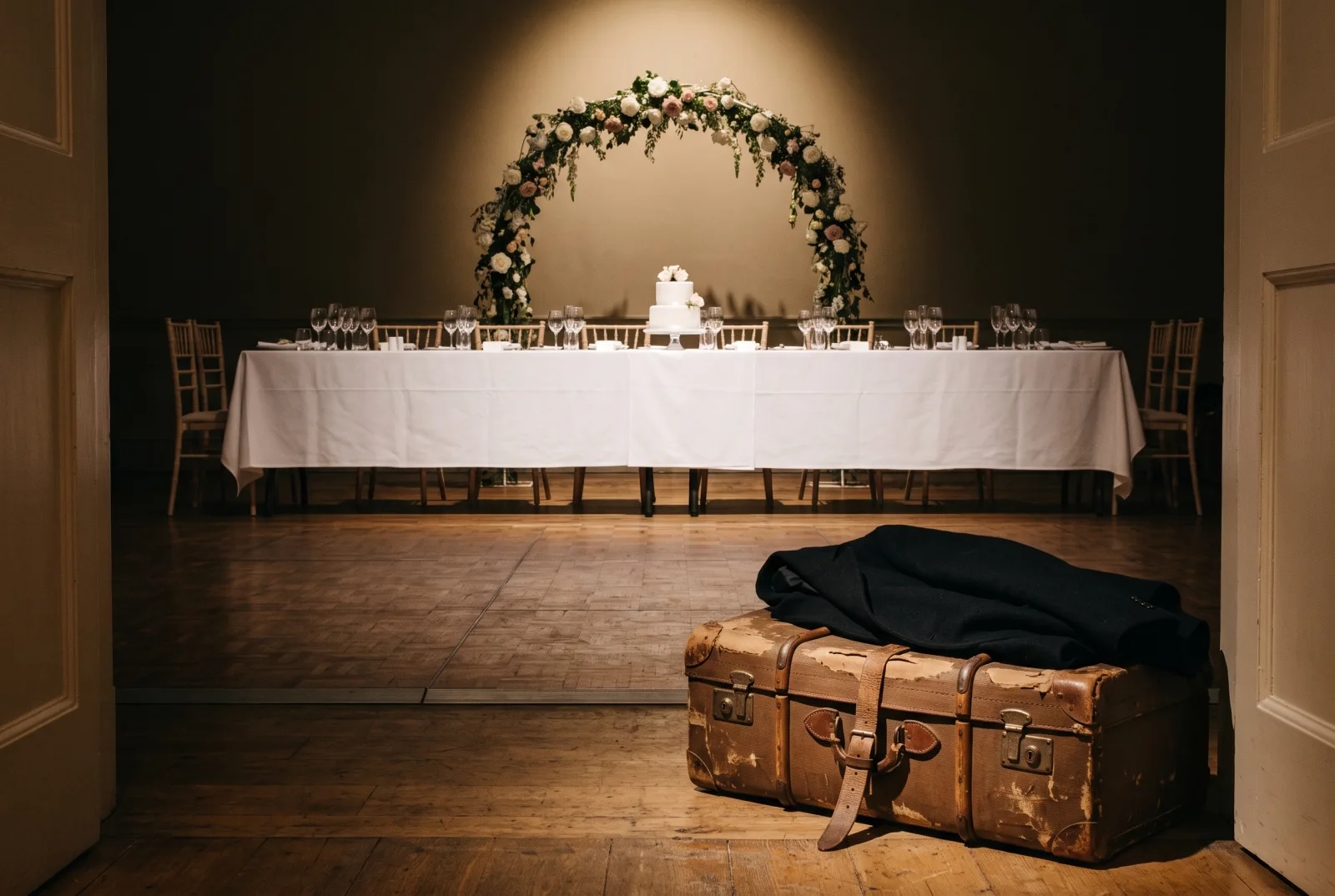
The suitcase by the door
She gave the world the song of love fulfilled from a life that was exactly the opposite. That's why it rings true: she sang it from the side of the lack.
60s
pop
The Ronettes
Everyone playing at once
The wall of sound meant packing dozens of musicians into a small room playing at the same time. On top of all that went a single voice, and it was Ronnie's.
60s
pop
Frankie Valli
Four decades
A falsetto that climbs higher than almost any woman's, coming out of a guy from a Newark neighbourhood. Seven number ones in sixteen years, and the British wave didn't take him.
60s
pop
Paul Anka
Writing another man's life
One night in 1968 he sat down to write what Frank Sinatra would say if he had to sum up his life. Millions think they hear Sinatra and hear a twenty-seven-year-old Canadian.
60s
pop
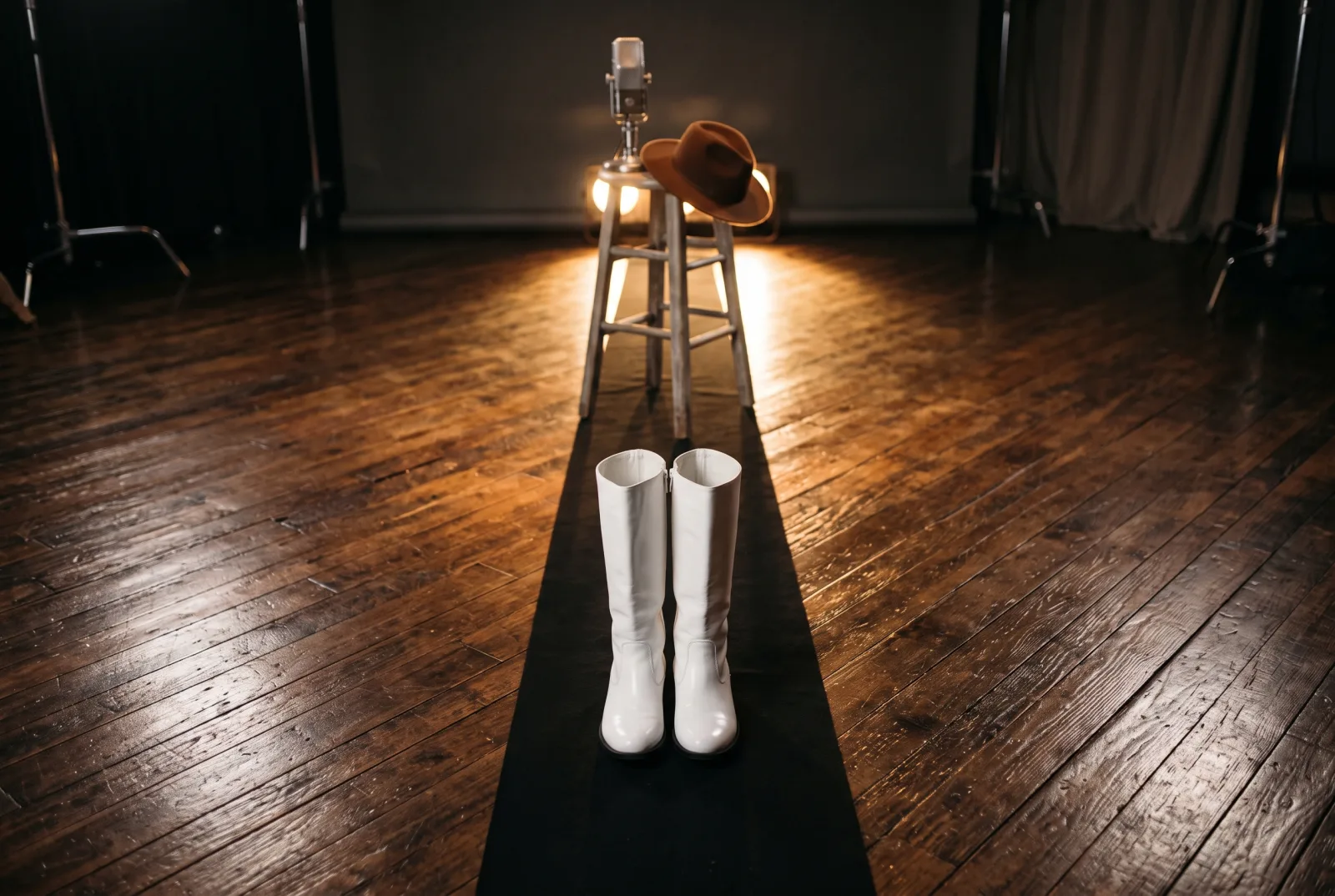
Nancy Sinatra
Boots on the shadow
She carried the heaviest surname in American music and shook it off with a song her father would never have sung.
60s
pop
Los Bravos
Sounding like they weren't Spanish
A Spanish band, a German singer, a song by English writers recorded in London with English musicians. To break the charts you had to sound like you came from somewhere else.
Series
A History of Chilean Rock · Chapter 4: A Voice Is Born
The late sixties: five schoolboys debut in 1963 playing someone else's song and end up giving Chile one people still know by heart. Los Jaivas cross the electric guitar with the cueca and the charango, marrying the parents to the children, and the echo finally falls silent: the country stops sounding like the world and starts sounding like Chile.

Series
A History of Chilean Rock · Chapter 3: The Counterculture and the Root
The sixties: while the world lets its hair down and runs towards Woodstock, Chile runs the other way —downwards, towards the root. Violeta Parra unearths the country's peasant folklore, the Nueva Canción Chilena is born, and a country starts finding out where it comes from. The half Chilean rock needed to stop being an echo.
Series
A History of Chilean Rock · Chapter 2: The Window
The sixties: in a garden in Viña del Mar, six songs about a city open what will become the biggest stage in Latin America. The Viña Festival was the window through which the world came into Chile and Chile leaned out towards the continent — but a window has glass, and rock spent decades pushing against it.
Series
A History of Chilean Rock · Chapter 1: The Echo and the Spark
The sixties: rock arrives imported and Chile sings by ear, in a borrowed language, what others invented. Until 1962, when football's World Cup and a guitar meet and Los Ramblers record "El Rock del Mundial": the best-selling single in the country's history and the first song ever made for a World Cup. Chapter one of a series on six decades of Chilean rock.
Opinion
Music as Crowd Control and a Tool of Normalisation
How music shapes, disciplines and sometimes liberates crowds. From the Nuremberg rallies to Adorno, Foucault and the supermarket's piped music: why what feels like the freest of experiences is also one of the most effective instruments of control there is.
60s
pop
Pop Culture and Its Struggles Since the Sixties
How a music made to please became a battlefield for civil rights, feminism and sexual freedom. From Motown in white households to the girl groups singing their own desire and Bowie's Ziggy Stardust: pop as culture's Trojan horse.
60s
pop
How Pop Culture (and Pop) Was Born
The story of the most loved, best-selling and most looked-down-upon genre of them all: from the Brill Building song factory to the invention of the teenager and the soundtrack of the world's youth. Why a genre built to please ended up changing society without meaning to.
60s
garage
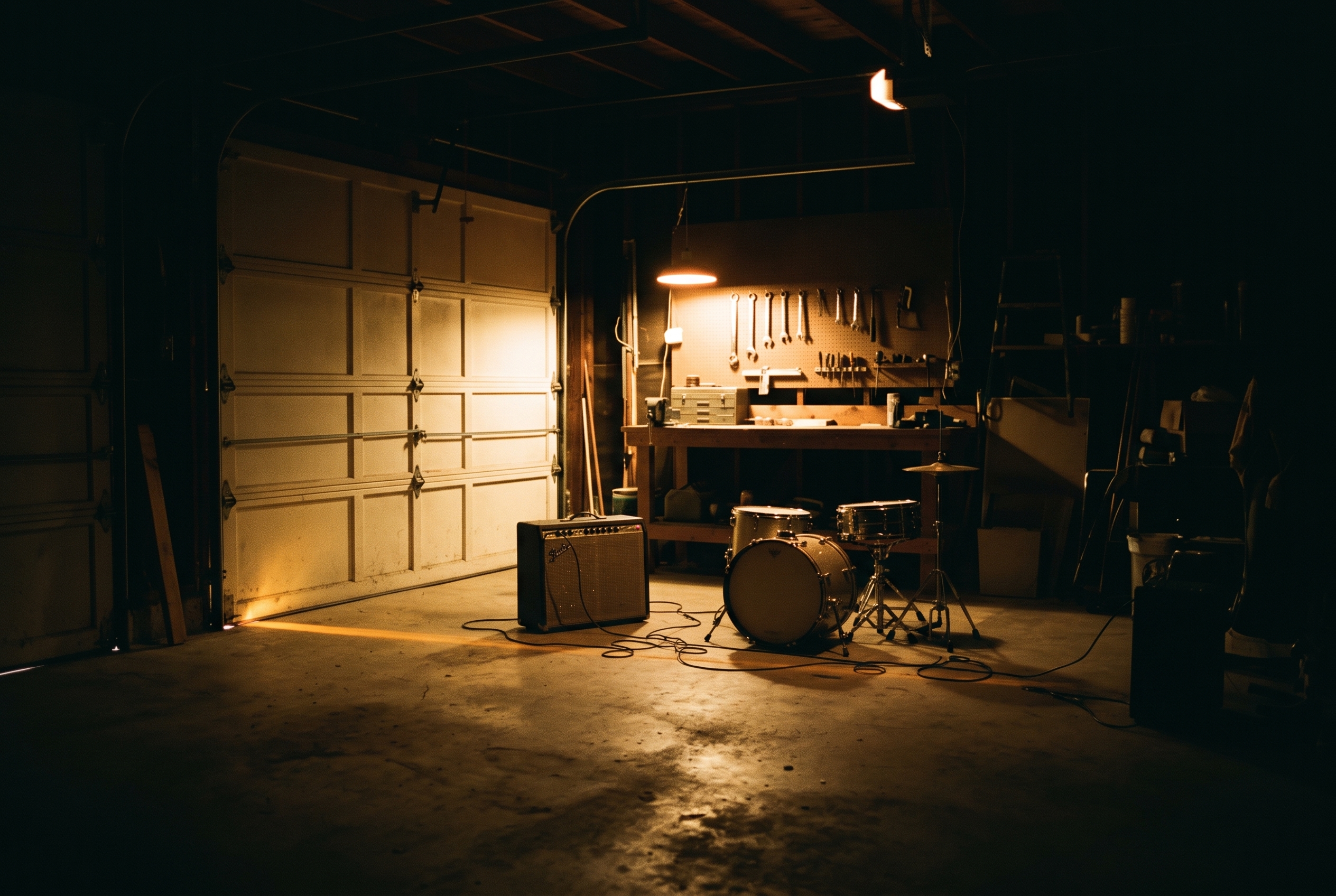
What Is Garage Rock?
Garage rock did not exist while it was happening: nobody called it that at the time. What it is, where it came from, and why a 1972 compilation had to rescue it from oblivion before anyone realised punk had started there.
60s
garage
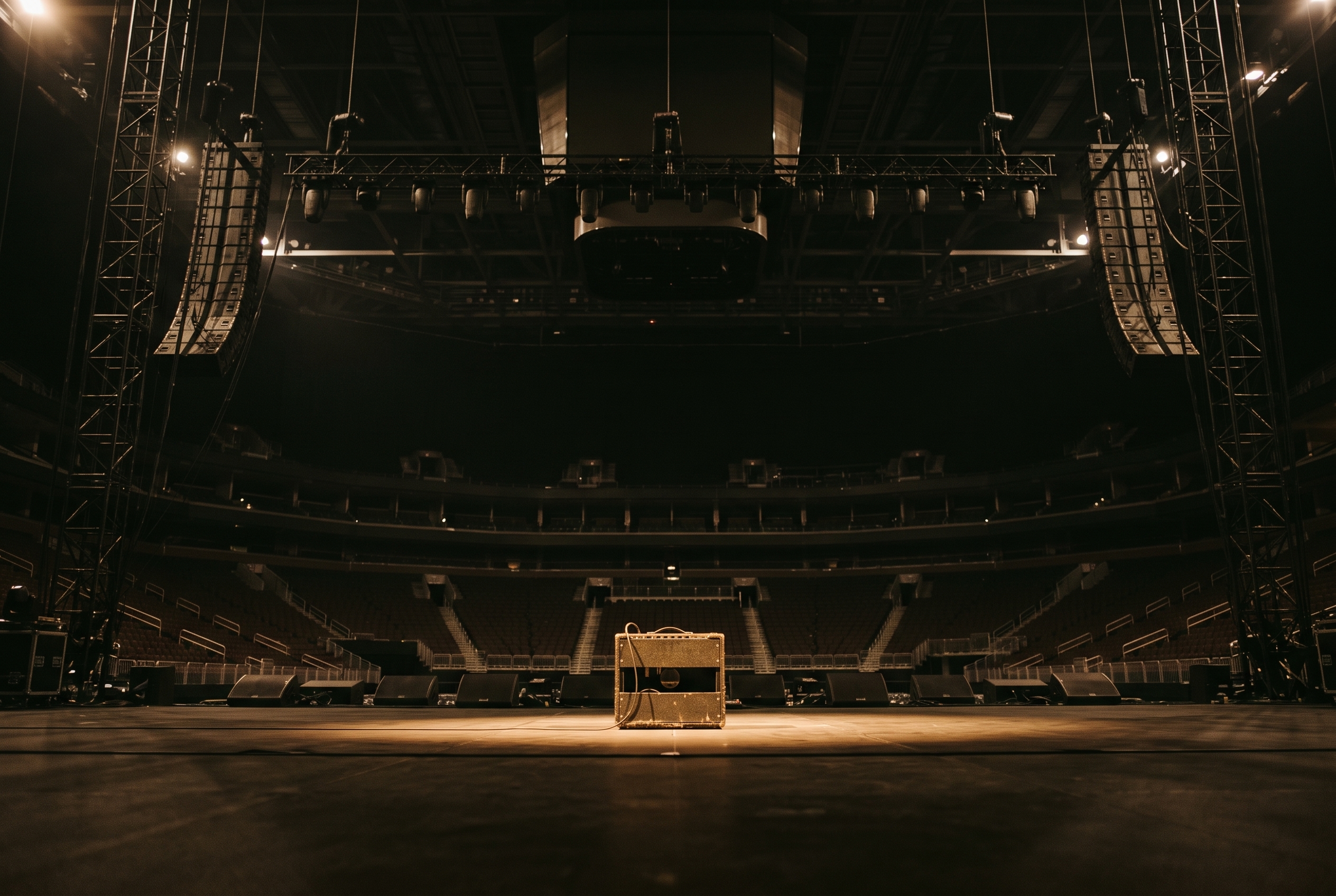
From the Garage to the Stadium
Every fifteen or twenty years rock grows too perfect and someone, from a basement, drags it back to the essentials. Punk, garage punk, grunge and the 2000s revival: the map of the returns, and why rock's humblest sound is the one it always comes home to.
60s
garage
Ten Garage Rock Bands You Have to Hear
Every garage rock list looks the same: the same four names and the same two songs. This one starts with the essentials and lingers on the ones you don't know — the Monks, the Count Five, the Knickerbockers and the rest of the nuggets buried deepest.
60s
psicodelia
Psychedelia 1967: The Year That Changed Everything
From The Doors in January to Pink Floyd in August, by way of 'Sgt. Pepper's' and Monterey: in twelve months rock won three freedoms it never gave back. It was also the year psychedelia started claiming its casualties.